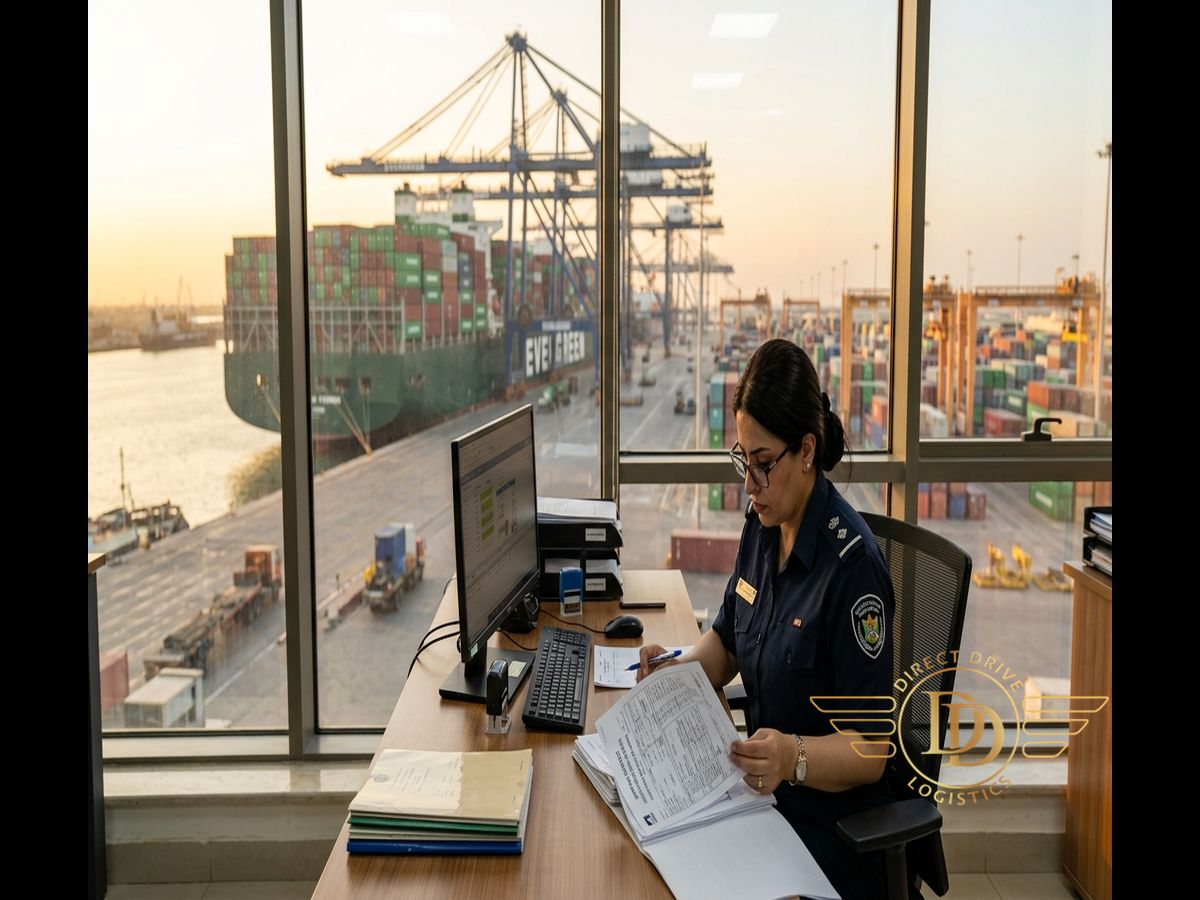
Discover how shipping from korea to iraq can transform your operations with this guide demystifies the final, most complex stage of the journey—iraqi customs—by providing actionable insights from our unique position as a government-licensed clearing agent operating directly inside the port of umm qasr.
Missing one critical customs document can delay your Iraq shipment by 3–6 weeks and incur over USD 800 in storage fees, a common challenge when navigating complex international logistics. Shipping from Korea to Iraq involves meticulous planning, from understanding current freight costs to adhering to strict Iraqi import regulations. This guide demystifies the final, most complex stage of the journey—Iraqi customs—by providing actionable insights from our unique position as a government-licensed clearing agent operating directly inside the Port of Umm Qasr.
In June 2026, the average shipping charge for a 40ft container from Korea to the Middle East reached approximately USD 5,520, a 15.1% month-on-month increase. This volatility underscores the importance of understanding Incoterms (International Commercial Terms), which define the responsibilities of buyers and sellers for the delivery of goods under sales contracts. Without expert guidance, these rising costs and complex regulations, including the new Cabinet Decision No. 957 of 2025 which updated customs tariffs across ~16,400 items, can significantly impact your landed costs.
This comprehensive guide explores shipping from Korea to Iraq through multiple perspectives. We will cover key shipping routes, methods, and the estimated transit times for various cargo types, including a detailed look at Full Container Load (FCL), where a single consignee utilizes the entire container, and Less than Container Load (LCL), where multiple shipments are consolidated into one container. We will also highlight crucial documentation requirements, distinct differences when shipping to Erbil (KRI) versus Baghdad (Federal Iraq), and how to choose a freight forwarder with genuine on-the-ground Iraqi expertise.
Whether you’re a logistics professional or business owner, you’ll gain actionable insights to enhance your operations, avoid common pitfalls, and confidently navigate the intricacies of shipping from Korea to Iraq. This guide will help you secure your cargo, choose the right logistics partner, and ensure smooth customs clearance.
Navigating Bilateral Trade: Key Korean Exports to Iraq
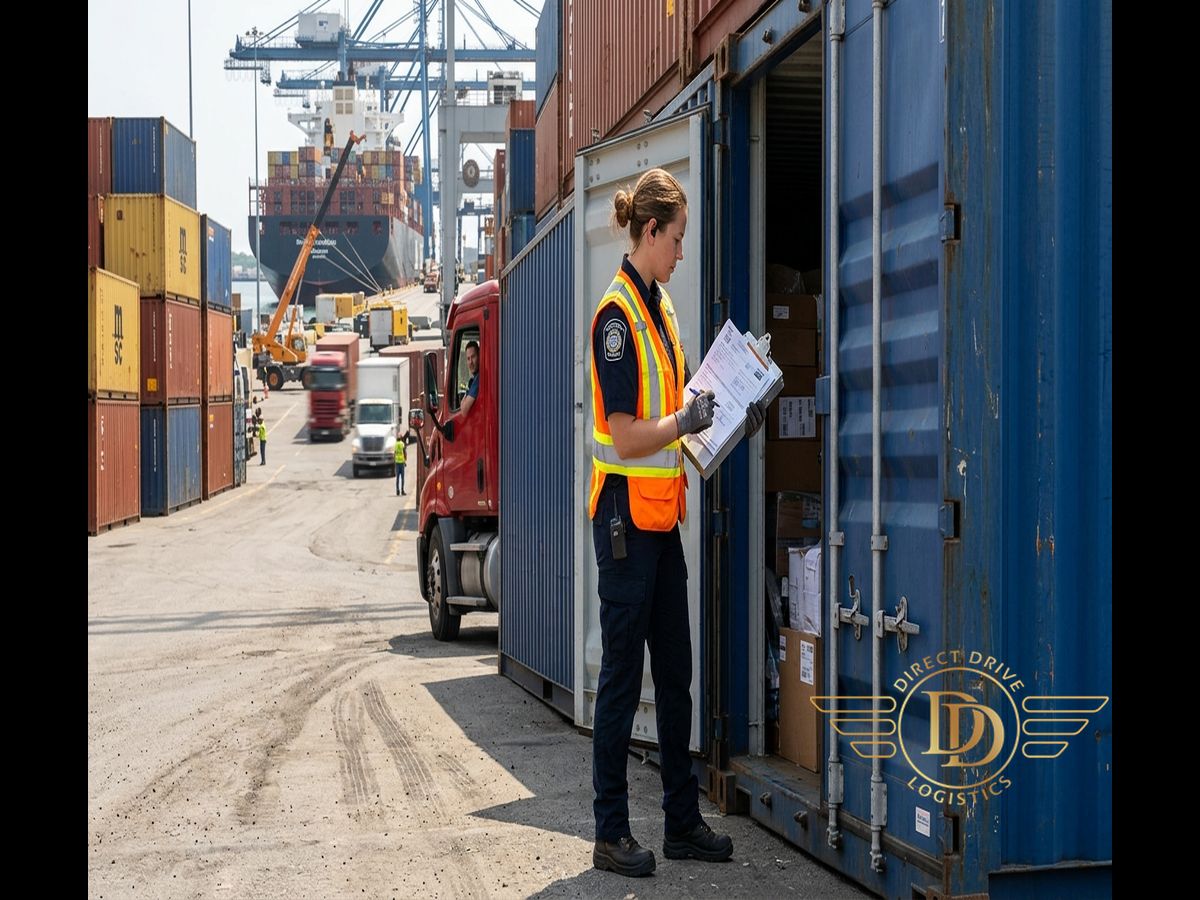
A Rebounding Partnership: Examining the Growth in South Korea-Iraq Trade Volume
The landscape for shipping from Korea to Iraq is defined by a powerful economic resurgence. Bilateral trade has seen a significant rebound, with total volume reaching an impressive USD 10.5 billion in 2025. This growth reflects Iraq’s increasing demand for high-quality Korean manufactured goods, driven by reconstruction projects and a growing consumer market.
At the forefront of this trade are specific high-demand sectors. Korean car exports to Iraq, including both new vehicles and spare parts, represent a substantial portion of the cargo arriving at the Port of Umm Qasr. Following closely are consumer electronics, industrial machinery, and pharmaceuticals, all critical for Iraq’s infrastructure and public health development.
In our operations across Iraq, we consistently see that shipments of Korean automotive and electronic goods require the most precise documentation to avoid delays. A frequent error is misclassifying electronic components, which can trigger additional inspections and fees at customs. As a government-licensed clearing agent at Umm Qasr, we manage these specific declarations directly, preventing such costly setbacks. Our expertise in shipping from Italy to Iraq also highlights the importance of meticulous documentation for international trade.
This surge in commerce is supported by strengthening diplomatic and economic ties, creating a more stable environment for logistics. The increased trade volume is a clear indicator of market confidence, as highlighted by recent South Korea-Iraq trade statistics. Businesses that align their export strategy with these high-demand categories are best positioned for success. For those looking at broader European markets, understanding shipping from Netherlands to Iraq can offer valuable insights into diverse trade routes.
Your next step: Validate your product’s HS code against Iraq’s current import regulations to ensure it qualifies for standard customs clearance. Contact our team to confirm the specific documentation required for your goods.
Comparing Shipping Methods: Air vs. Sea Freight Options
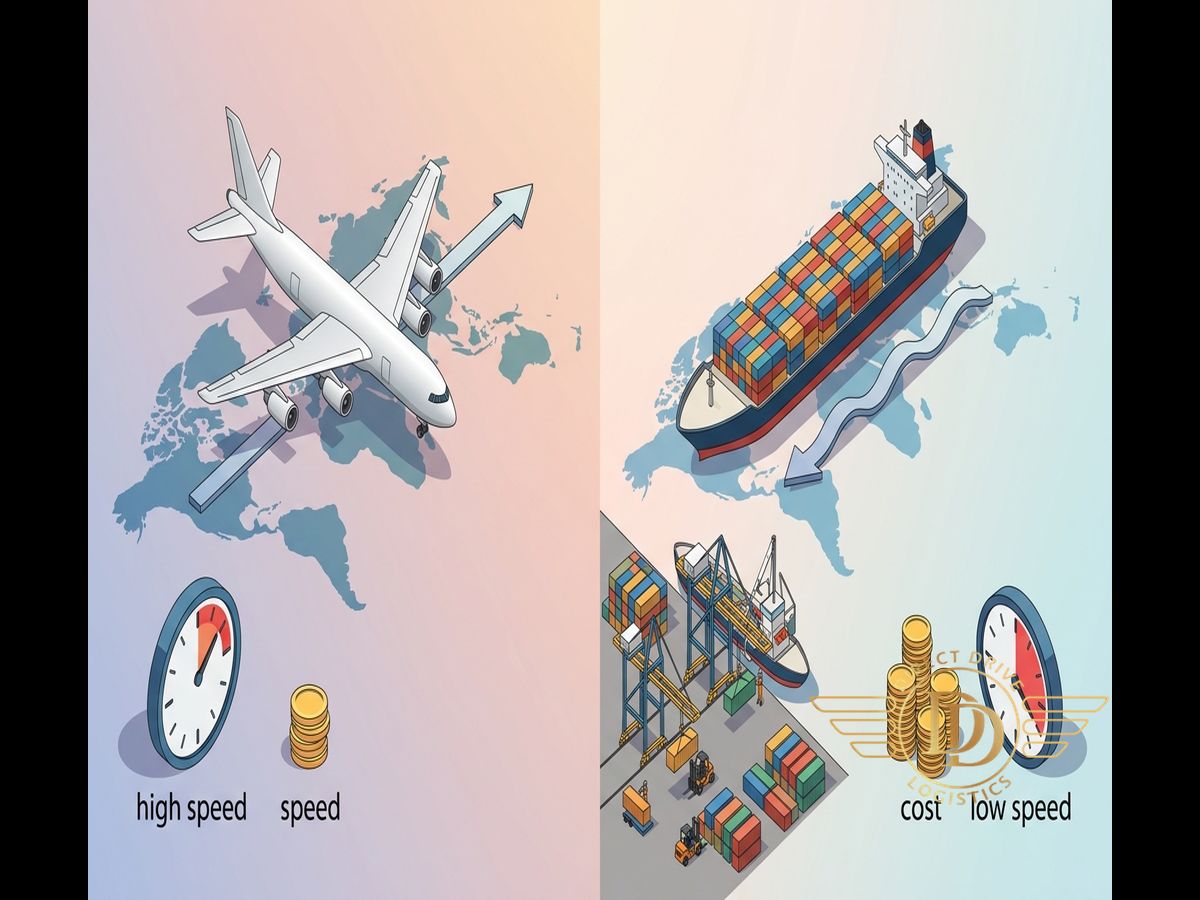
Cost vs. Speed: Analyzing Transit Times and Rates for Air and Sea Shipments
Choosing the right method for shipping from Korea to Iraq is a critical balance between budget and urgency. With the bilateral trade volume reaching USD 10.5 billion in 2025, the flow of Korean cars, electronics, and pharmaceuticals into Iraq demands precise logistics planning. The decision between air and sea freight directly impacts your total landed cost and supply chain efficiency.
Sea freight remains the most cost-effective solution for bulk shipments. As of June 2026, the average shipping charge for a 40ft container from Korea to the Middle East Gulf was approximately USD 5,520. The typical Busan to Umm Qasr transit time is 25-35 days, making it ideal for planned stock replenishment and large project cargo.
In our operations at Umm Qasr, we consistently see importers surprised by ancillary port charges that can add 15-20% to their initial sea freight quote. As a government-licensed clearing agent operating directly inside the port, we provide all-in pricing to eliminate these costly surprises. Our expertise extends beyond Korea, offering reliable shipping from Malaysia to Iraq with similar transparency.
| Feature | Sea Freight (Busan to Umm Qasr) | Air Freight (Incheon to Baghdad/Erbil) |
|---|---|---|
| Average Cost | ~USD 5,520 per 40ft FCL (June 2026) | $5 – $10 per kg (estimate) |
| Transit Time | 25-35 days | 3-7 days |
| Best for Cargo | Automotive, machinery, bulk electronics, non-perishables | High-value pharmaceuticals, urgent spare parts, consumer electronics |
| Volume Suitability | Large shipments (Full Container Load – FCL) | Smaller, high-value, or time-critical shipments |
Air freight offers unparalleled speed for time-sensitive cargo, with a shipping time from Korea to Iraq of just 3-7 days into Baghdad or Erbil. While the air freight vs sea freight cost is significantly higher, it is the optimal solution for high-value goods where delays would cause greater financial loss. This method is essential for maintaining lean supply chains for critical components.
Your next step: Provide our team with your cargo’s HS code, weight, and dimensions to receive a detailed, side-by-side cost and transit time analysis for both air and sea freight within 24 hours.
Key Aspects of Shipping From Korea
Navigating Iraq’s Dual Customs: Federal vs. Kurdistan Regional Government (KRG) Rules
Successfully shipping from Korea to Iraq demands a clear understanding of the country’s dual customs systems. Goods arriving at southern ports like Umm Qasr fall under Federal Iraqi jurisdiction, while northern land crossings such as Ibrahim Khalil are managed by the Kurdistan Regional Government (KRG). Each authority has distinct regulations and approved documentation, which can impact your entire logistics chain.
For example, a product approved for import into the KRG might require additional certifications to legally enter federal territory. Our team at Direct Drive Logistic has found that shipments cleared in Erbil for a final destination in Baghdad often require a second internal customs declaration, a step that can cause unexpected delays if not planned for. Our Kurdish-speaking team in Erbil specializes in resolving these discrepancies, once clearing a temporary import license with KRG authorities in just one day for a shipment of electronics from Turkey. This expertise is also valuable when navigating shipping from China to Iraq, where similar complexities arise.
Required Shipping Documents and Harmonized System (HS Code) Classification for Exports
The accuracy of your documentation directly controls the speed of your Iraq customs clearance process. A single error can halt your shipment, exposing your budget to market volatility like the 15.1% monthly increase in container shipping rates from Korea to the Middle East recorded in June 2026. A complete and correct document set is your best defense against delays and unexpected costs.
One mistake we see regularly is the misclassification of goods using incorrect Harmonized System (HS) codes. This leads to incorrect duty calculations and mandatory re-inspection, delaying release by days or even weeks. Ensure your paperwork is flawless by following this core checklist for all South Korea’s merchandise exports.
- Step 1: Commercial Invoice — Must detail the shipper, consignee, cargo description, HS codes, value (CIF), and country of origin. Values must be accurate to avoid penalties.
- Step 2: Certificate of Origin (CoO) — This document must be issued by the Korean Chamber of Commerce and Industry and legalized by the Iraqi embassy in Seoul.
- Step 3: Bill of Lading (B/L) or Air Waybill (AWB) — The consignee details listed must perfectly match the Iraqi company’s import license. Any discrepancy will stop the clearance process.
- Step 4: Certificate of Conformity (CoC) — Required for most regulated products, this certificate verifies that goods meet Iraqi quality and safety standards. It must be issued by an authorized inspection body.
Your next step: Send your draft commercial invoice and packing list to the Direct Drive Logistic team for a complimentary compliance review before your cargo leaves South Korea.
Securing Your Cargo: Insurance Options and Claims Process
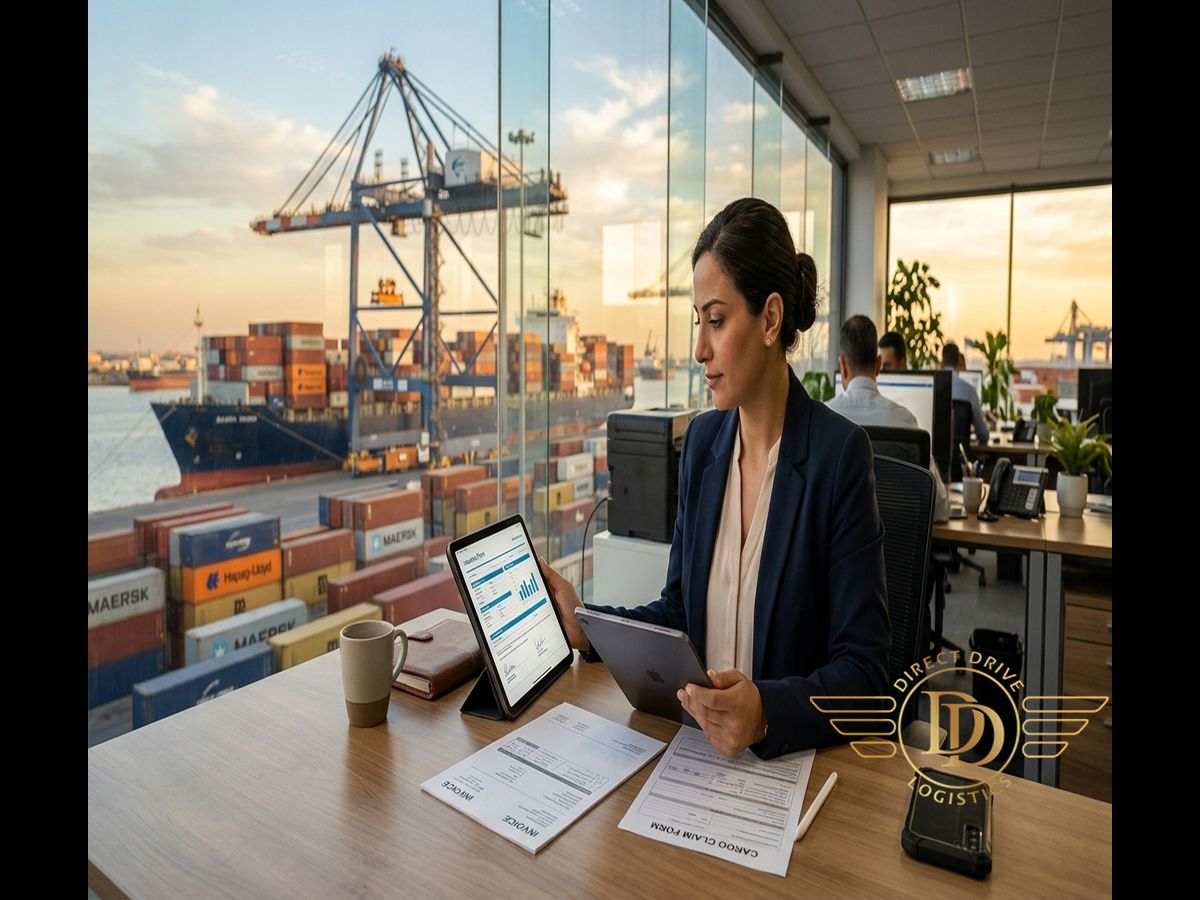
Understanding Key Marine Cargo Insurance Policies for Korea-to-Iraq Shipments
When shipping to Iraq, protecting your investment is paramount. The trade route is dominated by high-value cargo such as consumer electronics (HS 85), pharmaceuticals (HS 30), and automotive parts (HS 87), for which carrier liability offers minimal protection.
We recommend “All-Risk” coverage, based on Institute Cargo Clauses (A), as the most comprehensive option. This policy covers most physical loss or damage from any external cause. More limited policies, such as Free of Particular Average (FPA), may be cheaper but leave significant coverage gaps for fragile or high-tech products.
In our operations across Iraq, we consistently see that clients with All-Risk insurance experience a dramatically smoother and faster cargo damage claim process. The burden of proof shifts from identifying a specific covered peril to simply documenting that damage occurred during transit.
Common Risks and Exclusions in Freight Insurance for the Iraq Route
While comprehensive, freight insurance for Iraq has standard exclusions. Policies typically do not cover losses from improper or insufficient packing, inherent vice (the natural deterioration of goods), or ordinary leakage. With the bilateral trade relationship being so significant—evidenced by Iraq’s USD 9.1 billion in exports to Korea in 2025—insurers carefully scrutinize all claims.
One mistake we see regularly is shippers failing to document their cargo’s condition with photos before it’s loaded in Busan. This oversight severely weakens a cargo damage claim, making it difficult to prove the damage happened during transit and not due to pre-existing issues.
If damage is discovered upon arrival in Iraq, you must notify your forwarder and insurer immediately to initiate a survey. The recent trend towards a closer economic partnership will increase cargo volumes, making robust insurance a non-negotiable part of your logistics strategy.
Your next step: Forward your commercial invoice and packing list to our team for a complimentary insurance review and a comprehensive All-Risk quote tailored for the Iraq route.
Choosing Your Logistics Partner: Freight Forwarders with Iraqi Expertise
Key Criteria for Vetting a Forwarder with Proven Iraqi Market Experience
Successfully managing the logistics of shipping from Korea to Iraq requires a partner with deep, verifiable expertise in the region. Many shipping companies to Iraq from Korea can quote a port-to-port rate, but few can navigate the final mile. Ask potential partners how they manage cost volatility; for instance, standard air freight from Incheon to Baghdad can run USD 3.50–6.00 per kg, but this can surge to over USD 8–10/kg with express integrators during peak demand. For similar considerations for shipping from Iraq
The single most critical credential is a direct government license to operate as an Iraq customs clearance agent. A forwarder without this must subcontract the final, most complex step, adding delays and costs. One mistake we see regularly is businesses selecting a partner on a low initial quote, only to face crippling demurrage fees because the third-party broker their forwarder hired was inefficient.
In our operations across Iraq, we consistently see that a forwarder’s ability to provide a single, all-inclusive invoice—covering freight, clearance, and final delivery—is the best indicator of true end-to-end control.
The Importance of Local Presence for Iraqi Customs and Port Logistics
A forwarder’s effectiveness inside Iraq hinges on their local infrastructure and team. Without a physical presence and fluent local language skills, even standard sea freight shipments—costing an estimated USD 4,000–6,000 per 40ft FCL from Busan to Umm Qasr—can get stuck on minor documentation issues. This is where a partner with a quad-language team fluent in Arabic, Kurdish, Farsi, and English becomes a significant operational advantage.
Direct port access is non-negotiable for efficiency. As a government-licensed clearing agent at the Port of Umm Qasr, Direct Drive Logistic handles clearance directly, without intermediaries. This control allows us to interpret real-time South Korean export data and prepare documentation that aligns perfectly with Iraqi customs’ expectations, significantly reducing inspection times and potential penalties. For businesses focused on the region, understanding the nuances of transporting goods to southern Iraq is crucial for seamless operations.
Your next step: Ask potential forwarders for their Iraqi customs clearing license number and inquire if their on-the-ground team is directly employed or subcontracted.
Send your cargo details to Direct Drive Logistic on WhatsApp — get a route-specific checklist and quote within 24 hours.
Message on WhatsAppWhy Choose Direct Drive Logistic?
Offices in Erbil (HQ) + Tehran (Nasim Shahr Terminal); warehouses in Zakho, Erbil, Basra, and Tehran (2,000 sqm)
Government-licensed clearing agent — direct port access for sea freight into southern Iraq
2,500+ Iraq domestic deliveries, 300+ Iran-Iraq cross-border, 100+ international freight; air freight handler at Erbil, Baghdad, and Basra airports
Operational at 6 KRG borders (Parviz Khan, Bashmagh, Haji Omran, Ibrahim Khalil, Sheikh Saleh, Shoshmi), 5 federal Iran-Iraq borders (Khosravi, Sumar, Mehran, Shalamcheh, Chazzabeh) and 6 further federal crossings (Trebil, Arar, Safwan, Al-Qaim, Al-Rabia, Al-Waleed), plus Bandar Abbas port
Full operational fluency in Farsi, Arabic, Kurdish, and English — client-facing and documentation
~10 trucks/day from Erbil hub covering Baghdad, Karbala, Najaf, Basra, Kut (Wasit), Diyala, Nasiriyah, and all Iraqi governorates
Frequently Asked Questions
Shipping a 40ft Full Container Load (FCL) from Korea, typically from Busan, to Umm Qasr or Basra in Iraq is estimated to cost between USD 4,000 and USD 6,000 in 2026. This range reflects the average shipping charge for a 40ft container from Korea to the Middle East, which reached USD 5,520 in June 2026, a 15.1% month-on-month increase due to Red Sea tensions and capacity constraints. Key factors influencing the final price include fuel surcharges, port handling fees (THC), war risk surcharges, and the specific Incoterms (e.g., FOB, CIF) agreed upon.
Iraq significantly tightened customs tariffs and quality compliance as of January 1, 2026, with Cabinet Decision No. 957 of 2025. This updated customs tariffs across 99 chapters, with rates ranging from 0.5% to 30%. For Korean exports like vehicles (HS 87), a 15% customs duty is now applied, and previous hybrid car exemptions have been removed. Additionally, importers face sales tax (often 15%) and stricter requirements for a Certificate of Conformity (CoC) and the Iraq Quality Mark (IQM), which are crucial for electronics (HS 85) and other consumer goods.
Sea freight from Busan to Umm Qasr or Basra typically takes 25-35 days, depending on the shipping line, transshipment points, and port congestion. Air freight from Incheon (ICN) to Baghdad (BGW) for general cargo usually takes 3-7 days. Delays can be mitigated by ensuring all documentation, including the Certificate of Conformity, is meticulously prepared and submitted in advance. For reliable shipping from Korea to Iraq, working with an experienced general business provider like Direct Drive Logistic, who has a dual-country physical presence and local teams, can help navigate potential customs and border issues efficiently.
Common challenges include navigating Iraq’s evolving customs regulations, managing documentation for various HS codes (e.g., automotive parts, electronics, pharmaceuticals), and ensuring secure transit across the Iraqi landscape. A knowledgeable logistics partner, like Direct Drive Logistic, with over 10 years of experience in the region, can provide crucial support. For instance, our team’s quad-language operations (Farsi, Arabic, Kurdish, English) eliminates communication barriers, and our status as an official licensed clearing agent at Port of Umm Qasr allows for direct port access, often clearing medical equipment in as little as 48 hours, significantly reducing demurrage risks.
Yes, major international couriers like DHL do offer services to Iraq, primarily for parcels and express cargo. However, for larger commercial shipments, especially containerized or project cargo, specialized freight forwarders offer significant advantages. These include expertise in handling specific Iraqi customs requirements, optimizing routes (e.g., sea freight to Umm Qasr then onward by road to Baghdad or Erbil), and managing complex documentation for high-value goods like Korean cars or industrial machinery. Direct Drive Logistic, for example, operates a 17-border crossing network and offers daily scheduled departures from Erbil to all Iraqi governorates, providing a reliable line-haul schedule for comprehensive door-to-door solutions.
Bilateral trade between South Korea and Iraq reached USD 10.5 billion in 2025, with Iraq primarily importing Korean cars, spare parts (HS 87), consumer electronics (HS 85), machinery (HS 84), and pharmaceuticals (HS 30). This high volume of diverse goods necessitates robust logistics solutions. For example, the import of vehicles and electronics requires strict adherence to Iraq’s new 15% customs duty and Certificate of Conformity requirements. Logistics providers must be adept at handling both containerized cargo for bulk goods and specialized handling for sensitive items like pharmaceuticals, often requiring temperature-controlled transport and expedited customs clearance to ensure product integrity.
Conclusion
Successful shipping from Korea to Iraq hinges on a deep understanding of intricate trade routes, dual customs regulations, and robust risk management. The increasing trade volume between South Korea and Iraq, as highlighted by rebounding partnerships, underscores the need for a logistics strategy that prioritizes efficiency and compliance. Navigating everything from air vs. sea freight options to securing appropriate cargo insurance demands expert guidance.
To optimize your next shipment from Korea to Iraq, begin by conducting a thorough audit of your current logistics framework. Specifically, evaluate how your existing processes address Iraq’s dual customs system – Federal and Kurdistan Regional Government (KRG) rules – which the article detailed as a critical aspect. This proactive step will identify potential bottlenecks and ensure regulatory adherence, minimizing delays and unexpected costs.
When your shipment requires seamless navigation through Port of Umm Qasr customs, Direct Drive Logistic stands as your trusted partner. Our status as an official licensed clearing agent at Umm Qasr provides direct port access for sea freight into southern Iraq, streamlining your operations. With unparalleled local expertise and a proven track record, we deliver reliable and secure solutions for shipping from Korea to Iraq. Contact us directly at (+964) 750 637 9296 to discuss your specific logistics needs.
Need Logistics Consultation?
The Direct Drive team is ready to assist. Message us now.
Navigate the complexities of international shipping with ease and confidence. For reliable, efficient, and secure logistics from Korea to Iraq, connect with Direct Drive Logistic today. Call us directly at (+964) 750 637 9296 to optimize your supply chain and ensure timely delivery.
Get Your Free Quote NowContact Us for a Consultation
Location
Direct Drive Logistic
Gulan Street, MRF Quattro Block A 13-9
Erbil, Kurdistan Region