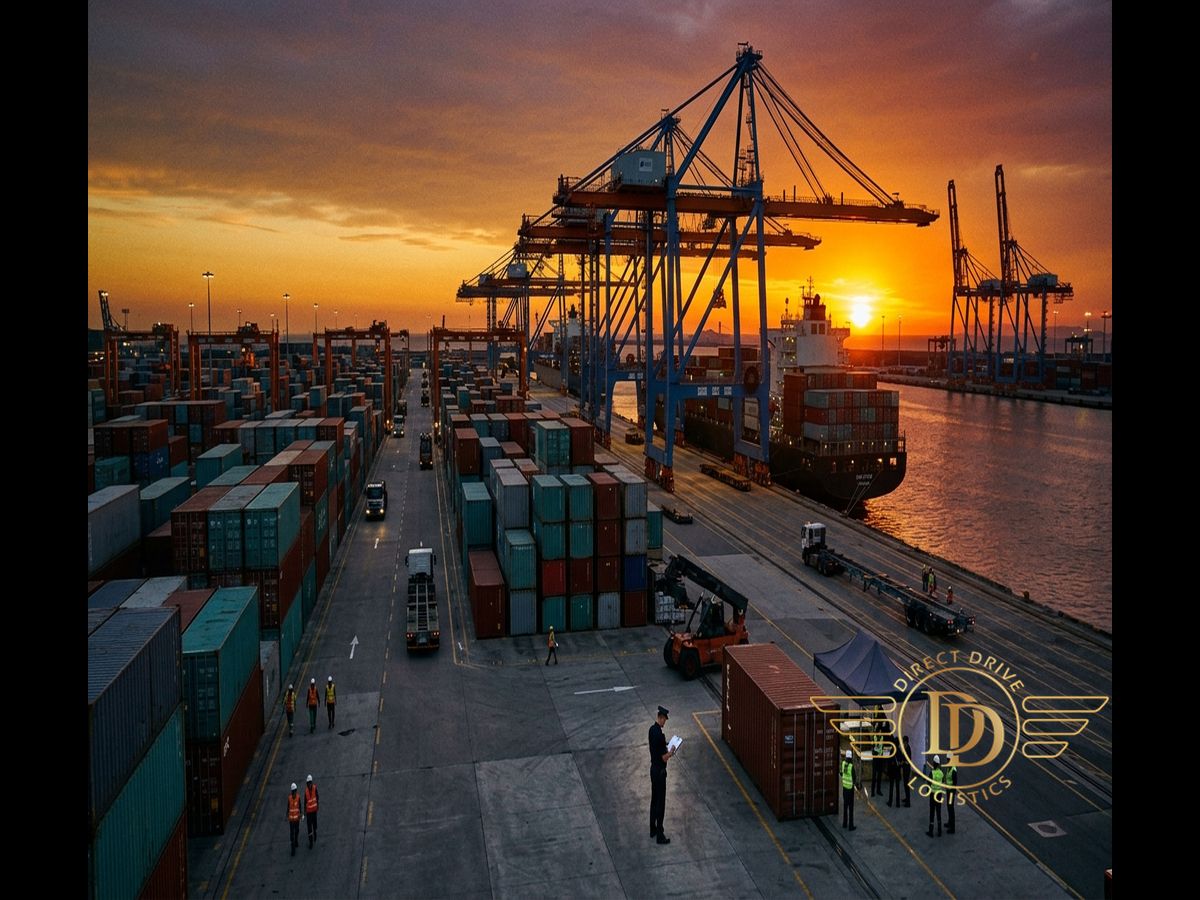
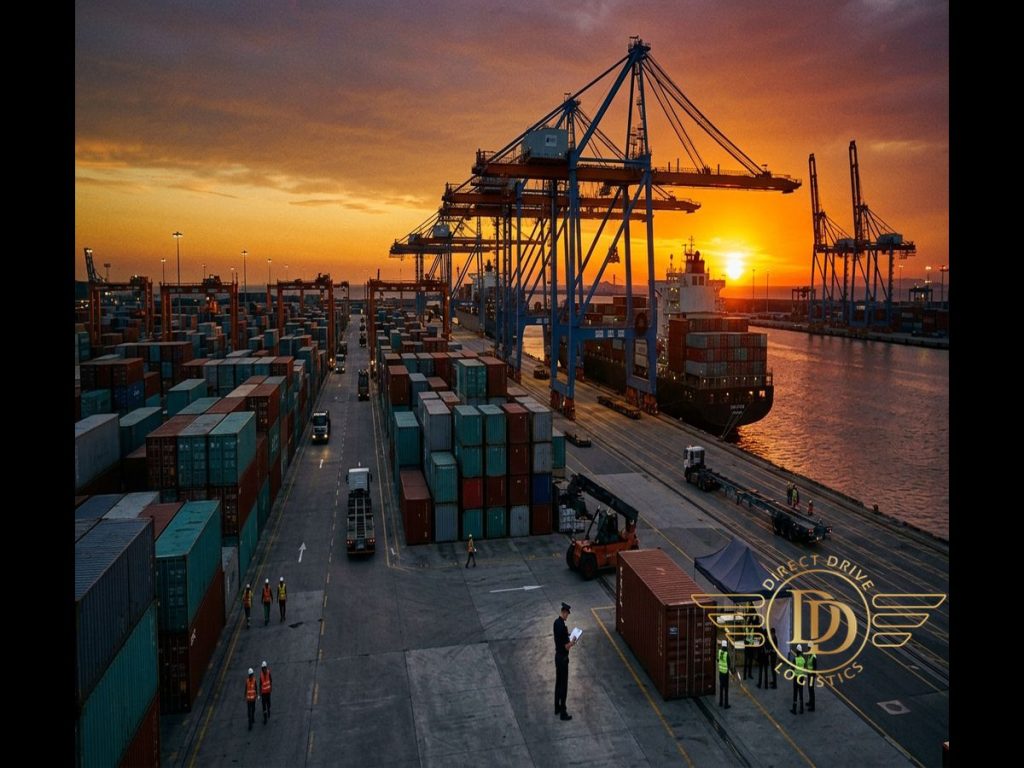
Missing one customs document can delay your Iraq shipment by 3–6 weeks and cost USD 800+ in storage fees. The complexities of shipping from Italy to Iraq require careful planning and knowledge of both countries’ regulations. As trade between Italy and Iraq expands, with exports reaching USD 1.07 billion in 2024, understanding the logistics becomes crucial for businesses aiming to tap into this growing market.
This comprehensive guide explores shipping from Italy to Iraq from multiple angles, highlighting essential aspects such as shipping options, cost calculations, and necessary documentation. Key terms like “customs clearance,” the process of obtaining permission to bring goods into a country, and “freight forwarder,” a company that organizes shipments for individuals or businesses, will be defined throughout the article. Additionally, we will compare sea freight, which is often more cost-effective, against air freight, which offers faster delivery times.
Addressing common pitfalls and providing strategies for successful shipping will help readers navigate potential challenges. From understanding the customs process at the Port of Umm Qasr to choosing a reliable freight forwarder, this guide equips professionals and business owners with actionable insights to streamline their operations and mitigate risks. Let’s delve into the essential details of shipping from Italy to Iraq.
Sea, Air, or Land: Comparing Shipping Options to Iraq
Air Freight from Italy: The Fastest Option for Time-Sensitive Shipments to Iraq
When considering air freight for shipping from Italy to Iraq, speed is a significant advantage. Air freight typically takes 5-10 days, compared to sea freight, which can take 14-40+ days. This makes air transport ideal for urgent shipments, especially for high-value items like medical equipment and electronics. However, the cost is a critical factor; air freight can be 12-15 times more expensive than sea freight, potentially reaching USD 4,000+ for urgent deliveries. For more information, check our International Air Freight services.
One mistake we see regularly is underestimating the total cost of air freight. Businesses often overlook additional fees such as customs clearance and insurance, which can significantly increase the overall expense. Our experience shows that air freight may not be the best option for bulk shipments, where cost-effectiveness is crucial.
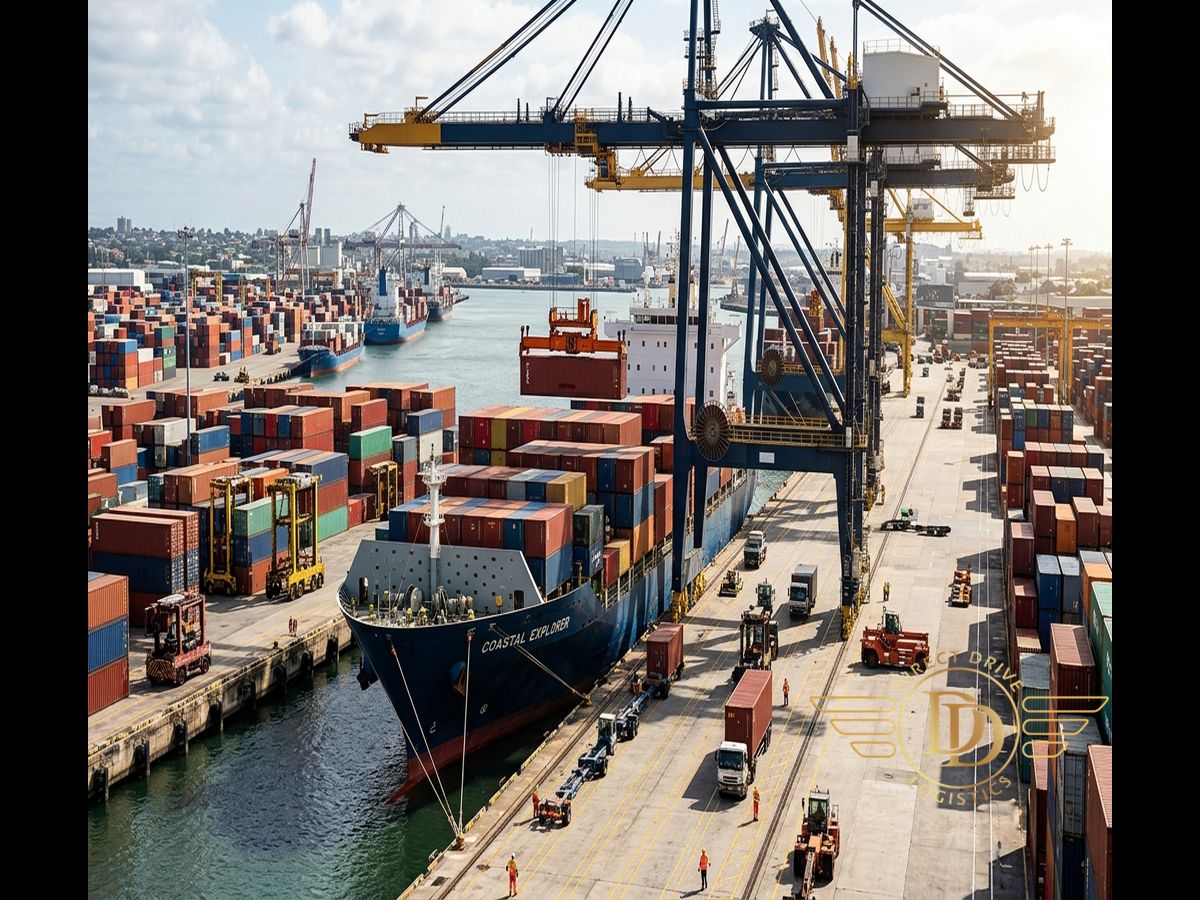
Ocean Shipping (Sea Freight): The Most Economical Choice for Large and Heavy Cargo
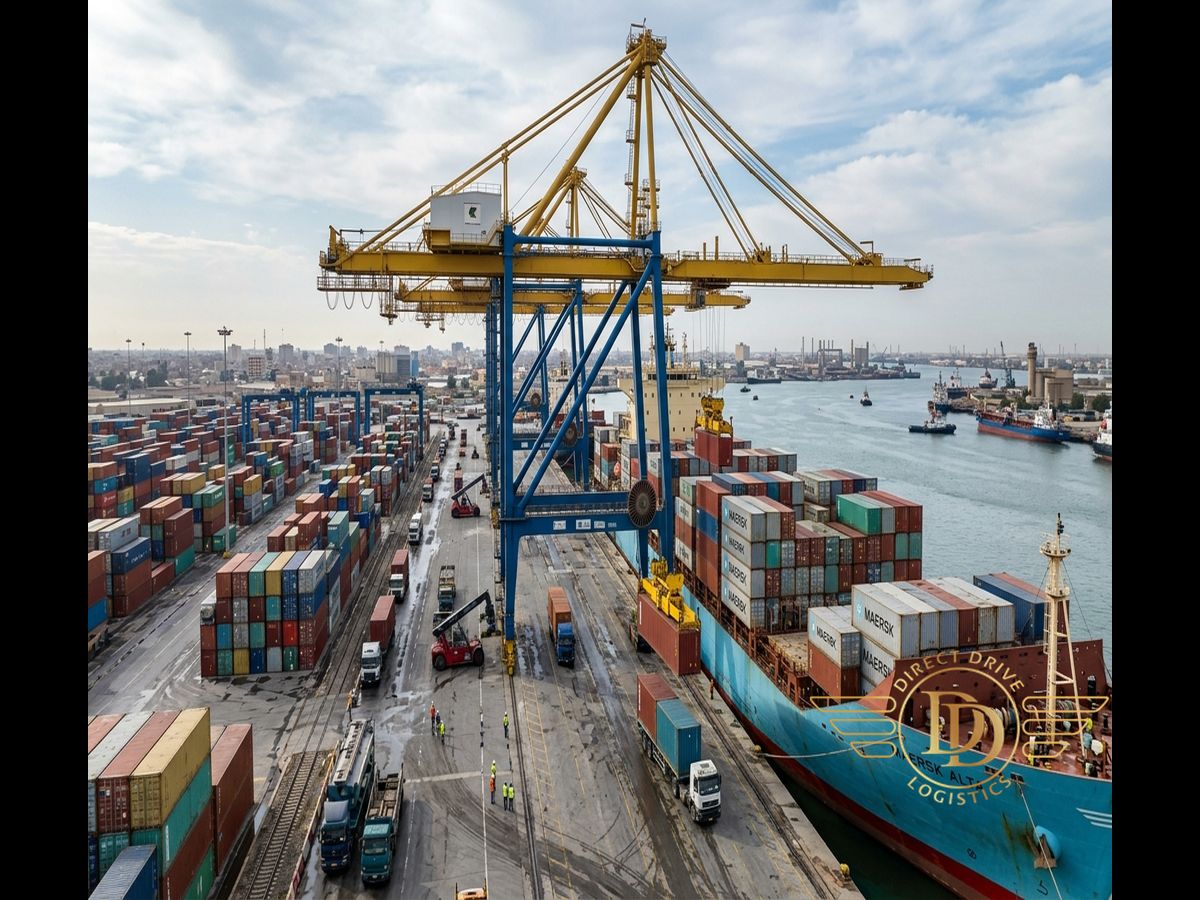
For large and heavy cargo, sea freight remains the most economical choice. In 2024, Italy exported USD 1.07 billion worth of goods to Iraq, with machinery exports alone accounting for USD 485.48 million. This surge in trade has led to increased demand for Full Container Load (FCL) shipments, particularly to ports like Umm Qasr and Basra.
Shipping costs for a 20ft FCL container from Genoa to Umm Qasr typically range from USD 2,500 to USD 3,500 off-peak. Seasonal fluctuations can push rates above USD 4,000 during peak periods, but even at these rates, sea freight is a fraction of the cost of air transport. This cost advantage is critical for businesses looking to maximize their logistics efficiency.
Comparing Transit Times and Costs: Making the Right Choice for Your Shipment
When comparing transit times and costs, the choice between air and sea freight depends on your specific needs. For instance, while air freight offers a swift 5-10 day transit time, it comes with a premium price tag. Conversely, sea freight takes longer—averaging 25-35 days door-to-door—but is far more economical for bulk shipments.
Understanding the regulatory landscape is also vital. Iraqi customs clearance at Umm Qasr can take 3-7 days, adding to the overall shipping timeline. Our operations have shown that companies often overlook these customs delays, which can lead to costly penalties. Missing one customs document can delay your Iraq shipment by 3–6 weeks and cost USD 800+ in storage fees.
As trade continues to grow, with Iraq-Italy trade volume projected to surpass USD 2.7 billion by 2025, businesses must weigh their options carefully. Each shipment type has its pros and cons, and making an informed decision will help optimize logistics strategies.
Your next step: Assess your shipment requirements and contact Direct Drive Logistic for tailored advice on the best shipping method to Iraq—our quote turnaround is just 24 hours.
Decoding Italian Export and Iraqi Import Customs Regulations
Essential Documentation Required for Clearing Italian Export Customs
When exporting goods from Italy to Iraq, precise documentation is vital. In 2024, Italy’s exports to Iraq reached USD 1.07 billion, predominantly in machinery, which necessitates strict adherence to export customs regulations. Key documents include the Commercial Invoice, Bill of Lading, and Packing List. Each document must be accurately filled to prevent shipment delays.
One mistake we see regularly: exporters often overlook including the Certificate of Origin (COO), which can result in significant delays during customs clearance. In our operations across Italy and Iraq, we consistently see that missing this document can add 3-6 weeks to the shipment timeline and incur storage costs exceeding USD 800.
Navigating Iraqi Import Protocols: Tariffs, Duties, and Prohibited Items
Understanding the Iraqi import protocols is critical for efficient logistics. The total Iraq-Italy trade volume reached USD 2.7 billion in 2025, which reflects a growing demand for compliance with local regulations. Import duties on machinery can vary, with the average tariff being around 5-10% of the shipment value, depending on the product category.
Moreover, certain items are prohibited from entry into Iraq, including various agricultural products and specific electronics. Ensuring compliance with these regulations can help avoid costly penalties. Our team at shipping company Erbil has found that thorough pre-shipment checks significantly reduce the risk of encountering such issues.
The Importance of Correct Harmonized System (HS) Codes and a Certificate of Origin (COO)
Utilizing the correct Harmonized System (HS) codes is essential for smooth customs processing. These codes help classify goods and determine applicable duties. Inaccurate HS codes can lead to misclassification, resulting in unexpected tariffs or delays. For instance, Italy’s machinery exports to Iraq alone were valued at USD 485.48 million in 2024, underscoring the importance of proper classification.
Additionally, the Certificate of Origin (COO) is a mandatory document that verifies the origin of the goods. This document not only facilitates smoother customs clearance but also provides businesses with a competitive edge by qualifying for preferential tariffs under trade agreements.
One frequent error in this stage: exporters sometimes use outdated or incorrect HS codes, which can lead to shipment holds. Our expertise shows that ensuring HS codes are current and accurate can save businesses both time and money during the customs clearance process.
Your next step: Review your export documentation checklist today to ensure compliance with Iraqi customs regulations. Contact Direct Drive Logistic for assistance with document preparation and to streamline your shipping process.
Protecting Your Shipments: Insurance Options and Liability Coverage
Understanding Carrier Liability vs. All-Risk Cargo Insurance for Your Shipment
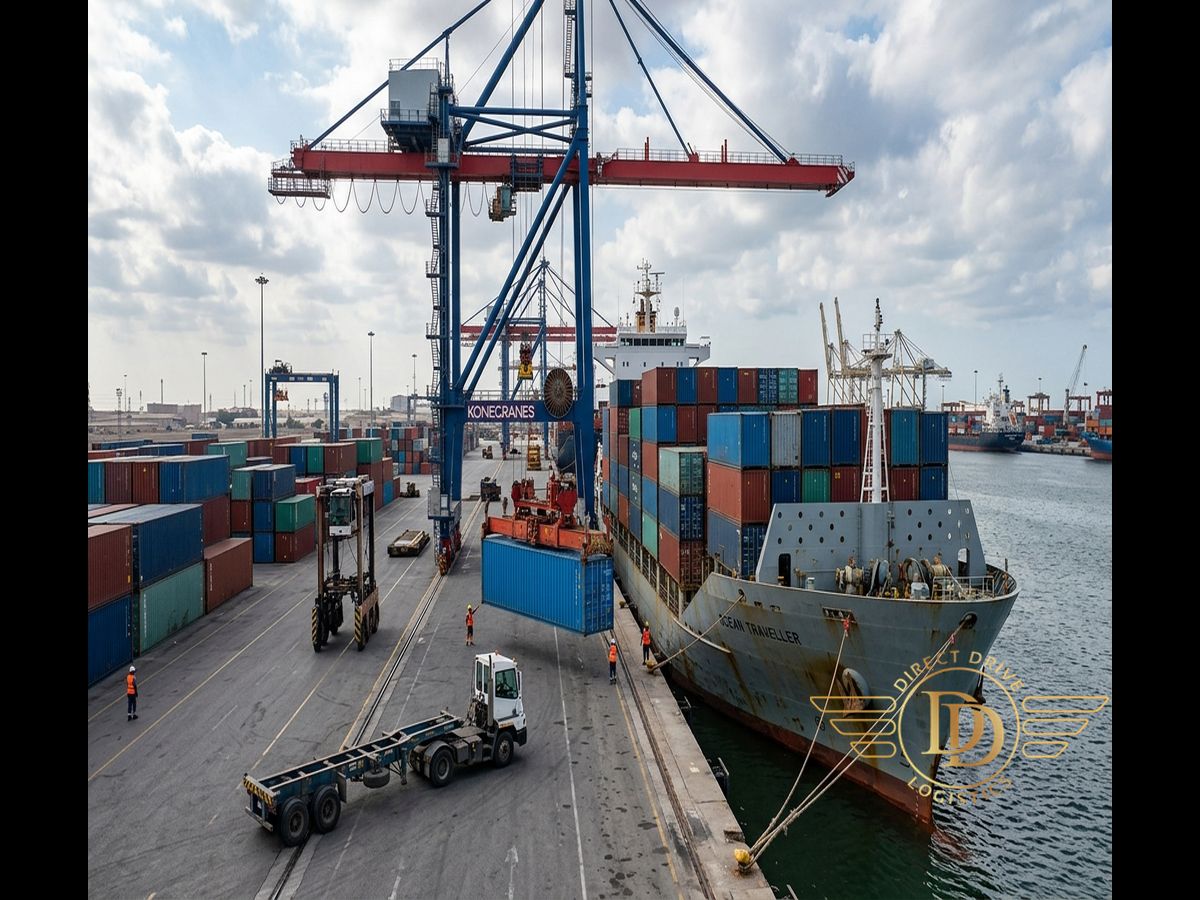
When it comes to shipping from Italy to Iraq, understanding the differences between carrier liability and all-risk cargo insurance is vital. Carrier liability typically covers loss or damage caused by the carrier’s negligence, but often has limitations. For instance, under the Hague-Visby Rules, liability may be capped at approximately USD 1,600 per container. This can be insufficient for high-value machinery, which may exceed this amount. In our operations across Iraq, we consistently see that businesses underinsure their cargo, leaving them vulnerable to significant financial loss.
In contrast, all-risk cargo insurance provides broader coverage, including theft, damage, and loss during transit. This insurance type is essential for protecting valuable machinery exports from Italy, which reached USD 485.48 million in 2024. Opting for all-risk coverage can mitigate risks associated with the complexities of international shipping, especially when navigating transporting goods to customs regulations.
How to Choose the Right Insurance Policy for High-Value Italian Exports to Iraq
Choosing the right insurance policy requires careful assessment of your cargo’s value and the associated risks. A frequent error in this stage is underestimating the value of machinery exports. For example, if a shipment valued at USD 250,000 is only insured for USD 100,000, any losses could lead to substantial out-of-pocket costs. Our team at Direct Drive Logistic has found that businesses often overlook the importance of aligning insurance coverage with the actual market value of their goods.
When selecting a policy, consider factors like coverage limits, exclusions, and the claims process. Ensure that your policy covers the specific risks associated with shipping to Iraq, including potential delays at customs, which can add 3-7 days to your delivery timeline. The regulatory landscape can be challenging, and having robust insurance can provide peace of mind.
The Claims Process: Steps to Take if Your Goods are Damaged En Route
If your goods are damaged during transit, understanding the claims process is critical. First, document the damage thoroughly with photographs and detailed descriptions. Then, notify your insurance provider as soon as possible. In our experience, one mistake we see regularly is failing to report damage promptly, which can jeopardize the claim.
Next, gather all necessary documentation, including the commercial invoice, Bill of Lading, and any relevant customs documents. This paperwork is crucial for substantiating your claim and ensuring a smooth recovery process. According to industry reports, claims can take several weeks to resolve, so being proactive is essential for minimizing disruptions to your business operations.
Your next step: Assess your current insurance coverage and consider upgrading to all-risk cargo insurance for your shipments. Contact Direct Drive Logistic to discuss tailored insurance options that best fit your high-value machinery exports to Iraq.
Looking for a logistics partner who knows these routes? Direct Drive Logistic operates daily from Erbil to every Iraqi governorate — reach out for a route-specific consultation.
Cost Breakdown: Key Factors Influencing Shipping Rates
Calculating Core Freight Rates: How Mode, Weight, and Volume Affect Your Quote
When considering shipping from Italy to Iraq, freight rates are influenced by various factors, including mode, weight, and volume. For instance, the estimated cost for a 20ft container from Genoa to Umm Qasr ranges from USD 2,000 to USD 4,000 depending on peak seasons and surcharges. A typical off-peak rate is approximately USD 2,500 to USD 3,500, reflecting a growth trend of 10-15% year-on-year in machinery imports.
In our operations across Italy and Iraq, we consistently see that bulk goods like machinery benefit from sea freight, which is significantly more economical than air freight, often 12-15 times cheaper despite longer transit times. This cost efficiency makes sea freight the preferred choice for shipping high-volume items.
Beyond the Base Rate: Understanding Surcharges and Terminal Handling Charges (THC)
It’s essential to account for additional charges beyond the base freight rate. Terminal handling charges (THC), for example, can add up to USD 800 to USD 1,000 per container, depending on the port and specific service requirements. These charges are often a common oversight for businesses planning their logistics.
A frequent error in this stage is underestimating the impact of seasonal surcharges and THC, which can inflate shipping costs significantly. Understanding these surcharges helps businesses better budget for shipping expenses and avoid unexpected costs.
Factoring in Iraqi Import Duties and Taxes on Goods Shipped from Italy
When importing goods from Italy to Iraq, businesses must also navigate import duties and taxes. These can vary significantly based on the type of goods being shipped. For machinery and equipment, the import duties can add approximately 5-10% to the total cost of goods, which should be factored into the overall shipping costs.
In our experience, missing one customs document can delay your Iraq shipment by 3–6 weeks and cost USD 800+ in storage fees. Ensuring compliance with all required documentation—such as the Commercial Invoice, Bill of Lading, and Certificate of Origin—is critical to streamline the import process. Additionally, understanding the nuances of transporting goods to Iraq can enhance your logistics strategy.
Your next step: Review your shipping documents and calculate the expected duties for your next shipment. Contact Direct Drive Logistic for a detailed quote tailored to your cargo type and route, with a turnaround time of 24 hours.
Navigating KRG vs Federal Customs: What Changes at the Iraqi Border
Key Differences in Customs Tariffs and Duties for KRG and Federal Iraq
Shipping from Italy to Iraq involves navigating distinct customs regulations. The Kurdistan Region of Iraq (KRG) typically imposes lower tariffs compared to Federal Iraq, where duties can escalate sigShipping to Iraq.
In our operations across the KRG, we consistently see that businesses favor the KRG due to these more favorable rates. This tariff difference can lead to substantial savings, especially when importing large volumes of equipment. Understanding these nuances is critical for companies looking to optimize their logistics company iraq efficiency.
Choosing Your Entry Point: Umm Qasr Port vs. Ibrahim Khalil Border Crossing
When deciding on entry points, Umm Qasr Port and Ibrahim Khalil border crossing offer different logistical advantages. Umm Qasr, as Iraq’s main port, handles a significant volume of sea freight, with over 2 million TEUs processed annually. The port’s capacity allows for efficient handling of bulk goods, particularly machinery, which accounted for $485.48 million in exports from Italy in 2024.
On the other hand, the Ibrahim Khalil crossing is essential for shipments heading to the KRG. It provides quicker access to Erbil and other northern cities, often reducing transit times by 2-3 days compared to sea routes. One mistake we see regularly is underestimating the time required for customs clearance at Umm Qasr, which can take 3-7 days, potentially delaying delivery schedules.
Documentation Discrepancies: Navigating Paperwork for Erbil vs. Baghdad Clearance
Documentation plays a vital role in the customs process. For shipments to Erbil, specific KRG import licenses are necessary, while Federal Iraq requires a different set of documents, including a Commercial Invoice, Bill of Lading, and Certificate of Origin. Missing any of these documents can lead to delays of 3-6 weeks and costs exceeding $800 in storage fees.
Our team at Direct Drive Logistic has found that businesses often confuse these requirements, leading to costly errors. For instance, while clearing medical equipment at Umm Qasr, it is crucial to have the correct import licenses ready to avoid additional inspections that could extend clearance times. Effective documentation management is essential for timely delivery.
Your next step: Assess your shipping route and entry point based on your cargo type. Contact Direct Drive Logistic to discuss your documentation requirements and obtain a tailored quote — we typically respond within 24 hours.
Choosing the Right Freight Forwarder: Expertise in the Italy-Iraq Corridor
Key Criteria for Selecting a Freight Forwarder with Italy-Iraq Trade Lane Experience
When choosing a freight forwarder for shipping from Italy to Iraq, prioritize partners with proven expertise in this corridor. In 2025, the total trade between Iraq and Italy reached USD 2.7 billion, showcasing the demand for reliable logistics solutions. Look for forwarders with a strong track record in handling complex shipments, particularly for machinery, which accounted for USD 485.48 million in exports to Iraq in 2024.
Experience in navigating the intricacies of Iraqi customs is vital. A frequent error we see regularly is selecting a forwarder without specific experience in Iraq’s regulatory environment, which can lead to costly delays. For instance, delays in customs clearance can add 3-6 weeks and incur over USD 800 in storage fees.
Verifying Expertise in Iraqi Customs and Regional Logistics Complexities
Understanding local customs requirements is essential. The Iraqi customs process mandates several documents including a Commercial Invoice and a Certificate of Origin. Missing even one of these can significantly hinder operations. Our team at Direct Drive Logistic has found that engaging a licensed clearing agent can expedite the process. For example, our direct clearance at Umm Qasr for medical equipment was achieved in just 48 hours.
Additionally, ensure the forwarder has a robust network within Iraq. Companies with operational bases in key cities can facilitate smoother logistics. For instance, our Erbil hub operates around 10 trucks per day to various Iraqi governorates, ensuring timely deliveries. For urgent shipments, consider air freight Iraq (14 chars) for faster transit times.
Questions to Ask Potential Logistics Partners About Shipments to Baghdad and Erbil
Engaging the right logistics partner requires asking the right questions. Inquire about their experience with shipping from Italy to Iraq and how they handle cargo types similar to yours. For instance, ask about their processes for handling machinery imports, which have increased significantly, as evidenced by the 10.8% annualized growth in Italian machinery exports to Iraq over the last five years.
Another critical question involves their approach to customs documentation. Clarify their procedures for managing customs clearance and any past experiences with similar shipments. Companies that can demonstrate a successful history with complex shipments often have the necessary systems in place to mitigate risks.
Your next step: Reach out to Direct Drive Logistic to discuss your shipping needs. Provide details about your cargo and destination — our team can offer a quote within 24 hours.
Send your cargo details to Direct Drive Logistic on WhatsApp — get a route-specific checklist and quote within 24 hours.
Why Choose Direct Drive Logistic?
Offices in Erbil (HQ) + Tehran (Nasim Shahr Terminal); warehouses in Zakho, Erbil, Basra, and Tehran (2,000 sqm)
Government-licensed clearing agent — direct port access for sea freight into southern Iraq
2,500+ Iraq domestic deliveries, 300+ Iran-Iraq cross-border, 100+ international freight; air freight handler at Erbil, Baghdad, and Basra airports
Operational at Parviz Khan, Bashmagh, Haji Omran (Piranshahr), Mehran, Khosravi, Ibrahim Khalil (Turkey), and Bandar Abbas port (Iran)
Full operational fluency in Farsi, Arabic, Kurdish, and English — client-facing and documentation
~10 trucks/day from Erbil hub covering Baghdad, Karbala, Najaf, Basra, Kut (Wasit), Diyala, Nasiriyah, and all Iraqi governorates
Frequently Asked Questions
▼ What are the shipping options available for shipping from Italy to Iraq?
Shipping from Italy to Iraq primarily involves sea freight and air freight. Sea freight is the preferred option for bulk goods, costing approximately USD 2,500-3,500 for a 20ft Full Container Load (FCL) from Genoa to Umm Qasr, with transit times of 25-35 days. In contrast, air freight offers faster delivery (5-10 days) but at a significantly higher cost, typically 12-15 times more than sea freight. For businesses shipping machinery or large volumes, sea freight is the most cost-effective choice.
▼ How do I choose the best shipping method from Italy to Iraq?
Choosing the best shipping method for your needs involves assessing the nature of your cargo, budget, and urgency. For heavy machinery or bulk shipments, sea freight is ideal due to its cost-effectiveness, with rates ranging from USD 2,000-4,000 for a 20ft container. If time is critical, air freight is available but should be considered only for high-value, low-volume items due to its significant cost. A reputable logistics provider like Direct Drive Logistic can offer tailored solutions to meet your specific shipping requirements.
▼ What is the cost of shipping from Italy to Iraq?
The cost of shipping from Italy to Iraq varies based on the shipping method. For sea freight, expect to pay between USD 2,500 and 3,500 for a 20ft container, depending on the season and demand. Peak shipping times may increase costs to over USD 4,000. For air freight, costs can exceed USD 15,000 for urgent shipments, as air freight is considerably more expensive than sea freight. Always request quotes from multiple freight forwarders to ensure competitive pricing.
▼ How long does shipping from Italy to Iraq take?
Shipping from Italy to Iraq via sea freight typically takes 25-35 days from port to port, with additional time for customs clearance and inland transport. Air freight is faster, usually taking 5-10 days, but comes with a higher cost. It’s essential to account for potential delays in customs at Umm Qasr, which can take an additional 3-7 days, especially for machinery and pharmaceuticals requiring specific documentation.
▼ What customs documentation is required for shipping from Italy to Iraq?
Shipping from Italy to Iraq requires several key documents for customs clearance, including a Commercial Invoice, Bill of Lading, Packing List, Certificate of Origin (COO), and an Import License from the Iraqi Customs Authority (ICA). Ensuring all documentation is accurate and complete can expedite the clearance process, which typically takes 3-7 days at Umm Qasr. Working with a licensed clearing agent like Direct Drive Logistic can simplify this process significantly.
▼ What are the main ports for shipping from Italy to Iraq?
The primary port for shipping from Italy to Iraq is Umm Qasr, located in southern Iraq, which handles the majority of maritime imports. Genoa is the main departure port in Italy for shipments to Iraq. Other potential ports in Iraq include Basra, which is also significant for trade. For effective logistics management, it is crucial to understand the connectivity and services available at these ports.
▼ How can I ensure reliable shipping from Italy to Iraq?
To ensure reliable shipping from Italy to Iraq, partner with experienced logistics providers who have a proven track record in the region, such as Direct Drive Logistic. Evaluate their capabilities in handling customs clearance, documentation, and last-mile delivery. Additionally, inquire about their experience with similar cargo and their contingency plans for potential delays or issues during transit.
▼ What challenges should I expect when shipping from Italy to Iraq?
Shipping from Italy to Iraq presents several challenges, including complex customs regulations, potential delays at border crossings, and security concerns. The customs clearance process can take 3-7 days, depending on the nature of the cargo. Moreover, maintaining compliance with Iraqi import regulations is critical to avoid fines or shipment rejections. Engaging a knowledgeable logistics partner can help navigate these challenges effectively.
▼ How does the trade relationship between Italy and Iraq affect shipping costs?
The growing trade relationship between Italy and Iraq, with trade reaching $2.7 billion in 2025, has positively impacted shipping costs. Increased demand for Italian goods, particularly machinery and pharmaceuticals, has led to higher shipping volumes, which can reduce per-unit shipping costs due to economies of scale. Businesses looking to capitalize on this trend should consider shipping during off-peak seasons to minimize costs.
▼ What type of cargo is commonly shipped from Italy to Iraq?
The most commonly shipped cargo from Italy to Iraq includes machinery, industrial equipment, pharmaceuticals, and food products. In 2024, Italy exported $485.48 million in machinery to Iraq, reflecting a growing demand for technical goods. Understanding the types of cargo that dominate the market can help businesses optimize their shipping strategies and logistics planning.
▼ How can I track my shipment from Italy to Iraq?
Most logistics providers offer tracking services for shipments from Italy to Iraq. Once your cargo is dispatched, you will receive a tracking number that allows you to monitor its progress through various stages of transit, including shipping, customs clearance, and delivery. Regular updates can help you stay informed about any potential delays, ensuring you can manage your supply chain effectively.
▼ What are the advantages of using a logistics partner for shipping from Italy to Iraq?
Utilizing a logistics partner for shipping from Italy to Iraq offers several advantages, including expertise in customs regulations, streamlined documentation processes, and reliable delivery networks. A partner like Direct Drive Logistic can provide insights into the best shipping routes, handle potential border delays, and ensure compliance with Iraqi import laws. This level of support can significantly enhance efficiency and reduce the risk of unexpected issues during transit.
Conclusion
Successful shipping from Italy to Iraq hinges on understanding the complexities of logistics, including customs regulations, insurance options, and freight forwarding expertise. With the right knowledge and support, businesses can navigate these challenges efficiently, ensuring timely delivery and security for their shipments.
To enhance your shipping strategy, start by auditing your current logistics processes to identify any gaps in compliance or efficiency. This proactive approach will help you address potential pain points before they become obstacles, particularly when dealing with the different customs tariffs between the KRG and Federal Iraq.
When your shipment needs Umm Qasr customs clearance, relying on Direct Drive Logistic ensures a seamless process thanks to our status as a licensed clearing agent at the port. With years of experience and a strong local presence, we can provide reliable and cost-effective solutions tailored to your needs. Reach out to us at (+964) 750 637 9296 to discuss how we can optimize your shipping from Italy to Iraq.
Unlock seamless shipping from Italy to Iraq with Direct Drive Logistic, ensuring your goods arrive safely and on time. Don’t wait—experience hassle-free logistics today! Call us now at (+964) 750 637 9296 to get started!
Contact Us for a Consultation
Location
Direct Drive Logistic
MRF Quattro towers, Block A-29-1
Erbil, Kurdistan Region