

Discover how iraq warehouse outsourcing can transform your operations with frame warehouse outsourcing as a single-partner decision in which direct drive logistic links rentable warehouse space in baghdad, karbala, najaf, erbil, duhok, and basra with licensed umm qasr clearing and roughly 10 daily truck departures from erbil, so the reader outsources storage, clearance, and onward distribution together instead of coordinating three separate vendors.
Iraq warehouse outsourcing means handing storage, inventory control, customs coordination, and onward distribution to a third-party logistics (3PL) provider. Instead of leasing and staffing your own sites, you pay for space and handling in hubs such as Basra, Baghdad, and Erbil, and you scale capacity with demand.
Picture a container cleared at Umm Qasr while your only warehouse sits in Erbil. A Basra order then waits while stock travels the length of the country. Miss one Istanbul–Erbil replenishment via Ibrahim Khalil, and another 5–7 days of stockout follows.
Contract warehousing means dedicated space under a fixed-term agreement, suited to steady volumes. Shared 3PL warehousing pools space among clients, so you pay per pallet. A warehouse management system (WMS) gives you live stock visibility.
This guide compares hubs, vetting checklists, transition steps, and the cost drivers behind Iraq warehouse outsourcing quotes. Let’s start with the outsource-or-keep decision.
In-House Storage or a 3PL Partner? Decision Signals for Businesses Selling Into Iraq
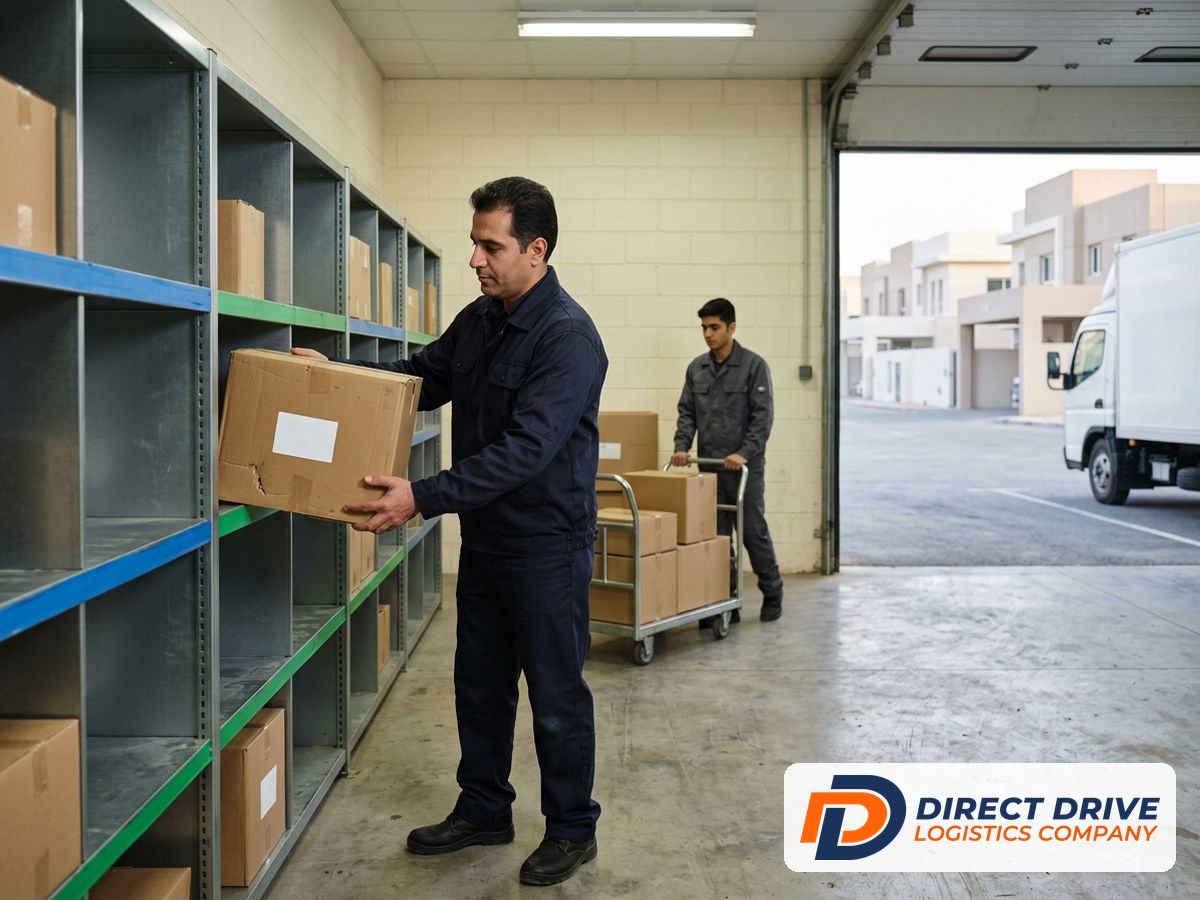
Iraq’s freight and logistics market was valued at USD 7.24 billion in 2025, with a projected 6.20% CAGR through 2033. Consumer demand is moving faster still. E-commerce rose to about USD 5.1 billion in 2025 and is forecast to reach USD 21.71 billion by 2029. Every one of those orders needs storage, pick-pack, returns handling and cash-on-delivery reconciliation somewhere in the country.
That growth also answers a common question: what is the most profitable business in Iraq? No single sector wins every year. The forecast shows that e-commerce and consumer goods distribution are scaling more than fourfold by 2029. Growth at that pace tends to break an in-house warehouse first.
Outsourcing logistics in Iraq is not new. Research on military logistics outsourcing covers how large operators handed storage and supply to contractors after 2003. Commercial firms face the same in-house vs outsourced warehousing trade-off today, just at a smaller scale.
Operational Warning Signs That Your In-House Iraqi Warehouse Has Outgrown Your Team
Use this yes/no checklist. If you answer “yes” to 3 or more of these 5 questions, it is time to review when to outsource warehousing:
- Order volume: Do daily orders regularly exceed what your current pickers can ship the same day?
- SKU count: Has your catalogue grown faster than your shelving, labeling and stock-count routines?
- Governorates served: Do you sell into Basra, Baghdad and Erbil from a single site?
- Staffing burden: Do managers spend more time on hiring, security and payroll than on sales?
- Seasonality: Do Ramadan or holiday peaks force you to lease extra space you leave empty for the rest of the year?
Replenishment timing adds pressure. Istanbul–Erbil inbound runs 5–7 days via Ibrahim Khalil, so a missed reorder leaves shelves empty for a week. Iraq warehouse outsourcing turns that fixed lease into variable cost. An operator-published 2026 benchmark put standard storage in Baghdad and Basra at roughly USD 0.50–1.20 per sqm per month, and a guide to warehouse storage Iraq pricing shows how quotes compare. Treat that figure as indicative, not as a market tariff. If you are weighing leased space, Iraq warehouse rental options are worth comparing too.
Answering “no” to most questions? Keeping Iraq e-commerce fulfillment in-house may still be the leaner choice for now.
Baghdad, Erbil, Sulaymaniyah or Basra: Where Outsourced Stock Should Sit to Cut Lead Times
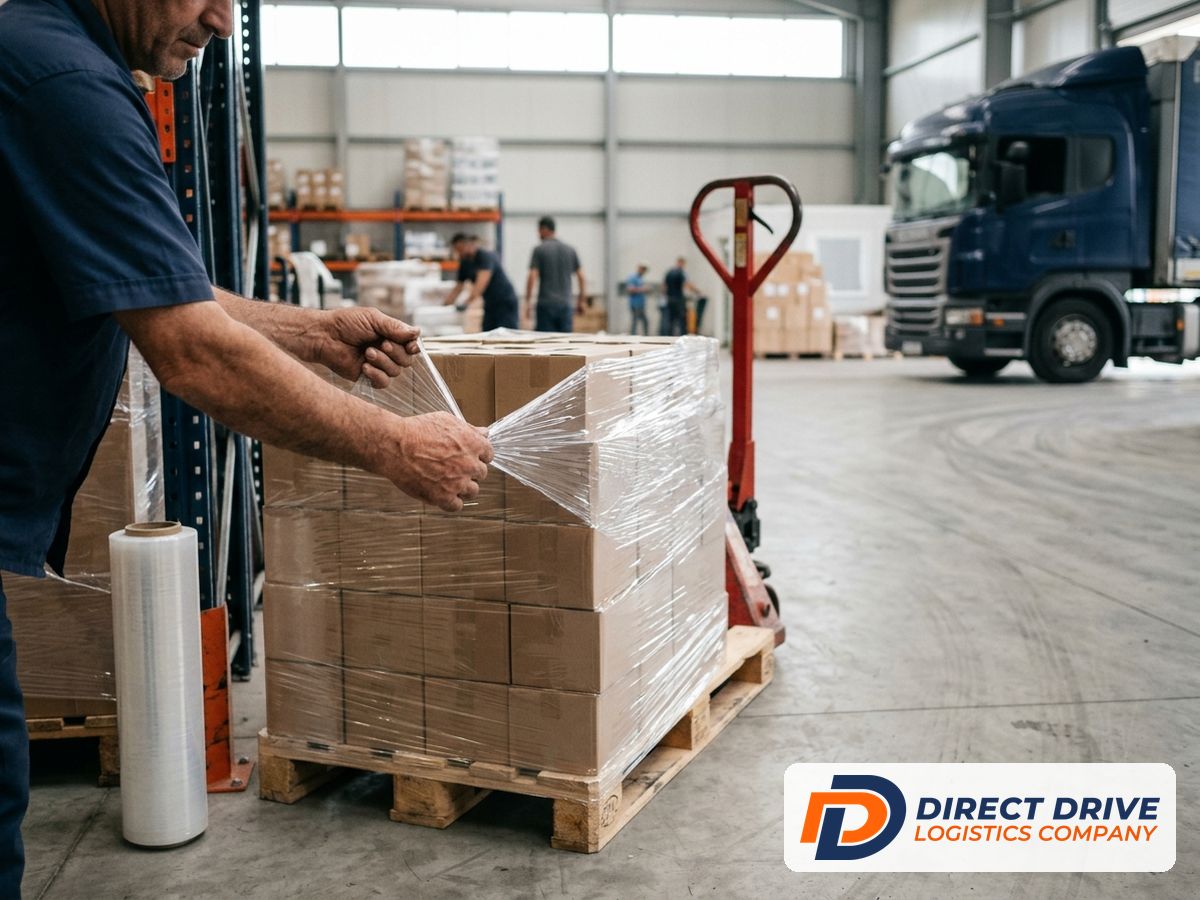
Inbound Corridors Compared: Ibrahim Khalil, Safwan, Haji Omran and Parviz Khan Transit Times
The right warehouse location in Iraq depends on where your goods come from. China is widely reported as Iraq’s largest trading partner, and Turkey, the UAE and Iran are also major suppliers. Each origin has a natural entry point, so your stock should sit where that corridor ends.
Iraq warehouse outsourcing also depends on customs status. Goods cleared in the Kurdistan Region and moved into federal Iraq settle the tariff difference at Al-Sad, Chiman or Bawa Mahmoud. Allow 1-2 days for that step. Customs duty depends on your goods and their HS code. Estimate it with our tariff calculator, or request a quote and our team will confirm the full cost.
| Feature | Erbil | Sulaymaniyah | Baghdad | Basra |
|---|---|---|---|---|
| Best supplier origin | Turkey, Iran (north) | Iran (northeast) | Iran (central) | Gulf, sea freight from China |
| Entry border or port | Ibrahim Khalil, Haji Omran | Parviz Khan, Bashmagh | Mehran | Safwan, Umm Qasr |
| Inbound transit | Mersin to Erbil: 5-7 days | Confirmed per quote | Tehran to Baghdad: 4-5 days | Kuwait City to Basra: 2-3 days |
| Customs system | KRG | KRG | Federal | Federal |
| Onward reach | Baghdad in 1-2 days | Kurdistan Region | Central and southern governorates | Southern governorates |
Multi-hub models are becoming common. In 2026, one Iraqi operator reported more than 15,500 sqm across Erbil, Baghdad and Basra. Splitting Basra Umm Qasr warehousing from demand-facing stock follows the logic that research on logistics outsourcing in Iraq describes: supply chains run on routes and nodes.
Erbil warehouse storage suits importers selling nationwide. Direct Drive Logistic runs about 10 scheduled trucks a day from Erbil to every Iraqi governorate. That puts Erbil-held stock next-day to most cities without a second warehouse.
On the Mersin to Erbil corridor, I have watched our Kurdish-speaking Erbil team resolve a temporary import license with KRG border authorities in 1 day. That saving matters more than a cheaper rack in the wrong city.
Haji Omran and Parviz Khan serve Iranian suppliers best when the buyers are in the Kurdistan Region. For these northeastern borders, ask for transit times specific to your route before committing stock to a hub. If your cargo needs temperature control or hazardous handling, compare specialized warehouse Iraq options and the Iraq warehouse types available before choosing a hub.
Shared vs Dedicated Contract Warehousing: Choosing a Model and Vetting the Provider
Shared Multi-Client 3PL Space vs Dedicated Contract Warehousing: Flexibility, Commitment and Control
The choice between shared warehousing and dedicated space comes down to volume stability. Shared multi-client space lets you pay for the pallets and handling you use. That suits importers with seasonal or unproven demand in a sector reported to grow at a 6.2% CAGR through 2030.
Dedicated contract warehousing gives you fixed space, assigned staff and your own processes. In return, you commit to longer terms and minimum volumes. The rule of thumb is simple: start shared, then move to dedicated once your volume stays steady across 2 consecutive peak seasons.
Specialized stock changes the calculation. Temperature-controlled storage is estimated to grow at only 2.24% CAGR from 2026 to 2031, so compliant cold capacity stays limited. Pharmaceutical importers often need a dedicated or ring-fenced zone even at modest volumes.
Readers sometimes ask which US companies operate in Iraq. Much of that search history traces back to the Iraq military outsourcing era, when US contractors ran base logistics. Commercial Iraq warehouse outsourcing in 2026 is a different question: you are judging contract terms, not historical contractor lists.
Contract Terms to Confirm: SLA Targets, Inventory Accuracy and Dispatch KPIs
Before signing, get these 3PL SLA KPIs and terms in writing:
- Inventory accuracy: a stated percentage target, the cycle-count frequency, and the credit you receive if the provider misses it.
- Dispatch KPIs: the order cut-off time, the same-day or next-day dispatch target, and how damaged or short picks are reported.
- WMS access: a live login showing stock by SKU, lot and expiry, not weekly spreadsheets.
- Insurance and liability: whether the policy covers goods at rest in storage as well as in transit, and the per-item liability cap.
- Customs coordination: who prepares and checks documents for each inbound shipment, and who pays demurrage when paperwork stalls.
The most common mistake is signing a warehouse service level agreement that sets dispatch speed but no inventory accuracy target. When stock counts drift, you have no contractual remedy. Your only option is to absorb the loss. Test the WMS login and read the insurance schedule before you commit to any Iraq warehouse outsourcing contract, and compare a distribution warehouse Iraq offer against your dispatch needs.
Moving Inventory to a 3PL Without Stockouts: A Step-by-Step Transition Plan
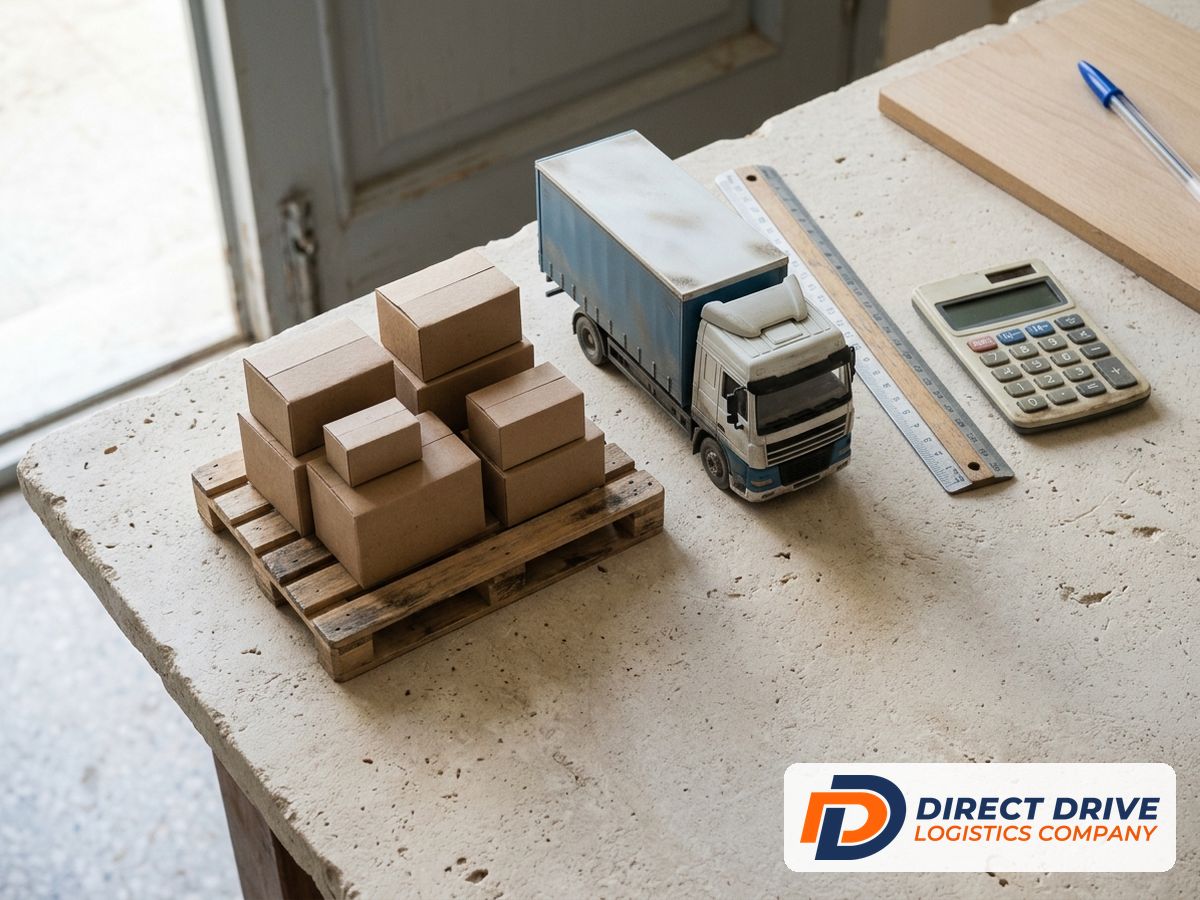
Cleaning SKU Master Data and Integrating Your Warehouse Management System (WMS) Before Handover
Most stockouts during Iraq warehouse outsourcing start with bad data, not bad trucks. Each SKU needs one code, one unit of measure and one HS code. That data must match what your 3PL loads into its WMS.
- Step 1: Freeze and clean the SKU master: Remove duplicates, confirm carton and pallet dimensions, and attach HS codes, because document discrepancies are one root cause behind 14–21-day Umm Qasr clearance timelines.
- Step 2: Map order flows into the WMS: Work through a WMS integration checklist covering order import, stock-level sync, dispatch confirmation and returns codes for each of your 3 main hubs.
- Step 3: Baseline your KPIs: Record current order accuracy, dispatch time and stock-count variance for at least 1 full month so the 3PL’s results have a fair comparison point.
Staffing belongs in this phase too. Readers who search for current job vacancies in Iraq for 2026 should know that outsourcing moves picking and storage roles to the provider. Decide early which of your staff transfer, retrain or move into supervisory roles.
Staging Stock Transfers by Corridor and Parallel Running Both Sites Without Stockouts
A sound inventory migration plan moves stock one corridor at a time. Iraq’s outsourced logistics history shows that contracted supply chains work best when handover is phased, not rushed.
- Step 4: Move the northern corridor first: Transfer slow-moving Erbil stock first. Use the Erbil–Baghdad lane, where a documented B2B restock arrived door-to-door in 6 hours, for urgent top-ups.
- Step 5: Run both sites in parallel: Keep your own warehouse live for 2–4 weeks while the 3PL fulfils a share of orders, and reconcile counts daily.
- Step 6: Shift southern stock to Basra: Route port-adjacent inventory into Basra once clearance documents pass pre-arrival review, and keep contingency stock for multi-drop runs such as Baghdad–Basra–Karbala, which took 1–2 days per full circuit.
- Step 7: Set the cut-over date: Choose a week outside Ramadan and your Q4 peak, then close the in-house site only after 2 clean reconciliation cycles.
Treat each step as a checkpoint in your 3PL onboarding process. The next corridor moves only after the previous one hits its KPI baseline.
What Drives the Cost of iraq warehouse outsourcing and How to Request an Accurate Quote
Storage, Handling In and Out, and Pick-Pack: Core Fees in a 3PL Contract
Every iraq warehouse outsourcing quote is built from a small set of fee lines. Storage is billed per pallet position or per square metre. One 2026 operator report placed a single Iraqi network above 15,500 sqm, so the hub that holds your stock shapes the space charge. If you are weighing outsourcing against warehouse rental Iraq options, compare the storage line first.
Handling in and out covers receiving, put-away and loading. Pick and pack fees scale with order lines rather than pallets. A seller shipping 1 pallet as 200 small orders pays a very different handling bill than one shipping it whole.
| Cost Component | Pricing Basis | What Raises or Lowers It |
|---|---|---|
| Storage | Per pallet or per sqm | Hub location, dwell time, racking or floor space |
| Handling in and out | Per pallet, carton or container | Palletised versus loose cargo, unloading method |
| Pick-pack and returns | Per order or order line | Order volume, SKU count, returns rate |
| Value-added services | Per unit or per task | Labelling, kitting, Arabic or Kurdish relabelling |
| Inbound trucking | Per trip or per load | Corridor, border crossing, distance |
| Customs coordination | Per declaration | Document quality, number of HS codes |
| Insurance | Share of declared value | Cargo value and type |
Inbound Trucking, Customs Coordination, Insurance and Duty Based on HS Code
Inbound trucking depends on the corridor. Mersin to Erbil runs 5-7 days door-to-door, and Tehran to Baghdad 4-5 days. Longer corridors mean larger buffer stock, which raises your storage line.
Fast clearance cuts port dwell. A medical equipment consignment from Dubai cleared at Umm Qasr within 48h of engagement. Customs duty depends on your goods and their HS code. Estimate it with our tariff calculator, or request a quote and our team will confirm the full cost.
Research on logistics cost control ties disciplined logistics management to business performance. To compare 3PL pricing per pallet fairly, send every bidder the same 5 inputs:
- Monthly inbound and outbound volumes in pallets or cartons.
- SKU profile: count, dimensions, weight, temperature or hazmat needs.
- Preferred hub: Baghdad, Karbala, Najaf, Erbil, Duhok or Basra.
- Inbound corridor and entry point, such as Umm Qasr, Ibrahim Khalil or Mehran.
- Required services: pick-pack, returns, labelling, onward distribution.
Next step: Send these 5 details to Direct Drive Logistic and request an itemised iraq warehouse outsourcing quote that follows the table above.
Send your cargo details to Direct Drive Logistic on WhatsApp and our team will send you a route-specific checklist and quote.
Message on WhatsAppWhy Choose Direct Drive Logistic?
Offices in Erbil (HQ) + Tehran (Nasim Shahr Terminal); rentable warehouse space in Baghdad, Karbala, Najaf, Erbil, Duhok and Basra, plus a warehouse in Tehran
Government-licensed clearing agent — direct port access for sea freight into southern Iraq
2,500+ Iraq domestic deliveries, 300+ Iran-Iraq cross-border, 100+ international freight; air freight handler at Erbil, Baghdad, and Sulaymaniyah airports
Operational at 4 KRG borders (Parviz Khan, Bashmagh, Haji Omran, Ibrahim Khalil) plus the Sheikh Saleh border market, 5 federal Iran-Iraq borders (Khosravi, Sumar, Mehran, Shalamcheh, Chazzabeh) and 6 further federal crossings (Trebil, Arar, Safwan, Al-Qaim, Al-Rabia, Al-Waleed), plus Bandar Abbas port
Full operational fluency in Farsi, Arabic, Kurdish, and English — client-facing and documentation
~10 trucks/day from Erbil hub covering Baghdad, Karbala, Najaf, Basra, Kut (Wasit), Diyala, Nasiriyah, and all Iraqi governorates
Frequently Asked Questions
The cost of iraq warehouse outsourcing depends on 6 drivers, so the most reliable figure is a written quote based on your own SKU profile. The drivers are:
- floor versus palletized storage,
- dwell time,
- temperature control,
- security level for high-value goods,
- inbound handling, labeling and pick-pack, and
- how often stock moves out on line-haul.
Standard dry storage in Baghdad and Basra sits at the lower end. WMS (Warehouse Management System)-supported and high-value storage costs more during peak demand. To get an accurate quote, send providers your monthly pallet count, order lines per day and destination governorates. Ask them to itemize storage and handling separately so that no hidden charges appear later.
Iraq’s e-commerce growth is shifting demand from bulk storage to order-level fulfillment. The market was reported at about USD 5.1 billion in 2025 and was forecast to reach USD 21.71 billion by 2029. Online sellers and FMCG distributors now need 4 capabilities from a warehouse partner:
- Pick-pack
- Returns processing
- Cash-on-delivery reconciliation
- Real-time WMS stock visibility Distribution efficiency matters as much as storage.
In one FMCG distribution run, Direct Drive Logistic served Baghdad, Basra and Karbala with a single truck and a single invoice in 1–2 days. That route replaced 3 separate carrier relationships. Before signing a contract, ask for a sample daily WMS report and a returns-handling procedure.
China is Iraq’s biggest trading partner overall. It is a major buyer of Iraqi crude oil and a leading source of manufactured imports, while Turkey, the UAE and Iran are also key suppliers. Each origin points to a natural storage location: – Chinese goods arrive through Umm Qasr, which favors Basra warehousing. They can also come via Bandar Abbas and Iranian transit into Kurdistan. – Turkish goods move Istanbul–Erbil in 5–7 days via Ibrahim Khalil. – Iranian goods move Tehran–Sulaymaniyah in 3–4 days via Parviz Khan, or Tehran–Erbil in 3–5 days via Haji Omran. – Gulf cargo runs Kuwait City–Basra in 2–3 days via Safwan. As a practical rule, store buffer stock near your main entry point and replenish other cities from there.
Oil and gas is the most profitable sector in Iraq and generates most government revenue. Several non-oil sectors are also growing. Iraq’s freight and logistics market was reported at USD 7.24 billion in 2025, with a forecast 6.20% CAGR through 2033. Temperature-controlled storage demand was estimated to have grown 20–25% during 2025–2026, mainly from pharmaceuticals and FMCG. Electronics, industrial goods and e-commerce round out the high-growth sectors. These sectors rely on iraq warehouse outsourcing because it turns fixed real-estate costs into variable ones. It also lets one partner cover Basra, Baghdad and Erbil without a separate lease in each governorate. Start by checking that a provider offers the specific handling controls your sector requires.
Several US companies have publicly reported operations or contracts in Iraq: – GE in power generation – Halliburton, Baker Hughes and KBR in oilfield services – Boeing through Iraqi Airways fleet orders – HKN Energy in the Kurdistan Region Company portfolios change, so confirm the current list with the US Embassy in Baghdad or the US-Iraq Business Council. Most foreign firms use 3PL partners rather than owning warehouses. A common 3-node setup is Basra for Umm Qasr imports, Baghdad for national redistribution and Erbil for KRG and northern markets. US companies entering Iraq should first map which of these 3 hubs their customers depend on, then outsource storage in those locations.
Clearance into an outsourced warehouse can take 1–2 days when documents are complete and the agent works directly with the authorities. Prepare 4 core documents:
- Commercial invoice
- Packing list
- Certificate of origin
- Bill of lading or CMR consignment note In past shipments, Direct Drive Logistic cleared medical equipment at Umm Qasr within 48 hours as a licensed clearing agent.
Its Erbil team also resolved a temporary import license with KRG border authorities in 1 day. Border congestion, document errors and federal-versus-KRG entry are the main causes of delay. Customs duty depends on your goods and their HS code — estimate it with our tariff calculator, or request a quote and our team will confirm the full cost.
Conclusion
Successful iraq warehouse outsourcing turns fixed storage costs into a flexible network that follows demand instead of sitting idle. Iraq’s warehousing segment is projected to grow at a 6.2% CAGR through 2030. Importers who place stock close to buyers in Basra, Baghdad, Erbil and Sulaymaniyah can shorten lead times while competitors remain tied to single, owner-operated sites.
Start today by mapping your last 12 months of orders by governorate and sorting your SKUs by velocity. Use that map to sketch a hub-and-spoke layout, with Basra for port-adjacent receiving, Baghdad for central buffer inventory, and Erbil or Sulaymaniyah for northern demand. Then send it to your shortlisted 3PLs and ask each one to write contingency stock levels and alternative transport routes into the draft SLA.
Direct Drive Logistic brings hands-on Iraq experience to this model. When your stock needs to move from a Basra receiving point to a Baghdad buffer and on to Kurdistan, you can rent space in our warehouses along that chain. One partner then stays accountable for storage, handling and onward delivery. Share your order map and request a tailored warehousing proposal on (+964) 750 637 9296
Need Logistics Consultation?
The Direct Drive team is ready to assist. Message us now.
Stop tying up capital in leases, staff, and equipment. Outsource your Iraq warehousing to Direct Drive Logistic and get secure storage, accurate inventory management, and fast order fulfillment while you focus on growing your business. Call us today at (+964) 750 637 9296 for a free consultation and a custom warehousing quote.
Get Your Free Quote NowContact Us for a Consultation
Location
Direct Drive Logistic
Gulan Street, MRF Quattro Block A 13-9
Erbil, Kurdistan Region