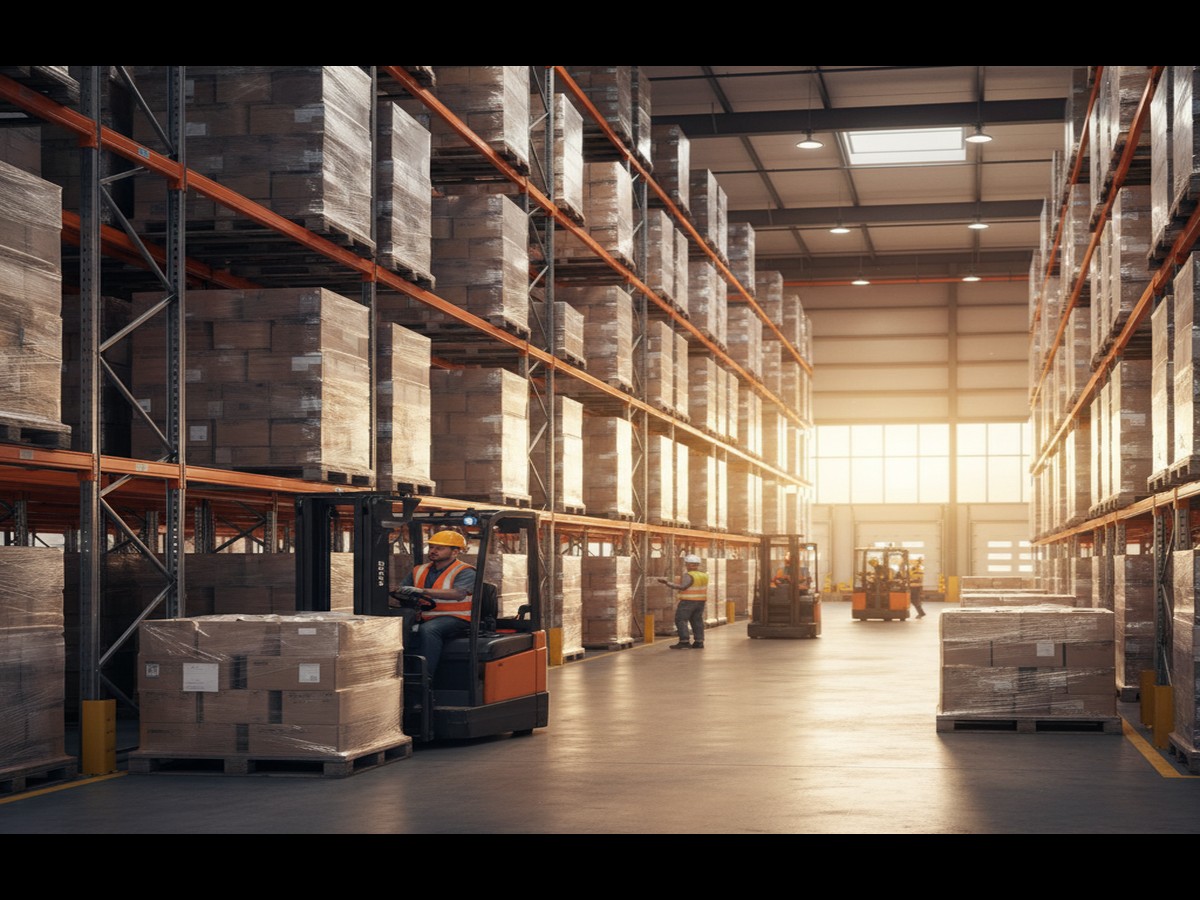
Discover how distribution warehouse iraq can transform your operations. This article serves as a practical guide for businesses to select a secure, compliant, and strategically located distribution warehouse partner in iraq, focusing on operational efficiency and risk mitigation. Iraq’s growing economy demands efficient supply chains. A well-placed distribution warehouse is critical for success.
This comprehensive guide explores distribution warehouse iraq through multiple perspectives. We’ll cover why your business needs strategic warehousing, available warehousing solutions, and key logistics hubs. Essential features of modern facilities, Iraqi customs compliance, e-commerce fulfillment, and 3PL partner selection will also be discussed. Partner with Direct Drive Logistic for secure & efficient Iraq distribution.
Why is a distribution warehouse iraq essential? It streamlines logistics, reduces transit times, and improves inventory management. However, challenges exist. Navigating Iraqi customs and ensuring security are paramount. This article addresses these issues, offering practical guidance. We’ll explore the role of a “Free Zone ( منطقة حرة )”, a designated area where goods can be stored, handled, and manufactured without being subject to customs duties. We also examine “Bill of Lading (سند الشحن)”, a document acknowledging receipt of cargo for shipment.
Selecting the right location is crucial. Key logistics hubs offer advantages, but security risks must be considered. This article will delve into overcoming security and logistical hurdles, addressing a significant content gap in existing resources. We will also explore “Incoterms (شروط التجارة الدولية)”, standardized trade terms defining responsibilities between buyers and sellers. Furthermore, we’ll discuss “Letter of Credit (خطاب الاعتماد)”, a payment guarantee used in international trade. Finally, we’ll share success stories of distribution warehouse implementations in Iraq, providing valuable insights.
This article prepares you to select the right 3PL partner. We cover essential features of a modern distribution warehouse, Iraqi customs and compliance, and the rise of e-commerce fulfillment. Are you ready to optimize your supply chain with a strategic distribution warehouse iraq? Let’s begin.
Why Iraq Needs Strategic Distribution Warehouses

Fueling Economic Recovery and Diversification with an Efficient Supply Chain
The need for a strategic distribution warehouse Iraq is growing, as the country’s logistics and warehousing market is projected to reach $11.3 billion by 2032. This reflects Iraq’s ambition to become a key regional logistics hub. This growth is enabled by post-conflict reconstruction and increasing foreign investment. An efficient supply chain is vital for Iraq’s economic recovery and diversification, supporting industries beyond oil and gas.
Efficient supply chain solutions are crucial for Iraq’s economic diversification. With the Iraq logistics market growing at a CAGR of 6.20% through 2033, strategic warehousing becomes even more critical. Businesses require distribution warehouses to optimize operations and reduce costs. These facilities support manufacturing, agriculture, and other sectors. This diversification reduces reliance on oil revenue and creates a more resilient economy.
Meeting the Soaring Demands of Iraq’s Rapidly Expanding Consumer Market
Iraq’s rapidly expanding consumer market is creating significant demand for efficient logistics. This demand requires modern warehousing solutions beyond simple storage. The rise of e-commerce is reshaping warehousing needs, with businesses needing fulfillment centers for last-mile delivery. This trend is especially apparent in Baghdad and Basra, where much of the consumer goods and retail activity is concentrated.
The e-commerce boom directly impacts the need for strategic distribution warehouses. Businesses are investing in facilities that support rapid order fulfillment and regional delivery networks. Over 200 new logistics firms have entered Iraq’s market in the past 3-5 years, spurring competition and innovation. To stay competitive, businesses need efficient logistics and warehousing solutions.
Bridging Logistical Gaps with Strategic Distribution Warehouses
Strategic distribution warehouses (Distribution Warehouses) are essential to overcome logistical challenges in Iraq. The $17 billion Development Road project aims to transform Iraq’s infrastructure. The Grand Faw Port (GFP), expected to be operational by 2028, will become the Middle East’s largest container port. This is complemented by 1,200km of integrated road and rail networks.
These Distribution Warehouses will facilitate trade and reduce transit times. By July 2025, the 63km access road linking the port to Iraq’s highway network was completed, improving connectivity. Iraq’s strategic location, combined with infrastructure development, positions it as a key transit hub. For companies seeking Iraq warehouse rental, strategic placement is key. The Development Road initiative will provide an alternative to the Suez Canal, reducing reliance on congested routes.
Selecting Optimal Locations: Key Logistics Hubs in Iraq
Baghdad as the Central Nexus: Leveraging Proximity to Iraq’s Largest Consumer Market
Selecting the right distribution warehouse iraq starts with understanding market gravity. Baghdad remains the undisputed commercial and demographic heart of the country, making it a primary node for any national distribution strategy. The city’s density drives a significant portion of the country’s logistics market, which is valued at an impressive $7.24 billion in 2025.
This central position is critical for businesses focused on consumer goods and retail. The rapid acceleration of e-commerce in Iraq, particularly concentrated in Baghdad, demands modern fulfillment centers capable of rapid, last-mile delivery. Locating here minimizes lead times and transportation costs for the largest consumer base.
Basra and Southern Ports: The Premier Gateway for Maritime Imports and Oil & Gas Logistics
For businesses reliant on maritime trade, the Basra logistics hub is non-negotiable. This southern governorate serves as the primary gateway for inbound cargo, anchored by transformative infrastructure projects. The government’s commitment is clear, with the $17 billion Development Road project set to redefine regional trade flows.
The centerpiece of this initiative is the Grand Faw Port (GFP), slated to become the Middle East’s largest container port upon its full operational launch by 2028. Critical milestones are already complete, including all five first-phase docks and the 63km access road connecting the port to Iraq’s highway network. A strategically located distribution warehouse iraq in this corridor provides a decisive advantage for import/export operations and access to new regional connectivity.
Erbil and the Kurdistan Region: A Stable Hub for Northern Distribution and Cross-Border Trade
The Kurdistan Region of Iraq (KRI), with Erbil as its commercial capital, offers a secure and stable environment for logistics operations. An Erbil distribution center is ideally positioned for trade with Turkey and for servicing the northern governorates. This location serves as the northern terminus of the ambitious 1,200km Development Road rail and road network.
This stability and strategic position have not gone unnoticed by the market. The region is experiencing a surge in logistics investment, with over 200 new logistics firms entering the Iraqi market in the last few years. This influx is driving competition and the adoption of modern technologies, creating a dynamic environment for businesses seeking reliable northern distribution partners. Finding suitable warehouse rental Iraq in this region is key for success.
Overcoming Distribution Challenges: Security and Logistical Hurdles
Mitigating Security Risks for Cargo and Personnel
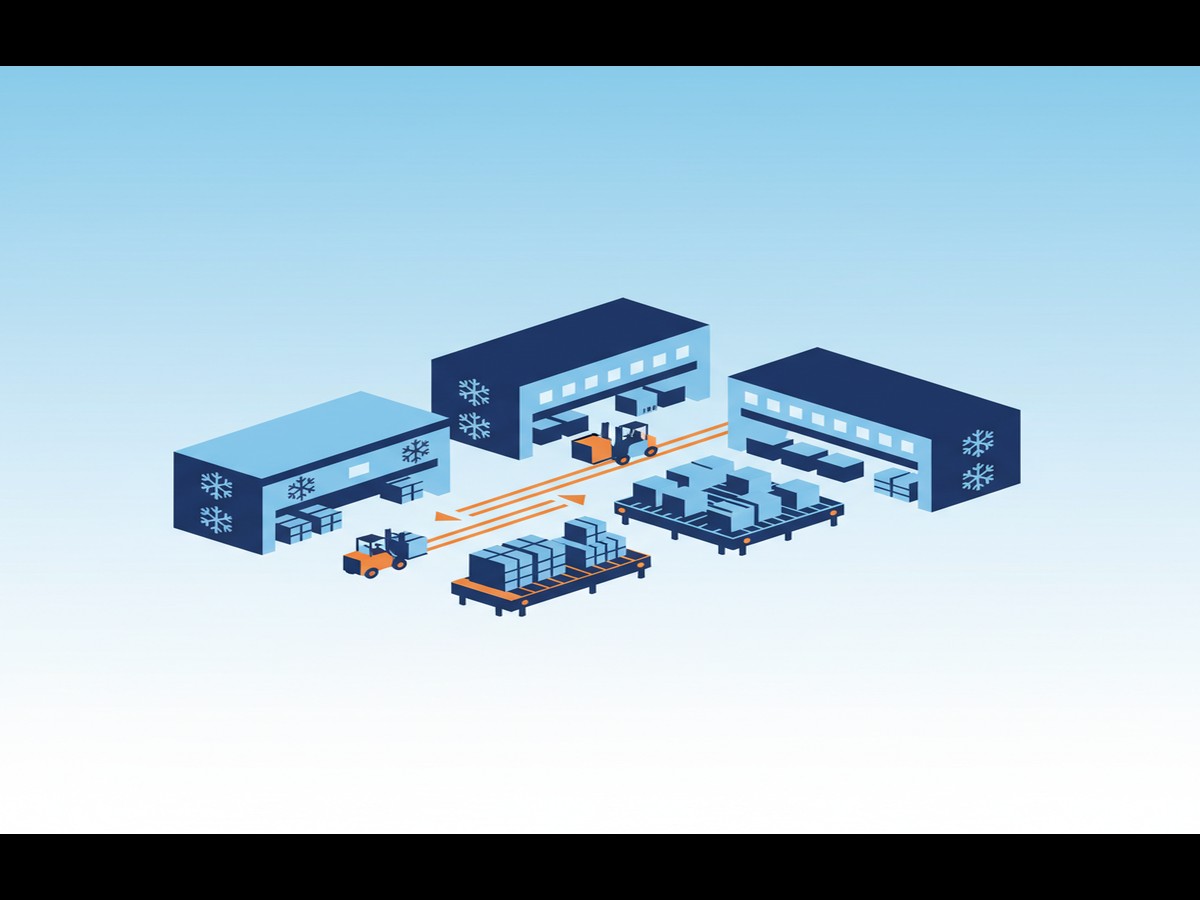
Operating within Iraq’s dynamic $7.24 billion logistics market requires a security-first approach. The recent entry of over 200 new logistics firms has created a varied landscape of operational standards, making rigorous partner vetting a necessity for protecting high-value assets.
Effective cargo security in Iraq transcends basic measures. It involves integrated solutions like real-time GPS tracking on all consignments, secure compound storage with 24/7 monitoring, and thoroughly vetted local teams. These protocols are fundamental to mitigating theft, damage, and unforeseen delays that impact profitability.
Navigating Infrastructure and Transportation Bottlenecks
While existing infrastructure presents logistics challenges in Iraq, the landscape is undergoing a monumental transformation. The government’s $17 billion Development Road project is creating a 1,200km integrated road and rail network designed to streamline cargo flow from the Gulf to Europe.
This initiative positions Iraq as a vital transit hub. The Grand Faw Port, set to be the Middle East’s largest upon its 2028 launch, is the cornerstone of this plan. A strategically located logistics warehouse Erbil along this emerging corridor provides a decisive competitive advantage, reducing transit times and bypassing legacy chokepoints.
Mastering this evolving environment means leveraging expert knowledge of both current and future routes. Understanding how the new infrastructure integrates with the existing road transport in Iraq is key to optimizing supply chains today. Proactive route planning ensures cargo moves efficiently despite ongoing development.
Overcoming Bureaucratic Hurdles and Supply Chain Disruptions
The Iraqi market’s projected growth to $11.3 billion by 2032 brings increased regulatory complexity. Navigating customs clearance, import/export documentation, and compliance demands deep, localized expertise. Minor administrative errors can lead to significant delays and financial penalties, highlighting major Iraq supply chain risks.
Unpredictable disruptions, from port congestion to sudden regulatory changes, are an operational reality. A professionally managed distribution warehouse iraq serves as a critical buffer, allowing businesses to maintain inventory and fulfill orders consistently even when transit routes are compromised.
An experienced logistics partner provides the essential on-the-ground intelligence to preempt these issues. By managing all bureaucratic interactions and adapting to disruptions in real time, we ensure your supply chain remains resilient and your business operations continue without interruption.
Need Reliable Delivery Services?
Get a free quote today. Fast, secure, and professional logistics solutions tailored to your needs.
Get Your Free Quote NowIraqi Customs and Compliance: A Step-by-Step Guide
Preparing Essential Import Documentation
Successfully operating a distribution warehouse in Iraq begins long before cargo arrives. Mastering the country’s import documentation is the first step to avoiding costly delays and penalties. As Iraq’s logistics market grows towards its projected **$11.3 billion** valuation by 2032, customs authorities are intensifying their scrutiny of all inbound shipments.
The two most critical documents are the Certificate of Origin (COO) and a detailed Commercial Invoice. These are non-negotiable. An incorrectly prepared invoice can lead to disputes over customs duty calculation in Iraq, while a missing COO can halt clearance indefinitely. For businesses leveraging Iraq’s expanding infrastructure, ensuring these required shipping documents for Iraq are fundamental for operational continuity.
Navigating the Iraqi Customs Clearance Process
The customs clearance process in Iraq involves multiple agencies and precise tariff classifications. With the **$17 billion Development Road project** set to introduce new entry points like the Grand Faw Port, understanding Harmonized System (HS) codes is more vital than ever. Misclassifying goods is a common error that results in significant fines and shipment seizures.
A proficient logistics partner navigates these complexities by managing pre-clearance submissions and liaising directly with customs officials. This proactive approach minimizes dwell time at ports and border crossings. The entire process, from documentation to final release, is mapped out in detailed logistical frameworks, as illustrated in this RAND Study on Iraq. This ensures your goods move from the port to your warehouse without interruption.
Post-Clearance Compliance and Bonded Warehouse Regulations
Compliance doesn’t end once goods clear customs. For imported goods stored in a distribution warehouse in Iraq, strict inventory and reporting regulations apply. Utilizing a bonded warehouse offers a significant strategic advantage, allowing businesses to defer duty payments until the products are sold domestically. This is a powerful tool for managing cash flow, especially with the market’s rapid **6.20% CAGR** driving higher import volumes.
This strategy is particularly effective for high-volume importers and e-commerce businesses that have surged in recent years. With over **200 new logistics firms** entering the market, competition is driving demand for advanced solutions like bonded storage. Effective management of these facilities ensures full compliance with Iraq import regulations, safeguarding your investment and market position. As international air freight modernizes, efficient post-clearance handling becomes a key competitive differentiator, a trend highlighted by the latest Iraq logistics data.
Essential Features of a Modern Distribution Warehouse in Iraq
Implementing Advanced Technology for a Competitive Edge
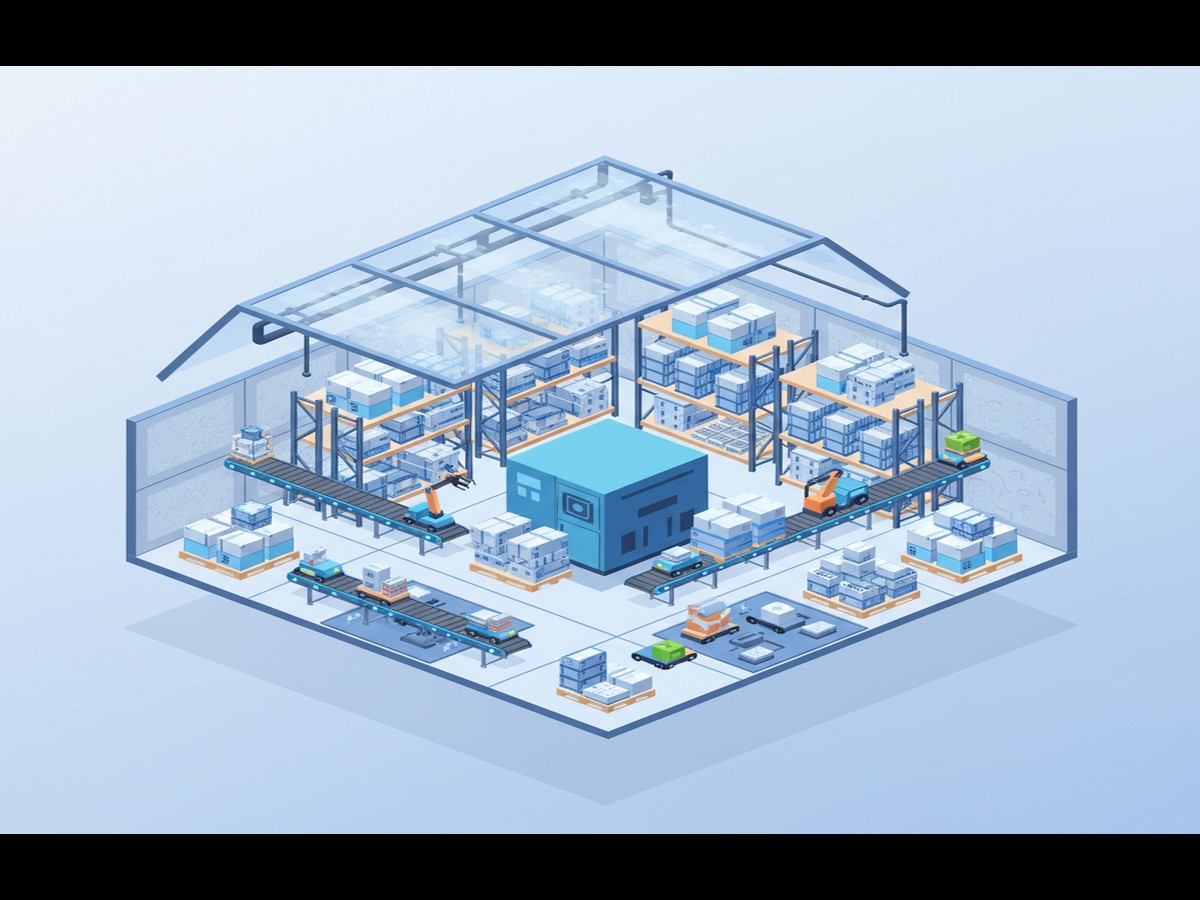
A modern distribution warehouse in Iraq must be more than just a storage space; it must be a technology-driven command center. The recent market entry of over 200 new logistics firms has intensified competition, making operational efficiency the primary differentiator. This new landscape demands sophisticated tools to manage inventory and fulfillment.
Implementing a robust warehouse management system Iraq provides real-time visibility and control over every asset. These systems integrate GPS tracking and digital freight management to slash delivery times and reduce errors. As detailed in recent Middle East logistics data, this technology is critical for serving the booming e-commerce sector, particularly in consumer hubs like Baghdad and Basra.
Automation further enhances these capabilities. Barcode scanning, automated sorting systems, and inventory drones reduce manual labor costs and improve accuracy. For businesses looking to scale, these technological investments are no longer optional—they are foundational to survival and growth.
Critical Infrastructure for Asset Protection
The operational environment in Iraq presents unique challenges that standard warehousing cannot address. Reliable infrastructure is the bedrock of a secure supply chain, protecting high-value and sensitive goods from spoilage and theft. This begins with specialized climate control.
Effective temperature controlled storage Iraq is a non-negotiable requirement for pharmaceuticals, perishable foods, and sensitive electronics. Facilities must maintain precise temperature and humidity levels, supported by redundant, uninterrupted power supplies to counteract grid instability. This ensures product integrity from receiving to final delivery.
Equally vital is comprehensive security. A truly secure warehousing Iraq solution integrates 24/7 manned surveillance, perimeter fencing, and access control with advanced digital security. Protecting the WMS and client data from cyber threats is just as important as securing the physical premises.
Strategic Design for Unprecedented Cargo Volume
The physical layout of a facility directly impacts throughput and profitability. With Iraq’s infrastructure undergoing a massive transformation, a forward-thinking distribution warehouse must be designed to handle a significant increase in cargo volume. This is especially true with the ongoing work on the Development Road.
The Grand Faw Port’s first phase covers five docks, with completion announced for October 2025. Its current operational status should be confirmed before you route cargo through it. Facilities must incorporate cross-docking capabilities, allowing inbound cargo to be sorted and loaded onto outbound trucks with minimal storage time. This design is essential for capitalizing on the efficiencies promised by the Development Road project.
Optimized layouts with logical slotting and clear traffic flows for machinery and personnel are also fundamental. Such strategic design minimizes congestion, reduces order fulfillment times, and prepares your supply chain for the next phase of Iraq’s economic expansion. Before investing, research warehouse storage Iraq pricing to find the best deals.
Success Stories: Distribution Warehouse Implementations in Iraq
Streamlining FMCG Distribution: An Iraqi Logistics Case Study
A leading fast-moving consumer goods (FMCG) distributor faced significant delays in Baghdad. Their legacy storage could not handle the surge in demand driven by Iraq’s expanding e-commerce sector, which is heavily concentrated in urban centers like Baghdad and Basra.
Direct Drive Logistic implemented a state-of-the-art fulfillment center equipped with a modern Warehouse Management System (WMS). This technology-first approach streamlined inventory, automated order picking, and optimized last-mile delivery routes. The result was a measurable increase in order accuracy and a significant reduction in delivery times, giving our client a competitive edge in a crowded market.
Project Spotlight: A Secure Pharmaceutical Hub in Basra
Handling high-value pharmaceuticals requires absolute precision and security. A global healthcare company needed a compliant facility near Basra to import and distribute temperature-sensitive medical supplies, a critical challenge in Iraq’s climate. The risk of spoilage and theft was their primary concern.
We established a climate-controlled, access-restricted warehouse with 24/7 monitoring. Its strategic location provides seamless access to the Grand Faw Port, which is on track to become the Middle East’s largest container port by 2028. This positioning ensures rapid, secure transit from port to storage, safeguarding product integrity and minimizing supply chain vulnerabilities. This is one of many supply chain success stories emerging from the region’s infrastructure boom.
Key Strategies from Successful Warehouse Implementations in Iraq
Our experience provides a clear blueprint for success. Strategic location is paramount, especially with the ongoing $17 billion Development Road project creating a 1,200km logistics corridor. A modern distribution warehouse iraq must leverage this new infrastructure to reduce transit times and costs.
Technology integration is no longer optional. With over 200 new logistics firms entering the market recently, facilities using WMS and GPS tracking consistently outperform those that do not. As the market grows towards its projected value of $11.3 billion by 2032, these operational efficiencies become critical for managing scale and complexity. These advancements solidify Iraq’s position as a key connectivity hub for regional trade. Ultimately, a successful distribution warehouse iraq strategy combines location, technology, and robust security protocols to navigate the market’s unique challenges.
To enhance your warehousing strategy, consider international warehousing in Iraq for optimal results.
Partnering for Success: Selecting the Right 3PL in Iraq
Key Criteria for Vetting Iraqi Logistics Providers
Selecting the right third-party logistics (3PL) partner in Iraq demands a disciplined vetting process. The landscape is competitive, with over 200 new logistics firms entering the market in the past 3-5 years, making it vital to distinguish experienced operators from new entrants. Scrutinize a provider’s on-the-ground experience, particularly their ability to navigate customs at key hubs like Baghdad and Basra.
The top logistics companies in Iraq will provide verifiable case studies and references demonstrating their success. Evaluate their network’s strategic positioning relative to major infrastructure, such as the corridors connected to the Grand Faw Port. A partner’s proven ability to manage complex supply chains within the local context is a far more valuable asset than a low initial price quote.
Assessing Security Protocols and Compliance
For any business operating in the region, secure warehousing solutions Iraq are a primary concern. A credible 3PL partner must present a comprehensive security plan that includes 24/7 surveillance, stringent access controls, and secure inventory management protocols. These measures are foundational for protecting high-value assets against theft and damage.
Beyond physical security, regulatory compliance is paramount. Your provider must demonstrate deep expertise in Iraqi customs law and international shipping standards. This knowledge is critical for avoiding costly delays and penalties, especially as the Grand Faw Port becomes fully operational by 2028. A compliant and secure distribution warehouse iraq partner is your first line of defense against supply chain disruptions.
Evaluating Technology, SLAs, and Cost Structures
Effective logistics management hinges on technology and data. When vetting 3PL providers Iraq, insist on platforms that offer real-time visibility, such as a robust Warehouse Management System (WMS) and GPS fleet tracking. This digital integration provides the transparency needed to monitor inventory, track shipments, and make informed operational decisions.
A detailed Service Level Agreement (SLA) should quantify performance expectations. Look for specific metrics on order accuracy, on-time dispatch rates, and inventory turn times. For companies requiring air freight Iraq, a partner’s expertise can be invaluable. Finally, analyze the cost structure beyond the per-pallet storage fee. A transparent partner will provide a clear breakdown of all potential charges, ensuring the quoted price reflects the total cost of service and eliminates unforeseen expenses.
Frequently Asked Questions
▼ What are the best locations for a distribution warehouse Iraq to serve the entire country?
The best locations for a distribution warehouse Iraq generally include Erbil, Baghdad, and Basra due to their strategic positioning and infrastructure. Erbil serves the Kurdistan Region and northern Iraq, Baghdad is central for nationwide distribution, and Basra is crucial for port access and southern Iraq. Establishing warehouses in these three cities allows for efficient delivery and reduces transportation times by an average of 2-3 days compared to using a single location.
▼ How do I choose a distribution warehouse Iraq that meets my specific product storage needs?
To choose a distribution warehouse Iraq that meets your specific needs, first assess your product’s storage requirements, such as temperature control, humidity levels, and security measures. Then, evaluate potential warehouses based on their certifications (e.g., ISO 9001), security protocols (24/7 surveillance), and specialized storage capabilities. Consider a site visit to physically inspect the facilities and ensure they align with your product’s unique needs, such as cold chain requirements for pharmaceuticals.
▼ What is the average cost of distribution warehouse Iraq, and what factors influence pricing?
The average cost of distribution warehouse Iraq typically ranges from $8 to $15 per square meter per month, but this can vary significantly. Factors influencing pricing include location (Erbil is often more expensive than smaller cities), warehouse size, storage requirements (temperature-controlled storage adds cost), and security services. Budget for an additional 10-15% for ancillary costs like handling fees and insurance.
▼ How can I ensure the security of my goods within a distribution warehouse Iraq?
To ensure the security of your goods within a distribution warehouse Iraq, prioritize facilities with robust security measures, including 24/7 surveillance, controlled access points, and trained security personnel. Request detailed reports on security protocols, conduct regular audits of inventory, and consider using GPS tracking on high-value shipments. Implementing these measures can reduce theft and damage by an estimated 20-25%.
▼ What are the key logistical challenges when operating a distribution warehouse Iraq?
Key logistical challenges when operating a distribution warehouse Iraq include navigating complex customs procedures, dealing with inconsistent infrastructure, and managing security risks. Customs clearance can take 3-5 business days, and road conditions outside major cities can impact delivery times. Building strong relationships with local authorities and utilizing experienced transportation providers can mitigate these challenges.
▼ How do I integrate a distribution warehouse Iraq with my existing supply chain management system?
Integrate a distribution warehouse Iraq with your supply chain by ensuring compatibility between your existing system and the warehouse’s inventory management software (WMS). This requires API integration for real-time data exchange, allowing you to track inventory levels, manage orders, and monitor shipments. Allocate approximately 4-6 weeks for full system integration and testing before launch.
▼ What are the legal and regulatory requirements for setting up a distribution warehouse Iraq?
Setting up a distribution warehouse Iraq requires compliance with Iraqi company law, registration with the Ministry of Trade, and obtaining the necessary licenses for warehousing and distribution. Ensure compliance with customs regulations, tax laws, and labor laws. It’s advisable to engage a local legal expert to navigate the regulatory landscape, as procedures can take 2-3 months to complete.
▼ How long does it typically take to transport goods from a distribution warehouse Iraq to major cities?
Transporting goods from a distribution warehouse Iraq to major cities typically takes 1-3 days for cities within the same region (e.g., Erbil to Sulaymaniyah) and 3-7 days for cross-country deliveries (e.g., Erbil to Basra). Factors affecting transit times include road conditions, security checkpoints, and customs clearance at regional borders. Consider using express delivery services for time-sensitive shipments to reduce transit times by up to 50%.
▼ What type of technology is typically used in a modern distribution warehouse Iraq?
Modern distribution warehouses Iraq typically use technologies such as warehouse management systems (WMS) for inventory control, barcode scanners for efficient tracking, and GPS tracking for vehicle monitoring. Implementing these technologies can improve operational efficiency by 15-20% and reduce errors in inventory management. Some facilities also utilize drones for security surveillance.
▼ How can I optimize my distribution network using a distribution warehouse Iraq?
Optimize your distribution network by strategically locating your warehouse to minimize transportation costs and delivery times. Analyze your customer base to identify areas with high demand and position your warehouse to serve those areas efficiently. Regularly review your distribution routes and inventory levels to ensure optimal stock levels and efficient order fulfillment. For reliable distribution warehouse Iraq services, consider established providers like Direct Drive Logistic who understand the nuances of the Iraqi market.
▼ What are the benefits of using a third-party logistics (3PL) provider for distribution warehouse Iraq?
Using a third-party logistics (3PL) provider for distribution warehouse Iraq offers benefits such as reduced operational costs, access to specialized expertise, and scalability. 3PL providers handle warehousing, transportation, and customs clearance, allowing you to focus on your core business activities. Partnering with a 3PL can reduce logistics costs by 10-15% and improve delivery times.
▼ What strategies can I use to manage inventory effectively within a distribution warehouse Iraq, considering the unique challenges of the region?
Effective inventory management strategies within a distribution warehouse Iraq include implementing a robust inventory management system, conducting regular stock audits, and utilizing ABC analysis to prioritize high-value items. Maintain safety stock levels to buffer against supply chain disruptions and consider using cross-docking to minimize storage time. Working with an experienced general business provider like Direct Drive Logistic can help you optimize your inventory management processes.
Conclusion
The key to unlocking Iraq’s economic potential lies in establishing robust and strategically located distribution networks. As highlighted, Iraq’s dynamic logistics market, currently valued at $7.24 billion, demands efficient and secure solutions. Overcoming challenges like security concerns and navigating complex customs procedures are paramount to successful distribution warehouse Iraq operations and contribute directly to a stronger, more diversified economy.
Start by evaluating your current supply chain vulnerabilities within Iraq. Focus specifically on identifying areas where strategic warehousing, enhanced security protocols, and streamlined customs processes can significantly reduce transit times and minimize potential losses. A detailed gap analysis will reveal immediate opportunities for improvement and optimization within your existing framework.
Direct Drive Logistic brings years of experience navigating the complexities of the Iraqi logistics landscape, offering secure and reliable distribution warehouse solutions tailored to your specific needs. Our deep understanding of local regulations, coupled with our commitment to advanced technology, ensures cost-effective and efficient operations. Call us today at (+964) 750 637 9296 to discover how we can optimize your supply chain and drive your success in the Iraqi market.
Need reliable and efficient distribution warehousing in Iraq? Partner with Direct Drive Logistic and unlock streamlined operations and faster delivery times. Call (+964) 750 637 9296 today to discuss your specific needs and get a customized solution!
Get Your Free Quote NowContact Us for a Consultation
Location
Direct Drive Logistic
MRF Quattro towers, Block A-29-1
Erbil, Kurdistan Region