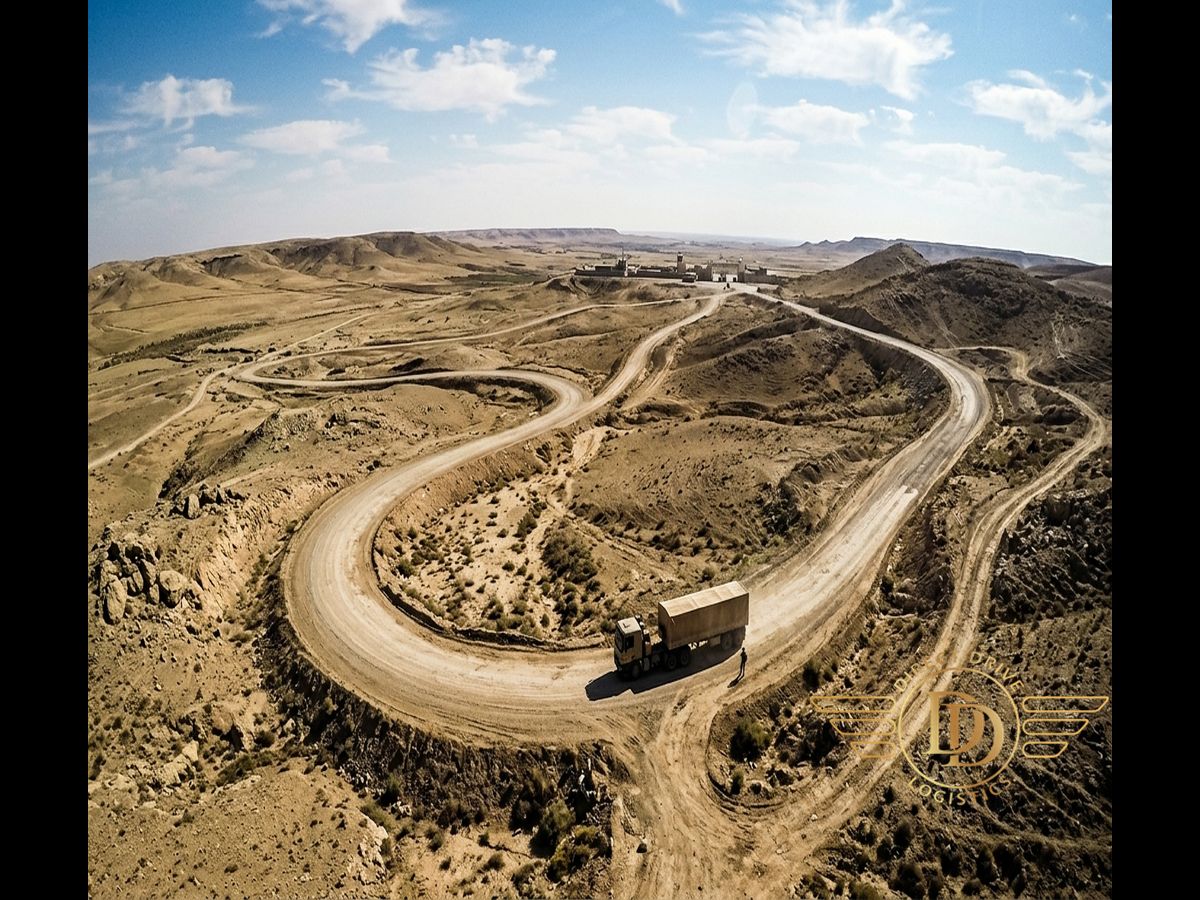
Discover how Iraq warehouse types can transform your operations with this guide moves beyond a simple list of warehouse types to show how integrating the right facility with a true multimodal transport network, like ddl’s 7-border crossing system, is the key to overcoming iraq’s unique logistical disruptions.
Iraq warehouse types include general storage, bonded facilities, and specialized options like cold chain or hazardous materials storage. General storage warehouses offer basic space for non-perishable goods. Bonded warehouses allow duty-deferred storage for imported items. Specialized warehouses cater to specific needs, such as temperature-controlled environments for pharmaceuticals or secure areas for high-value cargo, crucial for navigating Iraq’s diverse logistical demands.
When your cargo is stuck at the border for 3–5 days awaiting customs clearance, costing an estimated USD 800+ in demurrage and storage, the type of warehouse and your logistics partner’s network become critical. Missing one customs document or selecting an unbonded facility for duty-deferred goods can trigger significant delays and unexpected expenses. This often happens when logistics providers lack direct, multimodal operational control across Iraq’s complex customs landscape.
This guide moves beyond a simple list of Iraq warehouse types to show how integrating the right facility with a true multimodal transport network, like Direct Drive Logistic’s (DDL) 7-border crossing system, is key to overcoming Iraq’s unique logistical disruptions. We will explore why your choice of warehouse type matters more in Iraq, examining core options and specialized features. For instance, a
bonded warehouse (المخزن الجمركي) is a secure facility authorized by customs authorities to store imported goods without immediate payment of duties and taxes, offering flexibility for re-export or staggered customs clearance.
We will also address the critical differences between a mere storage provider and a true logistics partner. An integrated warehouse network, for example, can significantly mitigate cross-border delays, especially when navigating the dual customs systems of the Kurdistan Region of Iraq (KRG) and Federal Iraq. Understanding a
general storage warehouse (مستودع التخزين العام) provides basic, unspecialized space for storing non-perishable goods, typically without climate control or specific security protocols beyond standard measures, suitable for bulk commodities or less sensitive items.
This article will delve into essential inventory management solutions tailored for Iraq’s unique market. We will also examine key features to look for, such as advanced security and technology integration, including Warehouse Management Systems (WMS). A
Warehouse Management System (WMS) (نظام إدارة المستودعات) is software designed to control and manage daily warehouse operations, from inventory tracking and picking to shipping, optimizing efficiency and providing real-time visibility into stock levels and movements.
By the end, you will gain actionable insights to enhance your operations and make informed decisions on an Iraqi warehouse partner, ensuring your supply chain remains resilient and cost-effective.
Understanding the Landscape: Why Warehouse Storage in Iraq Demands Expertise
Navigating Iraq’s Complex Logistical Corridors and Key Warehouse Hubs
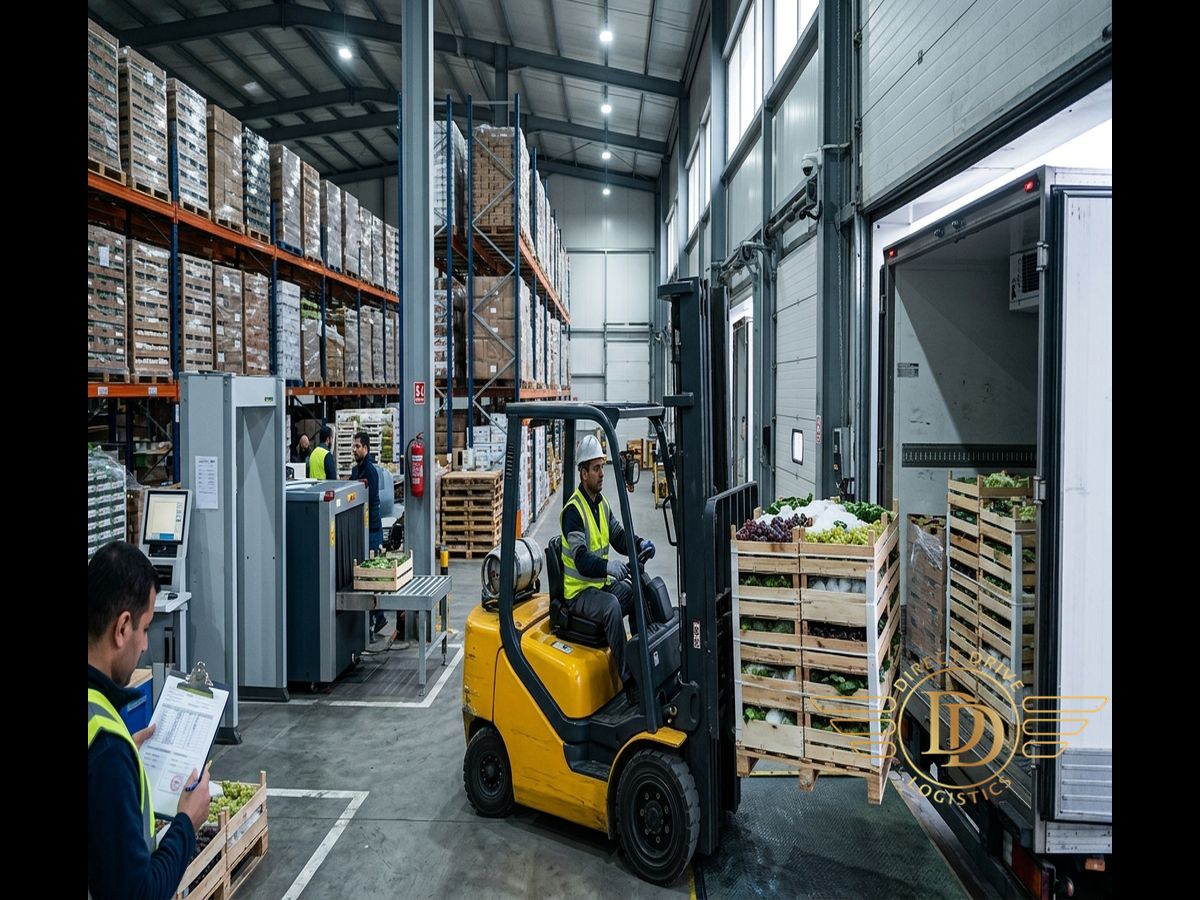
Effective warehousing in Iraq is not just about finding space; it’s about strategic placement within a fractured logistical landscape. The country operates as two distinct customs zones—Federal Iraq and the Kurdistan Region (KRG)—and a warehouse choice that ignores this reality can introduce significant delays. Key operational hubs in Baghdad, Erbil, and Basra command higher rental rates, with basic industrial space costing between USD 4–10 per m² per month. This requires reliable Iraq transport services to manage the flow of goods efficiently.
The primary challenge arises from this dual-system structure. Cargo cleared through KRG borders cannot simply move into Federal Iraq without additional processing, and vice versa. This friction point can add a costly 1–3 extra days to your supply chain timeline for re-clearance and documentation rework. This complexity impacts everything from inventory planning to meeting project deadlines under strict national regulations.
In our operations across Iraq, we consistently see that the most resilient supply chains are those where the warehouse location is synchronized with the customs entry point. One mistake we see regularly is businesses choosing a warehouse in Erbil for cargo destined for Baghdad via Umm Qasr port. This mismatch forces a costly and time-consuming re-clearance process, negating any initial savings on storage costs.
Your next step: Map your primary import corridor (e.g., Turkey via Ibrahim Khalil or Iran via Bashmagh) before you evaluate any warehouse options. Confirm with your logistics partner that your chosen facility aligns with your customs clearance strategy, utilizing efficient Iraq Local Transportation to streamline the process.
Introduction to Iraq warehouse types
Temperature-Controlled and Cold Chain Logistics for Perishable Goods
The demand for advanced Iraq warehouse types is rapidly evolving beyond basic storage sheds. As global surveys show, nearly 62.3% of logistics managers identify inventory control as their top challenge, while 46.2% cite space constraints, pushing the market toward specialized, high-density facilities. This shift is particularly evident in Iraq’s primary commercial hubs of Baghdad, Erbil, and Basra, where Iraq Warehouse Rental options are becoming increasingly important.
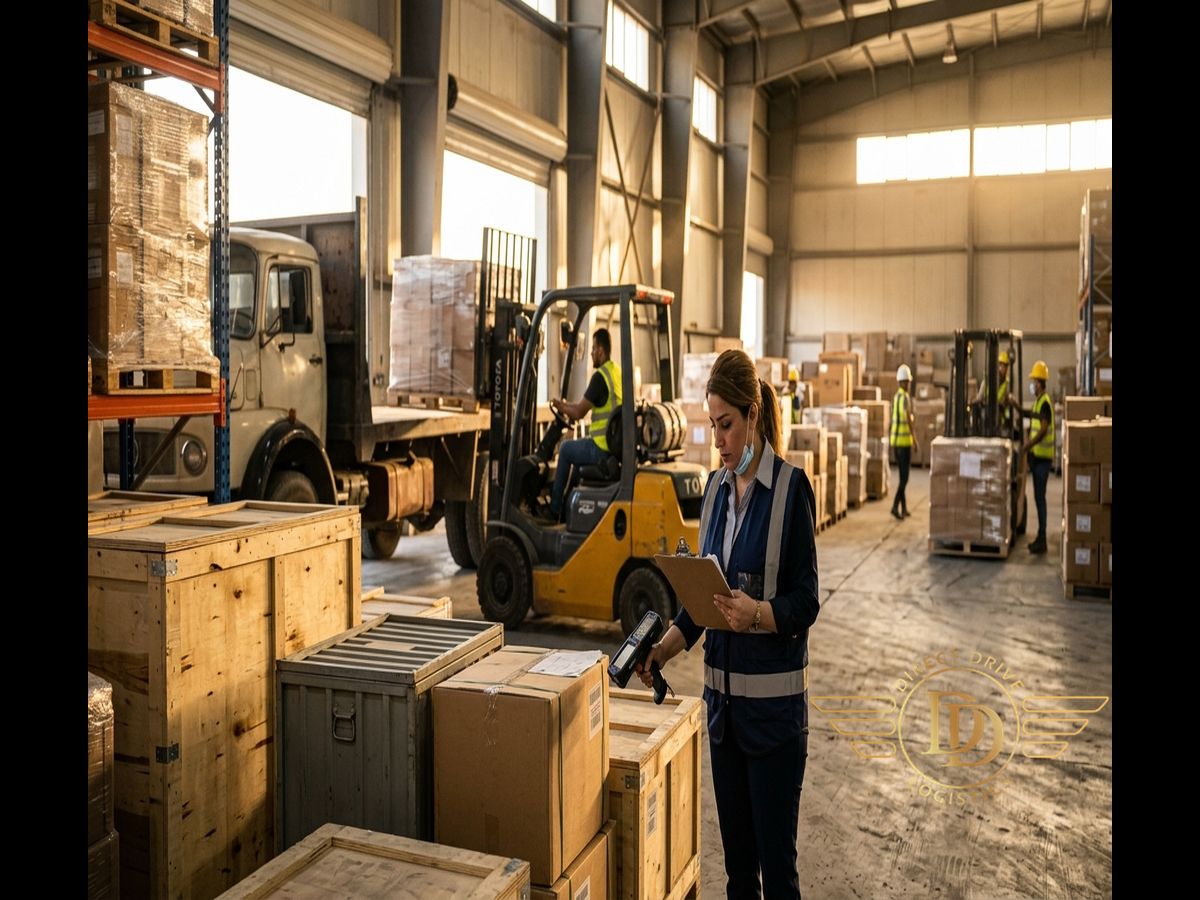
For businesses handling sensitive goods, specialized facilities are not a luxury but a necessity. The development of assets like dnata’s 20,000 m² cargo in Erbil is a direct response to the growing need for professional cold chain logistics Iraq. These facilities are essential for protecting the integrity of pharmaceuticals, fresh food products, and other perishable imports from port to final destination.
In our operations, we consistently see that a climate controlled warehouse Erbil is most effective when integrated into a rapid distribution network. Storing goods correctly is only half the solution; ensuring they can be dispatched on our daily scheduled trucks to Baghdad, Basra, or any other governorate while maintaining the cold chain is what prevents product loss and protects our clients’ investments.
| Feature | General Storage Warehouse | Bonded Warehouse | Temperature-Controlled Facility |
|---|---|---|---|
| Ideal Use Case | Non-perishable, low-value goods (e.g., construction materials, dry goods). | Imported goods awaiting customs clearance and duty payment. | Pharmaceuticals, fresh produce, high-value electronics, chemicals. |
| Primary Benefit | Lowest cost per square meter for basic, secure space. | Defers import duties and taxes until goods enter the local market. | Maintains product integrity and compliance with health regulations. |
| Operational Focus | Space optimization and basic security protocols. | Strict customs compliance, accurate documentation, and inventory control. | Precise temperature/humidity monitoring, energy efficiency, and rapid handling. |
| Key Challenge | Risk of damage from extreme temperatures; minimal inventory visibility. | Potential for delays and penalties from incorrect customs paperwork. | Higher operational costs; requires an unbroken cold chain from origin. |
Selecting the right facility—whether a bonded warehouse for imports at Umm Qasr or a cold storage unit in Zakho—is the critical first step. True supply chain resilience, however, comes from integrating that facility with a logistics partner who can manage the entire journey, from customs clearance to final-mile delivery across all of Iraq, which is why considering Iraq Warehouse Rental options is crucial.
Your next step: Provide our team with your product’s HS code and temperature requirements. We will map the optimal warehouse and customs clearance strategy for your cargo within 24 hours.
Navigating Regulations: Legal Requirements for Iraqi Warehouse Types (Bonded vs. Unbonded)
The Legal Framework of Bonded Warehouses: Customs Control and Duty Deferral
Understanding the legal framework for different Iraq warehouse types is fundamental to managing cash flow and compliance. A customs bonded warehouse in Iraq operates as a secure area under customs supervision where imported goods can be stored, manipulated, or undergo manufacturing operations without payment of duty. This duty deferral is a significant financial tool, allowing importers to pay taxes only when goods are released into the Iraqi market.
This model is particularly vital in port cities like Basra, where we project a 10%–20% higher demand for port-linked warehouse space as businesses seek to buffer against border delays. In our operations at the Port of Umm Qasr, we’ve found that utilizing our bonded facility allows clients to consolidate cargo and manage customs paperwork proactively, preventing costly demurrage charges that accumulate during unexpected clearance holds.
One mistake we see regularly is importers failing to secure the correct bank guarantee or bond required by Iraqi customs to operate within a bonded facility. This oversight can lead to immediate seizure of goods and significant financial penalties, completely negating the cost-saving benefits of duty deferral.
Requirements for Unbonded Warehouses: Clearing Goods for the Iraqi Domestic Market
Unbonded, or general, warehouses are for goods that have been customs-cleared and are ready for domestic distribution. Once duties and taxes are paid, cargo can move freely from these facilities to any point within Iraq. The legal requirements focus on proper registration, safety standards, and accurate inventory records for tax purposes. These facilities form the backbone of the domestic supply chain.
The specialization within unbonded storage is growing, particularly for sensitive goods. The temperature-controlled, for instance, is projected to grow at a 2.24% CAGR, driven by pharmaceutical and food imports that require immediate and compliant storage post-clearance. Our team at Direct Drive Logistic has found that maintaining precise temperature logs and having redundant power systems in our Erbil and Basra facilities is non-negotiable for clients in these sectors.
Your next step: Provide our team with your product’s HS code and destination city. We will confirm the specific customs and warehousing regulations that apply to your cargo within 24 hours.
Key Features to Look For: More Than Just Space – Integrated Warehouse Solutions
Leveraging Technology: Warehouse Management Systems (WMS) and Automation in Iraq
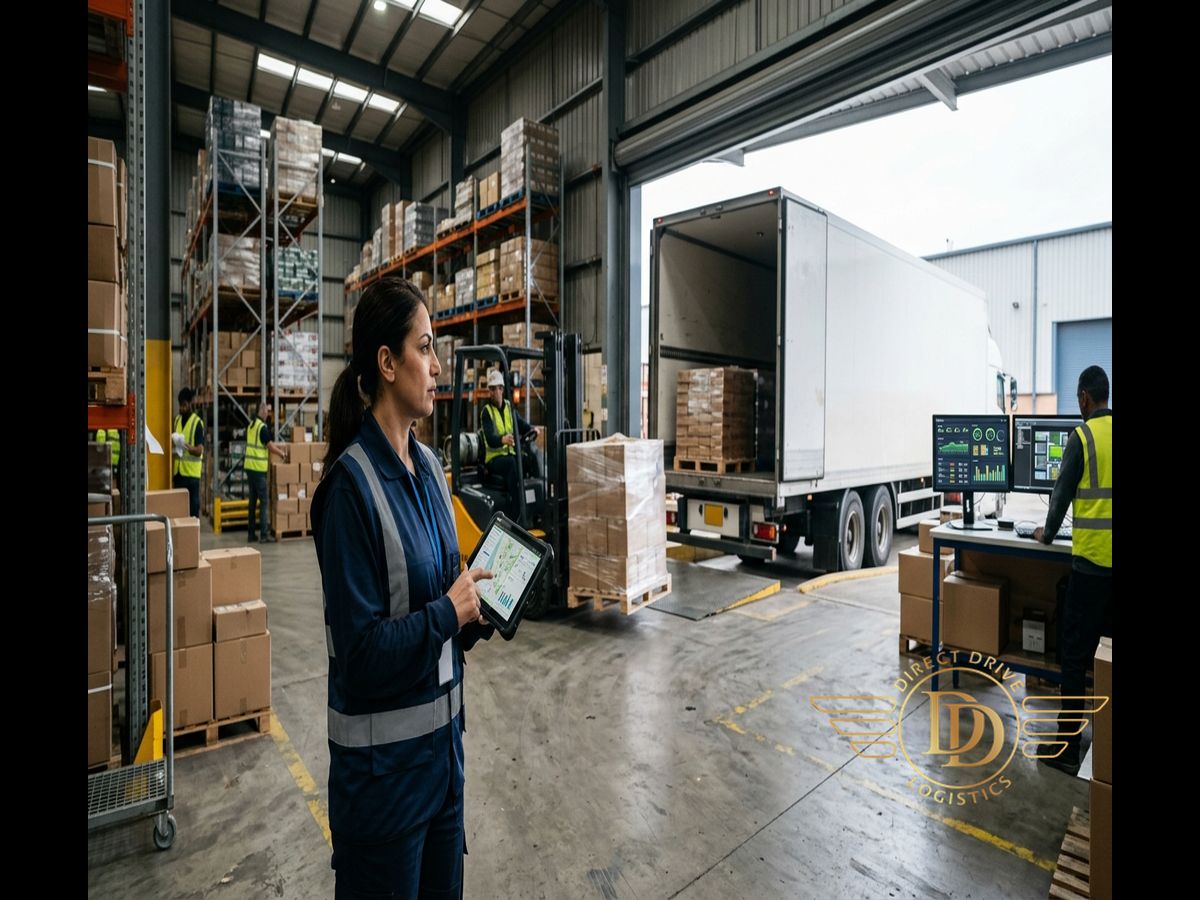
In Iraq’s dynamic market, basic storage is no longer sufficient. Leading warehouse providers now offer integrated solutions to solve persistent challenges like inaccurate inventory and inefficient space use. A modern warehouse management system in Iraq provides the real-time inventory visibility necessary to manage stock levels, track expiration dates, and improve order accuracy across your supply chain.
Beyond software, physical optimization is key. Automated warehouse solutions, including vertical racking and conveyor systems, directly address space constraints, allowing for higher storage density within the same footprint. Our team at Direct Drive Logistic has found that a WMS is only as effective as the transport network it supports. Real-time data is powerful, but when paired with our daily departure schedule of ~10 trucks from Erbil to every Iraqi governorate, it transforms from a tracking tool into a predictive delivery system.
Ensuring Product Integrity: Advanced Climate Control and Temperature Monitoring
For pharmaceuticals, food products, and other sensitive goods, the choice of Iraq warehouse types must prioritize integrity. The demand for specialized facilities is growing, underscored by major infrastructure projects like the new 20,000 m² cargo complex in Erbil. This trend reflects a broader maturation in the Iraq logistics market toward higher standards.
Look for providers offering validated temperature monitoring, humidity control, and critically, redundant backup power systems. One mistake we see regularly is companies accepting a provider’s claim of “cold storage” without verifying their power contingency plans. In our operations across Iraq, particularly in Basra’s summer heat, a single power failure without immediate generator backup can result in a total loss of temperature-sensitive cargo.
Your next step: Request a technical specification sheet from potential warehouse partners. Specifically, ask for their WMS platform details and the make, model, and fuel capacity of their backup power generators.
Beyond the Broker: Why Verified Multi-Modal Operations Matter for Your Iraq Storage
The Hidden Costs and Delays of Standard Brokerage Models in Iraq
Selecting the right Iraq warehouse types is only half the battle; the partner moving your goods is paramount. A standard Iraq logistics broker vs operator presents a critical difference: a broker subcontracts your shipment, losing direct control once the cargo is handed off. This model creates significant risk in a market with frequent disruptions.
One mistake we see regularly is businesses failing to verify if their partner is an asset-based operator or a broker. When a border like Ibrahim Khalil faces congestion, a broker loses hours or days searching for new carriers. In our experience completing over 300 Iran-Iraq cross-border shipments, this reactive approach adds an average of 3-5 days of costly delays.
How Integrated Multi-Modal Operations Streamline KRG and Federal Customs
Navigating Iraq requires managing two distinct customs zones: the Kurdistan Region (KRG) and Federal Iraq. A multi-modal operator with a physical presence in both regions eliminates friction. Direct Drive Logistic operates a network of 7 border crossings, including Parviz Khan for KRG and Mehran for Federal Iraq, allowing us to dynamically re-route cargo.
For instance, when a client’s FMCG shipment from Tehran to Baghdad faced a primary border delay, we re-routed it through our Mehran crossing with zero impact on the final ETA. This level of control, supported by our daily departure schedule of approximately 10 trucks from Erbil to all Iraqi governorates, is impossible for a non-asset-based provider. For cargo heading toward the Black Sea, the Erbil to Batumi route shows how the same network logic applies beyond Iraq’s borders. Understanding different warehouse functions becomes strategic when connected to a reliable transit network.
| Feature | Standard Logistics Broker | Direct Drive Logistic (Multi-Modal Operator) |
|---|---|---|
| Route Flexibility | Low; dependent on subcontractor availability | High; 7-border crossing network and owned assets |
| Disruption Recovery | 3-5+ day delay to find alternatives | <24-hour re-routing capability |
| KRG/Federal Customs | Multiple third-party agents; risk of miscommunication | Integrated teams in Erbil & Basra; single point of contact |
| Shipment Control | Lost after handover to carrier | Full end-to-end visibility and control |
Your next step: Provide us with your current Iran-to-Iraq or Turkey-to-Iraq shipping route, and we will deliver a complimentary risk assessment within 48 hours, highlighting potential chokepoints a brokerage model would miss.
Send your cargo details to Direct Drive Logistic on WhatsApp — get a route-specific checklist and quote within 24 hours.
Why Choose Direct Drive Logistic?
Offices in Erbil (HQ) + Tehran (Nasim Shahr Terminal); warehouses in Zakho, Erbil, Basra, and Tehran (2,000 sqm)
Government-licensed clearing agent — direct port access for sea freight into southern Iraq
2,500+ Iraq domestic deliveries, 300+ Iran-Iraq cross-border, 100+ international freight; air freight handler at Erbil, Baghdad, and Basra airports
Operational at Parviz Khan, Bashmagh, Haji Omran (Piranshahr), Mehran, Khosravi, Ibrahim Khalil (Turkey), and Bandar Abbas port (Iran)
Full operational fluency in Farsi, Arabic, Kurdish, and English — client-facing and documentation
~10 trucks/day from Erbil hub covering Baghdad, Karbala, Najaf, Basra, Kut (Wasit), Diyala, Nasiriyah, and all Iraqi governorates
Frequently Asked Questions
Iraq offers various warehouse types, primarily encompassing general storage, bonded facilities, and increasingly, specialized temperature-controlled warehouses. When evaluating providers for Iraq warehouse types, look for features like robust security systems, comprehensive inventory management (ideally with a WMS to address the 62.3% inventory control challenge rate), and flexible storage options such as vertical racking to optimize space. For sensitive goods like pharmaceuticals, a provider with validated temperature monitoring and backup power is crucial, especially given the 2.24% CAGR for temperature-controlled warehousing in Iraq.
General challenges for warehouse storage in Iraq include navigating dual customs systems between Federal Iraq and the Kurdistan Region, ensuring robust security, and managing infrastructure limitations. Space constraints are a major issue for 46.2% of warehouse leaders, driving demand for efficient vertical storage solutions. Additionally, reliable power supply is critical, especially for temperature-controlled environments, necessitating backup generators. Direct Drive Logistic, with over 10 years of experience, understands these nuances, leveraging its network in key hubs like Baghdad, Erbil, and Basra to mitigate risks and ensure reliable operations.
When comparing warehouse providers for complex routes and customs in Iraq, assess their direct operational presence and licensing. A top-tier provider should offer licensed customs clearance, as Direct Drive Logistic does at Port of Umm Qasr, eliminating the need for third-party brokers and saving significant port storage and demurrage fees. In regions with dual customs, like the KRG and Federal Iraq, inquire about their ability to handle re-clearance processes, which can add 1-3 extra days if not managed efficiently. Look for providers with a multi-border network, like our 7-border crossing network, offering flexibility and reducing delays.
A top-tier provider offers more than just Iraq warehouse types; they provide integrated logistical solutions. For challenging cross-border movements, look for a provider with a true multimodal capability across road, sea, and air, backed by a proven track record of 2,900+ completed shipments. Advantages include single-operator management for complex corridors, such as ocean freight to Bandar Abbas, Iran, followed by CMR transit into Erbil, Iraq. This eliminates fragmented coordination and cross-handoff risks, as demonstrated by our successful management of industrial machinery from Dubai to Erbil through Iran.
Leading providers handle unexpected logistical challenges by maintaining operational flexibility and strong local relationships. For instance, if a primary border crossing faces congestion, a provider with a 7-border network, like Direct Drive Logistic, can re-route shipments through an alternative crossing, ensuring zero delay. Our Kurdish-speaking team in Erbil, for example, resolved a temporary import license issue with KRG border authorities in just one day, a process competitors estimated at five. This proactive problem-solving and local expertise are critical for maintaining continuity of service.
The right partner for Iraq warehouse types and distribution needs will demonstrate a proven track record, specific services, and regional expertise. Look for providers with daily scheduled departures from key hubs like Erbil to all Iraqi governorates, offering next-day delivery to most cities, rather than a call-and-wait service. This structured approach, exemplified by Direct Drive Logistic’s ~10 trucks/day operation, ensures reliability. Additionally, a provider with quad-language operations (Farsi, Arabic, Kurdish, English) and a physical presence in both Iraq and Iran signifies robust cross-border management capabilities and trust.
Conclusion
Mastering warehouse storage in Iraq demands a profound understanding of the nuanced logistical landscape, from specialized cold chain solutions to the intricacies of bonded versus unbonded facilities. As highlighted, leveraging advanced Warehouse Management Systems (WMS) is no longer a luxury but a necessity for optimizing operations and ensuring goods integrity in this dynamic market. The successful navigation of Iraq’s complex regulatory environment and diverse geographical requirements is paramount for secure and efficient supply chain execution.
To optimize your warehousing strategy in Iraq, first, audit your current inventory against the specific storage conditions it requires, especially for temperature-sensitive goods. Second, verify your existing logistics partner’s capability to handle multi-modal operations and their direct presence at key border crossings, such as the 7-border crossing network covering Iran-Iraq and Turkey-Iraq entry points, which significantly impacts transit times and customs efficiency. Finally, engage with a provider like Direct Drive Logistic who offers integrated solutions beyond mere space, ensuring compliance and seamless distribution.
Direct Drive Logistic stands as Iraq’s premier logistics partner, offering unparalleled expertise in all Iraq warehouse types. Our dual-country physical presence, with offices in Erbil (HQ) and Tehran, alongside warehouses in key strategic locations like Zakho, Erbil, Basra, and Tehran (2,000 sqm), ensures comprehensive coverage and localized solutions. We provide the reliability and security your supply chain demands, eliminating the guesswork from complex Iraqi logistics. Connect with our experts today at (+964) 750 637 9296 to optimize your storage and distribution.
Need Logistics Consultation?
The Direct Drive team is ready to assist. Message us now.
Ready to optimize your supply chain in Iraq with secure and efficient warehousing solutions tailored to your needs? Contact Direct Drive Logistics today at (+964) 750 637 9296 to discuss our diverse warehouse types and discover how we can streamline your operations for unparalleled success.
Contact Us for a Consultation
Location
Direct Drive Logistic
MRF Quattro towers, Block A-29-1
Erbil, Kurdistan Region