Discover how specialized warehouse iraq can transform your operations with this guide. It moves beyond a simple list of services to provide a strategic framework for selecting a specialized warehouse in Iraq that directly solves complex regulatory, climate, and supply chain challenges.
Imagine a scenario where a delayed customs inspection, common in Iraq, leads to your temperature-sensitive pharmaceuticals sitting on a tarmac. This could trigger spoilage, resulting in losses of tens of thousands of dollars. Selecting the right specialized warehouse Iraq is critical, especially when dealing with sensitive goods. This guide explains how to avoid costly mistakes and optimize your supply chain.
This comprehensive guide explores specialized warehouse Iraq through multiple perspectives, and addresses the critical gaps often overlooked. For example, we will explore the nuances of regulatory compliance and certifications, a common pain point for businesses operating in Iraq. We will also address the impact of political and economic factors on specialized warehousing in Iraq, a key consideration for long-term planning.
A bonded warehouse, for instance, allows you to defer duty payments on imported goods until they are sold or re-exported, significantly improving cash flow. A temperature-controlled warehouse maintains a specific temperature range to protect sensitive goods like pharmaceuticals or food products, preventing spoilage and ensuring product integrity. Finally, a hazardous materials (Hazmat) warehouse is specifically designed to store dangerous goods safely, complying with stringent safety regulations to prevent accidents and environmental damage.
Whether you’re a logistics professional or business owner, you’ll gain actionable insights to enhance your operations. Next, we’ll delve into identifying when specialized warehousing is essential, decoding different warehouse types, and maintaining cold chain integrity.
Beyond Standard Storage: Identifying When Specialized Warehousing is Essential in Iraq
When Product Sensitivity Dictates Storage Needs
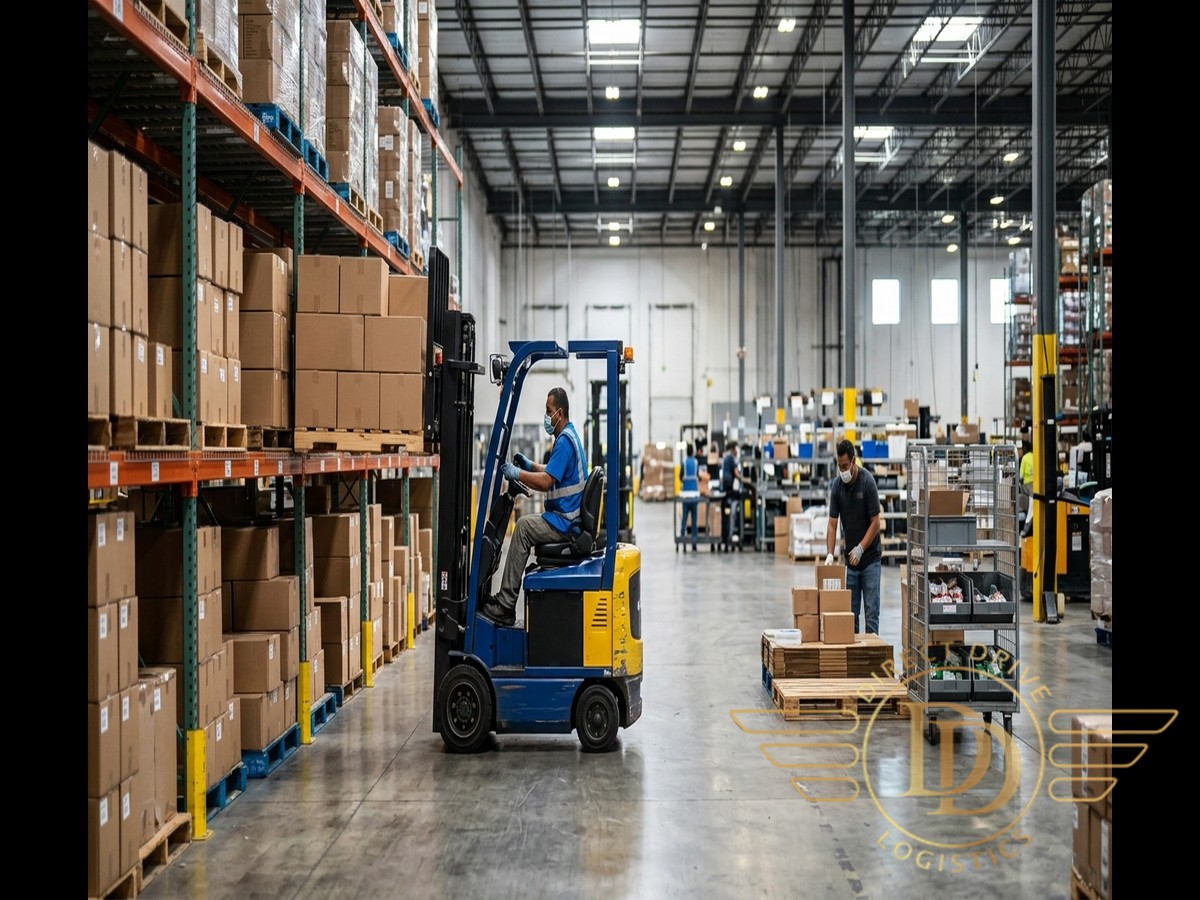
Standard warehousing simply cannot protect sensitive cargo from the extreme Iraq climate storage requirements. For pharmaceuticals and fast-moving consumer goods (FMCG), temperature fluctuations can lead to significant financial losses from spoilage. This is why the demand for temperature-controlled warehousing is projected to grow at a 2.24% CAGR between 2026 and 2031.
Modern facilities are the only viable solution. For example, dnata’s new 20,000 m² cargo complex in Erbil directly addresses this challenge, with developers claiming it can reduce spoilage risks by up to 25% using advanced solar chillers and real-time humidity tracking. This infrastructure is critical for maintaining product integrity from port to final destination.
In our shipments of perishable goods to Kurdistan, we’ve observed that facilities without 24/7 power redundancy and backup generators see a sharp increase in product degradation during the summer months. A reliable power source is as important as the cooling technology itself.
Navigating Regulatory Hurdles
Compliance is another area where general warehousing falls short, particularly concerning pharmaceutical storage regulations in Iraq. All pharmaceutical imports must adhere to strict Iraq Drug Regulatory Authority (IDRA) standards for Good Manufacturing Practice (GMP) and Good Distribution Practice (GDP). A standard facility will not meet these requirements.
Products must comply with Essential Medicines List (EML) Levels 1-3 for customs release, a process that requires certified storage. The recent publication of the Pharma Legal Handbook clarifies that FDA/EMA-approved drugs may have streamlined clearance, but only if stored in a facility that meets MoH and IDRA inspection criteria. This highlights why a specialized warehouse in Iraq is a regulatory necessity, not a choice.
Our clearance teams in Baghdad have found that shipments without pre-arranged, IDRA-compliant storage are immediately flagged. This results in delays that can last weeks, accumulating significant demurrage charges while a compliant facility is sourced.
Recognizing the Limits of Standard Warehouse Solutions
Operational inefficiencies and hidden costs reveal the limitations of general warehousing. As the Iraq logistics market grows towards USD 7.24 billion, businesses in the automotive and hazmat sectors are increasingly outsourcing to 3PLs who can provide the necessary specialized handling and security.
One mistake we see regularly is businesses choosing a lower-cost general warehouse without calculating the risk of theft or damage to high-value automotive parts. A secure, specialized facility with controlled access and surveillance prevents losses that quickly erase any initial savings. This is particularly true in the logistics hubs of Basra and Baghdad, where over 60% of warehousing is concentrated.
Furthermore, importers of high-value goods can leverage bonded warehousing near Umm Qasr to defer customs duties for up to 5 years. This strategy improves cash flow and can generate up to 30% in tax savings on goods destined for re-export, an advantage unavailable with standard storage solutions. To optimize your supply chain, consider exploring a distribution warehouse Iraq.
Your next step: Review your current inventory list for temperature-sensitive, high-value, or regulated products. Contact our team to get a comparative cost-benefit analysis of specialized versus standard storage for your specific goods within 24 hours.
Decoding Specialized Warehouse Types: Matching Solutions to Your Product Needs
Temperature-Controlled Facilities: Safeguarding Pharmaceuticals and Perishable Goods in Iraq
In Iraq’s demanding climate, standard warehousing is not a viable option for sensitive cargo. The market for temperature-controlled storage is expanding at a 2.24% CAGR, driven by multinational firms needing reliable cold chains for pharmaceuticals and fast-moving consumer goods (FMCG). Facilities like dnata’s new 20,000 m² cargo complex in Erbil are designed to meet this need, reducing spoilage risks by an estimated 25% with advanced systems.
Compliance is non-negotiable for pharmaceutical storage solutions in Iraq. All imports must meet strict Iraq Drug Regulatory Authority (IDRA) standards, including Good Manufacturing Practice (GMP) and Good Distribution Practice (GDP). Adherence to these protocols, detailed in resources like The Pharma Legal Handbook, is mandatory for customs release. In our experience with pharma clients, the real challenge isn’t just maintaining temperature, but proving it with auditable, 24/7 data logs for every pallet.
Secure Hazmat Storage: Compliant Solutions for Chemical and Industrial Products
As Iraq’s logistics market grows toward USD 7.24 billion by 2025, the demand for secure hazardous materials warehouse types has surged. This is fueled by reconstruction projects and industrial growth, particularly in the oil and gas sector. Logistics hubs in Basra and Baghdad now account for over 60% of warehousing capacity, specifically for hazmat, automotive parts, and industrial chemicals.
These facilities are more than just storage spaces; they are highly regulated environments. They must comply with Ministry of Health (MoH) guidelines for handling and segregation to prevent contamination and ensure worker safety. Our clearance teams in Basra frequently encounter improperly labeled chemical drums. This not only violates MoH regulations but immediately flags a shipment for lengthy inspection, adding weeks to the delivery timeline.
Bonded Warehouses Explained: Deferring Duties for Imports and Transshipments
A bonded or customs warehouse is a powerful tool for managing cash flow and improving supply chain agility. This type of specialized warehouse iraq allows importers to store goods near ports like Umm Qasr without immediately paying customs duties. This deferral can last up to 5 years, providing significant financial flexibility for high-value cargo like automotive parts and electronics.
The strategic advantage is clear, especially for re-exports, which can realize tax savings of up to 30%. From a bonded facility at Umm Qasr, goods can typically reach distributors in Baghdad or Erbil within 3-7 days after customs release. One mistake we see regularly is underestimating storage costs against the duty deferral benefit. A client must have a clear distribution timeline, as prolonged storage can erode the financial gains from using a specialized warehouse iraq.
Looking to find the best Iraq warehouse rental?
Your next step: Request a complimentary analysis of your product’s storage requirements. Our team will identify the optimal warehouse type and location to maximize security and minimize costs in Iraq.
Maintaining Cold Chain Integrity: Temperature-Controlled Warehousing Best Practices
Essential Infrastructure: Power Redundancy and Advanced Monitoring Systems
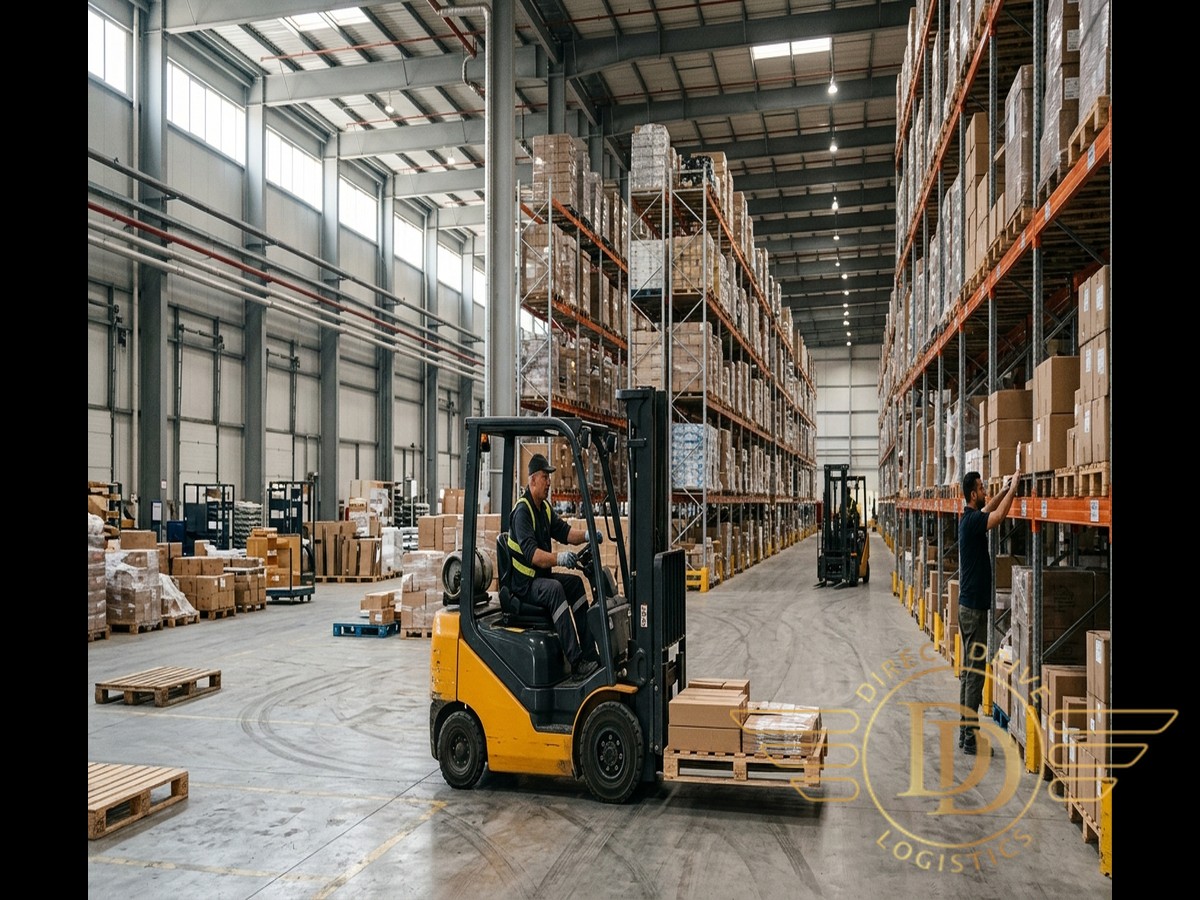
Maintaining cold chain integrity in Iraq starts with non-negotiable infrastructure. A 24/7 power redundancy warehouse is the baseline, not a luxury, especially for high-value pharmaceuticals and food products. In a climate where grid instability is a constant operational risk, relying solely on the public supply network is a recipe for catastrophic spoilage and financial loss.
Modern facilities are now integrating advanced solutions. The new dnata cargo complex in Erbil, for example, is a 20,000 m² facility that utilizes solar chillers, which can reduce spoilage risks by a significant 25%. This technology, combined with real-time temperature and humidity tracking, provides the verifiable data required by multinational corporations and regulatory bodies.
In our experience, simply having a backup generator isn’t enough. We physically inspect and load-test the power redundancy systems of any partner facility before committing client cargo. We verify that the switchover is automatic and that the generator capacity can handle the full cooling load during peak summer temperatures for at least 72 hours.
Standard Operating Procedures for Unbroken Cold Chain Management
Technology alone cannot guarantee an unbroken cold chain. It must be supported by rigorous Standard Operating Procedures (SOPs) at every handoff point. The growing demand for temperature-controlled warehousing, projected to grow at a 2.24% CAGR from 2026-2031, is forcing the market to professionalize these procedures. This involves pre-chilling transport vehicles, using thermal blankets during loading, and minimizing door-open times at the facility.
A frequent error we see is a breakdown in process during customs inspection or final-mile delivery. A product kept perfectly at 2-8°C in a state-of-the-art warehouse can be ruined by sitting on a hot tarmac for 90 minutes. Our cold chain management in Iraq mandates temperature-logger data from point of origin to final destination, ensuring a complete, auditable record of the product’s environment.
Meeting Pharmaceutical and Food Grade Compliance in Iraq’s Climate
Compliance is the final, critical layer of successful temperature-controlled logistics. The Iraqi Drug Regulatory Authority (IDRA) enforces strict GMP/GDP standards for any facility handling medical products. Meeting these pharmaceutical storage requirements in Iraq is mandatory for customs release, particularly for products falling under EML Levels 1-3. A non-compliant warehouse rental Iraq will result in seized goods and severe financial penalties.
Navigating these regulations can be complex, but recent developments provide clarity. The publication of a new pharma legal handbook helps streamline the process. It clarifies exemptions for FDA/EMA-approved drugs, which can cut customs clearance times by up to 30%. This is a critical advantage when every hour counts. Our compliance teams use this framework to pre-qualify shipments, ensuring all documentation aligns with IDRA and Ministry of Health expectations before the cargo even arrives at Umm Qasr or Erbil.
Your next step: Request our “Cold Chain Compliance Checklist” for Iraq. It details the specific IDRA and MoH documentation required for pharmaceutical and FMCG imports.
Need Reliable Delivery Services?
Get a free quote today. Fast, secure, and professional logistics solutions tailored to your needs.
Get Your Free Quote NowUnlocking Financial Benefits: Leveraging Bonded Warehouses for Duty Deferral
How Duty Deferral Works in Iraqi Customs Bonded Warehouses
For businesses importing high-value goods, a specialized warehouse iraq offering bonded storage is a powerful financial tool. These secure, customs-controlled facilities allow you to postpone import duties and taxes until your products are ready for the domestic market. This customs duty deferral in Iraq can extend for significant periods, with regional benchmarks allowing up to 5 years, providing immense operational flexibility.
This system is particularly effective for goods intended for re-export. By storing products in a bonded zone near Umm Qasr, you can achieve up to 30% tax savings on shipments forwarded to other countries. This transforms your warehouse from a cost center into a strategic hub for regional distribution.
Improving Your Business’s Cash Flow with Deferred Import Duties
The primary advantage of bonded storage is the direct impact on your cash flow. Instead of paying large sums in duties upon arrival at the port, capital remains available for other business operations. This is especially vital for the automotive and pharmaceutical sectors, which see high concentrations of warehousing in Basra and Baghdad for exactly this reason.
Practitioner Observation: One mistake we see regularly is importers failing to align their Ministry of Health (MoH) registration timeline with their bonded storage period for pharmaceuticals. The goods cannot be released until MoH approval is granted, and unexpected delays can erode the cash flow benefits you sought to gain.
By deferring payment, you can better manage market fluctuations and sell inventory before the tax liability is due. This strategic approach provides a significant competitive edge and mitigates financial risk associated with large upfront import costs.
Strategic Tax and Inventory Planning Using Bonded Storage Solutions
Effective use of bonded storage benefits goes beyond simple tax deferral; it’s a cornerstone of agile inventory management. Locating your bonded inventory near Umm Qasr port significantly shortens the final delivery leg. Once customs clearance is complete, cargo can reach distribution centers in Baghdad or Erbil via road in just 3-7 days.
This capability allows you to hold stock closer to the point of entry without committing to import duties, enabling a faster response to market demand. It provides a buffer against potential port congestion, which can add 2-4 days to standard timelines, and supports a more predictable supply chain. Understanding the full benefits of a bonded warehouse allows for smarter, more cost-effective logistics planning.
To support complex operations, consider Specialized Logistics Iraq, ensuring seamless coordination.
Your next step: Request a cost-benefit analysis from our team to compare the cash flow impact of using a bonded warehouse versus direct import for your specific cargo type and volume.
Compliance and Certification: Navigating Regulatory Requirements for Specialized Storage
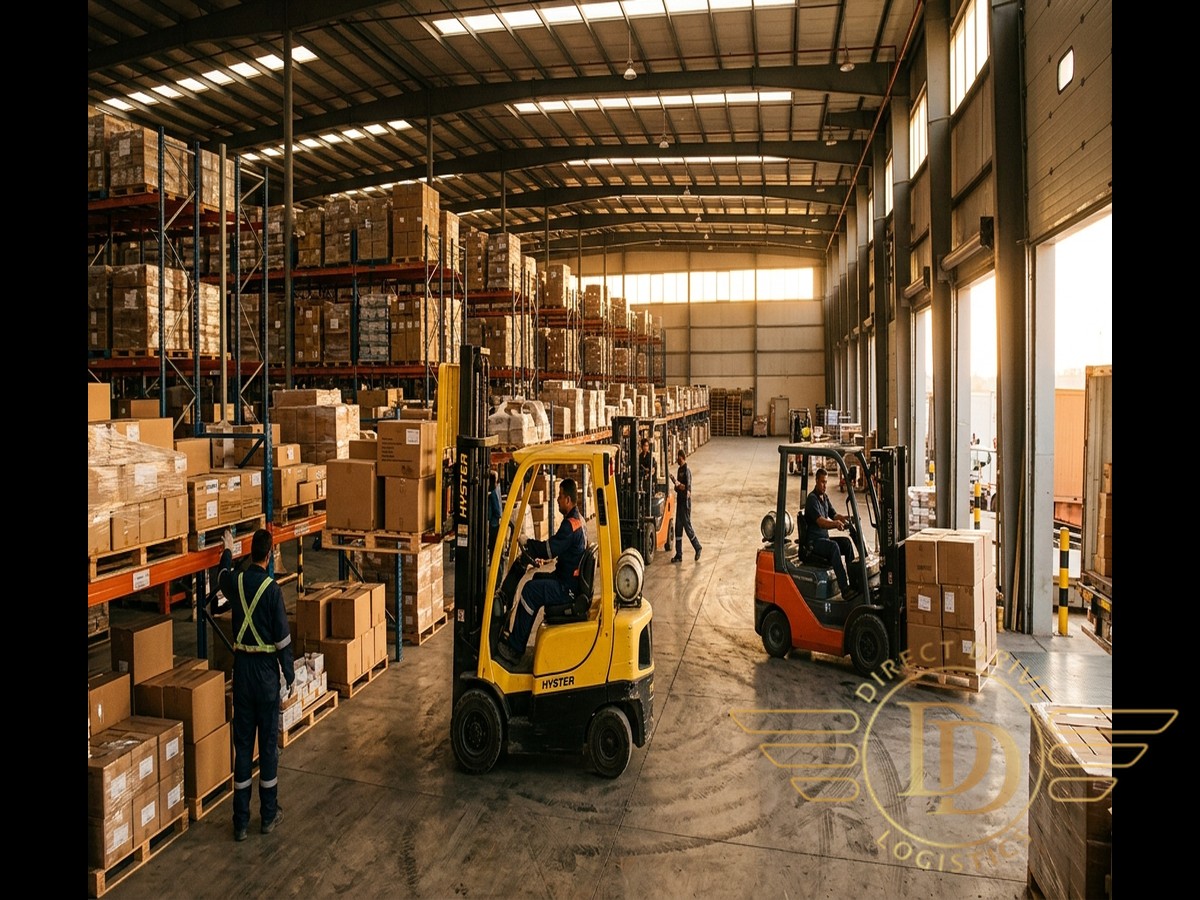
Obtaining General Warehouse Licensing and Required Certifications in Iraq
Securing the correct licensing is the foundational step for operating any storage facility in Iraq. Before addressing sector-specific rules, a facility must meet municipal and federal standards for structural safety, fire suppression, and security. This involves approvals from local commerce chambers and civil defense authorities, forming the baseline for all subsequent, more stringent certifications.
A specialized warehouse in Iraq cannot function without this groundwork. The process verifies that the infrastructure can support complex operations, from managing heavy cargo to ensuring a stable power supply. For our clients, we ensure every partner facility not only meets but exceeds these basic requirements, creating a reliable platform for handling sensitive goods.
Sector-Specific Mandates: Pharmaceutical and Hazmat Compliance
When storing medical products, compliance shifts to the Iraq Drug Regulatory Authority (IDRA). The Iraq Ministry of Health storage requirements mandate adherence to Good Manufacturing Practice (GMP) and Good Distribution Practice (GDP) standards. Products are categorized into Essential Medicines List (EML) Levels 1-3, each with specific handling protocols that must be met for customs release.
Navigating pharmaceutical warehouse regulations in Iraq is a technical discipline. Our facilities are equipped to meet these precise standards, including temperature control and pharmacovigilance tracking. The recently published Etihad Law handbook clarifies many of these pharmaceutical regulations, but hands-on expertise remains vital. One mistake we see regularly is clients underestimating the documentation needed for EML Level 1 products, assuming their origin-country certification is sufficient. It is not, and it causes significant delays.
Aligning with Iraqi Customs for Import and Bonded Storage
For importers of high-value goods, aligning with Iraqi Customs regulations for bonded storage is a powerful cash-flow strategy. A bonded facility allows for duty deferral for up to 5 years, providing significant financial flexibility. This is particularly advantageous for automotive parts and pharmaceuticals awaiting final market registration or re-export.
Operating a compliant bonded specialized warehouse in Iraq requires deep integration with customs systems and procedures. The goal is to minimize friction at ports like Umm Qasr, where congestion can easily add 2-4 days to transit times. To understand Warehouse Storage Iraq Pricing, our clearance teams at Umm Qasr have found that meticulous pre-clearance documentation and real-time coordination with port authorities are non-negotiable for avoiding these costly delays and ensuring a smooth transition from port to secure storage.
Your next step: Request a compliance checklist from our team for your specific product type. We will outline the exact IDRA and Customs documentation you need for seamless entry into Iraq.
Real-World Impact: Case Studies of Specialized Warehouse Success in Iraq
Case Study: Protecting Pharmaceutical Integrity with Temperature-Controlled Warehousing in Baghdad
A leading multinational pharmaceutical firm required a specialized warehouse iraq solution to eliminate spoilage and navigate complex import regulations for high-value biologics. Their challenge was maintaining a strict 2°C to 8°C cold chain amid Baghdad’s extreme summer heat and frequent power disruptions, while also satisfying stringent Iraq Drug Regulatory Authority (IDRA) GMP/GDP standards.
By partnering with Direct Drive Logistic, the client gained access to a Grade-A, temperature-controlled facility with 24/7 power redundancy. This move was critical, as failure to meet IDRA’s EML Levels 1-3 for customs release can halt an entire shipment. The new facility, similar in capability to dnata’s 20,000 m² Erbil complex, utilized solar chillers that reduce spoilage risks by up to 25%, ensuring product integrity from arrival to final distribution.
Practitioner Observation: In our experience managing pharma imports, a frequent error is underestimating the documentation required for MoH EML listing. We’ve seen shipments delayed for weeks because the manufacturing site registration wasn’t filed with IDRA in advance, a costly oversight that a compliant warehouse partner helps prevent.
Revolutionizing Automotive Supply Chains: A Specialized Parts Warehouse Success Story in Basra
An international automotive manufacturer faced significant cash flow constraints and delivery delays due to duties on high-value components warehoused near the Umm Qasr port. Their existing logistics model failed to leverage regional trade advantages, leading to higher landed costs and slower market response times. This case highlights significant warehouse efficiency gains Iraq offers when structured correctly.
We implemented a bonded warehousing strategy, allowing the client to defer duties for up to 5 years on imported parts. This immediately improved their cash flow and provided a 30% tax saving on components later re-exported to neighboring markets. Locating the facility in Basra cut the standard delivery lead time to Baghdad to just 3-7 days, bypassing common port congestion that often adds 2-4 days to transit.
The ROI of Outsourcing: How a 3PL Partner Enhanced Hazmat Safety
A client in the energy sector needed to store hazardous materials for reconstruction projects but lacked the internal expertise and certified infrastructure, creating significant safety and compliance risks. Outsourcing their hazmat logistics to a 3PL partner was the only viable path to ensure safety and adherence to Ministry of Health (MoH) regulations, a topic detailed in The Pharma Legal Handbook:.
Direct Drive Logistic provided a dedicated hazmat-certified facility in Basra, where over 60% of oil and gas warehousing is concentrated. The client not only achieved full compliance but also realized tangible ROI. By committing to a volume exceeding 5,000 m², they secured a 15% discount on the typical USD 10-15 per m²/month rate for specialized storage, demonstrating a clear financial benefit beyond risk mitigation. This logistics case study Iraq showcases how outsourcing transforms a cost center into a strategic advantage.
Your next step: Schedule a 15-minute compliance consultation with our Iraq logistics team to identify potential savings in your current pharma or hazmat storage strategy. You can also explore logistics warehouse Erbil options with us.
Selecting the Right Partner: Key Criteria for Choosing a Specialized Warehouse Provider in Iraq
Evaluating Infrastructure and Technical Capabilities for Specialized Goods
Selecting the right specialized warehouse in Iraq begins with a physical and technical audit of the facility itself. Look beyond basic storage and demand infrastructure that mitigates Iraq’s unique climate and power challenges. For instance, the new dnata facility in Erbil sets a high standard with its 20,000 m² of temperature-controlled space and real-time humidity tracking, a critical feature for both pharmaceuticals and FMCG.
Ask potential partners for their specifications on power redundancy and cooling technology. Providers leveraging solar chillers can reduce operational costs by 10-15%, a saving that should be reflected in their pricing. Expect to see rates of USD 10-15 per m²/month for high-grade, temperature-controlled space in Basra and Erbil, with volume discounts of around 15% for clients needing over 5,000 m².
In our experience, a provider’s claim of “24/7 power” is meaningless without specifying the number and capacity of their backup generators. We’ve seen facilities in Basra go dark for hours because their single generator failed during a grid outage, jeopardizing entire shipments.
Verifying Regulatory Compliance, Certifications, and Security Protocols
A provider’s infrastructure is useless without the correct certifications, especially for highly regulated goods. When choosing a 3PL partner in Iraq for pharmaceuticals, verify their compliance with Iraq Drug Regulatory Authority (IDRA) GMP/GDP standards. The warehouse must be certified to handle goods according to their Essential Medicines List (EML) Levels 1-3 for a smooth customs release.
The recent publication of the Pharma Legal Handbook in September 2025 has clarified many of these complex rules, particularly regarding testing exemptions for FDA/EMA-approved drugs. A knowledgeable partner will be fully updated on these changes. This is a key part of any warehouse provider evaluation criteria, as non-compliance leads directly to costly delays and potential seizure of goods.
One mistake we see regularly is importers assuming a warehouse’s general license covers specialized goods. We’ve had to intervene when cargo was held because a facility lacked the specific IDRA certification for pharmaceutical storage, despite having a valid business license.
Assessing Operational Excellence, WMS Technology, and Customer Support
Finally, assess the provider’s operational capabilities and technology stack. A modern Warehouse Management System (WMS) is non-negotiable for inventory accuracy, order fulfillment, and traceability. A proper warehouse provider WMS comparison should focus on real-time visibility and integration capabilities with your own enterprise resource planning (ERP) systems.
Operational efficiency directly impacts your lead times. A well-run bonded warehouse near Umm Qasr should be able to process and dispatch cleared goods to Baghdad or Erbil within 3-7 days. However, poor management can see port congestion add another 2-4 days to that timeline, eroding your supply chain’s predictability. The right partner actively manages these bottlenecks rather than just reporting them.
Our clearance teams at Umm Qasr have found that a provider’s WMS is only as good as its real-time data input. We frequently see delays stem from manual entry errors at the receiving dock, which a modern system with barcode scanning and automated data capture should prevent. If you are planning on International Air Freight, make sure your providers have the right systems.
Your next step: Request a virtual or in-person tour of your shortlisted provider’s facility. Ask to see their WMS dashboard in action and review their IDRA and GMP certifications firsthand.
Frequently Asked Questions
▼ What are the key considerations for selecting a specialized warehouse iraq for pharmaceutical products?
When selecting a specialized warehouse iraq for pharmaceuticals, temperature control is paramount, given Iraq’s climate; aim for facilities maintaining 2-8°C. Compliance with Iraq Drug Regulatory Authority (IDRA) Good Manufacturing Practice (GMP) and Good Distribution Practice (GDP) standards is essential for customs clearance. Look for facilities listed under the Ministry of Health’s EML (Essential Medicines List) to ensure smooth import and distribution.
▼ How does the rise of e-commerce in Iraq impact the demand for specialized warehouse iraq solutions?
The surge in e-commerce is fueling demand for specialized warehouse iraq solutions, particularly for automotive parts and hazardous materials (hazmat). Businesses are increasingly outsourcing to 3PL providers for efficient handling and storage, driven by reconstruction needs and growing online sales. The Iraq logistics market is projected to reach USD 7.24 billion in 2025, growing at a CAGR of 6.20% to 2033, highlighting the expanding need for warehousing for hazmat and temperature-sensitive goods.
▼ What is the typical cost of temperature-controlled specialized warehouse iraq space in Basra or Erbil?
The typical cost for temperature-controlled specialized warehouse iraq space in Basra or Erbil ranges from USD 10-15 per square meter per month, as of 2026 rates. This price includes power redundancy, crucial for maintaining consistent temperatures. Costs can fluctuate from USD 8-12 per square meter during off-peak seasons (Q1/Q4) to USD 18-22 during peak demand (summer, high-demand FMCG).
▼ How do bonded warehouses in Iraq help businesses defer duty payments on imported goods?
Bonded warehouses allow importers to defer duty payments on high-value goods like pharmaceuticals and automotive parts, improving cash flow. Duty deferral can extend up to 5 years, potentially leading to 30% tax savings on re-exports. Proximity to ports like Umm Qasr reduces delivery times, supporting efficient import processes. This is particularly beneficial for pharmaceutical imports requiring Ministry of Health registration before release in Baghdad or Erbil.
▼ What are the most important regulatory compliance requirements for pharmaceutical storage in Iraq?
The most important regulatory requirements for pharmaceutical storage in Iraq revolve around Iraq Drug Regulatory Authority (IDRA) GMP/GDP standards and EML Levels 1-3 for customs release. These regulations apply to pharmaceutical imports and storage, mandating temperature control, lab testing, and manufacturing site registration. Compliance includes pharmacovigilance, which is actively enforced through IDRA inspections updated in 2025.
▼ How long does it typically take to transport goods from a bonded warehouse in Umm Qasr to Baghdad or Erbil?
Transporting goods from a bonded warehouse near Umm Qasr to Baghdad or Erbil typically takes 3-7 days via road after customs clearance. Air transport from Basra to Erbil can expedite delivery to 1-2 days, but incurs a 20-30% premium, especially for hazmat or pharmaceutical products. Road security along the Basra-Baghdad corridor and potential port congestion can add 2-4 days to the overall transit time.
▼ What impact has the opening of the dnata cargo complex in Erbil had on specialized warehouse iraq capacity in northern Iraq?
The opening of dnata’s 20,000 square meter temperature-controlled cargo complex in Erbil in 2025 has significantly boosted specialized warehouse iraq capacity in northern Iraq. This facility, targeting pharmaceuticals and FMCG, has increased northern warehousing capacity by 15-20% and reduces spoilage risks by 25% using solar chillers. Erbil is now more competitive with Basra for pharmaceutical storage, improving road access to Sulaymaniyah.
▼ What are the key features to look for in a warehouse management system (WMS) for a specialized warehouse iraq?
Key WMS features for a specialized warehouse iraq include real-time inventory tracking, temperature monitoring, and expiration date management, especially crucial for pharmaceuticals and FMCG. The system should offer integration with customs and regulatory bodies for seamless compliance and provide detailed reporting on storage conditions and product movement. Integration with transportation management systems (TMS) ensures efficient distribution.
▼ What security measures are essential for a specialized warehouse iraq handling high-value goods?
Essential security measures for specialized warehouse iraq handling high-value goods include 24/7 surveillance with CCTV cameras, controlled access with biometric scanners, and perimeter security fencing. Employing trained security personnel, implementing alarm systems with rapid response protocols, and conducting regular security audits are also critical. Consider working with established providers like Direct Drive Logistic who prioritize security and reliability.
▼ How can businesses reduce costs associated with specialized warehouse iraq in Iraq’s challenging climate?
Businesses can reduce costs by utilizing solar-powered cooling systems, which can lower energy expenses by 10-15% in Iraq’s climate. Optimizing warehouse layout for efficient space utilization, negotiating volume discounts for larger storage spaces (over 5,000 m² can yield a 15% discount), and implementing efficient inventory management practices are effective strategies. Selecting warehouses with robust power redundancy minimizes losses from spoilage.
▼ What are the best practices for handling and storing hazardous materials in a specialized warehouse iraq?
Best practices include segregating hazardous materials (hazmat) based on compatibility, using appropriate storage containers and spill containment systems, and ensuring proper ventilation. Compliance with international and local hazmat regulations, providing specialized training for personnel handling these materials, and implementing emergency response plans are crucial. Regular inspections and audits ensure adherence to safety standards.
▼ How does Direct Drive Logistic ensure the integrity and security of temperature-sensitive goods during warehousing and transportation in Iraq?
Direct Drive Logistic prioritizes the integrity of temperature-sensitive goods with temperature-controlled warehouses maintaining 2-8°C for pharmaceuticals and frozen storage for perishables. Real-time temperature monitoring systems, 24/7 power redundancy, and GDP-compliant handling procedures guarantee product quality. Our fleet of refrigerated trucks ensures a seamless cold chain from warehouse to final delivery, minimizing risks of spoilage.
Conclusion
Specialized warehouse iraq solutions are no longer optional; they are critical for businesses navigating Iraq’s complex logistics landscape, especially when dealing with sensitive goods. As we’ve seen, maintaining cold chain integrity, for example, requires robust infrastructure like power redundancy and advanced monitoring systems, elements often absent in standard facilities. Moreover, leveraging bonded warehouses offers significant financial advantages through duty deferral, directly impacting your bottom line.
The next strategic move is to meticulously assess your current storage needs against the specific environmental and security requirements of your products. Start by documenting the temperature ranges, humidity levels, and security protocols essential for each item you store or plan to import into Iraq. This detailed assessment will provide a clear benchmark for evaluating potential specialized warehouse iraq providers.
Direct Drive Logistic brings years of experience navigating the intricacies of Iraq’s warehousing regulations and infrastructure challenges. Our deep local presence and technical expertise ensure the safe and compliant storage of your goods, optimizing your supply chain and minimizing potential losses. To discuss your specific requirements and explore tailored solutions, call us today at (+964) 750 637 9296.
Need secure and specialized warehousing solutions in Iraq for your sensitive goods? Contact Direct Drive Logistic today at (+964) 750 637 9296 to discuss your specific needs and unlock efficient, reliable storage tailored for the Iraqi market. Let us handle your logistics, so you can focus on growing your business.
Get Your Free Quote NowContact Us for a Consultation
Location
Direct Drive Logistic
MRF Quattro towers, Block A-29-1
Erbil, Kurdistan Region