
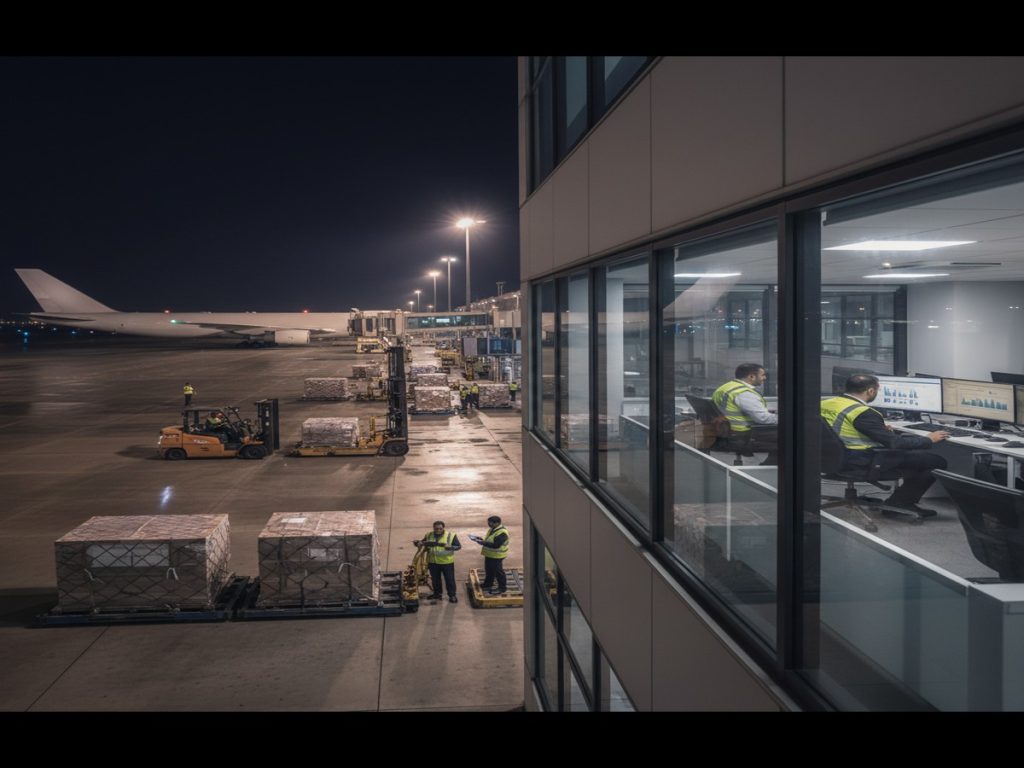
Iraq Logistics Partner – Complete Guide 2026 | Direct…
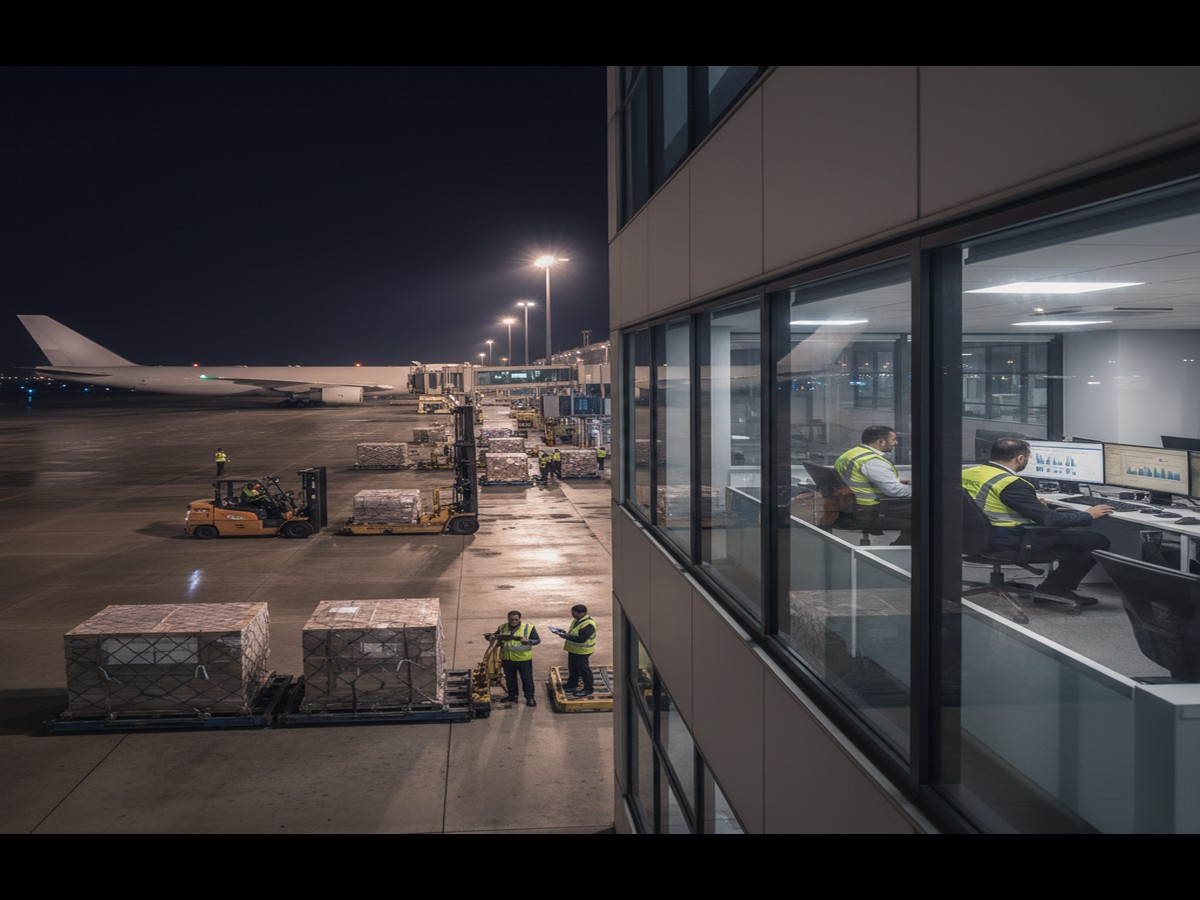
Discover how an iraq logistics partner can transform your Logistics and Supply Chain operations. This article frames the selection of a logistics provider not as a transactional choice, but as a critical strategic decision. This decision builds long-term business resilience and competitive advantage in the complex Iraqi market.
This comprehensive guide explores iraq logistics partner through multiple perspectives. We’ll cover key aspects like onboarding and execution, and the tangible business impact of a strong supply chain partnership in Iraq. The guide also covers crafting customized solutions for key industries like Oil & Gas and reconstruction, plus mitigating risk to ensure operational continuity.
Why is this important? Iraq presents unique logistical hurdles. “Last Mile Delivery (تسليم الميل الأخير)” – the final stage of transportation from a distribution center to the end customer – is often complicated by infrastructure and security concerns. Furthermore, understanding “Incoterms (شروط التجارة الدولية)” – standardized trade terms defining responsibilities between buyers and sellers – is crucial for smooth transactions. Lastly, “Customs Clearance (التخليص الجمركي)” – the process of complying with import/export regulations – can be time-consuming without expert guidance. This article bridges these knowledge gaps, which are often overlooked.
We’ll also examine the challenges of security risks and political instability across different regions. A cost comparison of various transport methods (road, sea, air) will be included. The article highlights strategies for building a robust supply chain and complying with Iraqi customs regulations. A case study featuring Direct Drive Logistic will illustrate how a strategic partnership can create long-term value.
Whether you’re a Logistics and Supply Chain professional or business owner, you’ll gain actionable insights to enhance your operations in Iraq. Initiate Your Strategic Partnership: Next Steps for Seamless Iraq Operations. Let’s delve into unlocking Iraq’s potential with the right iraq logistics partner.
Unlocking Iraq's Potential: Your Strategic Logistics Partner
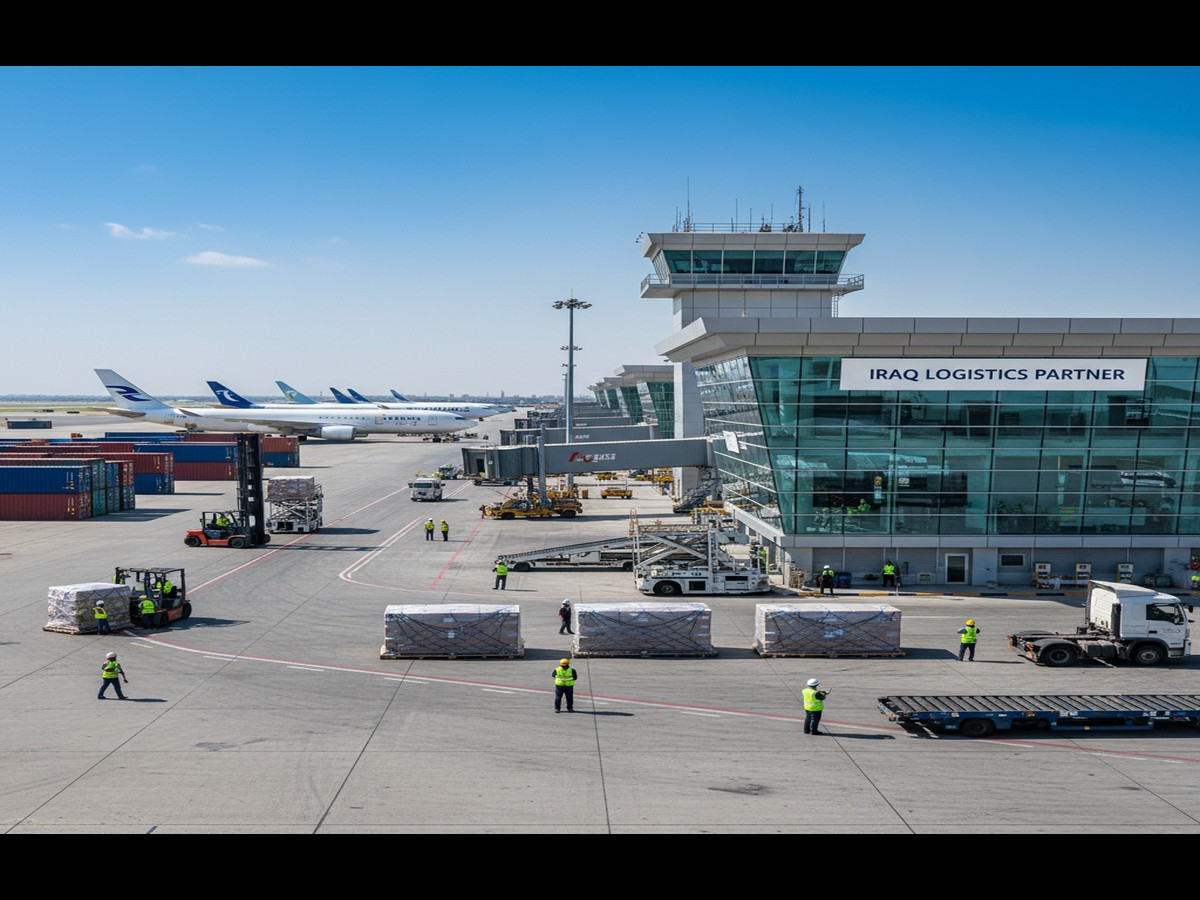
Navigating Iraqi Customs: Expertise in HS Codes and Compliance
Iraq’s logistics market, valued at USD 7.24 billion in 2025, presents a significant opportunity for global business. This market is projected to expand at a 6.20% CAGR through 2033, fueled by reconstruction and growing e-commerce demand. Capitalizing on this growth requires a proficient iraq logistics partner capable of navigating complex regulatory landscapes.
Mastery of Iraqi customs is non-negotiable. Misinterpreting Harmonized System (HS) codes or failing to meet compliance standards leads to costly delays, seizures, and penalties. Our deep, localized expertise ensures every shipment is correctly classified and documented, facilitating smooth clearance through major entry points.
An effective iraq logistics collaboration moves beyond simple freight forwarding. It involves proactive risk management and a comprehensive understanding of evolving trade policies. We provide the strategic guidance necessary to maintain compliance and keep your supply chain moving without interruption.
Optimizing Your Supply Chain with Proven Iraq Logistics Expertise
Operational efficiency in Iraq is defined by overcoming on-the-ground realities. While the recent reopening of al-Waleed and Rabia crossings promises better regional connectivity, existing checkpoints at hubs like Trebil can still cause delays of 10-15 hours. A robust iraq supply chain partnership anticipates and mitigates these bottlenecks.
Our operational strategy focuses on route optimization, real-time tracking, and security protocols tailored to specific regions like Erbil and Nineveh. With the overall logistics sector growing by 6.9% in 2025, driven by air cargo and warehousing, our infrastructure is scaled to meet this demand. The expansion in Iraq’s logistics sector highlights the need for specialized capabilities.
We leverage our network in key economic centers like Baghdad and Basra to streamline warehousing and last-mile delivery. This integrated approach minimizes transit times and enhances the security of your assets, from standard cargo to specialized project materials for the oil and gas industry. For specialized Iraq project logistics, our team provides tailored support.
Incoterms: Choosing the Right Shipping Terms for Iraq
Selecting the correct Incoterms is fundamental to controlling costs and liability in Iraqi trade. Terms like FOB (Free On Board) and CIF (Cost, Insurance, and Freight) dictate the precise point where responsibility transfers from seller to buyer. A trusted logistics iraq provider clarifies these responsibilities to protect your financial interests.
For shipments arriving at the port hub of Basra, understanding the nuances between these terms affects everything from insurance coverage to final delivery costs. We provide expert consultation to help you choose the Incoterms that best align with your business model, risk tolerance, and the specific requirements of your cargo.
As Iraq’s freight and logistics market is projected to exceed USD 10.4 billion by 2030, the financial stakes are higher than ever. Making informed decisions on shipping terms is a critical component of a successful market strategy. A technically proficient iraq logistics partner is indispensable for navigating these commercial complexities and securing your supply chain’s future.
Iraq Logistics Partner: Overcoming Key Challenges
Navigating Complex Iraqi Customs and HS Code Expertise
A proficient iraq logistics partner transforms regulatory hurdles into competitive advantages. As Iraq’s logistics market grows, projected from USD 7.24 billion in 2025 at a 6.20% CAGR, so does the complexity of its customs framework. This expansion, driven by reconstruction and e-commerce, places immense pressure on import and export processes.
For industries like oil & gas and construction, incorrect Harmonized System (HS) code classification can lead to significant fines and shipment seizures. A trusted logistics iraq provider possesses the granular expertise to ensure every declaration is accurate, facilitating smooth clearance in key hubs like Baghdad and Basra. This specialized knowledge prevents costly delays that disrupt critical project timelines.
Proactive Security and Mitigation for Safe Cargo Transit
Operating securely in Iraq demands more than standard protocols; it requires on-the-ground intelligence and proactive risk management. An effective iraq supply chain partnership integrates advanced security measures into every stage of transit. Government initiatives, such as the recently completed 350 km security wall along the Syrian border with thermal cameras, enhance regional stability.
Our role complements these efforts by providing tailored security solutions. This includes arranging military escorts for high-value cargo moving through Nineveh, implementing secure convoy procedures, and utilizing vetted warehousing facilities. For cross-border freight at crossings like Ibrahim Khalil, we manage all security protocols to ensure seamless and safe passage, protecting assets from origin to final destination.
Overcoming Infrastructure Gaps with Strategic Route Planning
Iraq’s developing infrastructure presents unique challenges that can derail supply chains. For example, standard routes through the Trebil crossing frequently face significant checkpoint delays, with wait times often exceeding 10-15 hours. Understanding these bottlenecks is fundamental to maintaining operational efficiency and meeting delivery schedules.
A forward-thinking iraq logistics collaboration leverages deep local knowledge to bypass these chokepoints. We actively plan alternative routes, utilizing newly reopened crossings like al-Waleed and Rabia to reduce transit times. This dynamic routing capability is vital as the market is projected to exceed USD 10.4 billion by 2030. By navigating around known Jordan-Iraq border delays and infrastructure gaps, a premier iraq logistics partner ensures your cargo arrives on time, every time, regardless of ground conditions.
To unlock fast shipping, consider Iraq logistics solutions.
Cost Comparison of Transport Methods
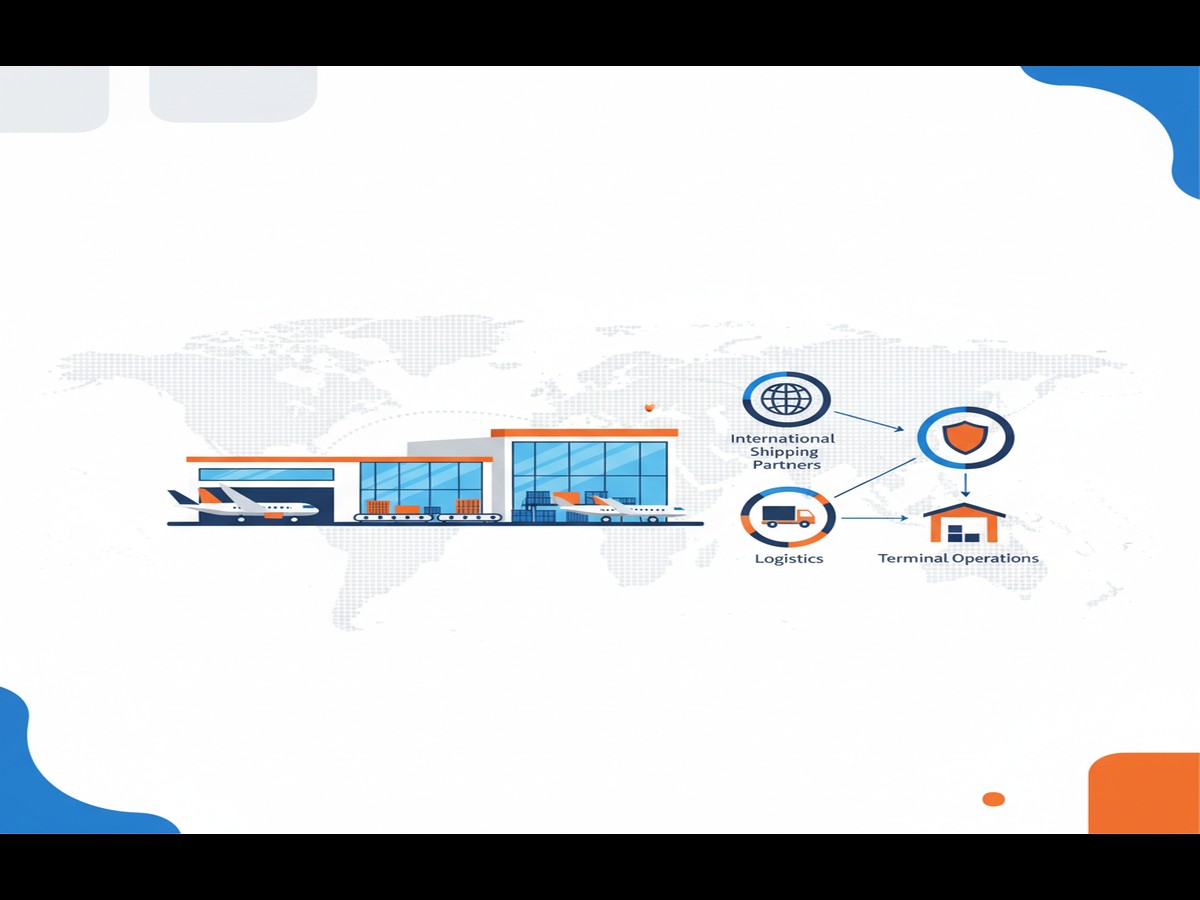
Road Freight Costs: Trucking, Fuel, and Border Crossings
Selecting the right iraq logistics partner means understanding the true cost of ground transport. While often the most cost-effective method, road freight involves navigating complex variables beyond fuel and trucking fees. Border crossings are a significant factor, with delays at Trebil (Jordan-Iraq) sometimes extending 10-15 hours due to multiple checkpoints.
A proficient iraq supply chain partnership anticipates these challenges. Recent developments, such as Iraq preparing to open al-Waleed and Rabia border with Syria, aim to improve regional connectivity. These initiatives, coupled with a new 350 km security wall, enhance security and create alternative routes to hubs in Erbil and Nineveh, mitigating potential bottlenecks at traditional entry points like Ibrahim Khalil.
Sea Freight Costs: Port Charges, Shipping Lines, and Incoterms
For bulk and non-urgent cargo, sea freight via ports like Basra offers considerable savings. However, the final cost is influenced by more than just the shipping line’s rate. Terminal Handling Charges (THC), customs clearance fees, and inland transportation from the port are critical components. Understanding Incoterms like Free on Board (FOB) and Cost, Insurance, and Freight (CIF) is vital for accurate budgeting.
This mode is central to Iraq’s economic activity, supporting a freight and logistics market valued at USD 7.69 billion in 2025. A trusted Iraq logistics solutions provider ensures transparency in all port-related charges and manages documentation efficiently. This expertise is essential as the market is projected to exceed USD 10.39 billion by 2030, driven by reconstruction and oil & gas projects that rely heavily on maritime supply lines.
Air Freight Costs: Balancing Speed, Expense, and Handling
Air freight represents the fastest, albeit most expensive, shipping method to Iraq. It is the preferred solution for high-value, time-sensitive goods, including pharmaceuticals, electronics, and critical project components. The cost is calculated by volumetric weight and includes airport fees, security screening, and ground handling charges, which can vary significantly between airports in Baghdad, Basra, and Erbil.
The growth in this segment is a key factor in the Iraqi logistics market’s overall 6.9% expansion in 2025, driven by Export Logistics for traders and the need for rapid last-mile delivery. An experienced iraq logistics partner optimizes air cargo routes and consolidates shipments to manage costs effectively, providing a competitive edge in a market projected to grow at a 6.20% CAGR through 2033.
Need Reliable Delivery Services?
Get a free quote today. Fast, secure, and professional logistics solutions tailored to your needs.
Customs Regulations & Compliance Guide
Navigating Iraqi Customs Clearance: Essential Regulations for Smooth Imports
Successfully navigating Iraqi customs requires deep, localized expertise. As Iraq’s logistics market grows at a 6.20% CAGR, reaching a projected value of USD 7.24 billion in 2025, the complexity of compliance and the cost of delays are escalating. A trusted iraq logistics compliance specialist provides the critical advantage needed to clear goods without incurring penalties or demurrage charges.
Our on-the-ground teams possess an intricate understanding of the specific protocols at key entry points, from the ports in Basra to the Ibrahim Khalil border crossing. This practical knowledge ensures all pre-approvals, certificates of conformity, and import licenses are secured well before cargo arrives. This proactive approach is fundamental to maintaining supply chain momentum in a rapidly expanding market.
Understanding the HS Code (Harmonized System Code) for Iraqi Imports
Accurate tariff classification using the Harmonized System (HS) Code is the bedrock of customs compliance in Iraq. Incorrect classification leads directly to incorrect duty calculations, shipment seiz
This technical precision is particularly vital for the oil & gas and reconstruction sectors, which often involve specialized or oversized equipment. With comprehensive Iraq logistics data showing a 6.9% sector growth in 2025, precision in documentation is non-negotiable. Our specialists ensure your declarations are accurate, preventing audits and facilitating a faster release of goods from customs control in hubs like Baghdad and Erbil.
Compliance with Iraqi Import Regulations: Documentation, Inspections, and Duties
An expert iraq logistics partner transforms compliance from a liability into a competitive advantage. We manage the iraq export paperwork, including commercial invoices, certificates of origin, and any ministry-specific permits. This meticulous preparation addresses known chokepoints, such as the Trebil crossing, where delays can extend beyond 10 hours due to multiple checkpoints and inspections.
Recent security enhancements, including a 350 km border wall with thermal cameras, have altered protocols at various land border crossings. An effective iraq logistics collaboration involves real-time intelligence on these changes to adapt clearance strategies instantly. By mastering these regulatory nuances, we ensure your cargo moves efficiently in a market projected to surpass USD 10.4 billion by 2030, safeguarding your timelines and budget.
Building a Robust Supply Chain in Iraq: Essential Strategies
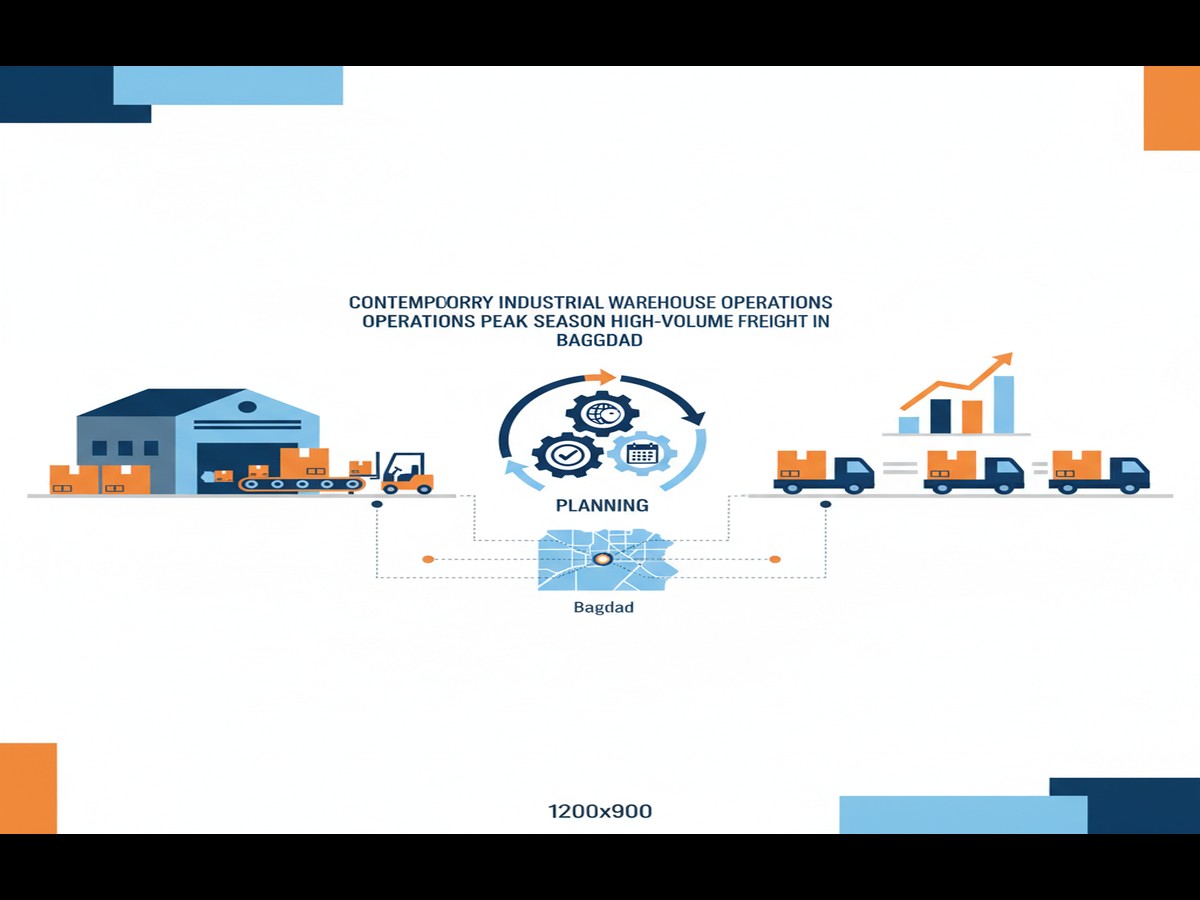
Navigating Iraqi Customs and Regulatory Frameworks
Successfully operating within Iraq’s logistics market, valued at USD 7.24 billion in 2025, demands absolute precision in customs compliance. An experienced logistics company Iraq provides the technical expertise to manage complex documentation, including correct HS Code classification and valid Certificates of Origin (COO).
This deep procedural knowledge is vital for avoiding costly delays. For instance, navigating checkpoints at the Trebil border crossing can already introduce delays of two hours or more. Proper documentation and a trusted local presence prevent minor administrative issues from escalating into significant operational disruptions.
A proactive iraq supply chain partnership ensures all shipments align with current regulations, facilitating smoother transit through key hubs like Basra and Baghdad. This specialized focus allows businesses to capitalize on the market’s projected 6.20% CAGR without being encumbered by bureaucratic hurdles.
Leveraging Technology for Enhanced Supply Chain Visibility
In a dynamic environment like Iraq, real-time data is a non-negotiable asset for security and efficiency. Advanced GPS tracking, geofencing, and data analytics provide complete oversight of assets, from warehousing in Erbil to final delivery across Nineveh. This visibility builds resilience into your supply chain.
This technological layer is particularly valuable as regional connectivity improves. Technology transforms this complexity into a competitive advantage, offering clients verifiable proof of delivery and security assurance.
This approach supports the surge in demand for specialized 3PL services, a sector driving the freight and logistics market toward a projected USD 10.39 billion by 2030. A commitment to iraq logistics collaboration through shared data platforms provides the transparency needed to manage high-value and time-sensitive cargo.
Selecting Optimal Incoterms for Iraqi Shipments
Choosing the right Incoterms (International Commercial Terms) is a strategic decision that directly impacts risk, cost, and control over your cargo. Terms like FOB (Free on Board) or CIF (Cost, Insurance, and Freight) have different implications in Iraq compared to more stable markets.
A knowledgeable iraq logistics partner will guide you in selecting terms that best protect your interests. For companies new to the region, DDP (Delivered Duty Paid) can be an effective option, as it places the responsibility for navigating customs and final delivery on the logistics provider. This mitigates risks outlined in official Iraqi travel information advisories.
Making an informed choice on Incoterms is fundamental to building a cost-effective and secure supply chain. This expertise ensures your operations are structured for success in a market poised for continued expansion, with overall sector growth hitting 6.9% in 2025 alone.
Choosing the Right Logistics Technology for Iraq
Cloud-Based TMS for Real-Time Visibility in Iraq
Navigating Iraq’s expanding logistics market, valued at **USD 7.24 billion** in 2025, demands advanced technological integration. A cloud-based Transportation Management System (TMS) provides the necessary real-time visibility and control over complex freight movements between key hubs like Baghdad and Basra.
This technology is no longer a luxury but a core component for success. It enables dynamic rerouting to avoid congestion and provides clients with transparent, up-to-the-minute tracking. A capable iraq logistics partner leverages a robust TMS to manage documentation, streamline customs clearance, and ensure compliance across all checkpoints.
Effective TMS implementation directly supports the market’s projected **6.20% CAGR** by enhancing operational efficiency. For clients in the oil & gas and construction sectors, this translates to predictable timelines and secure asset management, fostering a reliable iraq supply chain partnership.
Implementing GPS Tracking and IoT for Enhanced Security
Security remains a paramount concern for supply chains operating within Iraq. The deployment of GPS tracking and Internet of Things (IoT) sensors on all assets provides an unparalleled layer of security and monitoring, a critical service for any provider of trusted logistics iraq.
These systems offer more than just location data. They monitor for unauthorized stops, door openings, and temperature deviations, providing immediate alerts to our 24/7 operations center. This is particularly vital when navigating routes near sensitive areas, such as the recently completed **350 km** security wall along the Syrian border.
By integrating this technology, we mitigate risks and provide verifiable proof of asset integrity from origin to destination. This level of oversight is essential for high-value cargo and aligns with heightened Iraq security protocols, ensuring shipments move securely through regions like Nineveh and Erbil.
Utilizing Data Analytics for Route Optimization
In a market projected to exceed **USD 10.4 billion** by 2030, data-driven decision-making is the ultimate competitive advantage. An effective iraq logistics partner uses advanced analytics to transform raw data from TMS and IoT devices into actionable intelligence for route and cost optimization.
This approach allows us to analyze historical transit times and identify patterns that help mitigate significant delays, such as the 10-15 hour waits sometimes experienced at the Trebil border crossing. By predicting potential bottlenecks, we can proactively adjust schedules and carrier choices. Strong logistics services iraq (22 chars) are crucial for this.
This analytical capability builds a foundation for strong iraq logistics collaboration. It allows us to optimize fuel consumption, reduce wear on vehicles, and ultimately lower operational costs for our clients. This strategic use of data ensures supply chains are not just resilient but are also cost-effective and prepared for future growth.
Future-Proofing Your Iraq Logistics Strategy
Embracing Technology: Digital Transformation and Real-Time Visibility
The Iraqi logistics market is on a significant growth trajectory, valued at USD 7.24 billion in 2025 and projected to expand at a 6.20% CAGR through 2033. This rapid expansion demands a shift from traditional methods to advanced technological solutions. Digital platforms offering real-time visibility are no longer a luxury; they are a core operational requirement for navigating Iraq’s complex landscape.
Effective technology allows for proactive management of assets moving through key hubs like Baghdad and Basra. It provides the data needed to anticipate delays at checkpoints, which can exceed 10-15 hours at crossings like Trebil. An effective iraq supply chain partnership leverages these tools to provide clients with accurate ETAs and transparent tracking from origin to destination, turning data into a competitive advantage.
This digital transformation is crucial for managing the surge in e-commerce and reconstruction-related freight. With the overall logistics sector growing 6.9% in 2025 alone, companies relying on outdated processes will face significant operational friction. Embracing technology is the only path to scalability and efficiency in this evolving market.
Navigating Regulatory Changes and Customs Complexity
Iraq’s regulatory environment is dynamic, influenced by new trade agreements and infrastructure projects. The strategic reopening of the al-Waleed and Rabia border crossings with Syria is a prime example, set to reshape trade flows in northern regions like Erbil and Nineveh. These changes create opportunities but also introduce new customs protocols and documentation requirements.
A deep, localized understanding of Incoterms (اصطلاحات اینکوترمز) and Iraqi customs procedures is fundamental. An expert partner navigates these complexities seamlessly, ensuring compliance and preventing costly delays. This expertise is particularly vital for specialized sectors like oil & gas, where the freight and logistics market is projected to reach USD 10.39 billion by 2030. Proper guidance ensures that oversized and hazardous goods clear customs without incident.
Successful iraq logistics collaboration means staying ahead of these regulatory shifts. This proactive approach ensures cargo moves efficiently, whether through the bustling port of Basra or newly prioritized land routes. It transforms potential bureaucratic hurdles into streamlined, predictable transit.
Building Resilient and Diversified Supply Chains
Supply chain resilience in Iraq is built on proactive risk mitigation and strategic diversification. Relying on a single transport corridor or border crossing creates unacceptable vulnerability. A forward-thinking iraq logistics partner develops contingency plans that account for geopolitical shifts, infrastructure challenges, and security developments, such as the recently completed 350 km security wall along the Syrian border.
Diversifying routes through newly reopened crossings or utilizing different modes of transport protects operations from unexpected disruptions. A trusted logistics iraq provider actively monitors these situations to reroute cargo and protect client interests.
Ultimately, future-proofing your operations means building a supply chain that is both robust and agile. As Iraq’s market continues its ascent toward USD 10.4 billion by 2030, the ability to adapt to changing conditions will define success. Choosing the right iraq logistics partner ensures your supply chain is not just a cost center, but a strategic asset prepared for the future.
Frequently Asked Questions
▼ What are the key challenges when selecting an iraq logistics partner?
Selecting an iraq logistics partner involves navigating unique challenges. Security concerns, particularly in certain regions, are paramount. Infrastructure limitations, such as road quality and port congestion, impact delivery times. Customs clearance can be complex, often requiring 5-7 days due to bureaucratic processes. Finally, differing regional regulations between Iraq and Kurdistan necessitate a partner with local expertise to ensure compliance and smooth operations.
▼ How can an iraq logistics partner help with customs clearance in Iraq?
An experienced iraq logistics partner streamlines customs clearance through several key actions. First, they ensure accurate documentation, minimizing delays. Second, they possess in-depth knowledge of Iraqi customs regulations and tariff codes. Third, they maintain strong relationships with customs officials, facilitating faster processing. Typically, they can reduce clearance times by 2-3 days compared to companies handling it themselves.
▼ What is the typical transit time for shipments from Dubai to Erbil when using an iraq logistics partner?
Transit time from Dubai to Erbil varies depending on the mode of transport. Road freight typically takes 7-10 days, including border crossing procedures. Air freight is significantly faster, usually arriving within 2-3 days. However, road freight is generally more cost-effective, with savings of approximately 30-40% compared to air freight for larger shipments.
▼ What security measures should an iraq logistics partner have in place?
A reliable iraq logistics partner prioritizes security through multiple layers. GPS tracking of vehicles provides real-time location monitoring. Secure warehousing with 24/7 surveillance minimizes theft risk. Convoy escorts, particularly in high-risk areas, offer added protection. Thorough background checks on personnel ensure trustworthiness. These measures can reduce cargo loss by an estimated 15-20%.
▼ How do I verify the credibility of a potential iraq logistics partner?
Verifying the credibility of an iraq logistics partner requires due diligence. Request references from existing clients and contact them to assess their experience. Check for relevant certifications, such as ISO 9001, demonstrating quality management systems. Review their track record, focusing on on-time delivery rates and successful project completions. A reputable partner should have a proven history of at least 5 years in the region.
▼ What are the essential Incoterms (International Commercial Terms) to understand when shipping to Iraq?
Understanding Incoterms (International Commercial Terms) is crucial for international shipments. Commonly used terms for Iraq include FOB (Free On Board) and CIF (Cost, Insurance, and Freight). FOB means the buyer assumes responsibility once the goods are loaded onto the vessel. CIF means the seller covers costs until the goods reach the destination port. Choosing the right Incoterm impacts cost allocation and risk management.
▼ How much does it typically cost to hire an iraq logistics partner for a full container load (FCL) shipment from China to Baghdad?
The cost of an FCL (Full Container Load) shipment from China to Baghdad fluctuates based on factors like fuel prices and currency exchange rates. As a rough estimate, expect to pay between $4,000-$7,000 USD. This price generally includes ocean freight, customs clearance, and inland transportation to Baghdad. Obtaining quotes from multiple providers is essential to secure the best rate.
▼ What documentation is required for importing goods into Iraq with the help of an iraq logistics partner?
Importing goods into Iraq necessitates precise documentation. This includes a commercial invoice detailing the goods’ value and description. A packing list specifying the contents of each package is also required. A certificate of origin verifying the goods’ country of manufacture is essential. Additionally, a bill of lading (for sea freight) or airway bill (for air freight) serves as proof of shipment.
▼ How does political instability affect logistics operations in Iraq, and how can an iraq logistics partner mitigate these risks?
Political instability poses significant challenges to logistics in Iraq. Route closures and security threats can disrupt supply chains. An experienced iraq logistics partner mitigates these risks through proactive measures. They maintain close monitoring of the security situation, utilizing alternative routes when necessary. They also establish strong relationships with local authorities to ensure safe passage. Contingency plans are crucial for addressing unforeseen disruptions.
▼ What are the advantages of using local trucking companies within Iraq, coordinated by an iraq logistics partner?
Utilizing local trucking companies, coordinated by an iraq logistics partner, offers distinct advantages. Local companies possess in-depth knowledge of road conditions and traffic patterns, leading to more efficient deliveries. They often have established relationships with local communities, facilitating smoother operations. They can also be more cost-effective for last-mile delivery within Iraq, potentially saving 10-15% compared to international carriers.
▼ Why choose an iraq logistics partner with experience in handling temperature-sensitive goods?
Handling temperature-sensitive goods in Iraq requires specialized expertise. Temperature fluctuations during transit can compromise product integrity. An experienced iraq logistics partner utilizes refrigerated trucks and temperature-controlled warehouses to maintain optimal conditions. They also employ real-time temperature monitoring systems to detect and address any deviations, ensuring product quality throughout the supply chain. Working with an experienced Logistics and Supply Chain provider like Direct Drive Logistic can help guarantee the integrity of your temperature-sensitive shipments.
▼ What are the benefits of using a single iraq logistics partner for end-to-end supply chain management?
Engaging a single iraq logistics partner for end-to-end supply chain management offers streamlined efficiency. It simplifies communication, reducing the risk of miscommunication and delays. It provides greater visibility across the entire supply chain, enabling proactive problem-solving. It also allows for consolidated billing and potentially lower overall costs. For reliable iraq logistics partner services, consider established providers like Direct Drive Logistic who offer complete supply chain solutions, from origin to final destination.
Conclusion
Successful navigation of the Iraqi market hinges on a deep understanding of its unique logistics landscape. Overcoming challenges like infrastructure limitations, security concerns, and complex customs procedures demands a strategic and informed approach, and a reliable iraq logistics partner. Optimizing transport methods, ensuring regulatory compliance, and leveraging the right technology are crucial for building a robust and future-proof supply chain.
Start by conducting a thorough risk assessment of your current Iraq-bound supply chain, identifying potential vulnerabilities related to security, customs clearance delays, and transportation bottlenecks. Prioritize developing contingency plans for each identified risk, including alternative routes, warehousing options, and communication protocols.
Direct Drive Logistic offers unparalleled expertise in navigating the complexities of Iraq and Kurdistan’s logistics environment. With years of experience and a strong local presence, we provide secure, reliable, and cost-effective solutions tailored to your specific needs. Let us help you optimize your supply chain and unlock the full potential of the Iraqi market. Contact us today at (+964) 750 953 9899 to discuss your requirements.
Need a reliable logistics partner in Iraq? Streamline your supply chain and reduce shipping costs with Direct Drive Logistic’s expert solutions. Call us today at (+964) 750 953 9899 to discuss your specific needs and receive a personalized quote.
📞 Contact Us for a Consultation
Location
Direct Drive Logistic
MRF Quattro towers, Block A-29-1
Erbil, Kurdistan Region