
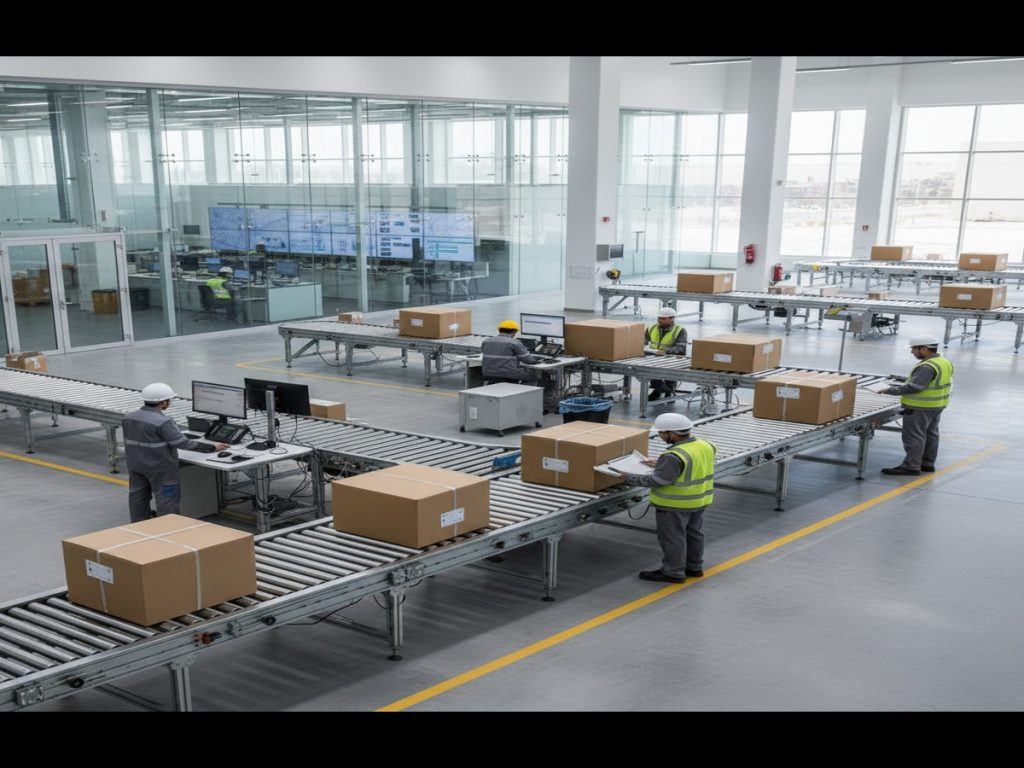
Iraq Logistics Solutions Packages 2026: Unlock Fast Shipping
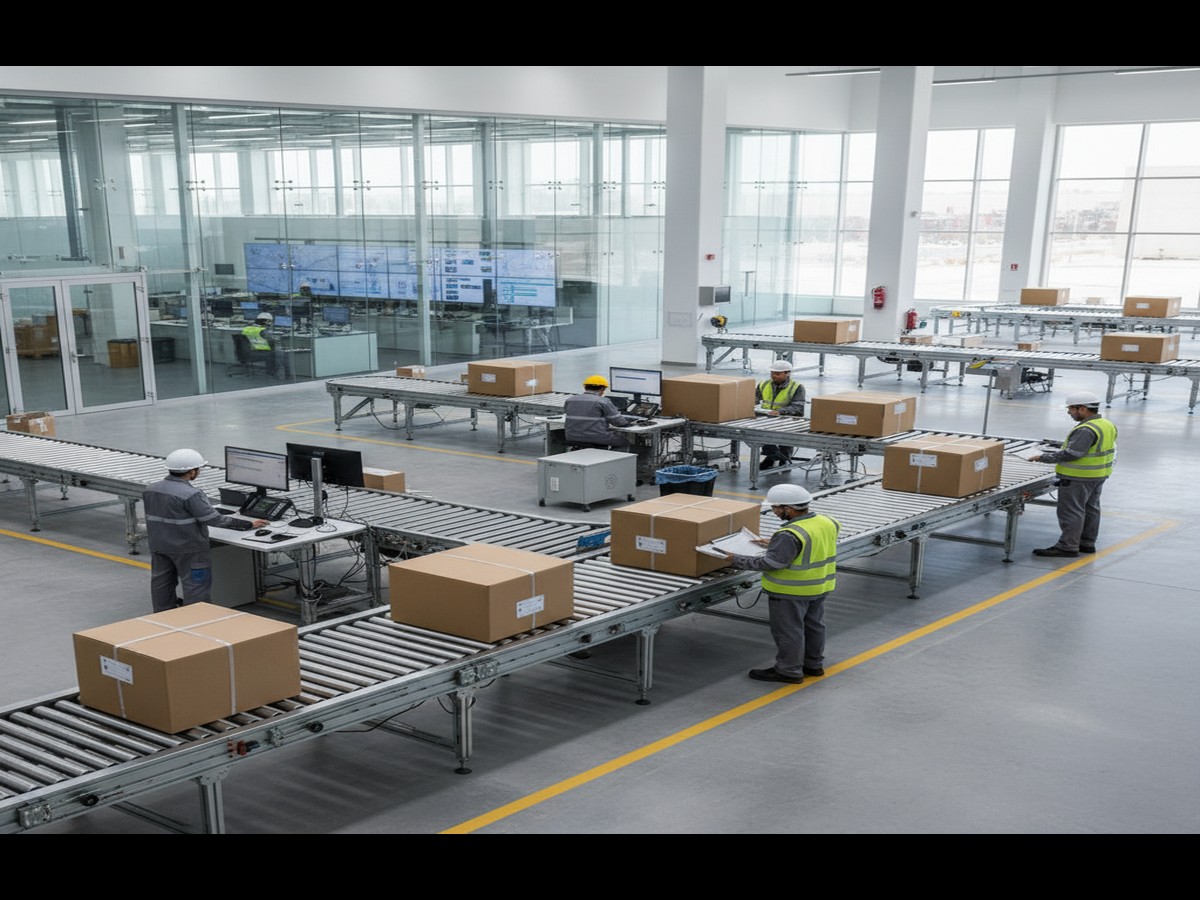
Discover how iraq logistics solutions packages can transform your Logistics and Supply Chain operations. This article positions pre-packaged logistics as a strategic de-risking tool for Iraqi projects. We emphasize cost predictability and operational certainty in a historically volatile market. Navigate the complexities of shipping to Iraq with our comprehensive guide.
Standard logistics often fall short in Iraq due to unique challenges. These include security risks, complex customs procedures, and infrastructure limitations. Iraq logistics solutions packages offer an all-inclusive solution. They bundle essential services like transportation, warehousing, and customs clearance into fixed-price agreements. This approach mitigates unforeseen costs and ensures smoother operations.
This guide explores iraq logistics solutions packages through multiple perspectives. We’ll cover pre-packaged logistics as your all-inclusive solution for Iraq. We will also discuss tailored oil and gas logistics packages, streamlined construction logistics solutions, and specialized bundled logistics for humanitarian aid missions. Furthermore, we will tackle the financial advantages of fixed-price logistics in Iraq. We will explore the core components of comprehensive Iraq transportation packages, and how to select the right Iraq logistics package for your needs.
Why does this matter to you? Operating in Iraq demands specialized expertise. Understanding the nuances of Incoterms (International Commercial Terms), standardized trade terms defining the responsibilities of buyers and sellers, is crucial. Similarly, familiarity with THC (Terminal Handling Charges), fees for port handling services, ensures accurate budgeting. Moreover, navigating customs clearance, the process of complying with import/export regulations, is essential for avoiding delays and penalties. We will address these topics and more, including detailed cost breakdowns and partner selection criteria.
We’ll delve into overcoming key challenges, navigating shipping regulations, and selecting the right logistics partner. We will also provide detailed pricing information, specific examples of successful projects, and guidance on navigating regional regulatory and security differences. Ready to gain actionable insights and enhance your operations? Let’s explore the advantages of pre-packaged logistics solutions for Iraq.
The Advantages of Pre-Packaged Logistics Solutions for Iraq
Streamlined Customs Clearance (تخليص جمركي مبسط ) and Documentation for Iraq Imports
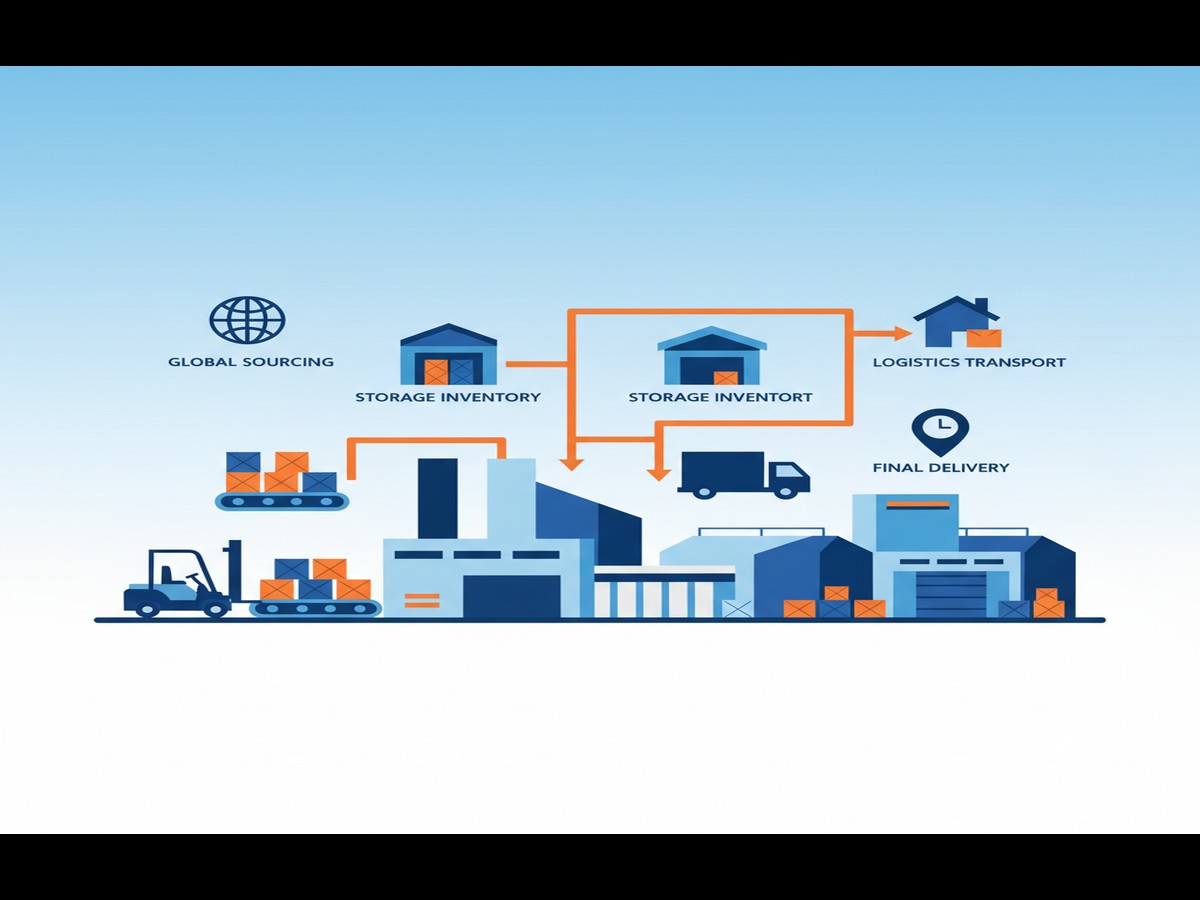
Direct Drive Logistic specializes in providing comprehensive Iraq Logistics Solutions packages designed to simplify the complexities of importing into Iraq. These bundled logistics iraq services include expert handling of customs clearance (تخليص جمركي مبسط ) and documentation, which are often significant hurdles for businesses. The adoption of TIR electronic pre-declaration is cutting cross-border times by 80% . This allows Direct Drive Logistic to expedite the entry of goods, minimizing delays and ensuring compliance with all Iraqi regulations.
Our pre-packaged solutions integrate directly with customs authorities, reducing the risk of errors and penalties. By entrusting Direct Drive Logistic with these critical tasks, companies can focus on their core business activities, confident that their shipments will navigate the Iraqi customs process smoothly. These fixed price logistics iraq packages are tailored to meet the specific needs of each client, ensuring efficient and cost-effective import operations.
Cost Predictability and Reduced Risk with All-Inclusive Logistics Packages
One of the primary advantages of Direct Drive Logistic’s approach to bundled logistics iraq is the enhanced cost predictability. Instead of managing multiple vendors and facing unexpected charges, our all-inclusive packages offer a single, transparent price that covers freight forwarding, warehousing, customs brokerage, and security. The Iraq freight and logistics market reached USD 11.52 billion in 2026 . These packages help businesses avoid the financial uncertainties often associated with shipping to Iraq.
Direct Drive Logistic mitigates risk through security escorts and comprehensive insurance coverage. In a region where security threats are a concern, this proactive approach provides peace of mind and protects valuable cargo. The first phase of Al Faw Grand Port went online in 2025, enabling 3.5 million TEU . This has boosted throughput in Basra, further streamlining logistics operations. With fixed price logistics iraq solutions from Direct Drive Logistic, businesses gain greater control over their budgets and minimize potential losses. As the Development Road eyes 40 million tons capacity by 2050 , Direct Drive Logistics is ready to handle the increased volume.
Faster Delivery Times and Improved Supply Chain Visibility in Iraq
Direct Drive Logistic’s iraq logistics solutions packages are engineered to accelerate delivery times and enhance supply chain visibility. Leveraging infrastructure projects, these packages integrate GPS-tracked convoys and single-window contracts . This is vital for sectors like oil & gas and construction, where delays can be costly. Our streamlined processes and local expertise enable us to navigate Iraq’s challenging logistics landscape efficiently. The Iraq Development Road project aims to further improve transit times.
Real-time tracking and monitoring provide businesses with complete visibility over their shipments, from origin to final destination. This transparency allows for proactive management of potential disruptions and ensures timely delivery to customers. The logistics market, valued at USD 7.24 billion in 2025, projects 6.20% CAGR to 2033 . Direct Drive Logistic is committed to providing reliable and efficient bundled logistics iraq services that meet the evolving needs of businesses operating in Iraq.
Iraq Logistics Solutions Packages: A Detailed Cost Breakdown
Core Transportation Cost Factors in Iraq
Calculating the cost of iraq logistics solutions packages begins with understanding the dominant transport modes. Road freight constitutes a massive 70.05% of the market, making it the primary cost driver for most shipments moving from Basra to Erbil. The challenge, however, lies in the fact that the average age of trucks in the country exceeds 15 years, impacting reliability and maintenance overheads which are factored into pricing.
For urgent or high-value cargo, air freight through hubs like Erbil’s cargo complex, which targets 100,000 tons of throughput annually, offers a faster alternative. Sea freight is becoming increasingly cost-effective with the expansion of the Al Faw Grand Port. Its first phase, a USD 2.7 billion investment, brought an initial capacity of 3.5 million TEU online, fundamentally changing the economics of large-scale imports.
Navigating Customs and Duties
A significant portion of any bundled logistics in Iraq involves customs brokerage fees and import duties. These costs are not static; they depend heavily on accurate HS Code classification for every item in a shipment. Misclassification leads to delays and financial penalties, disrupting the entire supply chain and invalidating fixed-price quotes.
Our expertise includes leveraging modern systems to mitigate these risks. The adoption of the TIR electronic pre-declaration system, for instance, has been shown to cut cross-border processing times by up to 80%. This efficiency is built directly into our service packages, providing cost certainty in a market projected to grow at a 6.20% CAGR through 2033.
How Incoterms Define Your Final Cost
The final price of any Iraq logistics package is directly influenced by the agreed-upon اصطلاحات اینکوترمز (Incoterms). These international commercial terms define the responsibilities of the seller and buyer, dictating who pays for and manages shipment, insurance, documentation, and customs clearance. Understanding their impact is critical for budget accuracy.
Choosing Free on Board (FOB), for example, places most transport and risk responsibility on the buyer once goods are on the vessel. In contrast, a Delivered Duty Paid (DDP) arrangement means the seller, or their logistics partner, handles everything from origin to final destination, including all duties. This choice affects costs significantly, especially with large-scale infrastructure like the Development Road Project altering key transport corridors and influencing routing decisions within our iraq logistics solutions packages. Therefore, when considering logistics services iraq (22 chars), it is important to consider all factors.
Choosing the Right Logistics Partner: Key Selection Criteria
Experience and Expertise in Iraqi Logistics
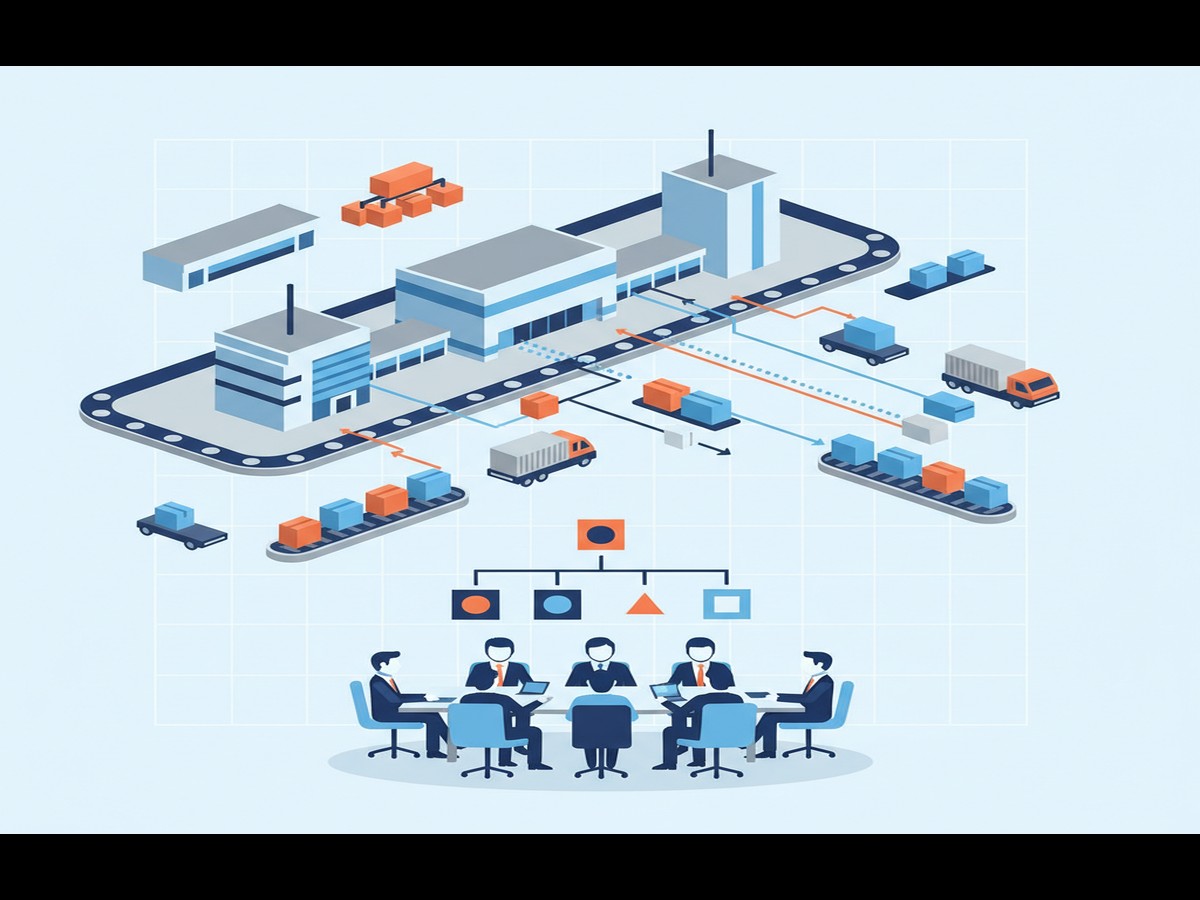
Selecting the right partner for iraq logistics solutions packages demands a deep understanding of the local operating environment. The market, valued at USD 7.24 billion in 2025, is projected to grow at a 6.20% CAGR through 2033, reflecting its dynamic and complex nature. A provider’s proven experience is the primary filter for success.
Navigating Iraq’s landscape means confronting tangible challenges. Road freight constitutes 70.05% of the market, yet the average truck age exceeds 15 years, posing significant reliability risks. True expertise involves mitigating these issues with modern, GPS-tracked fleets and integrated security, especially for critical routes connecting Baghdad and Basra.
Effective partners demonstrate mastery over regional nuances, from security protocols in oil-producing zones to infrastructure gaps in developing areas. This practical knowledge ensures that bundled logistics in Iraq are not just a list of services but a cohesive strategy for overcoming on-the-ground realities.
Service Portfolio and Network Coverage
A comprehensive service portfolio is non-negotiable for handling diverse cargo needs across Iraq and Kurdistan. The country’s infrastructure is rapidly evolving with projects like the Al Faw Grand Port, which targets a capacity of 3.5 million TEU. A capable partner must offer seamless multimodal options to leverage these new gateways.
Your chosen provider’s network should cover key economic hubs, from the Erbil cargo complex handling 100,000 tons of humanitarian aid annually to the southern oil fields in Basra. This requires a diverse asset base, including heavy-lift trailers for construction materials and specialized vehicles for energy sector equipment. Comprehensive iraq logistics packages integrate these capabilities under a single point of contact.
The ability to provide fixed price logistics in Iraq demonstrates confidence and operational control. It signals that a provider can manage variables from fuel costs to security escorts, offering clients budget certainty in a market where unexpected costs can derail projects. This is particularly vital for the USD 17 billion in construction projects underway.
Compliance and Documentation Proficiency
Technical proficiency in customs and compliance is a critical differentiator. Mismanagement of documentation can lead to costly delays at border crossings like Ibrahim Khalil or the port of Umm Qasr. A partner’s deep knowledge of HS codes and Incoterms is fundamental to fluid cargo movement.
Advanced providers leverage digital tools to accelerate clearance. The adoption of the TIR electronic pre-declaration system, for instance, can reduce cross-border transit times by up to 80%. This technical capability is a hallmark of a logistics leader committed to efficiency and transparency. As seen in Iraq logistics data, efficiency is a key growth driver. For those undertaking complex endeavors, selecting an Iraq project logistics partner (30 chars) is crucial.
Ultimately, a partner’s ability to provide a single, compliant invoice for a complex, multi-stage shipment is the true test. This proficiency minimizes administrative burdens for clients and ensures every stage of the supply chain adheres to both local and international regulations, safeguarding the entire operation.
Need Reliable Delivery Services?
Get a free quote today. Fast, secure, and professional logistics solutions tailored to your needs.
Overcoming Key Challenges for Iraq Logistics Solutions Packages
Navigating Complex Border Crossings and Customs Clearance in Iraq
Effective Iraq logistics solutions packages are engineered to master the region’s operational complexities from the outset. The Iraqi logistics market, valued at USD 7.24 billion in 2025, demands more than standalone services; it requires a unified approach to overcome persistent bottlenecks at customs and border points.
Our bundled logistics in Iraq integrate customs brokerage directly into the freight forwarding process. This includes leveraging modern systems like the TIR electronic pre-declaration, which has been proven to reduce cross-border transit times by an astounding 80%. By managing HS code classification and documentation proactively, we prevent costly delays that disrupt supply chains for critical sectors.
Addressing Security Concerns and Ensuring Safe Transportation Routes
Security remains a primary consideration for all cargo movements within Iraq. A comprehensive logistics package must include robust risk mitigation strategies, integrating vetted security escorts and real-time GPS tracking for all convoys, especially on vital routes connecting Basra, Baghdad, and Erbil.
This is particularly critical for the oil and gas industry, which relies on secure transit for equipment and exports. With projects like the revival of the Iraq-Turkey pipeline adding 1.4 million b/d capacity, our fixed price logistics in Iraq provide the certainty and protection necessary to safeguard high-value assets. This integrated security model eliminates the coordination failures common when using separate providers.
Infrastructure Limitations and Optimizing Multimodal Transport Solutions
Iraq is undergoing a significant infrastructure transformation, but logistical challenges persist. With an average truck fleet age exceeding 15 years, equipment reliability can be a major issue. Our Iraq logistics packages counter this by deploying a modern, specialized fleet, including heavy-lift trailers and low-sulphur fuel trucks, optimized for local conditions.
We leverage emerging infrastructure like the Al Faw Grand Port, which targets a 3.5 million TEU capacity, to design efficient multimodal solutions. As Iraq’s freight forwarding is projected to grow at a 6.20% CAGR, combining sea freight (FCL/LCL) with dedicated road transport becomes essential. This approach supports the USD 17 billion in construction projects and ensures humanitarian aid reaches hubs like Erbil without interruption. Consider these Iraq Logistics Resources for additional support.
Navigating Shipping Regulations

Understanding Iraqi Customs Regulations and Documentation
Navigating Iraq’s customs landscape requires meticulous attention to detail, from correct Harmonized System (HS) Code classification to flawless documentation. Minor errors can lead to significant delays and financial penalties, disrupting the entire supply chain. Effective iraq logistics solutions packages are built on a foundation of regulatory expertise, integrating customs brokerage directly with freight forwarding to ensure compliance from the outset.
This integrated approach is vital in a market that reached USD 11.52 billion in 2026. By managing all paperwork under a single point of contact, businesses mitigate risks associated with fragmented service providers. Our process guarantees that commercial invoices, certificates of origin, and import licenses are accurate and submitted correctly, preventing costly holds at border crossings or ports like Umm Qasr.
Selecting Optimal Incoterms for Iraqi Shipments
Choosing the right Incoterms—such as Free on Board (FOB), Cost, Insurance, and Freight (CIF), or Delivered Duty Paid (DDP)—defines risk, cost, and responsibility. In Iraq, where ground-level complexities can be unpredictable, selecting terms that provide clarity and control is paramount. For instance, DDP terms offered within fixed price logistics iraq provide clients with complete cost certainty, transferring the burden of customs, duties, and final delivery to the logistics partner.
This is especially relevant as infrastructure expands, with projects like the Al Faw Grand Port targeting a capacity of 3.5 million TEU. As cargo volumes increase, so does the complexity of coordinating inland transport and customs clearance. An expert partner helps select the Incoterm that best aligns with your risk tolerance and the operational realities of destinations like Basra, Baghdad, and Erbil, ensuring no hidden costs arise post-shipment.
Proactive Compliance for Seamless Customs Clearance
Achieving smooth customs clearance in Iraq is not about reaction but proactive compliance. This involves leveraging modern systems and deep local knowledge. The adoption of the TIR electronic pre-declaration system, for example, has been shown to cut cross-border transit times by up to 80%, a critical advantage for time-sensitive cargo. Our iraq logistics packages incorporate these digital tools to expedite shipments.
As the Iraq logistics market, valued at USD 7.24 billion in 2025, is projected to grow at a 6.20% CAGR through 2033, the volume of goods requiring clearance will surge. Comprehensive, bundled logistics iraq services that include pre-audits of documentation and real-time coordination with customs officials are no longer a luxury but a necessity for maintaining a competitive edge and ensuring your cargo reaches its destination without interruption. For reliable logistics company Iraq, consider exploring your options.
Kurdistan vs. Federal Iraq
Customs Clearance and Documentation: Kurdistan vs. Federal Iraq Requirements
Navigating Iraq’s dual-system regulatory environment demands specialized expertise. Federal Iraq and the Kurdistan Region operate under distinct customs authorities, creating significant procedural differences that can halt shipments without expert guidance. This complexity is a key driver for adopting pre-packaged 3PL solutions.
Federal Iraq’s system, managed from Baghdad, often involves multiple checkpoints and stringent documentation. In contrast, the Kurdistan Region can offer a more streamlined process at its border crossings. The adoption of the TIR electronic pre-declaration system, which can cut cross-border transit times by up to 80%, is being implemented at different paces, further complicating unified logistics planning.
Effective bundled logistics in Iraq must account for these disparities. A single-window contract manages all documentation for both regions, preventing costly delays and ensuring full compliance whether goods enter through Umm Qasr Port or the Ibrahim Khalil border crossing.
Transportation Infrastructure: Comparing Kurdistan and Federal Iraq Routes
The physical infrastructure across Iraq presents a landscape of contrasts. While road freight constitutes a massive 70.05% of the market, the operational reality includes a truck fleet with an average age exceeding 15 years. This necessitates proactive maintenance and contingency planning within any comprehensive logistics package.
Kurdistan’s road networks are often better maintained, supporting reliable transit for humanitarian aid convoys moving through the Erbil cargo complex, which targets 100,000 tons of annual throughput. In the south, Federal Iraq’s infrastructure is undergoing a historic transformation. The Al Faw Grand Port, with a projected capacity of 3.5 million TEU, and the ambitious Development Road project are set to redefine trade corridors.
Tailored Iraq logistics packages leverage this evolving infrastructure. They integrate GPS-tracked, secure convoys for critical Basra-to-Erbil routes and deploy specialized heavy-lift assets to support the USD 17 billion in construction projects reshaping the nation.
Incoterms: Impact on Logistics Costs in Each Region
The choice of Incoterms has a profound and varied impact on total landing costs depending on the entry region. Terms like CIF (Cost, Insurance, and Freight) or DDP (Delivered Duty Paid) carry different risk and cost profiles at the Port of Umm Qasr versus land crossings into Kurdistan due to regional variations in security, insurance premiums, and terminal handling charges.
This variability underscores the value of fixed price logistics in Iraq. By bundling all anticipated costs—from freight and customs to security and last-mile delivery—shippers gain predictability in a dynamic market. This is critical as Iraq’s economic landscape continues to evolve, with the logistics market valued at USD 7.24 billion in 2025 and projected to grow at a 6.20% CAGR.
Direct Drive Logistic’s Iraq logistics solutions packages are engineered to absorb this complexity. We provide clear, all-inclusive pricing that reflects the true cost of transit in each specific region, eliminating financial surprises and empowering businesses to budget with confidence. For example, finding the right logistics company Baghdad can be critical.
Future Trends in Iraqi Logistics: What to Expect
Digital Platforms and Enhanced Supply Chain Visibility
The Iraqi logistics landscape is rapidly digitizing, driven by a market valued at USD 7.24 billion in 2025 and projected to expand at a 6.20% CAGR through 2033. This growth demands real-time visibility and control, moving beyond traditional freight management. Integrating digital platforms is now standard for managing complex supply chains in this environment.
Adoption of technologies like the TIR electronic pre-declaration system is a clear indicator of this shift, cutting cross-border transit times by an impressive 80%. Such advancements are critical for overcoming challenges like an aging truck fleet, where the average vehicle is over 15 years old. Bundled logistics in Iraq now leverage GPS tracking and single-window digital dashboards to provide the necessary oversight for high-value cargo.
E-commerce Growth and Last-Mile Delivery Challenges
The rise of e-commerce in urban centers like Baghdad and Sulaymaniyah is creating new pressures on last-mile delivery. This segment requires specialized solutions that go far beyond simple transport. The demand is for integrated services that can handle everything from temperature-controlled pharmaceuticals for humanitarian aid to secure, tracked delivery for consumer goods.
Effective Iraq logistics solutions packages are designed to meet these specific needs. They combine secure warehousing, inventory management, and optimized final-mile routing into a single, manageable service. As infrastructure like the Erbil cargo complex targets a capacity of 100,000 tons per year, the ability to provide reliable and technologically advanced Iraq logistics packages becomes a key differentiator for success in this expanding market.
Streamlined Customs and Strategic Infrastructure Projects
Massive infrastructure investments are reshaping trade corridors across Iraq. The Al Faw Grand Port, with a first-phase capacity of 3.5 million TEU, and over USD 17 billion in active construction projects are creating unprecedented opportunities. Navigating this new environment requires a deep understanding of customs, iraq logistics compliance, and project logistics.
Fixed price logistics in Iraq offer a strategic advantage, providing cost certainty for complex capital projects. Furthermore, the ambitious Development Road project aims for a 40 million ton capacity by 2050, fundamentally altering regional supply chains. Comprehensive Iraq logistics solutions packages that integrate customs brokerage, multimodal transport, and security are essential for capitalizing on these developments. Mastery of Incoterms within these bundles ensures seamless, compliant, and efficient cargo movement through Iraq’s evolving gateways.
Frequently Asked Questions
▼ What are the key components of comprehensive iraq logistics solutions packages?
Comprehensive iraq logistics solutions packages typically include transportation (road, air, sea), warehousing and storage, customs clearance, inventory management, and last-mile delivery. Security is paramount, so secure transport and storage are crucial. Also, real-time tracking and visibility are key components, allowing you to monitor your goods throughout the entire supply chain. The entire process usually starts with a detailed consultation to determine the most efficient and cost-effective solution for your specific needs.
▼ How do iraq logistics solutions packages address the unique challenges of operating in Iraq and Kurdistan?
Iraq logistics solutions packages are designed to mitigate risks associated with security, infrastructure limitations, and bureaucratic hurdles. This includes employing secure transportation methods, navigating complex customs procedures, and utilizing established networks within the region. A key challenge is navigating checkpoints; experienced providers pre-arrange permits and documentation to minimize delays. Furthermore, understanding local regulations and cultural nuances is crucial for smooth operations, with transit times potentially affected by seasonal events or local holidays.
▼ What types of goods are typically handled within iraq logistics solutions packages?
Iraq logistics solutions packages handle a diverse range of goods, including construction materials, oil and gas equipment, consumer goods, pharmaceuticals, and humanitarian aid. Specialized handling is often required for sensitive items, such as temperature-controlled pharmaceuticals or oversized industrial equipment. The specific requirements of the goods dictate the transportation methods, storage conditions, and security protocols employed, ensuring safe and timely delivery.
▼ How much does it cost to implement iraq logistics solutions packages?
The cost of iraq logistics solutions packages varies significantly based on factors such as shipment size, distance, mode of transport, and any specialized handling requirements. For example, a standard container shipment from a port in Turkey to Erbil could range from $3,000 to $7,000, depending on Incoterms and specific services included. Obtaining a detailed quote that outlines all costs associated with transportation, customs clearance, and warehousing is essential to avoid unexpected expenses.
▼ How long does it take to deliver goods using iraq logistics solutions packages?
Delivery times for iraq logistics solutions packages depend on the origin of the goods, the destination within Iraq or Kurdistan, and the mode of transport. Road freight from a neighboring country like Turkey or Kuwait to Baghdad can take approximately 5-7 days, including customs clearance. Air freight is faster, typically taking 1-3 days, but is more expensive. Sea freight can take several weeks, depending on the port of origin and transshipment points.
▼ What are the key customs clearance procedures involved in iraq logistics solutions packages?
Customs clearance in Iraq involves several steps, including submitting the necessary documentation (commercial invoice, packing list, bill of lading), paying applicable duties and taxes, and undergoing inspection by customs authorities. The process typically takes 3-5 business days, but can be longer if there are discrepancies in the documentation or if the shipment is flagged for inspection. Working with a customs broker familiar with Iraqi regulations is crucial to avoid delays and penalties.
▼ Why choose specialized iraq logistics solutions packages over standard shipping options?
Specialized iraq logistics solutions packages offer tailored solutions to address the specific challenges of operating in Iraq, such as security risks, infrastructure limitations, and complex customs procedures. Standard shipping options may not provide the necessary expertise and resources to navigate these challenges effectively. Specialized packages often include enhanced security measures, experienced personnel, and established relationships with local authorities, ensuring smoother and more reliable delivery.
▼ How do iraq logistics solutions packages ensure the security of goods during transit and storage?
Security is a top priority in iraq logistics solutions packages. Measures include employing GPS tracking systems, utilizing secure transportation vehicles, conducting background checks on personnel, and implementing strict access control at warehouses. Escort services may be used for high-value or sensitive shipments. Direct Drive Logistic understands the importance of these security measures and incorporates them into every stage of the logistics process.
▼ What documentation is required for importing goods into Iraq as part of iraq logistics solutions packages?
Importing goods into Iraq requires several key documents, including a commercial invoice, packing list, certificate of origin, bill of lading or airway bill, and import license (if required). The documentation must be accurate and complete to avoid delays in customs clearance. Depending on the nature of the goods, additional documents, such as health certificates or quality control reports, may also be required.
▼ How can businesses track their shipments using iraq logistics solutions packages?
Reputable iraq logistics solutions packages offer real-time tracking and visibility through online portals or mobile apps. These systems allow businesses to monitor the location and status of their shipments at any time. Tracking information typically includes the current location of the shipment, estimated time of arrival (ETA), and any delays or issues that may have occurred during transit.
▼ What are the benefits of using a local logistics partner for iraq logistics solutions packages?
Local logistics partners possess in-depth knowledge of the Iraqi market, including local regulations, customs procedures, and cultural nuances. They have established relationships with local authorities and can navigate the complexities of the Iraqi supply chain more effectively than international providers. This local expertise can result in faster customs clearance, reduced risk of delays, and improved overall efficiency.
▼ What Incoterms are commonly used in iraq logistics solutions packages, and how do they affect cost and responsibility?
Common Incoterms (International Commercial Terms) used in iraq logistics solutions packages include FOB (Free On Board), CIF (Cost, Insurance, and Freight), and DDP (Delivered Duty Paid). FOB places the responsibility for transportation and insurance on the buyer once the goods are loaded onto the vessel. CIF requires the seller to pay for transportation and insurance to the destination port. DDP places the maximum responsibility on the seller, who is responsible for all costs and risks until the goods are delivered to the buyer’s premises. Understanding these terms is crucial for managing costs and liabilities effectively. For reliable iraq logistics solutions packages services, consider established providers like Direct Drive Logistic who can guide you through these complexities.
Conclusion
The key to streamlined operations in Iraq lies in understanding the nuances of pre-packaged logistics solutions. Selecting the right iraq logistics solutions packages can dramatically improve efficiency, reduce costs, and ensure regulatory compliance, whether operating in Kurdistan or federal Iraq. These benefits, however, are contingent on careful partner selection and a thorough understanding of the challenges unique to the Iraqi market.
Begin by meticulously documenting your current supply chain bottlenecks. Identify the specific pain points – customs clearance delays, security concerns, or transportation inefficiencies – that are hindering your progress. This detailed assessment will provide a clear benchmark against which to evaluate potential iraq logistics solutions packages and partners.
Direct Drive Logistic offers unparalleled expertise in navigating the complexities of logistics across Iraq and Kurdistan. With years of experience and a deep understanding of local regulations and security protocols, we deliver customized solutions designed to optimize your supply chain and reduce operational costs. Contact us today to discuss your specific needs and discover how we can help you achieve your business goals: (+964) 750 637 9296.
Need reliable and efficient logistics solutions in Iraq? Optimize your supply chain and reduce costs with Direct Drive Logistic’s tailored Iraq Logistics Packages. Call us now at (+964) 750 637 9296 to discuss your specific needs and get a customized quote.
Contact Us for a Consultation
Location
Direct Drive Logistic
MRF Quattro towers, Block A-29-1
Erbil, Kurdistan Region
View on Google Maps →