

Discover how Import Logistics for Traders can transform your operations. This guide provides a practical framework for traders to navigate the complexities of import logistics. We focus on actionable strategies to reduce costs, mitigate risks, and streamline your supply chain. Learn how to optimize every step of the import process.
This comprehensive guide explores Import Logistics for Traders through multiple perspectives. We’ll cover essential topics such as navigating import customs clearance, choosing the optimal shipping method (air vs. sea freight), and the critical role of import freight forwarding services. We’ll also delve into efficient cargo handling, warehousing best practices, and cost management using Incoterms. You’ll gain actionable insights to enhance your operations, whether you’re a seasoned professional or a new business owner.
Why does this topic matter? Mastering import logistics is crucial for profitability and competitiveness. For instance, understanding Incoterms (International Commercial Terms) is vital; these standardized trade terms define the responsibilities of buyers and sellers in international transactions, impacting costs and risk allocation. A clear grasp of Incoterms helps avoid disputes and optimize your supply chain costs. Similarly, navigating product-specific import regulations and compliance, a common challenge, requires careful attention to detail to avoid delays and penalties. We’ll also address choosing the optimal shipping method – is air, sea, or even land freight the best option for your business, considering speed, cost, and the nature of your goods?
This article will also tackle other significant content gaps, such as providing a step-by-step guide on customs clearance procedures and documentation requirements. We’ll explore strategies for mitigating risks associated with international trade, including currency fluctuations and political instability, which can significantly impact your bottom line. Furthermore, we’ll examine the indispensable role of import freight forwarding services in simplifying the complex logistics process. In essence, efficient freight forwarding involves coordinating the movement of goods on behalf of shippers, handling documentation, customs clearance, and transportation arrangements. This allows traders to focus on their core business activities.
The journey to mastering Import Logistics for Traders starts here. Understanding customs clearance, the process of complying with import regulations to release goods into a country, is essential. This involves submitting necessary documentation, paying duties and taxes, and undergoing inspection. We will also cover international shipping, the transportation of goods across international borders, which encompasses various modes of transport, documentation, and regulatory compliance. Get ready to decode the intricacies of import logistics and transform your trading business.
Decoding Import Logistics: A Trader's Journey

What is Import Logistics? Defining the Core Components for Modern Traders
Import Logistics for Traders is the strategic management of goods moving from an international supplier to your final destination. It is far more than just shipping; it’s a complex system of procurement, transportation, customs compliance, and inventory management. For businesses operating in Iraq’s dynamic market, mastering this process is a significant competitive advantage.
The scale of this operation is substantial. Iraq’s import market reached a staggering USD 11.29 billion in 2025, growing at a compound annual rate of 6.2% since 2021. This growth, driven by key trade partners like China and Turkey, underscores the need for a precise and reliable import logistics process flow to manage capital and risk effectively.
Modern traders must contend with new variables. The adoption of digital freight platforms, for instance, rose by 40% in 2025 as companies sought to mitigate disruptions. A successful strategy integrates technology to create visibility and control over every moving part.
Mapping the Trader’s Journey: The Key Stages of an International Shipment
Understanding the key stages of importation transforms a complex procedure into a manageable sequence. The journey begins with sourcing and purchase order management, followed by the critical choice of a freight forwarder who orchestrates the international transit. This stage involves selecting the right mode—air, sea, or land—based on cost, speed, and cargo type.
Upon arrival in Iraq, the shipment enters the customs clearance phase, a pivotal step where documentation and duties are handled. In major hubs like Baghdad and Basra, which together process over 70% of the nation’s import volumes, clearance timelines now average 3-5 days under updated 2025 regulations. Delays here can cascade, impacting your entire supply chain.
The final step is inland transportation and final-mile delivery to your warehouse or customer. With e-commerce making up 19.7% of global commerce, customer expectations for speed and accuracy are higher than ever. Efficiently managing these supply chain trends is what separates market leaders from the competition.
The Import Ecosystem: Identifying the Main Players in Your Supply Chain
A successful import operation relies on a network of specialized partners. Your freight forwarder acts as the primary coordinator, liaising with ocean carriers, airlines, and trucking companies to ensure smooth transit. They are your strategic partner in navigating freight rate volatility and capacity challenges.
Customs brokers are indispensable for navigating regulatory requirements. They manage documentation like the SAD-1 form and ensure compliance with duties, which average 5-15% on consumer goods in Iraq. Their expertise is vital for avoiding costly penalties and delays, especially at high-volume ports like Umm Qasr, which faces projections of 3.5 million TEU in annual throughput.
Ultimately, orchestrating these players is the core of Import Logistics for Traders. A partner like Direct Drive Logistic provides end-to-end management, integrating these services to offer a single point of accountability. This unified approach delivers the security and reliability needed to thrive in a demanding market. For assistance with Import Export Procedures Iraq, consider a local expert.
Navigating Product-Specific Import Regulations and Compliance
Mastering Product Classification with the Harmonized System (HS Code)
Accurate product classification is the foundation of successful customs clearance in Iraq. Using the correct Harmonized System (HS) code determines duties and prevents costly delays. For instance, top imports like machinery (HS 84) and electronics from China (HS 85) have specific codes that must be declared correctly.
Mistakes can extend the typical 3-5 day clearance timeline at major ports like Basra and Baghdad, which together handle 70% of Iraq’s import volumes. Within a market that reached USD 11.29 billion in 2025, such errors directly impact your bottom line. Our expertise ensures your goods are classified precisely from the start, protecting your timelines and budget.
Special Compliance for Regulated Goods: Electronics, Food, and Textiles
Certain product categories face heightened scrutiny and specific compliance rules. The `electronics import regulations` for goods arriving from China require adherence to technical standards and certifications. Similarly, textiles from Turkey, categorized under HS codes 61-62, must meet local labeling and material content requirements.
Navigating these rules is vital, as Iraqi duties average 5-15% on consumer goods, and non-compliance can lead to penalties on top of these tariffs. Understanding the nuances of `importing restricted items` or regulated products is a core component of our service. We manage the specific documentation, like the SAD-1 form, to ensure a smooth entry for your specialized cargo, reflecting the latest global trade trends and local laws.
Ensuring Product Compliance: Certifications, Labeling, and Agency Approvals
Effective `Import Logistics for Traders` goes beyond shipping; it involves proactive compliance management. We handle the entire `product certification for import` process, securing necessary approvals from Iraqi agencies before your shipment even departs. This prevents your assets from being impounded at the border for documentation issues.
This meticulous preparation is how we support businesses contributing to Iraq’s impressive 6.2% import CAGR from 2021-2025. By ensuring every label is correct and every certificate is in order, we transform a complex regulatory hurdle into a streamlined part of your supply chain. Our approach to `Import Logistics for Traders` provides the certainty and security your business demands in a dynamic market. Success in international trade logistics requires careful planning.
Air, Sea, or Land: Choosing the Optimal Shipping Method
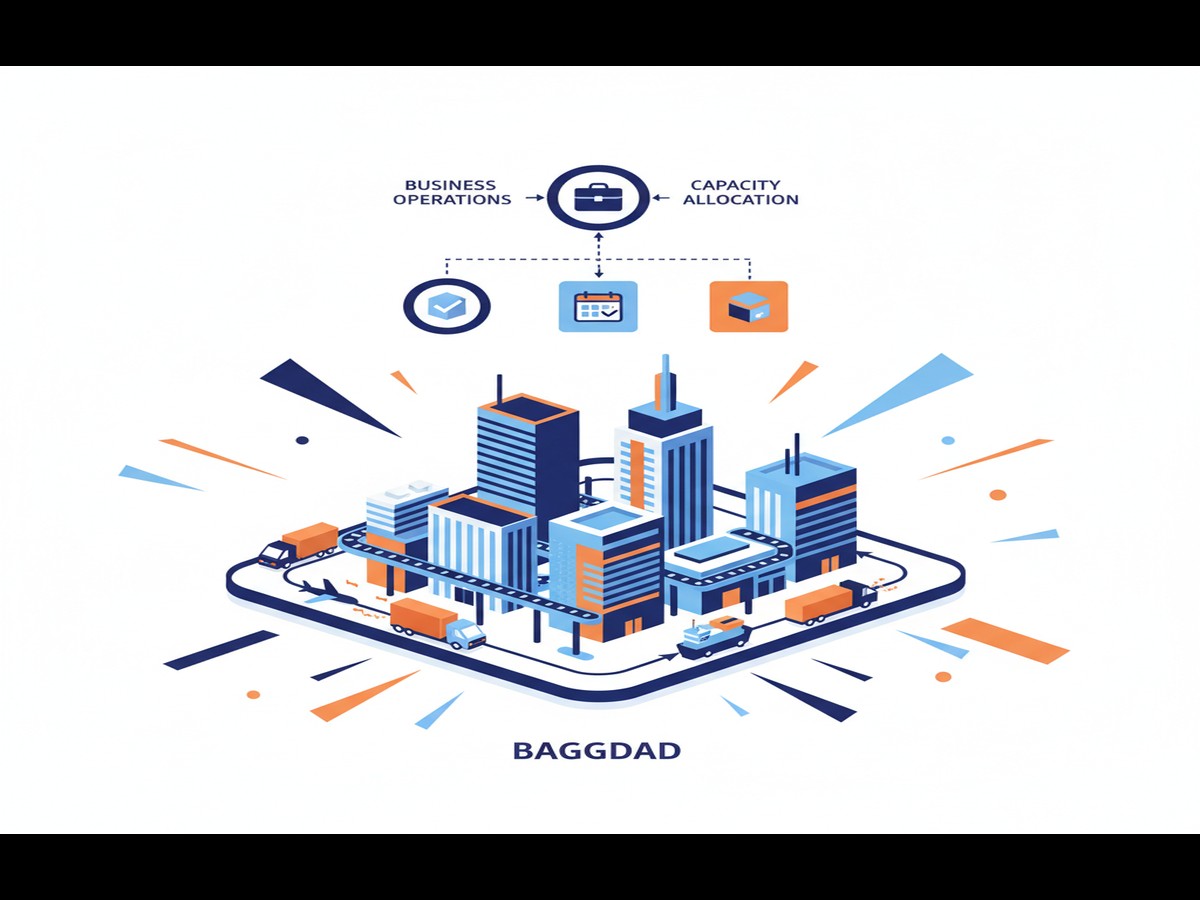
Air Freight vs. Ocean Freight: Analyzing the Trade-Offs Between Speed and Cost
Choosing a shipping mode is a critical decision balancing urgency and budget. Air freight offers unparalleled speed for high-value or time-sensitive goods, but ocean freight provides superior cost-efficiency for bulk shipments. This is particularly relevant as analysts predict ocean freight rates will decline over 10% in 2026 after mid-year peaks.
For Iraqi traders, this cost difference is significant when managing shipments to major ports like Umm Qasr, which is projected to handle 3.5 million TEU annually. While sea freight is slower, securing long-term contracts can protect against the freight volatility impacting the region. Understanding the air freight vs sea freight cost dynamic allows you to align your logistics spend with your inventory turnover and profit margins.
The Strategic Role of Land Transport for Regional and Cross-Border Imports
Land transport is the backbone of regional trade for Iraq, especially for goods sourced from key partners like Turkey. The country’s import market grew at a 6.2% CAGR from 2021-2025, with Turkish textiles (HS Codes 61-62) representing a significant volume moved by truck into hubs like Erbil and Sulaymaniyah.
This method offers a flexible and often faster alternative to sea freight for cross-border shipments, bypassing potential port congestion. As diverse 2026 logistics industry trends emerge, optimizing land routes becomes a strategic advantage. Direct Drive Logistic leverages deep regional knowledge to ensure secure and timely final-mile delivery from border crossings to your warehouse.
A Trader’s Checklist: Key Factors for Choosing Your Optimal Shipping Method
Effective Import Logistics for Traders requires a data-driven approach to selecting international shipping options. Your decision should be based on cargo type, urgency, budget, and destination. Consider that customs clearance in Baghdad and Basra now averages a streamlined 3-5 days under updated 2025 laws.
If your business serves the booming e-commerce sector, which now accounts for 19.7% of global commerce, the speed of air or dedicated land freight may be necessary to meet customer expectations. For large-volume industrial machinery (HS Code 84) from China, the cost savings of sea freight are often unbeatable. Evaluating these factors ensures your chosen shipping mode directly supports your business objectives and strengthens your supply chain resilience. Traders seeking assistance can consult an importer of record service (27 chars) to navigate import regulations.
Need Reliable Delivery Services?
Get a free quote today. Fast, secure, and professional logistics solutions tailored to your needs.
Get Your Free Quote NowCustoms Clearance: A Step-by-Step Guide for Traders
Step 1: Assembling Documentation and Classifying Goods
Precise customs clearance documentation is the foundation of efficient importing. For shipments entering Iraq, traders must prepare a commercial invoice, certificate of origin, bill of lading, and the Single Administrative Document (SAD-1). Incorrect paperwork is a primary cause of delays at major ports like Basra and Baghdad, which together handle 70% of Iraq’s import volumes.
Correctly classifying goods using a harmonized system code lookup is non-negotiable. For instance, electronics from China fall under HS 85, while textiles from Turkey are classified under HS 61-62. Misclassification can lead to incorrect duty calculations and trigger intensive inspections, stalling your cargo.
Direct Drive Logistic ensures your documentation is flawless from the start. We verify every detail against current Iraqi regulations, aligning your paperwork with the specific requirements for your goods. This proactive approach prevents costly errors and accelerates the entire customs process.
Step 2: Submitting Declarations and Navigating Inspections
The import declaration process begins once your goods arrive. With updated 2025 customs laws, clearance timelines now average 3-5 days, but only for correctly filed declarations. Our team leverages advanced digital platforms, reflecting the 40% industry-wide adoption increase in 2025, to submit your information electronically and minimize manual processing.
Physical inspections are common, especially for high-value goods like machinery (HS 84). Our on-the-ground presence in key hubs like Erbil and Basra means we can manage these inspections efficiently. We coordinate directly with customs officials to answer queries and resolve potential issues in real-time, preventing your shipment from getting stuck in administrative limbo.
Mastering this stage is central to successful Import Logistics for Traders. We provide end-to-end visibility, allowing you to track your shipment from submission to inspection approval. This transparency eliminates uncertainty and helps you plan downstream activities with confidence.
Step 3: Finalizing Clearance with Duty Payments and Cargo Release
Finalizing clearance requires settling all applicable duties and taxes. In Iraq, duties average 5-15% on consumer goods, a significant factor in your total landed cost. We calculate these fees accurately based on your goods’ classification and value, ensuring you pay the correct amount without overages or penalties.
Our integrated solutions streamline payment, facilitating swift cargo release. Understanding future cost pressures, such as those outlined in recent supply chain trends, allows for better financial planning. Effective Import Logistics for Traders means anticipating these costs and managing them proactively. Once payments are confirmed, we secure the release order and coordinate final-mile delivery from the port to your warehouse. For a reliable iraq logistics partner, consider Direct Drive Logistics.
With Direct Drive Logistic, this final step is seamless. We handle the financial transactions and final coordination, transforming a complex bureaucratic hurdle into a simple, predictable conclusion to your import journey. Your goods are released faster, enabling you to get your products to market on schedule.
The Indispensable Role of Import Freight Forwarding Services
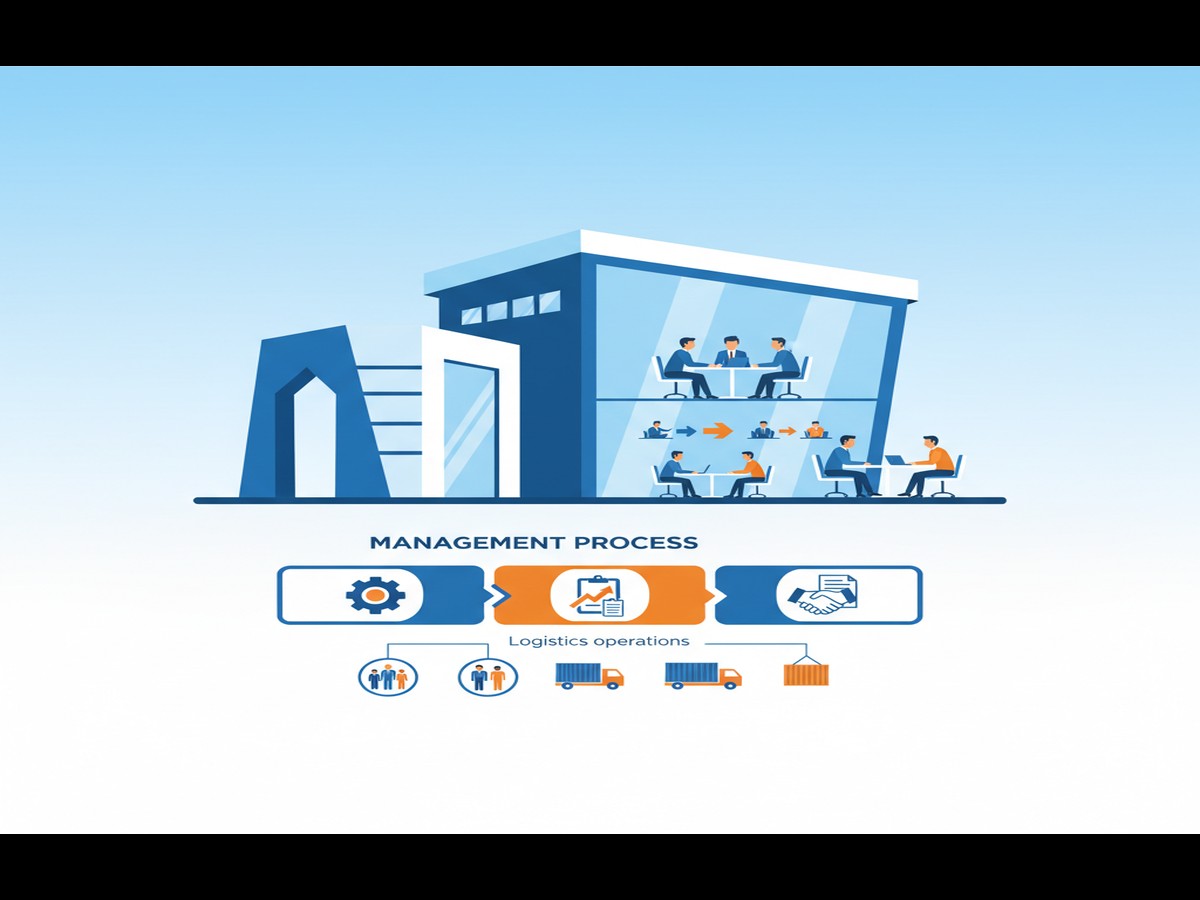
Streamlining Complex Supply Chains
Managing international shipments involves coordinating multiple vendors, from carriers to customs agents. A professional freight forwarder consolidates these functions into a single, expert point of contact, simplifying your operations. This centralized approach is what does an import forwarder do best: transform chaos into clarity.
Modern forwarders achieve this by integrating advanced technology. With digital freight platform adoption hitting 68%, we provide end-to-end visibility. These systems use predictive analytics and digital twins, which can reduce shipment delays by up to 80% for traders moving goods into Erbil and Baghdad.
Navigating Global Trade Regulations with Expert Forwarding Services
Customs compliance is a significant hurdle in the Iraqi market. Misfiled paperwork or incorrect Harmonized System (HS) codes can lead to costly delays and penalties. Expert customs brokerage for importers is a core component of reliable freight forwarding, ensuring all documentation is accurate and submitted on time.
Our deep knowledge of local regulations helps expedite clearance. Under updated 2025 customs laws, average clearance timelines in Baghdad and Basra are 3-5 days, a target we consistently meet by properly managing forms like the SAD-1. Staying ahead of supply chain trends and regulatory shifts is fundamental to our service.
Unlocking Cost-Efficiency and Time Savings
One of the key benefits of using a freight forwarder is gaining access to established carrier networks and consolidated shipping rates. We leverage our volume to negotiate better pricing than an individual trader could secure alone. This strategy directly impacts your bottom line, reducing per-unit shipping costs.
As the Iraq logistics market is projected to reach USD 12.5B by 2030, efficiency becomes a competitive advantage. Effective Import Logistics for Traders means optimizing every leg of the journey. With the e-commerce surge driving 25% of new warehouse leases, our streamlined final-mile delivery solutions ensure your goods reach their destination without unnecessary expense, protecting your profit margins in a growing market. For Iraq trade routes, optimizing logistics is key to success.
Efficient Cargo Handling and Warehousing Best Practices
Strategies for Safe Import Cargo Handling to Prevent Damage and Loss
Effective cargo handling begins long before goods arrive at a warehouse. For traders importing high-value electronics (HS 85) from China or delicate textiles from Turkey, preventing cargo damage is a primary financial concern. The journey from the port of Umm Qasr to inland hubs in Erbil or Sulaymaniyah presents multiple touchpoints where loss can occur.
Our teams implement strict protocols for loading, unloading, and in-transit security. This includes using appropriate dunnage, ensuring correct weight distribution, and employing real-time tracking to monitor consignments. This hands-on approach minimizes risks associated with rough terrain and frequent handling, safeguarding your assets from port to final destination.
Optimizing Warehouse Layout and Inventory Systems
A disorganized warehouse is a direct bottleneck to profitability. As the e-commerce surge drives demand for logistics space, with reports indicating it accounts for 25% of new warehouse leases globally, efficient space utilization becomes paramount. An optimized layout for import inventory management directly accelerates the warehouse receiving process.
We design warehouse flows that segregate goods based on their customs status, destination, and handling requirements. For instance, cargo cleared at Basra is staged separately from bonded shipments awaiting further documentation. This strategy ensures that when customs clearance is completed, which averages 3-5 days under current laws, your goods are ready for immediate dispatch without internal delays.
Leveraging Warehouse Management Systems (WMS) for Peak Efficiency
Modern Import Logistics for Traders is driven by technology. A robust Warehouse Management System (WMS) integrated with digital freight platforms provides the end-to-end visibility needed to manage inventory proactively. These systems have demonstrated the ability to reduce process-related delays by up to 80% through predictive analytics.
By integrating AI-powered tools, we can further optimize operations, reducing overall lead times by a documented 27%. This technology gives Iraqi traders a significant competitive edge, allowing for better demand forecasting and leaner inventory. As outlined in the latest 2026 logistics industry trends, this digital transformation is key to navigating market volatility. Our WMS automates receiving, tracks stock levels with precision, and streamlines order fulfillment, turning your warehouse into a strategic asset. For companies also involved in transportation of goods, integration of WMS with transportation management systems is crucial.
Cost Control in Import Logistics: Incoterms, Duties, and Taxes
Choosing the Right Incoterms to Define Cost and Risk
Mastering International Commercial Terms (Incoterms) is fundamental to controlling your supply chain budget. Your choice directly assigns responsibility for shipping, insurance, and customs costs, which is vital when navigating a market where ocean freight rates can fluctuate dramatically. For instance, while rates may see double-digit hikes in the short term, some projections show a potential decline of over 10% in 2026 for key sea routes.
Selecting an Incoterm like Free on Board (FOB) gives you, the importer, control over the main sea freight leg. This allows you to negotiate directly with carriers, a significant advantage when managing the 2026 Rate Outlook. Conversely, Cost, Insurance, and Freight (CIF) places that burden on the seller, offering convenience but potentially hiding inflated shipping costs within the product price.
Calculating Your Total Landed Cost: A Breakdown of Import Duties and Taxes
A precise landed cost calculation formula prevents margin erosion from unexpected fees. For traders in Iraq, this calculation must account for customs duties, which average between 5% and 15% on most consumer goods. These tariffs are applied to the Cost, Insurance, and Freight (CIF) value of your shipment upon arrival.
The Harmonized System (HS) code determines the exact duty rate. For example, electronics from China (often under HS 85) and textiles from Turkey (HS 61-62) have specific tariffs that must be factored in. Accurately classifying your goods is the first step in a clear explanation of import duties and taxes, ensuring your financial forecasts are reliable.
Strategies for Minimizing Unexpected Fees and Avoiding Costly Customs Penalties
Effective Import Logistics for Traders hinges on meticulous documentation and proactive compliance. Iraqi customs require specific forms like the Single Administrative Document (SAD-1) for clearance. Incomplete or inaccurate paperwork is a primary cause of delays beyond the typical 3-5 day clearance timeline, leading to costly demurrage and storage fees.
Furthermore, authorities are applying stricter enforcement of de minimis value thresholds, impacting low-value shipments that previously faced fewer hurdles. Partnering with a logistics expert who understands these regulatory shifts is key. For example, choosing the right Iraq project logistics partner (29 chars) can make a big difference. Advanced digital platforms can reduce documentation-related delays by up to 80%, providing the real-time visibility needed to manage customs and avoid penalties. This strategic approach to your Import Logistics for Traders protects your bottom line.
Frequently Asked Questions
▼ What are the best Import Logistics for Traders?
The best Import Logistics for Traders services are those that offer a comprehensive solution, including customs clearance, transportation, warehousing, and real-time tracking. Look for providers specializing in your product type and destination market; for example, perishable goods require temperature-controlled transport, which adds 15-20% to standard shipping costs. Prioritize providers with a proven track record of reliability and security in your specific region.
▼ How do I choose Import Logistics for Traders?
Choose Import Logistics for Traders by first assessing your specific needs, such as cargo type, volume, and delivery deadlines. Compare quotes from at least three different providers, focusing on service inclusions and hidden fees, which can increase your overall costs by 10-15%. Check their credentials, insurance coverage, and customer reviews to ensure reliability and compliance with international trade regulations.
▼ What is the cost of Import Logistics for Traders?
The cost of Import Logistics for Traders varies depending on factors like shipment size, origin, destination, mode of transport (sea, air, or land), and any special handling requirements. Typically, costs can range from $500 to $5,000+ per container. Obtain detailed quotes that include freight charges, customs duties, taxes, insurance, and terminal handling charges (THC) to accurately estimate your expenses.
▼ How long does Import Logistics for Traders typically take?
Import Logistics for Traders can take anywhere from 2 weeks to 2 months, depending on the origin, destination, and mode of transport. Sea freight from China to typically takes 4-6 weeks, while air freight can take 3-7 days. Delays can occur due to customs clearance, port congestion, or unforeseen circumstances, so factor in a buffer of at least 1 week.
▼ What documents are required for Import Logistics for Traders?
Key documents required for Import Logistics for Traders include a commercial invoice, packing list, bill of lading (for sea freight) or airway bill (for air freight), certificate of origin, and import license. Additionally, certain products may require specific permits or certifications, such as health certificates for food products. Ensure all documents are accurate and complete to avoid delays or penalties during customs clearance, which can cost $100-300 per error.
▼ What are the common challenges in Import Logistics for Traders?
Common challenges in Import Logistics for Traders include customs delays, port congestion, transportation infrastructure limitations, and fluctuating exchange rates. In , these challenges are often compounded by political instability and security concerns, adding 5-10% to transport costs. Proactive planning, risk assessment, and strong communication with your logistics provider are crucial to mitigate these challenges.
▼ How can I optimize my Import Logistics for Traders to reduce costs?
To optimize Import Logistics for Traders, consider consolidating shipments, negotiating rates with carriers, using Incoterms (International Commercial Terms) strategically, and improving supply chain visibility. Optimizing packaging to reduce volume and weight can lower freight costs by up to 15%. Working with an experienced general business provider like Direct Drive Logistic can help you identify and implement these cost-saving measures.
▼ What are Incoterms and how do they affect Import Logistics for Traders?
Incoterms (International Commercial Terms) are a set of internationally recognized trade terms that define the responsibilities of buyers and sellers in international transactions. Choosing the right Incoterm, such as CIF (Cost, Insurance, and Freight) or FOB (Free on Board), can significantly impact your costs and liabilities. For example, under CIF, the seller is responsible for transportation and insurance to the destination port, while under FOB, the buyer assumes these responsibilities from the origin port.
▼ What is customs clearance and how does it work in Import Logistics for Traders?
Customs clearance is the process of complying with all applicable import regulations and paying duties and taxes to release goods from customs control. The process typically involves submitting required documents, such as the commercial invoice and packing list, to customs authorities. Customs clearance typically takes 3-5 business days, but can be longer if there are discrepancies or if the shipment is selected for inspection, adding $50-$100 to the cost.
▼ How can I track my shipments in Import Logistics for Traders?
Most logistics providers offer shipment tracking services, allowing you to monitor the location and status of your goods in real-time. Tracking systems typically use tracking numbers or container numbers to provide updates via online portals or mobile apps. This visibility helps you anticipate potential delays and manage your inventory effectively.
▼ What are the risks involved in Import Logistics for Traders and how can I mitigate them?
Risks involved in Import Logistics for Traders include damage or loss of goods, delays, customs penalties, and political instability. Mitigate these risks by purchasing cargo insurance, using reputable logistics providers, implementing robust security measures, and staying informed about local regulations and conditions. Cargo insurance typically costs 0.5-1% of the shipment value, offering protection against potential losses.
▼ What are the latest trends in Import Logistics for Traders?
Latest trends in Import Logistics for Traders include increased use of technology, such as blockchain and AI, for supply chain visibility and efficiency. There’s also a growing emphasis on sustainability and green logistics practices, such as using alternative fuels and optimizing transportation routes. Digitalization and automation are streamlining processes, reducing costs, and improving overall supply chain performance by 10-15%.
Conclusion
Successful Import Logistics for Traders hinges on meticulous planning and execution, from understanding HS codes for accurate product classification to strategically selecting Incoterms (International Commercial Terms). As highlighted earlier, precise customs clearance documentation is the cornerstone of efficient import processes, minimizing delays and potential penalties. Navigating these complexities effectively is paramount for profitability.
Start by auditing your current Incoterms usage across your last five import shipments. Identify any instances where unfavorable terms led to unexpected cost burdens or assumed risks. Document these findings and use them as a baseline for negotiating more advantageous terms with your suppliers in future transactions.
Direct Drive Logistic understands the intricacies of Import Logistics for Traders operating in Iraq and Kurdistan. With years of experience navigating local regulations and a deep understanding of regional challenges, we offer tailored solutions that optimize your supply chain and minimize costs. Benefit from our expertise and reliable service. Call Direct Drive Logistic today at (+964) 750 953 9899 to discuss your specific import needs.
Stop letting import complexities slow your business down! Partner with Direct Drive Logistic for seamless and efficient import solutions, guaranteeing faster delivery times and reduced costs. Call us today at (+964) 750 953 9899 to discuss your specific needs and unlock a world of possibilities for your trading business.
Get Your Free Quote NowContact Us for a Consultation
Location
Direct Drive Logistic
MRF Quattro towers, Block A-29-1
Erbil, Kurdistan Region