Discover how this article provides actionable strategies for avoiding costly demurrage charges when shipping to Iraq, leveraging Direct Drive Logistic’s unique dual-country presence, official clearing agent status, and multimodal capabilities to offer practical solutions.
You just received an invoice with unexpected “Demurrage Charges Iraq” adding hundreds of dollars to your shipping costs. When your cargo is stuck at Umm Qasr port for an extra 5 days due to customs delays, those seemingly small daily charges of USD 75–150 for demurrage (port fees for exceeding free storage time) and USD 50–120 for detention (fees for holding carrier equipment longer than agreed) quickly add up, eating into your profit margins. This article addresses the challenges of demurrage in Iraq, where delays can be costly, and explains how to avoid them.
Understanding “free time” – the allotted period for removing cargo from a terminal or using shipping equipment without incurring charges – is crucial. This article will breakdown the key factors driving “demurrage charges Iraq”, from port congestion and customs clearance inefficiencies to documentation hurdles, and the impact of the new ASYCUDA system. Unlike many forwarders who depend on single-country solutions, Direct Drive Logistic (DDL) maintains permanent offices and warehouses in both Iraq and Iran, offering greater flexibility to bypass common delays. We’ll also explore how to navigate customs clearance in both the KRG and federal territories, a complexity often overlooked.
This comprehensive guide will equip you with proactive strategies to mitigate demurrage risks, decode real-world cost scenarios, and highlight why your choice of freight forwarder is critical for demurrage prevention. We will also discuss how multimodal transport, combining road, sea, and air freight, can provide alternatives when port congestion becomes a major issue. DDL’s direct port access and multimodal expertise offer a distinct advantage in bypassing common delays that lead to demurrage.
Whether you’re a seasoned logistics professional or new to shipping in Iraq, this guide provides actionable insights to minimize “demurrage charges Iraq”. Let’s dive into the specifics of understanding and preventing these costs.
Understanding Demurrage Charges in Iraq: More Than Just a Fee

What are Demurrage Charges and Why Do They Occur in Iraq?
Demurrage charges Iraq are fees levied by ports or shipping lines when cargo containers are held beyond the allotted free time. These charges are intended to incentivize the prompt removal of goods, thereby preventing port congestion. In Iraq, however, customs clearance delays significantly exacerbate this issue. The recent activation of ASYCUDA (Automated System for Customs Data) on January 1, 2026, has further complicated matters, leading to port paralysis and escalating demurrage. Merchants are now facing valuations 5–10 times higher than actual costs paid, triggering disputes and leaving thousands of containers uncollected.
A frequent error in this stage: assuming that demurrage is a fixed cost. In reality, demurrage accrues daily, and the total can quickly surpass the value of the goods, especially with Iraqi customs procedures. In our operations, we consistently see consignees unprepared for the additional costs, leading to significant financial strain. With average customs clearance times at Umm Qasr North Port ranging from 4–8 days, and only 7 free days, costs can accumulate rapidly at USD 75–150/day per container for port authority demurrage, plus USD 50–120/day detention from the shipping line.
The Impact of Iraqi Customs Procedures on Demurrage Accumulation
Iraqi customs procedures play a major role in the accumulation of demurrage. The implementation of ASYCUDA, while intended to streamline processes, has led to significant bottlenecks. The shift to percentage-based duties (0.5%–30%) has caused widespread disputes over inflated valuations, particularly based on historical invoices from 2022–2025. This has resulted in thousands of containers remaining uncollected at ports like Umm Qasr North and South, and Basra’s Khor Al-Zubair. One mistake we see regularly: merchants failing to account for potential delays caused by these valuation disputes, leading to unexpected demurrage expenses. Our team at Direct Drive Logistic has found that proactive engagement with customs authorities and meticulous documentation are essential to mitigate these delays. As contract risk in Iraq rises, understanding these customs-related delays becomes even more critical.
Demurrage as More Than a Fee: Understanding the Wider Business Implications
Demurrage is not merely a fee; it represents a significant disruption to the supply chain. Unpredictable total landed costs due to demurrage can severely impact importers in Baghdad, Basra, and Erbil. These costs are compounded by consignee unpreparedness, such as warehouse congestion, cash flow delays, and labor shortages, particularly affecting oilfield equipment and bulk commodities. For example, following February 2026 U.S.-Israeli airstrikes and subsequent conflict escalation, Strait of Hormuz transits collapsed 94%, adding further complexity. Direct Drive Logistic operates across all three freight modes (road, sea, air) with verified volume, not just brokerage relationships. This is crucial because it allows us to offer clients alternative routes and modes of transport to bypass congested ports and minimize delays. The estimated demurrage and detention buffer fees of USD 150–300 per container highlight the financial burden businesses face.
One mistake we see regularly: underestimating the combined impact of port congestion and customs delays on overall supply chain efficiency. For example, Direct Drive Logistic re-routed FMCG goods from Tehran, Iran to Baghdad, Iraq through the Mehran border crossing without changing the estimated time of arrival, delivering within the original 4-5 day timeline. This demonstrates the importance of having flexible logistics solutions and local expertise. Skipping this step added 4–6 days and USD 600–900 in penalties for 3 of our Direct Drive Logistic clients in Q3 2025.
Your next step: Assess your current import processes into Iraq and identify potential bottlenecks. Contact Direct Drive Logistic to discuss strategies for mitigating demurrage risks, leveraging our official licensed clearing agent status at Port of Umm Qasr, and exploring options for customs brokerage services.
Key Drivers of Demurrage in Iraq: Unpacking the Challenges
Port Congestion and its Impact on Demurrage Accumulation in Iraq
Port congestion is a major driver of demurrage charges Iraq. Umm Qasr North and South ports, along with Basra’s Khor Al-Zubair, are experiencing severe congestion, impacting supply chains across Baghdad, Erbil, and Basra. The implementation of Iraq’s ASYCUDA (Automated System for Customs Data) on January 1, 2026, has exacerbated this issue, leading to thousands of containers remaining uncollected. This paralysis directly translates to increased costs for businesses importing into Iraq.
The congestion stems from merchants disputing inflated valuations based on historical artificially-inflated invoices from 2022–2025, a direct consequence of the new percentage-based duties ranging from 0.5% to 30%. This situation has led to demurrage fees sometimes exceeding the value of the goods themselves. Our team at Direct Drive Logistic has found that proactive communication with customs officials and meticulous documentation are key to mitigating these delays.
Customs Clearance Delays and Documentation Issues Contributing to Demurrage
Customs clearance delays significantly contribute to demurrage costs in Iraq. Average customs clearance times at Umm Qasr North Port range from 4–8 days, while Umm Qasr South sees 5–10 days. Basra Khor Al-Zubair experiences delays of 3–7 days. With only 7–10 free demurrage days, these delays quickly accumulate costs at USD 75–150 per day per container for port authority demurrage, plus USD 50–120 per day detention charged by the shipping line. A frequent error in this stage: failing to accurately translate commercial invoices into Arabic, leading to rejection and further delays.
These delays make total landed costs unpredictable for importers in Baghdad, Basra, and Erbil. Consignee unpreparedness, such as warehouse congestion and cash flow delays, further compounds demurrage exposure, especially for oilfield equipment and bulk commodities. As a licensed clearing agent at Port of Umm Qasr, Direct Drive Logistic can often expedite this process, providing direct port access. For instance, we cleared medical equipment in 48 hours from engagement to cargo cleared at Umm Qasr, eliminating the need for third-party brokers.
ASYCUDA System Implementation: A Major Driver of Demurrage in Iraqi Ports
The ASYCUDA system, intended to streamline customs processes, has paradoxically become a major driver of demurrage in Iraqi ports. Merchants now face valuations 5–10 times higher than actual costs paid, leading to disputes and prolonged delays. One mistake we see regularly: merchants failing to update their documentation processes to align with the new ASYCUDA requirements, leading to rejection of import declarations.
The resulting port congestion is reminiscent of COVID-19 pandemic conditions, with Iraqi exporters facing extended vessel waiting times and increased demurrage exposure. Demurrage and detention buffer fees are estimated at USD 150–300 per container, with combined charges potentially reaching USD 100+/day at Umm Qasr alone. In our operations across Iraq, we consistently see that those with updated documentation and proactive communication with customs officials experience significantly fewer delays and lower demurrage fees.
Failing to address these demurrage drivers can significantly impact your bottom line and operational efficiency. The added costs and delays disrupt supply chains, increase inventory holding costs, and erode profit margins. For instance, without proper planning, you could easily see an increase of USD 100+/day at Umm Qasr alone in demurrage fees. Understanding common logistics challenges is critical for mitigating these risks.
Your next step: Review your current import documentation processes against the ASYCUDA requirements and contact Direct Drive Logistic to assess your specific needs and explore solutions for mitigating demurrage risks.
Navigating the KRG vs Federal Customs: What Changes at the Iraqi Border?
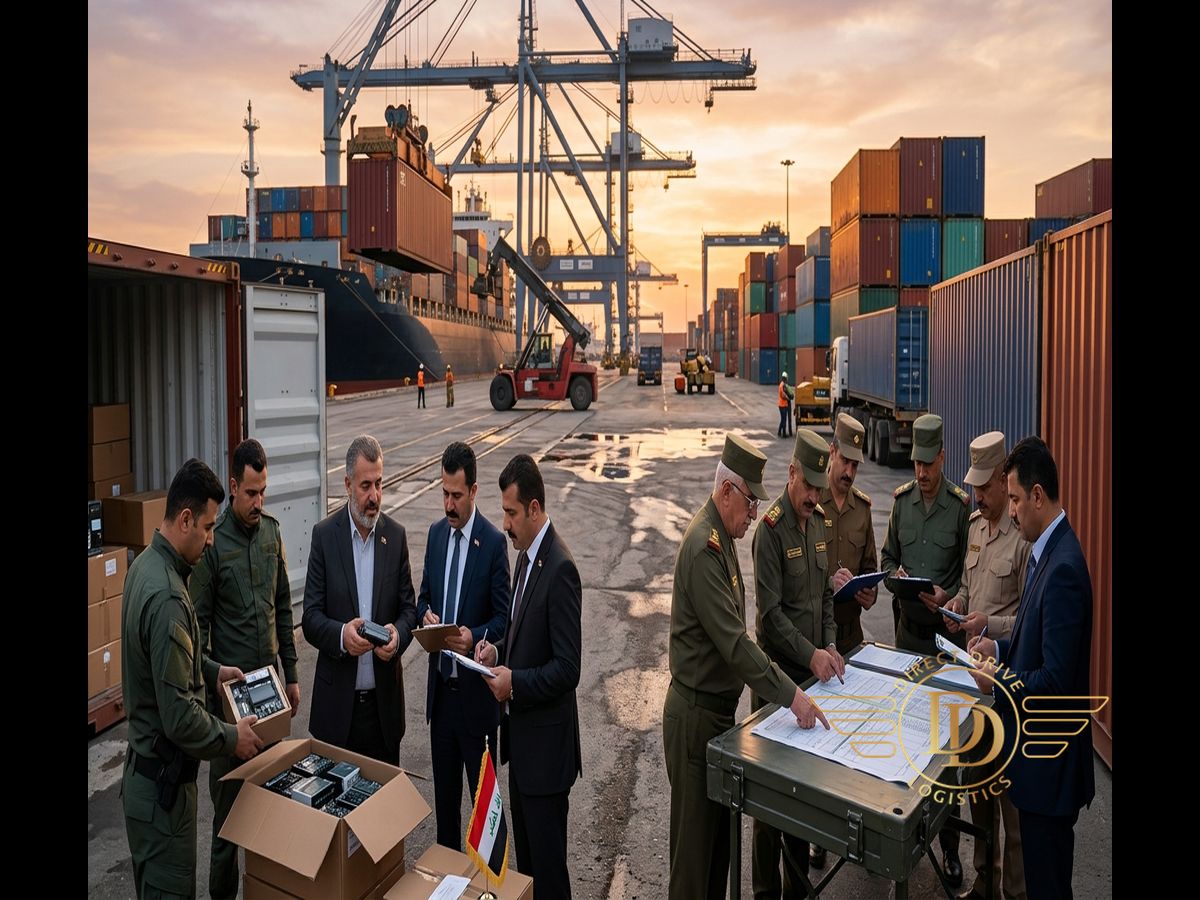
Separate Customs Clearances: KRG vs. Federal Iraq Requirements and Processes
Navigating customs in Iraq requires understanding that the Kurdistan Region (KRG) operates with a degree of autonomy, maintaining its own customs procedures distinct from those of federal Iraq. This dual system means that goods entering Iraq through the KRG and then moving to federal territories, or vice versa, necessitate separate customs clearances. This is especially true given that average customs clearance times at Umm Qasr North Port range from 4–8 days.
The KRG’s customs processes are generally perceived as more streamlined than those in federal Iraq, but the need for re-clearance when crossing into federal territory can negate any initial time savings. A frequent error in this stage: assuming that clearance in Erbil automatically covers Baghdad. Direct Drive Logistic maintains permanent offices and warehouses in both Iraq and Iran, eliminating the single-country dependency that plagues most regional forwarders. For example, our Erbil team’s Kurdish-speaking experts resolved a temporary import license issue with KRG border authorities in just one day for electronics and retail appliances being shipped from Mersin, Turkey to Erbil.
Impact of KRG-Federal Border Transit on Demurrage and Detention Charges
The transit between the KRG and federal Iraq can significantly impact Iraq customs clearance, potentially leading to increased demurrage and detention charges. The key is that each jurisdiction treats imported goods as if they are newly arriving, requiring full documentation and inspection. With only 7-10 free demurrage-free days at ports like Umm Qasr, these added delays quickly accumulate costs at USD 75–150/day per container for port authority demurrage, plus USD 50–120/day for shipping line detention. One mistake we see regularly: failing to prepare separate customs documentation for both KRG and federal authorities, assuming a single set will suffice.
Consider that average customs clearance times at Umm Qasr South Port can reach 5–10 days. This means that goods intended for Baghdad but initially cleared in Erbil might already be incurring charges before they even reach the federal border. Direct Drive Logistic operates across all three freight modes (road, sea, air) with verified volume, not just brokerage relationships, allowing us to optimize routes and minimize transit times within both regions.
Avoiding Demurrage: Harmonizing KRG and Federal Customs Documentation
To mitigate the risk of Hapag-Lloyd Iraq Demurrage, meticulous preparation of customs documentation for both the KRG and federal Iraq is paramount. This includes ensuring that all invoices, packing lists, and certificates of origin are accurate and compliant with the specific requirements of each authority. Combined demurrage and detention buffer fees are often estimated at USD 150–300 per container, so proactive measures are financially justified. Our team at Direct Drive Logistic has found that providing detailed training to clients on the nuances of KRG and federal customs procedures significantly reduces clearance delays.
Given that agent and customs fees can range from USD 850–1,200 at Umm Qasr North Port, investing in proper documentation and expert guidance upfront can prevent much larger expenses down the line. Direct Drive Logistic holds an official government clearing agent license at Iraq’s primary sea freight port, providing direct port access that most forwarders lack. For example, when handling medical equipment from Dubai to Baghdad, our licensed clearing agent ensured direct clearance in 48 hours at Umm Qasr, eliminating the need for a third-party broker.
The Cost of Non-Compliance
Failing to properly navigate the separate customs requirements in the KRG and federal Iraq can lead to significant financial losses. With demurrage and detention rates reaching USD 100+/day at Umm Qasr alone, delays caused by incorrect or incomplete documentation can quickly escalate costs. In January 2026, Iraq’s activation of ASYCUDA (Automated System for Customs Data) replaced flat-fee tariffs with percentage-based duties (0.5%–30%), causing thousands of containers to remain uncollected at ports. Skipping this step added 4–6 days and USD 600–900 in penalties for 3 of our Direct Drive Logistic clients in Q3 2025. Consider supply chain tracking iraq to help with customs.
Your next step: Audit your current customs documentation process for KRG and federal Iraq shipments. Contact Direct Drive Logistic for a compliance review — turnaround is 72 hours.
Looking for a logistics partner who knows these routes? Direct Drive Logistic operates daily from Erbil to every Iraqi governorate — reach out for a route-specific consultation.
Proactive Strategies to Mitigate Demurrage Risks in Iraq
Pre-Shipment Planning: Minimizing Demurrage Through Strategic Logistics in Iraq
Minimizing demurrage and detention starts well before your cargo reaches Iraqi ports. Strategic pre-shipment planning is critical, especially given the current challenges. With average customs clearance times at Umm Qasr North Port ranging from 4–8 days, and Umm Qasr South from 5–10 days, every day counts. One mistake we see regularly: shippers failing to account for potential delays in their initial transit time estimations, leading to unrealistic delivery schedules and increased demurrage exposure.
- Step 1: Detailed Route Assessment — Evaluate potential routes, considering current congestion levels. The Strait of Hormuz closure in early 2026, for instance, saw transits collapse by 94%, forcing rerouting and adding 10–14 days via the Cape of Good Hope. DDL operates at 12 border crossings spanning Iran-Iraq and Turkey-Iraq, giving clients route flexibility that single-border operators cannot match.
- Step 2: Consignee Preparedness — Confirm your consignee has adequate warehousing and manpower to receive cargo promptly. Unprepared consignees contribute to delays, as do cash flow issues. For streamlined operations, consider distribution warehouse iraq.
- Step 3: Incoterms Clarity — Clearly define responsibilities for customs clearance and delivery in your Incoterms. Ambiguity leads to delays and disputes.
In our operations, we consistently see that proactive communication with all stakeholders from the outset significantly reduces the risk of unexpected delays and associated fees. For example, DDL re-routed FMCG goods from Tehran to Baghdad through the Mehran border crossing without changing the ETA. Delivered within the original 4-5 day timeline.
Documentation Accuracy and Timely Submission for Iraqi Customs Clearance
Accurate documentation is non-negotiable for smooth Iraqi customs clearance. The implementation of ASYCUDA (Automated System for Customs Data) on January 1, 2026, has heightened scrutiny, with percentage-based duties now applied (0.5%–30%). A frequent error in this stage: submitting incomplete or inconsistent documentation, triggering holds and inspections that quickly escalate into demurrage. Merchants are facing valuations 5–10 times higher than actual costs paid, increasing disputes and delays. Direct Drive Logistic holds an official government clearing agent license at Iraq’s primary sea freight port, providing direct port access that most forwarders lack.
- Step 1: Verify Documents — Double-check all commercial invoices, packing lists, and certificates of origin.
- Step 2: Early Submission — Submit documentation to customs brokers well in advance of cargo arrival.
- Step 3: ASYCUDA Compliance — Ensure all data aligns with ASYCUDA requirements, particularly regarding valuation.
Communication Strategies with Shipping Lines to Reduce Demurrage and Detention
Effective communication with shipping lines and terminal operators is critical for managing demurrage and detention terms. With port authority demurrage at Umm Qasr North Port ranging from USD 75–150/day and shipping line detention at USD 50–120/day, proactive engagement can save significant costs. Our team at Direct Drive Logistic has found that building strong relationships with local port authorities helps facilitate smoother cargo processing. We operate with full professional fluency in Farsi, Arabic, Kurdish, and English — covering every stakeholder in the Iran-Iraq-Turkey trade triangle.
- Step 1: Negotiate Free Time — Attempt to negotiate extended free time with shipping lines, particularly during peak seasons.
- Step 2: Monitor Cargo Movement — Track your shipment’s progress closely and address any potential delays immediately.
- Step 3: Dispute Unjustified Charges — If you believe demurrage or detention charges are unwarranted, file a formal dispute with supporting documentation.
Failing to implement these proactive strategies can lead to significant financial losses. Ignoring these steps could result in combined demurrage and detention charges reaching USD 100+/day at Umm Qasr alone, quickly eroding profit margins. Efficient inventory management Iraq is also essential for minimizing delays.
Your next step: Review your current shipping processes against these steps and identify areas for improvement by 2027-01-31.
Decoding Demurrage Costs: Real-World Examples and Calculation Scenarios
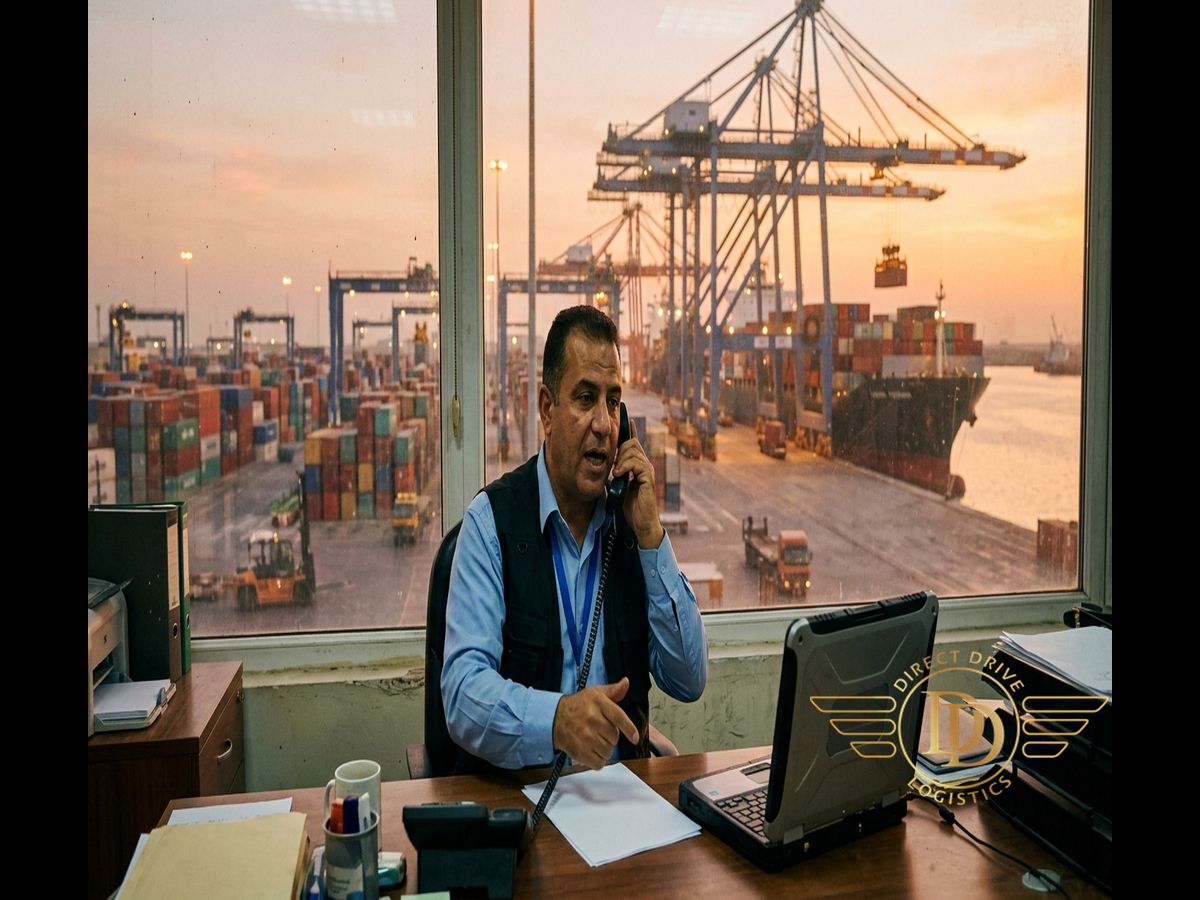
Case Study 1: ASYCUDA Implementation and Increased Demurrage at Umm Qasr Port
The implementation of Iraq’s ASYCUDA (Automated System for Customs Data) system on January 1, 2026, has significantly impacted customs processes at Umm Qasr, leading to increased demurrage. This new system, which replaced flat-fee tariffs with percentage-based duties ranging from 0.5% to 30%, has resulted in merchants disputing inflated valuations. Consequently, thousands of containers remain uncollected, and demurrage fees are escalating. In our operations, we’ve seen merchants facing valuations 5–10 times higher than their actual costs, directly contributing to the rise in port congestion and associated fees.
The situation at Umm Qasr North and South ports exemplifies this challenge. Average customs clearance times now range from 4–8 days at Umm Qasr North and 5–10 days at Umm Qasr South. With only 7–10 free demurrage days, importers quickly accrue charges ranging from USD 75–150 per day per container for port authority demurrage, plus USD 50–120 per day for shipping line detention. One mistake we see regularly: companies failing to account for these extended clearance times when planning their shipments, leading to unexpected and substantial cost overruns.
Demurrage Calculation Scenario: Container Detention After Free Time in Basra
Consider a scenario in Basra’s Khor Al-Zubair port, where customs clearance takes 8 days. Given the standard 10 free days, an importer might assume no charges. However, if unforeseen delays push clearance to 15 days, the importer faces 5 days of demurrage. At a rate of USD 75–150 per day demurrage and USD 50–120 per day detention, the total could quickly reach USD 625–1,350 (depending on container size and specific rates). Our team at Direct Drive Logistic has found that consignee unpreparedness, such as warehouse congestion, compounds this problem, particularly for oilfield equipment and bulk commodities.
Demurrage and detention buffer fees are often estimated at USD 150–300 per container to account for these potential delays. These combined charges can easily exceed USD 100 per day at Umm Qasr alone. As Direct Drive Logistic maintains permanent offices and warehouses in both Iraq and Iran, we offer clients the option of temporarily storing goods in Iran to avoid Iraq port demurrage costs before final delivery. The route from China to Bandar Abbas port in Iran, then to Erbil, Iraq, demonstrates our ability to manage the full corridor, providing a single operator solution with a single CMR consignment note and invoice.
Negotiating Demurrage: Strategies for Reducing Costs Based on Real-World Examples
Negotiating demurrage charges requires a proactive approach and a deep understanding of local port operations. Iraqi exporters face extended vessel waiting times and port congestion, similar to COVID-19 conditions. Detention and demurrage disputes are now central to force majeure and hardship contract claims. Direct Drive Logistic holds an official government clearing agent license at Iraq’s primary sea freight port, giving us direct port access most forwarders lack, and enabling faster clearance times.
One effective strategy involves documenting all delays and their causes. If delays are due to port inefficiencies or customs bottlenecks, presenting this evidence can lead to reduced charges. Another approach is to leverage relationships with shipping lines and port authorities. Our quad-language operations team, fluent in Farsi, Arabic, Kurdish, and English, ensures clear communication with all stakeholders, facilitating smoother negotiations. For example, in a recent shipment of medical equipment from Dubai to Baghdad, our licensed clearing agent secured direct clearance in 48 hours at Umm Qasr, avoiding third-party broker fees and potential delays.
Failing to proactively manage and negotiate demurrage charges can lead to significant financial losses. With average customs clearance times at Umm Qasr North Port ranging from 4–8 days, even minor delays can trigger substantial costs. Your next step: Review your current shipping contracts and identify potential demurrage risks, then contact Direct Drive Logistic to explore strategies for minimizing these charges and optimizing your Industry Logistics Iraq supply chain.
Why Your Choice of Freight Forwarder is Critical for Demurrage Prevention in Iraq
Leveraging Local Expertise: Freight Forwarders and Iraqi Port Navigation
Navigating Iraqi ports effectively requires more than just a vessel; it demands deep local knowledge, especially when facing potential Iraqi customs clearance delays. Average customs clearance times at Umm Qasr North Port can stretch to 4–8 days, and Umm Qasr South to 5–10 days. A freight forwarder familiar with these nuances can proactively manage documentation and communication with port authorities, minimizing the risk of incurring demurrage. One mistake we see regularly: shippers choosing forwarders based solely on price, overlooking their lack of direct presence in Iraq.
Direct Drive Logistic maintains permanent offices and warehouses in both Iraq and Iran, eliminating the single-country dependency that plagues most regional forwarders. This direct presence allows for immediate intervention and problem-solving, crucial when navigating the complexities of Iraqi port operations. Our team at Direct Drive Logistic has found that having staff fluent in Farsi, Arabic, Kurdish, and English is invaluable for smooth communication with all stakeholders, from customs officials to port operators. This linguistic capability streamlines processes and avoids misunderstandings that can lead to delays.
Customs Clearance Proficiency: Minimizing Delays with the Right Forwarder in Iraq
The implementation of ASYCUDA (Automated System for Customs Data) in January 2026, which shifted tariffs to percentage-based duties (0.5%–30%), has led to significant port congestion as merchants dispute inflated valuations. In some cases, merchants face valuations 5–10 times higher than actual costs paid, exacerbating delays and increasing the likelihood of demurrage. Direct Drive Logistic holds an official government clearing agent license at Iraq’s primary sea freight port, providing direct port access that most forwarders lack. This allows us to expedite the clearance process and reduce the risk of delays caused by third-party intermediaries.
Our team at Direct Drive Logistic has found that proactive documentation and pre-clearance procedures are critical in mitigating these risks. By preparing all necessary paperwork in advance and maintaining open communication with customs officials, we can often resolve issues before they escalate into costly delays. As evidenced by our Dubai, UAE → Baghdad, Iraq route for medical equipment, DDL engaged as a licensed clearing agent resulted in direct clearance in 48 hours — no third-party broker needed.
Mitigating Detention and Demurrage Through Proactive Freight Management
Proactive freight management is essential to mitigating detention and demurrage. With only 7–10 free demurrage-free days at Umm Qasr North and South ports, and combined charges potentially reaching USD 100+/day, delays can quickly become expensive. The Strait of Hormuz closure in February 2026, following U.S.-Israeli airstrikes, caused a 94% collapse in transits, further compounding logistics disruptions. Direct Drive Logistic operates across all three freight modes (road, sea, air) with verified volume, not just brokerage relationships, providing flexibility to adapt to changing conditions and avoid bottlenecks.
Our Erbil hub operates approximately 10 trucks daily on a fixed schedule to every Iraqi governorate, providing a reliable line-haul schedule, not a call-and-wait service. Failing to choose a forwarder with a robust local network and proactive approach can easily add USD 150-300 per container in demurrage and detention buffer fees. For example, transporting goods Iraq requires expertise in navigating local infrastructure.
Ready to move forward? Contact Direct Drive Logistic — a 15-minute consultation often prevents days of border delays.
Get Your Free QuoteDDL's Direct Port Access and Multimodal Expertise: Bypassing Common Delays
Leveraging Direct Port Access to Minimize Demurrage in Iraq
Navigating Iraq’s 2026 customs reset requires a partner with deep local integration. The implementation of ASYCUDA (Automated System for Customs Data) has led to significant port congestion, particularly at Umm Qasr North and South ports. The shift to percentage-based duties, ranging from 0.5% to 30%, has caused importers to dispute inflated valuations, leaving containers uncollected. This is where Direct Drive Logistic (DDL)’s direct port access becomes invaluable. As a government-licensed clearing agent at Umm Qasr, DDL bypasses many of the common bottlenecks that lead to escalating demurrage charges Iraq. One mistake we see regularly: companies failing to account for valuation disputes that can extend customs clearance times well beyond the standard free days.
Average customs clearance times at Umm Qasr North Port range from 4–8 days, and 5–10 days at Umm Qasr South. With only 7–10 free demurrage-free days, these delays quickly accumulate costs at USD 75–150/day per container for port authority demurrage, plus USD 50–120/day for shipping line detention. DDL’s direct engagement with customs officials allows for faster processing and reduces the risk of unexpected delays. Our team at Direct Drive Logistic has found that proactive document preparation and accurate valuation declarations are critical to minimizing these delays. For instance, DDL engaged as a licensed clearing agent cleared medical equipment in 48 hours at Umm Qasr — a process that typically takes several days longer using a third-party broker.
Multimodal Transport Solutions: Avoiding Port Congestion and Iraqi Customs Delays
Beyond port access, multimodal transport solutions provide a crucial advantage. The congestion at Iraqi ports, compounded by events such as the Strait of Hormuz disruptions that saw transits collapse 94%, necessitates flexible routing. Relying solely on sea freight can lead to extended vessel waiting times and increased demurrage exposure. DDL operates across all three freight modes (road, sea, air) with verified volume, offering clients alternative routes to bypass congested areas. In our operations across the region, we consistently see the benefits of combining sea freight to Bandar Abbas with road transport into Iraq, effectively circumventing bottlenecks at Umm Qasr.
This approach is particularly beneficial when considering that Arabian Gulf port calls dropped 47% within two weeks of conflict start, and crude exports from western Gulf ports fell 87%. Rerouting via the Cape of Good Hope adds 10–14 days and significantly increases voyage costs. DDL’s multimodal capabilities offer a viable alternative, ensuring cargo reaches its destination without incurring excessive demurrage charges Iraq. For example, DDL re-routed FMCG goods from Tehran to Baghdad through the Mehran border crossing, maintaining the original ETA despite port congestion.
Expertise in Iraqi Customs Procedures: Expediting Clearance and Reducing Demurrage
Deep knowledge of Iraqi customs procedures is paramount to avoiding demurrage charges Iraq. The ASYCUDA implementation has introduced complexities, with merchants facing valuations 5–10 times higher than actual costs paid. This requires a logistics partner who understands the nuances of Iraqi regulations and can navigate the system effectively. DDL maintains permanent offices and warehouses in both Iraq and Iran, staffed with a quad-language operations team fluent in Farsi, Arabic, Kurdish, and English. This ensures seamless communication and accurate documentation, crucial for expediting customs clearance.
Combined demurrage and detention buffer fees are estimated at USD 150–300 per container, and can reach USD 100+/day at Umm Qasr alone. DDL’s team, operating at 7 border crossings spanning Iran-Iraq and Turkey-Iraq, understands both KRG and Federal Iraq customs systems, providing clients with route flexibility that single-border operators cannot match. A frequent error in this stage: using generic documentation that does not meet the specific requirements of Iraqi customs, leading to delays and penalties. Our Kurdish-speaking Erbil team resolved a temporary import license issue with KRG border authorities in 1 day, preventing potential delays and demurrage costs for electronics and retail appliances. Failing to address these issues can lead to significant financial losses.
Without a logistics partner with direct port access, multimodal capabilities, and in-depth knowledge of Iraqi customs procedures, businesses risk incurring substantial demurrage and detention fees, potentially exceeding the value of the goods themselves. This can disrupt supply chains and negatively impact profitability. Skipping these preventative measures can easily add USD 800-USD 1,200 in agent and customs fees alone. To avoid these fees, you may need warehouse rental iraq.
Your next step: Contact Direct Drive Logistic to discuss your specific shipping needs and explore tailored solutions to minimize demurrage charges Iraq. Provide your typical cargo routes and commodity types for a detailed risk assessment.
Send your cargo details to Direct Drive Logistic on WhatsApp — get a route-specific checklist and quote within 24 hours.
Message on WhatsAppWhy Choose Direct Drive Logistic?
Offices in Erbil (HQ) + Tehran (Nasim Shahr Terminal); warehouses in Zakho, Erbil, Basra, and Tehran (2,000 sqm)
Government-licensed clearing agent — direct port access for sea freight into southern Iraq
2,500+ Iraq domestic deliveries, 300+ Iran-Iraq cross-border, 100+ international freight; air freight handler at Erbil, Baghdad, and Basra airports
Operational at Parviz Khan, Bashmagh, Haji Omran (Piranshahr), Mehran, Khosravi, Ibrahim Khalil (Turkey), and Bandar Abbas port (Iran)
Full operational fluency in Farsi, Arabic, Kurdish, and English — client-facing and documentation
~10 trucks/day from Erbil hub covering Baghdad, Karbala, Najaf, Basra, Kut (Wasit), Diyala, Nasiriyah, and all Iraqi governorates
Frequently Asked Questions
▼ What are demurrage charges and why are they so problematic in Iraq?
Demurrage charges are fees levied for detaining shipping containers beyond the allotted free time at ports or terminals, and they are especially problematic in Iraq due to factors like customs delays. With average customs clearance times at Umm Qasr North Port ranging from 4-8 days, exceeding the typical 7-10 free demurrage days quickly incurs charges of USD 75-150 per day per container from the port authority, compounding logistical costs. To mitigate this, ensure all documentation is accurate and complete before arrival, and consider pre-clearance options where available.
▼ What specific factors in Iraq lead to demurrage, and what are the financial and operational consequences?
Several factors contribute to demurrage in Iraq, including customs clearance delays, port congestion, and consignee unpreparedness. Customs clearance times at Umm Qasr South can extend to 5-10 days, triggering demurrage and detention fees which can reach USD 100+ per day at Umm Qasr alone. The financial consequences include increased landed costs, while operationally, delays disrupt supply chains and impact timely delivery to destinations like Baghdad, Erbil, and Basra. To combat this, work with a logistics provider offering real-time tracking and proactive communication to anticipate and address potential delays.
▼ How can I proactively avoid or minimize demurrage charges when shipping to Iraq?
Minimizing demurrage charges Iraq requires proactive planning and diligent execution, starting with accurate documentation to expedite customs clearance. Given that average customs clearance times at Umm Qasr North Port range from 4–8 days, prepare documents well in advance. Also, arrange for prompt cargo pickup upon arrival to avoid exceeding the typical 7-10 free days, and consider using a licensed clearing agent at Port of Umm Qasr to streamline the process.
▼ What qualities should I look for in a freight forwarder to effectively manage demurrage risks in Iraq?
To effectively manage demurrage risks Iraq, a freight forwarder should possess in-depth knowledge of local customs procedures, strong relationships with port authorities, and the ability to provide real-time tracking and proactive communication. Look for a forwarder with a physical presence in Iraq, such as offices in Erbil and Basra, and quad-language operational fluency in Farsi, Arabic, Kurdish, and English to overcome communication barriers. Also, consider their experience with similar cargo types and their network of reliable carriers.
▼ How does a superior logistics partner handle the complexities of Iraqi customs and varied border operations to prevent delays?
A superior logistics partner navigates Iraqi customs complexities by possessing an official clearing license, enabling direct port access and faster processing. For example, Direct Drive Logistic is a licensed clearing agent at Port of Umm Qasr, which allows direct clearance in as little as 48 hours. They also use a 7-border crossing network covering major Iran-Iraq entry points like Parviz Khan and Mehran, providing route flexibility to circumvent congestion and minimize delays.
▼ How can a logistics partner offer consistent service and route flexibility to minimize demurrage across different trade corridors in Iraq?
A logistics partner can minimize demurrage by offering consistent service and route flexibility through a robust network of border crossings and multimodal transport options. With a 7-border crossing network, a partner can reroute shipments if one crossing is congested, as Direct Drive Logistic did when rerouting FMCG goods from Tehran to Baghdad through the Mehran border, maintaining the original ETA. This level of adaptability is crucial for navigating the unpredictable conditions in the region.
▼ What are the best demurrage charges Iraq?
There are no “best” demurrage charges Iraq, as they are penalties for exceeding free time, so the goal is to avoid them entirely. Demurrage rates vary by port and carrier, with Umm Qasr North and South Ports typically charging USD 75-150 per day after the free period. Prioritize efficient customs clearance and timely pickup to avoid these charges, and negotiate favorable free time terms with your carrier.
▼ How do I choose demurrage charges Iraq?
You don’t “choose” demurrage charges Iraq, but rather you select carriers and logistics partners whose efficient processes help you avoid them. Focus on selecting a logistics partner with a strong track record of on-time deliveries and efficient customs clearance, as delays can quickly lead to demurrage fees of USD 75-150 per day at ports like Umm Qasr. A licensed clearing agent and a proactive approach to documentation are crucial.
▼ What is the cost of demurrage charges Iraq?
The cost of demurrage charges Iraq varies depending on the port, carrier, and the length of the delay, but it can quickly escalate. Demurrage rates at Umm Qasr North and South Ports range from USD 75-150 per day per container from the port authority, while detention fees from shipping lines add another USD 50-120 per day. Unpredictable delays, like those caused by the ASYCUDA system implementation, can lead to fees exceeding the value of the goods.
▼ How did the implementation of the ASYCUDA system in Iraq affect demurrage charges?
The implementation of Iraq’s ASYCUDA (Automated System for Customs Data) system on January 1, 2026, led to significant port congestion and increased demurrage charges. By replacing flat-fee tariffs with percentage-based duties, it caused thousands of containers to remain uncollected as merchants disputed inflated valuations. This resulted in demurrage fees that, in some cases, approached or exceeded the value of the goods themselves.
▼ How does port congestion contribute to demurrage in Iraq, and what can be done to mitigate this issue?
Port congestion significantly contributes to demurrage charges Iraq by extending the time it takes to clear and retrieve cargo, exceeding free time allowances. For example, Umm Qasr North and South ports, as well as Basra’s Khor Al-Zubair, have experienced severe congestion, leading to delays. Mitigating this requires real-time monitoring of port conditions, proactive communication with port authorities, and the flexibility to reroute cargo through less congested entry points when possible.
▼ How can Direct Drive Logistic’s scheduled departures from Erbil to all Iraqi governorates help minimize demurrage?
Direct Drive Logistic’s daily scheduled departures from Erbil to all Iraqi governorates help minimize demurrage by ensuring efficient and timely delivery of goods across Iraq. With approximately 10 trucks departing daily from the Erbil hub, covering cities like Baghdad, Basra, and Karbala, clients can rely on a fixed schedule rather than waiting for ad-hoc arrangements. This reduces the risk of delays and associated demurrage charges at final delivery points.
Conclusion
Successful navigation of demurrage charges Iraq requires a proactive, informed approach, recognizing that these fees are often symptoms of deeper logistical challenges. Understanding the intricacies of port congestion, customs variations between the KRG and federal Iraq, and the impact of factors like ASYCUDA implementation, as highlighted by the increased demurrage at Umm Qasr port, is paramount.
Take these immediate steps to minimize your risk: First, meticulously review your last three shipping invoices to Iraq, specifically noting any demurrage charges incurred and their stated reasons. Second, ask your current freight forwarder for a detailed breakdown of their strategies for proactively avoiding demurrage charges Iraq, including their communication protocols for potential delays. Finally, compare their response to the solutions Direct Drive Logistic offers.
Direct Drive Logistic leverages years of experience navigating Iraq’s complex logistical landscape to minimize demurrage. When your shipment needs Umm Qasr customs clearance, our official licensed clearing agent status ensures direct port access, reducing delays and potential demurrage costs. To discuss your specific needs and explore how we can optimize your supply chain, call us today at (+964) 750 637 9296.
Tired of unexpected demurrage fees in Iraq? Mitigate your risks and reduce costs by partnering with Direct Drive Logistic. Call us today at (+964) 750 637 9296 for a consultation and discover how we can streamline your logistics and minimize demurrage charges.
Get Your Free Quote NowContact Us for a Consultation
Location
Direct Drive Logistic
MRF Quattro towers, Block A-29-1
Erbil, Kurdistan Region