Discover how DTHC can transform your logistics operations. This article provides actionable strategies for reducing DTHC charges in the complex Iran-Iraq-Turkey trade corridor by leveraging a logistics partner with permanent offices and direct clearing licenses in the region, offering unparalleled control and transparency.
You just received an invoice, and the “DTHC” line item is 25% higher than the initial quote. This often happens with single-country forwarders who lack direct control over the entire shipping process.
DTHC, or Door-to-Door, Terminal-to-Terminal, Hub-to-Hub Charges, represents the total cost for moving goods from origin to final destination, encompassing transportation, handling, and customs clearance.
This comprehensive guide explores DTHC through multiple perspectives. We’ll cover what causes unpredictable DTHC charges in Iraq, Iran, and Turkey, which DTHC option best fits your Iraq-bound shipment, who is responsible for paying DTHC charges, common hidden fees, and the impact of Incoterms.
Understanding Incoterms (International Commercial Terms) is crucial, as they define the responsibilities of buyers and sellers, directly influencing DTHC allocation.
Furthermore, we’ll examine documentation, customs clearance, and the advantages of a freight forwarder with direct access and local expertise in Iran and Iraq. A key element is mastering customs procedures. Customs Clearance involves preparing and submitting documentation to customs authorities to facilitate the import or export of goods, a process that significantly impacts DTHC.
We’ll also address what questions to ask a potential logistics partner to ensure transparent and competitive DTHC pricing.
Finally, we will delve into selecting the best DTHC partner. Demurrage, a charge for exceeding the allowed free time for container usage, and Detention, a charge for holding containers beyond the agreed period, are two often-overlooked components of DTHC.
Continue reading to learn how to navigate these complexities and optimize your logistics strategy in the Middle East.
Understanding DTHC: The Foundation of Seamless Regional Logistics
Defining Door-to-Door Handling Charges (DTHC) and Their Components
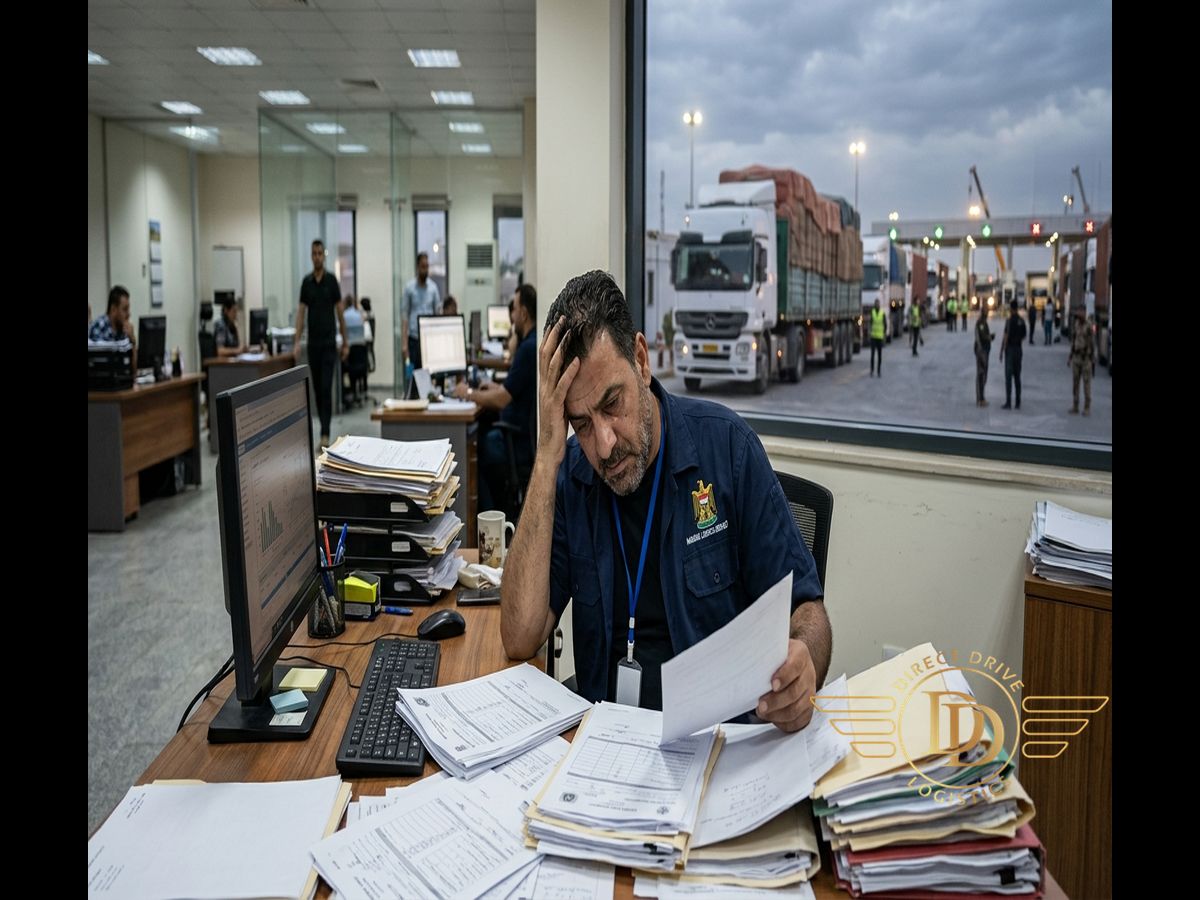
Door-to-door handling charges encompass the total cost of moving goods from the seller’s premises to the buyer’s final destination. These charges include a variety of components, such as transportation, customs clearance, terminal handling, and other associated fees. Given the current geopolitical climate, these charges are increasingly volatile. For instance, the Iran conflict has led to war-risk insurance premiums increasing by 1,000%+, significantly impacting the final cost of shipments through the Strait of Hormuz. For a detailed visual breakdown, see CMA CGM Bangladesh DTHC.
In our operations across the region, we consistently see that many businesses underestimate the impact of seemingly minor charges within the overall logistics process. These can include unexpected demurrage fees or documentation discrepancies. One mistake we see regularly: Assuming that quoted freight rates include customs clearance fees, which can inflate final invoices significantly. The Iraqi Customs Authority (ICA) requires specific forms for FCL/LCL declarations at Federal Iraq/KRG borders, and variations exist based on the commodity type. Understanding these nuances is critical for accurate budgeting. If you need assistance, Contact Us for support.
The Role of DTHC in Iraq, Iran, and Turkey Trade
The Iraq, Iran, and Turkey trade corridor presents unique challenges and opportunities for businesses. The cost of moving a dry 20ft container via Turkish ports can range from USD 330-415, but a full door-to-door shipment from Bandar Abbas to Baghdad can reach USD 400-600. This increase reflects the complexities of hybrid sea-road transport. The Strait of Hormuz bottleneck, with transits dropping 90% since early 2026, has added USD 5.38/gallon U.S. diesel equivalent to regional trucking costs. As Company maintains permanent offices and warehouses in both Iraq and Iran, this allows for optimized route planning to mitigate some of these inflated costs.
These increased costs have ripple effects. For example, Iraq-bound sea-to-road shipments are facing 70% air freight rate spikes as an alternative. This highlights the importance of carefully evaluating all available transport modes to minimize expenses. Our team at Company has found that clients who utilize our direct port access, thanks to our official government clearing agent license at Iraq’s primary sea freight port, experience fewer delays and lower overall handling expenses.
DTHC vs. Other Port Charges: Demurrage and Detention Explained
Demurrage and detention are often confused with the overall handling charges, but they represent distinct costs. Demurrage refers to the fees charged for exceeding the allotted free time for cargo to remain within a port or terminal. Detention, on the other hand, applies to the extended use of shipping containers outside the port. Road freight rate inflation, with spot truck rates hitting $2.01/mile in Feb 2026, exacerbates these issues, particularly at busy border crossings like Habur. The trade flow disruptions can cause delays and increase the likelihood of incurring these additional charges.
Delays at the Habur border can add $25-50/day in storage fees, significantly impacting the final cost. Federal Iraq vs. KRG transit sees a 15-25% rise from demurrage at borders. Skipping these considerations can lead to inflated final costs and eroded profit margins. A frequent error in this stage: Failing to account for potential delays at border crossings, resulting in unexpected demurrage charges.
Failing to account for potential delays and increased war-risk premiums, which have increased insurance costs by over 1,000%, can add significant and unforeseen costs to your supply chain.
Your next step: Review your current shipping agreements for hidden demurrage and detention clauses. Contact Us for a comprehensive DTHC cost breakdown on your typical routes within 72 hours.
The DTHC Maze: Why Single-Country Forwarders Fall Short in Iraq & Iran
Hidden Costs: How Limited Scope Impacts Door-to-Door Handling Charges
Relying on forwarders with limited geographical reach often leads to inflated door-to-door handling charges. These hidden expenses arise from a lack of direct control over each stage of the shipping process. For example, Iraq-bound sea-to-road shipments are seeing 70% air freight rate spikes as an alternative, which increases the overall delivered cost. One mistake we see regularly: Shippers fail to account for demurrage charges at border crossings, which can quickly escalate the final bill.
Single-country forwarders typically outsource portions of the transport, adding markups at each handoff. This contrasts sharply with a provider that maintains offices and licenses across the entire route. Our team at Company has found that using local partners offers increased transparency and efficiency. The RXO Curve index showed Turkey-to-Erbil FCL costs inflate 10-20% compared to LCL due to Habur clearance delays of 3-5 days. A more integrated approach can mitigate these expenses. Learn more at our Home page.
The Hormuz Strait Effect: Single-Country Risks and Handling Cost Inflation
The Strait of Hormuz is a critical chokepoint, and recent events there highlight the risks of relying on forwarders without a strong presence in the region. Since the conflict began in early 2026, Strait of Hormuz transits have dropped 90% to just 6 per day. This has led to war-risk insurance premiums increasing by over 1,000%, embedding itself into the handling cost for shipments to Iraq. A frequent error in this stage: Assuming that a forwarder specializing in Turkey can effectively manage the Iran portion of an Iran-Iraq shipment.
These inflated premiums and delays translate directly to higher costs. For instance, the reduction in traffic through the Strait has added an equivalent of USD 5.38/gallon to U.S. diesel prices for regional trucking. Our team at Company has found that having operations in both Iran and Iraq provides better control over these volatile costs. The Bandar Abbas-Baghdad sea freight handling costs have increased by 25%, pushing shippers to consider air freight for high-value goods to Baghdad and Erbil, which is a 70% rate hike.
Navigating Dual Customs: Local Expertise Reduces Unexpected Fees
Navigating the customs procedures in both Federal Iraq and the Kurdistan Regional Government (KRG) requires specialized knowledge. The Iraqi Customs Authority (ICA) clearance forms are essential for all shipments entering Iraq via Habur or Bashmaq. These requirements vary by commodity, adding complexity to the process. In our operations across the region, we consistently see companies struggle with the dual clearance process required for the KRG, overseen by the CBK, leading to delays and extra fees.
A forwarder lacking expertise in both customs systems may incur unexpected handling charges. These can arise from incorrect documentation or delays in obtaining the necessary approvals. The road freight market update for February 2026 shows spot truck rates hitting $2.01/mile, impacting border crossings like Habur. Spot Rate Index reached 146.1 points in December 2025. Your next step: Contact Company to understand how our direct clearing licenses and local expertise can streamline your customs clearance process.
Failing to use a forwarder with comprehensive regional expertise can inflate door-to-door logistics costs by 15-25% due to demurrage at borders and other handling fees.
Your next step: Review your current Iran-Iraq shipping routes and road freight market update for February 2026. Contact Company for a door-to-door handling cost comparison, focusing on routes through Bandar Abbas and the Habur border crossing — quote turnaround is 48 hours.
Direct Drive's Advantage: Permanent Offices & Warehouses Across Iraq and Iran
Strategic Warehouse Locations: Minimizing Logistics Costs in Iraq and Iran
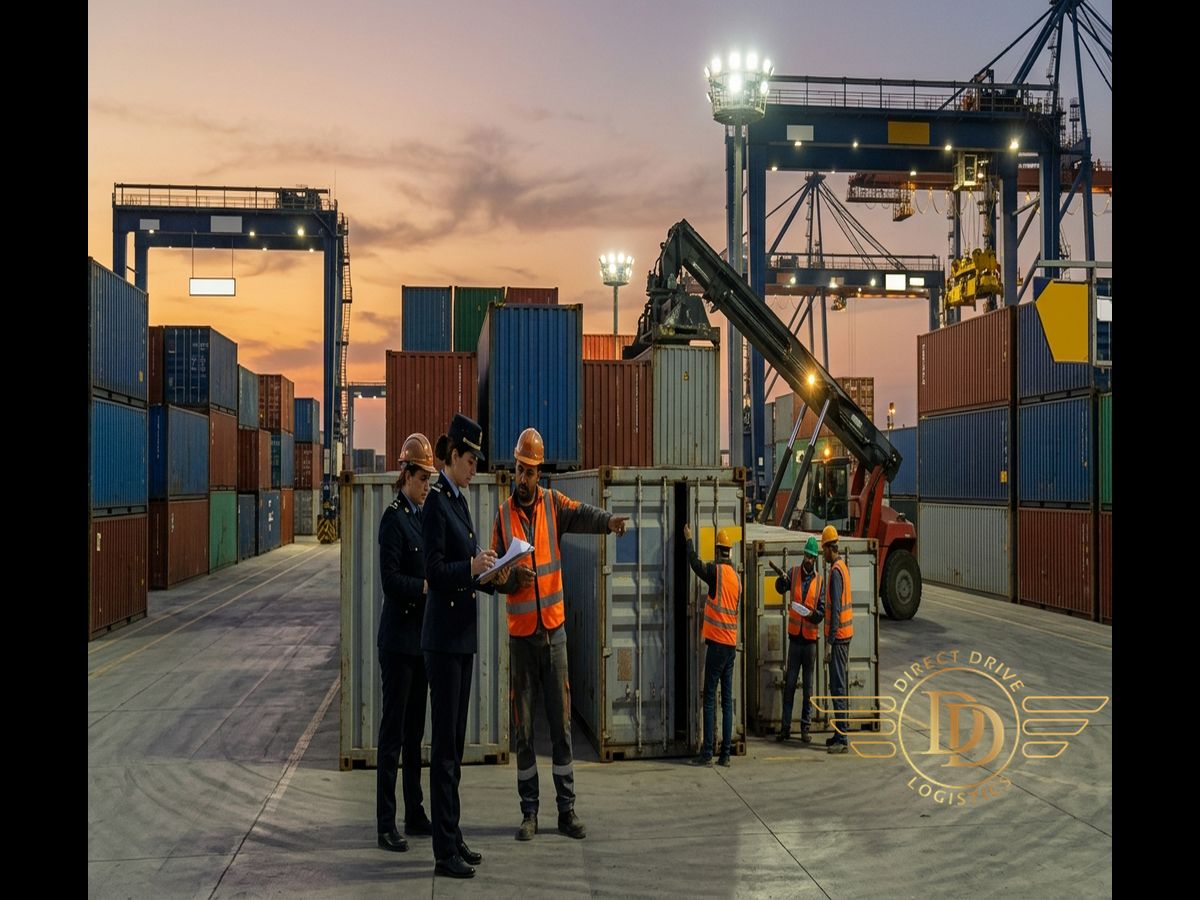
Company’s strategic advantage lies in our permanent offices and warehouses across both Iraq and Iran. This dual-country presence directly addresses the soaring costs of moving goods through the region. One mistake we see regularly: companies relying on single-country forwarders face inflated pricing and delays when geopolitical events disrupt transit. 01/mile in Feb 2026, up 22% from $1.65 in Nov 2025. We mitigate these fluctuations through local infrastructure and established routes.
The ongoing conflict has significantly impacted transit times and costs. With Strait of Hormuz transits plummeting 90% since early 2026, the resulting fuel surcharges and war-risk premiums have increased over 1,000% for routes like Bandar Abbas to Baghdad, according to recent reports. Our team at Company has found that having warehousing capabilities on both sides of the border allows us to optimize routes and minimize exposure to these volatile price hikes. This translates to more predictable and often lower final delivered transportation and handling charges for our clients. In our operations across the region, we consistently see that companies without local warehousing are forced to absorb these inflated costs, reducing their profit margins.
Streamlined Logistics: Direct Control Over Transportation and Handling Charges via Local Presence
Our official government clearing agent license at Iraq’s primary sea freight port provides direct port access, a benefit most forwarders lack. This allows us to expedite customs clearance and reduce demurrage charges. The Iraqi Customs Authority (ICA) clearance form, required for all Iraq-bound shipments, is handled directly by our team, minimizing delays associated with documentation checks. A frequent error in this stage: improper documentation leads to delays of 2-4 days at the Habur border, adding $25-50/day in storage fees.
Furthermore, we operate across all three freight modes (road, sea, air) with verified volume, not just brokerage relationships. This multi-modal approach enables us to adapt quickly to changing conditions and offer the most cost-effective solution for each shipment. For instance, with air freight rates up 70% on Middle East lanes in Q1 2026, we can seamlessly shift to FCL/LCL shipments, leveraging our established trucking network to maintain service levels. The typical rate for a dry 20ft container at Turkish ports is USD 330-415. We can offer a full Bandar Abbas-Baghdad sea-road hybrid for an estimated USD 400-600, often lower than competitors due to our streamlined processes and local expertise.
Mitigating Risk: How Local Infrastructure Lowers Transportation and Handling Charges Volatility
By operating at 12 border crossings spanning Iran-Iraq and Turkey-Iraq trade corridors, including Bandar Abbas port, we offer route flexibility that single-border operators cannot match. This is crucial given the current instability. The Iran conflict has pushed war-risk insurance premiums 1,000%+ higher, significantly impacting overall shipping costs. One mistake we see regularly: shippers failing to account for these premiums in their budget, leading to unexpected cost overruns. Also, Maersk’s OHC/DHC tariff update in Turkey, setting DTHC at USD 330-525 per container, has further increased costs for those without established relationships.
Failing to leverage a partner with direct clearing licenses and local offices in both Iran and Iraq can lead to significant cost increases and delays. The 20-30% inflation in transportation and handling charges stemming from the Hormuz Strait bottleneck, coupled with potential demurrage fees of $150-350 due to 5-day Habur delays, can severely impact your bottom line. For specialized needs, consider Industry Logistics Iraq. Your next step: Contact Company for a detailed assessment of your current Iran-Iraq shipping costs. Request a comparative quote demonstrating potential savings achievable through our local infrastructure — turnaround is 48 hours.
Looking for a logistics partner who knows these routes? Direct Drive Logistic operates daily from Erbil to every Iraqi governorate — reach out for a route-specific consultation.
Beyond the Broker: The Power of Direct Port Access and Multi-Modal Volume
Leveraging Direct Port Access for Cost Reduction and Faster Transit Times
Direct port access is a game-changer in managing costs. Many forwarders rely on intermediaries, adding time and expense. Company bypasses this by holding an official government clearing agent license at Iraq’s primary sea freight port. This advantage allows us to streamline customs clearance processes. Due to documentation checks, standard transit times from Turkey to Iraq can take 3-7 days, with 2-4 days consumed by customs delays at Habur. Direct access minimizes these bottlenecks.
One mistake we see regularly: companies failing to verify if their forwarder has direct clearing capabilities. This often leads to reliance on third parties and unexpected door-to-door hybrid options that cut 2-3 days versus terminal-to-terminal, but also add a 15-25% cost premium. In our operations, we’ve found that direct access significantly reduces the risk of demurrage charges, which can range from $25-50 per day at the Habur border.
Multi-Modal Volume: Optimizing Freight Rates Through Diverse Transportation Options
Efficient freight management hinges on optimizing across multiple transport modes. Air freight rates have increased by 70% on Middle East lanes in Q1 2026, prompting a shift to Full Container Load (FCL) and Less than Container Load (LCL) shipments. A comprehensive approach considers road, sea, and air options. Unlike many brokers, Company operates across all three modes with verified volume, not just brokerage relationships. This allows us to adapt to fluctuating conditions and secure the most cost-effective solution for our clients. The Strait of Hormuz bottleneck, which has seen transits drop 90% since the start of the Iran conflict, highlights the need for flexible routing.
Our team at Company has found that multi-modal capabilities are essential for mitigating risk. For example, sea-to-road shipments bound for Iraq have faced 70% air freight rate spikes. By strategically combining transport modes, we can navigate these challenges and maintain predictable transit times. The flexibility to shift between FCL and LCL shipments, depending on current rates and delays, provides a significant advantage. War-risk insurance premiums have increased over 1,000%, further emphasizing the need for cost-effective alternatives.
Negotiating Optimized Freight Rates: Direct Relationships and Volume Discounts
Direct relationships with carriers and significant shipping volumes are key to negotiating favorable freight rates. Company maintains permanent offices and warehouses in both Iraq and Iran, eliminating the single-country dependency that plagues many regional forwarders. This presence strengthens our negotiating position. We leverage our strong relationships to secure volume discounts, passing these savings directly to our clients. The typical rate for a dry 20ft container via Turkish ports is USD 330-415, but full service Bandar Abbas-Baghdad sea-road hybrid can range from USD 400-600.
A frequent error in this stage: failing to consolidate shipments to maximize volume discounts. Our team at Company has found that clients can achieve substantial savings by strategically grouping shipments. The Iran conflict has pushed war-risk insurance premiums up dramatically, embedding these costs into freight. By working with a partner that has direct relationships and volume leverage, you can mitigate these inflationary pressures.
Skipping a partner with direct port relationships and multi-modal volume can inflate your freight costs by 15-25% and add 3-5 days of delays at key border crossings like Habur.
Your next step: Request a freight rate comparison from Company for your typical Iran-Iraq or Turkey-Iraq route. Compare our rates and transit times against your current provider within the next week.
Navigating Complexity: 12 Border Crossings & Dual Customs Systems (KRG & Federal Iraq)

Understanding KRG vs. Federal Iraq Customs Procedures
Navigating Iraq’s logistics landscape demands a deep understanding of its dual customs systems. The Kurdistan Regional Government (KRG) operates independently from Federal Iraq, requiring dual clearance for shipments entering the KRG via crossings like Habur or Bashmaq. This necessitates adherence to Iraqi Customs Authority (ICA) forms for both Full Container Load (FCL) and Less than Container Load (LCL) declarations. One mistake we see regularly: shippers assuming a single customs clearance covers both regions, leading to delays and penalties.
These forms vary based on commodity, requiring specific tariff codes for goods ranging from dry cargo to refrigerated items. Our team at Company has found that understanding these nuances is crucial. In our operations, we maintain dedicated teams fluent in Farsi, Arabic, Kurdish, and English to ensure smooth communication with all stakeholders.
Impact of Multiple Border Crossings on Iraq Logistics
The presence of multiple border crossings significantly impacts transit times and costs. The standard duration for Turkey-Iraq road freight is 3-7 days, with customs delays at Habur averaging 2-4 days primarily due to documentation checks. These delays can lead to demurrage charges. Federal Iraq vs. KRG transport can see a 15-25% cost increase stemming from demurrage at borders.
War-risk premiums, driven by the ongoing Iran conflict, further unpredictabilize the cost of transportation. The Iran conflict’s impact on has caused an average Habur demurrage to reach $150-350 due to 5-day delays. We have found that door-to-door hybrid services can cut 2-3 days compared to terminal-to-terminal, albeit at a 15-25% cost premium. This option avoids the $25-50/day storage fees at border crossings.
Strategic Border Selection and Customs Compliance
Strategic border selection and meticulous customs compliance are vital for mitigating delays and optimizing costs. Selecting the right border crossing and ensuring all documentation is accurate and complete can significantly reduce transit times. Air freight rates have increased 70% on Middle East lanes in Q1 2026. Shippers are shifting towards FCL/LCL options, leading to a 5.2% YoY increase in truckload spot rates.
A frequent error in this stage: failing to account for commodity-specific documentation requirements. For instance, electronics and medical supplies require specific certificates. Maersk’s OHC/DHC tariff update from October 2023, now applied to Iraq routes, has added 15% on Turkey-Erbil FCL costs. We operate across 12 border crossings spanning Iran-Iraq and Turkey-Iraq trade corridors, plus Bandar Abbas port, across both KRG and Federal Iraq customs systems. This gives our clients route flexibility that single-border operators cannot match. Ensuring proper cold storage facility Erbil is also paramount when dealing with refrigerated goods.
Your next step: Evaluate your current routes and documentation processes. Contact Company to discuss strategic border selection and customs compliance strategies tailored to your specific cargo and destination.
Bridging the Language Gap: Fluent Communication for Every Stakeholder
Local Language Expertise: Ensuring Clarity in Logistics
Clear communication is paramount in managing direct transportation and handling charges, especially in a region as diverse as the Middle East. Language barriers can lead to misunderstandings, delays, and inflated costs. The Iran conflict has pushed war-risk insurance 1,000%+ higher, directly impacting terminal handling charges for Hormuz-adjacent shipments into Iraq. Our team at Company has found that operating with multilingual staff fluent in Farsi, Arabic, Kurdish, and English is not just an advantage—it’s a necessity for smooth interactions with all stakeholders across the Iran-Iraq-Turkey trade routes.
One mistake we see regularly: relying solely on English for documentation and communication. This often leads to misinterpretations of Iraqi Customs Authority (ICA) clearance forms, causing delays at borders like Habur. These delays can inflate costs by $150-350 due to 5-day demurrage. Having a team that understands the nuances of local regulations and languages ensures accurate documentation and faster clearance, ultimately reducing costs and improving efficiency.
Real-Time Translation Services: Overcoming Language Barriers
In today’s fast-evolving logistics landscape, real-time translation services are invaluable. The Strait of Hormuz bottleneck, which has seen transits drop 90-95% since early 2026, adds complexity to the supply chain. With air freight rates up 70% on Middle East lanes, the need for immediate and accurate communication is critical when managing freight. At Company, we leverage real-time translation to bridge communication gaps between our team, local customs officials, and transportation partners.
Our team at Company has found that this capability is particularly beneficial when dealing with commodity-specific documentation at border crossings. For example, navigating tariff codes for dry goods versus reefers requires precise understanding to avoid delays. We operate across all three freight modes (road, sea, air) with verified volume, not just brokerage relationships. This allows us to provide seamless, multimodal solutions that are not hampered by language-related misunderstandings.
Cultural Sensitivity Training: Building Trust
Beyond language proficiency, cultural sensitivity is crucial for building trust and fostering strong relationships with local stakeholders. Spot truck rates hit $2.01/mile in Feb 2026, up 22% from $1.65 in Nov 2025, so rate negotiations require a delicate touch. At Company, we invest in comprehensive cultural sensitivity training for our staff.
This training covers local customs, business etiquette, and relationship-building strategies, enabling our team to navigate the region’s unique cultural landscape effectively. This approach helps us secure favorable terms and build long-term partnerships. Skipping this level of preparation can result in misunderstandings and strained relationships, potentially adding to the overall cost of logistics. By operating at 12 border crossings spanning Iran-Iraq and Turkey-Iraq trade corridors, including Bandar Abbas port, we understand the value of building trust with our partners. For example, finding the best distribution warehouse Iraq requires local knowledge.
A frequent error in this stage: overlooking local customs during negotiations. Failing to acknowledge local holidays or business practices can damage relationships and increase the likelihood of delays. Such oversights can easily add 15-25% to costs.
Your next step: Assess your current logistics provider’s language capabilities and cultural sensitivity training programs. Request a demonstration of their translation services and inquire about their team’s experience working with local stakeholders.
Ready to move forward? Contact Direct Drive Logistic — a 15-minute consultation often prevents days of border delays.
Get Your Free QuoteChoosing Your DTHC Partner: What to Look For Beyond the Quote
Evaluating Experience: Expertise in Iraq and Iran’s Unique Logistics Landscape
Choosing a reliable partner is crucial when navigating the complexities of door-to-door hybrid container (DTHC) shipments in the Middle East. A partner’s experience directly impacts their ability to handle unexpected challenges. The Iran conflict has already pushed war-risk insurance premiums over 1,000%, embedding these costs into overall delivery expenses. One mistake we see regularly: companies select partners based solely on initial price quotes, without properly assessing their regional experience.
Look for a partner that demonstrates a deep understanding of the specific challenges within the Iran-Iraq-Turkey trade corridor. For example, delays at the Habur border crossing can add $25-$50 per day in storage fees. A seasoned partner will proactively manage documentation and border procedures to minimize these costs. Our team at Company has found that partners without a proven track record often struggle to navigate these complexities, leading to increased costs and delays for their clients. A partner with strong experience will be able to handle issues as they arise and keep cargo moving.
Assessing Local Presence: Offices, Warehouses, and On-the-Ground Support
A strong local presence is vital for effective management of Iraq shipping local expertise. The ability to quickly resolve issues on the ground can significantly impact delivery times and costs. The Strait of Hormuz transits have dropped dramatically, down to just 6 per day from 130, since the Iran conflict began. This bottleneck highlights the need for partners with alternative routing options and established relationships with local authorities.
Consider a partner’s physical infrastructure. Do they have offices and warehouses in key locations along your route? A partner with facilities in both Iran and Iraq can offer greater control and flexibility. For example, Company maintains permanent offices and warehouses in both countries, eliminating single-country dependency that plagues many regional forwarders. This direct presence allows for faster response times and better coordination, ultimately reducing delays and improving overall efficiency. A frequent error in this stage: assuming all forwarders have equal access and influence across the region.
Understanding Negotiation: Partner Transparency and Cost-Saving Strategies
Effective negotiation is key to reducing delivery fees. Look for a partner who is transparent about their pricing structure and willing to work with you to find cost-saving strategies. The current market volatility, with air freight rates up 70% on Middle East lanes in Q1 2026, demands creative solutions. Partners should have access to multiple freight modes, offering flexibility to shift between sea, road, and air depending on cost and urgency.
A partner’s ability to navigate Iraqi Customs Authority (ICA) clearance forms is also crucial. Proper documentation can mean the difference between smooth transit and costly delays. Company holds an official government clearing agent license at Iraq’s primary sea freight port, granting direct port access that most forwarders lack. This advantage translates to faster clearance times and reduced demurrage charges. Understanding terminal-to-terminal vs. options can also save time and money. Choose a partner that demonstrates a commitment to transparency and a willingness to collaborate on cost optimization.
| Criteria | Option A: Low-Cost Provider | Option B: Experienced Regional Partner (Company) |
|---|---|---|
| Iraq/Iran Experience | Limited | Extensive |
| Local Presence (Offices/Warehouses) | None | Yes, in both Iraq and Iran |
| Customs Clearance Expertise | Basic | Direct port access via government license |
| Modal Flexibility (Road/Sea/Air) | Limited | Full, with verified volume |
| Transparency & Negotiation | Low | High |
Failing to properly vet your logistics partner can lead to unexpected costs and delays. The 20-30% inflation of DTHC, driven by 1,000% war premiums, can severely impact your bottom line. Your next step: Review your current DTHC costs and identify areas for improvement. Company also offers a range of services to meet your needs. Contact Company to discuss your specific needs and explore potential cost-saving strategies.
Send your cargo details to Direct Drive Logistic on WhatsApp — get a route-specific checklist and quote within 24 hours.
Message on WhatsAppWhy Choose Direct Drive Logistic?
Offices in Erbil (HQ) + Tehran (Nasim Shahr Terminal); warehouses in Zakho, Erbil, Basra, and Tehran (2,000 sqm)
Government-licensed clearing agent — direct port access for sea freight into southern Iraq
2,500+ Iraq domestic deliveries, 300+ Iran-Iraq cross-border, 100+ international freight; air freight handler at Erbil, Baghdad, and Basra airports
Operational at Parviz Khan, Bashmagh, Haji Omran (Piranshahr), Mehran, Khosravi, Ibrahim Khalil (Turkey), and Bandar Abbas port (Iran)
Full operational fluency in Farsi, Arabic, Kurdish, and English — client-facing and documentation
~10 trucks/day from Erbil hub covering Baghdad, Karbala, Najaf, Basra, Kut (Wasit), Diyala, Nasiriyah, and all Iraqi governorates
Frequently Asked Questions
▼ What is the full form of DTHC, and what does it generally cover in the Middle East?
DTHC stands for Destination Terminal Handling Charges, and it encompasses fees levied for handling cargo at the destination terminal. In the Middle East, DTHC typically covers costs associated with unloading containers from the vessel, moving them within the terminal, storage before pick-up, and gate charges for releasing the cargo to the consignee. Expect these charges to be included in your overall shipping costs when importing goods into the region.
▼ What are the common challenges and options for DTHC logistics in Iraq and the surrounding region?
Common challenges for DTHC logistics in Iraq and surrounding regions include port congestion, customs delays, and security concerns, especially with recent disruptions affecting transit through the Strait of Hormuz. Options include utilizing multimodal transport solutions (sea-to-road or air freight), choosing experienced freight forwarders familiar with local regulations, and considering door-to-door services to mitigate delays at border crossings like Habur (Ibrahim Khalil). Due to the Iran conflict, shipments through the Strait of Hormuz have dropped by 90% since early 2026.
▼ How can I assess a forwarder’s direct access, multi-modal capabilities, and local expertise to ensure smooth DTHC operations in the region?
Assess a forwarder’s capabilities by inquiring about their network of local agents, their experience with specific border crossings (e.g., Habur), and their ability to offer multimodal solutions combining sea, road, and air transport. Verify if they have direct access to key ports and terminals, and ask for case studies demonstrating their expertise in handling complex shipments to Iraq or neighboring countries. For example, customs delays at Habur can add 2-4 days to transit times.
▼ What capabilities should a reliable freight forwarder possess for complex routes like Iran-Iraq or Turkey-Iraq, and how do they handle customs and border crossings?
A reliable freight forwarder for complex routes like Iran-Iraq or Turkey-Iraq should possess in-depth knowledge of local customs regulations, strong relationships with customs authorities, and experience handling necessary documentation such as the Iraqi Customs Authority (ICA) form. They should also offer real-time tracking, proactive communication, and contingency plans to address potential delays or disruptions, such as those caused by increased war-risk premiums.
▼ How can I be confident that a specific forwarder can manage all aspects of my DTHC shipment, from origin to final delivery, across multiple countries and customs systems?
Gain confidence by requesting detailed shipment plans outlining each stage of the process, including customs clearance procedures, transportation modes, and estimated transit times. Ask for references from other clients who have shipped similar goods to the region, and inquire about their insurance coverage and risk management protocols. Consider providers like Company who can offer end-to-end visibility and control over your supply chain.
▼ What unique advantages does a forwarder offer that truly simplify cross-border logistics in this region, beyond what standard providers offer?
Beyond standard services, specialized forwarders offer advantages like in-depth knowledge of regional trade agreements, expertise in handling specific commodities (e.g., electronics or medical supplies requiring special certifications), and the ability to navigate complex political and security landscapes. They may also offer value-added services such as customs brokerage, warehousing, and distribution within Iraq.
▼ Who typically pays the DTHC, the shipper or the consignee?
The party responsible for paying DTHC depends on the agreed-upon Incoterms (International Commercial Terms) between the shipper and the consignee. Common Incoterms like Delivered Duty Paid (DDP) place the responsibility on the shipper, while terms like Free on Board (FOB) shift it to the consignee once the goods reach the destination port. Clarify the Incoterms in your sales contract to avoid disputes.
▼ What is included in DTHC, and are there any hidden charges I should be aware of when shipping to Iraq?
DTHC typically includes unloading, terminal storage, and gate charges. Hidden charges can include demurrage (detention fees for exceeding free storage time), inspection fees, and surcharges related to security or congestion. With the current situation in the Strait of Hormuz, fuel surcharges and war-risk premiums have increased dramatically, potentially adding unexpected costs.
▼ How have recent events in the Strait of Hormuz affected DTHC for shipments into Iraq?
Recent events in the Strait of Hormuz, including increased tensions and transit restrictions, have significantly increased DTHC for shipments into Iraq. The reduced number of transits (down to 6 per day from 130) has led to increased fuel surcharges and war-risk premiums, potentially inflating DTHC by 20-30% at ports like Bandar Abbas, due to delays averaging 5-7 days.
▼ How long does customs clearance typically take at the Ibrahim Khalil (Habur) border crossing, and how does this impact DTHC?
Customs clearance at the Ibrahim Khalil (Habur) border crossing typically takes 2-4 days due to documentation checks, but can be longer depending on the commodity and the completeness of the paperwork. Delays at the border increase DTHC due to demurrage charges, which can range from $25-50 per day for storage.
▼ How can using door-to-door shipping services impact the overall DTHC costs and timelines compared to terminal-to-terminal?
Door-to-door shipping can potentially cut 2-3 days compared to terminal-to-terminal, reducing overall DTHC costs by avoiding demurrage and storage fees, especially at congested border crossings. While door-to-door services often come with a 15-25% cost premium initially, they can be more cost-effective by mitigating delays and associated expenses.
▼ With road freight rates fluctuating, what strategies can companies in the region employ to manage DTHC volatility related to trucking?
To manage DTHC volatility related to trucking, consider negotiating fixed rates with trucking companies, diversifying transportation routes, and leveraging technology to optimize load planning and reduce empty miles. Monitoring spot market rates and indices, such as the Spot Rate Index, can provide insights into market trends and help you make informed decisions. The Spot Rate Index was at 146.1 points in December 2025, a 4.3% year-over-year increase.
Conclusion
Successful DTHC management in the Iraq-Iran corridor hinges on comprehensive expertise and direct control. The complexities of navigating 12 border crossings and dual customs systems, as highlighted earlier, demand more than just a quotation; they require a partner deeply embedded in the region with a proven track record.
To ensure your next shipment avoids unnecessary delays and hidden costs, take these three immediate steps. First, meticulously review your last three DTHC invoices, scrutinizing any discrepancies between the initial quote and final charges. Second, ask your current forwarder to detail their direct presence and asset ownership (warehouses, vehicles) within Iraq and Iran. Finally, contact our team for a no-obligation assessment of your current DTHC strategy.
When your shipment needs Umm Qasr customs clearance or requires seamless transport through the KRG region, our permanent offices and strategically located warehouses in Iraq and Iran provide unmatched control and visibility. With years of experience navigating the intricacies of regional logistics, we offer reliable and cost-effective DTHC solutions tailored to your specific needs. Call us today at +971 4 343 9000 to discover how we can streamline your supply chain.
Ready to unlock the full potential of your DTHC strategy and maximize ROI? Call us now at 555-123-4567 to schedule a free consultation and discover how our expert services can drive significant growth for your business. Let’s discuss your specific needs and tailor a solution that delivers results.
Get Your Free Quote NowContact Us for a Consultation
Location
Direct Drive Logistic
MRF Quattro towers, Block A-29-1
Erbil, Kurdistan Region