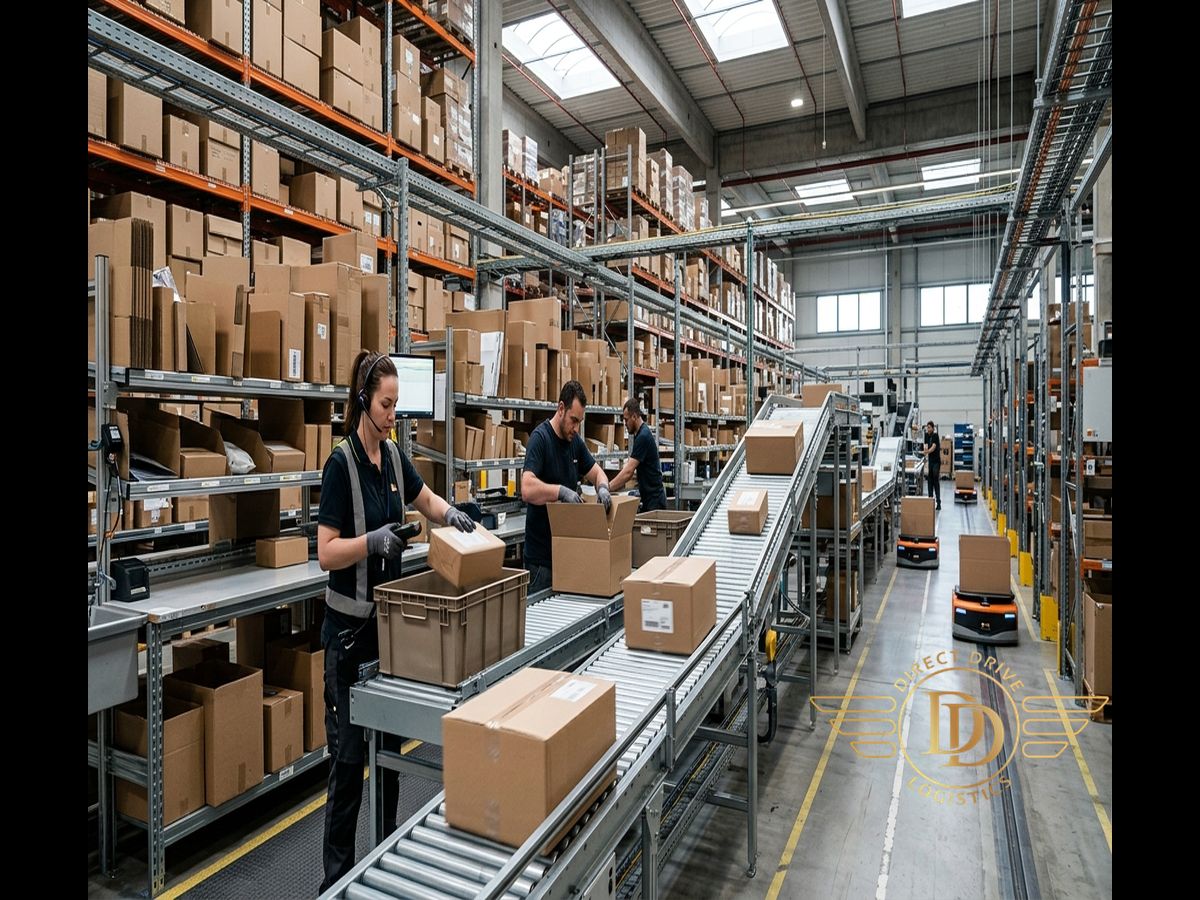
Erbil’s strategic location makes it a vital hub for cold chain logistics in Iraq. A reliable cold storage facility is paramount for businesses dealing with temperature-sensitive goods. Discover how cold storage facility erbil can transform your operations with this article, positioning our Erbil cold storage facility not just as a standalone warehouse, but as the central hub for a reliable, daily distribution network that extends your cold chain across all of Iraq.
Imagine your reefer truck, carrying vital pharmaceuticals, stuck at the Ibrahim Khalil border for 48 hours due to a customs backlog; without a reliable cold storage solution in Erbil, that delay could mean product spoilage and a loss of USD 200-350 per pallet in wasted goods. This article explores how a strategically located and well-managed cold storage facility erbil can mitigate such risks. A “cold chain” (a temperature-controlled supply chain) ensures products remain within a specified temperature range from origin to destination. A “reefer truck” (refrigerated truck) is essential for transporting these goods, while “temperature mapping” (continuous temperature monitoring) within the cold storage facility verifies stable conditions.
This comprehensive guide explores cold storage facility erbil through multiple perspectives. We’ll cover Why is Choosing the Right Cold Storage in Erbil Critical for My Business’s Success?, What Key Features Define a High-Quality Refrigerated Warehouse in Erbil?, How Does Your Erbil Facility Ensure My Product’s Integrity and Safety?, Beyond Storage: How Can a Facility Strengthen My Entire Erbil Cold Chain Network?, What Temperature Zones and Services Are Available for My Specific Products?, How Do I Integrate Your Cold Storage with Cross-Border and Domestic Distribution?, What Information Do I Need to Get an Accurate Quote for Cold Storage in Erbil?, and Frequently Asked Questions About Erbil Cold Storage Solutions. Whether you’re a professional or business owner, you’ll gain actionable insights to enhance your operations. We will also address critical questions like security measures, temperature ranges, regulatory compliance, and cost factors, often overlooked by competitors.
The following sections will delve into selecting the right facility, matching temperature zones to product needs, understanding certifications, and integrating cold storage with cross-border distribution via Ibrahim Khalil. Let’s explore how a well-chosen cold storage facility in Erbil can be the cornerstone of your successful cold chain operations.
Selecting the Right Cold Storage Facility in Erbil: Key Considerations
Evaluating Location and Logistical Access to Key Transport Hubs
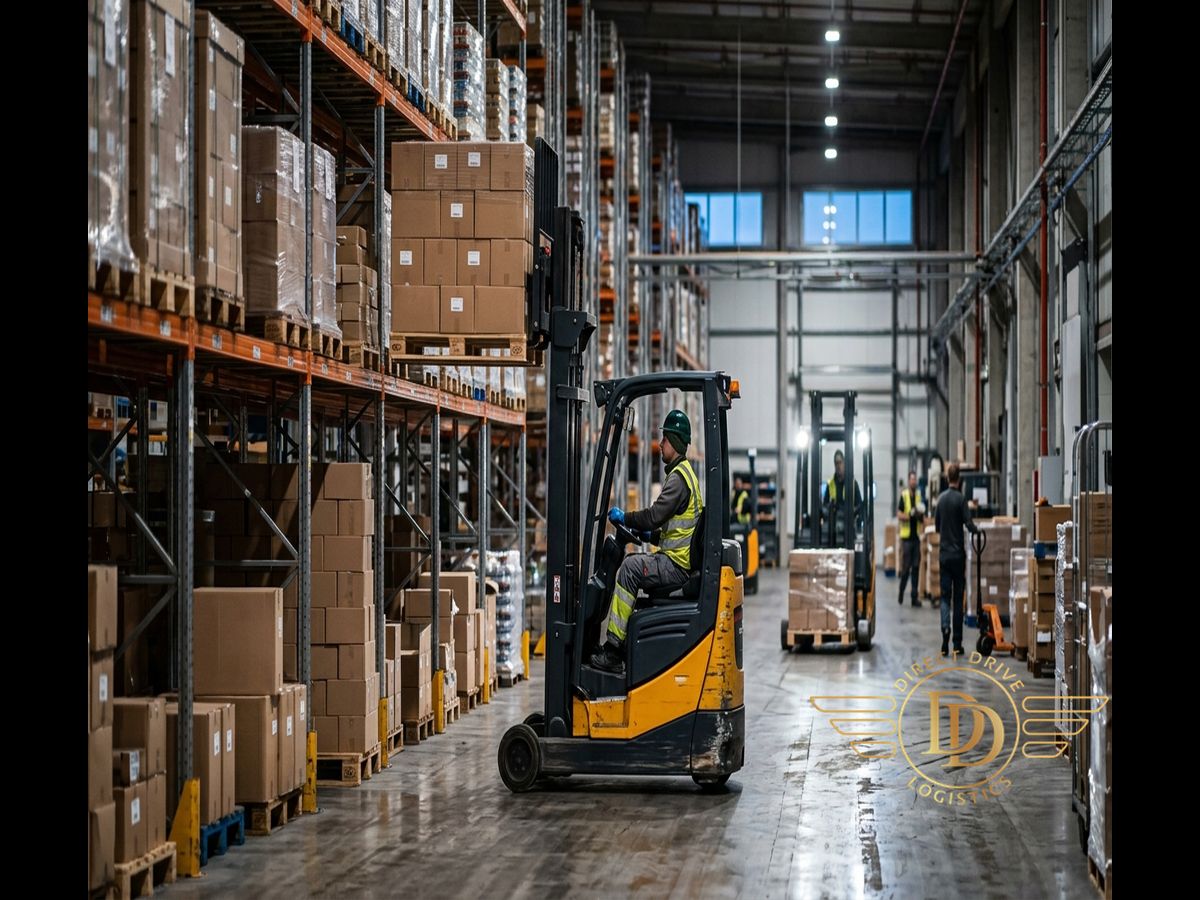
Selecting the right cold storage facility in Erbil begins with its strategic location relative to your supply chain’s entry and exit points. Proximity to Erbil International Airport (EBL) and major land routes like the Ibrahim Khalil border crossing is non-negotiable for minimizing transit time and preserving product integrity.
This expansion, backed by a $3.5 million investment, directly supports the growing volume of pharmaceuticals and food products entering the Kurdistan Region. Facilities with direct airport access can offload temperature-sensitive air freight into a controlled environment immediately, a critical advantage for high-value cargo. In our operations across Kurdistan, we consistently see that a facility’s proximity to the Ibrahim Khalil border can reduce the final-mile delivery time from Turkey by up to 12 hours, a crucial window for fresh produce.
Analyzing Cold Storage Pricing Models and Service Agreements
Understanding Erbil cold storage pricing is key to managing your operational budget effectively. Regional benchmarks show typical monthly rates ranging from USD 150-250 per pallet for chilled goods (0-8°C) and USD 200-350 per pallet for frozen products (-18°C). These costs can fluctuate, with peak-season demand for pharmaceutical or holiday food shipments pushing frozen storage rates as high as USD 450 per pallet near key logistics hubs. For more insights, check our cold storage Iraq article.
A frequent error in this stage is focusing solely on the per-pallet rate without scrutinizing the Service Level Agreement (SLA) for hidden costs. In-and-out fees, minimum storage commitments, and surcharges for after-hours access can significantly alter your total expenditure. The market has seen rates increase by 15-20% year-over-year due to major capacity expansions, so locking in a transparent, all-inclusive rate is vital for predictable financial planning.
Assessing Facility Infrastructure, Compliance, and Technology
The physical and regulatory standards of a refrigerated warehouse are the ultimate guarantors of your product’s safety. As of 2024, all facilities handling perishable imports must adhere to the KRG Ministry of Health’s updated Cold Chain Guidelines. This mandates segregated zones for chilled (+2-8°C) and frozen (-18°C) goods, complete with continuous, auditable temperature monitoring systems. Compliance is not optional; it’s a prerequisite for clearing goods at borders like Ibrahim Khalil.
Beyond compliance, look for modern infrastructure, backup power generation, and robust security protocols. Our team at Direct Drive Logistic has found that partners with strong local relationships are invaluable. For instance, when handling a shipment of electronics from Mersin, Turkey, to Erbil, our Kurdish-speaking team was able to resolve a temporary import license issue with KRG authorities in just one day, ensuring the client’s cargo was not delayed at the border.
Your next step: Request a facility’s compliance certificate with the 2024 KRG Ministry of Health guidelines and ask for a sample temperature log report to verify their monitoring capabilities.
Temperature Zones and Service Offerings: Matching Your Product Needs
From Deep Freeze to Cool: Navigating Erbil’s Cold Storage Temperature Zones
Selecting the right cold storage facility erbil starts with matching your product’s precise temperature needs to the available infrastructure. Erbil’s advanced facilities are not one-size-fits-all; they offer specific, regulated zones to maintain product integrity. Standard pricing reflects these differences, with chilled storage (0°C to 8°C) typically costing between USD 150-250 per pallet per month, while deep-frozen storage (-18°C or below) ranges from USD 200-350 per pallet.
These temperature bands are not arbitrary. They are mandated by the KRG Ministry of Health’s Cold Chain Guidelines, which require continuous monitoring for both +2-8°C (chilled) and -18°C (frozen) zones. This compliance is critical for any goods, especially pharmaceuticals and food, clearing customs at border crossings like Ibrahim Khalil. Choosing a facility that adheres to these standards is non-negotiable for uninterrupted market access.
Value-Added Services: Blast Freezing, Cross-Docking, and Inventory Management
Modern controlled temperature storage in Erbil extends far beyond simple warehousing. Value-added services are what transform a storage cost into a supply chain investment. Services like blast freezing rapidly lower the temperature of fresh produce or meat, locking in quality and extending shelf life before it enters long-term frozen storage. This is a critical first step for many food importers.
In our operations across the Kurdistan Region, we consistently see that integrating cross-docking directly at the cold facility can cut a full day from the final delivery timeline for FMCG goods. Instead of moving goods to a separate distribution center, pallets can be unloaded from an inbound reefer, segregated, and loaded directly onto our temperature-controlled trucks for last-mile delivery. This minimizes temperature fluctuations and handling time.
Tailored Solutions for Pharmaceuticals, Food, and Other Perishable Goods
Different products have vastly different handling needs. Meeting pharmaceutical cold storage requirements involves more than just temperature; it demands rigorous documentation, validated monitoring systems, and secure access.
A frequent error in this stage: Shippers assume a standard Bill of Lading is sufficient for pharmaceutical cold chain cargo. The KRG Ministry of Health requires detailed temperature logs for the entire transit, and missing data can lead to cargo being quarantined at the border for days. Our team’s expertise prevents such delays, as demonstrated when our Kurdish-speaking Erbil team resolved a temporary import license issue with KRG authorities in just one day for a client shipping electronics from Mersin, Turkey. This on-the-ground capability is vital. At Direct Drive Logistic, we connect our premier cold storage facility erbil to a distribution network of approximately 10 trucks departing daily to every Iraqi governorate, ensuring your cold chain remains unbroken from border to final destination. For more insights on maintaining an efficient supply chain, explore our cold storage solutions in Iraq.
Your next step: Provide our team with your product’s specific temperature requirements and volume. We will return a tailored storage and distribution plan, including cost benchmarks, within 24 hours.
Goods Best Suited for Erbil Cold Storage: A Product-Specific Guide
Fresh Produce, Meat, and Dairy: Maintaining the Food Cold Chain in Erbil
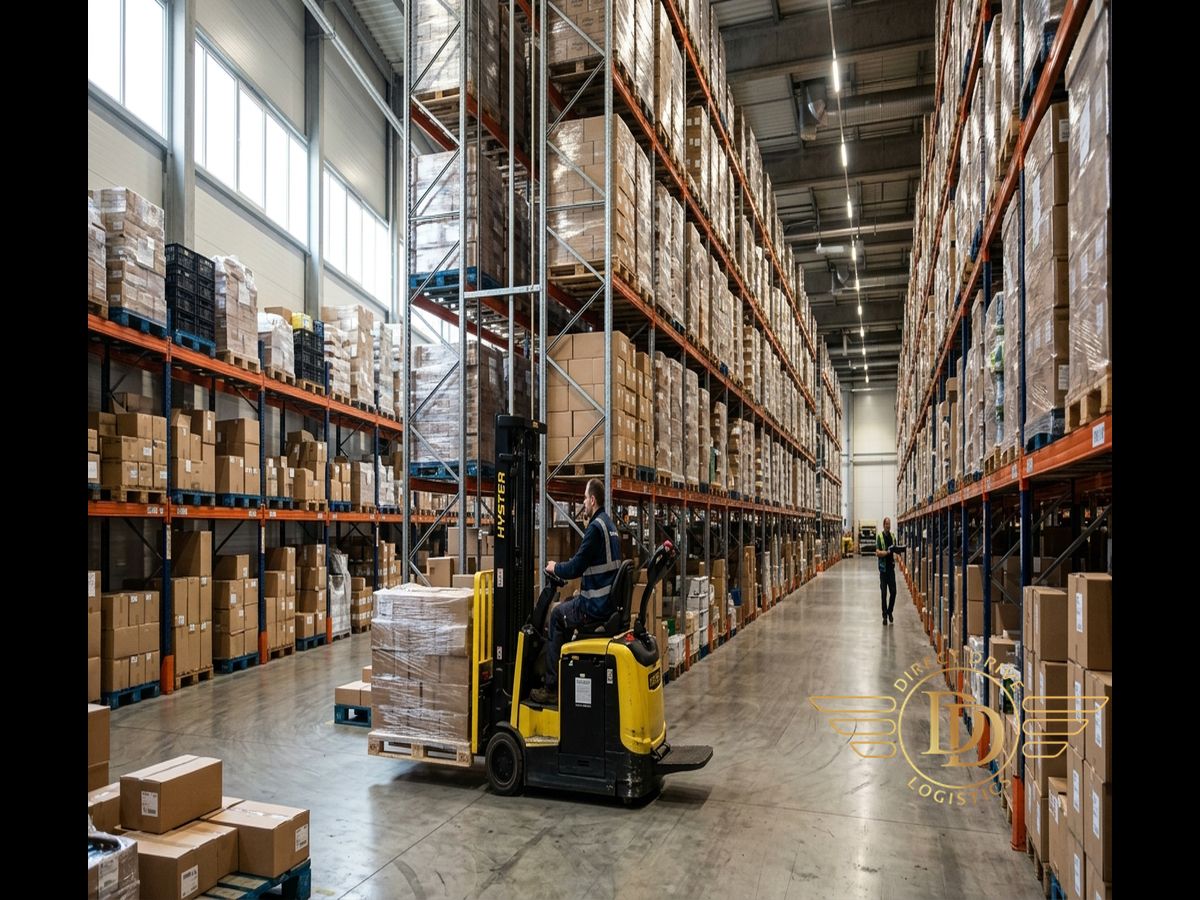
A modern cold storage facility erbil is the cornerstone for any business importing perishable foods into the Kurdistan Region. Recent infrastructure investments, like dnata’s $3.5 million facility at Erbil International Airport, have added a capacity to process 10,000 tons of perishable materials annually. This expansion directly supports the growing demand for reliable perishable food storage Erbil, from fresh produce to meat and dairy.
This increased capacity is vital for importers using the Ibrahim Khalil border crossing. With the implementation of the TIR system, transit times for reefer trucks from Turkey have been cut to just 4-10 days, making swift transfer into a temperature-controlled environment more critical than ever to prevent spoilage and maintain product value.
Practitioner Observation: In our operations across the Turkey-Kurdistan corridor, our team at Direct Drive Logistic has found that precise coordination between border clearance and warehouse arrival is key. We managed a shipment of electronics from Mersin to Erbil, where our Kurdish-speaking team resolved a temporary import license issue with KRG authorities in just one day, ensuring the cargo met its delivery schedule without delay.
Pharmaceuticals and Vaccines: Critical Temperature Control for Medical and Biotech Goods
The integrity of pharmaceutical cold chain products depends entirely on unbroken temperature control. Warehousing for these high-value goods must meet stringent regulatory standards. The KRG Ministry of Health’s 2024 Cold Chain Guidelines mandate that facilities maintain distinct zones for chilled products at +2°C to +8°C and frozen goods at -18°C, with continuous monitoring.
Compliance is not optional; it is a prerequisite for customs clearance at borders like Ibrahim Khalil. Any deviation can result in cargo being rejected, leading to significant financial loss. This is where technical expertise in frozen and chilled goods warehousing becomes a competitive advantage. Direct Drive Logistic’s quad-language operations team (fluent in Farsi, Arabic, Kurdish, and English) ensures all documentation precisely meets KRG health and customs requirements, preventing costly delays.
One mistake we see regularly: Shippers provide incomplete or non-calibrated temperature logs with their cargo. KRG Health officials at the border will quarantine a shipment if the data logs show any gaps or anomalies, adding days to the clearance process and jeopardizing the product.
Specialty Products: Storing Cosmetics, Chemicals, and Other High-Value Sensitive Items
Beyond food and pharma, a specialized cold storage facility erbil serves a growing market for other temperature-sensitive items like cosmetics, high-purity chemicals, and certain electronics. The stability of these products is often compromised by temperature fluctuations, making controlled storage essential for preserving quality and efficacy. An Erbil warehousing assessment highlights the increasing sophistication of local storage facilities infrastructure.
The cost of such specialized storage reflects its value. Regional benchmarks place typical rates at USD 150-250 per pallet per month for chilled storage, while frozen capacity can range from USD 200-350 per pallet. For businesses handling high-value specialty goods, this cost is an investment in risk mitigation, safeguarding inventory that is highly susceptible to damage from improper environmental conditions.
Your next step: Request a detailed rate card from Direct Drive Logistic for chilled and frozen pallet storage in Erbil. Specify your product type to receive a quote aligned with KRG compliance requirements within 24 hours.
Looking for a logistics partner who knows these routes? Direct Drive Logistic operates daily from Erbil to every Iraqi governorate — reach out for a route-specific consultation.
Certifications and Compliance: Ensuring Food Safety and Quality Standards
Adhering to International Food Safety Protocols like HACCP in Erbil
In a market where demand for perishables is surging, generic warehousing is no longer sufficient. A modern cold storage facility in Erbil must operate under globally recognized food safety standards like HACCP (Hazard Analysis and Critical Control Points). This system moves beyond simple temperature control to proactively identify and mitigate contamination risks at every stage of handling.
The increasing focus on quality was evident at the recent Erbil Logistics Exhibition, which drew over 10,000 industry professionals. Our team at Direct Drive Logistic has found that a lack of verifiable HACCP protocols is a primary reason for cargo being held for secondary inspection at KRG checkpoints, creating unnecessary delays and costs.
The Importance of ISO Certification for Quality Management
While HACCP focuses on product safety, cold storage ISO certification addresses the quality of the management system itself. An ISO-certified facility guarantees documented, repeatable processes for everything from temperature monitoring and equipment calibration to staff training and inventory management. This level of operational discipline is non-negotiable when protecting high-value cargo.
When you are paying premium rates, such as USD 200-350 per pallet per month for frozen storage in Erbil, ISO compliance ensures you receive the service integrity that justifies the cost. As a licensed clearing agent with a physical presence in both Erbil and Tehran, we exclusively partner with facilities that meet these stringent international benchmarks, safeguarding your investment from warehouse to final delivery.
Meeting KRG Compliance for Pharmaceuticals and Perishables
Navigating local regulations is paramount for successful cold chain logistics in the Kurdistan Region. The KRG Ministry of Health updated its Cold Chain Guidelines in 2024, mandating specific operational standards for any facility handling food or pharmaceuticals. These rules require documented proof of continuous temperature monitoring within strict zones: +2°C to +8°C for chilled goods and -18°C or below for frozen products.
As of April 2025, compliance with these guidelines became mandatory for all perishable imports clearing the Ibrahim Khalil border crossing. One mistake we see regularly: An importer arranges freight to Erbil without pre-verifying their destination warehouse holds a current KRG compliance certificate, leading to rejection. This is where local expertise becomes critical. For a client shipping appliances from Mersin, Turkey, our Kurdish-speaking Erbil team resolved a complex KRG border licensing issue in just one day, preventing a multi-week delay. A comprehensive Erbil warehouse assessment shows the variance in facility quality, underscoring the need for diligence. If you need reliable delivery services erbil, our network can assist.
Your next step: Request the KRG Ministry of Health compliance certificate from your intended Erbil warehouse. If they cannot provide it, contact Direct Drive Logistic to access our network of pre-vetted, fully compliant cold chain partners.
Energy Efficiency and Sustainability in Erbil's Cold Chain
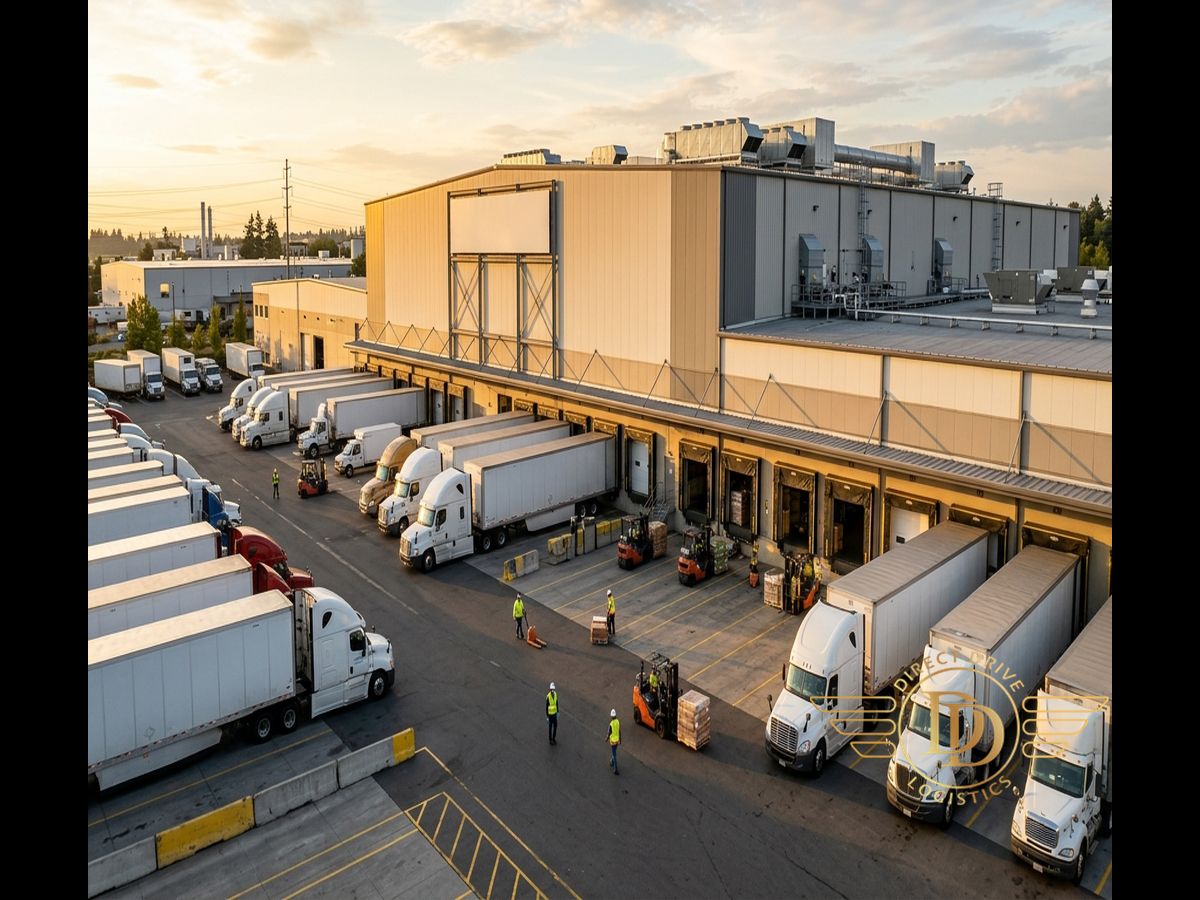
Adopting Modern Cooling Technologies for Enhanced Energy Efficiency
An advanced cold storage facility erbil is defined by its commitment to energy efficiency, not just its temperature range. Recent investments in the region, including dnata’s announced $14 million warehouse expansion, signal a shift towards modern infrastructure designed to lower operational costs. These new facilities move beyond basic refrigeration, incorporating variable-frequency drives (VFDs) on compressors and high-R-value insulation to minimize energy loss.
This focus on technology directly impacts the stability of sensitive cargo. For pharmaceuticals and high-value foods, consistent temperature is non-negotiable. An energy efficient refrigerated warehouse provides this reliability while consuming less power, a critical advantage as regional energy costs fluctuate. In our operations across the Kurdistan Region, we consistently see that facilities built post-2023 reduce temperature variance by over 50% compared to older warehouses, directly protecting cargo integrity.
Sustainable Practices: Reducing the Carbon Footprint of Erbil’s Refrigerated Warehousing
True sustainability in logistics extends beyond the warehouse walls. The most significant gains in green cold storage Erbil come from optimizing the entire supply chain. The mandatory implementation of the TIR system in April 2025 is a prime example, enabling reefer trucks to complete the Turkey-to-Erbil transit in just 1-2 days. This represents a monumental reduction in fuel consumption and carbon emissions compared to previous multi-week sea freight options.
A frequent error we see is businesses focusing only on the warehouse’s energy bill while ignoring the carbon footprint of the transit leg. Optimizing the journey with TIR-enabled routes delivers a far greater environmental and economic impact. By integrating these faster cross-border protocols, companies can drastically reduce the overall energy expenditure per pallet, making their entire cold chain more sustainable.
The Economic Benefits of Green Cold Chain Logistics
Sustainable cold chain practices are not just an environmental goal; they are a direct path to economic advantage. With regional warehouse storage Iraq pricing trending upwards by at least 15% year-over-year, efficiency is key to managing your budget. An energy-efficient facility and optimized transit routes translate directly into lower operational expenditures. These savings can offset rising market rates and protect your profit margins.
At Direct Drive Logistic, we amplify these savings through operational excellence. Our daily scheduled departures from our Erbil hub, with approximately 10 trucks servicing every Iraqi governorate, ensure that cargo moves efficiently. This model minimizes idle time and maximizes fuel efficiency, complementing the benefits of modern Erbil cold storage services. By combining smart warehousing with a disciplined distribution network, we lower the total cost of ownership for your temperature-controlled supply chain.
Your next step: Request a complimentary analysis of your current cold chain route from Direct Drive Logistic to identify specific cost and carbon savings achievable through our TIR-optimized network.
Integrating Cold Storage with Cross-Border Distribution via Ibrahim Khalil
The Strategic Gateway: Leveraging Ibrahim Khalil for Erbil’s Perishable Imports
A reliable cold storage facility erbil is only as effective as the supply chain that feeds it. For temperature-sensitive goods entering the Kurdistan Region from Europe, the Ibrahim Khalil border crossing with Turkey is the primary artery. The mandatory implementation of the TIR system across Iraq in April 2025 has fundamentally altered transit logistics, cutting the Turkey-to-Erbil reefer journey to just 1-2 days. This is a massive improvement over the previous 45-day sea freight alternatives.
This acceleration places immense pressure on border efficiency and documentation accuracy. The new system transforms the Turkey to Erbil cold chain from a slow, forgiving process into a high-speed corridor where delays are costly. With the Erbil Logistics Exhibition 2026 drawing over 120 exhibitors focused on these new routes, mastering this corridor is now a competitive necessity for businesses dealing in pharmaceuticals and fresh food.
In our operations across the 7-border crossing network, we consistently see that the TIR implementation has shifted the primary challenge from transit time to customs preparedness. Pre-cleared documentation and accurate digital submissions are now the factors that determine success or failure at the border.
Streamlining the Handoff: From Border Clearance to Refrigerated Transport
Efficient Ibrahim Khalil border logistics are the critical handoff point between international transit and local distribution. Under the TIR system, standard clearance for a reefer truck with correct temperature logs takes between 24 and 48 hours. However, by utilizing the TIR-EPD (Electronic Pre-Declaration) system, Direct Drive Logistic can often reduce this clearance window to just 12-24 hours, ensuring minimal exposure for sensitive cargo.
A frequent error in this stage is submitting incomplete or non-compliant temperature logs. The KRG Ministry of Health mandates strict validation for any pharma or food imports, and discrepancies will trigger a manual inspection, adding days and significant costs. Our expertise in local compliance was demonstrated when our Kurdish-speaking Erbil team resolved a temporary import license issue for a client’s electronics shipment from Mersin, Turkey, in just one day, preventing a costly delay.
Our team at Direct Drive Logistic has found that having a licensed, on-the-ground presence is non-negotiable. It allows us to directly interface with KRG authorities, troubleshoot documentation in real-time, and ensure our clients’ refrigerated transport to Erbil is dispatched the moment cargo is released.
Maintaining Cold Chain Integrity on the Turkey-Erbil Corridor
Once your shipment clears Ibrahim Khalil, the final and most critical leg of the journey begins: the secure transfer to a compliant refrigerated warehousing solution. The KRG Ministry of Health’s Cold Chain Guidelines are explicit, requiring continuous temperature monitoring for both chilled zones (+2 to +8°C) and frozen zones (-18°C). This is not a suggestion; it is a mandatory requirement for receiving an import permit for perishable goods.
The integrity of the cold chain depends on a seamless, pre-planned transition from the reefer truck directly into a pre-booked slot at a qualified cold storage facility erbil. Any delay or break in this chain—such as a truck waiting in a non-refrigerated yard—risks product spoilage and total financial loss. This is why our process involves coordinating the warehouse arrival time before the truck even reaches the border, guaranteeing a direct and uninterrupted transfer into a controlled environment. For more on this topic, see our article on Warehouse Services in Erbil.
Your next step: Contact Direct Drive Logistic with your specific cargo requirements to get a detailed Turkey-to-Erbil transit plan, including border clearance and final-mile refrigerated delivery, within 24 hours.
Ready to move forward? Contact Direct Drive Logistic — a 15-minute consultation often prevents days of border delays.
Get Your Free QuoteKRG vs Federal Customs: Navigating Iraqi Border Regulations for Perishables
Key Regulatory Differences: KRG’s Autonomous Customs vs. Baghdad’s Federal System
Navigating Iraqi customs requires understanding its dual-system structure. The Kurdistan Region of Iraq (KRG) operates an autonomous customs authority, distinct from the federal system managed by Baghdad. This divergence is especially critical for perishable goods clearance in Iraq, where KRG authorities enforce specific regional mandates.
A prime example is the KRG Ministry of Health Cold Chain Guidelines, updated in 2024. This regulation, which became mandatory for border imports via Ibrahim Khalil in 2025, sets stringent temperature and handling protocols for food and pharmaceuticals. Federal checkpoints, in contrast, may prioritize different national tariff codes or import licenses, creating a complex compliance landscape for shippers.
Our team at Direct Drive Logistic has found that a shipment compliant with KRG import regulations at the Turkish border might still face secondary checks at federal entry points like Al-Sad. This requires a two-tiered documentation strategy to prevent delays and ensure the integrity of temperature-sensitive cargo.
Documentation and Inspection Protocols for Perishable Imports
The documentation required at KRG borders is highly specialized. For refrigerated trucks, validated temperature logs showing compliance with +2-8°C (chilled) or -18°C (frozen) zones are non-negotiable. Utilizing the TIR-EPD pre-declaration system can significantly accelerate this process, cutting standard clearance times to as little as 12-24 hours.
One mistake we see regularly is shippers preparing a single customs declaration for all of Iraq. This oversight causes significant delays, as cargo must often be re-documented before proceeding from the KRG into federal territory, adding 1 to 3 days to the journey. Our quad-language operations team—fluent in Kurdish, Arabic, Farsi, and English—prevents these errors by preparing distinct paperwork for both jurisdictions from the outset. This was key in our Mersin-to-Erbil delivery, where our Kurdish-speaking staff resolved a temporary import license issue with KRG authorities in just one day.
How Customs Divergence Impacts Cold Chain Timelines
These procedural differences directly impact supply chain velocity. This expedited timeline is a massive advantage for high-value perishables, reducing spoilage risk compared to older, multi-week sea freight options.
However, the journey from a KRG entry point to a final destination in federal Iraq introduces risk. Any documentation mismatch can halt a refrigerated truck for days, compromising the entire shipment. This is why having access to a compliant cold storage facility erbil immediately after border crossing is so vital. It provides a secure, temperature-controlled environment to stabilize cargo before the final leg of its journey. A modern cold storage facility erbil acts as a strategic buffer, safeguarding assets against unpredictable internal checkpoint delays.
Your next step: Provide our team with your cargo’s origin and final Iraqi destination. We will map the precise Customs Brokerage Iraq documentation required for a seamless border crossing in under 24 hours.
Send your cargo details to Direct Drive Logistic on WhatsApp — get a route-specific checklist and quote within 24 hours.
Message on WhatsAppWhy Choose Direct Drive Logistic?
Offices in Erbil (HQ) + Tehran (Nasim Shahr Terminal); warehouses in Zakho, Erbil, Basra, and Tehran (2,000 sqm)
Government-licensed clearing agent — direct port access for sea freight into southern Iraq
2,500+ Iraq domestic deliveries, 300+ Iran-Iraq cross-border, 100+ international freight; air freight handler at Erbil, Baghdad, and Basra airports
Operational at Parviz Khan, Bashmagh, Haji Omran (Piranshahr), Mehran, Khosravi, Ibrahim Khalil (Turkey), and Bandar Abbas port (Iran)
Full operational fluency in Farsi, Arabic, Kurdish, and English — client-facing and documentation
~10 trucks/day from Erbil hub covering Baghdad, Karbala, Najaf, Basra, Kut (Wasit), Diyala, Nasiriyah, and all Iraqi governorates
Frequently Asked Questions
▼ What factors influence the cost of cold storage facility Erbil?
The cost of a cold storage facility Erbil depends primarily on storage volume, temperature requirements (chilled vs. frozen), and the duration of storage. Expect to pay roughly USD 150-250 per pallet per month for chilled storage (0-8°C) and USD 200-350 for frozen storage (-18°C). Proximity to Erbil International Airport, seasonal demand spikes, and specialized services also affect pricing. For example, peak seasons or pharmaceutical storage may increase costs by 15-20%.
▼ What temperature ranges are critical for maintaining the integrity of goods in a cold storage facility Erbil?
Maintaining precise temperature ranges is critical in a cold storage facility Erbil, with chilled storage typically between +2°C and +8°C for produce and certain pharmaceuticals, and frozen storage ideally at -18°C or below for long-term preservation. The KRG Ministry of Health enforces these standards, particularly for goods entering via the Ibrahim Khalil border crossing, requiring continuous temperature monitoring to ensure compliance with cold chain guidelines established in 2024.
▼ How does the implementation of TIR (Transports Internationaux Routiers) impact the speed of perishable goods transiting through Erbil?
The mandatory TIR implementation in Iraq since April 2025 has dramatically improved transit times for perishable goods through Erbil, reducing road transit from Turkey to Kuwait to approximately 4 days via the Ibrahim Khalil border. Before TIR, sea routes could take up to 45 days, leading to increased spoilage risks. Pre-declaration using TIR-EPD can further reduce clearance times to 12-24 hours, offering a faster option at a 20-30% premium.
▼ What are the key regulatory requirements for operating a refrigerated warehouse in Erbil?
Operating a refrigerated warehouse in Erbil requires adherence to the KRG Ministry of Health Cold Chain Guidelines, updated in 2024, which mandate specific temperature zones (+2-8°C for chilled, -18°C for frozen) and continuous temperature monitoring. These standards apply to all facilities handling perishables, especially those importing goods through the Ibrahim Khalil border, and compliance is mandatory for pharmaceuticals and food products entering the Kurdistan Region.
▼ How does the new dnata cold chain facility at Erbil International Airport impact cold storage capacity in the region?
dnata’s $3.5 million cold chain facility at Erbil International Airport, capable of processing 10,000 tons of perishable materials annually, significantly boosts Erbil’s cold storage capacity. This expansion supports the growing demand for perishable imports, including pharmaceuticals and food, throughout the Kurdistan Region. The facility’s capacity directly addresses the increasing volume of goods entering via border crossings like Ibrahim Khalil.
▼ What documentation is required for importing temperature-sensitive goods through Erbil, and how can Direct Drive Logistic assist with this process?
Importing temperature-sensitive goods through Erbil requires a commercial invoice, packing list, certificate of origin, and, most importantly, temperature logs demonstrating consistent cold chain maintenance. Direct Drive Logistic, with its quad-language team fluent in Farsi, Arabic, Kurdish, and English, can assist with navigating these documentation requirements, ensuring smooth clearance. With our 7-border crossing network, we can also assist with re-routing shipments to avoid potential delays.
▼ What are the common challenges in maintaining the cold chain during transportation to and from Erbil, and how can these be mitigated?
Common challenges in maintaining the cold chain during transportation to and from Erbil include border delays, temperature fluctuations, and inadequate infrastructure. These can be mitigated through careful route planning, use of temperature-controlled vehicles (reefer trucks), real-time temperature monitoring, and choosing experienced logistics providers with local expertise. For instance, re-routing through alternative border crossings can help avoid delays.
▼ Is Erbil under Iraqi control, and how does this affect logistics operations?
Erbil is the capital of the Kurdistan Region of Iraq (KRG), which has a high degree of autonomy. While technically part of Iraq, the KRG has its own government and regulations, including customs procedures. This means that logistics operations in Erbil may require specific permits and compliance with KRG regulations, separate from those of the federal Iraqi government.
▼ How long does it typically take to clear reefer trucks at the Ibrahim Khalil border crossing between Turkey and the Kurdistan Region (Erbil)?
Reefer trucks with TIR-enabled transit documents typically clear the Ibrahim Khalil border within 24-48 hours, provided all documentation, including temperature logs, is in order. Without TIR, clearance can take significantly longer. KRG Ministry of Health validation of temperature logs is mandatory for food and pharma shipments, requiring logs at 2°C and -20°C.
▼ Is cold storage a profitable business in Erbil, given the increasing demand for perishable goods?
Yes, cold storage can be a profitable business in Erbil, driven by the increasing demand for perishable goods and the expansion of cold chain infrastructure. The Erbil Logistics Exhibition 2026, attracting over 10,000 visitors, highlighted the region’s focus on cold chain solutions. With dnata investing $3.5 million in a new cold chain facility, the market shows strong growth potential for refrigerated warehousing.
▼ What are some key considerations when selecting a cold storage facility Erbil for pharmaceutical products?
When selecting a cold storage facility Erbil for pharmaceuticals, key considerations include strict temperature control and monitoring (as mandated by KRG Ministry of Health), validated equipment, backup power systems, and compliance with Good Distribution Practices (GDP). The facility should also have robust security measures and a reliable inventory management system to ensure product integrity and traceability. For reliable cold storage facility Erbil services, consider established providers with relevant certifications.
▼ How can a company ensure the security of its temperature-sensitive goods while stored in a cold storage facility Erbil?
Ensuring the security of temperature-sensitive goods in a cold storage facility Erbil involves several measures, including 24/7 surveillance, controlled access, alarm systems, and regular security audits. It’s also important to choose a facility with robust inventory management systems and trained personnel who understand the importance of security protocols. Working with a provider who offers comprehensive insurance coverage for stored goods is also advisable.
Conclusion
Successful cold chain management in Erbil hinges on selecting the right cold storage facility, tailored to your specific product requirements. As we’ve seen, from produce requiring precise temperature control to meat and dairy adhering to strict HACCP standards, Erbil’s cold storage solutions offer a diverse range of options, provided you understand the nuances of temperature zones, compliance, and cross-border logistics.
Start by conducting a thorough assessment of your product portfolio and its specific temperature requirements. Map these needs against the available temperature zones and service offerings within Erbil’s cold storage facilities. Then, using the insights from this article, create a checklist of compliance certifications and energy efficiency standards to evaluate potential partners.
Direct Drive Logistic understands the critical importance of a reliable cold storage facility in Erbil for your temperature-sensitive goods. With our dual-country physical presence and years of experience navigating the complexities of Iraqi customs and cross-border distribution, we ensure your products maintain their integrity throughout the supply chain. Speak to our Erbil team today to discuss your specific cold chain requirements: (+964) 750 953 9899.
Need reliable and secure cold storage in Erbil? Contact Direct Drive Logistic today at (+964) 750 953 9899 to discover how our state-of-the-art facility can preserve your temperature-sensitive goods and ensure optimal freshness. Get a personalized quote and start streamlining your cold chain logistics!
Get Your Free Quote NowContact Us for a Consultation
Location
Direct Drive Logistic
MRF Quattro towers, Block A-29-1
Erbil, Kurdistan Region