
Customs Clearance Iraq: Your 2024 Step-by-Step Guide

Discover how Customs Clearance Iraq can transform your logistics operations by providing a practical, actionable guide to navigating Iraqi customs clearance. For businesses operating in or trading with Iraq, understanding and efficiently managing customs procedures is not merely a bureaucratic hurdle but a critical determinant of operational success, supply chain fluidity, and ultimately, profitability. The complex interplay of international trade laws, local regulations, and geopolitical nuances within Iraq demands a meticulous approach to importing and exporting goods. Customs Clearance, in this context, refers to the essential process of getting goods released by customs authorities after all duties, taxes, and regulatory requirements have been fully met, ensuring legal entry or exit from a country. This article aims to demystify these processes, offering real-world challenges and solutions for businesses, including specific considerations for the Kurdistan Region, ensuring your shipments move swiftly and compliantly. Effective customs clearance is the linchpin of a resilient supply chain, preventing costly delays, penalties, and unforeseen complications that can severely impact your bottom line and reputation.
This comprehensive guide explores Customs Clearance Iraq through multiple perspectives, offering insights into the intricacies of both federal Iraqi customs and the distinct operational environment of the Kurdistan Region. We’ll delve into Understanding Customs Clearance in Iraq: An Overview, Navigating Iraqi Customs Regulations: Key Laws and Requirements, and provide a Step-by-Step Guide to Import Customs Clearance Procedures in Iraq. Key to these procedures is accurate documentation, including the Bill of Lading (BoL), a legal document issued by a carrier to a shipper, detailing the type, quantity, and destination of goods being shipped, serving as a receipt, contract, and document of title. Additionally, we’ll clarify the significance of the HS Code (Harmonized System Code), a standardized international system for classifying traded products, crucial for determining applicable tariffs, taxes, and regulations worldwide. We’ll also cover Export Customs Clearance, and strategies for Calculating Customs Duty, ensuring you can anticipate and mitigate common pitfalls.
Beyond procedural details, this article addresses crucial aspects like Choosing the Right Customs Broker in Iraq: Services and Selection Criteria, and Common Challenges and Solutions, offering practical strategies for overcoming obstacles such as documentation discrepancies or unexpected delays. We will also focus on Optimizing Your Customs Clearance Process for Iraq: Tips and Best Practices, emphasizing efficiency and compliance. For instance, securing a Certificate of Origin (CoO), a document declaring the country of manufacture or production of a particular good, is often critical for customs authorities to determine eligibility for preferential trade treatment or to comply with specific import regulations. Whether you’re a logistics professional or a business owner, you’ll gain actionable insights to enhance your operations and ensure seamless trade. Prepare to navigate Iraqi customs with confidence and strategic foresight as we guide you through every critical stage.
Understanding Iraqi Customs Regulations: A Comprehensive Overview
Understanding Iraqi Customs Regulations: A Comprehensive Overview
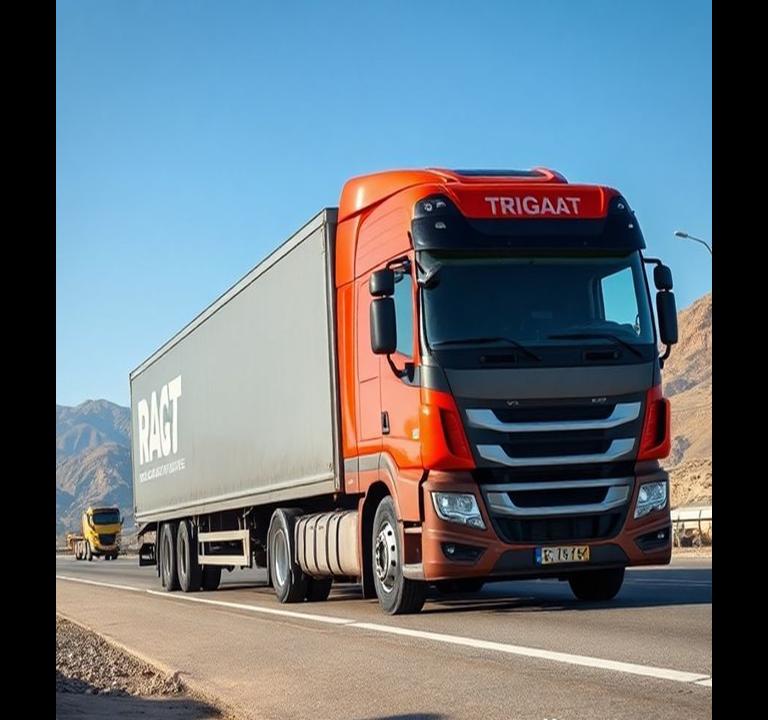
Navigating the complexities of international trade requires a deep understanding of destination country regulations. For businesses eyeing the burgeoning Iraqi market, mastering Iraq’s customs duties and procedures is paramount to successful operations. This section provides a foundational understanding of Iraq’s customs regulations and legal framework, crucial for efficient customs clearance Iraq.
Key Iraqi Customs Laws and Regulations: An Introduction
The primary legal framework governing customs in Iraq is the Iraqi Customs Law No. 23 of 1984, along with its subsequent amendments and executive instructions. This law outlines the principles of customs duties, procedures for import and export, and the powers of the General Customs Directorate. Businesses must also be aware of various ministerial decisions and resolutions that frequently update specific aspects of trade, tariffs, and prohibited items. A significant development has been the enforcement of a unified customs tariff across all border crossings, including those in the Kurdistan Region, aimed at streamlining trade and ensuring consistency. Staying abreast of these legislative changes is critical for any entity involved in the movement of goods into or out of Iraq.
Import and Export Restrictions: Navigating Prohibited Items in Iraq
Iraq, like any sovereign nation, maintains a list of goods that are either restricted or outright prohibited for import and export. These restrictions are typically in place for reasons of national security, public health, environmental protection, or cultural preservation. Common prohibited items include narcotics, certain types of weapons without specific licensing, counterfeit goods, and materials deemed harmful to public morals. Restricted items often require special permits or licenses from relevant Iraqi ministries before they can be imported. For example, specific chemicals, pharmaceuticals, and dual-use technologies (items with both civilian and military applications) fall under strict control. Understanding these nuances is vital to avoid costly delays or confiscations during the import customs clearance Iraq process. Partnering with experienced Customs Clearance Erbil can significantly mitigate risks associated with these complex restrictions.
Documentation Requirements for Iraqi Customs Clearance: A Detailed Guide
Accurate and complete documentation is the bedrock of smooth customs clearance. For consignments entering Iraq, the standard set of required documents typically includes:
- Commercial Invoice: Detailing the goods, their value, and the terms of sale.
- Packing List: Itemizing the contents of each package.
- Bill of Lading (B/L) or Air Waybill (AWB): The contract between the shipper and the carrier.
- Certificate of Origin: Verifying the country where the goods were produced, often required for tariff assessment and trade agreements.
- Import License: Mandatory for certain types of goods, issued by the Ministry of Trade or other relevant authorities.
- Pre-Shipment Inspection (PSI) Certificate: Required for specific goods, verifying quality and quantity before shipment.
Additional documents might be necessary depending on the nature of the goods, such as health certificates for food products, phytosanitary certificates for agricultural items, or conformity certificates for industrial products. Importers should also be aware of the Iraq import tax structure, as duties and taxes are calculated based on the declared value and tariff classification. Meticulous preparation of these documents is essential to prevent delays and ensure
Essential Documents for Customs Clearance in Iraq
Navigating the complexities of customs clearance Iraq demands meticulous attention to detail, especially concerning documentation. The success of any import operation hinges on the accuracy and completeness of your paperwork. Incomplete or incorrect documents are a primary cause of delays, fines, and even cargo confiscation. Direct Drive Logistic emphasizes that understanding and preparing these essential documents is the cornerstone of efficient import customs clearance Iraq.
Commercial Invoice: Detailing Transaction, Value, and Parties Involved in the Import
The commercial invoice is arguably the most critical document in the customs clearance process, serving as the official record of the transaction between the exporter and importer. It provides customs authorities with the necessary information to assess duties, taxes, and ensure compliance. A comprehensive commercial invoice must clearly state the seller’s and buyer’s full details, a precise description of the goods (including HS codes), quantities, unit prices, total value, currency, and the Incoterms governing the sale. Accuracy here is paramount, as any discrepancy can lead to queries, delays, or even charges of undervaluation, directly impacting the speed of your customs clearance Iraq.
Packing List: Providing Specifics on Goods, Quantities, and Packaging Details
While the commercial invoice details the transaction, the packing list provides an exhaustive inventory of the shipment’s physical contents. This document is crucial for both customs inspection and cargo handling. It should include the number of packages, their marks and numbers, detailed contents of each package, and the gross and net weight, along with dimensions. For example, a shipment of auto parts would list each type of part, its quantity per box, and the total weight and dimensions of each carton. This level of detail enables customs officials to efficiently verify the cargo against the invoice and facilitates smooth physical inspection, helping prevent misdeclarations and expediting the overall process.
Certificate of Origin: Verifying the Goods’ Country of Manufacture for Tariff Purposes
The Certificate of Origin (COO) is a vital document that certifies the country where the goods were manufactured, produced, or processed. Its primary purpose is to determine the applicable tariffs, duties, and trade preferences, if any, under various international agreements. For instance, certain goods originating from specific countries might be subject to higher tariffs or even import restrictions. Understanding the origin is critical; for example, Iraq has implemented specific Iraq rebar duties based on the country of manufacture. Ensuring an accurate COO is presented can prevent unexpected costs and compliance issues. This document is essential for customs authorities to enforce trade policies and collect appropriate revenues.
Successfully navigating these documentation requirements is often complex and requires specialized knowledge. Engaging experienced customs brokers Iraq, like those at Direct Drive Logistic, can significantly streamline your import operations. Our experts stay updated on the latest regulations, including any Iraq trade measures, to ensure full compliance and avoid costly delays. We manage the intricate paperwork, allowing you to focus on your core business while your goods move efficiently across borders. For those operating in the northern regions, understanding Customs Clearance Kurdistan is also vital.
Import Duties and Taxes in Iraq: A Detailed Breakdown

Import Duties and Taxes in Iraq: A Detailed Breakdown
Navigating the financial landscape of importing goods into Iraq requires a comprehensive understanding of the various duties, taxes, and fees that apply. These charges significantly impact the final cost of goods and are a critical component of effective Iraq unified tariff and overall customs clearance Iraq. Direct Drive Logistic aims to demystify these costs, ensuring our clients are well-prepared for their shipments.
Import Duty Rates in Iraq: Understanding the Tariff Structure and Applicable Percentages
Iraq operates a unified customs tariff system, meaning the same duties apply across all official border crossings, including those with the Kurdistan Region. Import duty rates are primarily determined by the Harmonized System (HS) code of the goods. This international classification system categorizes products, assigning a specific tariff rate. Rates typically range from 0% for essential goods, raw materials, and certain industrial machinery, up to 30% or more for luxury items or goods that compete with local industries. For instance, basic foodstuffs might attract a low or zero duty, whereas imported vehicles or tobacco products could face significantly higher tariffs. Accurate HS code classification is paramount, as misclassification can lead to penalties, delays, or unexpected costs during the customs clearance Iraq process. Partnering with experienced customs brokers Iraq ensures precise classification and duty calculation, mitigating potential issues.
Sales Tax (VAT) on Imports: Calculating and Paying the Iraqi Value Added Tax
While often referred to as a sales tax, Iraq implements a form of Value Added Tax (VAT) on imported goods, typically at a standard rate of 10%. This tax is not applied to the basic cost of the goods alone but is calculated on the cumulative value, which includes the Cost, Insurance, and Freight (CIF) value of the imported items plus any applicable import duties. For example, if a shipment has a CIF value of $10,000 and an import duty of $1,000, the 10% VAT would be calculated on $11,000, resulting in an additional $1,100. This layered calculation means that the VAT can significantly increase the total landed cost, making precise financial planning essential for any import operation. Understanding this calculation is key to forecasting total expenses for import customs clearance Iraq.
Other Taxes and Fees: Additional Charges on Imports to Iraq
Beyond standard import duties and VAT, importers must also account for several other taxes and administrative fees. The most prominent of these is the Reconstruction Levy, typically set at 5% of the CIF value plus any duties. This levy contributes to Iraq’s ongoing development and infrastructure projects. Additionally, there may be various smaller administrative fees, such as stamp duties, inspection charges, or port handling fees, depending on the type of goods, port of entry, and specific logistical services required. These charges, while sometimes individually small, can accumulate and add to the overall cost of importing. Staying informed about the full spectrum of applicable charges is crucial for accurate budgeting and avoiding surprises. For a detailed understanding of the broader tax framework
Need Reliable Delivery Services?
Get a free quote from Direct Drive Logistic today. Fast, secure, and professional logistics solutions tailored to your needs.
Customs Clearance Iraq Step-by-Step Guide to the Iraqi Customs Clearance Process
Navigating the Customs Clearance Iraq process can be complex, but with the right preparation and understanding, it becomes manageable. This step-by-step guide will walk you through the essential stages, from document preparation to the final release of goods.
Preparing Essential Documents for Iraqi Customs Clearance Submission
The first step in the Customs Clearance Iraq process is gathering all required documentation. Key documents include the commercial invoice, bill of lading, packing list, and certificate of origin. Additionally, you may need specific permits or licenses depending on the nature of the goods. For example, importing pharmaceuticals requires approval from the Ministry of Health. Working with experienced customs brokers Iraq can ensure all paperwork is accurate and complete, minimizing delays.
Submitting Documents and Paying Duties/Taxes to Iraqi Customs Authorities
Once your documents are ready, they must be submitted to the Iraqi customs authorities. This step often involves presenting the paperwork at the port of entry or through an electronic customs system. After submission, you’ll need to calculate and pay applicable duties and taxes. Iraq’s import tax rates vary based on the product type and value, so it’s crucial to verify these details beforehand. Payment can typically be made through authorized banks or online portals, and receipts should be kept for future reference.
Goods Inspection and Release: Final Steps for Iraqi Customs Clearance
After document submission and payment, your goods will undergo inspection by customs officials. This step ensures compliance with Iraqi regulations and verifies the accuracy of the declared information. Inspections can range from a simple document review to a physical examination of the goods. Once cleared, your shipment will be released for delivery. In some cases, you may need customs brokerage Iraq to handle additional fees that may apply for storage or handling during the clearance process. For a detailed overview of customs procedures, consult reliable industry resources.
By following this step-by-step guide and leveraging the expertise of customs brokers Iraq, you can streamline the import customs clearance Iraq process and ensure your goods reach their destination efficiently. Proper preparation and attention to detail are key to avoiding delays and additional costs.
Customs Clearance Iraq Dealing with Customs Inspections and Potential Issues
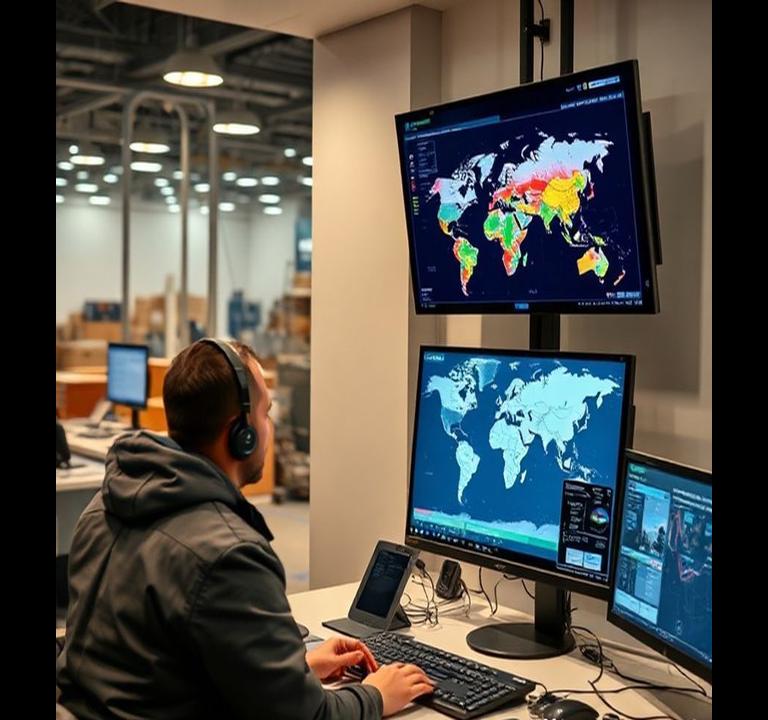
Understanding and effectively managing customs inspections is a critical component of successful customs clearance Iraq. Even with diligent preparation, shipments may be selected for scrutiny, and knowing how to navigate these situations is paramount to avoiding delays and additional costs.
Understanding Reasons for Inspection and Preparing Required Documentation
Shipments can be selected for customs inspection for a variety of reasons. These include random checks, risk assessment based on the commodity type, country of origin, or the importer’s history, and specific intelligence regarding potential illicit trade. Certain goods, such as those subject to anti-dumping measures or strategic controls, naturally attract higher levels of scrutiny. For instance, goods like steel rebar often face enhanced checks and specific duties, as seen with Iraq rebar duties. To mitigate potential delays, ensure all documentation—commercial invoices, packing lists, bills of lading, certificates of origin, permits, and licenses—is meticulously prepared, accurate, complete, and readily accessible. Any discrepancies or missing information can trigger an inspection.
Addressing Discrepancies: Common Issues and Effective Resolution Strategies
Despite best efforts, discrepancies can arise during the import customs clearance Iraq process. Common issues include misdeclaration of goods (either accidental or intentional), undervaluation, incorrect Harmonized System (HS) codes, or missing specific permits required for certain products. Damage to goods during transit, which affects their declared value or quantity, can also lead to complications. Effective resolution strategies involve immediate and transparent communication with customs officials. Providing supplementary documentation, clarifying ambiguities, or rectifying errors promptly can often resolve minor issues. Engaging experienced Iraq corporate taxes expertise or a local customs brokerage Iraq (22 chars) can be invaluable here, as they understand the nuances of local regulations and tax structures, facilitating smoother dialogue and faster resolution.
Appealing Unfavorable Decisions and Navigating
Choosing the Right Customs Broker in Iraq: Key Considerations
Choosing the Right Customs Broker in Iraq: Key Considerations
Navigating the complexities of international trade, especially in a dynamic region like Iraq, requires more than just understanding the regulations; it demands a strategic partner. Selecting the right customs broker in Iraq is paramount to ensuring smooth, compliant, and cost-effective import operations. A proficient broker acts as your essential intermediary, streamlining the process of customs clearance Iraq and mitigating potential delays or penalties. Here are the key considerations to guide your selection.
Licensing and Accreditation: Ensuring Legal Compliance and Professional Standards
The foundation of any reliable customs broker is their official licensing and accreditation. Before entrusting your shipments, verify that the prospective broker holds all necessary licenses from the Iraqi General Commission for Customs and other relevant governmental bodies. This isn’t merely a formality; it signifies their legal standing and adherence to established professional standards. An accredited broker is bound by strict regulations, offering you a layer of protection against non-compliance and potential legal issues. Furthermore, inquire about any industry certifications or affiliations they may possess, as these often indicate a commitment to ongoing professional development and best practices within the logistics sector. Ensuring your chosen partner is fully compliant safeguards your business against costly fines and operational disruptions, which are common pitfalls for those unfamiliar with **import customs clearance Iraq**.
Experience and Expertise: Navigating Iraqi Customs Regulations Efficiently
The Iraqi customs landscape is known for its unique nuances and evolving regulations. Therefore, the experience and expertise of your chosen customs broker are invaluable. Look for a broker with a proven track record specifically in Iraq, demonstrating deep knowledge of local tariffs, duties, import restrictions, and required documentation for various types of goods. An experienced broker can anticipate challenges, provide accurate classifications, and advise on optimal routing and procedures to minimize costs and transit times. For instance, a broker proficient in handling specialized cargo, such as oil and gas equipment or sensitive pharmaceuticals, will understand the specific permits and inspections required, preventing unexpected hold-ups at the border. Their ability to efficiently manage complex declarations and proactively resolve issues is critical for seamless customs clearance in Iraq operations, ensuring your goods reach their destination without unnecessary delays.
Communication and Technology: Real-Time Updates and Transparent Processes
In today’s fast-paced global supply chain, effective communication and advanced technology are non-negotiable. A top-tier customs broker should offer transparent processes and provide real-time updates on your shipment’s status. Inquire about their communication protocols: do they offer dedicated account managers? How quickly do they respond to queries? Crucially, assess their technological capabilities. Does the broker utilize modern customs management software, online portals, or electronic data interchange (EDI) systems? These tools facilitate efficient document processing, reduce human error, and provide you with visibility into every stage of your **customs clearance Iraq** journey. Being able to track your goods, access documentation electronically, and receive proactive notifications about potential issues or milestones empowers you to make informed decisions and maintain control over your supply chain, ultimately contributing to greater operational efficiency and peace of mind.
Tips for Avoiding Delays and Penalties in Iraqi Customs
Tips for Avoiding Delays and Penalties in Iraqi Customs
Navigating the complexities of Iraqi customs can be a significant hurdle for businesses engaged in international trade. Delays and penalties not only impact project timelines and budgets but can damage a company’s reputation. Proactive measures and a thorough understanding of the process are crucial to ensure smooth customs clearance Iraq. This section provides actionable advice to help you avoid common pitfalls and streamline your import operations.
Ensure Accurate Documentation: Submit Complete and Consistent Paperwork to Customs
The foundation of efficient customs clearance lies in meticulous documentation. Any discrepancy, no matter how minor, can lead to significant delays, inspections, and even fines. Before shipment, ensure all required documents are complete, accurate, and consistent across the board. This includes, but is not limited to, the commercial invoice, packing list, bill of lading (or air waybill), certificate of origin, and any necessary import licenses or permits. The commercial invoice, for instance, must precisely match the goods’ description, quantity, and value declared on the packing list and other shipping documents. Inaccurate Harmonized System (HS) codes are a frequent cause of hold-ups, leading to incorrect duty calculations or misclassification of goods. Double-checking every detail, ensuring all signatures are present, and verifying that the information aligns perfectly across all submitted papers is a critical first step. Remember, the Iraqi General Directorate of Customs is stringent, and even a small error can trigger a full physical inspection, prolonging the clearance process considerably.
Understand Iraqi Regulations: Stay Updated on Import Laws and Compliance Requirements
Iraqi import regulations are dynamic and can change frequently, influenced by economic policies, security concerns, and international trade agreements. Staying updated on the latest import laws, tariff structures, prohibited or restricted items, and specific product standards is paramount. For example, certain goods may require pre-shipment inspection certificates from approved agencies, while others might be subject to specific labeling or quality control standards. Ignorance of these regulations is not an excuse and can result in confiscation of goods, hefty penalties, or outright rejection of your shipment. Regularly consulting official government sources or subscribing to updates from reputable logistics partners is vital. Understanding the specific requirements for your particular commodity, including any local taxes, duties, and fees beyond the standard customs tariffs, will prevent unexpected costs and clearance issues during import customs clearance Iraq. Furthermore, understanding Customs Clearance Kurdistan is essential for trade in that region.
Engage a Local Expert: Leverage In-Country Expertise for Smooth Clearance Processes
Given the intricate and often nuanced nature of Iraqi customs procedures, engaging a knowledgeable local expert is arguably the most effective strategy for avoiding delays and penalties. Experienced customs brokers Iraq possess invaluable in-country knowledge, including the latest regulatory changes, local customs practices, and relationships with relevant authorities. They can navigate bureaucratic hurdles, communicate effectively with customs officials in Arabic, and preemptively address potential issues that foreign entities might overlook. A skilled broker can help you prepare accurate documentation, advise on correct HS codes, manage pre-shipment inspections, and handle the submission and follow-up of all necessary paperwork. Their expertise can significantly expedite the clearance process, minimize the risk of errors, and ultimately save time and money. Direct Drive Logistic leverages such local partnerships to ensure our clients’ shipments experience the most efficient and compliant customs clearance possible, transforming potential challenges into smooth operational successes.
Frequently Asked Questions
▼ What is Customs Clearance Iraq and why is it crucial for my shipments?
Customs Clearance Iraq is the mandatory process of obtaining approval from Iraqi customs authorities to import or export goods. It involves submitting documentation, paying duties, and adhering to regulations. Without proper clearance, your cargo faces significant delays, fines, or even seizure, directly impacting your supply chain and business operations across the region.
▼ What essential documents are required for Customs Clearance in Iraq?
Key documents for Customs Clearance Iraq typically include the commercial invoice, packing list, bill of lading/airway bill, certificate of origin, and import license. For specific goods, a pre-inspection certificate from an approved inspection body and product-specific approvals from relevant ministries are also mandatory. Ensuring accuracy is paramount.
▼ How long does Customs Clearance in Iraq typically take for standard cargo?
Standard Customs Clearance Iraq can vary significantly, usually taking 3-7 business days once all documentation is submitted correctly. Factors like cargo type, port congestion, and specific ministry approvals can extend this. Working with an experienced broker like Direct Drive Logistics helps expedite the process by anticipating requirements.
▼ How much does Customs Clearance in Iraq cost, and what factors influence it?
The cost of Customs Clearance Iraq is highly variable. It includes duties, taxes (e.g., sales tax), inspection fees, port charges, and broker service fees. These are influenced by the commodity’s HS code, value, weight, origin, and any applicable trade agreements. Always request a detailed quote based on your specific shipment.
▼ Why choose an experienced logistics partner for Customs Clearance in Iraq?
Choosing an experienced partner like Direct Drive Logistics for Customs Clearance Iraq is vital due to the region’s dynamic regulations, language barriers, and bureaucratic nuances. Our 15+ years of experience ensures compliance, minimizes delays, and provides expert navigation through federal and KRI customs, saving you time and money.
▼ What are the main challenges faced during Customs Clearance Iraq?
Common challenges in Customs Clearance Iraq include evolving regulations, inconsistent application of rules, documentation errors, and potential delays in obtaining necessary ministry approvals. Navigating varying requirements between federal Iraq and the Kurdistan Region also adds complexity, requiring deep local expertise.
Conclusion
Navigating Customs Clearance Iraq can feel like traversing a complex maze, but with the right guidance, it transforms into a smooth and efficient process. We’ve covered the essentials: understanding the documentation demands, adhering to Iraqi regulations, and anticipating potential challenges. Remember, meticulous preparation is key to avoiding delays and ensuring your shipments reach their destination seamlessly.
At Direct Drive Logistics, we understand the intricacies of Customs Clearance Iraq and are committed to providing comprehensive support every step of the way. Our experienced team possesses in-depth knowledge of local regulations and maintains strong relationships with customs authorities, enabling us to expedite the clearance process and minimize potential disruptions.
Don’t let the complexities of customs regulations hinder your business growth in Iraq. Partner with Direct Drive Logistics and experience the peace of mind that comes with knowing your shipments are in expert hands. Contact us today for a personalized consultation and discover how we can streamline your logistics operations and ensure timely Customs Clearance Iraq for all your cargo. Let us handle the complexities, so you can focus on what you do best – growing your business. We’re ready to assist you. Reach out and let’s discuss your specific needs.
Navigate Iraq’s complex customs regulations with ease and speed! Partner with Direct Drive Logistics for expert Customs Clearance in Iraq and ensure your shipments arrive on time and without delays. Get a free quote and personalized solutions by contacting us today at (+964) 750 637 9296.
📞 Contact Us for a Consultation
Location
Direct Drive Logistic
MRF Quattro towers, Block A-29-1
Erbil, Kurdistan Region