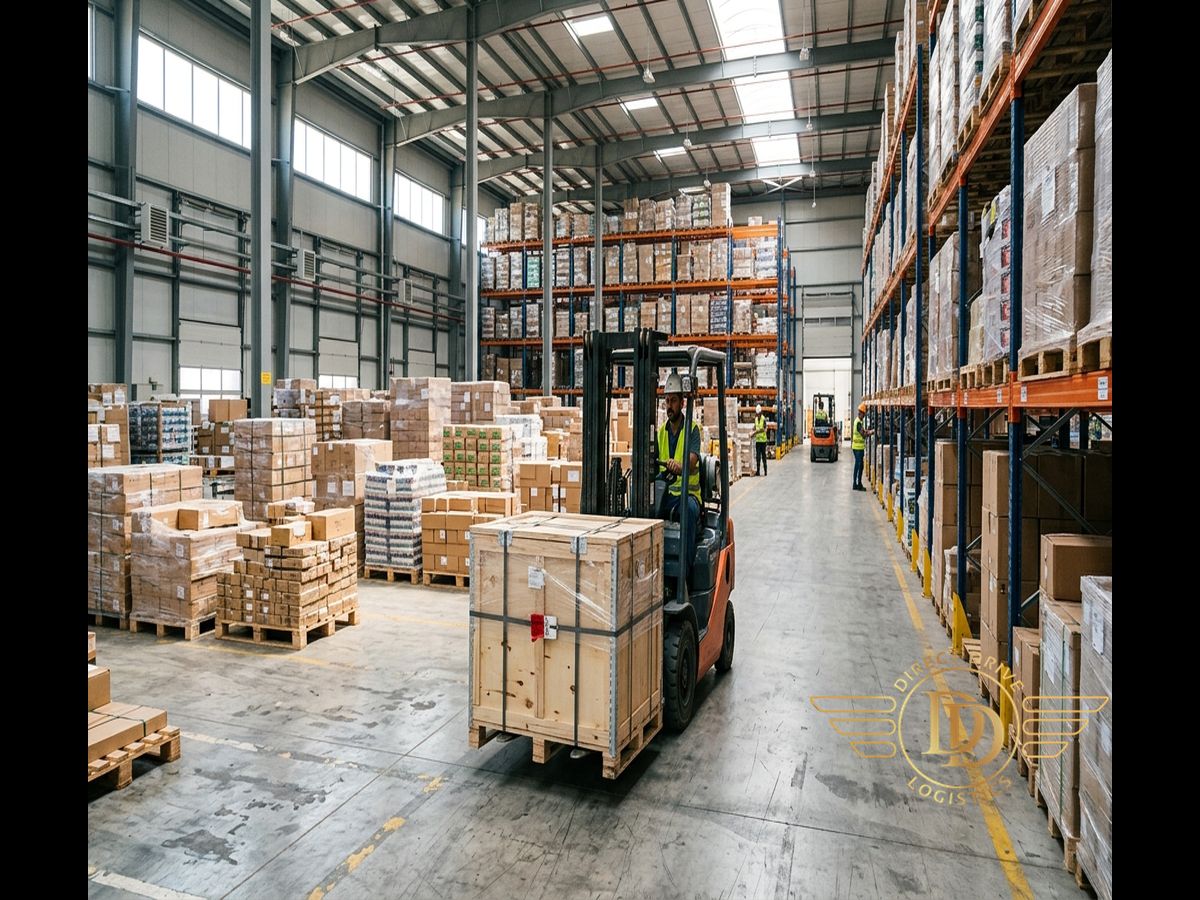
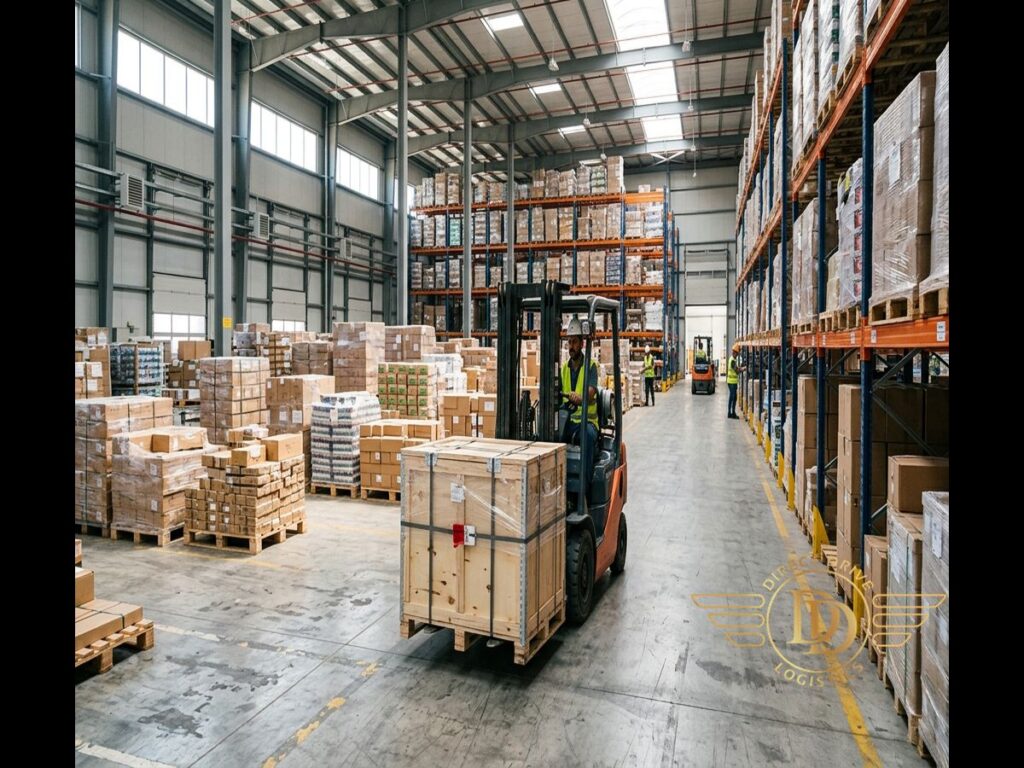
Discover how bonded warehouse iraq can transform your operations with this guide provides a practical walkthrough of using bonded warehouses in iraq, focusing on the operational advantages of partnering with a provider that has both licensed customs clearance at major ports like umm qasr and a physical warehouse network across the country.
A bonded warehouse in Iraq is a secure facility authorized by Iraqi Customs to store imported goods without immediate payment of duties and taxes. This allows businesses to defer customs payments, re-export goods duty-free, and manage inventory more flexibly. Such facilities are crucial for optimizing cash flow and streamlining supply chain operations in Iraq’s dynamic market.
Missing one customs document or miscalculating duties can delay your Iraq shipment by 3–6 weeks and incur USD 800+ in unexpected storage fees, especially with the 2026 shift to item-based tariffs. This comprehensive guide will help you avoid such pitfalls. Discover how bonded warehouse Iraq solutions can transform your operations.
This guide provides a practical walkthrough of using bonded warehouses in Iraq, focusing on the operational advantages of partnering with a provider that has both licensed customs clearance at major ports like Umm Qasr and a physical warehouse network across the country. A
customs bond (ضمان جمركي) is a financial guarantee to Iraqi Customs, ensuring that duties, taxes, and fees are paid on imported goods, particularly those stored in bonded facilities.
This financial instrument is vital for compliance.We’ll cover the specific regulations and legal framework for bonded warehouses in Iraq, including licensing and compliance requirements. You will learn about the detailed benefits for specific industries like oil & gas and humanitarian aid, offering insights into
duty deferral (تأجيل الرسوم), which allows importers to postpone paying customs duties until goods are released from the bonded warehouse, freeing up working capital.
This also includes the crucial process ofre-export (إعادة التصدير), where goods stored in a bonded warehouse can be shipped out of Iraq without incurring import duties, making it ideal for transit trade.
This article will also address common questions, such as how long goods can stay in a bonded warehouse and the factors determining overall costs. You’ll gain actionable insights to enhance your logistics and compliance strategies in Iraq.
Iraq’s Logistics Surge: Capitalizing on Bonded Storage Growth
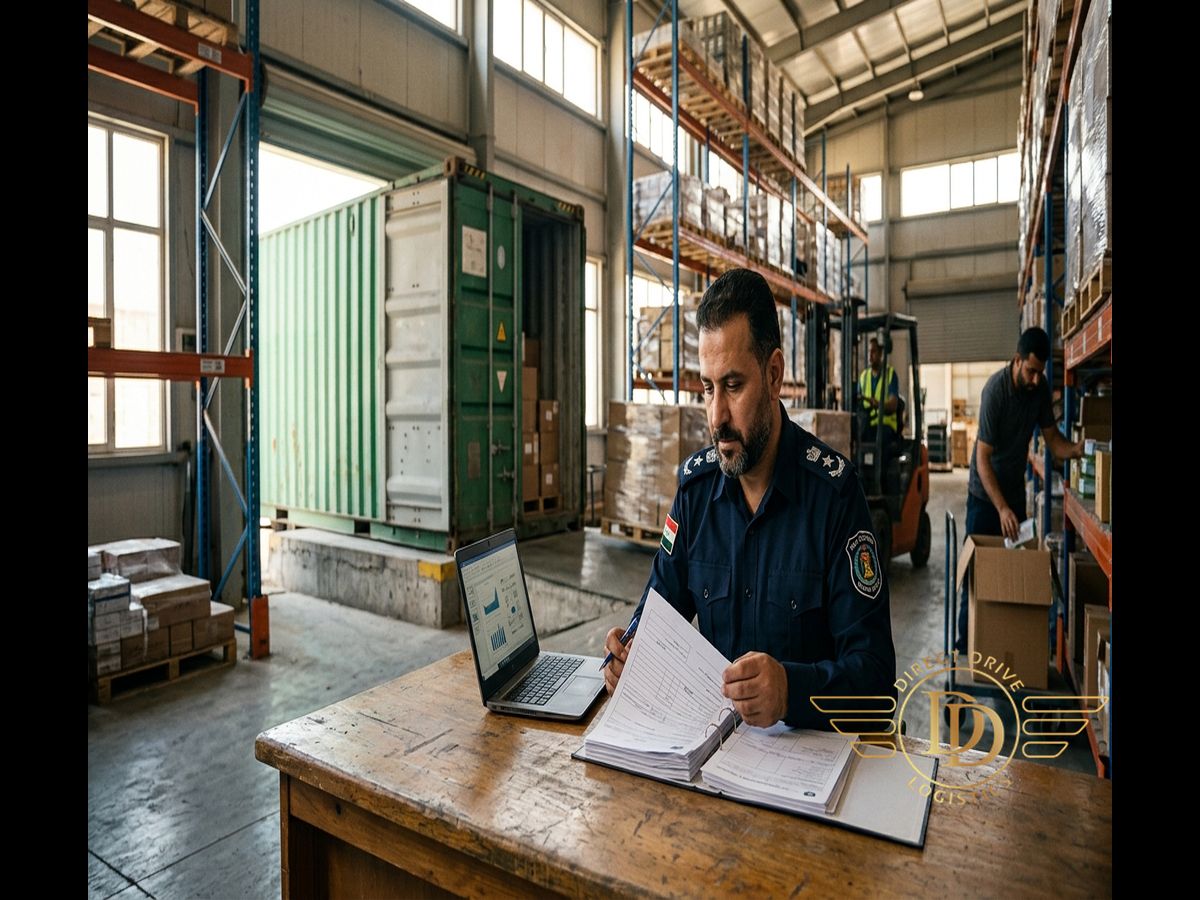
Driving Forces Behind Iraq’s Rapidly Expanding Freight and Logistics Market
Iraq’s logistics sector is undergoing a significant transformation, driven by large-scale reconstruction and increased trade volumes. The freight market is on a clear growth trajectory, with projections showing an expansion at a compound annual growth rate of approximately 6.2% through to 2033. This surge directly elevates the strategic importance of a reliable bonded warehouse in Iraq to manage the influx of goods efficiently.
This rapid development is fueling intense demand for logistics infrastructure, especially around key entry points. As a result, warehouse and bonded storage rates in major hubs like Baghdad, Basra, and Erbil saw an upward trend of 5-10% annually in 2025-2026. Major initiatives like the expansion of Umm Qasr Port are further accelerating this Iraq freight market growth, placing pressure on existing storage and customs facilities. Businesses often seek a reliable distribution warehouse Iraq to optimize their supply chains.
In our operations across Iraq, we consistently see this demand outpace available capacity, particularly for specialized storage. Businesses without a pre-arranged logistics plan face significant financial risks, including demurrage fees at Umm Qasr Logistics Centre, which were USD 25 per TEU per day after a short 3-day free period. A secure bonded facility is no longer a luxury but a core component of a resilient Iraqi supply chain. For unique requirements, a specialized warehouse Iraq can provide tailored solutions.
Partnering with an asset-based provider like Direct Drive Logistic, which holds an official customs clearance license at the Port of Umm Qasr and operates its own network of warehouses, provides a direct solution. This integrated approach bypasses common bottlenecks, securing your cargo and protecting your budget from unpredictable port-side charges.
Your next step: Assess your 12-month import forecast for Iraq and contact our team to secure bonded storage capacity, locking in current rates before the next seasonal price increase.
Navigating Iraqi Customs: Regulations for Bonded Warehouses

Licensing and Legal Framework: Establishing a Customs-Compliant Bonded Facility
Understanding the regulations for a bonded warehouse in Iraq is critical following recent major reforms. As of 1 January 2026, Cabinet Resolution No. 957/2025 overhauled the customs system, replacing flat container fees with item-based tariffs. This means customs duties now commonly range from 5% to 30%, with rates reaching up to 50% for protected goods, making duty deferral a powerful financial strategy.
This new system also mandates a 3% tax deposit on the value of goods, a significant cash flow consideration for importers. With Iraq’s imports growing substantially, reaching USD 87.41 billion in 2024, managing these upfront costs is paramount. Using a bonded facility allows you to defer both the duties and this tax deposit until your goods are ready for entry into the local market, preserving your operational capital.
Obtaining a bonded warehouse license in Iraq involves a rigorous application process with Iraqi Customs, demanding financial guarantees and adherence to strict security and inventory protocols. This integration of licensing and physical warehousing eliminates costly third-party coordination. For businesses seeking to establish their operations, exploring warehouse rental Iraq options is a crucial first step.
One mistake we see regularly is importers underestimating the strict inventory tracking required by the new Iraq customs warehouse rules. Our team at Direct Drive Logistic has found that a failure to maintain precise, real-time digital records for bonded goods can result in immediate duty-plus-penalty demands and potential license suspension. It’s essential to understand the various Iraq warehouse types to ensure compliance and efficiency.
Your next step: Request a compliance check of your current import process against Cabinet Resolution No. 957/2025 from our licensed customs team to identify potential savings.
Key Aspects of Bonded Warehouse Iraq
Financial Advantages: Deferring High Import Duties and Taxes in Iraq
A bonded warehouse iraq provides immediate financial relief under Iraq’s demanding customs framework. As of 1 January 2026, Cabinet Resolution No. 957/2025 mandated a shift to item-based duties, which now commonly range from 5% to 30% on most goods. This policy, combined with a mandatory 3% tax deposit, can lock up significant working capital upon cargo arrival.
Using a bonded facility allows you to defer these substantial payments until your goods are sold or moved into the local market. With Iraq’s total imports growing by 24.7% year-over-year to reach USD 87.41 billion in 2024, the ability to manage cash flow through duty deferment is a powerful competitive advantage. One mistake we see regularly is companies paying full duties upfront on large project cargo, unnecessarily tying up capital for months before the equipment is even needed on-site. For optimal cost management, consider exploring Iraq warehouse rental options.
Operational Benefits for Strategic Industries like Oil & Gas and Construction
Strategic sectors gain significant operational flexibility by using a bonded warehouse for oil and gas or construction projects. For energy companies operating near Basra, storing critical machinery in a bonded facility near the Port of Umm Qasr means equipment is pre-positioned for rapid deployment without incurring upfront duty costs. This model is vital for minimizing downtime and responding to urgent operational needs.
Similarly, construction firms managing large-scale reconstruction projects can phase their material withdrawals and duty payments to match project timelines, a key benefit in a logistics and warehousing market estimated to reach USD 11.52 billion by 2026. Our team at Direct Drive Logistic has found this approach gives project managers precise inventory control and protects sensitive materials from site-based risks until the moment they are required. Understanding warehouse storage Iraq pricing is crucial for strategic planning.
Your next step: Request a cost-benefit analysis from our team to see how much you can save in deferred duties and taxes on your next shipment to Iraq.
Cost Factors for Bonded Warehousing in Iraq: A Comparative View

Breaking Down Core Charges: Storage, Handling, and Administrative Fees
Understanding bonded warehouse pricing in Iraq requires looking beyond a single monthly fee. The total cost is a composite of several key charges, each influenced by your cargo type and operational needs. A comprehensive budget must account for storage, handling, documentation, and any specialized services required.
One mistake we see regularly is companies budgeting only for the monthly storage fee. They often overlook variable costs like customs inspection handling, re-export processing, and documentation, which can significantly inflate the total expenditure. As an officially licensed clearing agent at the Port of Umm Qasr, Direct Drive Logistic manages these administrative layers directly, eliminating third-party markups and streamlining the process.
| Cost Component | Typical Range (Basra/Baghdad) | Notes |
|---|---|---|
| Standard Storage | USD 0.80–1.20 / sqm / month | For general, non-hazardous cargo. |
| Specialized Storage | USD 1.80–2.50+ / sqm / month | Temperature-controlled or high-security areas. |
| Handling (In/Out) | USD 50–200 / container | Varies by cargo weight, dimensions, and port. |
| Documentation Fee | USD 150–500 / shipment | Covers bond processing and customs filings. |
Regional Price Disparities: Comparing Warehouse Costs in Basra, Baghdad, and Erbil
Location is a primary driver of customs warehouse storage fees. Facilities near major logistics hubs like the Baghdad airport industrial zone or the Umm Qasr free zone in Basra command premium rates, typically ranging from USD 0.80 to USD 2.50 per square meter per month. Specialized storage for items like pharmaceuticals can exceed USD 2.00 per square meter, especially during peak seasons.
Our team at Direct Drive Logistic has found that while base rates are a key factor, the true cost difference emerges from customs efficiency. A facility in Erbil might offer lower storage fees, but navigating KRG customs can introduce different time and cost variables compared to federal clearance in Basra. With port-adjacent bonded facilities seeing rates trend upwards by 5–10% annually in 2025-2026, driven by rising regional container throughput, securing a partner with a network across all regions is vital for cost control. Understanding the major trade routes in Iraq is crucial for optimizing these logistics costs.
Your next step: Request a detailed cost simulation from our team. Provide your cargo’s HS code and expected storage duration for a line-item quote that covers all potential charges in Basra, Baghdad, and Erbil.
Overview of Bonded Warehouse Iraq
The Step-by-Step Process for Moving Cargo into an Iraqi Bonded Facility
Navigating the Iraqi customs clearance process for a bonded warehouse in Iraq follows a structured sequence. The entire logistics and warehousing sector, valued at an estimated USD 7.2–7.5 billion in 2025, relies on this procedural integrity to function. As a licensed clearing agent at the Port of Umm Qasr, we manage this process directly, ensuring compliance from vessel arrival to final release.
- Step 1: Pre-Arrival Declaration — Your customs broker must submit an electronic import declaration to the Iraqi Customs Authority before the vessel’s arrival. This includes the bill of lading, commercial invoice, and certificate of origin.
- Step 2: Port Inspection & Sealing — Upon arrival at a port like Umm Qasr, customs officials conduct a preliminary inspection. The container is then sealed “in-bond” for secure transport to the designated bonded facility.
- Step 3: Supervised Transfer — The sealed cargo is transported under customs supervision from the port to the licensed bonded warehouse. Any deviation from the approved route can result in severe penalties.
- Step 4: Warehouse Entry & Inventory — At the warehouse, customs officials verify the seal and oversee the unloading process. The goods are entered into the bonded inventory system, officially starting the duty deferral period.
Required Documentation and Timelines for Goods Held in Bonded Storage
Accurate paperwork is non-negotiable. The core documents required are the Commercial Invoice, Packing List, Certificate of Origin, and Bill of Lading (or Air Waybill). Following the implementation of Cabinet Resolution No. 957/2025, which shifted Iraq to item-based tariffs, any discrepancy between these documents can lead to significant re-evaluation delays and penalties.
A frequent error in this stage: Mismatches between the declared HS codes on the invoice and the actual goods found during inspection. This single mistake can freeze a shipment for weeks. In Iraq, goods can typically remain in a warehousing services Iraq for up to one year, with possibilities for extension upon request. This allows ample time for sorting, repackaging, or awaiting the optimal market conditions for entry, as detailed in the IMF Report on Iraq Customs.
Your next step: Before your next shipment, have our team conduct a pre-shipment documentation audit to ensure your commercial invoice and packing list are 100% aligned with Iraqi customs requirements.
Send your cargo details to Direct Drive Logistic on WhatsApp — get a route-specific checklist and quote within 24 hours.
Message on WhatsAppWhy Choose Direct Drive Logistic?
Offices in Erbil (HQ) + Tehran (Nasim Shahr Terminal); warehouses in Zakho, Erbil, Basra, and Tehran (2,000 sqm)
Government-licensed clearing agent — direct port access for sea freight into southern Iraq
2,500+ Iraq domestic deliveries, 300+ Iran-Iraq cross-border, 100+ international freight; air freight handler at Erbil, Baghdad, and Basra airports
Operational at 6 KRG borders (Parviz Khan, Bashmagh, Haji Omran, Ibrahim Khalil, Sheikh Saleh, Shoshmi), 5 federal Iran-Iraq borders (Khosravi, Sumar, Mehran, Shalamcheh, Chazzabeh) and 6 further federal crossings (Trebil, Arar, Safwan, Al-Qaim, Al-Rabia, Al-Waleed), plus Bandar Abbas port
Full operational fluency in Farsi, Arabic, Kurdish, and English — client-facing and documentation
~10 trucks/day from Erbil hub covering Baghdad, Karbala, Najaf, Basra, Kut (Wasit), Diyala, Nasiriyah, and all Iraqi governorates
Frequently Asked Questions
Bonded warehouse charges in Iraq are highly variable, typically depending on cargo type, volume, duration of storage, and specific services required. While exact figures fluctuate, you can expect costs to be influenced by the new item-based tariff system, which replaced flat container fees as of 1 January 2026. This shift means customs duties now range from 5-30% (up to 40-50% for protected goods) plus a mandatory 3% tax deposit. Bonded warehouses help defer these duties, impacting the overall financial strategy. For instance, storing industrial machinery or auto parts in a bonded warehouse in Basra or Erbil can significantly improve cash flow by delaying duty payments until goods are released for local consumption.
Yes, bonded warehouses are not only still in existence in Iraq but are increasingly critical, especially with the rapid expansion of Iraq’s freight and logistics market, valued around USD 11.29 billion in 2025. They serve as strategic hubs for duty deferral and re-export, particularly following Cabinet Resolution No. 957/2025 (as of 2026), which introduced item-based duties. Importers leverage facilities like the Umm Qasr Logistics Centre (approximately 750,000 sqm of bonded storage) or bonded zones near Baghdad airport and Erbil industrial areas. These facilities allow goods to be stored under customs control, with duties paid only upon withdrawal, enabling duty-free re-export to neighboring countries like Kuwait, Jordan, and the GCC.
Goods can typically remain in a bonded warehouse in Iraq for a specified period, often up to one year, with possibilities for extension depending on customs regulations and specific agreements. This duration offers businesses significant flexibility, especially for high-value imports like electronics, automotive parts, or oil-field equipment. For example, the increased container throughput at Umm Qasr (1.92 million TEU of containerized consumer goods handled in 2025) means more cargo requires temporary storage. Utilizing a bonded warehouse allows businesses to manage inventory, respond to market demand, and avoid immediate customs duties, which can range from 5-40% of CIF value, thereby optimizing cash flow and supply chain efficiency.
Bonded warehouses near Umm Qasr Port offer substantial benefits, particularly given the port’s expanded capacity, which rose from 550,000 TEU to 830,000 TEU annually. As a licensed clearing agent at Port of Umm Qasr, Direct Drive Logistic ensures direct port access and streamlined processes. Businesses can store goods under customs control, deferring the payment of duties (which can be 5-40% of CIF value) until the cargo is needed. This is crucial for managing the estimated 1.9-2.0 million TEU/year container throughput at Umm Qasr. Furthermore, for goods destined for re-export to Kuwait or the GCC, bonded facilities enable duty-free transit, enhancing Iraq’s role as a regional logistics hub.
Bonded warehouses in Iraq are pivotal for regional distribution and re-export strategies, especially for goods arriving via Umm Qasr or KRG land borders. With Iraq’s logistics market reaching approximately USD 11.52 billion by 2026, these facilities, located in key zones like Basra, Baghdad, and Erbil, allow companies to store goods without immediately paying the 5-40% customs duties and 3% tax deposit. This enables duty-free re-export to neighboring countries like Turkey, Kuwait, and other GCC states. For example, Direct Drive Logistic, with its 17-border crossing network and offices in Erbil and Tehran, leverages these bonded zones to facilitate complex intermodal corridors, such as from Jebel Ali, Dubai, UAE, through Bandar Abbas port, Iran, to Erbil, Iraq, as a single forwarder.
Utilizing a bonded warehouse in Iraq requires meticulous attention to compliance and regulatory frameworks, especially given the shift to item-based duties as of 2026. Businesses must adhere to Cabinet Resolution No. 957/2025, which sets customs duties between 5-30% (and up to 40-50% for protected goods) and mandates a 3% tax deposit. Proper documentation, including import licenses and customs declarations, is crucial to avoid penalties and ensure smooth operations. Partnering with an expert general business consultant like Direct Drive Logistic, with over 10 years of experience in the region, can navigate these complexities. Their quad-language operations team (Farsi, Arabic, Kurdish, English) ensures accurate communication and adherence to local regulations, particularly at critical locations like the Basra Free Zone or Erbil industrial zone.
Conclusion
The key to maximizing profitability and operational efficiency in Iraq’s burgeoning logistics sector lies in strategic utilization of bonded warehouses. Deferring significant import duties and taxes, as highlighted by the financial advantages of bonded storage, allows businesses to manage cash flow more effectively and adapt to market demands without immediate customs burdens. This strategic approach is vital for companies navigating Iraq’s rapidly expanding freight market.
To immediately leverage these benefits, businesses should initiate a comprehensive review of their current import and inventory management strategies. Specifically, identify product lines or volumes that would gain the most from duty and tax deferral, and then calculate the potential savings by modeling their storage within a bonded warehouse Iraq. This step provides a clear financial justification for implementation.
Direct Drive Logistic offers unparalleled expertise in navigating the complexities of bonded warehouse Iraq regulations and operations. Our official licensing as a clearing agent at the Port of Umm Qasr ensures seamless customs processing and direct port access for your sea freight into southern Iraq, mitigating delays and reducing costs. For expert guidance on optimizing your supply chain, contact Direct Drive Logistic today at (+964) 750 637 9296.
Need Logistics Consultation?
The Direct Drive team is ready to assist. Message us now.
Unlock seamless customs clearance and secure storage for your goods in Iraq. Contact Direct Drive Logistic today to optimize your supply chain with our expert bonded warehouse solutions. Call us now at (+964) 750 637 9296 for a personalized consultation.
Get Your Free Quote NowContact Us for a Consultation
Location
Direct Drive Logistic
Gulan Street, MRF Quattro Block A 13-9
Erbil, Kurdistan Region