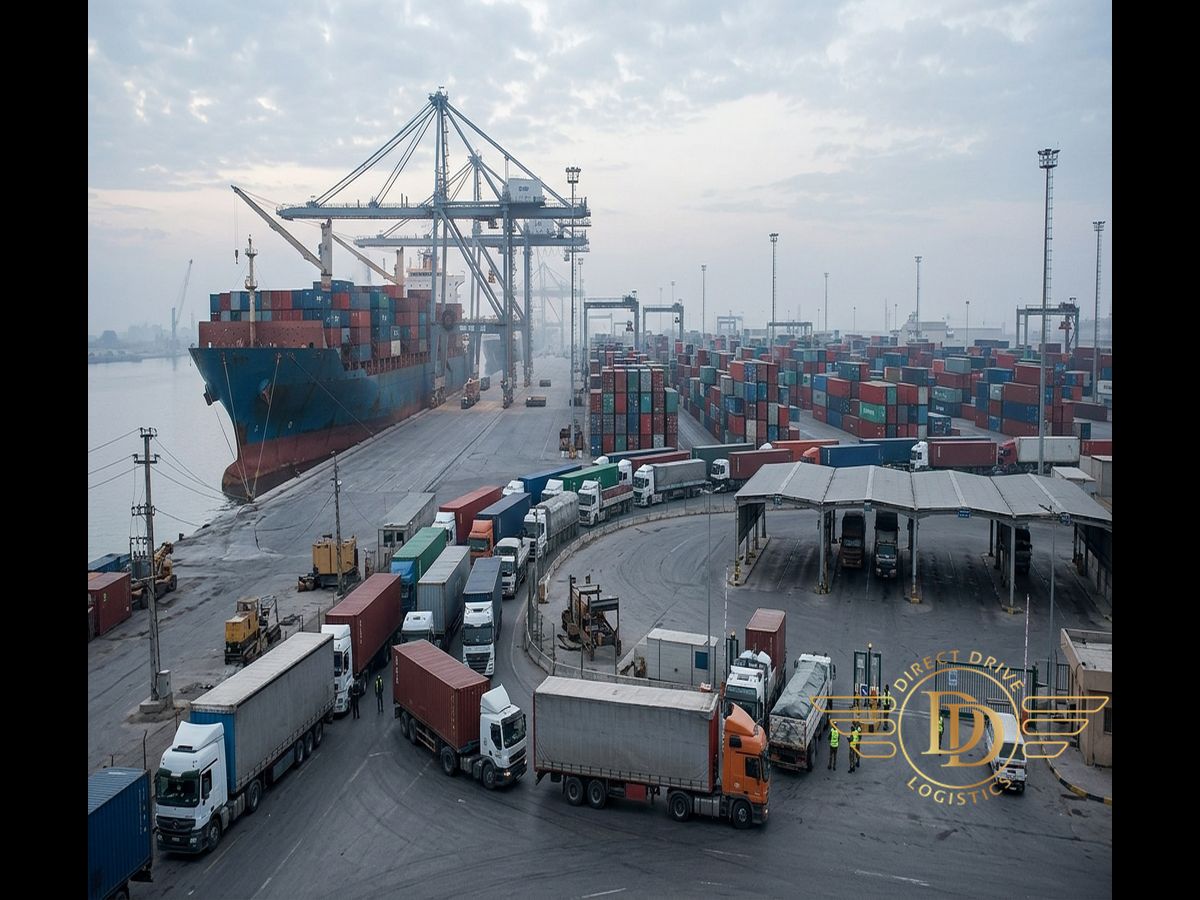
Discover how iraq import export logistics can transform your operations with this article demonstrates how our unique, on-the-ground assets—including dual iraq-iran offices and a direct umm qasr customs license—provide a seamless, end-to-end operational solution that eliminates the risks and delays common with third-party brokers.
Iraq import export logistics involves navigating a complex network of trade routes, customs regulations, and diverse freight modes to move goods efficiently across its borders. This dynamic sector, projected to reach USD 11.29 billion in 2026, relies heavily on key gateways like Umm Qasr Port, which handled 1.5 million TEUs (Twenty-foot Equivalent Units) in 2025, and dominant land freight corridors from neighboring countries. Understanding these intricacies is vital for successful trade operations.
When your cargo is stuck at the Ibrahim Khalil border for 3-5 days due to a missing document, incurring unexpected demurrage and storage fees, the true cost of inadequate Iraq import export logistics becomes painfully clear. Many businesses struggle to find a partner with direct, on-the-ground assets capable of navigating Iraq’s unique operational challenges and multi-country dependencies. This article demonstrates how our unique, on-the-ground assets—including dual Iraq-Iran offices and a direct Umm Qasr customs license—provide a seamless, end-to-end operational solution that eliminates the risks and delays common with third-party brokers.
This comprehensive guide explores Iraq import export logistics through multiple perspectives. We’ll cover what are the real-world operational hurdles in Iraq logistics, from navigating Iraqi customs regulations to understanding the nuances of import licensing for various goods. We will also delve into how to choose the right freight mode for Iraq (road, sea, air), considering factors like cost, transit times, and cargo type.
You’ll learn what on-the-ground assets separate a broker from a true Iraq logistics partner, highlighting the critical difference a direct presence makes. We will explore why direct control over 15 border crossings matters for your shipment’s speed, especially when primary routes face congestion. Furthermore, we’ll examine how a dual-country (Iraq-Iran) presence de-risks your cross-border shipments and what a licensed Umm Qasr customs agent can do that others can’t.
Finally, this guide will provide actionable insights on how to plan your first end-to-end shipment with a proven Iraq supply chain partner, helping you master Iraqi customs regulations, licensing, and documentation. Whether you’re a logistics professional or business owner, you’ll gain invaluable knowledge to enhance your operations and avoid common pitfalls.
Navigating Iraq’s Import Export Landscape: Common Challenges & Solutions
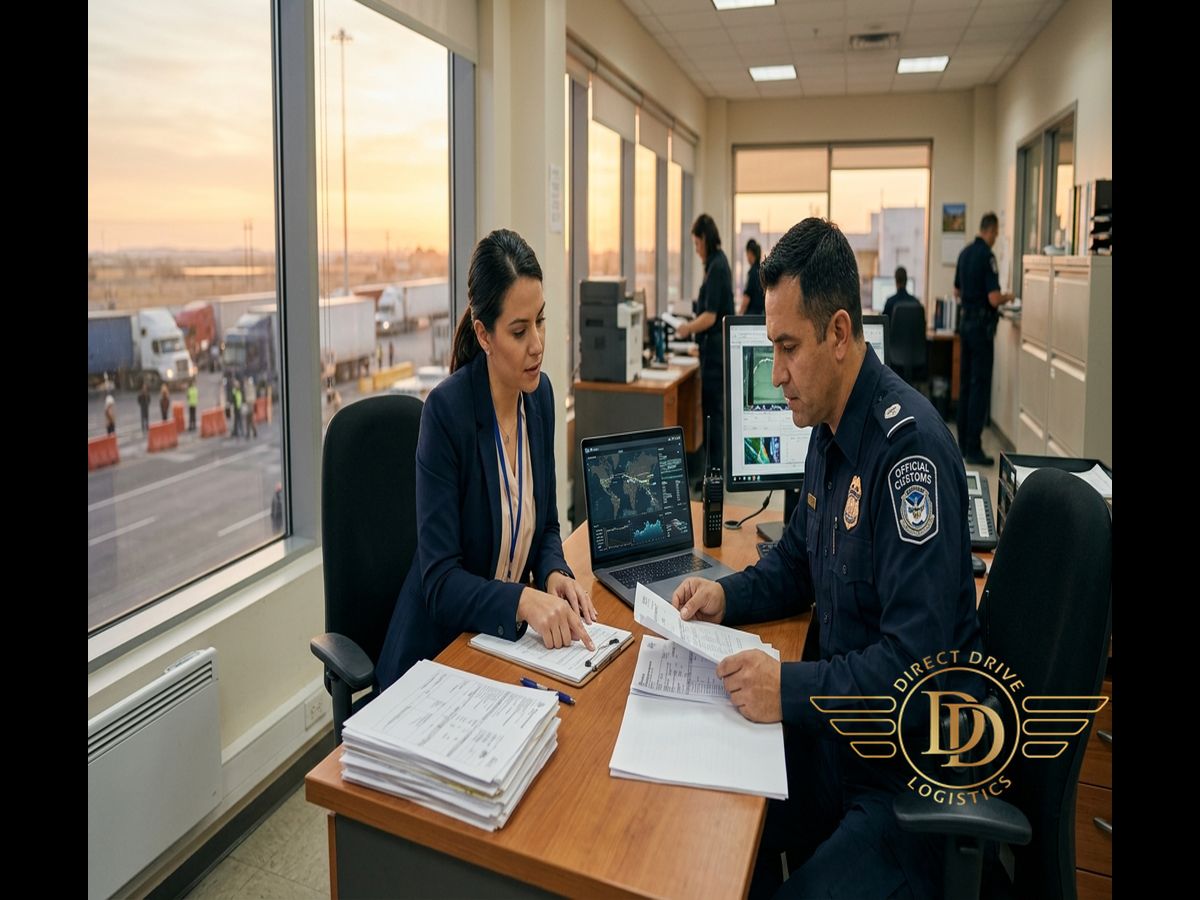
Overcoming Infrastructure Bottlenecks: From Umm Qasr Port to Inland Destinations
Successfully managing Iraq import export logistics means confronting operational realities head-on. While sea freight arrives at major ports, the real challenge often begins at the border crossings and inland terminals, where delays can quickly accumulate. As of 2026, standard customs clearance averages 2-4 days at the Ibrahim Khalil border with Turkey and 3-5 days at the Parviz Khan crossing with Iran.
In our operations across Iraq, we consistently see that the primary cause for these delays is incomplete or inaccurate documentation, which can extend clearance times by an additional 3-7 days. These hold-ups create significant downstream costs, including unplanned warehousing fees that range from USD 8 to 15 per square meter monthly in key hubs like Basra and Baghdad. A frequent error in this stage is relying on third-party brokers who lack direct communication with both origin and destination authorities, leading to costly documentation mismatches. Understanding proper import export compliance Iraq is crucial to avoid these issues.
Direct Drive Logistic eliminates this critical point of failure. By holding our own official government clearing agent license at the Port of Umm Qasr and operating permanent offices in both Iraq and Iran, we control the entire process. This direct oversight, proven over more than 300 successful Iran-Iraq cross-border shipments, ensures documentation is correct from the start, preventing the common delays and costs that plague broker-managed freight. Our expertise in Import Export Procedures Iraq streamlines your cargo’s journey.
Your next step: Provide our team with your cargo’s HS code and destination. We will map the optimal customs route and provide a preliminary documentation checklist within 48 hours.
Iraq’s Dynamic Trade Routes: Sea, Land, and Air Freight Options
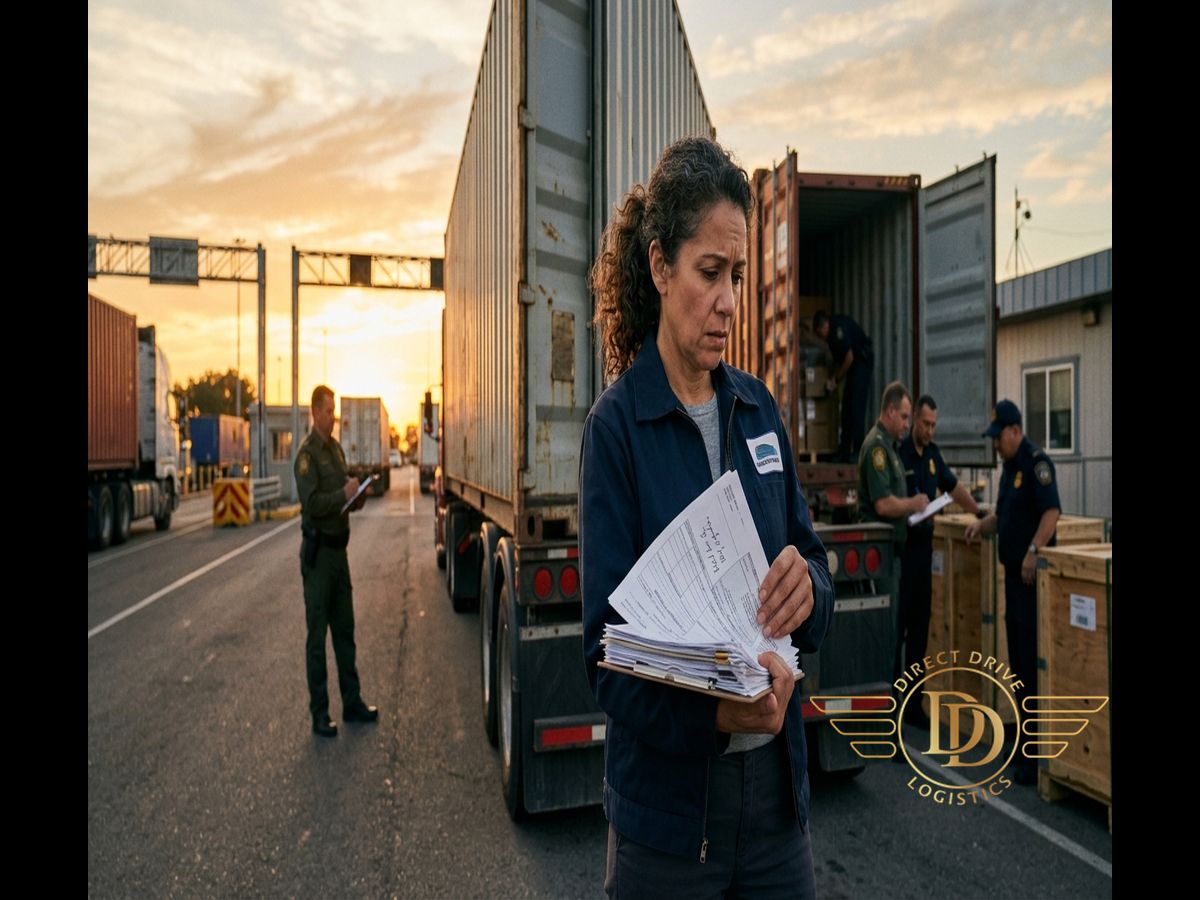
Sea, Land, and Air Freight: Choosing Your Optimal Route into Iraq
Selecting the right freight mode is a critical decision in iraq import export logistics, balancing cost, speed, and cargo specifications. For high-volume, non-urgent goods, sea freight via Umm Qasr Port remains the primary gateway. As a government-licensed clearing agent at Umm Qasr, Direct Drive Logistic provides direct port access, eliminating third-party broker delays for our clients’ containerized and bulk shipments.
Overland routes are essential for regional trade, especially from Turkey and Iran. The Iraq-Turkey trade corridor, which saw trade value reach USD 24.7 billion in 2025, primarily uses the Ibrahim Khalil border crossing. This high traffic volume requires expert coordination. In our operations, we consistently see that shipments without pre-cleared documentation face an average of 48-72 hours of additional delays here.
Similarly, the Iran-Iraq trade relationship, valued at USD 10.5 billion in 2025, drives significant volume through crossings like Parviz Khan and Shalamcheh. Our physical offices in both Erbil and Tehran give us a unique advantage in managing this cross-border traffic seamlessly. For urgent or high-value cargo, air freight to Baghdad (BGW) or Erbil (EBL) provides the fastest transit times, though at a premium cost.
A frequent error in this stage is assuming a single customs clearance for all of Iraq. Goods cleared under Kurdistan Regional Government (KRG) rules at Ibrahim Khalil often require a second, separate federal customs process for final delivery to Baghdad, leading to unforeseen costs and delays. Our teams navigate both systems daily, ensuring a single, efficient clearance process from origin to final destination. For comprehensive support, explore our Iraq cross-border logistics solutions.
Your next step: Evaluate your cargo’s volume and urgency. Contact Direct Drive Logistic to receive a comparative route analysis for sea, land, and air options within 24 hours. We can also assist with Iraq export CO services to streamline your shipments.
Mastering Iraqi Customs: Regulations, Licensing, and Documentation
Essential Shipping Documents: From Commercial Invoice to Certificate of Origin (COO)
Successful iraq import export logistics hinges on flawless documentation. Every shipment requires a precise set of papers, including a Commercial Invoice, Packing List, Bill of Lading or Air Waybill, and a Certificate of Origin (COO). Inconsistencies between these documents are a primary cause of delays at the border.
In our experience managing over 300 Iran-Iraq cross-border shipments, we consistently see delays caused by minor value discrepancies between the invoice and the COO. As Iraq’s freight market is projected to grow at a CAGR of 6.2% through 2030, customs authorities are increasing scrutiny to manage this rising volume. Ensuring every detail aligns across all Iraq customs documentation requirements is not just best practice; it is a core risk-mitigation strategy.
Securing Import Licenses and Permits for Regulated Goods in Iraq
Beyond standard paperwork, many goods—such as electronics, medical devices, and chemicals—require specific import logistics for traders. The critical challenge is navigating the two separate systems: one for Federal Iraq (cleared via Baghdad) and another for the Kurdistan Region of Iraq (KRG). A permit from one is not automatically valid in the other.
A frequent error is assuming a KRG-issued license suffices for cargo destined for Federal Iraq, leading to costly secondary inspections. As a government-licensed clearing agent at the Port of Umm Qasr, Direct Drive Logistic eliminates this ambiguity. We proved this by clearing sensitive medical equipment from Dubai directly into Baghdad in 48 hours, bypassing the need for third-party brokers. This direct-access model becomes even more valuable as Iraq’s planned USD 5 billion in infrastructure investment creates new, complex entry points.
Your next step: Provide our team with your cargo’s HS code. We will confirm all specific documentation and licensing requirements for both KRG and Federal Iraq within 24 hours.
Why Most Iraq Forwarders Fall Short: The Problem of Single-Country Dependency
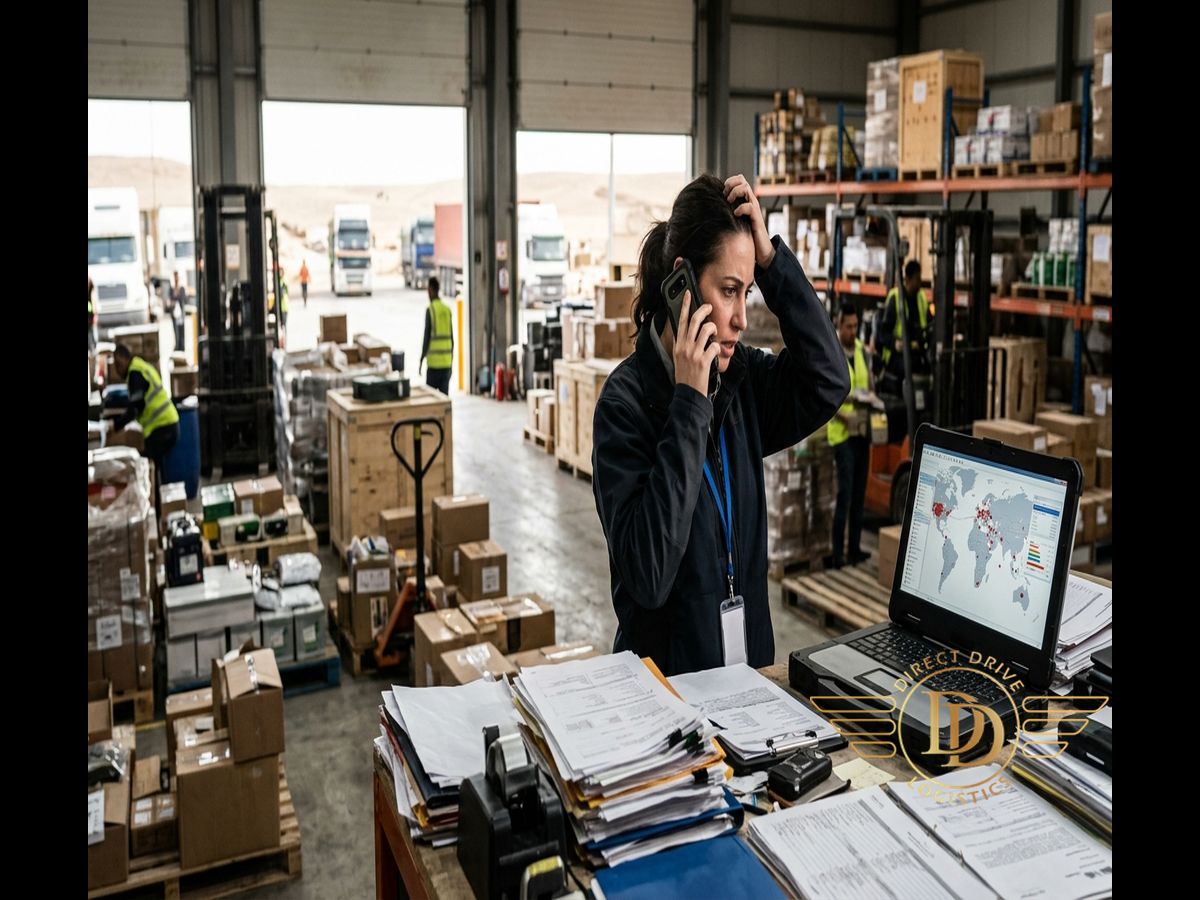
The Hidden Risks of Relying on Third-Party Agents at Iraqi Borders
Effective Iraq import export logistics hinges on seamless border crossings, yet this is where many providers fail. With land freight accounting for an estimated 70-75% of Iraq’s total imports, reliance on third-party customs agents at crossings like Ibrahim Khalil or Shalamcheh introduces significant, unmanaged risk. These local brokers operate independently, creating a critical point of failure outside your forwarder’s direct control.
This dependency often results in unexpected fees, documentation mismatches, and costly shipping delays at the Iraq border. One mistake we see regularly is businesses assuming their forwarder has on-the-ground control, only to discover their cargo is stuck due to a subcontractor’s error. Direct Drive Logistic eliminates this vulnerability by operating with our own teams and licenses across 15 border crossings spanning the Iran-Iraq and Turkey-Iraq corridors.
Communication Gaps and Lack of Accountability in a Fragmented Supply Chain
When your supply chain is fragmented across multiple subcontractors, accountability vanishes. A simple customs inquiry can devolve into a chain of unanswered calls, with no single party taking ownership. This lack of transparency is a primary cause of iraq logistics partner problems, turning preventable issues into major disruptions within a freight market projected to hit USD 11.29 billion in 2026. For businesses seeking reliable solutions, understanding the role of a dedicated Iraq project logistics partner is crucial.
Our team at Direct Drive Logistic has found that a unified operational structure is the only solution. By maintaining our own physical offices and warehouses in both Erbil, Iraq, and Tehran, Iran, we provide a single, accountable point of contact. With full fluency in Farsi, Arabic, Kurdish, and English, our team manages the entire process, ensuring clear communication and immediate problem resolution from origin to final destination.
Your next step: Request a review of your current Iraq shipping routes from our team to identify hidden third-party dependencies that are adding risk and cost to your supply chain.
DDL’s Direct Advantage: Permanent Offices & Warehouses in Iraq AND Iran
Streamlining Iran-Iraq Trade: A Single Point of Contact for Cross-Border Logistics
Successful iraq import export logistics across the Iran-Iraq border demands more than just a freight forwarder; it requires unified operational control. Navigating crossings like Parviz Khan, where standard customs clearance averages 3-5 days, becomes a major risk when separate brokers handle each side. Simple documentation discrepancies between parties can easily add another 3-7 days of costly delays.
Direct Drive Logistic eliminates this friction entirely. With fully-staffed permanent offices in both Tehran and Erbil, we operate as a single, cohesive team. Our quad-lingual staff (Farsi, Arabic, Kurdish, English) manages the entire process under one roof, ensuring perfect alignment on every customs declaration and transport document. This integrated approach is the key to reliable iraq iran cross-border shipping.
In our operations, we consistently see shipments delayed at the Parviz Khan border due to simple paperwork mismatches between an Iranian exporter and a separate Iraqi broker. Our integrated team prevents this entirely, as we did when re-routing three 40ft containers of FMCG goods from Tehran to Baghdad via the Mehran crossing without any change to the original ETA.
On-the-Ground Control: The Strategic Value of Our Owned Warehouses and Offices
True on-the-ground logistics in Iraq is defined by physical assets, not just agency agreements. We provide clients with secure warehousing services in our own facilities across Zakho, Erbil, Basra, and Tehran. This direct control insulates your cargo from the security vulnerabilities and price volatility of the third-party market, where rates can range from USD 8-12 per square meter in Basra to USD 12-18 in Erbil.
By owning and operating our infrastructure, we provide consistent, predictable costs and a secure chain of custody. This is particularly vital for sensitive cargo or goods requiring stable storage, as outlined in reports on regional food security. Our physical presence means we can react instantly to challenges, from rerouting shipments to providing emergency storage, without waiting for a subcontractor’s approval. Understanding the various Iraq trade routes is crucial for efficient operations.
Your next step: Request a comparative quote for your next Iran-Iraq shipment to see the cost and time savings of our direct, broker-free model.
Send your cargo details to Direct Drive Logistic on WhatsApp — get a route-specific checklist and quote within 24 hours.
Message on WhatsAppWhy Choose Direct Drive Logistic?
Offices in Erbil (HQ) + Tehran (Nasim Shahr Terminal); rentable warehouse space in Baghdad, Karbala, Najaf, Erbil and Duhok, plus a warehouse in Tehran
Government-licensed clearing agent — direct port access for sea freight into southern Iraq
2,500+ Iraq domestic deliveries, 300+ Iran-Iraq cross-border, 100+ international freight; air freight handler at Erbil, Baghdad, and Basra airports
Operational at 4 KRG borders (Parviz Khan, Bashmagh, Haji Omran, Ibrahim Khalil) plus the Sheikh Saleh border market, 5 federal Iran-Iraq borders (Khosravi, Sumar, Mehran, Shalamcheh, Chazzabeh) and 6 further federal crossings (Trebil, Arar, Safwan, Al-Qaim, Al-Rabia, Al-Waleed), plus Bandar Abbas port
Full operational fluency in Farsi, Arabic, Kurdish, and English — client-facing and documentation
~10 trucks/day from Erbil hub covering Baghdad, Karbala, Najaf, Basra, Kut (Wasit), Diyala, Nasiriyah, and all Iraqi governorates
Frequently Asked Questions
Navigating Iraq’s import/export landscape presents unique challenges, primarily related to regulatory compliance, infrastructure, and security. Documentation accuracy is paramount; discrepancies in commercial invoices, packing lists, or certificates of origin can cause significant delays, often adding 3-7 days to transit times. The market is projected to reach USD 11.29 billion in 2026, indicating growth, but operational complexities persist.
Iraq’s primary maritime gateway is the Port of Umm Qasr, located in the south, which plays a critical role in facilitating international trade. In 2025, Umm Qasr recorded approximately 1.5 million TEUs in container throughput, underscoring its importance for sea freight into Federal Iraq, including Basra and Baghdad. For land freight, which accounts for an estimated 70-75% of Iraq’s total imports, key border crossings include Ibrahim Khalil with Turkey and Parviz Khan with Iran. These land routes are vital for regional trade, influencing transit times and operational costs for shipments entering both Federal Iraq and the Kurdistan Region.
To ensure reliability and direct control, businesses should partner with a logistics provider that possesses a dual-country physical presence and acts as an official licensed clearing agent. For instance, Direct Drive Logistic maintains offices in Erbil (HQ) and Tehran, alongside rentable warehouse space in Baghdad, Karbala, Najaf, Erbil and Duhok, plus a warehouse in Tehran. Being a government-licensed clearing agent at the Port of Umm Qasr, as Direct Drive Logistic is, eliminates the need for third-party brokers, streamlining sea freight into southern Iraq and potentially saving significant port storage and demurrage fees. This direct engagement ensures greater transparency and control over the entire supply chain.
Comprehensive import/export services for Iraq typically include sea freight, land freight, and air freight, often combining these into multimodal solutions. Land freight is dominant, especially for regional trade from Turkey and Iran, accounting for 70-75% of total imports. Services involve customs clearance, warehousing, and last-mile delivery. Limitations often arise from border complexities; for example, average customs clearance at Ibrahim Khalil (Turkey-Iraq) is 2-4 days, while Parviz Khan (Iran-Iraq) averages 3-5 days. Providers with extensive border networks, such as those operating across 17 land frontiers into Iraq, can mitigate delays by offering alternative routes, as Direct Drive Logistic does, covering borders like Mehran and Bashmagh.
Customs clearance times at Iraq’s key land borders vary, primarily depending on the border crossing and the completeness of documentation. As of 2026, the average customs clearance time at the Ibrahim Khalil border crossing (Turkey-Iraq) is 2-4 days, while at Parviz Khan (Iran-Iraq), it averages 3-5 days. The accuracy and completeness of required documentation, such as the commercial invoice, packing list, certificate of origin, and import license, are critical. Discrepancies can cause significant delays of 3-7 days. Expedited clearance services, often offered by licensed customs agents, can reduce this by 1-2 days but typically incur a premium of 10-20% on standard fees.
For complex Iran-Iraq-Turkey trade routes, a provider needs extensive geographical reach, comprehensive border access, and strong multilingual capabilities. Direct Drive Logistic, with over 10 years of experience, operates across a 15-border crossing network spanning every land frontier into Iraq, including 6 KRG borders (like Parviz Khan and Ibrahim Khalil) and 5 federal Iran-Iraq borders (such as Khosravi and Mehran). This extensive network allows for route flexibility, as demonstrated by re-routing a Tehran-Baghdad shipment through Mehran without changing the ETA despite primary border congestion. Furthermore, a quad-language operations team (Farsi, Arabic, Kurdish, and English) eliminates communication barriers, crucial for seamless cross-border documentation and coordination.
Conclusion
Mastering Iraq import export logistics hinges on a direct, integrated approach that bypasses common pitfalls like single-country dependency and fragmented operations. The key to consistent success lies in a logistics partner with deep, localized expertise across all freight modes—sea, land, and air—and the ability to navigate complex customs regulations from Umm Qasr Port to any inland destination. As highlighted, relying on third-party agents at Iraqi borders often introduces unnecessary risk and delays, underscoring the value of a partner with permanent, dual-country infrastructure.
To optimize your Iraq import export logistics, first, audit your current shipment documentation against Incoterms 2020 to identify potential compliance gaps. Second, ask your current forwarder for direct evidence of their physical presence and licensed clearing capabilities at critical Iraqi borders and ports. Finally, consider how Direct Drive Logistic’s integrated network, with permanent offices and warehouses in both Iraq and Iran, can provide the unified control and transparency your supply chain requires.
When your shipment requires seamless customs clearance and onward distribution from Umm Qasr Port, Direct Drive Logistic acts as your official licensed clearing agent, ensuring direct port access for sea freight into southern Iraq. Our dual-country presence and extensive border network mean we handle every step directly, eliminating third-party reliance. For unparalleled reliability and security in your Iraq import export logistics, contact Direct Drive Logistic today at (+964) 750 637 9296.
Need Logistics Consultation?
The Direct Drive team is ready to assist. Message us now.
Navigating the complexities of Iraq’s import and export landscape demands a logistics partner you can trust. Experience seamless, efficient, and compliant cargo movement with Direct Drive Logistic. Unlock your potential in the Iraqi market today – call us at (+964) 750 637 9296 to streamline your supply chain and achieve unparalleled operational excellence.
Get Your Free Quote NowContact Us for a Consultation
Location
Direct Drive Logistic
Gulan Street, MRF Quattro Block A 13-9
Erbil, Kurdistan Region