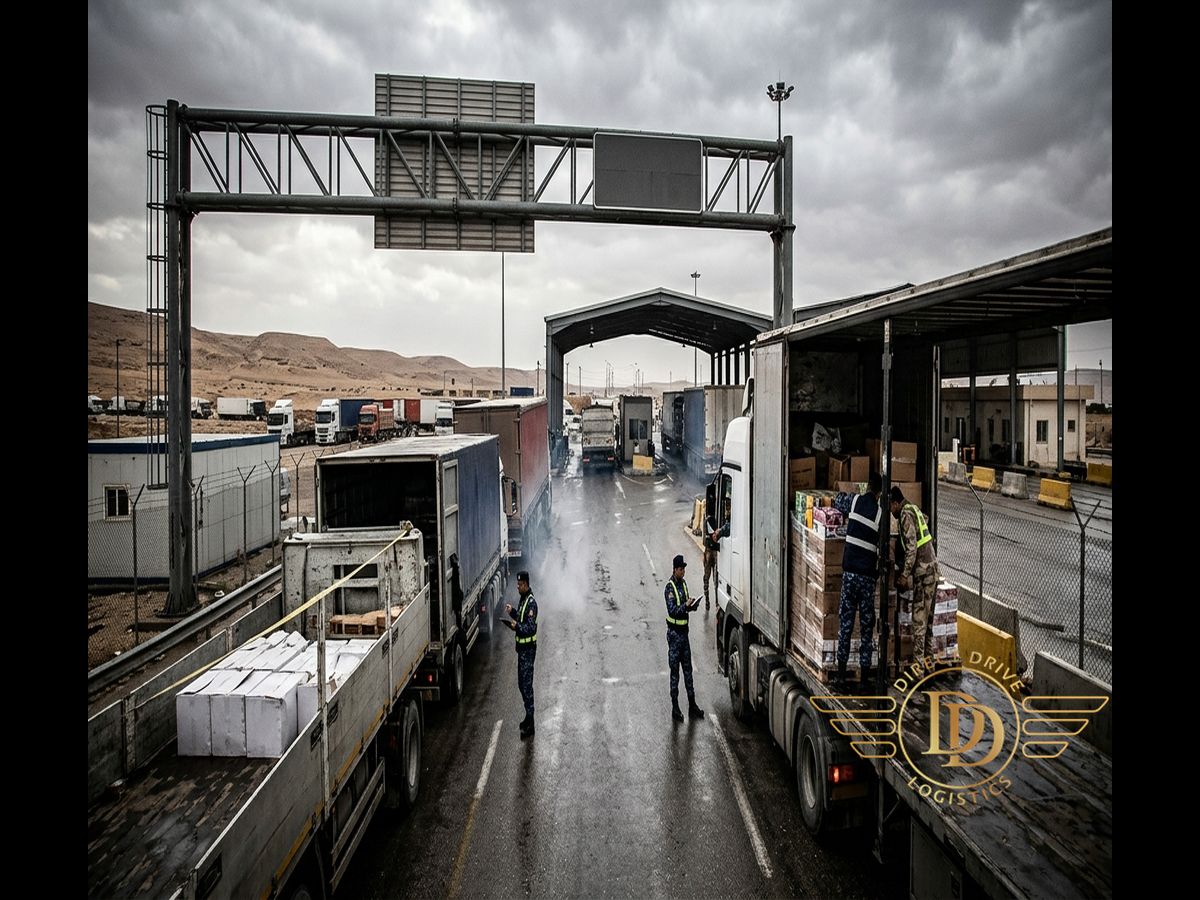
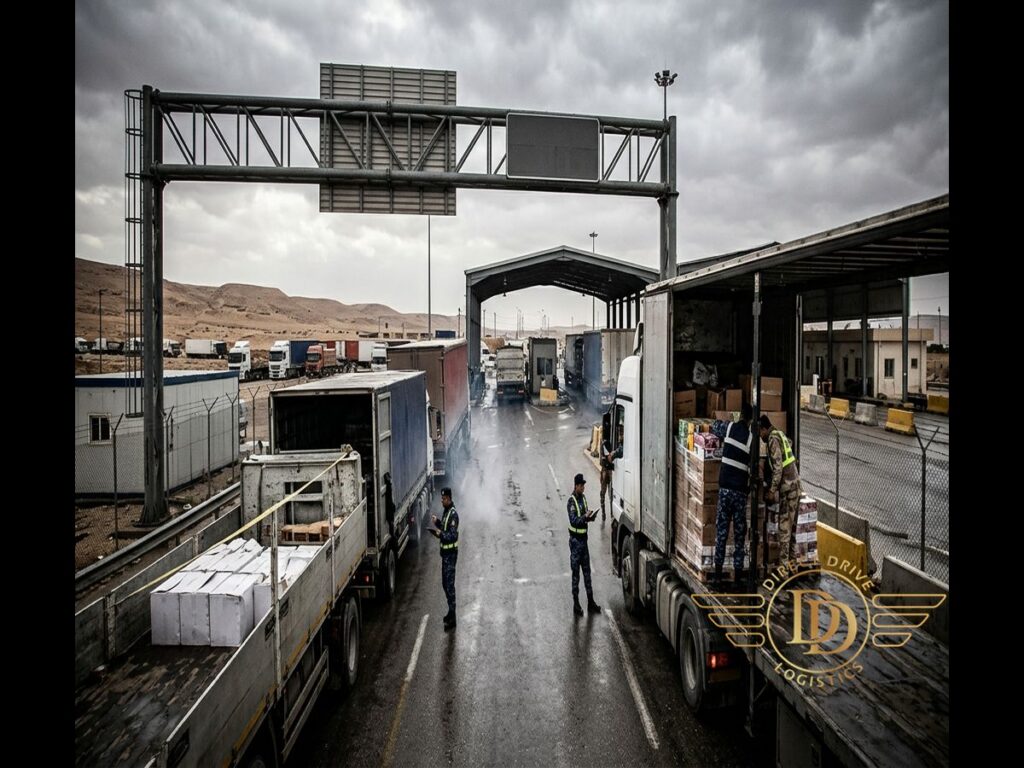
Discover how import export compliance iraq can transform your operations with this guide demystifies iraq’s complex compliance landscape using the on-the-ground experience of being an officially licensed clearing agent at the port of umm qasr, providing actionable insights that brokers without direct port access cannot.
Import export compliance Iraq involves navigating a complex regulatory landscape governed by federal and Kurdistan Regional Government (KRG) customs, requiring meticulous documentation and adherence to international sanctions. It encompasses understanding prohibited items, dual-use goods, and mandatory electronic verification of documents, ensuring smooth customs clearance and avoiding severe penalties or shipment delays. Effective compliance mitigates financial risks and operational disruptions.
When your cargo is stuck at the Iraqi border for weeks due to a missing Certificate of Origin (شهادة المنشأ, Shahadat al-Mansha’) or an improperly verified commercial invoice, the financial consequences and reputational damage can be substantial. Missing one customs document can delay your Iraq shipment by 3–6 weeks and cost USD 800+ in storage fees, a scenario far too common for businesses unaware of Iraq’s evolving import export compliance Iraq requirements. This guide demystifies Iraq’s complex compliance landscape, offering actionable insights that brokers without direct port access cannot.
You need to understand not only the overarching regulations but also the granular details, such as the mandatory electronic verification of Certificates of Origin and Commercial Invoices through the ASYCUDA customs management system, which has been fully enforceable since 10 July 2026. This system is crucial for streamlining customs declarations (التصريح الجمركي, al-Tasrih al-Jumruki) and avoiding costly delays. We also explore the intricacies of dual-use items (سلع ذات الاستخدام المزدوج, sila’ dhat al-istikhdam al-muzawaj), goods that have both commercial and military applications, which are subject to stringent export controls and require specific licensing.
This comprehensive guide explores import export compliance Iraq through multiple perspectives, from navigating the dual customs systems of the KRG and Federal Iraq to mitigating risks across major trade routes like Turkey-Iraq and Iran-Iraq. We will also delve into Incoterms (مصطلحات التجارة الدولية, Mustalahat al-Tijara al-Dawliya), the internationally recognized rules for defining the responsibilities of sellers and buyers for the delivery of goods, which are critical for determining compliance obligations. Understanding these nuances is vital for any international business professional or logistics manager seeking reliable, actionable information to ensure compliant, efficient, and risk-free operations into and out of Iraq.
Digitizing Trade: Iraq’s Mandatory Electronic Document Verification
The 2026 Mandate: Iraq’s Transition to Mandatory Electronic Document Submission
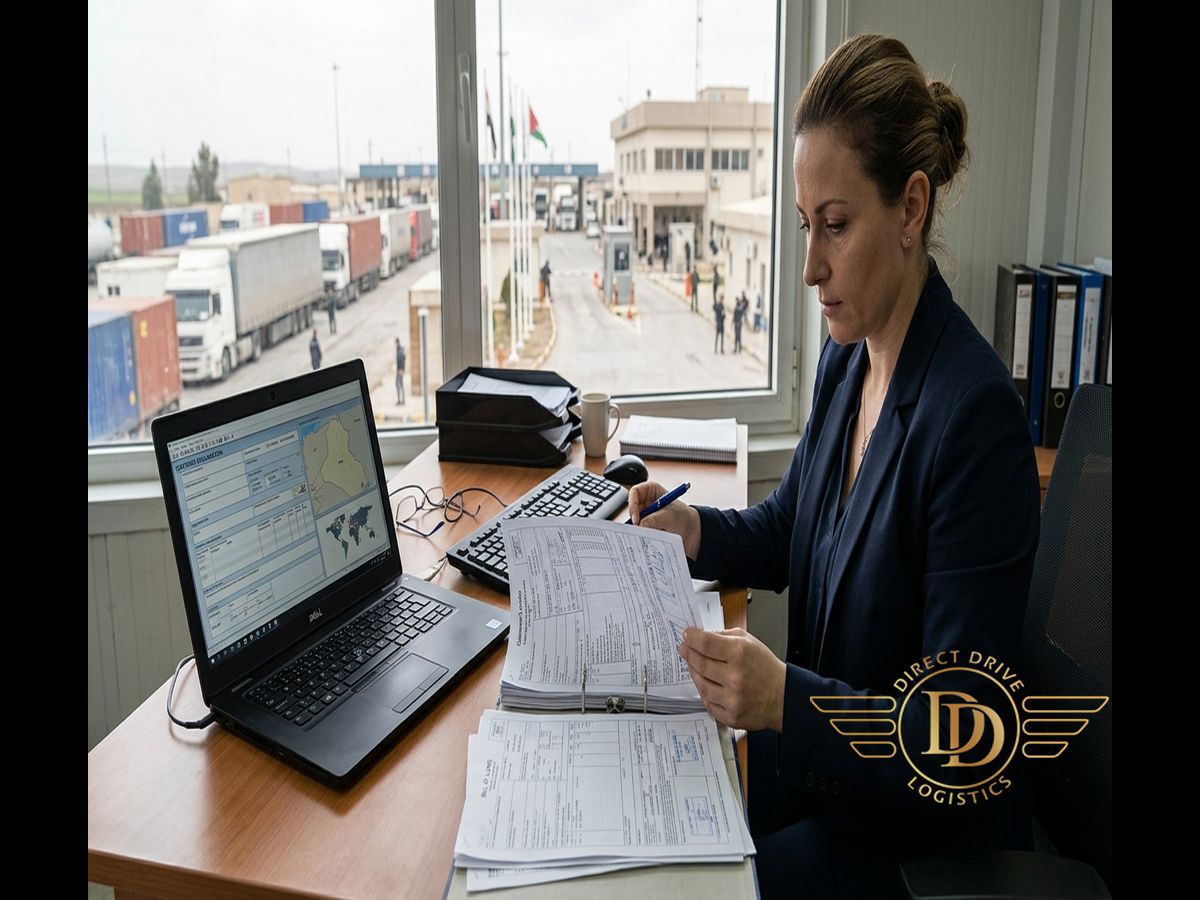
Since 10 July 2026, Iraq has mandated full electronic submission and verification for all Certificates of Origin and Commercial Invoices. This shift to the Iraq ASYCUDA system is the most significant change to import export procedures Iraq has seen in a decade, moving the country away from paper-based processing toward a fully digital customs environment.
This modernization aims to improve transit security and speed, but it comes with new operational costs. The rollout of digital verification and increased conformity assessments has already triggered double-digit percentage increases in compliance handling costs since 2024. For sensitive goods like food and electronics, we have seen documentation and inspection expenses rise by 10–20%.
In our operations at the Port of Umm Qasr, where Direct Drive Logistic is an officially licensed clearing agent, we see the real-world impact of this transition daily. A frequent error in this stage is assuming old documentation formats will be accepted. Incomplete or misaligned digital files can hold shipments for weeks, creating costly delays and demurrage charges that are entirely avoidable.
Properly prepared digital files, submitted through a partner with direct access to the customs system, typically clear within 3–7 working days. Navigating the new requirements for an Iraq export CO is not about simply emailing a PDF; it requires technical integration that many forwarders lack.
Your next step: Begin a full audit of your export documentation workflow now to identify gaps in your digital submission capabilities now that the requirement is already in force.
Beyond Generalities: Essential Iraqi Import Documentation Requirements
Core Commercial and Shipping Documents: From Invoices to Bills of Lading (B/L)
Effective Iraq logistics compliance hinges on meticulous documentation, where minor errors lead to major delays. A complete Iraq import documentation checklist must go beyond the basics. The core package includes a legalized Commercial Invoice, a detailed Packing List, the Bill of Lading (B/L) or Air Waybill (AWB), and a Certificate of Origin (COO) authenticated by the chamber of commerce in the country of export.
For most goods, a Certificate of Conformity (CoC) from an approved inspection body is mandatory to prove goods meet Iraqi standards. For land freight, the requirements are becoming even more stringent. Since November 2025, federal Iraq has required TIR carnets for land-based transit through federally controlled crossings, to reinforce transit security and speed. The requirement does not extend to KRG-controlled crossings. Operators without valid TIR carnets face denial of transit or significant delays at federal crossings such as Shalamcheh. Ibrahim Khalil works differently: it is cleared under the KRG customs system, with no TIR carnet entry registration at the border.
In our operations across Iraq’s 12 major border crossings, we consistently see delays caused by mismatched HS codes between the commercial invoice for Iraq customs and the final customs declaration. As an officially licensed clearing agent at the Port of Umm Qasr, our team submits this documentation directly to customs, bypassing the communication gaps and delays common with third-party brokers. This direct access is critical for rapid problem-solving when discrepancies arise, especially for companies utilizing an importer of record service Iraq.
Your next step: Before finalizing your shipment, send your draft commercial invoice and packing list to the Direct Drive Logistic team for a complimentary pre-clearance compliance review to identify potential issues.
Navigating Iraq’s Complex Customs: Federal vs. KRG Regulations
Understanding the Two Systems: Federal Iraq vs. Kurdistan Region (KRG) Customs
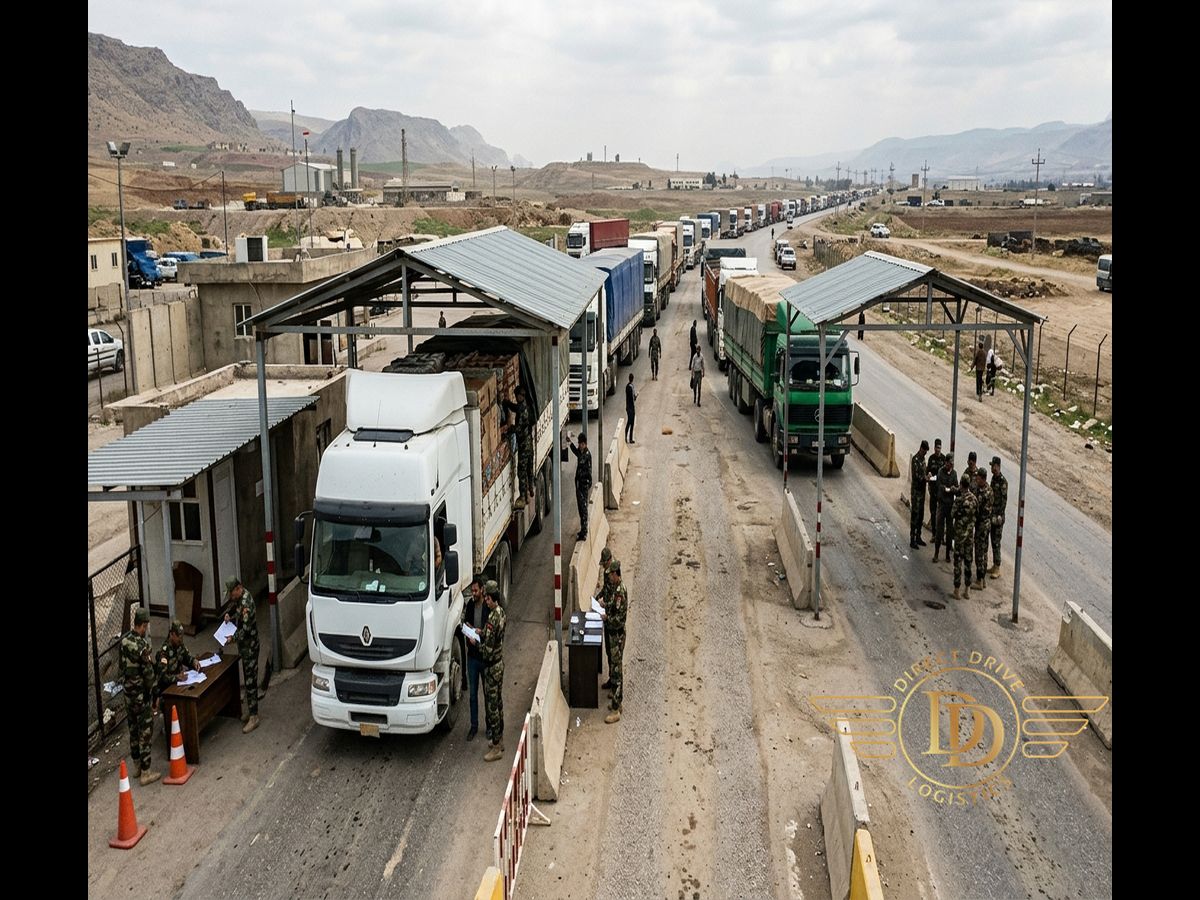
Effective import export compliance in Iraq requires understanding its dual customs structure. The country operates two distinct and independent customs authorities: the Federal Iraqi government, controlling ports like Umm Qasr and southern land borders, and the Kurdistan Regional Government (KRG), managing crossings in the north like Ibrahim Khalil and Bashmagh. These systems do not automatically recognize each other’s clearance procedures, creating a significant compliance challenge.
The Iraqi General Customs Authority is centralizing control, with a key development being the mandatory electronic verification of Certificates of Origin and Commercial Invoices via the ASYCUDA system. As of 10 July 2026, all imports into federal territory require this digital validation, or declarations risk suspension. This move highlights the increasing technical demands placed on shippers entering through federal gateways.
The ‘Double Clearance’ Challenge: Why KRG Entry Requires Federal Re-inspection
Cargo arriving through KRG borders and destined for cities like Baghdad or Basra faces a mandatory second customs clearance. A shipment cleared at Ibrahim Khalil (from Turkey) will be stopped at a federal checkpoint, such as Al-Sad, for a complete re-inspection and re-assessment of duties. This process adds significant time and cost, often causing delays of 1-3 days if documentation is not perfectly aligned with federal standards.
A frequent error in this stage is assuming KRG clearance is final for all of Iraq. Our team at Direct Drive Logistic has found that this misunderstanding is a primary cause of budget overruns and delivery failures. Because we operate across all 17 KRG and federal border crossings, we can strategically route cargo to avoid these choke points or prepare documentation for seamless dual clearance, a level of flexibility most forwarders cannot offer. This complex environment impacts Iraq’s overall logistics performance time. For comprehensive support, explore our cargo clearance services Iraq for smoother operations.
Your next step: Provide our team with your cargo’s origin and final Iraqi destination. We will map the optimal customs route—KRG or Federal—to minimize delays and dual-clearance fees within 24 hours.
Dual-Use Items and Export Control: Specific Examples for Iraq
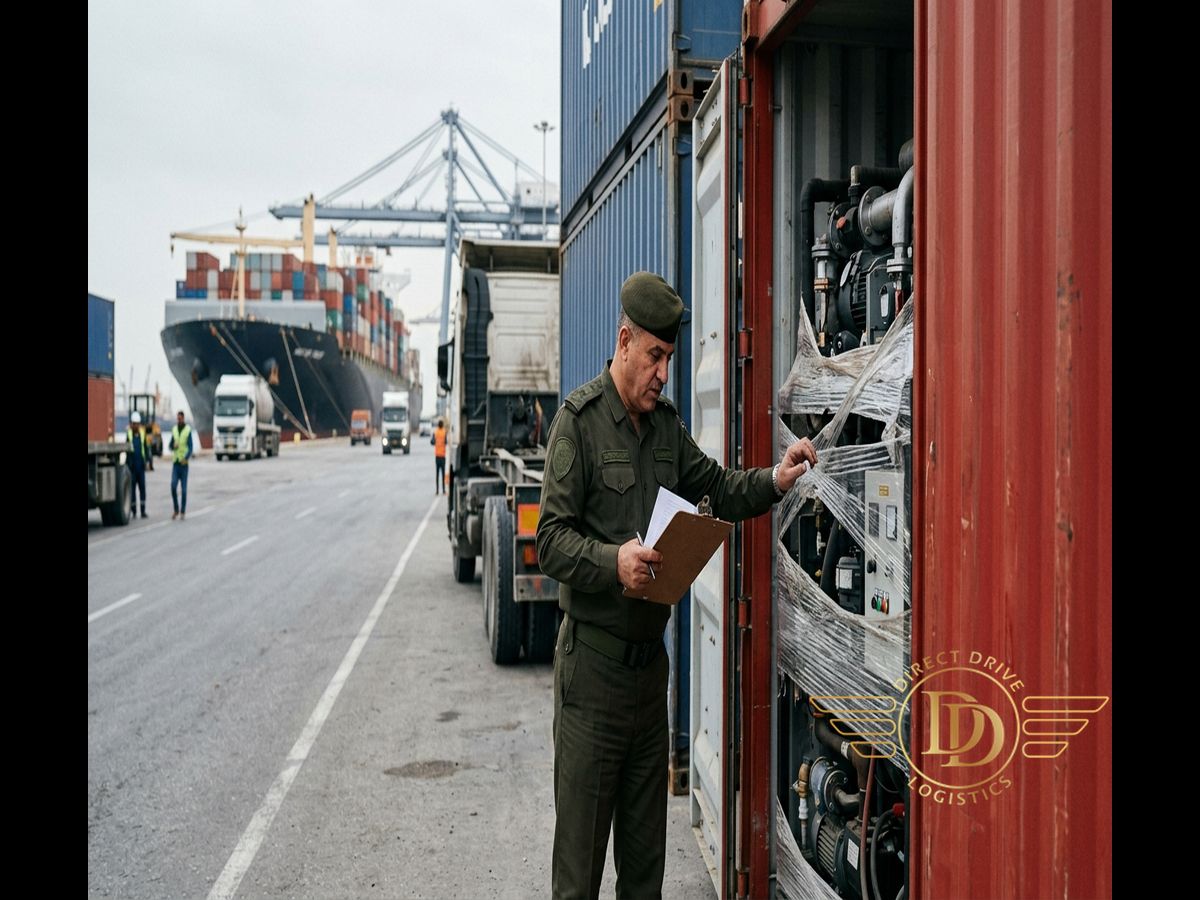
Defining Dual-Use Items and Scrutiny for Iraq Shipments
Navigating import export compliance Iraq requires a precise understanding of dual-use goods. These are items with both commercial and potential military applications, subject to strict international export controls and UN Security Council resolutions. For Iraq, this scrutiny is exceptionally high, covering not just obvious weaponry but also industrial components.
One mistake we see regularly: Shippers assume a standard commercial product is exempt from dual-use controls. A high-performance industrial valve or a specific chemical precursor, for example, can trigger an immediate customs hold if not properly licensed. These sensitive categories often face +10–20% higher documentation and inspection expenses to verify their end-use, a cost often overlooked in initial quotes.
Common Categories of Controlled Goods and Technology
The Iraq dual-use goods list is extensive and not always intuitive. Common controlled items include advanced telecommunications equipment, certain types of navigation systems (GPS), high-strength metals, and specific machine tools. Even advanced software with encryption capabilities can fall under these regulations, requiring an export license for Iraq.
In our operations, handling over 300 Iran-Iraq cross-border shipments, we find that undeclared chemical compounds and advanced electronics are the most frequent causes for severe delays. While standard shipments clear in 3–7 days, a dual-use query can halt cargo for weeks, disrupting supply chains and incurring significant demurrage costs. As a licensed clearing agent at the Port of Umm Qasr, we manage these inspections directly, providing the technical clarifications needed to prevent such costly delays, a capability brokers without direct port access lack and which impacts overall customs clearance times. Understanding the specific requirements for these goods is crucial for efficient transit along major trade routes in Iraq.
Your next step: Provide our team with the technical specification sheets for your industrial or electronic goods for a preliminary dual-use screening before you commit to shipping.
Overview of Import Export Compliance
Why Navigating Iraqi Trade Regulations Requires Specialized Logistical Expertise
Effective import export compliance Iraq demands more than just paperwork; it requires a deep understanding of a rapidly evolving regulatory landscape. For instance, the Iraqi General Commission for Customs has required TIR carnets for land-based transit through federal crossings since November 2025. This directly affects federal corridors such as the Iran route through Shalamcheh, where operators without valid TIR face outright denial of transit or crippling delays. Cargo arriving from Turkey through Ibrahim Khalil follows a different path: it clears under the KRG customs system at the border, then completes federal clearance under ASYCUDA at Mosul if it continues into federal Iraq.
This is not a challenge that can be managed from a distance. Successfully handling such requirements necessitates direct, on-the-ground expertise to navigate both federal and KRG customs systems. For a detailed breakdown of specific controls, the U.S. government offers a clear visual resource on Iraq, outlining items that require special licensing. A partner with a physical presence and official licenses can proactively manage these complexities, ensuring shipments are not caught off guard by regulatory updates. For expert import logistics for traders, specialized knowledge is essential.
Unifying Compliance Across KRG and Federal Iraq with a 17-Border Network
A fragmented approach to Iraqi logistics creates unnecessary risk. Direct Drive Logistic operates an integrated network covering 17 distinct border crossings, spanning both KRG- and Federal-controlled frontiers. This comprehensive coverage provides unparalleled flexibility, turning potential roadblocks into minor detours. For example, when a client’s FMCG shipment from Tehran to Baghdad faced a delay, we instantly re-routed the cargo through the Mehran border crossing, delivering it within the original timeline without any change to the ETA.
Our team at Direct Drive Logistic has found that this operational agility is the key to reliability in the region. Having active teams at crossings from Safwan on the Kuwaiti border to Ibrahim Khalil on the Turkish border allows us to offer multi-modal shipping solutions that adapt in real-time. This structure eliminates the common delays and communication gaps that occur when relying on multiple third-party brokers for a single transit.
Your next step: Provide our team with your cargo’s origin and destination, and we will map the most resilient and compliant route options within 24 hours.
Send your cargo details to Direct Drive Logistic on WhatsApp — get a route-specific checklist and quote within 24 hours.
Message on WhatsAppWhy Choose Direct Drive Logistic?
Offices in Erbil (HQ) + Tehran (Nasim Shahr Terminal); warehouses in Zakho, Erbil, Basra, and Tehran (2,000 sqm)
Government-licensed clearing agent — direct port access for sea freight into southern Iraq
2,500+ Iraq domestic deliveries, 300+ Iran-Iraq cross-border, 100+ international freight; air freight handler at Erbil, Baghdad, and Basra airports
Operational at 6 KRG borders (Parviz Khan, Bashmagh, Haji Omran, Ibrahim Khalil, Sheikh Saleh, Shoshmi), 5 federal Iran-Iraq borders (Khosravi, Sumar, Mehran, Shalamcheh, Chazzabeh) and 6 further federal crossings (Trebil, Arar, Safwan, Al-Qaim, Al-Rabia, Al-Waleed), plus Bandar Abbas port
Full operational fluency in Farsi, Arabic, Kurdish, and English — client-facing and documentation
~10 trucks/day from Erbil hub covering Baghdad, Karbala, Najaf, Basra, Kut (Wasit), Diyala, Nasiriyah, and all Iraqi governorates
Frequently Asked Questions
Fundamental requirements for import/export compliance in Iraq primarily involve meticulous documentation, adherence to product conformity standards, and navigating customs procedures efficiently. As of July 10, 2026, mandatory electronic verification of Certificates of Origin and Commercial Invoices through the ASYCUDA customs management system has been enforced, impacting all major gateways like Baghdad and Basra. Businesses must ensure their documents are registered with the Federation of Iraqi Chambers of Commerce to avoid potential delays of several days to weeks. This digital shift underscores the need for robust internal processes and a logistics partner with technical expertise in the evolving Iraqi regulatory landscape.
Specific challenges in Iraqi customs and trade regulations stem from regional differences between the Kurdistan Region of Iraq (KRG) and Federal Iraq, alongside evolving digital requirements. While the KRG often has its own customs procedures and tariffs, goods moving between KRG borders (e.g., Ibrahim Khalil, Bashmagh) and federal checkpoints (e.g., Al-Sad, Chiman) face additional scrutiny and potential re-routing. The rapid expansion of Iraq’s logistics market, estimated at USD 11.52 billion by 2026, means increased volume through corridors like Umm Qasr and Ibrahim Khalil, leading to stricter enforcement of transit and product conformity requirements. Managing this requires deep local knowledge and bilingual teams, such as those fluent in Kurdish and Arabic, to navigate complexities effectively.
To mitigate risks and ensure smooth operations in Iraq’s complex regulatory environment, a multi-faceted approach is essential. Partnering with a logistics provider that offers a 17-border crossing network, spanning every land frontier into Iraq (Iran, Turkey, Jordan, Saudi Arabia, Kuwait, and Syria), provides critical redundancy against border congestion or closures. For instance, Direct Drive Logistic successfully re-routed FMCG goods from Tehran to Baghdad through the Mehran border without changing the ETA, demonstrating the value of such a network. Additionally, leveraging a licensed clearing agent at key ports like Umm Qasr can drastically reduce clearance times, potentially clearing cargo in 48 hours and saving significant port storage and demurrage fees.
For compliant and efficient handling of Iraq-bound shipments, look for a logistics partner with deep regional expertise, official credentials, and robust operational capabilities. Key qualities include dual-country physical presence (e.g., offices in Iraq and Iran), official licensed clearing agent status at major ports like Umm Qasr, and true multimodal operational capacity with thousands of completed shipments. A partner with a quad-language operations team (Farsi, Arabic, Kurdish, English) is crucial for seamless communication and documentation across diverse regional authorities. This ensures not only adherence to strict import export compliance Iraq regulations but also effective problem-solving for unforeseen issues, such as temporary import licenses with KRG authorities.
Yes, a single partner can provide comprehensive, integrated solutions across all modes and borders in Iraq, provided they possess the necessary infrastructure and expertise. Direct Drive Logistic, with over 10 years of experience, operates a full intermodal corridor, managing everything from ocean freight to Bandar Abbas, Iran, to Iranian CMR transit and KRG import clearance, all under one consignment note and invoice. This eliminates the need for multiple brokers and reduces cross-handoff risks, crucial for maintaining import export compliance Iraq. Their daily scheduled departures from Erbil to all Iraqi governorates, with approximately 10 trucks per day, further exemplifies integrated domestic distribution capabilities, offering next-day delivery to most cities.
Current U.S. export control regulations for shipping to Iraq, primarily under the Export Administration Regulations (EAR) and OFAC Iran sanctions, are critical, especially given Iraq’s high trade volumes with Turkey (USD 18 billion in 2024) and Iran (USD 12.5 billion in 2024). Importers must screen against these regimes, even for goods transiting via these countries. UN Security Council resolutions also significantly affect trade compliance, requiring stringent due diligence for dual-use items or goods that could contribute to WMD proliferation. This means companies must conduct thorough end-user and end-use checks, ensuring all shipments adhere to international sanctions lists and Iraq’s own product verification schemes to avoid legal repercussions and substantial delays.
Conclusion
Navigating import export compliance in Iraq demands more than just a passing understanding of regulations; it requires deep operational expertise to manage both the 2026 electronic document verification mandate and the distinct customs frameworks of Federal Iraq and the KRG. The intricacies, from identifying dual-use items to ensuring precise documentation like Bills of Lading (B/L), underscore that successful trade is built on meticulous preparation and a solutions-focused partner.
To ensure your next shipment is compliant, immediately verify your Incoterms with your supplier to clarify responsibilities and obligations. Next, ask your current freight forwarder how they manage the specific challenges of dual-use item screening for Iraq, given the heightened scrutiny. Finally, consider how Direct Drive Logistic, with our specialized knowledge of Iraqi and Iranian logistics, can provide the clarity and operational excellence needed to overcome these complexities.
Direct Drive Logistic stands as Iraq’s market leader, offering unparalleled expertise in import export compliance Iraq. Our official license as a clearing agent at the Port of Umm Qasr means your sea freight into southern Iraq is handled directly and efficiently, mitigating delays and ensuring full regulatory adherence. For a partner that understands the nuances of the region and delivers reliable, secure logistics solutions, connect with us today at (+964) 750 637 9296.
Need Logistics Consultation?
The Direct Drive team is ready to assist. Message us now.
Navigate the complexities of import and export compliance in Iraq with confidence. Gain a competitive edge and avoid costly delays by partnering with Direct Drive Logistic. Call us today at (+964) 750 637 9296 to streamline your operations and ensure seamless, compliant shipments.
Get Your Free Quote NowContact Us for a Consultation
Location
Direct Drive Logistic
MRF Quattro towers, Block A-29-1
Erbil, Kurdistan Region