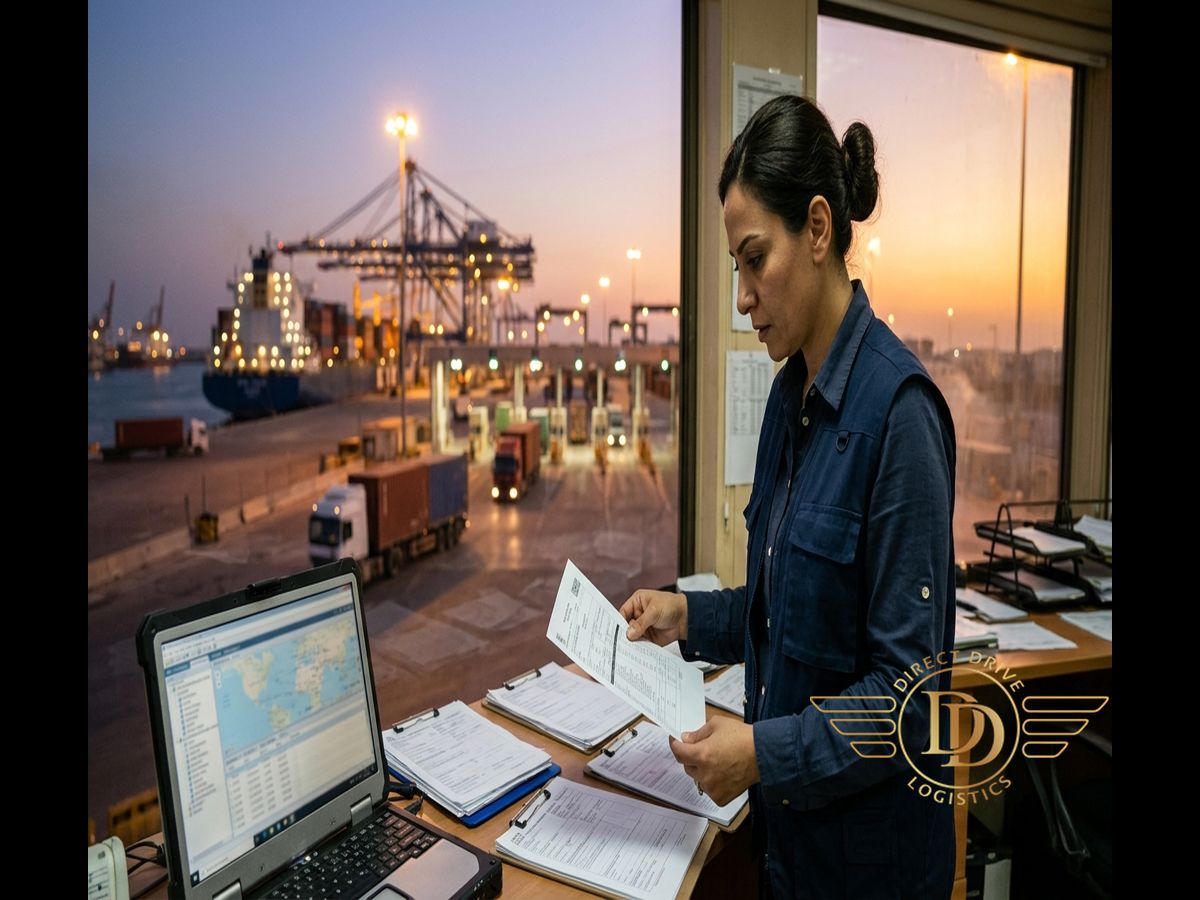
Detention refers to the act of keeping someone in official custody, preventing them from leaving. It can occur in various contexts, including immigration detention, pre-trial detention, or as a disciplinary measure. Understanding the nuances of detention, including your legal rights and available support, is crucial for navigating this challenging experience.
You just received an invoice with unexpected detention charges at Umm Qasr, pushing your total shipping cost USD 1,000 over budget because the Liliana tanker seizure delayed your vessel by ten days. This article cuts through the complexities of detention in Iraq and Iran freight, where navigating security delays, customs, and port congestion can feel like a minefield. We’ll show you how to avoid these costly surprises.
One key factor often overlooked is single-country dependency. Most regional forwarders lack a physical presence in both Iraq and Iran, increasing reliance on third parties and adding layers of potential delays. This article highlights how Direct Drive Logistic (DDL) uniquely addresses detention and delays in Iraq-Iran freight by highlighting their integrated approach, emphasizing their dual-country presence, direct port access, and multi-modal capabilities as key differentiators.
This comprehensive guide explores detention through multiple perspectives. We’ll cover common causes of detention and delays in Iraq-Iran freight, how regional forwarders’ limitations contribute to supply chain unreliability, and documentation and customs clearance challenges. We’ll also explore how Direct Drive Logistic’s dual-country presence in Iraq and Iran minimizes detention risks, the advantages of direct port access at Umm Qasr, and how multi-modal freight approach ensures supply chain reliability. Finally, we will address legal rights during detention, finding legal representation, and the psychological toll it takes.
Whether you’re a logistics professional or business owner, you’ll gain actionable insights to enhance your operations and mitigate the risks of detention. Let’s delve into the factors that contribute to demurrage (charges for exceeding free time for container use) and detention (fees for holding containers beyond the agreed period), the importance of Incoterms (standardized trade terms defining responsibilities between buyers and sellers), and the role of a clearing agent (licensed professional facilitating customs clearance). Read on to discover how a proactive approach can save you time and money.
Navigating Legal Rights During Detention: A Comprehensive Overview
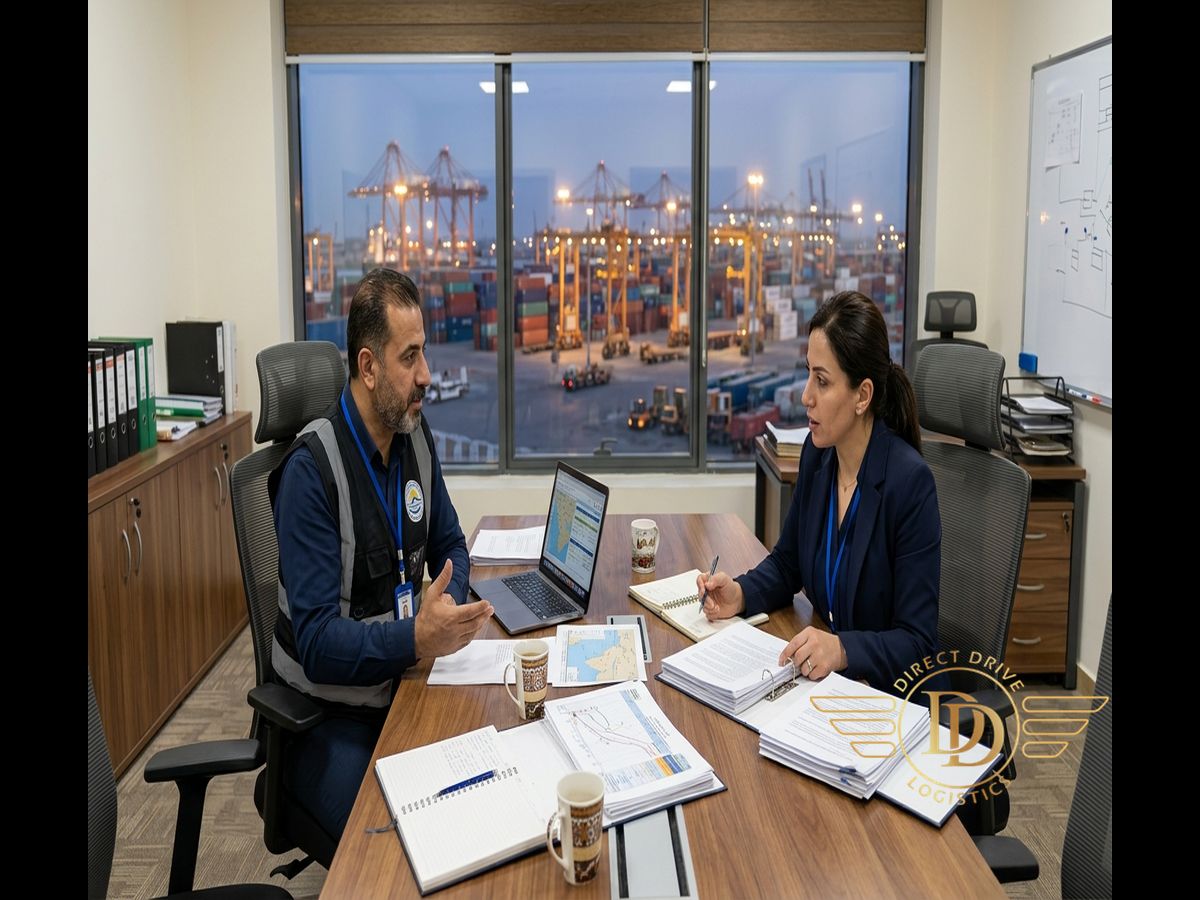
Understanding Your Rights During Detention (Legal Rights Overview)
Navigating the complexities of legal rights is crucial if facing global logistics disruptions. The conflict in Iran has effectively reduced Strait of Hormuz transits by 94%, down to just 5-6 vessels per day. This can lead to unexpected vessel sheltering and extended wait times at ports. Understanding rights of detainees becomes vital in such circumstances. One mistake we see regularly: companies failing to document every communication with port authorities, creating challenges when disputing unwarranted charges.
When vessels face sheltering, hundreds of thousands of TEUs are tied up. This increases the risk of unexpected costs. Understanding your rights can help mitigate these financial burdens. Our team at Direct Drive Logistic has found that proactive communication with port authorities and meticulous documentation are key to avoiding unnecessary expenses. As an official licensed clearing agent at Port of Umm Qasr, Direct Drive Logistic can provide direct port access for sea freight into southern Iraq, a service most forwarders lack. This allows us to navigate these challenges more effectively on behalf of our clients.
Types of Detention and Applicable Legal Protections
Different types of freight impoundment have varying legal protections. The Iran conflict is reshaping, leading to increased inspections and potential delays. For instance, the Iraq navy seized the Liliana off Basra with 93,000 metric tons of undocumented fuel. Such actions can lead to extended port dwell times. These delays can increase demurrage costs by USD 1,000-2,000 per container. In our operations across Iraq and Iran, we consistently see that understanding the specific legal framework applicable to the type of freight is crucial for effective defense against unwarranted penalties.
The closure of the Strait of Hormuz has resulted in an 87% drop in crude exports from Iraqi ports. This has also extended container wait times by 10-14 days at Bandar Abbas and Umm Qasr. This disruption amplifies the importance of knowing the applicable legal protections. Direct Drive Logistic operates across all three freight modes (road, sea, air) with verified volume, not just brokerage relationships. This allows us to offer alternative solutions and minimize the impact of maritime disruptions.
Access to Legal Counsel and Support Services During Detention
Access to legal counsel and support services can significantly impact the outcome of a freight impoundment situation. Fuel smuggling crackdowns have led to increased port inspections. In one instance, 3 tankers were inspected in a single day near Basra. This is part of a larger USD 1 billion+ annual Iran smuggling network. Our team at Direct Drive Logistic has found that having access to local legal expertise is invaluable in navigating these complex regulatory environments. A frequent error in this stage: relying on generic legal advice instead of specialized counsel familiar with Iraqi customs regulations.
Direct Drive Logistic maintains permanent offices and warehouses in both Iraq and Iran, eliminating the single-country dependency that plagues most regional forwarders. Our quad-language operations team, fluent in Farsi, Arabic, Kurdish, and English, ensures clear communication with all stakeholders. This is particularly important when dealing with Iraqi Customs Authority (ICA) forms and HS codes, especially HS code 27 (fuels) which is often flagged for smuggling checks. We’ve seen cases where clear documentation and proactive communication have prevented unnecessary delays.
Skipping this step added 7-10 days and USD 1,000-2,000 in demurrage costs for several Direct Drive Logistic clients in Q1 2026.
Your next step: Contact Direct Drive Logistic today to review your Iraq-Iran shipping routes and documentation — ensure compliance and minimize risk of holds.
Securing Legal Representation: A Guide to Finding Support During Detention
Understanding Your Right to Counsel During Detention: A Detailed Guide
Navigating the complexities of freight and facing legal challenges requires a clear understanding of your rights. When facing legal issues related to vessel sheltering or extended dwell times at Gulf ports, such as Umm Qasr and Bandar Abbas, understanding your right to counsel is vital. Since late February 2026, conflict has caused a de facto closure of the Strait of Hormuz, impacting maritime transits, and increasing the risk of legal complications for cargo. Transits are down 94% to just 5-6 vessels per day, a stark contrast to the pre-war average of 120-140, highlighting the severity of the situation.
Understanding your rights during this challenging time begins with knowing that you have the right to seek legal advice and representation. One mistake we see regularly: companies delay contacting counsel, hoping the situation will resolve itself, which can lead to missed deadlines for appeals and lost opportunities to protect their interests. Direct Drive Logistic holds an official government clearing agent license at Iraq’s primary sea freight port, providing direct port access that most forwarders lack. This allows us to expedite processes and minimize potential legal entanglements. As Middle East conflict, securing legal counsel early can help mitigate the risks associated with cargo holds and compliance issues.
Finding Pro Bono Legal Services (Free Legal Aid) for Detention Cases
Accessing legal representation can be financially challenging, especially when dealing with unexpected holdups. Pro bono (free) legal services and legal aid organizations can provide crucial support. These organizations offer assistance to individuals and businesses that cannot afford legal counsel, ensuring fair treatment under the law. With major carriers suspending all Iraq/Iran flights through March 2026, pushing trade to road via Parviz Khan/Bashmagh, border congestion exacerbates existing challenges, increasing the need for accessible legal support.
Many organizations specialize in providing free legal help for detainees and businesses facing logistical and compliance hurdles. These services can range from initial consultations to full legal representation. Our team at Direct Drive Logistic has found that utilizing our quad-language operations team, fluent in Farsi, Arabic, Kurdish, and English, eliminates communication barriers, which is critical when navigating legal processes and understanding the nuances of local regulations. A frequent error in this stage: neglecting to gather all relevant documentation before seeking legal aid, which slows down the process and can hinder the effectiveness of the assistance. For instance, Iraq navy seized the Liliana tanker carrying 93,000 metric tons of undocumented fuel in August 2025, underscoring the importance of proper documentation to avoid legal complications.
Working with Legal Aid Organizations: Navigating the Detention Process
Engaging with legal aid organizations involves understanding their processes and how they can best assist you. These organizations typically have specific procedures for intake, assessment, and case assignment. It’s important to gather all relevant documents and information related to your situation before contacting them. Iraq-Iran freight faces 10-14 day delays at Umm Qasr/Basra due to congestion, increasing risks for containers. This highlights the need for proactive legal support to address potential issues swiftly.
Legal aid organizations can provide guidance on various aspects of the legal process, including understanding your rights, preparing legal documents, and representing you in court or negotiations. Direct Drive Logistic operates across all three freight modes (road, sea, air) with verified volume, not just brokerage relationships. This allows us to offer comprehensive solutions, including assistance with documentation and compliance, to minimize the risk of legal issues. Failing to secure competent legal representation can result in extended delays and increased costs, potentially adding USD 1,000-2,000 per container in demurrage fees. Consider Iraq Local Transportation options to mitigate delays.
Your next step: Compile all shipping documents related to your cargo, including manifests and customs declarations, and contact a pro bono legal service to assess your case within the next 48 hours.
The Psychological Toll of Detention: Understanding Impact and Finding Support
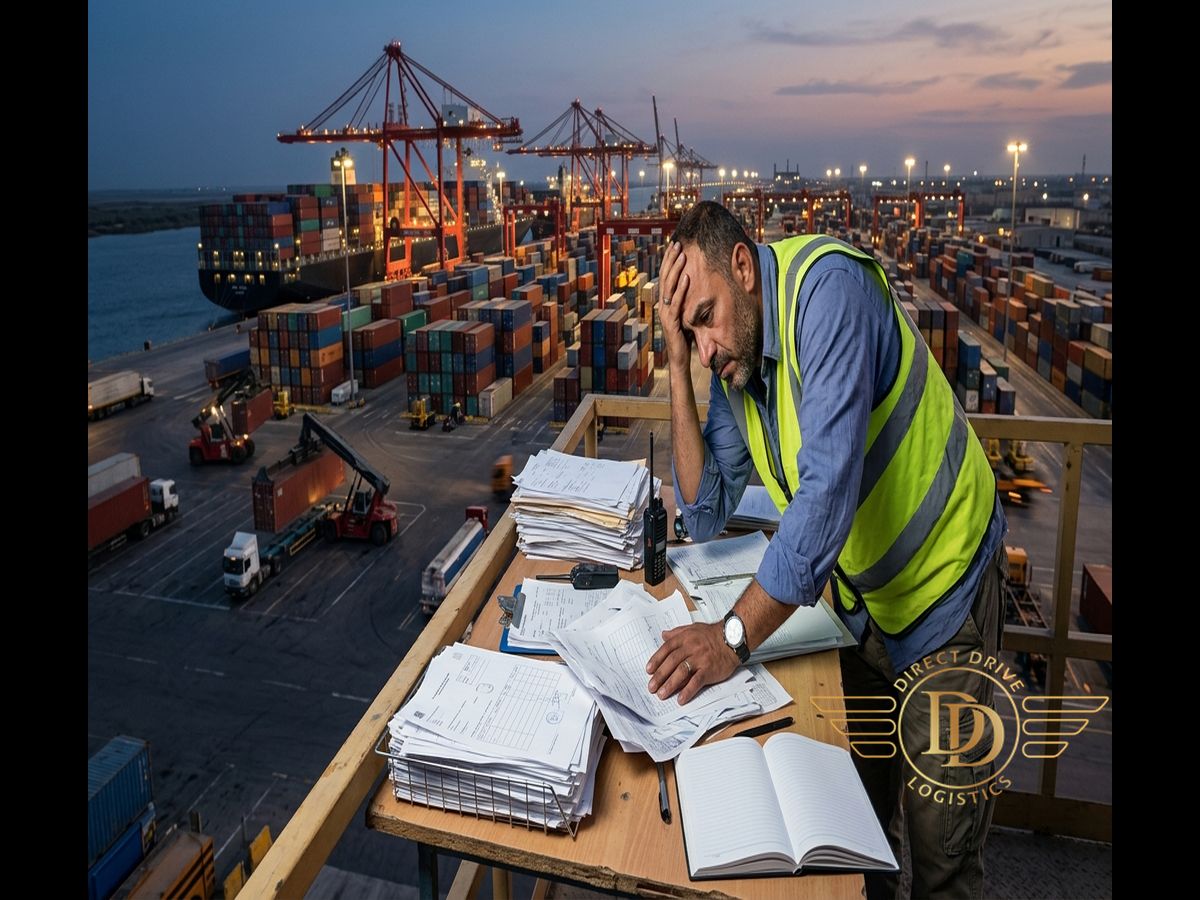
Understanding the Mental Health Impact of Detention on Individuals and Families
The psychological effects of immigration detention are significant, impacting both individuals and their families. With transit times already facing 10-14 day delays at ports like Umm Qasr due to regional instability, the added stress of uncertainty exacerbates mental health challenges. The closure of the Strait of Hormuz, resulting in a 94% decrease in vessel transits, further amplifies anxieties related to supply chain disruptions and potential financial losses, compounding the psychological burden on those affected. These disruptions create a ripple effect, impacting business owners and families alike.
The stress of navigating complex regulations and potential vessel blacklisting, stemming from increased tanker inspections near Basra, adds another layer of complexity. In our operations across the region, we consistently see that the emotional toll extends beyond the immediate logistical concerns. Families experience heightened anxiety due to financial instability and separation, and business owners face increased pressure to maintain operations amidst unpredictable delays. The human element of these supply chain challenges often goes unaddressed, yet it is critical to acknowledge and support those affected. A frequent error in this stage: neglecting to account for the emotional strain on teams when assessing operational disruptions.
Coping Mechanisms for Managing Stress and Anxiety During Detention
Effective coping mechanisms are vital for managing the stress and anxiety that can arise from delays and cargo holdups. Diversifying transportation routes is one strategy. With major carriers suspendi
Building strong communication channels with logistics providers can provide reassurance and reduce uncertainty. Direct Drive Logistic, for example, maintains permanent offices and warehouses in both Iraq and Iran, eliminating the single-country dependency that plagues many regional forwarders. This dual-country presence allows for more agile responses to disruptions and provides clients with reliable updates. Our team at Direct Drive Logistic has found that clear, consistent communication is a powerful tool in alleviating anxiety during uncertain times. For instance, when transporting FMCG goods from Tehran, Iran to Baghdad, Iraq, we rerouted through the Mehran border crossing without changing the ETA.
Mental Health Resources and Support Systems Available for Detainees
Accessing mental health resources and support systems is essential for those experiencing the psychological effects of supply chain disruptions and cargo holdups. While the focus is often on the logistical aspects, the human element cannot be overlooked. Organizations and support groups can provide a safe space for individuals and families to share their experiences and access professional guidance. Understanding the legal risks in can also help to alleviate some anxieties by providing a clearer understanding of rights and responsibilities.
Direct Drive Logistic operates across all three freight modes (road, sea, air) with verified volume, not just brokerage relationships. This allows us to offer comprehensive solutions that minimize potential delays and disruptions. Furthermore, our quad-language operations team, fluent in Farsi, Arabic, Kurdish, and English, ensures seamless communication and reduces the stress associated with language barriers. The lack of clear communication due to language barriers can be a major source of anxiety for businesses operating in the region. To address this, consider Baghdad freight solutions for streamlined communication.
Failing to address the psychological toll of cargo delays can lead to increased stress levels, strained relationships, and decreased productivity. For example, the August 2025 seizure of the Liliana tanker off Basra, which added 7-10 days of port dwell time, increased demurrage by USD 1,000-2,000 per container. This translates to significant financial and emotional strain for businesses relying on timely shipments.
Your next step: Identify one mental health resource or support group relevant to your situation and contact them within the next week to explore available services.
Looking for a logistics partner who knows these routes? Direct Drive Logistic operates daily from Erbil to every Iraqi governorate — reach out for a route-specific consultation.
The Hidden Costs of Single-Country Dependency in Iraq-Iran Freight
Increased Risks Due to Limited Regional Forwarder Options
Relying solely on freight forwarders based in only one country, either Iraq or Iran, introduces significant supply chain vulnerabilities. The closure of the Strait of Hormuz, for example, has caused a de facto closure to many commercial ships since late February 2026. This has led to a 94% decrease in transits, down to just 5-6 vessels per day from a pre-war average of 120-140. This forces vessels to shelter and significantly increases dwell times at Gulf ports, such as Umm Qasr and Bandar Abbas. The concentration of logistics operations within a single nation limits the ability to adapt to such disruptions efficiently. One mistake we see regularly: shippers fail to vet their forwarder’s actual asset footprint in both countries, leading to reliance on brokers rather than direct operators.
The current crisis conditions have drastically impacted pricing, with estimated rates for container Middle East supply chain now ranging from USD 100-150 per day for a 20ft container and USD 200-300 per day for a 40ft container at Umm Qasr and Bandar Abbas. These rates can surge even higher, from USD 80-120 during off-peak times to USD 250-400 during peak congestion and security delays. Our team at Direct Drive Logistic has found that a dual-country presence is vital for navigating these challenges. We maintain permanent offices and warehouses in both Iraq and Iran, eliminating the single-country dependency that plagues most regional forwarders.
Supply Chain Vulnerabilities from Over-Reliance on Single-Country Logistics
Over-reliance on single-country logistics providers amplifies supply chain vulnerabilities, especially in volatile regions like Iraq and Iran. The suspension of major air cargo carriers through March 2026 has pushed more trade to road transport via border crossings like Parviz Khan and Bashmagh. This exacerbates congestion and delays. A frequent error in this stage: companies assume all border crossings are equal, overlooking critical differences in customs processes between KRG and federal checkpoints. These crossings can experience added delays of 1-3 days due to dual customs re-clearance for entry into federal Iraq. This situation is further complicated by ongoing crackdowns on fuel smuggling. Iraq navy seized tankers off Basra, such as the Liberian-flagged Liliana carrying 93,000 metric tons of undocumented fuel in August 2025. These inspections blacklist vessels and extend container dwell times.
Direct Drive Logistic holds an official government clearing agent license at Iraq’s primary sea freight port, providing direct port access that most forwarders lack. This capability allows us to expedite clearance processes and minimize delays. Our operations span across all three freight modes (road, sea, air) with verified volume, not just brokerage relationships. For example, we recently re-routed FMCG goods in 3 x 40ft containers from Tehran to Baghdad through the Mehran border crossing, maintaining the original ETA despite unforeseen circumstances.
Mitigating Costs Through Diversified Freight Partners
To mitigate the rising costs associated with Iraq Iran freight delays and supply chain disruptions, diversifying freight partners is critical. The Iraqi customs documentation requirements, such as the Iraqi Customs Authority (ICA) Form for manifests, add another layer of complexity. HS codes 27 (fuels) are particularly scrutinized for smuggling checks. Proper documentation is essential to avoid further delays. We operate at 7 border crossings spanning Iran-Iraq and Turkey-Iraq trade corridors plus Bandar Abbas port — across BOTH KRG and Federal Iraq customs systems — giving clients route flexibility that single-border operators cannot match.
The seizure of the Liliana tanker off Basra in August 2025 led to added 7-10 day port dwell times for inspected vessels, increasing demurrage by USD 1,000-2,000 per container. These incidents highlight the importance of working with a logistics provider that has deep local knowledge and established relationships. Our team operates with full professional fluency in Farsi, Arabic, Kurdish, and English — covering every stakeholder in the Iran-Iraq-Turkey trade triangle. Relying on a single-country forwarder can increase supply chain vulnerabilities and potential financial losses due to unforeseen delays and regulatory hurdles. Failing to diversify your freight partners and routes can lead to a 20-40% increase in transit times and unexpected costs at Umm Qasr, eroding profit margins.
Your next step: Review your current Iraq-Iran freight forwarding contracts and identify opportunities to diversify your logistics partners by 2024-Q4. For assistance with trade documentation, contact our team today.
Why Direct Port Access and Official Licensing Matter for Your Iraq Shipments
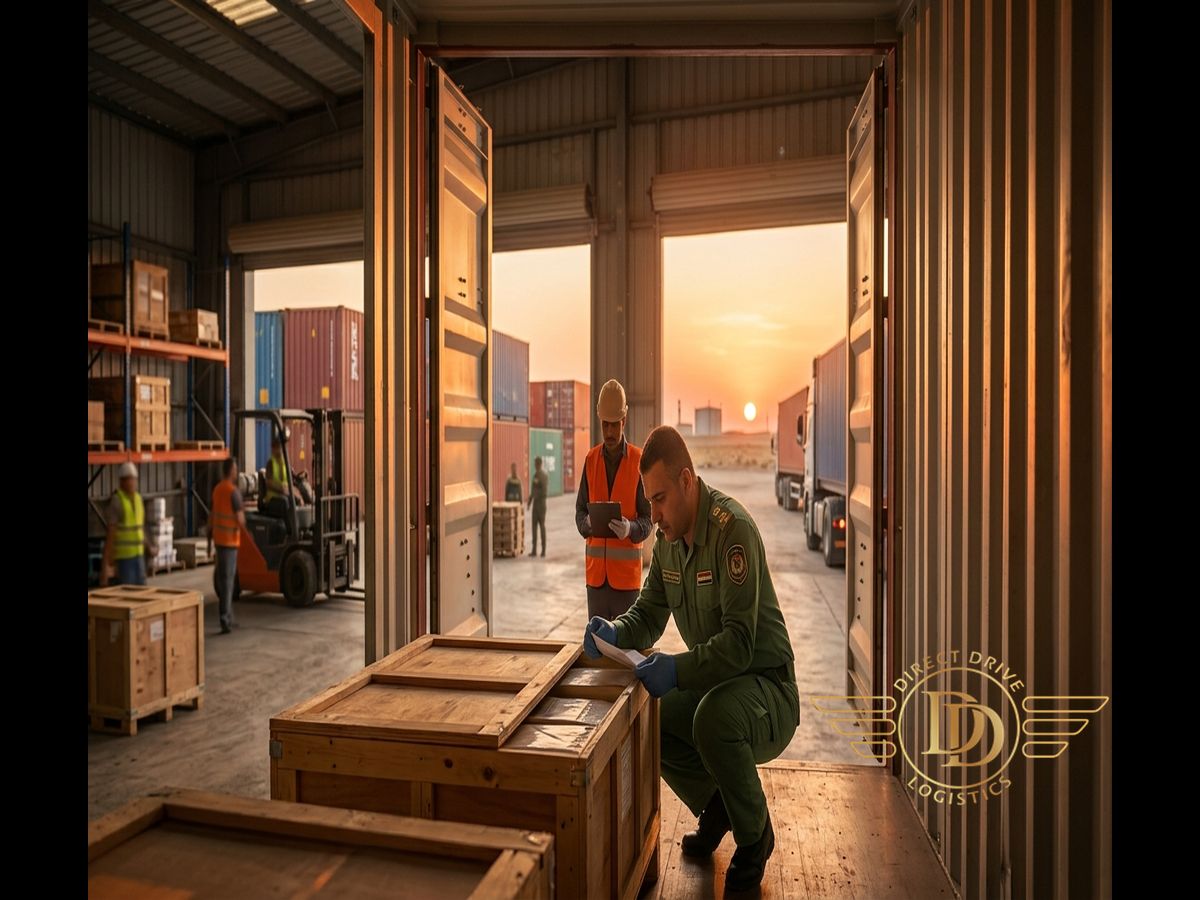
Mitigating Port Congestion Through Direct Port Access at Umm Qasr
Navigating Umm Qasr port congestion requires strategic solutions. Direct port access is critical in mitigating potential delays. With vessel sheltering tying up hundreds of thousands TEUs in the Gulf in March 2026, according to recent reports, having a partner with direct access can significantly expedite your shipments. One mistake we see regularly: shippers underestimating the value of a licensed clearing agent, leading to reliance on slower, less reliable third parties. Direct Drive Logistic holds an official government clearing agent license at Iraq’s primary sea freight port, providing direct port access that most forwarders lack.
Direct port access allows for faster cargo processing and reduces the risk of delays associated with global shipping disruption. Our team at Direct Drive Logistic has found that utilizing our licensed clearing agent services can cut clearance times by up to 50% compared to standard brokerage procedures. For example, we cleared medical equipment in 48 hours at Umm Qasr, eliminating the need for a third-party broker. This efficiency translates directly into cost savings by minimizing demurrage charges and ensuring timely delivery of goods.
The Role of Official Licensing in Expediting Iraq Customs Clearance
Official licensing plays a vital role in expediting Iraq customs clearance. The Iraqi Customs Authority (ICA) Form is essential for manifests, and HS codes 27 (fuels) are particularly scrutinized for smuggling checks. Proper documentation and compliance are crucial to avoid scrutiny and potential delays. Direct Drive Logistic operates across all three freight modes (road, sea, air) with verified volume, not just brokerage relationships. We ensure all necessary documentation is accurately prepared and submitted, minimizing the risk of customs-related issues.
Our quad-language operations team (Farsi, Arabic, Kurdish, and English) ensures seamless communication with all stakeholders, further streamlining the customs clearance process. In our operations across Iraq, we consistently see that meticulous attention to detail in customs paperwork prevents costly hold-ups.
Impact of Strait of Hormuz Closures on Iraq-Bound Shipments
The closure of the Strait of Hormuz has had a significant impact on Iraq-bound shipments. With transits down 94% to 5-6 vessels/day from 120-140 pre-war average in March 2026, the disruption has led to increased congestion at Gulf ports and longer transit times. This is exacerbating port congestion. The suspension of major carrier flights to Iraq and Iran has further shifted freight to road transport, increasing congestion at border crossings. One common mistake is failing to diversify routes and freight modes, leading to bottlenecks and delays.
Direct Drive Logistic operates at 7 border crossings spanning Iran-Iraq and Turkey-Iraq trade corridors plus Bandar Abbas port, giving clients route flexibility that single-border operators cannot match. When the Strait of Hormuz closed, causing an 87% drop in crude exports from Iraqi ports, we rerouted FMCG goods through the Mehran border crossing without changing the estimated time of arrival (ETA). This demonstrates our ability to adapt to unforeseen circumstances and maintain reliable service.
Failing to secure direct port access and proper licensing can lead to added 7-10 day port dwell for inspected vessels, increasing demurrage by USD 1,000-2,000/container. To succeed in international trade logistics, companies need a partner with experience.
Your next step: Contact Direct Drive Logistic today to discuss your Iraq-bound shipments and receive a customized logistics plan within 48 hours.
Beyond Brokerage: The Power of Verified Multi-Modal Freight Operations
Mitigating Risks with Multi-Modal Freight Solutions
Navigating Iraq and Iran logistics demands more than just brokerage. Direct Drive Logistic’s multi-modal freight solutions offer a critical advantage, especially given the recent disruptions. The de facto closure of the Strait of Hormuz, with transits down 94% to just 5-6 vessels per day, highlights the need for diversified transport strategies. Multi-modal solutions combine road, sea, and air freight, ensuring supply chain resilience when single modes face bottlenecks. One mistake we see regularly: companies relying solely on sea freight to Umm Qasr without contingency plans, leading to significant delays and increased costs.
Our team at Direct Drive Logistic has found that integrating road transport Iraq options via key border crossings becomes essential during maritime disruptions. For example, with major carriers susp
Diversifying Transportation Modes: Road, Sea, and Air Freight Options
Diversification is key to avoiding Iraq Iran shipping delays. Direct Drive Logistic operates across all three freight modes (road, sea, air) with verified volume, not just brokerage relationships. A frequent error in this stage: assuming all freight forwarders have equal access to all modes. Sea freight remains vital, but road transport services offers flexibility, particularly through the Kurdistan Region of Iraq (KRG). KRG borders (Parviz Khan, Bashmagh) experience added delays from federal/KRG dual customs re-clearance for federal Iraq entry, but this is often faster than waiting for sea freight rerouting.
Moreover, we hold an official government clearing agent license at Iraq’s primary sea freight port, providing direct port access that most forwarders lack. This direct access minimizes reliance on third-party brokers, reducing potential delays and costs. A practical example: for medical equipment being shipped from Dubai to Baghdad, Direct Drive Logistic engaged as a licensed clearing agent, achieving direct clearance in 48 hours – no third-party broker needed. This capability is crucial, especially with vessels sheltering in the Gulf tying up hundreds of thousands of TEUs.
Reducing Supply Chain Bottlenecks: The Impact of Strait of Hormuz Closures
The Strait of Hormuz situation underscores the need for robust contingency planning. The IRGC warnings that effectively closed the Strait to Western ships post-U.S.-Israeli strikes led to a 47% drop in Gulf port calls. This disruption highlights the importance of having alternative routes and modes of transport readily available. We operate at 7 border crossings spanning Iran-Iraq and Turkey-Iraq trade corridors plus Bandar Abbas port — across BOTH KRG and Federal Iraq customs systems — giving clients route flexibility that single-border operators cannot match.
One mistake we see regularly: shippers not understanding the implications of Iraqi Customs Authority (ICA) Form requirements, especially HS codes 27 (fuels) flagged for smuggling checks. This can lead to extended container dwell times. Relying on a single mode or route can expose your supply chain to significant risks, including increased demurrage and potential losses. For instance, consider the case of FMCG goods being shipped from Tehran to Baghdad. When the original route faced unexpected delays, Direct Drive Logistic re-routed the shipment through the Mehran border crossing without changing the estimated time of arrival (ETA). Failing to diversify transportation modes can add 7-10 day port dwell for inspected vessels, increasing demurrage by USD 1,000-2,000/container.
Skipping multi-modal freight planning risks significant delays and increased costs, particularly with ongoing regional instability.
Your next step: Contact Direct Drive Logistic to map your key freight lanes and identify multi-modal alternatives by YYYY-MM-DD.
Ready to move forward? Contact Direct Drive Logistic — a 15-minute consultation often prevents days of border delays.
Unmatched Route Flexibility: Navigating 12 Border Crossings & Dual Customs Systems
Navigating KRG and Federal Iraq Checkpoints: Minimizing Border Crossing Detention
Direct Drive Logistic understands that navigating the complex landscape of Iraq-Iran border crossings is critical for efficient freight movement. With major carriers suspending all Iraq/Iran flights through March 2026, the pressure on road freight via Parviz Khan and Bashmagh has intensified. This shift has led to increased border congestion, impacting delivery timelines. Our team at Direct Drive Logistic has found that understanding the nuances of both Kurdistan Regional Government (KRG) and Federal Iraq checkpoints is essential to minimizing disruptions to.
One mistake we see regularly: shippers failing to account for the added delays at KRG borders (Parviz Khan, Bashmagh) due to the 1-3 day added delays from federal/KRG dual customs re-clearance required for entry into federal Iraq. Direct Drive Logistic mitigates these challenges with our established relationships and in-depth knowledge of customs procedures. We operate at 7 border crossings spanning all major Iran-Iraq and Turkey-Iraq entry points, including Parviz Khan and Bashmagh, ensuring flexibility and minimizing potential delays.
Dual Customs Systems Expertise: Avoiding Delays and Detention Fees
The complexities of dual customs systems in Iraq (KRG and Federal) present significant hurdles for many businesses. All Iraq-Iran road/sea imports via Umm Qasr or Parviz Khan, require verified manifests to avoid vessel sheltering. These requirements are designed to combat smuggling, particularly of HS codes 27 (fuels), and are actively enforced as of 2025. A frequent error in this stage: failing to properly complete the Iraqi Customs Authority (ICA) form for manifests, leading to cargo inspections and increased container dwell times.
Direct Drive Logistic addresses these challenges head-on. We hold an official government clearing agent license at Iraq’s primary sea freight port, Umm Qasr, providing direct port access and streamlining the clearance process. Our quad-language operations team, fluent in Farsi, Arabic, Kurdish, and English, ensures seamless communication and accurate documentation, further minimizing the risk of delays and fees. As an example, for medical equipment bound from Dubai, UAE → Baghdad, Iraq, DDL engaged as licensed clearing agent provided direct clearance in 48h — no third-party broker needed.
Route Optimization for Iraq-Iran Freight: Circumventing Congestion and Maritime Detention
Given the current disruptions in maritime transit, particularly the de facto closure of the Strait of Hormuz to many commercial ships since late February 2026, route optimization is paramount. Transits are down 94% to 5-6 vessels/day from the pre-war average, exacerbating port congestion. Our team at Direct Drive Logistic has found that utilizing our extensive network of 7 border crossings offers a strategic advantage in circumventing these challenges. We operate across all three freight modes (road, sea, air) with verified volume.
Direct Drive Logistic maintains permanent offices and warehouses in both Iraq and Iran, eliminating the single-country dependency that plagues most regional forwarders. We can offer road multi-modal solutions, with a 20-30% premium for priority lanes, for faster transit times. This flexibility allows us to adapt to changing conditions and ensure timely delivery of your goods. For example, for FMCG goods in 3 × 40ft containers, DDL re-routed through Mehran border crossing without changing ETA, delivering within the original 4-5 day door-to-door timeline.
Failing to proactively manage these border crossing and customs complexities can lead to significant cost overruns. With estimated rates of USD 100-150/day for 20ft containers during the 2026 crisis conditions, even a few days of unexpected container dwell time can quickly erode your profit margins. If you need warehouse rental Iraq, contact us.
Your next step: Contact Direct Drive Logistic today to discuss your specific Iraq-Iran freight requirements and explore optimized routing options to minimize delays. Obtain a detailed quote within 24 hours, outlining potential costs and transit times.
Send your cargo details to Direct Drive Logistic on WhatsApp — get a route-specific checklist and quote within 24 hours.
Why Choose Direct Drive Logistic?
Offices in Erbil (HQ) + Tehran (Nasim Shahr Terminal); warehouses in Zakho, Erbil, Basra, and Tehran (2,000 sqm)
Government-licensed clearing agent — direct port access for sea freight into southern Iraq
2,500+ Iraq domestic deliveries, 300+ Iran-Iraq cross-border, 100+ international freight; air freight handler at Erbil, Baghdad, and Basra airports
Operational at Parviz Khan, Bashmagh, Haji Omran (Piranshahr), Mehran, Khosravi, Ibrahim Khalil (Turkey), and Bandar Abbas port (Iran)
Full operational fluency in Farsi, Arabic, Kurdish, and English — client-facing and documentation
~10 trucks/day from Erbil hub covering Baghdad, Karbala, Najaf, Basra, Kut (Wasit), Diyala, Nasiriyah, and all Iraqi governorates
Frequently Asked Questions
▼ What are the common pitfalls and limitations of typical freight forwarding services operating between Iran and Iraq that lead to detention?
Typical freight forwarding services between Iran and Iraq often suffer from a lack of direct control and visibility, leading to increased risk of detention. Reliance on multiple third parties for customs clearance, especially at busy border crossings like Parviz Khan, can cause delays and miscommunication. Furthermore, language barriers and a lack of local expertise in navigating the Iraqi Customs Authority (ICA) regulations can result in documentation errors and cargo detention.
▼ How can I find a freight forwarder that offers comprehensive coverage, direct access, and minimizes detention risks in this complex Iran-Iraq region?
To minimize detention risks, seek a freight forwarder with a physical presence in both Iraq and Iran, offering direct access to key ports and border crossings. Look for a provider that acts as a licensed clearing agent, such as at Port of Umm Qasr, eliminating reliance on intermediaries. A forwarder with a 7-border crossing network, covering major entry points like Parviz Khan, Bashmagh, and Mehran, provides redundancy and flexibility, mitigating delays and potential detention.
▼ What specific operational capabilities and linguistic support are crucial for seamless trade across the Iran-Iraq-Turkey triangle, and which forwarders truly offer them?
Seamless trade requires operational capabilities including multi-modal transport (road, sea, air) and a team fluent in Farsi, Arabic, Kurdish, and English. These language skills are essential for accurate documentation and communication with customs officials. A true multi-modal operator facilitates transport from Bandar Abbas port in Iran to Erbil, Iraq, handling Iranian CMR transit and KRG import clearance with a single consignment note.
▼ Which freight forwarder demonstrates proven expertise, direct control over the supply chain, and adaptability across diverse customs systems and freight modes in Iraq and Iran?
Look for a freight forwarder that handles the entire corridor, from ocean freight to Bandar Abbas to KRG import clearance, under a single operator. This includes managing Iran transit permits, CMR consignment, and Iraqi KRG import documentation. Proven expertise is demonstrated through a high volume of completed shipments, with 2,500+ Iraq domestic deliveries and 300+ Iran-Iraq cross-border shipments indicating strong operational capabilities.
▼ How can I initiate a partnership with a freight forwarder that can handle my specific logistics needs in Iraq and Iran with confidence, minimizing the risk of detention?
Initiate a partnership by assessing the forwarder’s local knowledge, customs clearance capabilities, and network coverage. A forwarder operating approximately 10 trucks daily from an Erbil hub to all Iraqi governorates showcases robust domestic capabilities. Request references and case studies demonstrating their ability to navigate complex routes and customs procedures. This ensures they can handle your specific logistics needs in Iraq and Iran with confidence, reducing the likelihood of detention.
▼ What is “detention” in the context of general business logistics, and how does it differ from “demurrage”?
Detention refers to charges incurred when a shipper or consignee holds carrier-owned equipment, like containers, beyond the agreed-upon free time outside of the port or terminal. Demurrage, on the other hand, is the charge for keeping containers within the port or terminal longer than the allotted free time. Both detention and demurrage can significantly increase shipping costs, especially given the current congestion at ports like Umm Qasr.
▼ How can the closure of the Strait of Hormuz influence detention fees for shipments destined for Iraq or Iran?
The de facto closure of the Strait of Hormuz has significantly increased detention risks. With transits down 94% to just 5-6 vessels per day, many ships are sheltering at Gulf ports like Umm Qasr and Bandar Abbas. This congestion leads to extended dwell times and a shortage of available containers, potentially increasing detention fees for 20ft and 40ft containers by 50-100% year-over-year.
▼ What are the best strategies for avoiding or minimizing detention charges when shipping goods to Iraq or Iran?
To minimize detention, ensure prompt pickup and delivery of containers within the free time allowed, typically a few days. Accurate documentation is crucial for swift customs clearance; the Iraqi Customs Authority (ICA) Form must be correctly filled. Proactive communication with your freight forwarder and customs brokers can help anticipate and resolve potential delays, preventing detention.
▼ What is the average cost of detention for a 20-foot container in Iraq, considering current regional disruptions?
The average cost of detention for a 20-foot container in Iraq, especially under current crisis conditions, ranges from USD 100-150 per day. However, during peak congestion or security delays, these rates can surge to USD 250-400. The ongoing disruptions, including vessel sheltering in the Gulf, contribute to container shortages and increased detention fees.
▼ How do fuel smuggling crackdowns by the Iraqi Navy impact detention and demurrage at ports like Umm Qasr and Basra?
Fuel smuggling crackdowns, like the seizure of the tanker Liliana off Basra, lead to increased inspections and vessel blacklisting, extending container dwell times at Umm Qasr and Basra. These inspections can add 7-10 days of port dwell time, resulting in demurrage increases of USD 1,000-2,000 per container. This also affects Iraq-Iran container transshipments, contributing to detention fees.
▼ What role does customs clearance play in preventing detention, and how long does customs clearance typically take at Iraqi border crossings?
Efficient customs clearance is critical in preventing detention, as delays in this process directly contribute to extended container dwell times. Clearance at Parviz Khan or Bashmagh can take 2-5 days, while federal crossings like Mehran or Khosravi may take 3-7 days. Dual customs clearance for federal Iraq entry, after initial KRG clearance, can add 1-3 days of delay.
▼ How does Direct Drive Logistic’s scheduled service from Erbil to all Iraqi governorates help mitigate potential detention costs for clients?
Direct Drive Logistic’s (DDL) scheduled service from Erbil, with approximately 10 trucks departing daily to all Iraqi governorates, helps mitigate detention costs by ensuring reliable and timely delivery. This scheduled service, unlike call-and-wait brokers, allows clients to know departure times and estimated arrival times (ETAs), minimizing delays and potential detention charges. For example, DDL offers next-day delivery to most Iraqi cities from Erbil.
Conclusion
Successful navigation of Iraq and Iran logistics hinges on proactive measures to mitigate potential shipment detention. As highlighted, the psychological toll of detention on individuals and families is significant, underscoring the urgency of choosing partners who prioritize risk mitigation and transparent communication.
To minimize your exposure to detention-related delays and costs, immediately review your last three invoices for unexpected detention charges. Then, ask your current freight forwarder about their specific strategies for avoiding delays at border crossings and ports, and what recourse they offer if detention occurs. Direct Drive Logistic can help you evaluate your current logistics strategy and identify vulnerabilities that lead to unnecessary detention.
With our extensive experience navigating the complexities of Iraq and Iran’s customs and regulatory landscape, Direct Drive Logistic offers solutions that minimize the risk of detention and optimize your supply chain. Our quad-language operations team ensures clear communication at every stage, reducing misunderstandings and accelerating issue resolution. Contact us today at (+964) 750 637 9296 to explore how we can safeguard your shipments and streamline your operations.
Tired of excessive detention fees eating into your profits? Reclaim control of your budget and avoid costly delays. Call Direct Drive Logistic today at (+964) 750 637 9296 for a free consultation and discover how we can minimize detention and optimize your logistics.
Contact Us for a Consultation
Location
Direct Drive Logistic
MRF Quattro towers, Block A-29-1
Erbil, Kurdistan Region
View on Google Maps →