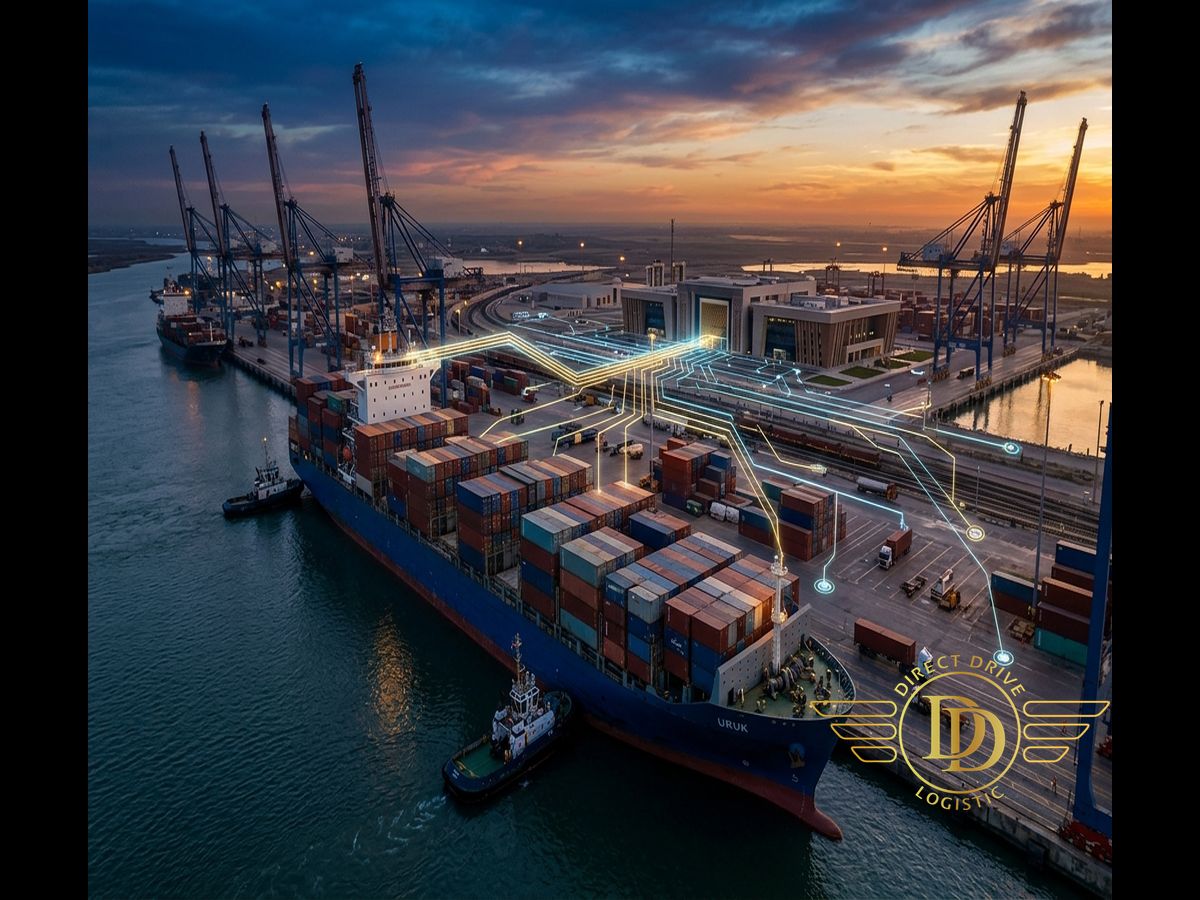
Discover how asycuda iraq customs system can transform your operations with this guide demystifies the asycuda iraq system by showing how a licensed clearing agent with a physical presence at 15 border crossings and umm qasr port overcomes the system’s complexities, unlike brokers who only operate remotely or at a single border.
The ASYCUDA Iraq customs system is a comprehensive, computerized customs management platform implemented by the Iraqi General Authority of Customs (ICA) to streamline and automate customs procedures. It facilitates electronic declarations, tariff calculations, and risk management, enhancing efficiency and transparency across Iraq’s trade operations. As of 2025, 85-90% of federal customs declarations were filed electronically via ASYCUDA World.
When your cargo is stuck at the border for 5 days due to a single documentation error, incurring USD 800+ in demurrage and storage fees, the true cost of navigating Iraq’s customs system becomes painfully clear. This guide demystifies the ASYCUDA Iraq customs system by showing how a licensed clearing agent with a physical presence at 15 border crossings and Umm Qasr port overcomes the system’s complexities, unlike brokers who only operate remotely or at a single border. You need to understand how ASYCUDA World (Automated System for Customs Data) modules, such as declaration processing and risk management, directly impact your shipment’s speed.
This article will explore the specific features of ASYCUDA World implemented in Iraq, offering a practical overview for importers and exporters. We will also highlight the critical differences between federal (Baghdad) and Kurdistan Regional Government (KRG) customs procedures within the ASYCUDA framework, a common point of confusion. Furthermore, we’ll address how data integration and interoperability initiatives, like those with the Central Bank of Iraq, are reducing payment processing delays by an anticipated 30% by Q4 2026.
Understanding the common delays and documentation errors that derail shipments in ASYCUDA is crucial for efficient trade. We will detail how choosing a customs brokerage partner with direct port access and a multi-modal operational network can significantly streamline your cargo’s movement. This comprehensive guide provides actionable insights for navigating the Iraqi customs landscape, ensuring smoother, faster, and more cost-effective logistics.
Understanding ASYCUDA: Iraq’s Digital Customs Gateway
What is the ASYCUDA World System and Its Core Purpose in Iraq?
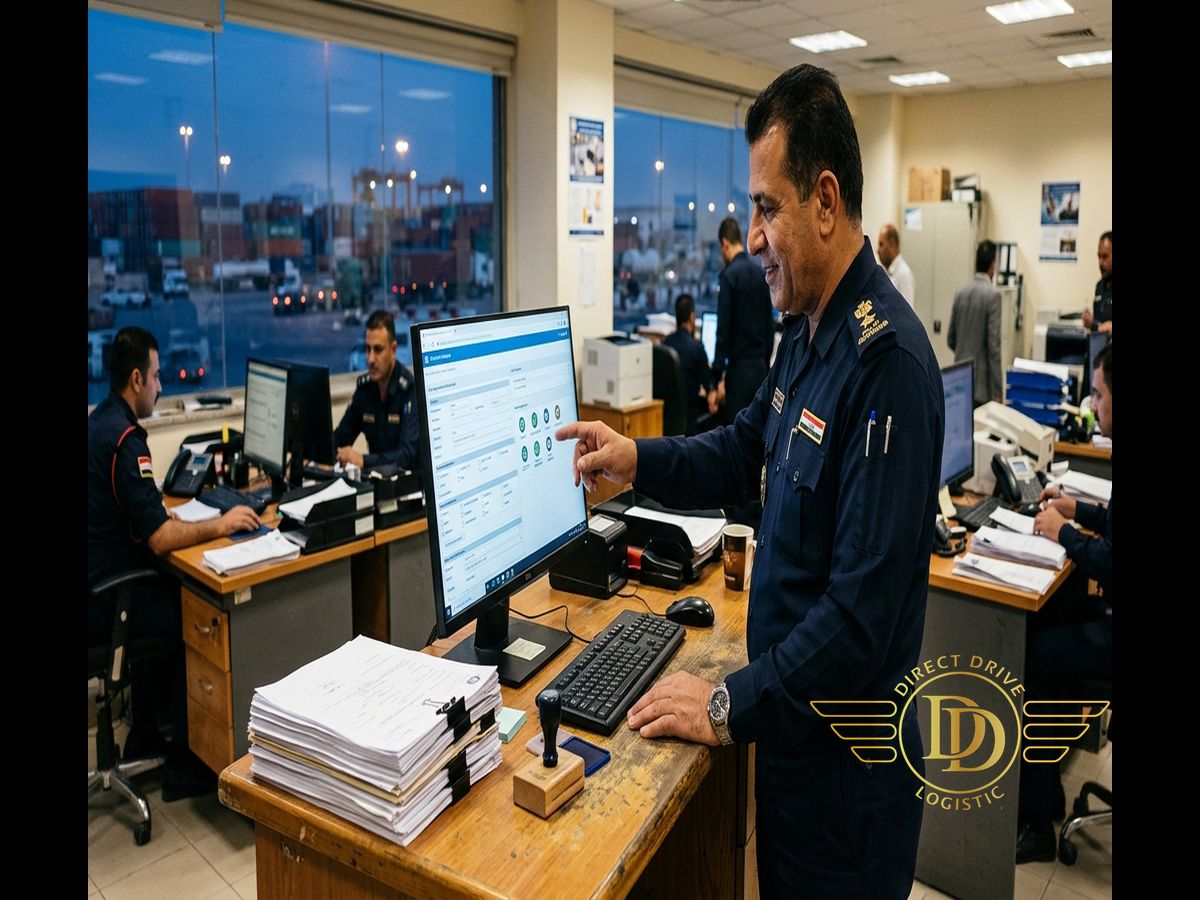
The ASYCUDA Iraq customs system is the official digital platform for the Iraqi General Authority of Customs, replacing slow, paper-based processes with an integrated electronic system. Its primary purpose is to streamline trade by automating declarations, tariff calculations, and risk assessment. This move towards Iraq customs modernization provides businesses with greater transparency and predictability when moving goods through federal entry points like Umm Qasr Port and Baghdad International Airport.
The operational impact is significant. Under the ASYCUDA World system, a standard 20ft container at Umm Qasr can achieve customs clearance in an average of 3-5 days, assuming all documentation is flawless. This standardized process contrasts with the multi-step clearance required for cargo transiting the KRG, which can take 1-3 days for regional customs plus another 1-3 days for federal tariff settlement. Navigating the federal system effectively requires licensed expertise, with standard brokerage fees per container typically falling between USD 300-600. Businesses must ensure strong Iraq logistics compliance to avoid delays.
One mistake we see regularly is businesses underestimating the complexity of the digital submission. A single error in the Harmonized System (HS) code or valuation can flag the entire shipment, causing significant delays. In our experience managing over 2,900 shipments across Iraq, having a licensed team physically present at the port is the only way to resolve such issues swiftly. Remote brokers lack the direct access to customs officials needed to correct flagged declarations in real-time. The Iraqi Ministry of Finance offers a visual resource on the system, but it cannot replace hands-on expertise.
Your next step: Audit a recent import declaration. Verify the clearance time from declaration submission to final release and compare it against the 3-5 day benchmark for Umm Qasr.
Iraq’s ASYCUDA World: Modules, Features, and Electronic Declarations
Core ASYCUDA World Modules Deployed for Iraqi Customs Operations
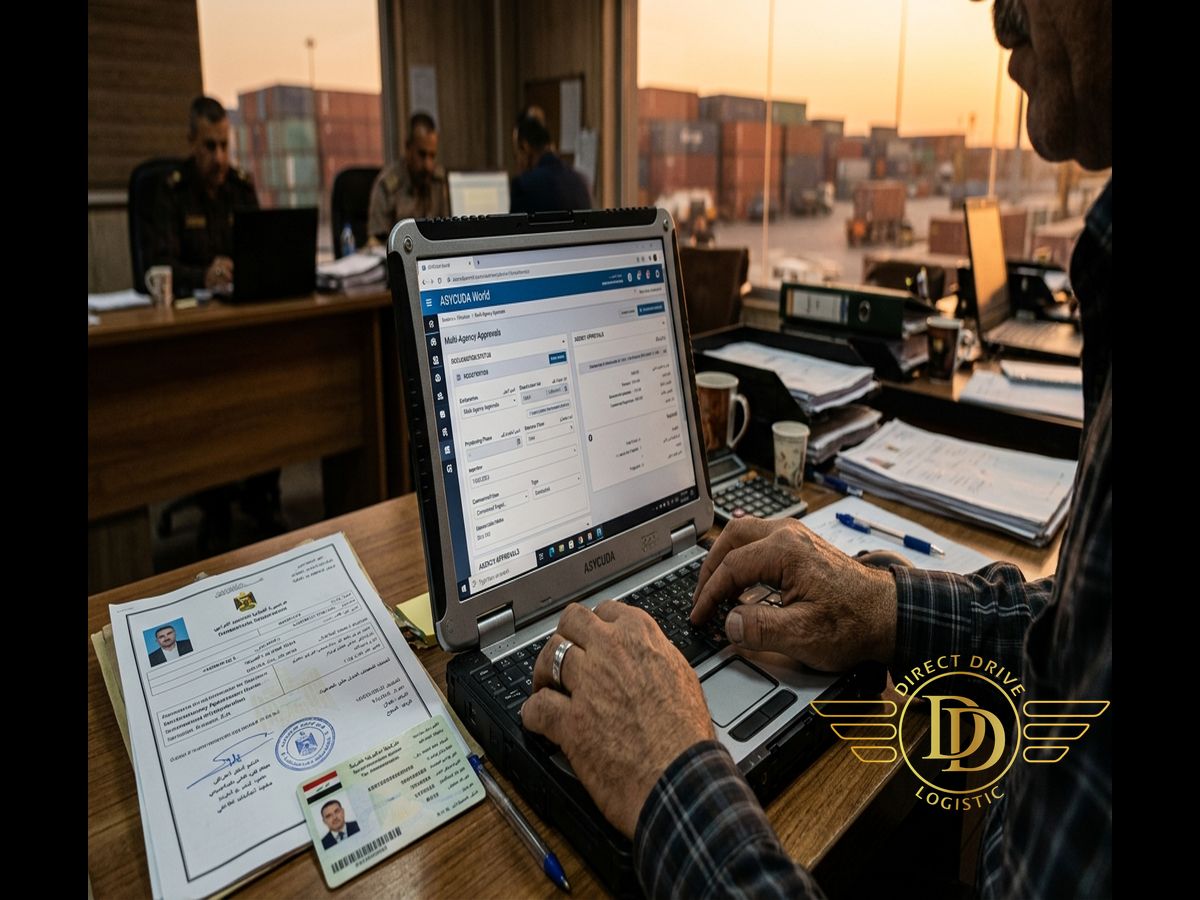
The ASYCUDA Iraq customs system is built on several key modules that digitize the entire import-export process. The central feature is the electronic Single Administrative Document (e-SAD), which enables traders and their agents to submit an Iraq customs electronic declaration online, eliminating manual paperwork and standardizing data entry across all points of entry.
A significant recent enhancement is the advanced ASYCUDA risk management module. Rolled out in Q2 2026, this AI-driven system analyzes declaration data to segment cargo into risk channels. This upgrade was designed to reduce physical inspection rates for low-risk, compliant shipments by 10-15%, directly accelerating clearance times. For complex cases, our Iraq logistics compliance consulting services can help.
In our operations at the Port of Umm Qasr, where Direct Drive Logistic is a licensed clearing agent, we have seen this module improve overall clearance efficiency by 5-8% for our clients with consistent shipping histories. This direct system access allows us to proactively manage declarations to align with the risk engine’s criteria, a capability remote brokers simply do not have.
Furthermore, the full implementation of the electronic payment gateway as of Q4 2025 has streamlined financial transactions. This module allows for the direct online payment of duties and taxes, reducing a process that previously took 1-2 days down to just a few hours and significantly improving transparency.
Your next step: Provide our team with your commercial invoice and packing list. We will conduct a preliminary assessment to identify how your cargo can be best positioned for the low-risk “green channel” within 48 hours.
Navigating ASYCUDA: A User’s Guide for Iraqi Importers and Exporters
Step-by-Step Guide: How to Register Your Business on the ASYCUDA World Platform
Gaining access to the ASYCUDA Iraq customs system begins with a formal registration process that digitizes your trade credentials. Your company must submit a complete application file, including your commercial registration, tax identification number, and authorized representative details, to the Iraqi General Authority of Customs (ICA). As of 2025, with 85-90% of federal customs declarations processed electronically, this step is mandatory for direct filing.
A frequent error in this stage: Submitting registration documents with minor discrepancies between the company’s trade license and tax ID. The system’s validation is automated and will reject applications for even small inconsistencies, causing weeks of delay. Working with a licensed agent ensures all paperwork is harmonized before submission, avoiding these setbacks from the start.
Filing Your Declaration: A Walkthrough of the Single Administrative Document (SAD) Process
Once registered, you can submit customs declarations electronically. The core of this process is completing the Single Administrative Document (SAD), which consolidates all cargo, tariff, and valuation information into a single standardized form. This is a significant shift from older, paper-based systems and is key to achieving faster clearance times.
In our operations across Iraq’s 15 land borders and Umm Qasr port, we consistently see how a correctly filed SAD reduces clearance times by 15-20% for compliant shipments. The process follows a clear sequence:
- Step 1: Pre-Arrival Data Entry — Your licensed clearing agent inputs all required information into the ASYCUDA World portal, including invoice details, packing list, COC certificate Iraq, and transport documents (CMR/Bill of Lading).
- Step 2: SAD Submission & Selectivity — The completed SAD is submitted electronically. The system’s risk management module then assigns a processing channel (e.g., Green for direct release, Red for physical inspection) based on the data provided.
- Step 3: Duty & Tax Assessment — ASYCUDA automatically calculates the applicable duties and taxes based on the declared HS codes and valuation, ensuring compliance with Iraq’s latest tariff schedules and new customs regulations.
- Step 4: Payment and Release — Once duties are paid via an integrated e-payment gateway or bank transfer, the system generates a release order, authorizing the cargo to exit the customs zone.
Your next step: Assemble your commercial invoice, packing list, and certificate of origin for your next shipment. Contact the Direct Drive Logistic team to manage the entire SAD submission process on your behalf.
The Realities of Iraqi Customs: Challenges Beyond ASYCUDA
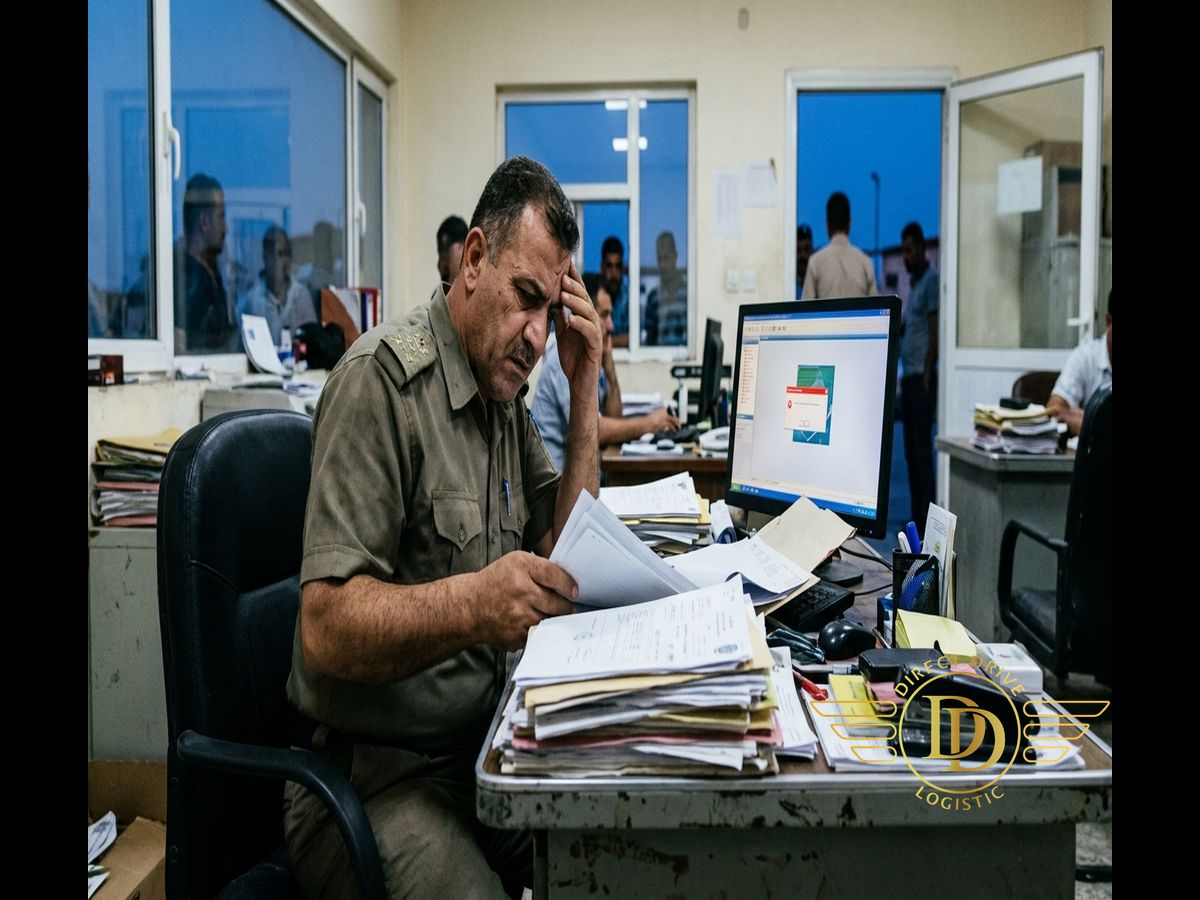
Navigating the Divide: Federal Iraq vs. Kurdistan Region (KRG) Customs Procedures
While the asycuda iraq customs system governs federal entry points, a separate customs regime operates in the Kurdistan Region. This creates two distinct clearance pathways with different timelines and costs. A standard container may clear Umm Qasr Port in 3-5 days, but the same cargo entering via the KRG’s Ibrahim Khalil border could take 1-3 days for regional clearance, plus an additional 1-3 days for federal tariff reconciliation if its final destination is Baghdad or Basra.
This dual-system reality is a primary source of Iraq customs clearance problems. In our operations across 15 Iraqi border crossings, we consistently see shipments destined for federal territory via KRG borders face significant delays at checkpoints for tariff settlement if the process isn’t managed proactively by an agent with a presence in both regions. Understanding Iraq customs regulations is crucial for smooth operations.
Beyond Digital Entry: Why ASYCUDA Can’t Prevent All Documentation Delays
ASYCUDA digitizes submissions, but it cannot fix inaccurate data. The system flags discrepancies in HS codes, invoice values, or iraq cosqc standards inspection, leading to physical inspections and delays. The wide variance in customs brokerage fees, from USD 250 for simple cargo to over USD 800 for complex shipments, directly reflects this documentation risk. As new customs and currency regulations are enforced, the system’s scrutiny has only intensified.
A frequent error in this stage is a mismatch between the commercial invoice and the packing list details. This single discrepancy can halt a shipment for days, turning a standard 3-day clearance into a week-long ordeal. As a licensed clearing agent at Umm Qasr, our team can directly interface with customs officials to resolve these issues on-site, a capability remote brokers simply do not have. For more details on navigating these complexities, refer to our guide on Iraq customs procedures.
Your next step: Request a complimentary documentation audit from our team for your next shipment to identify potential red flags before your cargo leaves its port of origin.
Beyond Brokerage: Why Direct Port Access & Multi-Modal Expertise Matters in Iraq
The Strategic Advantage of Direct Port Access for Faster Umm Qasr Clearance
Working with a logistics partner who is also a government-licensed clearing agent at the Port of Umm Qasr fundamentally changes your outcomes. Unlike a remote broker, a licensed agent interacts directly with customs officials and the ASYCUDA Iraq customs system on-site. This eliminates communication delays and errors common with third-party intermediaries.
The recent Q2 2026 rollout of an enhanced risk management module in ASYCUDA World rewards this direct approach. This update is projected to improve clearance efficiency by 5-8% for compliant traders by flagging fewer low-risk shipments for physical inspection. In our operations, we’ve seen this direct access translate into tangible results; for a shipment of medical equipment from Dubai, our licensed team secured clearance at Umm Qasr in just 48 hours.
Navigating Federal vs. KRG Borders with Integrated Multi-Modal (Sea, Land, Air) Logistics
Iraq’s dual customs zones—Federal and the Kurdistan Region (KRG)—demand a flexible, multi-modal freight Iraq strategy. A partner limited to a single border crossing or only sea freight exposes your supply chain to significant risk from regional disruptions. True resilience comes from a network that can pivot between sea, land, and air routes as conditions change.
One mistake we see regularly is shippers depending on a partner who only operates at one or two borders. When that crossing closes, their cargo is stranded. Our network, covering 15 land borders into both Federal Iraq and the KRG, provides the agility to re-route cargo seamlessly. This operational depth, combined with streamlined processes like the electronic payment gateway that cut duty payment times from 1-2 days to hours, ensures consistent delivery across all of Iraq’s complex trade corridors and improves Iraqi customs trade facilitation. Understanding the nuances of Iraq customs regulations is key to navigating these zones.
Your next step: Request a route analysis from Direct Drive Logistic to see how our 15-border network can build resilience into your specific Iraq supply chain.
Send your cargo details to Direct Drive Logistic on WhatsApp — get a route-specific checklist and quote within 24 hours.
Message on WhatsAppWhy Choose Direct Drive Logistic?
Offices in Erbil (HQ) + Tehran (Nasim Shahr Terminal); rentable warehouse space in Baghdad, Karbala, Najaf, Erbil, Duhok and Basra, plus a warehouse in Tehran
Government-licensed clearing agent — direct port access for sea freight into southern Iraq
2,500+ Iraq domestic deliveries, 300+ Iran-Iraq cross-border, 100+ international freight; air freight handler at Erbil, Baghdad, and Sulaymaniyah airports
Operational at 4 KRG borders (Parviz Khan, Bashmagh, Haji Omran, Ibrahim Khalil) plus the Sheikh Saleh border market, 5 federal Iran-Iraq borders (Khosravi, Sumar, Mehran, Shalamcheh, Chazzabeh) and 6 further federal crossings (Trebil, Arar, Safwan, Al-Qaim, Al-Rabia, Al-Waleed), plus Bandar Abbas port
Full operational fluency in Farsi, Arabic, Kurdish, and English — client-facing and documentation
~10 trucks/day from Erbil hub covering Baghdad, Karbala, Najaf, Basra, Kut (Wasit), Diyala, Nasiriyah, and all Iraqi governorates
Frequently Asked Questions
ASYCUDA (Automated System for Customs Data) World in Iraq is the electronic customs management system utilized by the Iraqi General Authority of Customs (ICA) to process import and export declarations, tariffs, and duties. It is crucial for modernizing trade, as evidenced by an estimated 85-90% of federal customs declarations being filed electronically via ASYCUDA World as of 2025. This system streamlines trade processes, reduces manual intervention, and improves data accuracy at key federal entry points like Umm Qasr Port and the Trebil border crossing, aiming for 100% electronic declaration processing by 2027.
The ASYCUDA Iraq customs system facilitates import and export by allowing businesses or their customs brokers to electronically submit declarations, supporting documents, and pay duties. Key features include electronic declaration processing, integrated risk management, and e-payment gateways. For instance, the Iraqi Ministry of Transport and Communications (MTC) announced plans in early 2026 to pilot integration projects with the Central Bank of Iraq for payment verification, targeting a 30% reduction in payment processing delays by Q4 2026. This comprehensive system enhances transparency and efficiency across the trade lifecycle.
Common challenges with ASYCUDA in Iraq include documentation errors, incorrect HS Code classification, and varying interpretations across federal and regional border operations. Historically, these issues caused 20-30% of customs delays in major federal customs offices like Baghdad and Umm Qasr. While the system aims for uniformity, regional variations, particularly with the Kurdistan Regional Government (KRG) authorities, can add complexity. For example, navigating specific import licenses with KRG border authorities requires local expertise, as demonstrated by Direct Drive Logistic’s Erbil team resolving such an issue in just one day for an electronics shipment into Erbil.
To navigate the ASYCUDA Iraq customs system effectively, look for a logistics partner with direct access, broad operational coverage, and proven local expertise. A licensed clearing agent at key points like the Port of Umm Qasr, such as Direct Drive Logistic, can provide direct clearance within 48 hours, eliminating the need for third-party brokers and saving significant port storage and demurrage fees. Additionally, a partner with a 15-border crossing network and offices in both Iraq and Iran ensures redundancy and efficient rerouting, preventing delays even with primary border congestion, as we’ve demonstrated by rerouting shipments through the Mehran border without changing ETA.
An expert logistics partner simplifies customs beyond basic ASYCUDA compliance by offering comprehensive, integrated solutions, especially for multi-country operations and diverse freight modes. For instance, Direct Drive Logistic manages full intermodal corridors, handling ocean freight to Bandar Abbas port in Iran, Iranian CMR transit, and KRG import clearance into Iraq under a single operator. This eliminates multi-party coordination and cross-handoff risks for complex routes like China to Bandar Abbas to Erbil, providing a single consignment note and invoice. Their quad-language operations team (Farsi, Arabic, Kurdish, English) also eliminates communication barriers across these complex routes.
To streamline your customs clearance in Iraq using the ASYCUDA Iraq customs system and ensure smooth, reliable freight forwarding, partner with an expert like Direct Drive Logistic, who possesses over 10 years of experience in the region. Look for a partner offering scheduled services, such as daily departures from their Erbil hub to all Iraqi governorates, including Baghdad, Karbala, and Basra, ensuring next-day delivery to most cities. This scheduled approach provides predictable ETAs and eliminates the uncertainty of “call-and-wait” services, delivering consistency and reliability for your supply chain needs.
Conclusion
Navigating the ASYCUDA Iraq customs system effectively is paramount for efficient trade, requiring a deep understanding of its modules, electronic declarations, and the distinct customs landscapes of Federal Iraq and the Kurdistan Region. While ASYCUDA World streamlines many processes, the persistent challenges of varying regional regulations and the critical need for direct port access underscore that technology alone is insufficient without robust operational expertise. For instance, successfully managing the 2,500+ Iraq domestic deliveries completed by Direct Drive Logistic annually relies not just on ASYCUDA compliance, but on integrated, on-the-ground execution.
To optimize your customs clearance, first, verify your commercial invoices and Incoterms for accuracy before shipment submission. Next, ask your current freight forwarder how they manage discrepancies between federal and KRG customs procedures within ASYCUDA, particularly for multi-regional deliveries. Finally, consider how Direct Drive Logistic’s direct port access at Umm Qasr and our extensive border crossing network can provide seamless, compliant processing, mitigating delays and reducing costs.
When your shipment requires Umm Qasr customs clearance, leveraging an officially licensed clearing agent like Direct Drive Logistic ensures direct engagement with port authorities, bypassing intermediaries and accelerating processing times. With a dual-country physical presence and an operational team fluent in Farsi, Arabic, Kurdish, and English, Direct Drive Logistic offers unparalleled local expertise to navigate the asycuda iraq customs system complexities. For immediate support, call us today at (+964) 750 637 9296.
Need Logistics Consultation?
The Direct Drive team is ready to assist. Message us now.
Navigate the complexities of ASYCUDA Iraq customs with unparalleled ease and efficiency. Unlock faster clearances and reduced delays by partnering with Direct Drive Logistic. Call us today at (+964) 750 637 9296 to streamline your Iraqi customs operations.
Get Your Free Quote NowContact Us for a Consultation
Location
Direct Drive Logistic
Gulan Street, MRF Quattro Block A 13-9
Erbil, Kurdistan Region