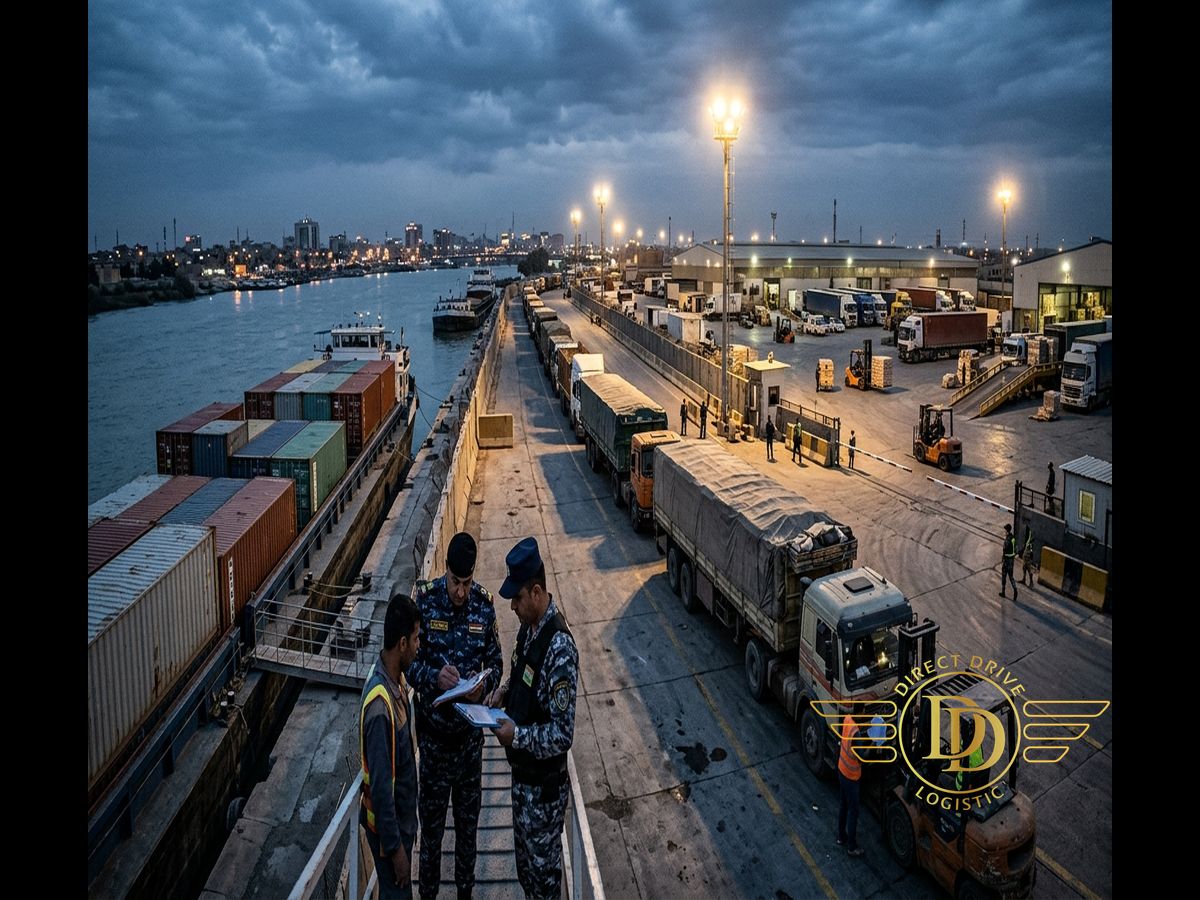
Discover how iraq cosqc standards inspection can transform your operations with this guide demystifies iraq’s cosqc standards by providing a practical, on-the-ground perspective from a licensed clearing agent operating across all 15 of iraq’s federal and krg border crossings.
Iraq COSQC standards inspection ensures imported goods meet Iraqi quality and safety regulations before market entry. Administered by the Central Organization for Standardization and Quality Control (COSQC), this process mandates conformity assessment and certification for a wide range of products. Compliance is critical to avoid shipment delays, rejections, and significant financial penalties at Iraqi borders.
When your cargo is stuck at the border for 5 days awaiting COSQC clearance, incurring USD 800+ in daily demurrage charges, the frustration is palpable. The Iraqi Customs Authority (ICA) and COSQC have intensified enforcement, leading to a 15% increase in inspection failures for non-compliant goods in 2025. This comprehensive guide demystifies Iraq’s COSQC standards inspection by providing a practical, on-the-ground perspective from a licensed clearing agent operating across all 15 of Iraq’s federal and KRG border crossings.
Navigating the complexities of Iraqi Standards (IQS) or COSQC-adopted international standards can be daunting. A Certificate of Conformity (CoC) for Iraq, typically costing USD 300-700, is essential for many product categories, now expanded to include more food and industrial items as of early 2026. This article will explore key aspects of Iraq COSQC standards inspection, including the crucial differences between pre-shipment inspection (PSI) and destination inspection, and how an in-country partner with port and border licenses can prevent costly delays.
We will delve into the specific requirements for obtaining a CoC, clarify how inspection processes differ between KRG and Federal Iraq customs, and provide a checklist for compliant shipping. Understanding these nuances is vital, especially given the ongoing digitalization efforts by the Iraqi government aimed at streamlining customs and COSQC verification by late 2026. This guide aims to equip you with actionable insights to enhance your operations and confidently plan your shipments to Iraq.
Navigating Iraq’s Evolving Quality Control: COSQC Enforcement and Product Expansion
Stricter COSQC Enforcement: Understanding the Rise in Inspection Failures and Penalties
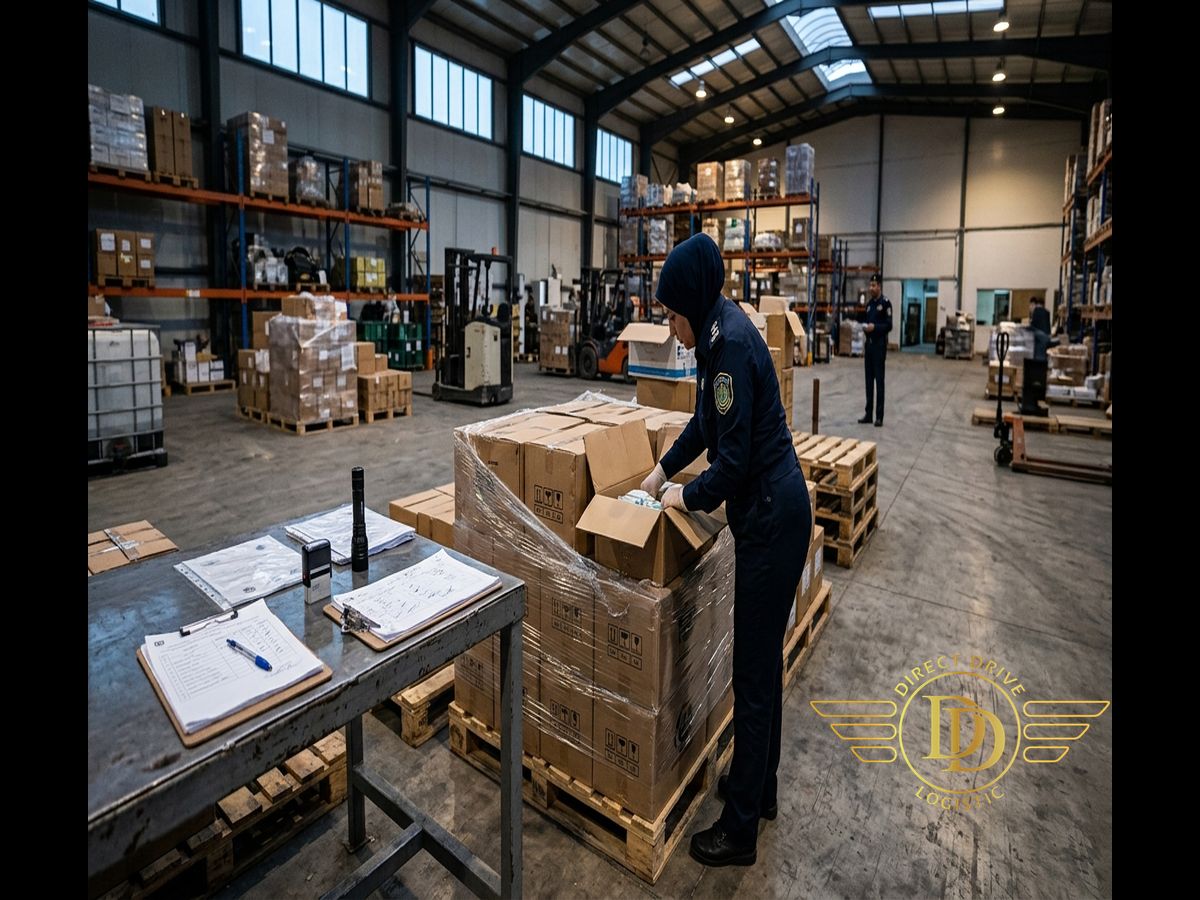
The landscape for importing into Iraq has fundamentally shifted. The government’s intensified enforcement of its quality control program now results in approximately 15% of all inspected shipments failing to meet compliance. A thorough iraq cosqc standards inspection is no longer just a formality; it is a critical checkpoint where non-compliance leads to significant penalties and delays.
This heightened scrutiny accompanies an expanded list of COSQC mandatory products. As of 2026, categories including food, electrical appliances, automotive parts, toys, and construction materials require mandatory pre-shipment inspection and a valid Certificate of Conformity (CoC). These updated Iraqi standards for trade are strictly enforced, leaving no room for error in documentation or product quality.
The operational cost of a failed inspection far exceeds the typical USD 300-700 fee for a CoC. While a compliant shipment might clear Umm Qasr Port in 5-7 days as of 2026, a shipment flagged for non-compliance faces indefinite delays, demurrage charges, re-exportation costs, or even seizure. These asycuda iraq customs system delays directly impact supply chain timelines and erode profit margins.
Practitioner Observation: In our experience managing freight across all 15 of Iraq’s federal and KRG border crossings, the most frequent error we see is a mismatch between the CoC and the commercial invoice. This single mistake can easily add 3-4 days to the average 4-7 day clearance time at a land border like Trebil or Shalamcheh.
Your next step: Before shipping, verify that your product category is on the mandatory list and engage a COSQC-approved inspection body for pre-shipment certification.
Understanding COSQC: Iraq’s Quality Control Mandate for Imports

What is the Central Organization for Standardization and Quality Control (COSQC)?
The iraq cosqc standards inspection is the mandatory gateway for goods entering the Iraqi market, enforced by the Central Organization for Standardization and Quality Control (COSQC). This government body is the sole authority for defining and enforcing product quality, safety, and labeling regulations. Compliance is not optional; it is the fundamental requirement for customs clearance at any of Iraq’s sea, air, or land ports.
COSQC’s framework is designed to protect consumers and the local environment by preventing substandard or counterfeit products from entering circulation. The organization actively manages the program to meet trade demands. For example, in the first quarter of 2026, COSQC accredited three new third-party inspection companies, expanding the total number of approved bodies to 12. This strategic expansion aims to reduce inspection backlogs by an estimated 10-15% for exporters.
In our operations across all 15 of Iraq’s federal and KRG border crossings, we’ve seen how these regulatory updates directly impact transit times. A key clarification issued in late 2025 confirmed that federal COSQC certificates are recognized for goods transiting the Kurdistan Region. For our clients, this single directive has consistently reduced tariff settlement processes by 1-3 days. Understanding the nuances of this Iraqi quality control organization is vital for predictable Iraq logistics compliance.
Your next step: Identify if your product’s HS code falls under a COSQC-regulated category. Contact Direct Drive Logistic with your cargo details, and our team will verify this against the latest official mandates within 24 hours.
Key Aspects of Iraq Cosqc Standards
Identifying Applicable Iraqi Quality Standards (IQS) for Your Export Products
A successful Iraq COSQC standards inspection begins with correctly identifying the specific regulations for your goods. As Iraq’s non-oil imports are projected to hit USD 50 billion by 2028, understanding these rules is more vital than ever. The Central Organization for Standardization and Quality Control maintains a list of mandatory Iraqi Quality Standards (IQS) that align with international norms like ISO and IEC for many product categories.
Commonly encountered standards in our daily clearance operations include IQS 1076 for food labeling, IQS 5 for Portland cement, and IQS 1818 for the safety of household electrical appliances. Each standard dictates specific technical requirements, testing protocols, and labeling information. One mistake we see regularly is a vague product description on the commercial invoice that fails to match the technical data required by the relevant IQS, causing immediate holds at the border.
A Step-by-Step Guide to the COSQC Inspection and Certification Application
Navigating the COSQC certification process is systematic and requires precision. As a licensed clearing agent at the Port of Umm Qasr, Direct Drive Logistic manages the final stages of this process daily, ensuring documents from the pre-shipment phase align perfectly with on-arrival customs declarations. The journey to a Certificate of Conformity (CoC) involves several key actions.
- Step 1: Appoint an Approved Inspection Body — Select a COSQC-accredited third-party agency (e.g., SGS, Bureau Veritas, Intertek) in the country of origin to manage the inspection.
- Step 2: Submit a Request for Certification (RFC) — Provide the inspection body with a complete documentation package, including a pro-forma invoice, product test reports, and technical data sheets.
- Step 3: Undergo Pre-Shipment Inspection (PSI) — The agency conducts a physical inspection of the goods, verifies quantities, and may draw samples for laboratory testing to ensure compliance with the identified IQS number.
- Step 4: Receive the Certificate of Conformity (CoC) — Once the goods pass inspection and testing, the agency issues the CoC. This document is mandatory and must be presented to Iraqi Customs for clearance.
Your next step: Provide our team with your product’s HS code and country of origin for a preliminary IQS standards check and a list of required documents. For comprehensive Iraq logistics compliance consulting, our experts are ready to assist.
Understanding Iraq Cosqc Standards
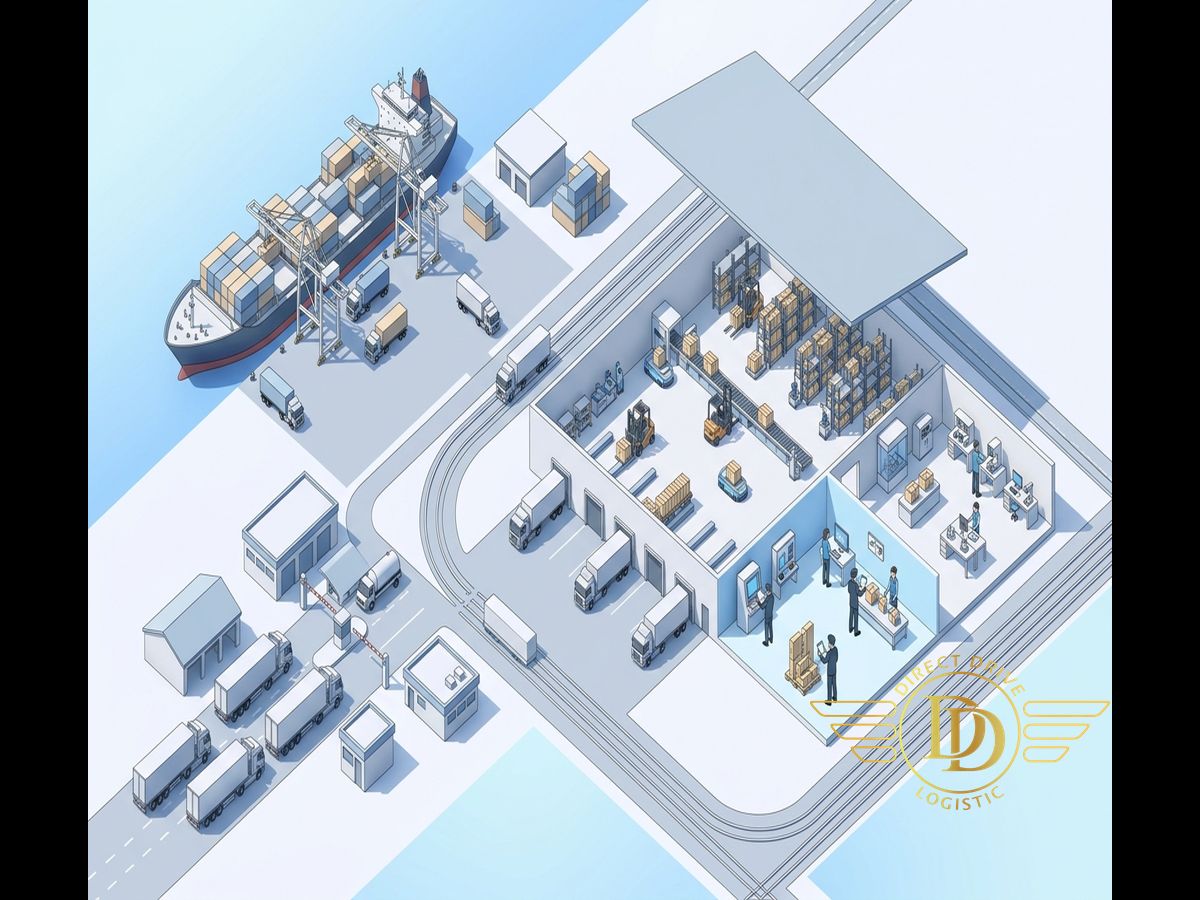
Pre-Shipment Inspection (PSI): Securing COSQC Approval Before Your Goods Depart
The Iraq COSQC standards inspection process often begins with Pre-Shipment Inspection (PSI), a mandatory step for specific high-risk product categories. This inspection occurs in the country of origin before the cargo is loaded. COSQC’s expanded list now requires PSI for the top 5 categories: food products, electrical appliances, automotive spare parts, toys, and construction materials. Securing a Certificate of Conformity (CoC) through PSI significantly streamlines customs clearance upon arrival in Iraq.
One mistake we see regularly is exporters providing incomplete or non-compliant documentation to the inspection body. This single error can delay the issuance of the CoC by weeks, disrupting the entire supply chain. In our operations across Iraq’s 15 border crossings, shipments arriving with a valid PSI-issued CoC consistently clear customs faster than those undergoing destination inspection. The official list of regulated products can be cross-referenced with the authority source from the Ministry of Planning.
Destination Inspection (DI): Navigating On-Arrival Scrutiny at Iraqi Ports
Destination Inspection (DI) occurs after goods have arrived at an Iraqi port or border crossing, such as Umm Qasr or Ibrahim Khalil. This process is typically reserved for goods not on the mandatory PSI list or for consignments flagged for random checks. While it offers flexibility, DI carries higher risks. In 2025, an estimated 12-15% of shipments faced re-inspection or penalties due to non-compliance discovered during DI, leading to costly delays and potential re-exportation orders.
As a government-licensed clearing agent at the Port of Umm Qasr, Direct Drive Logistic manages this process directly, eliminating third-party brokers. Our team has found that goods arriving for DI without pre-arranged customs paperwork often face an additional 3-5 days of holding time while samples are tested locally. Properly managing the destination inspection process is vital for avoiding demurrage and storage fees. For efficient onward movement, consider reliable Iraq local transportation services.
| Feature | Pre-Shipment Inspection (PSI) | Destination Inspection (DI) |
|---|---|---|
| Timing | Before shipment from origin country | Upon arrival at Iraqi port/border |
| Risk of Rejection | Low; issues are resolved pre-export | High; non-compliance results in delays or re-export |
| Cost Impact | Predictable, paid upfront | Unpredictable; includes potential fines & storage fees |
| Clearance Speed | Faster customs clearance in Iraq | Slower; requires on-site sampling and testing |
| Mandatory For | Top 5 categories (food, electronics, etc.) | Goods not on the PSI list or random checks |
Your next step: Identify your product’s HS code and check it against Iraq’s mandatory PSI list. Contact our team to confirm the inspection requirements for your specific cargo before you book your shipment. We can also assist with Iraq local transportation from ports to final destinations.
Overcoming COSQC Challenges: Navigating Iraq’s Diverse Customs Systems
Federal vs. KRG Customs: Navigating Two Distinct Systems for COSQC Compliance
Successfully navigating the iraq cosqc standards inspection process requires understanding that Iraq operates two distinct customs systems: Federal Iraq and the Kurdistan Region of Iraq (KRG). While COSQC is a federal mandate, its enforcement and associated procedures can differ significantly between these jurisdictions, directly impacting logistics timelines and costs.
The primary difference is often speed. As of 2026, customs clearance at KRG-controlled borders like Ibrahim Khalil typically averaged 3-5 days for compliant shipments. In contrast, federal land borders like Trebil and Shalamcheh averaged 4-7 days during the same period. This discrepancy stems from different administrative processes and local KRG customs regulations. As an operator licensed at all 15 Iraqi land and sea borders, Direct Drive Logistic provides clients the flexibility to route cargo based on these real-time conditions.
In our operations across Iraq, we consistently see that shipments with complete documentation, including a valid CoC from an approved body for conformity assessment services, clear KRG borders 1-2 days faster than federal entry points. This time advantage can be critical for time-sensitive cargo.
Border-Specific Challenges: How COSQC Rules Vary at Ibrahim Khalil vs. Trebil
The differences between customs systems become tangible at specific border crossings. For example, at Ibrahim Khalil (KRG-Turkey), customs authorities may have unique interpretations of product classification which affect tariff calculations. At Trebil (Federal-Jordan), the process is more rigidly aligned with Baghdad’s federal directives, which can sometimes introduce bureaucratic delays.
Customs tariffs for Iraq in 2026 are set at the federal level, but settlement procedures can vary. This creates potential Iraq customs regulations problems for shippers who assume a uniform process. A frequent error in this stage is failing to account for potential destination inspections even with a valid pre-shipment inspection (PSI) certificate, which can lead to unexpected holds and fees. The cost for a Certificate of Conformity itself, typically ranging from USD 300 to USD 700, remains consistent, but border-specific handling fees can alter the final clearance cost.
Your next step: Provide our team with your cargo details and destination city. We will recommend the optimal border crossing based on current clearance times and tariff conditions within 24 hours.
Send your cargo details to Direct Drive Logistic on WhatsApp — get a route-specific checklist and quote within 24 hours.
Message on WhatsAppWhy Choose Direct Drive Logistic?
Offices in Erbil (HQ) + Tehran (Nasim Shahr Terminal); rentable warehouse space in Baghdad, Karbala, Najaf, Erbil, Duhok and Basra, plus a warehouse in Tehran
Government-licensed clearing agent — direct port access for sea freight into southern Iraq
2,500+ Iraq domestic deliveries, 300+ Iran-Iraq cross-border, 100+ international freight; air freight handler at Erbil, Baghdad, and Sulaymaniyah airports
Operational at 4 KRG borders (Parviz Khan, Bashmagh, Haji Omran, Ibrahim Khalil) plus the Sheikh Saleh border market, 5 federal Iran-Iraq borders (Khosravi, Sumar, Mehran, Shalamcheh, Chazzabeh) and 6 further federal crossings (Trebil, Arar, Safwan, Al-Qaim, Al-Rabia, Al-Waleed), plus Bandar Abbas port
Full operational fluency in Farsi, Arabic, Kurdish, and English — client-facing and documentation
~10 trucks/day from Erbil hub covering Baghdad, Karbala, Najaf, Basra, Kut (Wasit), Diyala, Nasiriyah, and all Iraqi governorates
Frequently Asked Questions
Iraq’s Central Organization for Standardization and Quality Control (COSQC) standards are mandatory regulations ensuring imported goods meet specific safety, quality, and environmental benchmarks before entering the Iraqi market. Compliance is crucial because the Iraqi Customs Authority (ICA) and COSQC have intensified enforcement, with an estimated 12-15% of shipments facing re-inspection or penalties in 2025 due to non-compliance. These standards protect consumers and local industries, making adherence essential to avoid significant delays, fines, and potential confiscation of goods, particularly for product categories like food products, electrical appliances, and construction materials.
Specific COSQC inspection requirements involve mandatory pre-shipment inspection (PSI) for an expanded list of product categories, impacting an additional 8-10% of imported goods as of early 2026. This means that a broader range of products, especially food items and certain industrial machinery, must undergo inspection by accredited bodies before shipment. This directly impacts logistics planning by necessitating the engagement of a certified inspection agency, adding a critical step to the pre-export phase. Failing to integrate this into your timeline can lead to average customs clearance times of 5-7 days at major federal ports like Umm Qasr, or 3-5 days at KRG land borders such as Ibrahim Khalil, significantly delaying delivery.
To ensure compliance and avoid issues with Iraqi customs and quality control, businesses must proactively engage with accredited inspection bodies for pre-shipment inspection (PSI) and meticulously prepare all required documentation. The estimated cost for a Certificate of Conformity (CoC) typically ranges from USD 300-700 for standard shipments, but can exceed USD 1,500 for complex machinery. Working with a logistics partner that possesses deep local knowledge and strong relationships with authorities, like Direct Drive Logistic, can significantly streamline this process. Their expertise in navigating the 15-border crossing network and managing specific documentation for both federal and KRG customs helps mitigate risks and ensures smooth clearance.
Working with a logistics partner offering direct access and multi-modal capabilities in Iraq provides unparalleled benefits in reliability and efficiency. For instance, Direct Drive Logistic operates as a government-licensed clearing agent at the Port of Umm Qasr, enabling direct port access and reducing reliance on third-party brokers, which saved one client significant port storage and demurrage fees by clearing medical equipment in 48 hours. Our multi-modal operations, spanning road, sea, and air, combined with a 15-border crossing network including federal and KRG checkpoints, ensures flexibility. This allows for rapid re-routing, as demonstrated when we rerouted an FMCG shipment from Tehran to Baghdad through Mehran without changing the ETA despite primary border congestion, ensuring zero delay.
Customs tariffs for Iraq in 2026 generally vary significantly based on the product category, origin, and specific trade agreements. While there isn’t a single universal tariff rate, the Iraqi government applies duties ranging from 0% for essential goods to up to 30% or more for luxury items or goods protected by local industries. The total import value for Iraq was estimated at USD 65 billion for 2025, underscoring the volume of trade subject to these tariffs. Additionally, COSQC fees for Certificate of Conformity issuance for 2026 remained largely stable compared to 2025, with minor adjustments for specific product categories, impacting the overall cost of import.
To initiate a partnership or obtain a quote for your specific shipping needs to Iraq, including comprehensive support for iraq cosqc standards inspection, the best approach is to directly contact an experienced logistics provider. Providers like Direct Drive Logistic, with over 10 years of experience in the region, offer dedicated account managers who can assess your cargo type, volume, and destination to provide a tailored solution. Our quad-language operations team ensures clear communication from inquiry to delivery, helping you understand the specific documentation and inspection requirements. This direct engagement ensures you receive accurate pricing for COSQC Certificates of Conformity and detailed timelines for customs clearance, leveraging our daily scheduled departures from Erbil to all Iraqi governorates for efficient delivery.
Conclusion
Navigating Iraq’s COSQC standards inspection is critical for seamless import operations, especially given the stricter enforcement and increased penalties observed recently. The complexity of adhering to Iraqi Quality Standards (IQS) and managing pre-shipment inspections across both Federal and KRG customs systems demands a robust, informed approach. Overlooking these evolving requirements, such as the need for COSQC approval before goods depart, can lead to significant delays and financial losses.
To ensure compliance, immediately verify that your current shipments have valid Pre-Shipment Inspection (PSI) certificates from an accredited body. Next, ask your current freight forwarder to detail their specific experience and success rates with the latest Iraq COSQC standards inspection mandates. Finally, consider how Direct Drive Logistic, with its deep understanding of Iraq’s diverse customs systems and proven track record, can streamline your compliance process.
When your shipment needs official customs clearance at Port of Umm Qasr, Direct Drive Logistic’s government-licensed clearing agent status ensures direct port access for sea freight into southern Iraq. Our extensive experience navigating the intricacies of Iraq COSQC standards inspection minimizes risks and optimizes delivery timelines. Reach out to our expert team today at (+964) 750 637 9296 to discuss how we can secure your supply chain.
Need Logistics Consultation?
The Direct Drive team is ready to assist. Message us now.
Ensure your shipments to Iraq meet rigorous COSQC standards with Direct Drive Logistic’s expert inspection services. Don’t risk costly delays or non-compliance; take proactive control of your supply chain today. Call us now at (+964) 750 637 9296 to secure your compliant and efficient logistics solution.
Get Your Free Quote NowContact Us for a Consultation
Location
Direct Drive Logistic
Gulan Street, MRF Quattro Block A 13-9
Erbil, Kurdistan Region