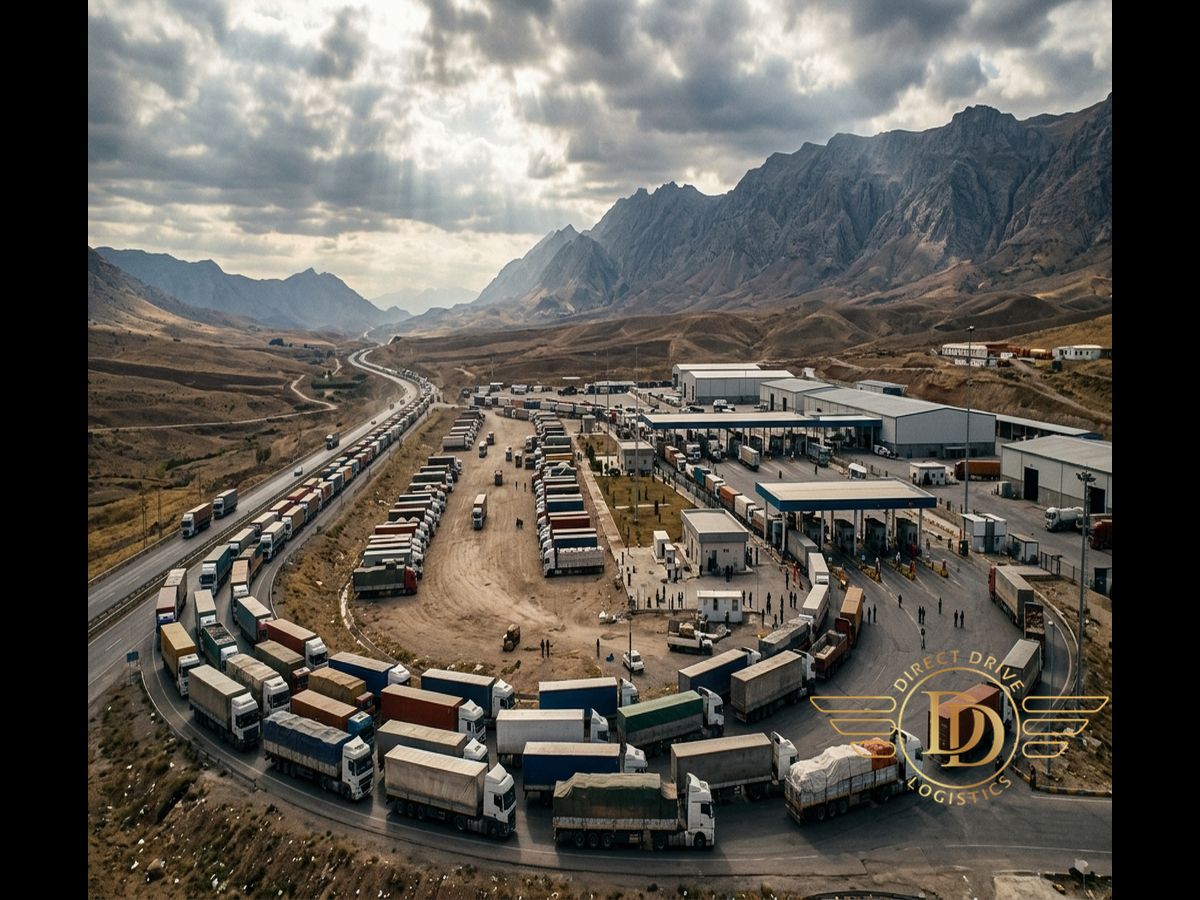
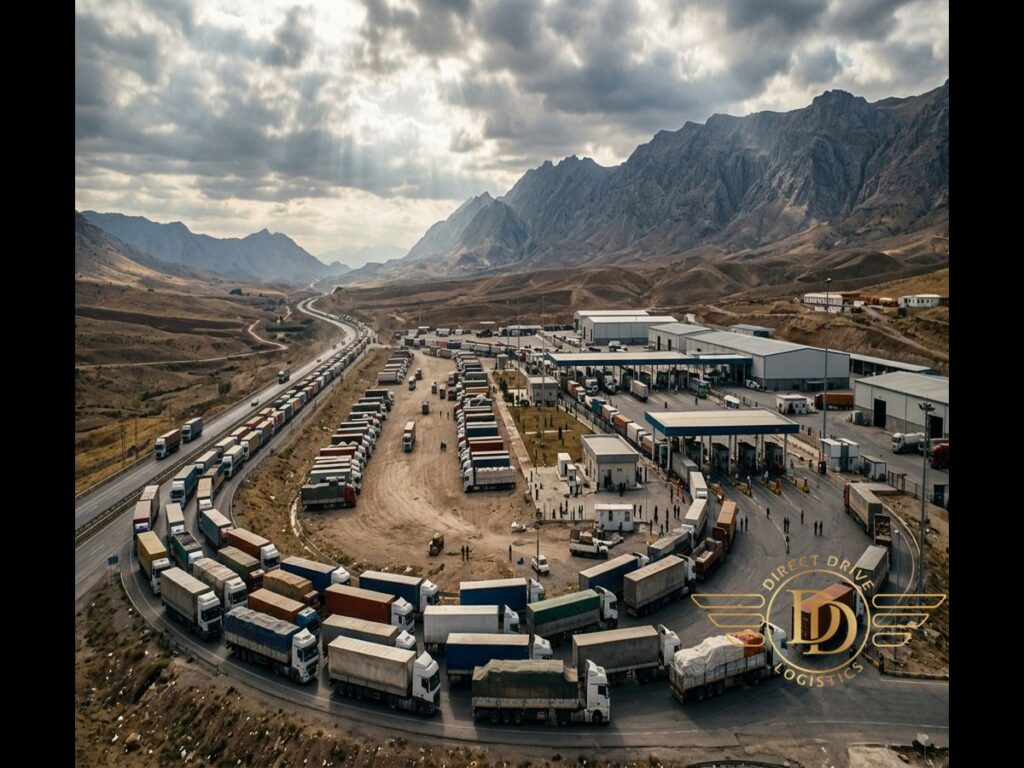
Discover how erbil freight forwarding services can transform your operations with this article is the definitive guide for businesses needing to navigate the unique customs, border, and logistical landscape of the kurdistan region, demonstrating how direct drive logistic’s on-the-ground erbil presence and unmatched 17-border network provide unparalleled route flexibility and risk mitigation.
Erbil freight forwarding services streamline the complex movement of goods into the Kurdistan Region and broader Iraq. These specialized services manage everything from customs clearance and border transit to warehousing and final mile delivery. A reliable Erbil freight forwarder ensures compliance with local regulations and optimizes supply chains, crucial for businesses navigating Iraq’s dynamic import market, which exceeded USD 12 billion in 2025.
When your cargo is stuck at the Ibrahim Khalil border for an extra 3-5 days due to incomplete documentation or unforeseen congestion, the cost can escalate rapidly, potentially adding USD 800+ in storage and demurrage fees. This article is your definitive guide for businesses needing to navigate the unique customs, border, and logistical landscape of the Kurdistan Region, demonstrating how Direct Drive Logistic’s on-the-ground Erbil presence and unmatched 17-border network provide unparalleled route flexibility and risk mitigation.
Discover how Erbil freight forwarding services can transform your operations. We will explore why shipping to Erbil differs from the rest of Iraq, detailing the specific challenges and opportunities within this high-import dependence market. We’ll also cover core services that define expert Kurdistan Region logistics, including efficient customs clearance – the process of obtaining official permission to import or export goods, involving submission of documents and payment of duties – essential for avoiding KRG-specific delays.
Understanding your options for freight to Erbil is critical. We will compare land freight versus air cargo, noting that Erbil International Airport (EBL) alone handled over 19,000 tons of cargo in a single year, predominantly imports. Furthermore, we’ll highlight the DDL advantage: our 17-border network across Iran, Turkey, Jordan, Saudi Arabia, Kuwait, and Syria, which offers route flexibility and de-risks your shipments. This network is crucial for navigating the Turkey-Erbil corridor, where annual trade exceeds USD 17 billion via the Ibrahim Khalil Gateway – the primary land crossing for goods entering the Kurdistan Region from Turkey.
This comprehensive guide will also address common pain points, such as understanding Erbil shipping costs and providing a step-by-step onboarding guide for your first shipment. We will also delve into Direct Drive Logistic’s direct port access at Umm Qasr, Iraq’s primary sea freight port, a unique competitive advantage most forwarders lack, ensuring seamless multimodal operations and significantly reducing transit times and potential delays.
Erbil’s High Import Dependence: Navigating a $12B+ Inbound Market
The $12 Billion Reality: Why Erbil Functions as a Premier Inbound Logistics Hub
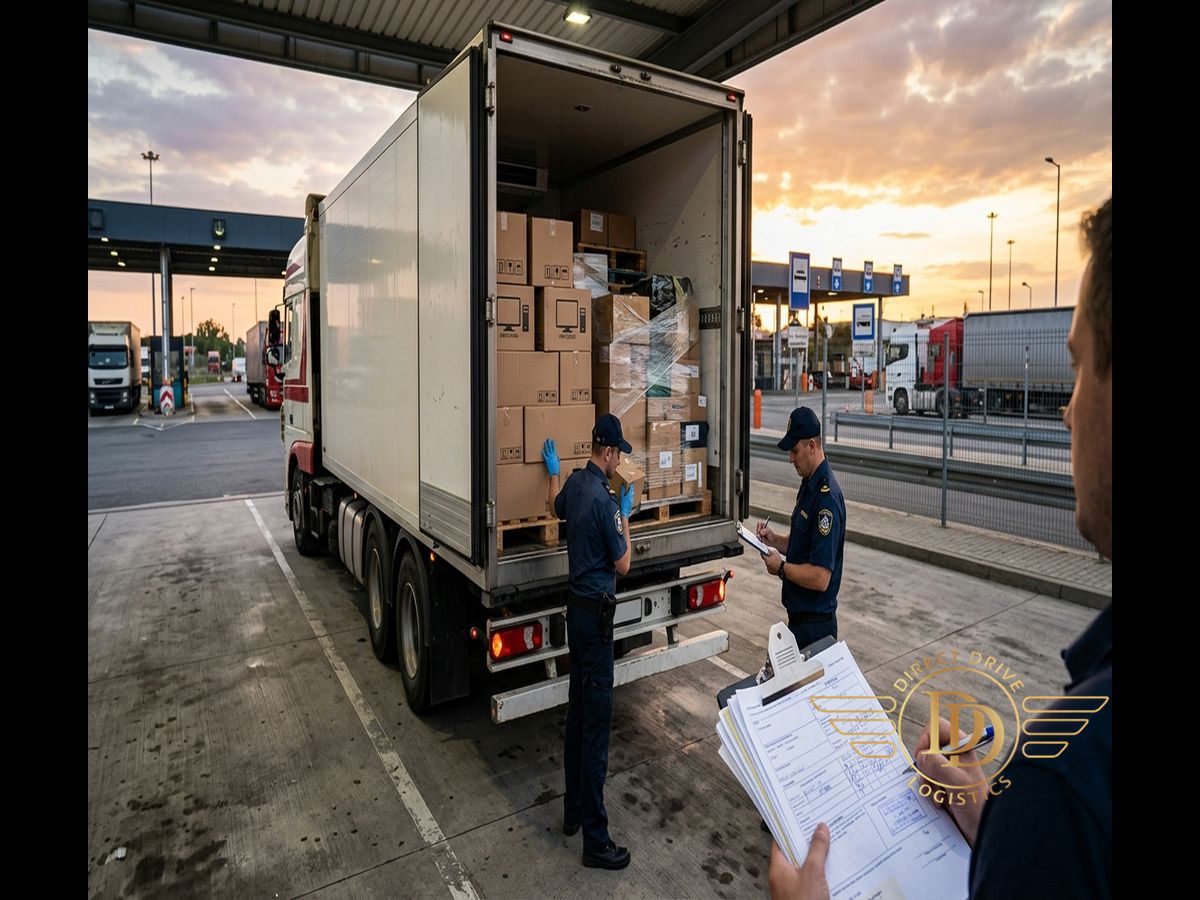
Understanding the Kurdistan Region’s economy is fundamental to designing an effective Iraq import supply chain. The region’s logistics system is overwhelmingly geared for inbound freight, processing over USD 12 billion in imports annually. This heavy imbalance shapes every aspect of freight movement, placing immense pressure on land-based corridors and customs clearance infrastructure.
For most businesses, the primary artery into Erbil is the land route from Turkey. A standard full truckload from southern Turkey typically costs between USD 1,200 and USD 2,400 and takes 2–5 days to reach an Erbil warehouse, assuming all documentation is flawless. These figures underscore why efficient border processing and route planning are not just conveniences—they are core components of cost control in the erbil inbound logistics market.
In our operations, managing over 300 Iran-Iraq cross-border shipments, we consistently find that minor documentation errors can easily push a 2-day transit to over 5 days. While urgent cargo can utilize air freight via Erbil International Airport to cut transit to 1-3 days, the vast majority of goods rely on road transport. A frequent error we see is shippers treating the Ibrahim Khalil border crossing as a simple checkpoint, rather than a complex customs interface requiring precise pre-clearance. For seamless cross-border operations, consider our expert certificate of origin Iraq services.
This import-driven environment makes robust erbil freight forwarding services indispensable. Success depends on a partner with deep, on-the-ground expertise to manage customs, provide secure warehousing, and navigate the dual KRG and Federal customs systems. Without this, cargo faces significant delays and unforeseen costs.
Your next step: Request a complimentary route analysis from Direct Drive Logistic to benchmark your current Turkey-to-Erbil transit times and costs against our optimized corridors.
Turkey-Erbil Corridor: Mastering the Ibrahim Khalil Gateway for KRG Shipments
The Strategic Importance of the Ibrahim Khalil Gateway for KRG Imports
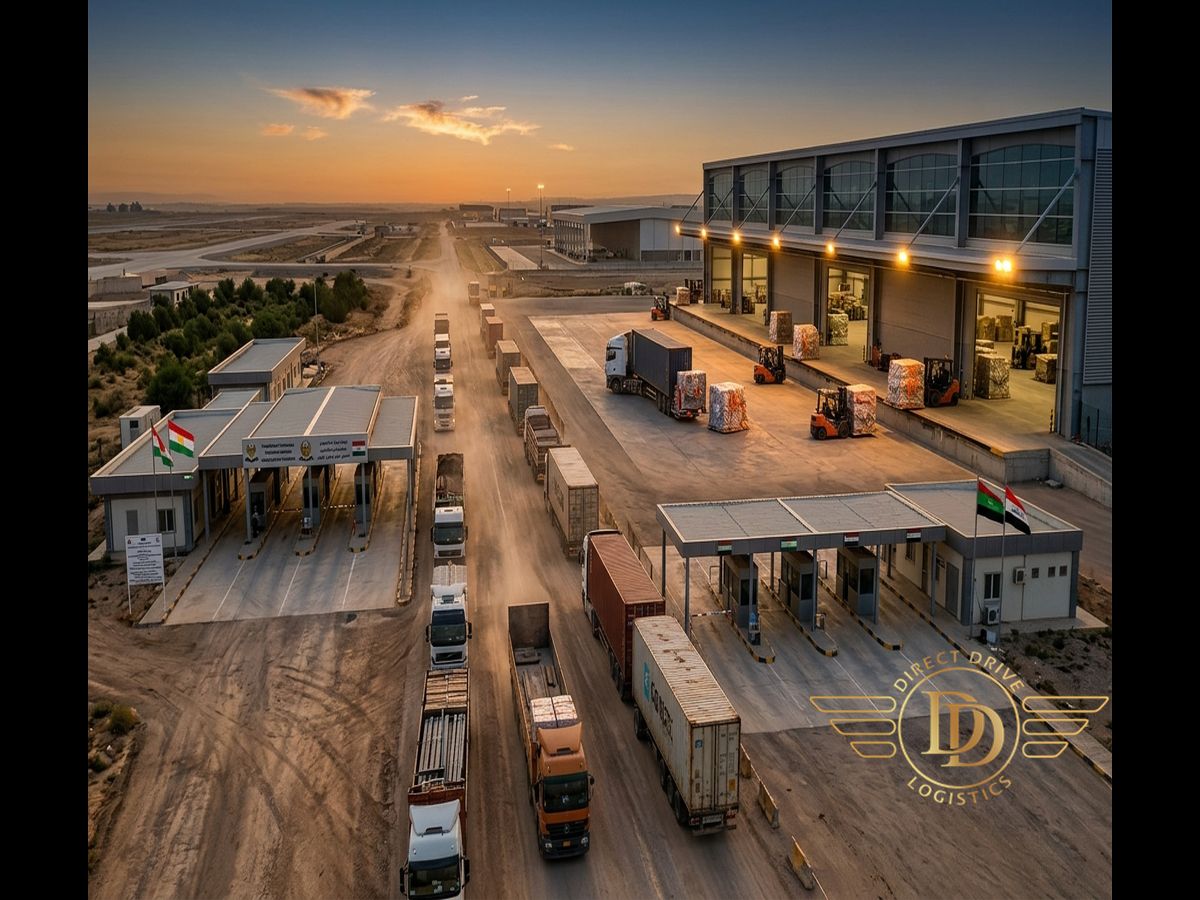
For businesses shipping from Turkey, the Ibrahim Khalil International Gate is the most critical land artery into the Kurdistan Region of Iraq (KRG). This crossing handles a significant volume of the electronics, consumer goods, and fast-moving consumer goods (FMCG) that supply Erbil’s markets. Understanding its operational nuances is fundamental for successful supply chain management in the region.
The scale of this corridor is immense within the context of the KRG’s economy. The region’s 12 border crossings managed a staggering Kurdistan Region trade volume equivalent to USD 173 billion over a recent seven-year period. With 2025 trade alone reaching 25.4 trillion dinars, the efficiency of gateways like Ibrahim Khalil directly impacts market stability and inventory levels across northern Iraq.
In our operations managing trucking from Turkey to Erbil, we consistently see documentation errors cause significant delays. One frequent mistake is the mismatch between the packing list and the commercial invoice, which immediately flags cargo for manual inspection and can add 48-72 hours to the KRG customs clearance process at the border.
Direct Drive Logistic mitigates this risk through our physical presence in Erbil and Zakho. As demonstrated in our regular Mersin-to-Erbil shipments of electronics, our Kurdish-speaking team pre-audits all documentation before the truck departs Turkey. This proactive verification ensures compliance and minimizes costly delays at the Ibrahim Khalil border crossing, a core component of our Erbil freight forwarding services.
Your next step: Submit your commercial invoice and packing list for your next Turkey-Erbil shipment to our team for a complimentary pre-clearance review. We will identify potential compliance issues within 24 hours.
The Complexities of Freight Forwarding to Erbil & Iraq
Navigating Dual Customs Systems: The Key Differences Between KRG and Federal Iraq
Successfully executing erbil freight forwarding services requires deep expertise in Iraq’s dual customs framework. The Kurdistan Region of Iraq (KRG) and Federal Iraq operate separate, independent customs authorities. This means cargo cleared at a KRG border like Ibrahim Khalil may face a second inspection and tariff when moving into federally controlled territory.
This complexity is intensifying as the Kurdistan logistics market is projected for a 6%–10% CAGR from 2024 to 2028, driven by high import demand. In our operations across our 12 primary border crossings, we consistently see documentation valid for KRG authorities require amendments for federal entry. Understanding these distinct Kurdistan import regulations is not optional; it’s fundamental to avoiding shipment seizures and penalties.
Overcoming On-the-Ground Logistical Hurdles and Security Considerations in Iraq
Beyond customs, on-the-ground challenges demand route flexibility and local intelligence. As Iraq and Türkiye work toward a USD 30 billion bilateral trade target, corridors through Kurdistan will see higher traffic, increasing demand for secure warehousing and efficient tariff classification services Iraq. A frequent error we see is shippers assuming a single customs entry covers all of Iraq, an oversight that leads to cargo being impounded at internal checkpoints.
Our network, covering 17 border crossings, provides the agility to re-route shipments away from congestion or security risks in real-time. For instance, our Kurdish-speaking team in Erbil can directly resolve KRG documentation issues in hours, not days. This on-the-ground presence is critical for maintaining supply chain integrity and ensuring reliable delivery across all Iraqi governorates, especially for raw material logistics for factories.
Your next step: Provide our team with your cargo’s origin and final destination in Iraq. We will map the optimal customs route and identify all documentation requirements within one business day.
Understanding Erbil Freight Forwarding
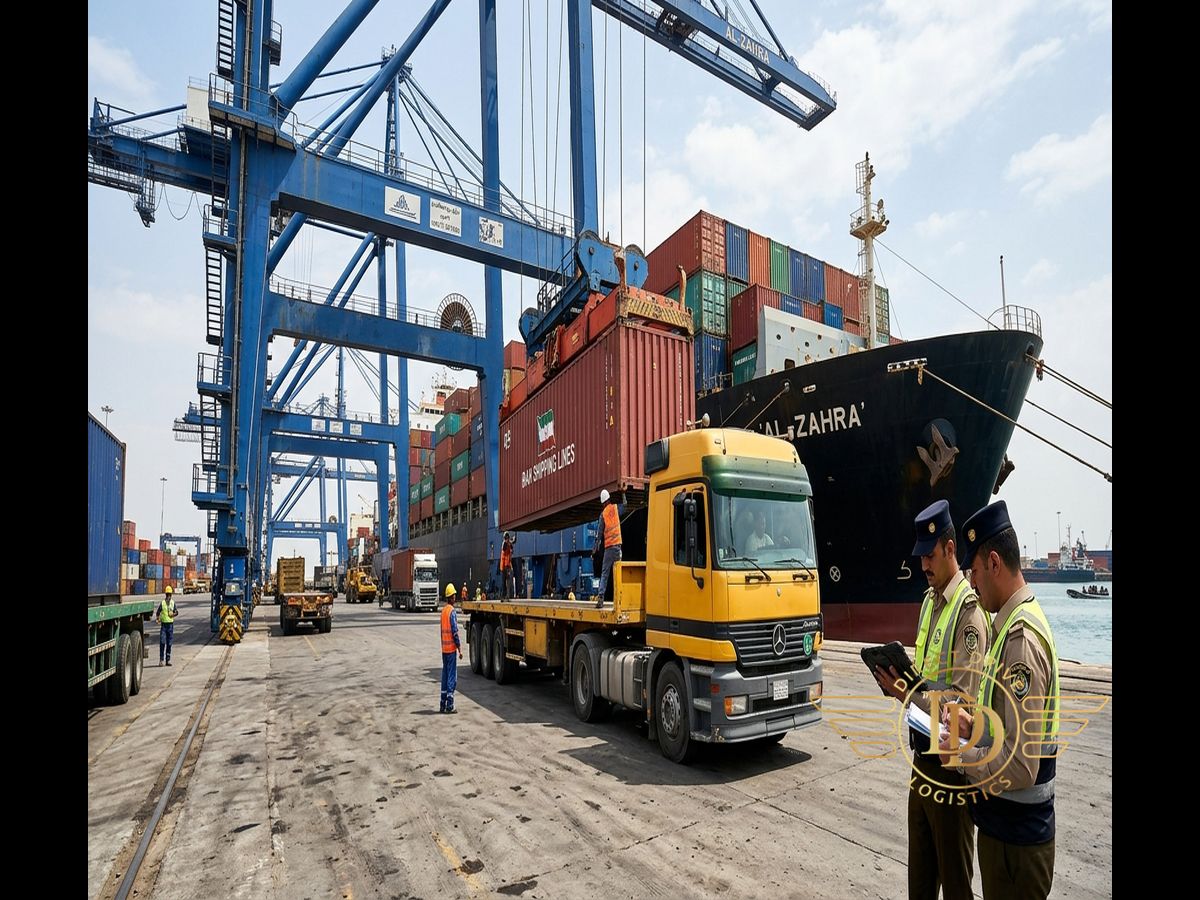
Air and Land Freight: The Primary Corridors for Cargo Shipments into Erbil
For businesses shipping into the Kurdistan Region, land and air freight represent the most direct and frequently used logistics channels. Road transport, particularly from Turkey, is the economic backbone. The annual trade exchange between Turkey and Iraq is approximately USD 17 billion, with the vast majority of this volume transiting through the Ibrahim Khalil International Gate into Kurdistan.
Our team at Direct Drive Logistic has found that having a licensed, Farsi, Arabic, and Kurdish-speaking team directly at this border is non-negotiable for mitigating risk. Air freight via Erbil International Airport (EBL) provides the fastest solution for high-value electronics, medical supplies, or urgent replacement parts. A frequent error we see is clients underestimating the complexity of land freight documentation; minor discrepancies can lead to delays of 3-5 days, erasing any cost savings over air transport.
Sea and Multimodal Transport: Connecting Erbil to Global Maritime Trade Routes
As a landlocked region, Erbil relies on multimodal shipping to connect with global sea trade. This involves ocean freight to a regional seaport—typically Mersin in Turkey or Bandar Abbas in Iran, or increasingly via Georgia’s Black Sea route—followed by customs-bonded road transport to Erbil. This integrated approach is essential for feeding the Kurdistan Region’s import-dependent market, which saw over USD 12 billion in inbound goods in 2025.
Effective erbil freight forwarding services manage this entire door-to-door process under a single consignment note, eliminating the handoff risks between separate sea and land carriers. This ensures accountability from the port of origin directly to your warehouse in Erbil. For a complete list of accredited providers, you can consult Fiata’s visual resource: Iraq, which outlines certified logistics partners in the country. Direct Drive Logistic manages this entire corridor, from port clearance to final delivery, ensuring a seamless transition from sea to land. To unlock efficient freight forwarding Iraq, consider our expert services.
Your next step: Request a complimentary route assessment from our team to compare the landed cost and transit time of a direct land freight shipment versus a sea-land multimodal option for your specific cargo.
Beyond the Borders: DDL’s Direct Port Access & Unmatched Customs Authority in Iraq
The Umm Qasr Advantage: How Direct Port Access Expedites Your Erbil-Bound Cargo
For cargo originating outside the immediate region, effective erbil freight forwarding services depend on efficient sea port access. While land routes from Turkey are common, Iraq’s primary seaport, Umm Qasr, is the gateway for global supply chains. The critical chokepoint here is not the ocean transit but the customs clearance process on the ground. Most forwarders rely on separate, third-party customs brokers, creating communication gaps and costly delays.
A frequent error in this stage is assuming all forwarders have the same port access. In our operations, we consistently see shipments handled by third-party brokers at Umm Qasr face delays of 5–8 days, turning a standard transit into a costly wait. Direct Drive Logistic eliminates this vulnerability by holding our own government-issued customs license, ensuring a seamless transition from sea freight to Erbil-bound land transport.
| Umm Qasr Clearance Factor | Direct Drive Logistic (Licensed Agent) | Standard Forwarder (3rd-Party Broker) |
|---|---|---|
| Clearance Time | 1-3 Days | 5-8+ Days |
| Cost Impact | No Brokerage Markup | Adds Broker Fees & Demurrage Risk |
| Accountability | Single Point of Contact | Multiple Parties, Disjointed Updates |
| Document Control | Direct Submission to Customs | Hand-offs Increase Error Risk |
Unmatched Customs Authority: DDL’s Government License to Eliminate Third-Party Delays
Holding an official Iraq customs broker license is a definitive operational advantage. It transforms our role from a coordinator into a direct executor of your customs clearance. This authority means we are not waiting on another company’s schedule or priorities; our team is on-site at Umm Qasr, managing your documentation and inspections firsthand. This is especially vital for high-value cargo, a significant part of the regional economy where Erbil trades high volumes of precious goods.
This direct control delivers tangible results. For a recent time-sensitive shipment of medical equipment from Dubai to Baghdad, our direct port access and licensed status enabled full Umm Qasr customs clearance in just 48 hours. By removing the third-party layer, we bypassed typical queues and provided our client with unparalleled speed and security for their critical assets. Businesses looking to optimize their international shipments can also benefit from expert export logistics for traders to streamline their operations.
Your next step: Request a review of your current Umm Qasr clearance process from our team to identify hidden third-party delays impacting your supply chain.
Send your cargo details to Direct Drive Logistic on WhatsApp — get a route-specific checklist and quote within 24 hours.
Message on WhatsAppWhy Choose Direct Drive Logistic?
Offices in Erbil (HQ) + Tehran (Nasim Shahr Terminal); warehouses in Zakho, Erbil, Basra, and Tehran (2,000 sqm)
Government-licensed clearing agent — direct port access for sea freight into southern Iraq
2,500+ Iraq domestic deliveries, 300+ Iran-Iraq cross-border, 100+ international freight; air freight handler at Erbil, Baghdad, and Basra airports
Operational at 6 KRG borders (Parviz Khan, Bashmagh, Haji Omran, Ibrahim Khalil, Sheikh Saleh, Shoshmi), 5 federal Iran-Iraq borders (Khosravi, Sumar, Mehran, Shalamcheh, Chazzabeh) and 6 further federal crossings (Trebil, Arar, Safwan, Al-Qaim, Al-Rabia, Al-Waleed), plus Bandar Abbas port
Full operational fluency in Farsi, Arabic, Kurdish, and English — client-facing and documentation
~10 trucks/day from Erbil hub covering Baghdad, Karbala, Najaf, Basra, Kut (Wasit), Diyala, Nasiriyah, and all Iraqi governorates
Frequently Asked Questions
Freight forwarding to Iraq and Erbil involves navigating complex customs, varying security landscapes, and significant import dependence. The Kurdistan Region alone saw over USD 12 billion in imports in 2025, with 95% of total trade being inbound. Key requirements include meticulous documentation for both federal and KRG customs, understanding specific commodity import regulations, and ensuring reliable ground transport, particularly from the dominant Turkey corridor through the Ibrahim Khalil International Gate, which handles a large share of the USD 17 billion annual Turkey-Iraq trade.
A reliable freight forwarder for Iraq/Erbil must offer comprehensive services including multimodal transport, customs brokerage, and bonded warehousing. They should manage the full corridor, from ocean freight to Bandar Abbas port, Iranian CMR transit, and KRG import clearance, often as a single operator to eliminate coordination risks (as Direct Drive Logistic does for Gulf-to-Kurdistan routes). For border complexities, they should have a 17-border crossing network, including major KRG gateways like Ibrahim Khalil and federal crossings, to reroute shipments in case of congestion. Direct clearance capabilities, such as being a licensed clearing agent at Port of Umm Qasr, significantly reduce delays and demurrage fees.
To minimize risks and delays for shipments to Iraq/Erbil, a freight forwarder must possess deep local expertise and a robust operational network. This includes having a dual-country physical presence with offices in Iraq and Iran, and warehouses in strategic locations like Zakho, Erbil, Basra, and Tehran. For instance, Direct Drive Logistic leverages its Kurdish-speaking Erbil team to resolve temporary import licenses with KRG border authorities, often within a single day, which competitors might estimate at five. Furthermore, their status as a government-licensed clearing agent at Port of Umm Qasr ensures direct port access, eliminating third-party broker dependencies and significantly speeding up sea freight clearance.
Direct Drive Logistic offers unique advantages through its extensive network and operational expertise. We operate a 17-border crossing network, spanning every land frontier into Iraq (Iran, Turkey, Jordan, Saudi Arabia, Kuwait, and Syria), allowing for real-time rerouting to avoid delays, as demonstrated by rerouting FMCG goods from Tehran to Baghdad through Mehran without ETA changes. Our daily scheduled departures from Erbil to all Iraqi governorates—approximately 10 trucks per day—provide next-day delivery to most cities, a level of scheduled domestic coverage unmatched by other forwarders. This ensures consistent reliability for B2B distribution and critical restocks across the country.
Absolutely. Direct Drive Logistic has a proven track record, with over 2,900 completed shipments, including more than 2,500 Iraq domestic deliveries, 300+ Iran-Iraq cross-border movements, and 100+ international freight operations. For example, we managed a full intermodal corridor for electronics from China to Erbil via Bandar Abbas port, providing a single operator solution with one CMR consignment note and one invoice. Our Erbil team efficiently resolved a temporary import license issue for electronics from Mersin, Turkey, in just one day, ensuring a 5-7 day door-to-door delivery. This efficiency stems from our over 10 years of experience and quad-language operations team fluent in Farsi, Arabic, Kurdish, and English.
Land freight from Turkey to Erbil typically costs an estimated USD 1,200–2,400 per full truckload for general cargo. This range can fluctuate, with high-volume, consolidated, off-peak moves potentially falling to USD 900–1,500, while urgent, high-value, or cross-system movements requiring re-clearance can exceed USD 2,500. Factors influencing these rates include the specific commodity type, choice of border crossing (e.g., Ibrahim Khalil), and whether the shipment requires KRG-only clearance or onward movement into federal Iraq. The Kurdistan Region’s high import volume, exceeding USD 12 billion, and trade concentration through limited land gateways contribute to higher cost pressures in this corridor.
Conclusion
Mastering erbil freight forwarding services requires a nuanced understanding of Iraq’s intricate logistics landscape, particularly its $12 billion+ inbound market. Success hinges on navigating the dual customs systems of the Kurdistan Region of Iraq (KRG) and Federal Iraq, coupled with strategic command over critical gateways like Ibrahim Khalil. Reliable delivery to Erbil is not merely about transportation; it’s about seamless integration of air and land freight solutions, mitigating the complexities inherent in cross-border operations.
To optimize your Erbil-bound shipments, first audit your current Incoterms to ensure they align with the complexities of Iraqi import regulations. Next, ask your current freight forwarder for their specific contingency plans for customs delays at both KRG and federal borders. Finally, consider how Direct Drive Logistic’s proven expertise in managing these exact challenges, including direct customs authority at Umm Qasr and a 17-border crossing network, can de-risk your supply chain and ensure predictable delivery to Erbil.
When your shipment requires direct port access and unmatched customs authority for sea freight into southern Iraq, Direct Drive Logistic provides the definitive advantage. Our deep operational presence and government-licensed clearing agent status at Umm Qasr significantly expedite cargo movement through this crucial gateway, ensuring your goods reach Erbil efficiently. Leverage our unparalleled local insight and robust infrastructure to transform your logistics challenges into reliable, secure solutions. Contact us today at (+964) 750 637 9296.
Need Logistics Consultation?
The Direct Drive team is ready to assist. Message us now.
Streamline your Erbil freight forwarding with Direct Drive Logistic and experience unparalleled efficiency and reliability. Don’t let complex logistics slow you down—take action today! Call us at (+964) 750 637 9296 to discuss your needs and discover a smoother shipping solution.
Get Your Free Quote NowContact Us for a Consultation
Location
Direct Drive Logistic
MRF Quattro towers, Block A-29-1
Erbil, Kurdistan Region