
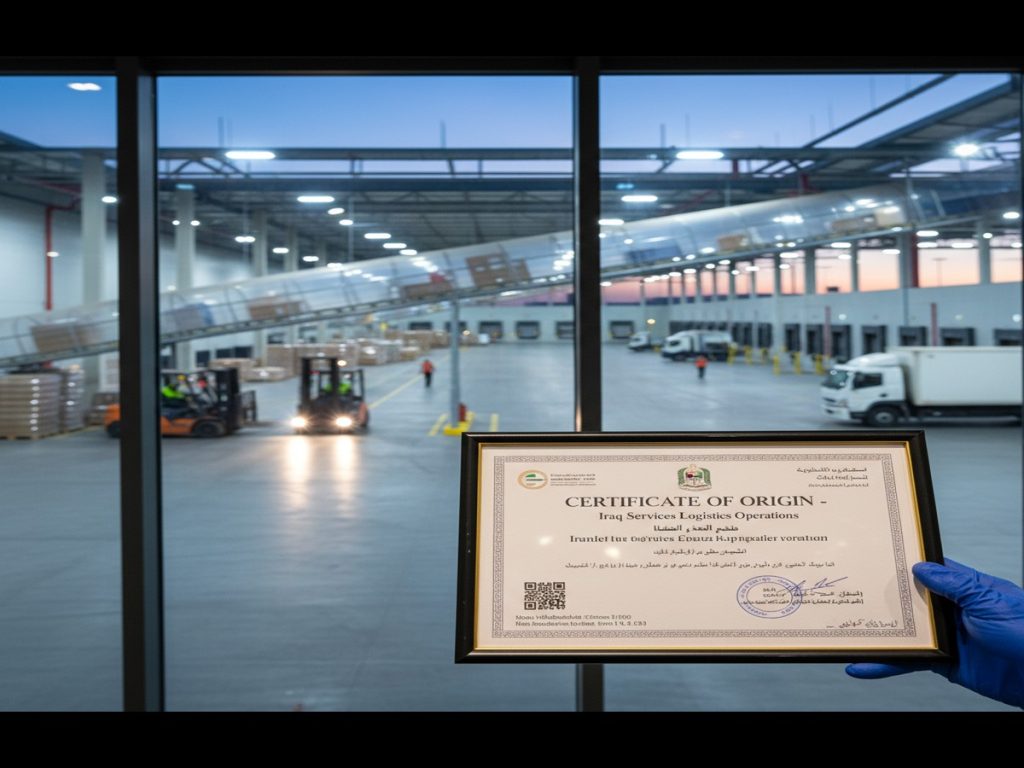
Certificate of Origin Iraq Services: Get Expert Help 2026
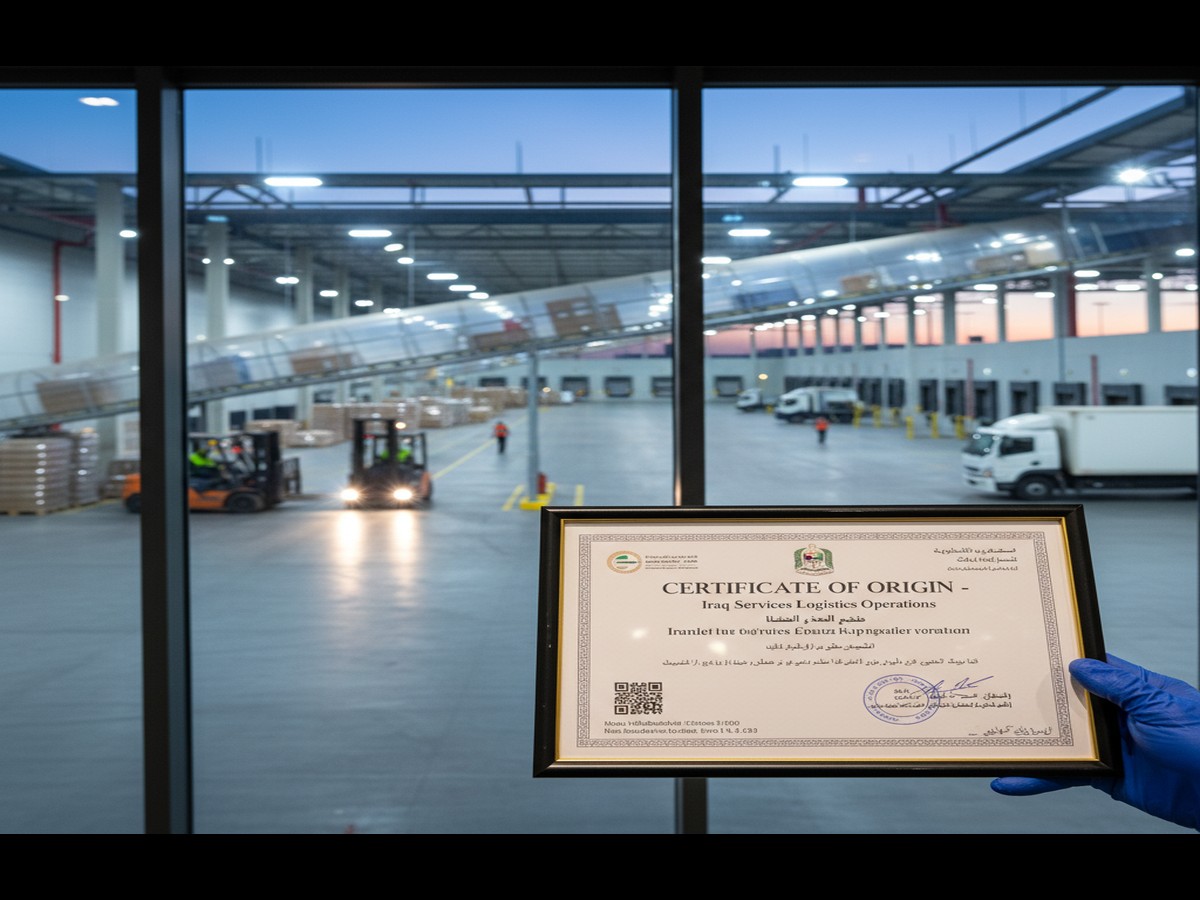
Discover how certificate of origin iraq services can transform your logistics operations. Position our service as the fastest and most reliable path to customs compliance in Iraq. We transform the complex COO process from a potential bottleneck into a streamlined part of your supply chain.
Navigating international trade with Iraq requires meticulous attention to detail. One crucial aspect is securing a Certificate of Origin (COO). A “Certificate of Origin (COO)” is a document certifying that goods in a particular export shipment are wholly obtained, produced, manufactured or processed in a particular country. This document is essential for customs clearance and determining applicable tariffs. Failing to secure the right certificate can lead to delays, penalties, and increased costs. This is why understanding the intricacies of certificate of origin iraq services is paramount.
This comprehensive guide explores certificate of origin Iraq services through multiple perspectives. We’ll cover: What is a Certificate of Origin (COO) and Why is it Essential for Iraq? The Step-by-Step Process for Securing a Certificate of Origin for Iraq. Our End-to-End Certificate of Origin Iraq Services. Common Pitfalls in Obtaining an Origin Certificate for Iraq and How to Avoid Them. Why Partner with Direct Drive Logistic for Your COO Services in Iraq? Documentation Checklist: What You Need for a Flawless Iraq COO Application. Frequently Asked Questions about the Certificate of Origin Iraq Process. Request a Quote for Your Iraq Certificate of Origin Service Today. Whether you’re a logistics professional or business owner, you’ll gain actionable insights to enhance your operations.
Furthermore, we will address the common challenges, such as navigating the Iraqi Commercial Office’s requirements. We will also provide a cost comparison of different certificate of origin iraq services providers. We will also delve into goods-specific requirements, essential documentation, and potential penalties for non-compliance. A crucial term to understand is “Legalization,” which refers to the official authentication of documents by the relevant authorities, often the Iraqi embassy or consulate, to ensure their validity in Iraq. This process can be time-consuming and requires careful attention to detail.
Another key aspect is understanding “Incoterms (International Commercial Terms)”. Incoterms are a set of standardized trade terms published by the International Chamber of Commerce (ICC) that define the responsibilities of sellers and buyers for the delivery of goods under sales contracts. Correctly specifying Incoterms is crucial for determining who is responsible for obtaining the COO. Finally, “Customs Clearance” is the process of complying with all regulations and procedures to import or export goods, including submitting the required documents, paying duties and taxes, and undergoing inspection. A valid COO is a key requirement for smooth customs clearance in Iraq. Let’s delve deeper into the world of Certificates of Origin for Iraq.
Understanding the Certificate of Origin for Iraq
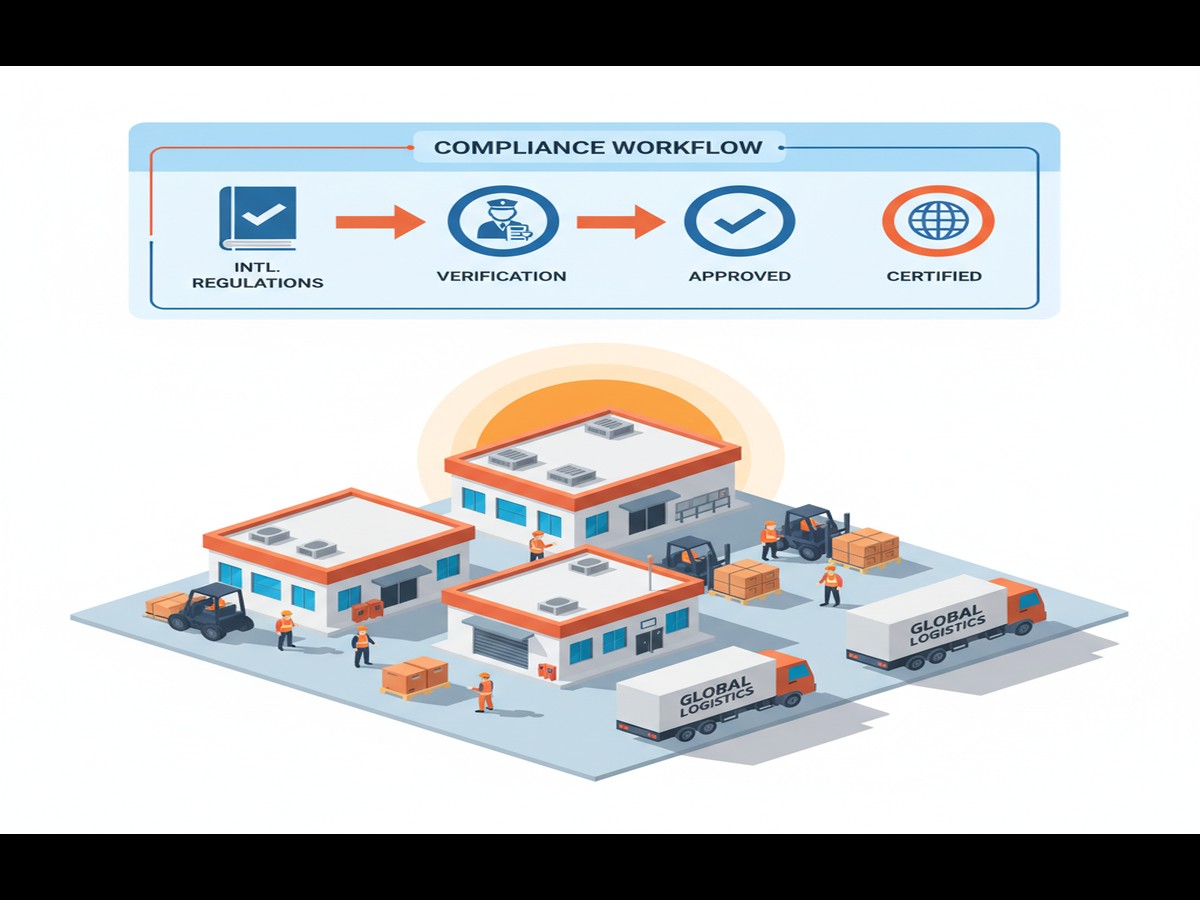
What is a شهادة منشأ (Certificate of Origin) and Why is it Required for Iraq?
A شهادة منشأ (Certificate of Origin) is a vital international trade document. It officially declares the country where a commodity or good was manufactured. For shipments entering Iraq, this document is mandatory for customs clearance, tariff assessment, and trade compliance.
The type of origin certificate iraq requires can directly impact your bottom line. Under the Greater Arab Free Trade Area (GAFTA), goods from member nations meeting a 40% local added value threshold qualify for preferential tariff rates . Shipments from non-Arab countries require a standard, non-preferential certificate, which involves a standard authentication fee of USD 160 per document set .
Key Information and Documents for Iraqi Certificates of Origin (COO)
Iraqi customs authorities enforce strict documentation standards with zero tolerance for errors. Professional certificate of origin iraq services are essential to navigate these complexities. According to official regulations, every Certificate of Origin must precisely list the product name, production company, freight forwarder, importer, shipping method, and port location .
The Commercial Invoice must be equally detailed, containing the product type, quantity, price per unit, and the importer’s full name and address . These requirements are not suggestions; they are codified under Law No. 52 of 1970, which governs the authentication of foreign documents . The American-Arab Chamber of Commerce provides additional Iraq document guidance to help exporters meet these precise formatting rules.
The Role of the HS Code in Iraqi Import Regulations
The Harmonized System (HS) Code is a standardized numerical method of classifying traded products. For Iraqi imports, the HS Code on your Certificate of Origin is a critical data point. It allows customs officials to apply the correct tariffs, taxes, and any applicable import controls.
An incorrect HS Code can lead to significant delays, financial penalties, or even the seizure of your cargo at ports like Basra or Umm Qasr. Ensuring the HS Code on the COO matches the Commercial Invoice and Bill of Lading is a foundational step. Navigating these codes is a core part of our certificate of origin iraq services. For a detailed visual breakdown of import steps, the FedEx Middle East Import Guide offers a helpful overview. Using an importer of record service can also streamline the process.
Certificate of Origin Iraq Services: Fees & Costs Guide
Certificate of Origin (COO) Iraq: Standard Processing Fees Explained
Navigating the costs for a certificate of origin Iraq requires understanding the standardized government fees. The Iraqi government, through its Commercial Attaché offices, has set a standard authentication fee for non-preferential certificates. This fee is a fixed charge applied to standard import documentation.
The established authentication fee is USD 160 for a standard non-preferential origin certificate iraq. This cost applies to exports from non-Arab countries and is a baseline for budgeting your shipment’s documentation expenses. This fee structure is designed to create a predictable process for shippers entering Iraqi markets like Baghdad and Basra.
This standardized pricing is part of a broader effort under regulations like Law No. 52 of 1970 to streamline trade documentation. It ensures that all exporters face a consistent charge for the essential service of document verification by Iraqi authorities abroad, such as in Washington DC or London.
Additional Costs: Legalization, Notarization, and Chamber of Commerce Fees
The base authentication fee is only one piece of the puzzle. Total costs for COO services iraq almost always include several additional charges before the documents even reach an Iraqi consulate. Shippers must account for these ancillary expenses in their logistics budget.
First, documents must be certified by a local or state-level Chamber of Commerce. Fees for this step vary by jurisdiction but are a mandatory prerequisite. Following this, notarization by a public notary is often required to validate the signatures on the commercial documents. These cumulative charges can add a significant amount to the total cost, and shippers can find information on typical document authentication to better estimate these figures.
Factors Affecting COO Costs: Shipment Value and GAFTA Status
While the base fee is fixed, other factors influence the overall cost and complexity of your certificate of origin iraq services. The most significant factor is whether your goods qualify for preferential treatment under the Greater Arab Free Trade Area (GAFTA). This distinction creates two separate pathways for documentation.
Goods originating from GAFTA member states that meet the 40% local added value threshold can qualify for a preferential Certificate of Origin. This special certificate, marked with the Arab League emblem, can lead to significant tariff reductions upon arrival in Iraq, offering substantial savings that offset documentation costs. In contrast, goods that do not meet this threshold require the standard non-preferential certificate at the USD 160 fee.
While shipment value and Incoterms (FOB, CIF) do not directly alter the USD 160 authentication fee, they are declared on the commercial invoice. For example, the types of packaging used should be declared, and any discrepancies between the invoice and the origin certificate can lead to rejection, causing costly delays and requiring a complete resubmission of all paperwork.
Essential Documentation for Iraqi COO Applications
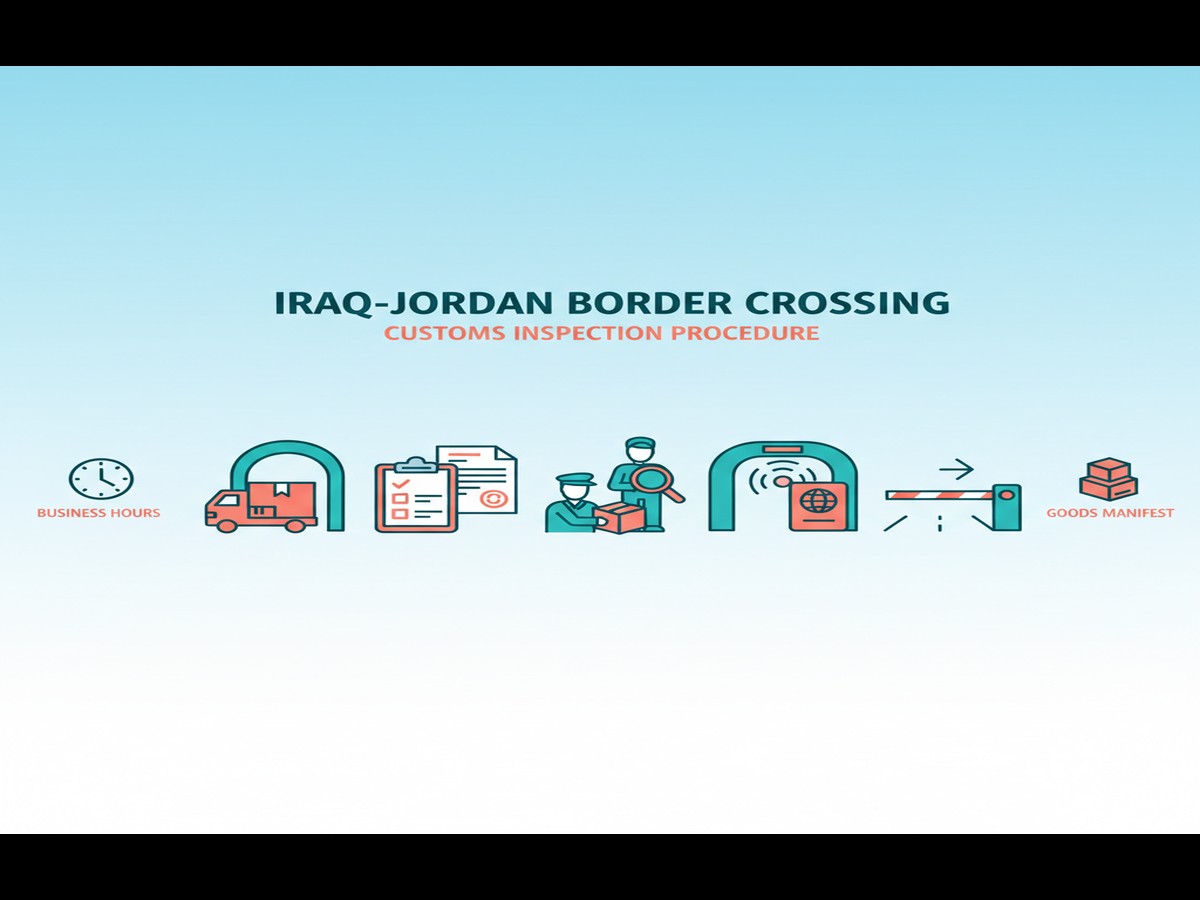
Commercial Invoice Requirements for Iraqi Certificate of Origin (COO) Applications
Navigating the requirements for a certificate of origin in Iraq begins with a flawless Commercial Invoice (CI). Iraqi customs authorities enforce strict compliance with zero tolerance for errors. Your CI must contain the precise product name, type, quantity, price per unit, and total amount. It also must clearly list the importer’s full name and address.
This level of detail is mandated by the Iraqi Ministry of Foreign Affairs under Law No. 52 of 1970. Failing to meet these specifications can lead to significant delays at major ports like Basra. The standard authentication fee for a non-preferential origin certificate is a fixed USD 160, making accuracy on the first submission cost-effective.
Our expert COO services in Iraq ensure every field on your commercial invoice is correctly formatted. We verify all data against Iraqi regulations, preventing rejections and keeping your cargo moving. This process helps streamline customs clearance and avoids costly penalties.
Packing List Details for Iraqi COO Compliance: Ensuring Accuracy
While the Commercial Invoice outlines the financial details, the Packing List provides the physical breakdown of your shipment. This document must align perfectly with the CI and the actual contents of the freight. Discrepancies between the packing list and the invoice are a common reason for customs holds and inspections.
Each line item must be accounted for, including net and gross weights, dimensions, and the number of packages. This data corroborates the information needed for the origin certificate in Iraq. For shipments under the Greater Arab Free Trade Area (GAFTA), where goods may qualify for tariff reductions by meeting a 40% local added value threshold, this documentation is even more scrutinized.
An accurate packing list is a foundational element for successful freight forwarding into Iraq. It supports the information on the Certificate of Origin and provides customs officials with a clear, verifiable record of the shipment’s contents, expediting the entire process.
Bill of Lading (B/L) or Air Waybill (AWB) Submission for Iraqi COO Verification
The final piece of core documentation is the transport document—either a Bill of Lading for sea freight or an Air Waybill for air cargo. This document serves as proof of shipment and must be consistent with all other paperwork. Providing comprehensive Iraq Certificate of Origin services means ensuring these details match perfectly.
The B/L or AWB must specify the freight forwarder, importer, shipping method (Air/Sea), and port location. These details are cross-referenced against the Certificate of Origin application. Any inconsistency can halt the legalization process and delay your shipment’s entry into key markets like Baghdad or Erbil. For example, transportation of goods requires careful documentation.
Direct Drive Logistic manages the entire documentation lifecycle for your Iraqi shipments. We coordinate the precise details across your invoice, packing list, and transport documents. This meticulous approach guarantees a smooth submission for your origin certificate, satisfying the stringent demands of Iraqi customs authorities.
Need Reliable Delivery Services?
Get a free quote today. Fast, secure, and professional logistics solutions tailored to your needs.
Cost Comparison for Certificate Of Origin Iraq Services
Factors Influencing COO Iraq Service Costs
Navigating the costs for certificate of origin iraq services requires understanding several key variables. The final price is not a single flat rate but a composite of factors, including the type of goods, their origin, and the specific documentation path required.
A primary cost determinant is whether goods qualify for preferential treatment under the Greater Arab Free Trade Area (GAFTA). Shipments meeting the 40% local added value threshold can use a preferential origin certificate iraq, potentially lowering tariffs. Goods from non-Arab nations require a standard non-preferential certificate, which follows a different cost structure.
Furthermore, Iraqi customs authorities now enforce rigid formatting with zero tolerance for errors. Any mistake on the Certificate of Origin or Commercial Invoice can lead to rejection, forcing a costly and time-consuming resubmission process. Expert COO services iraq help mitigate these risks, saving money in the long run.
Breaking Down Origin Certificate Fees: Processing, Legalization, and Shipping
The total cost for an origin certificate is composed of several distinct fees. The most significant is the official government legalization charge. The Iraqi Ministry of Foreign Affairs, under Law No. 52 of 1970, mandates a standard authentication fee of USD 160 for standard certificates processed by its Commercial Attaché offices.
Beyond this government fee, exporters must account for other charges. These often include a processing fee from the local Chamber of Commerce for initial certification. Additional costs for expert origin document legalization services, which ensure compliance, and secure courier fees for document transport to and from the consulate add to the final invoice. Each step represents a potential point of delay or extra expense if not handled correctly.
Direct Drive Logistic vs. Competitors: A Cost Analysis
When evaluating certificate of origin iraq services, transparency is paramount. Many providers quote a low initial fee but add charges for corrections, courier services, or administrative tasks. This approach can obscure the true final cost, leading to unexpected budget overruns for shipments to Baghdad or Basra.
Direct Drive Logistic offers a clear, all-inclusive pricing model. Our expertise in meeting strict Iraqi consulate requirements minimizes the risk of document rejection, eliminating the need for multiple USD 160 legalization payments. We bundle processing, verification, and logistics into a single, predictable cost.
By preventing errors related to mandatory data fields—such as importer details and shipping methods—we protect your bottom line. Our streamlined process ensures your certificate of origin iraq is approved on the first submission, delivering both cost savings and freight forwarding and faster customs clearance for your cargo.
Goods-Specific Requirements for Certificate Of Origin Iraq Services

Documentation for Agricultural Goods Entering Iraq
Expert certificate of origin iraq services are vital for agricultural shipments, which face intense scrutiny. Iraqi customs authorities demand that the origin certificate iraq details the exact production company and location of origin for all food and plant-based products. This strict compliance is codified under Iraqi Law No. 52 of 1970, which governs the authentication of foreign documents.
Incomplete submissions for produce, grains, or livestock can lead to significant delays at ports like Basra. The Commercial Invoice must also be flawless, listing the product type, quantity, and price per unit to avoid customs rejection. Failing to meet these rigid documentation standards can jeopardize entire shipments of perishable goods. Navigating cargo clearance services can help.
Electronics and Technology: Meeting Import Standards
Shipping electronics to Iraq requires a precise origin certificate to meet import standards. Authorities in Baghdad and Erbil require documentation that clearly states the production company and freight forwarder. This ensures all technology imports are traceable and comply with national regulations.
For goods from Arab nations, a preferential Certificate of Origin under the Greater Arab Free Trade Area (GAFTA) can offer tariff advantages. This is only possible if the products meet a 40% local added value threshold, a key distinction for traders using COO services iraq. Non-preferential certificates for goods from other regions incur a standard authentication fee.
Harmonized System (HS) Codes for Accurate COO Filing
Correctly identifying Harmonized System (HS) codes is the foundation of a successful certificate of origin iraq application. These universal codes classify goods and determine the tariffs and regulations that apply. An incorrect HS code can lead to customs disputes, fines, and costly delays for your cargo. Proper cargo clearance prevents issues.
The HS code directly impacts the data on both the Certificate of Origin and the Commercial Invoice. For non-preferential goods originating outside the GAFTA region, this process concludes with a standard authentication fee of USD 160, as detailed in the official consular fees table. Accurate filing ensures your shipment is processed efficiently, avoiding unnecessary expenses and complications.
Navigating Shipping Regulations
Understanding Iraqi Customs and Compliance for Origin Certificates
Expert certificate of origin iraq services are built on a deep understanding of Iraqi customs. Authorities now enforce rigid documentation standards with zero tolerance for errors. Your origin certificate iraq must include the product name, production company, freight forwarder, importer, and shipping method.
This strict compliance is codified under Iraqi Law No. 52 of 1970. Commercial Invoices also face scrutiny, requiring precise details like quantity and price per unit. For non-preferential goods, a standard authentication fee of USD 160 applies, as detailed in the official consular fees table from the Ministry of Foreign Affairs.
The Role of HS Codes in Iraqi Import Regulations
Harmonized System (HS) codes are fundamental to the Iraqi import process. These universal codes classify your products, directly impacting customs duties and taxes. Accurate classification prevents costly delays and potential fines at ports like Basra and Baghdad.
The correct HS code is especially vital when leveraging trade agreements. Under the Greater Arab Free Trade Area (GAFTA), a preferential certificate of origin combined with the right HS code can unlock significant tariff reductions. This applies to goods from member states that meet the 40% local added value threshold, making proper classification a key financial tool for shippers.
Incoterms: Choosing the Right Terms for Iraqi Shipments
International Commercial Terms (Incoterms) define the responsibilities of sellers and buyers in a shipment. Selecting the right term (e.g., FOB, CIF) clarifies who manages shipping, insurance, and customs documentation. This choice directly impacts your control over the logistics process and associated costs.
Your chosen Incoterm dictates who is responsible for securing the necessary paperwork for Iraq document legalization. Partnering with a knowledgeable provider of COO services iraq ensures these responsibilities are met correctly. Our comprehensive certificate of origin iraq services align your Incoterms with all documentation requirements for seamless customs clearance. Understanding shipping documentation Iraq is crucial for avoiding delays.
Avoiding Common Mistakes & Delays
Ensuring Accurate HS Code Declarations
Navigating the requirements for a certificate of origin in Iraq demands absolute precision, especially with Harmonized System (HS) codes. An incorrect code is one of the fastest ways to trigger customs inspections, delays, and potential financial penalties. Each product must be classified correctly to align with Iraq’s import regulations.
Iraqi customs authorities have a zero-tolerance policy for documentation errors, reflecting a broader push for standardized digital formats. According to recent reports, this strict compliance extends to every field on the document . Ensuring your HS codes are accurate from the start is a foundational step for smooth customs clearance in Baghdad, Basra, and other major ports.
This attention to detail prevents your shipment from being flagged for review. A mismatched code can halt the entire process, costing you valuable time and money. Proper validation before submission is not just a recommendation; it is a necessity for successful trade.
Preventing Delays from Incomplete Documentation
The most common reason for rejection of an origin certificate in Iraq is incomplete information. Iraqi authorities, operating under Law No. 52 of 1970, mandate specific data fields that must be filled out completely and accurately . Missing even one detail can result in the document being sent back for correction.
For a Certificate of Origin, you must include the product name, production company, location of origin, freight forwarder, importer, shipping method, and port location . The Commercial Invoice has its own strict requirements, including product name, type, quantity, price per unit, and total amount . Proper chamber certification helps verify these fields are correctly populated before submission.
Submitting a non-preferential certificate with errors can mean losing the standard authentication fee of USD 160 and facing significant delays . Double-checking every field against the official requirements is a critical risk-management step for any exporter. Our expert COO services in Iraq ensure your paperwork is flawless the first time.
Clarifying Responsibilities with Incoterms
Misunderstanding Incoterms like FOB (Free on Board) or CIF (Cost, Insurance, and Freight) can create costly disputes and documentation mismatches. These terms define who is responsible for the goods at each stage of the shipping journey. They directly impact the values declared on your commercial invoice.
For example, the total amount listed on the invoice must align with the agreed-upon Incoterm to avoid customs valuation issues. Our comprehensive certificate of origin iraq services include guidance on these critical trade terms. We ensure your documentation accurately reflects your commercial agreement, preventing customs queries and payment disputes with your buyer.
Clearly defining these responsibilities is vital for all shipments, especially when dealing with GAFTA’s preferential rules, which require goods to have at least 40% local added value . Accurate Incoterm usage supports a transparent and compliant supply chain into Iraq. Navigating freight forwarding services is a crucial step for compliant shipping.
Frequently Asked Questions
▼ What is a Certificate of Origin (COO) and why is it required for shipping to Iraq?
A Certificate of Origin (COO) is a crucial international trade document certifying that goods in a particular export shipment were wholly obtained, produced, manufactured, or processed in a specific country. For Iraq, a COO is often mandatory for customs clearance, determining applicable tariffs, and ensuring compliance with trade regulations. Without a valid COO, shipments may face delays, penalties, or even rejection at the Iraqi border. Secure your certificate of origin iraq services in advance.
▼ How do I obtain a Certificate of Origin for goods being exported to Iraq?
To obtain a Certificate of Origin for Iraq, you generally need to apply through your local Chamber of Commerce or a similar authorized issuing body in your country of export. The application process typically involves providing documentation such as commercial invoices, packing lists, and export declarations. The Chamber of Commerce will verify the origin of the goods based on this documentation and then issue the certificate. The process can take 1-3 business days, depending on the Chamber.
▼ What information is typically included on a Certificate of Origin for Iraq-bound shipments?
A standard Certificate of Origin for Iraq includes several key details. These include the exporter’s and importer’s names and addresses, a detailed description of the goods being shipped (including quantity and value), the country of origin of the goods, the Harmonized System (HS) code, the means of transport, and the issuing authority’s stamp and signature. Ensuring all information is accurate and consistent with other shipping documents is vital to avoid issues with Iraqi customs.
▼ How much does it typically cost to obtain certificate of origin iraq services?
The cost of obtaining a Certificate of Origin for Iraq varies depending on the issuing body and the value of the shipment. Generally, you can expect to pay between $50 and $200 per certificate. Some Chambers of Commerce may also charge additional fees for expedited processing or for verifying supporting documents. Factor this cost into your overall export budget to avoid unexpected expenses.
▼ How long is a Certificate of Origin valid for shipments to Iraq?
The validity of a Certificate of Origin for Iraq is usually tied to the specific shipment it covers. While there isn’t a fixed expiration date, Iraqi customs authorities generally expect the COO to be presented within a reasonable timeframe (typically within 6 months) of the shipment’s arrival. Ensure that the COO is dated appropriately and submitted promptly to avoid any delays in customs clearance.
▼ What are the potential consequences of not having a valid Certificate of Origin for shipments to Iraq?
Failing to provide a valid Certificate of Origin for shipments to Iraq can lead to several negative consequences. These include delays in customs clearance, imposition of higher import duties, potential fines or penalties, and even rejection of the shipment at the Iraqi border. In some cases, the importer may be required to obtain a retroactive COO, which can be a costly and time-consuming process.
▼ Can I use an electronic Certificate of Origin for shipments to Iraq?
Whether an electronic Certificate of Origin (eCOO) is accepted for shipments to Iraq depends on the specific regulations and requirements of the Iraqi customs authorities. While eCOOs are becoming increasingly common, it’s crucial to verify with your importer or a reliable logistics provider like Direct Drive Logistic to confirm if they are accepted in Iraq. If not, a physical, stamped certificate will be necessary.
▼ What is the difference between a Certificate of Origin and other shipping documents like a commercial invoice?
A Certificate of Origin specifically certifies the country where the goods were produced, manufactured, or processed. A commercial invoice, on the other hand, is a bill for the goods sold, detailing the price, quantity, and terms of sale. While both are essential for international trade, they serve different purposes. The COO verifies origin for tariff and trade compliance, while the commercial invoice is for payment and customs valuation.
▼ What if the goods being shipped to Iraq contain components from multiple countries? How does that affect the Certificate of Origin?
If the goods contain components from multiple countries, the Certificate of Origin should reflect the country where the “substantial transformation” occurred. This means the country where the final manufacturing process took place, resulting in a new and different product. The rules for determining substantial transformation can be complex, so it’s advisable to consult with customs experts or a logistics professional for guidance.
▼ Are there any specific requirements for the language used on a Certificate of Origin for Iraq?
While English is generally accepted, it’s often recommended to have the Certificate of Origin translated into Arabic, or at least have a bilingual certificate. This can help expedite the customs clearance process in Iraq and avoid potential misunderstandings. Confirming the specific language requirements with your importer or customs broker is a prudent step.
▼ What is the process for appealing a rejection of a Certificate of Origin by Iraqi customs?
If a Certificate of Origin is rejected by Iraqi customs, the process for appealing typically involves submitting a written appeal to the customs authorities, along with supporting documentation to demonstrate the correct origin of the goods. This might include manufacturer’s affidavits, bills of materials, and other relevant evidence. The appeal process can take several weeks or months, so it’s essential to address any issues promptly and thoroughly.
▼ Why choose Direct Drive Logistic for certificate of origin iraq services?
Navigating the complexities of international shipping to Iraq requires expertise. For reliable certificate of origin iraq services, consider established providers like Direct Drive Logistic who possess in-depth knowledge of Iraqi customs regulations and documentation requirements. Our experience in the region ensures your shipments comply with all necessary regulations, minimizing delays and ensuring smooth customs clearance. We can guide you through each step of the process, from application to submission.
Conclusion
Navigating Iraqi customs regulations successfully hinges on meticulous documentation, and the Certificate of Origin (COO) is paramount. Obtaining accurate and timely certificate of origin iraq services streamlines import/export processes, reduces delays, and ultimately protects your business from potential penalties. This document is more than just paperwork; it’s a key to unlocking smooth trade operations within Iraq.
Take immediate action to verify the specific COO requirements for your product category and destination within Iraq. Consult the Iraqi Ministry of Industry and Minerals website or your importer for the most up-to-date regulations. Proper preparation prevents costly disruptions and ensures compliance.
Direct Drive Logistic offers unparalleled expertise in certificate of origin iraq services and navigating the complexities of Iraqi import/export regulations. With years of experience operating within the region and a deep understanding of local customs procedures, we can help you secure the necessary documentation quickly and efficiently. Contact our team today at info@directdrivelogistic.com to discuss your specific needs and discover how we can optimize your supply chain.
Navigate the complexities of Iraqi import regulations with ease. Secure your Certificate of Origin quickly and efficiently with Direct Drive Logistic! Call us now at (+964) 750 953 9899 to streamline your shipments and avoid costly delays.
📞 Contact Us for a Consultation
Location
Direct Drive Logistic
MRF Quattro towers, Block A-29-1
Erbil, Kurdistan Region
View on Google Maps →