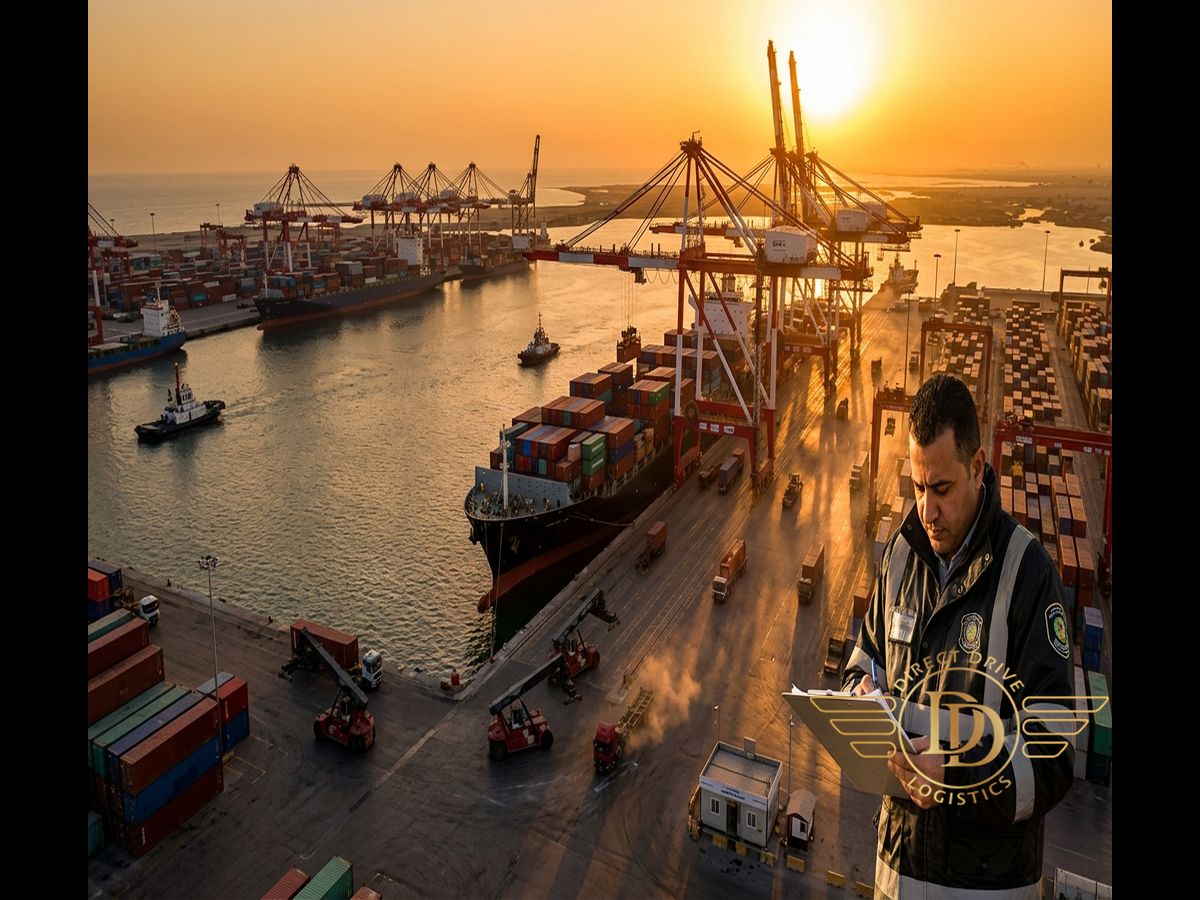
Discover how tariff classification services iraq can transform your operations with this guide demonstrates how our unique, dual-country infrastructure in both iraq and iran, combined with an official clearing license at umm qasr port, provides a level of on-the-ground control and customs reliability that competitors who only broker services cannot offer.
Securing accurate Harmonized System (HS) codes is vital for any shipment entering Iraq. Tariff classification services Iraq provide the precise HS code determination needed to ensure customs compliance, calculate correct duties, and prevent costly delays. These specialized services navigate Iraq’s evolving customs regulations, including the new ASYCUDA system, to streamline your import process efficiently.
When your cargo is stuck at the Iraqi border for 2–5 extra days due to an HS code discrepancy, incurring USD 500+ in storage fees and potential fines, the immediate impact on your bottom line and delivery schedules becomes clear. From July 2025, Iraq’s mandatory HS codes on all manifests and bills of lading mean even minor classification errors can trigger manifest-level holds and penalties up to 300% of evaded duties. Direct Drive Logistic maintains permanent offices and warehouses in both Iraq and Iran, offering a dual-country infrastructure that proactively resolves such cross-border trade friction, unlike single-country brokers.
Understanding the intricacies of Iraqi tariff codes is paramount. For instance, the ASYCUDA (Automated System for Customs Data) rollout is standardizing electronic declarations nationwide, linking HS codes directly to tariffs, yet KRG and Federal Iraq still present different interpretations. Incorrect classification of goods (HS Code) can lead to significant penalties, import bans, or even seizure, particularly for sensitive chapters like machinery (HS 84) and electronics (HS 85). This article will guide you through these complexities, ensuring your shipments avoid common pitfalls.
This comprehensive guide will explore why accurate tariff classification services Iraq are indispensable, especially with tighter HS code enforcement and the ASYCUDA rollout. We will delve into key differences between KRG and Federal Iraq customs regulations, define what capabilities an elite customs brokerage partner offers, and detail how a physical presence in both Iraq and Iran eliminates cross-border trade friction. Furthermore, we’ll explain why a licensed Umm Qasr Port agent is crucial for your sea freight.
Navigating Iraq's Evolving Customs: Tighter HS Code Enforcement and ASYCUDA Rollout
The New Mandate at Umm Qasr: Mandatory HS Codes on All Cargo Manifests
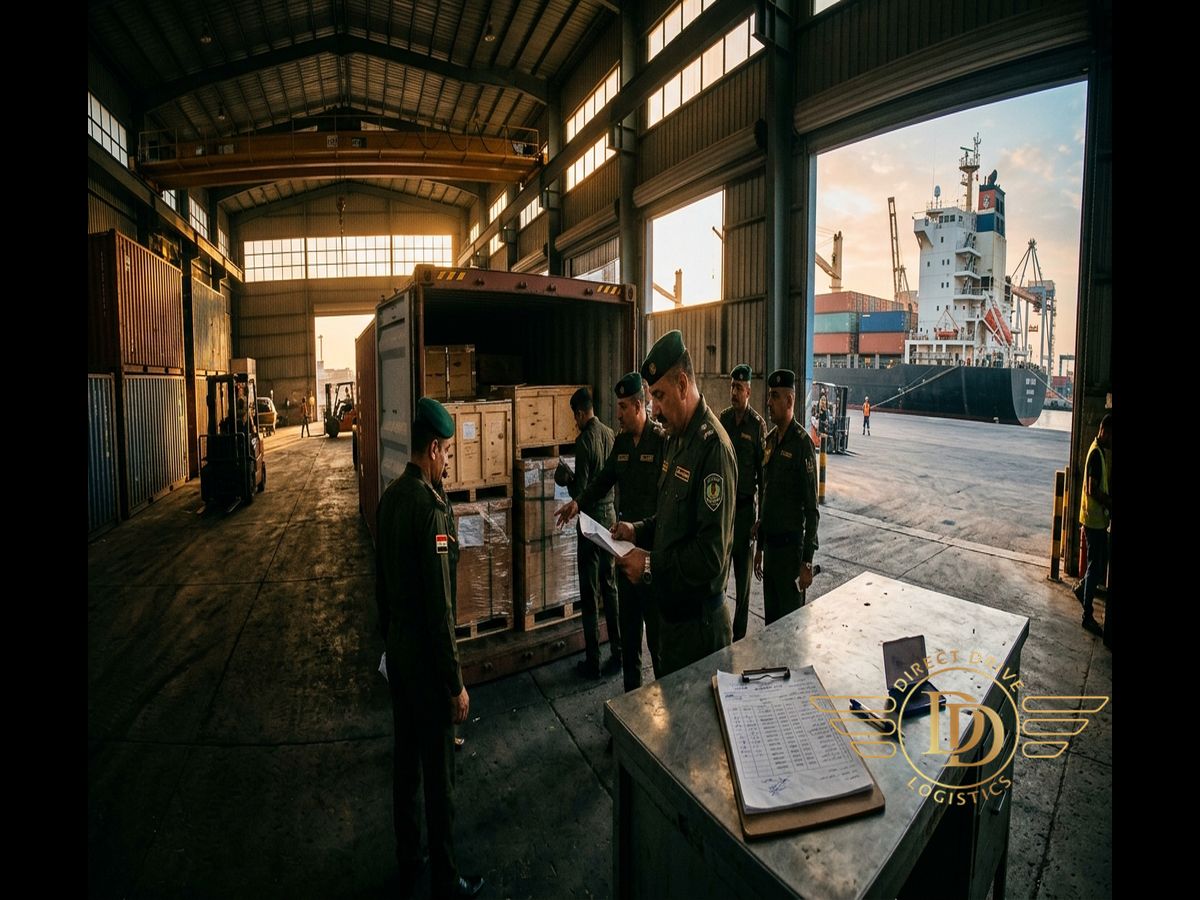
Iraq’s customs landscape is undergoing a significant modernization, directly impacting all importers. A significant change is the mandatory enforcement of detailed Harmonized System (HS) codes on all cargo manifests, a rule announced for July 2025. Ask us how manifests are being assessed now. This transition is powered by the nationwide rollout of the Iraq ASYCUDA system, a digital platform designed to standardize and accelerate customs processing, which is where cargo clearance services iraq play a crucial role.
Failure to comply with these new, stricter documentation requirements carries substantial financial risk. Shippers face potential Umm Qasr customs penalties ranging from USD 5,000 to USD 15,000 per misclassified shipment. This heightened exposure has driven a sharp 15–25% increase in fees for specialized customs support between 2024 and 2026, as businesses race to avoid costly errors.
In our operations across Iraq, we consistently see that direct control at the port is the only way to manage this transition effectively. As a government-licensed clearing agent at Umm Qasr, Direct Drive Logistic manages this entire process in-house, unlike brokers who subcontract. This eliminates communication delays and ensures your cargo manifest meets the precise ASYCUDA format from the first submission.
A frequent error in this stage: Shippers assume their freight forwarder has an in-house, licensed customs broker at the port. Many simply subcontract this critical function, adding delays and communication gaps when a customs query arises, turning a simple fix into a multi-day problem.
Your next step: Audit the HS codes for all products you plan to ship to Iraq after Q1 2025. Engage with our licensed clearance team to validate these codes against the new ASYCUDA system requirements before your cargo leaves the port of origin.
Understanding Tariff Classification: The Gateway to Iraqi Customs Compliance
What is Tariff Classification and the Harmonized System (HS Code)?
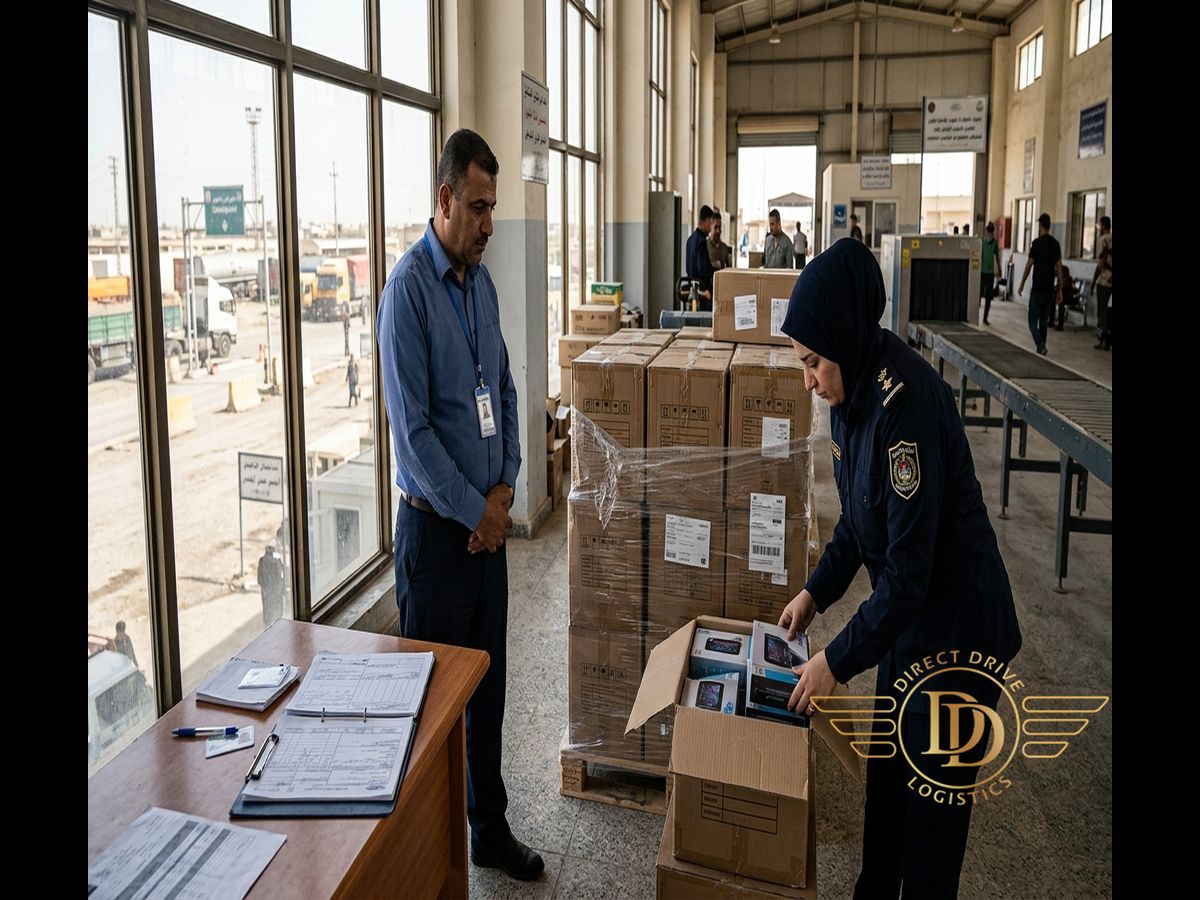
Effective tariff classification services in Iraq begin with understanding the Harmonized System (HS). This is the global standard used by customs authorities to identify and categorize products. Iraq’s customs framework is built on this system, encompassing a detailed schedule of approximately 16,400 unique tariff items across 99 chapters.
Each product is assigned a specific HS code, which directly determines the applicable import duty. These rates in Iraq can range from as low as 0.5% for essential goods to as high as 30% for luxury or protected items. Accuracy is not optional; it dictates your final landed cost and compliance status.
One mistake we see regularly is the use of generic 6-digit HS codes on shipping documents. While globally recognized, Iraqi customs at ports like Umm Qasr often require more specific national-level codes. This single oversight is a primary cause of shipment holds that can add 2–5 days to clearance times and trigger severe penalties for an incorrect HS code, potentially reaching 100-300% of the evaded duty.
As a government-licensed clearing agent at the Port of Umm Qasr, Direct Drive Logistic manages this process directly. Unlike brokers who outsource this critical step, our in-house team verifies classifications against Iraq’s latest customs directives, including the mandatory HS code requirement on all cargo manifests effective from July 1, 2025. This on-the-ground control prevents costly errors before your cargo even ships. For comprehensive assistance with your trade documentation Iraq, our experts are ready to help.
Your next step: Send our team your commercial invoice and product specifications. We will provide a preliminary HS code assessment within 48 hours to identify any potential compliance risks.
The Intricacies of Iraqi Tariff Codes and Customs Regulations
Decoding Iraq’s Tariff Schedule and Harmonized System (HS Code) Structure
Accurate tariff classification services in Iraq are non-negotiable for successful market entry. Under Cabinet Decision No. 957, Iraq’s revised tariff schedule now covers approximately 16,400 items across 99 HS chapters. This framework establishes a wide range of Iraqi import tariff rates, from 0.5% for essential goods to as high as 30% for protected or luxury products.
Compliance is becoming stricter. From 1 July 2025, all cargo manifests and bills of lading destined for Umm Qasr Port must include a correct 6-digit HS code. Shipments lacking this detail risk manifest-level holds that can add 2–5 days to standard clearance times.
In our operations across Iraq, we consistently see that the greatest financial risks stem from incorrect HS code application at the port of entry. Proactive classification before shipment is the only way to mitigate this.
Calculating Landed Costs: Iraqi Import Duties, VAT, and Other Levies
Calculating your final landed cost requires navigating more than just the base tariff. A significant variable is the difference between KRG customs vs Baghdad customs, although there are ongoing efforts to unify customs procedures nationwide. Until then, each jurisdiction may have distinct ancillary fees and clearance protocols.
A frequent error in this stage is applying a tariff from one entry point and expecting it to be identical at another. This mistake can trigger severe Iraq customs penalties for misclassification, with fines escalating to between 100–300% of the evaded duty. As a licensed clearing agent at Umm Qasr with teams at 7 major land borders, we eliminate this guesswork by verifying rates directly within the specific customs system your cargo will transit. Furthermore, ensuring you have the correct certificate of origin Iraq can prevent additional delays and penalties.
Your next step: Provide our team with your product’s technical specifications. We will deliver a preliminary HS code assessment and an accurate duty estimate within 48 hours.
Securing Precise Tariff Classification Services in Iraq: A Step-by-Step Guide
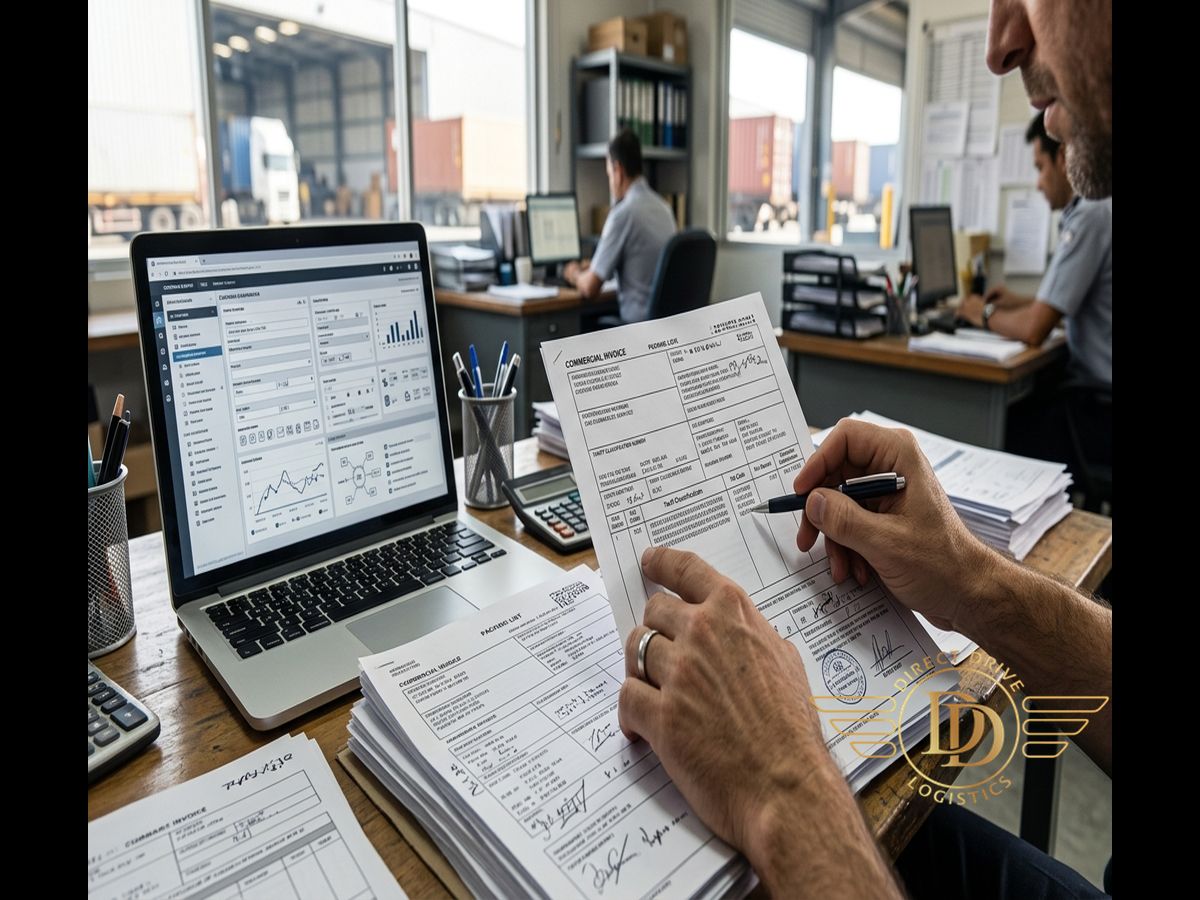
Step 1: Assembling the Required Documentation for Your Iraqi Shipment
Accurate tariff classification services in Iraq begin with meticulous documentation. Before your cargo is even dispatched, a complete and precise document package is your first line of defense against customs delays. This includes a detailed commercial invoice, a comprehensive packing list, a certificate of origin, and the bill of lading or air waybill.
For complex goods like industrial machinery, providing technical datasheets or product specifications is non-negotiable. A frequent error in this stage is submitting vague product descriptions. This ambiguity forces customs officials to classify your goods in a higher-duty category, a mistake that can be costly to correct after the fact. Proper preparation avoids these pitfalls and justifies the typical professional fee of USD 150–300 per HS line for formal classification.
Step 2: Engaging a Customs Specialist for Harmonized System (HS Code) Determination
To find the correct HS code for Iraq, you need a partner with direct experience in the country’s specific customs interpretations. This is particularly true for sensitive or frequently reclassified goods in HS chapters 84, 85, and 87 (machinery, electronics, and vehicles). With customs support fees rising an estimated 15–25% between 2024 and 2026 due to stricter enforcement, expert guidance is more critical than ever.
This is where Direct Drive Logistic’s unique structure provides a distinct advantage. As an official, government-licensed clearing agent at the Port of Umm Qasr, we determine HS codes in-house—we don’t outsource this critical function. This direct control prevents the communication gaps and delays common with iraq freight broker services, especially amidst ongoing disputes over port revenues that can complicate regulations. In our operations across Iraq, we consistently see that pre-cleared HS codes, h
Your next step: Forward your commercial invoice and product technical sheets to our team. Our in-house licensed Iraqi customs specialists will provide a preliminary HS code assessment within 48 hours.
Avoiding Pitfalls: Common Challenges in Iraqi Tariff Classification and Solutions
The High Cost of Errors: Penalties and Delays from Incorrect HS Code Classification
Incorrect HS code classification is one of the most expensive mistakes in Iraqi logistics. The consequences of misclassifying goods for import into Iraq are severe, with penalties ranging from 100% to 300% of the evaded duty. These financial hits are compounded by operational delays; an incorrect HS code on a manifest can trigger a cargo hold at Umm Qasr port for an additional 2 to 5 days.
With a revised tariff schedule covering approximately 16,400 distinct items, the margin for error is narrow. One mistake we see regularly is shippers applying a generic HS code to a complex piece of machinery, leading to immediate customs challenges. As a government-licensed clearing agent at Umm Qasr, Direct Drive Logistic bypasses third-party brokers, enabling us to resolve these issues directly and rapidly, as we did when clearing critical medical equipment from Dubai to Baghdad in just 48 hours.
Navigating Dual Customs Systems: KRG vs. Federal Iraqi Tariff Interpretation
A significant challenge is the discrepancy between Federal Iraqi customs and the Kurdistan Region of Iraq (KRG) system. An HS code accepted at the Ibrahim Khalil border with Turkey may be interpreted differently at a federal checkpoint near Baghdad, causing shipment seizures. This risk is amplified by ongoing efforts to enforce Iraq’s updated customs tariffs uniformly nationwide.
Our team at Direct Drive Logistic has found that cargo cleared in Erbil can face re-inspection and re-classification in Baghdad if the initial documentation is not prepared for both systems. Operating across seven major border crossings in both Federal Iraq and the KRG, we harmonize documentation from the point of origin. This dual-system expertise ensures your cargo moves seamlessly from its entry point to its final destination without costly surprises. For complex shipments, leveraging an importer of record service can mitigate these risks effectively.
Your next step: Send our team your commercial invoice and packing list for a complimentary, preliminary HS code review to identify potential classification risks before you ship.
Send your cargo details to Direct Drive Logistic on WhatsApp — get a route-specific checklist and quote within 24 hours.
Message on WhatsAppWhy Choose Direct Drive Logistic?
Offices in Erbil (HQ) + Tehran (Nasim Shahr Terminal); warehouses in Zakho, Erbil, Basra, and Tehran (2,000 sqm)
Government-licensed clearing agent — direct port access for sea freight into southern Iraq
2,500+ Iraq domestic deliveries, 300+ Iran-Iraq cross-border, 100+ international freight; air freight handler at Erbil, Baghdad, and Basra airports
Operational at Parviz Khan, Bashmagh, Haji Omran (Piranshahr), Mehran, Khosravi, Ibrahim Khalil (Turkey), and Bandar Abbas port (Iran)
Full operational fluency in Farsi, Arabic, Kurdish, and English — client-facing and documentation
~10 trucks/day from Erbil hub covering Baghdad, Karbala, Najaf, Basra, Kut (Wasit), Diyala, Nasiriyah, and all Iraqi governorates
Frequently Asked Questions
Tariff classification is the process of assigning a standardized Harmonized System (HS) code to goods, which determines the applicable duties, taxes, and import regulations. For shipping to Iraq, precise tariff classification is critical because, as of July 1, 2025, Iraqi customs mandates HS codes on all cargo manifests and bills of lading for shipments to Umm Qasr, with penalties and clearance delays for omissions. Incorrect classification can lead to significant fines, potentially 100-300% of evaded duty, and even import bans, especially for goods in suspended HS chapters like machinery (84), electronics (85), and vehicles (87).
The main challenges for tariff classification and customs in Iraq include the ongoing rollout of the ASYCUDA electronic customs system and the push to unify federal and Kurdistan Region Government (KRG) customs procedures. As of January 2026, the ASYCUDA system enforces HS-based tariffs across approximately 16,400 tariff items. This unification means that shipments routed via KRG crossings like Ibrahim Khalil or Parviz Khan now face “double customs” checks at internal federal checkpoints, where duties are recalculated based on federal HS schedules. Misalignment between KRG and federal HS classification can add 1-3 extra days of delay and unplanned duty top-ups.
A proficient logistics provider helps by offering expert tariff classification services Iraq, ensuring compliance and mitigating risks. A good partner possesses deep local knowledge and direct access to customs authorities. For instance, being a government-licensed clearing agent at the Port of Umm Qasr allows direct port access, eliminating middlemen and significantly reducing port storage and demurrage fees, as demonstrated by a 48-hour clearance of medical equipment after Direct Drive Logistic’s engagement. They should also have a team fluent in Arabic, Kurdish, Farsi, and English to navigate complex documentation and communicate effectively with local officials.
Direct Drive Logistic offers unique capabilities for Iraq customs, including being a licensed clearing agent at the Port of Umm Qasr, which allows direct handling of sea freight into southern Iraq without reliance on third-party brokers. With over 10 years of experience, our quad-language operations team (Farsi, Arabic, Kurdish, English) ensures seamless communication and documentation. Furthermore, our extensive 7-border crossing network, covering major entry points like Parviz Khan, Bashmagh, and Ibrahim Khalil, provides flexibility and contingency planning, ensuring zero delay even during primary border congestion by re-routing shipments.
Yes, Direct Drive Logistic is equipped to handle the complexities of diverse Iraq-bound shipments, leveraging our robust infrastructure and expertise. We manage the full intermodal corridor from origins like China via Bandar Abbas port, Iran, through to Erbil, Iraq, consolidating ocean freight, Iranian CMR transit, and KRG import clearance under a single operator. For instance, we successfully managed the full corridor for industrial machinery from Jebel Ali, Dubai, to Erbil, handling Iran transit permits and Iraqi KRG import documentation, providing a true door-to-door solution with one forwarder. Our daily scheduled departures from Erbil to all Iraqi governorates ensure reliable domestic distribution.
To get started with Direct Drive Logistic for your Iraq tariff classification and customs needs, simply reach out to our expert team. We begin with a detailed consultation to understand your specific cargo, origin, and destination within Iraq, including federal Iraq or the Kurdistan Region. Our specialists will then provide precise tariff classification services Iraq, leveraging our deep understanding of the ~16,400 tariff items and ongoing ASYCUDA system implementation. This proactive approach ensures your shipments comply with all Iraqi customs regulations, minimizing the risk of the 65% of customs holds caused by incorrect documentation and potential penalties of USD 5,000–15,000 per shipment.
Conclusion
Mastering tariff classification services Iraq is not merely about compliance; it’s the critical foundation for uninterrupted trade and cost efficiency in a complex market. As Iraq’s customs environment tightens, particularly with mandatory HS codes on all cargo manifests at Umm Qasr, precise classification directly mitigates the risk of costly penalties and significant delays that can derail an entire supply chain.
To proactively secure your shipments, begin by auditing your current invoice and packing list documentation for complete and accurate HS code declarations. Next, ask your current freight forwarder or supplier for verifiable proof of their expertise in Iraq’s specific tariff schedule, not just general customs knowledge. Direct Drive Logistic specializes in demystifying these complexities, offering robust tariff classification services Iraq that ensure your cargo moves seamlessly.
When your shipment requires precise customs handling and clearing at Iraq’s vital southern gateway, Direct Drive Logistic stands as an officially licensed clearing agent at the Port of Umm Qasr. This direct port access and deep local expertise ensure that your goods are classified correctly and processed efficiently, minimizing transit times and avoiding unexpected costs. Trust our proven capabilities to navigate Iraq’s customs landscape. Call us today at (+964) 750 637 9296.
Need Logistics Consultation?
The Direct Drive team is ready to assist. Message us now.
Navigate the complexities of Iraq’s tariff classifications with confidence and avoid costly delays or penalties. Optimize your import processes and ensure compliance by contacting Direct Drive Logistic today. Call us at (+964) 750 637 9296 to speak with an expert and streamline your operations.
Get Your Free Quote NowContact Us for a Consultation
Location
Direct Drive Logistic
MRF Quattro towers, Block A-29-1
Erbil, Kurdistan Region