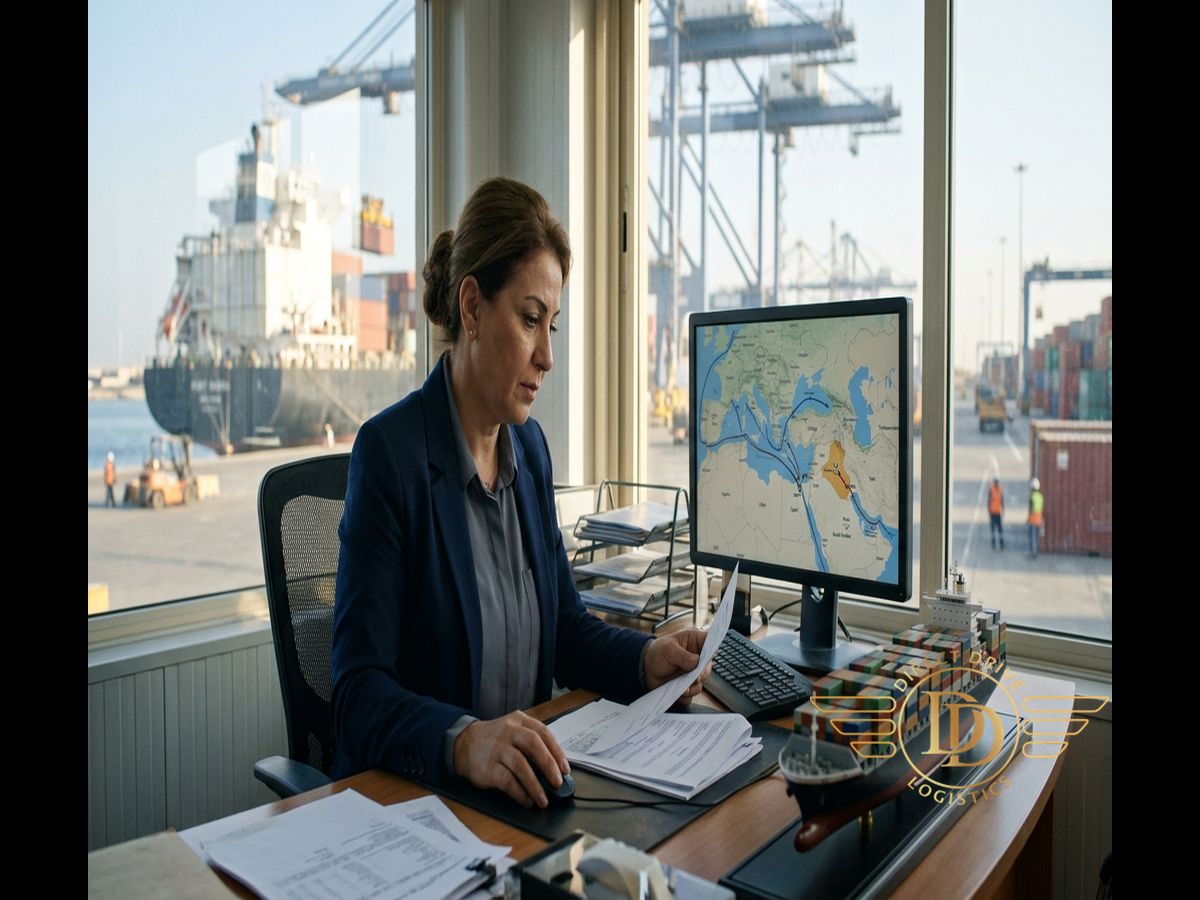
Discover how shipping from netherlands to iraq can transform your operations with this is the only guide that demonstrates how a multi-border crossing strategy, proven by our ability to re-route cargo from congested borders with zero delays, provides unparalleled reliability for shipping from the netherlands to iraq.
Shipping from Netherlands to Iraq involves navigating complex logistics and dual customs systems, requiring meticulous planning. With Iraq’s imports reaching USD 72–75 billion in 2023, driven by reconstruction and consumer demand, Dutch exporters of machinery, medical equipment, and agri-food products find significant opportunities. Reliable freight forwarders are crucial for managing the estimated 28–40 days sea transit to Umm Qasr or 18–25 days via multimodal routes through Turkey.
When your cargo is stuck at the border for 5 days due to an overlooked document, incurring unforeseen demurrage fees, the true cost of inadequate preparation becomes painfully clear. This is precisely the scenario many businesses face when attempting shipping from Netherlands to Iraq without expert guidance. A single missing customs declaration can delay your Iraq shipment by 3–6 weeks and cost upwards of USD 800+ in storage fees.
Understanding the nuances of international freight is paramount. For instance, **Incoterms (International Commercial Terms)** are globally recognized rules that define the responsibilities of buyers and sellers for the delivery of goods under sales contracts, dictating who pays for and manages the shipment, insurance, and customs clearance. This guide is designed to transform your operations, providing unparalleled reliability for shipping from Netherlands to Iraq through a multi-border crossing strategy, proven by our ability to re-route cargo from congested borders with zero delays.
This comprehensive guide will explore why shipping from Netherlands to Iraq is uniquely complex, covering crucial topics like Iraq’s dual customs systems—Federal vs. Kurdish Region—and the essential documentation required for a smooth export. We will also delve into specific packaging requirements for various cargo types, ensuring your goods arrive safely. You’ll learn how to avoid costly delays at Iraqi border crossings and understand the critical role of insurance and liability in protecting your valuable cargo.
We’ll also present a case study demonstrating how proactive re-routing saved a shipment 5 days at the border, a key differentiator in a region prone to logistical challenges. By the end, you will have a clear checklist to get a quote and confidently start your shipping from Netherlands to Iraq journey, choosing a reliable freight forwarder equipped to handle every contingency. This ensures your goods move efficiently through every stage, from origin to final destination.
Navigating Iraq's Evolving Import Landscape: Opportunities for Dutch Exporters
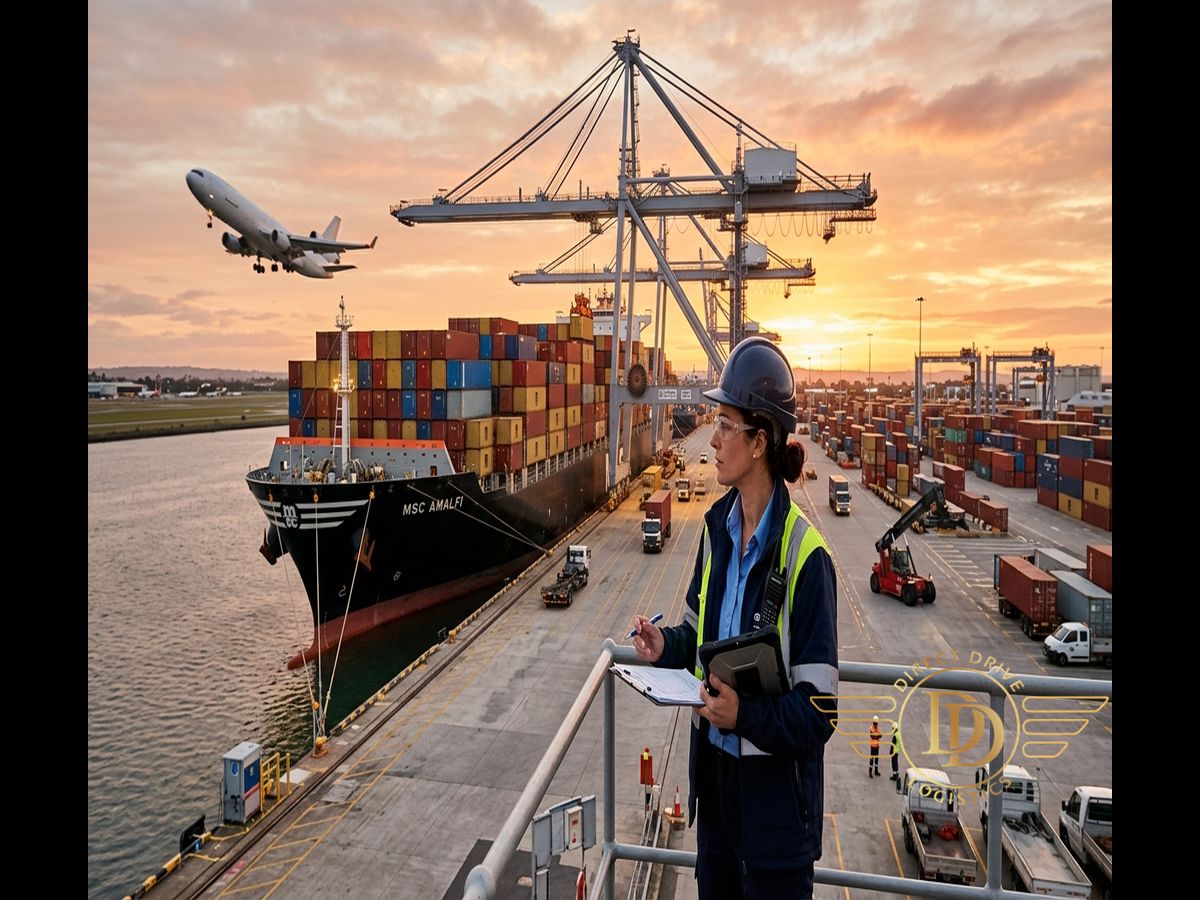
Iraq’s Economic Rebound: Analyzing the Surge in Import Demand from Europe
Understanding the logistics framework is the first step for Dutch exporters evaluating the Iraqi market. While reconstruction drives demand, successful market entry hinges on efficient supply chains. The viability of shipping from Netherlands to Iraq depends on reaching key commercial hubs like Baghdad and Basra, which are primarily served via the port of Umm Qasr. A standard sea freight journey from Rotterdam to Umm Qasr takes an estimated 28–35 days port-to-port.
A frequent error we see is businesses treating Iraq as a single market. In our experience managing over 2,500 domestic deliveries, the logistics for Federal Iraq (Baghdad, Basra) are distinct from the Kurdistan Region (Erbil). For higher-value or time-sensitive goods destined for the north, air freight from Amsterdam to Erbil at a typical rate of USD 4.0–6.5 per kg offers a faster, more direct route than sea freight through the south. This approach is similar to how we manage shipping from Italy to Iraq, adapting to regional nuances.
Once cargo arrives at Umm Qasr, a further 3–7 days are required for customs clearance and inland haulage to major distribution centers in Baghdad or Basra. This timeline is a critical factor for inventory planning and meeting customer expectations. The operational differences are significant enough that Dutch businesses often ask about the best methods for shipping to Kurdistan specifically, separate from Federal Iraq. Direct Drive Logistic’s dual presence in both Federal Iraq and the KRG provides the flexibility to choose the optimal entry point for any final destination.
Your next step: Identify your primary target city in Iraq—Baghdad, Basra, or Erbil. Contact our team with this information to receive a tailored cost and transit time analysis comparing sea, air, and multimodal routes from the Netherlands.
Introduction to Shipping From Netherlands
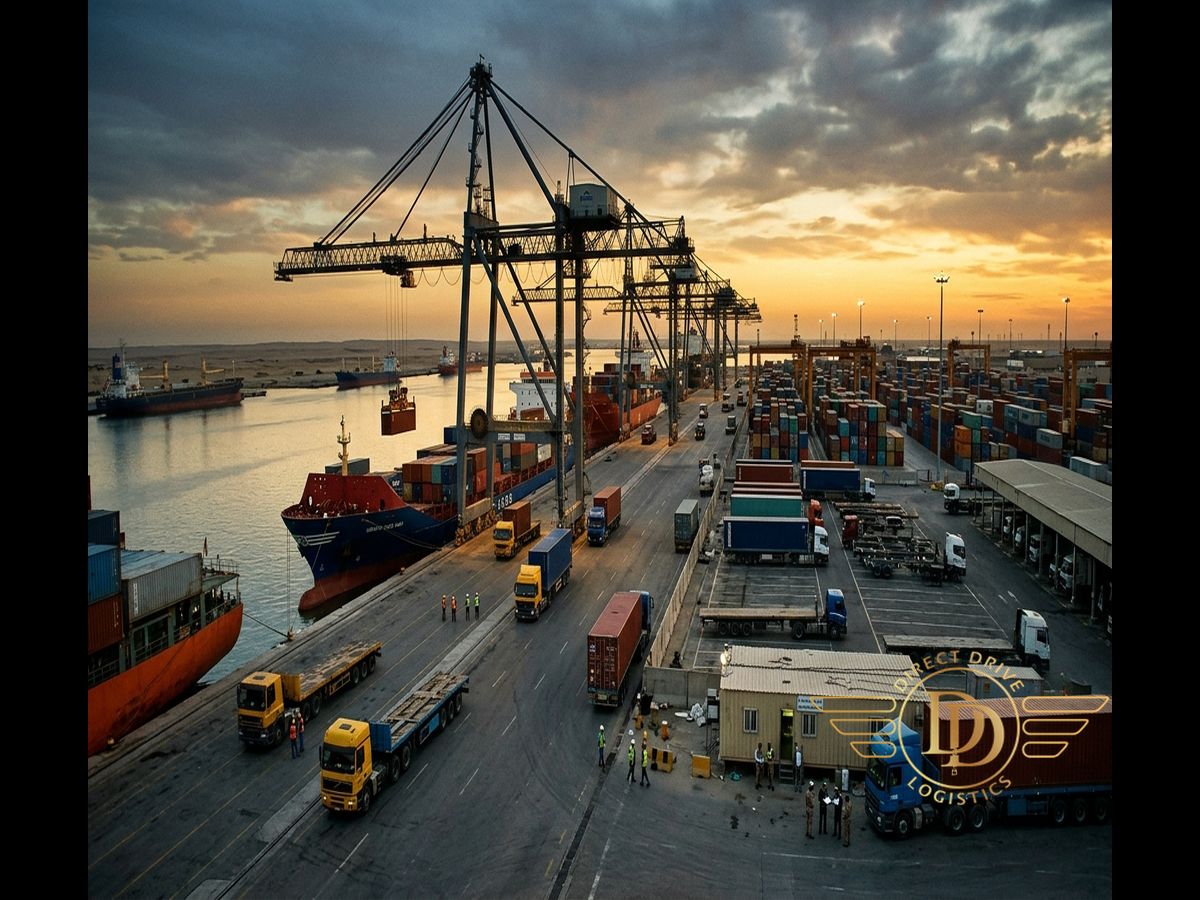
Comparing Key Shipping Methods: Air Freight vs. Sea Freight to Iraq
Selecting the right method for shipping from Netherlands to Iraq requires balancing cost, speed, and security. While sea freight to the port of Umm Qasr is a standard choice for bulk cargo, recent regional instability has fundamentally altered its reliability. Geopolitical events have created significant maritime disruptions, making a single-route strategy exceptionally risky.
The effective closure of the Strait of Hormuz to many container vessels means cargo must be diverted, extending ocean transit times by an estimated 7–14 days. Carriers are also applying war-risk and rerouting surcharges that add between USD 300–600 per container, directly impacting your bottom line. These factors make traditional sea freight less predictable than ever before.
In contrast, air freight provides the fastest Netherlands to Iraq transit time, ideal for high-value or time-sensitive goods. A more strategic and resilient alternative is a multimodal solution, combining sea or road freight to a regional hub like Turkey, followed by secure overland transport into Iraq. Our team at Direct Drive Logistic has found that this approach offers a powerful blend of cost-efficiency and schedule reliability.
A frequent error we see is shippers committing to a single sea route without a viable contingency. When we managed a shipment of FMCG goods from Tehran to Baghdad, our access to multiple border crossings allowed us to re-route around sudden congestion, ensuring zero delays while competitors were stuck for days. This flexibility is critical for navigating the practical challenges of the region, which are often discussed in online shipping forums. For similar insights, you can also explore reliable shipping from Malaysia to Iraq options.
Your next step: Provide our team with your cargo details and required delivery date. We will prepare a complimentary route comparison within 24 hours, outlining the optimal air, sea, and multimodal shipping options for your specific needs.
Key Aspects of Shipping From Netherlands
Primary Sea Routes from Rotterdam and Challenges at the Port of Umm Qasr
The conventional sea freight route from Rotterdam to Iraq’s Port of Umm Qasr is a common choice for bulk, non-urgent cargo. However, logistics planners must account for significant transit times. The e2open Ocean Shipping Index reports average end-to-end transit times of 62–89 days on major long-haul lanes, a figure that reflects current global port congestion and schedule fragility.
This extended timeline is often compounded by local inefficiencies. With some European export corridors seeing transit times deteriorate by over four days quarter-over-quarter, delays at Umm Qasr can further disrupt supply chains. In our operations across Iraq, we consistently see standard customs clearance at Umm Qasr extend well beyond initial estimates, turning a planned 7-day process into a 14-day bottleneck during peak import seasons.
Key Overland Corridors and Border Crossings via Turkey
For time-sensitive cargo, overland freight via Turkey provides a more agile solution for shipping to Iraq from the Netherlands. This route leverages Turkey’s Ibrahim Khalil border crossing into the Kurdistan Region, offering a faster alternative to sea freight. As Iraq’s total merchandise imports reached approximately USD 72–75 billion in 2023, these land borders are handling unprecedented volume, making expert navigation critical.
One mistake we see regularly is relying on a single border crossing, creating a critical point of failure. Our advantage lies in our operational presence across 12 border crossings in both Federal Iraq and the KRG. When a primary border recently became congested, we re-routed three 40ft containers from Tehran to Baghdad through an alternative crossing, delivering with zero days of delay while competitors quoted a 5-day wait. This flexibility, supported by new trade agreements, is how we guarantee reliability.
Your next step: Request a complimentary route analysis from our team. Provide your cargo dimensions and destination, and we will map the optimal sea and overland options with current transit time estimates within 24 hours.
Understanding Shipping From Netherlands
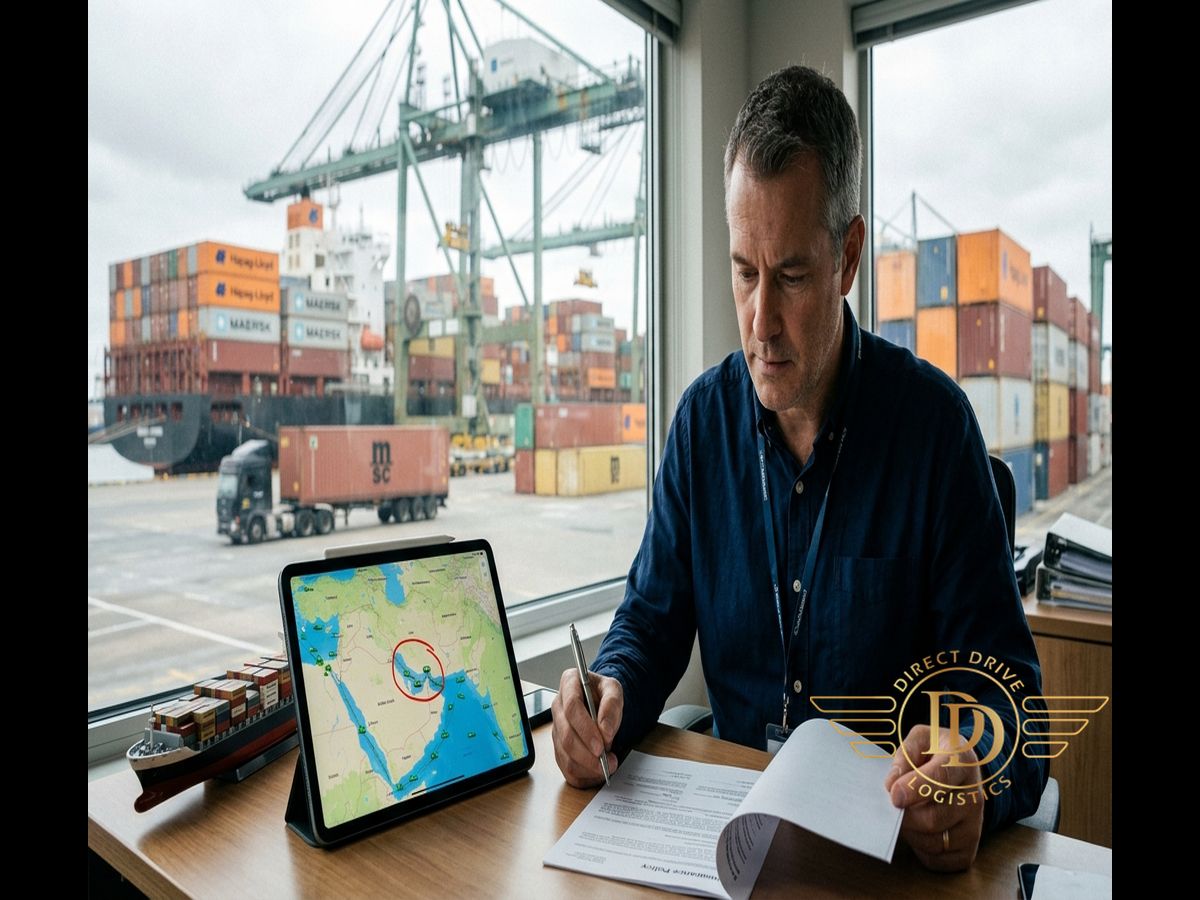
Essential Export Documentation for Shipments Leaving the Netherlands
Proper customs paperwork for Iraq is the foundation of a successful shipment. For any cargo leaving the Netherlands, you must prepare a commercial invoice, a detailed packing list, a Certificate of Origin, and the transport document (Bill of Lading for sea or Air Waybill for air). Inaccurate or incomplete documents are the primary cause of costly delays at the border.
A frequent error in this stage is a mismatch between the declared value on the commercial invoice and the actual market value of the goods. This discrepancy can halt a shipment, turning a standard 28–35 day sea freight journey from Rotterdam to Umm Qasr into a prolonged customs hold. For specialized goods like electronics or machinery, a Netherlands export license may also be required.
Navigating Iraqi Import Regulations: Federal vs. Kurdistan Region (KRG) Customs
The process of shipping from China to Iraq is complicated by a dual customs system. Goods entering through Kurdistan Region (KRG) ports like Ibrahim Khalil are subject to KRG regulations, while cargo arriving at Umm Qasr or Baghdad falls under Federal Iraqi customs. Clearance in one zone does not guarantee seamless passage into the other; a second clearance is often necessary.
Our team at Direct Drive Logistic has found that this dual system often catches shippers unprepared, leading to unexpected fees and delays. For high-value air freight, which can cost up to USD 7–8/kg during peak seasons, such documentation errors are financially damaging. Iraq import restrictions prohibit items like alcohol and pork products, while others require pre-approval. The complexity of international shipping, including shipping from Korea to Iraq, is often shaped by specific reciprocal tariffs and that can change with littl
Your next step: Email your commercial invoice and packing list to our team. We will conduct a complimentary pre-screening to identify potential compliance issues with both Federal and KRG customs authorities within 24 hours.
Protecting Your Cargo: Insurance, Liability, and Packaging for Iraq Shipments
Navigating Cargo Insurance Options and Policies for Your Iraq-Bound Shipments
Securing comprehensive shipping insurance Netherlands to Iraq is not an optional expense; it is a core risk management strategy. With regional disruptions like the Strait of Hormuz crisis lengthening transit times by 7–14 days, the probability of incidents increases. Standard carrier liability is often capped and inadequate for commercial-value shipments.
We advise clients on All-Risk policies, which offer the broadest protection against physical loss or damage from any external cause. The application of carrier war-risk surcharges, which can add USD 300–600 per container, underscores the heightened risk environment. Proper insurance ensures your financial investment is protected against unforeseen events during the journey.
Understanding Freight Forwarder Liability for Lost or Damaged Goods
A frequent error we see is confusing freight forwarder liability with cargo insurance. Our liability, governed by international conventions, is limited. A proactive approach involves robust export packaging requirements for Iraq, tailored to protect goods from shock, vibration, and climate changes during multimodal transit.
In our operations, which include over 300 Iran-Iraq cross-border shipments, we have found that preventing damage is the best policy. While a solid damaged cargo claim process is vital, our primary focus is on reliability. By leveraging our network of 12 border crossings, we can re-route cargo away from congestion or security risks, protecting your delivery timeline—a benefit that insurance alone cannot provide. This is especially crucial when transporting goods to southern Iraq, where specific logistical challenges exist.
Your next step: Request a review of your current cargo insurance policy from our team to identify any coverage gaps for the Netherlands-to-Iraq corridor. We can provide a detailed risk assessment within 48 hours.
Send your cargo details to Direct Drive Logistic on WhatsApp — get a route-specific checklist and quote within 24 hours.
Why Choose Direct Drive Logistic?
Offices in Erbil (HQ) + Tehran (Nasim Shahr Terminal); warehouses in Zakho, Erbil, Basra, and Tehran (2,000 sqm)
Government-licensed clearing agent — direct port access for sea freight into southern Iraq
2,500+ Iraq domestic deliveries, 300+ Iran-Iraq cross-border, 100+ international freight; air freight handler at Erbil, Baghdad, and Basra airports
Operational at Parviz Khan, Bashmagh, Haji Omran (Piranshahr), Mehran, Khosravi, Ibrahim Khalil (Turkey), and Bandar Abbas port (Iran)
Full operational fluency in Farsi, Arabic, Kurdish, and English — client-facing and documentation
~10 trucks/day from Erbil hub covering Baghdad, Karbala, Najaf, Basra, Kut (Wasit), Diyala, Nasiriyah, and all Iraqi governorates
Frequently Asked Questions
Shipping from the Netherlands to Iraq involves several critical steps, starting with accurate documentation like commercial invoices, packing lists, and certificates of origin. Businesses must consider Iraq’s dual customs system, with separate authorities for Federal Iraq and the Kurdistan Region (KRI). For instance, goods destined for Baghdad via Ibrahim Khalil (KRI) will require double clearance, potentially adding 1-3 extra days and separate formalities. Given Iraq’s 2.4-2.5 score on the World Bank Logistics Performance Index, meticulous planning and a reliable logistics partner are crucial to navigate potential delays at ports like Umm Qasr or border crossings.
For shipping from the Netherlands to Iraq, the primary methods are sea freight and multimodal (sea-road). Sea freight to Umm Qasr typically takes 28-40 days. Alternatively, multimodal routes via Turkish ports like Mersin or Istanbul, then by road to Ibrahim Khalil, offer a combined transit time of 18-25 days. Air freight from Amsterdam (AMS) to Erbil (EBL) is faster, taking 3-7 days, but costs significantly more, ranging from USD 4.0-6.5 per kg for general cargo. Global ocean schedules remain fragile, with end-to-end transit times on major long-haul lanes averaging 62-89 days, so buffer time is essential.
The average costs for shipping from the Netherlands to Iraq vary significantly by method and cargo. For a 20ft container via sea freight to Umm Qasr, costs range from USD 2,500-4,000, while a 40ft container might be USD 3,800-6,500. Air freight, as mentioned, is USD 4.0-6.5 per kg. Essential customs documents include the commercial invoice, packing list, bill of lading (for sea) or air waybill (for air), certificate of origin, and potentially product-specific licenses (e.g., for pharmaceuticals or machinery). Accurate documentation is paramount to avoid demurrage and border delays, especially with Iraq’s lower LPI score on customs efficiency.
To ensure safe and timely delivery when shipping from the Netherlands to Iraq, businesses should partner with a logistics provider offering robust local expertise. Key strategies include meticulous pre-clearance documentation, choosing routes that minimize trans-shipment points, and utilizing providers with established relationships at Iraqi customs. Direct Drive Logistic, for example, operates a 7-border crossing network, including Parviz Khan and Ibrahim Khalil, and has a licensed clearing agent at Umm Qasr, which can significantly reduce clearance times to 48 hours for sea freight. This local presence and expertise help navigate issues like port congestion and security checks efficiently.
For reliable, flexible, and transparent shipping from the Netherlands to Iraq, businesses should seek providers with extensive in-country operational intelligence. Direct Drive Logistic stands out with over 10 years of experience, a dual-country physical presence in Iraq and Iran, and a quad-language operations team fluent in Farsi, Arabic, Kurdish, and English. This enables seamless communication and problem-solving, like when our Erbil team resolved a temporary import license with KRG border authorities in just one day for an electronics shipment. Our daily scheduled departures from Erbil to all Iraqi governorates also provide unmatched reliability and transparency.
To get a quote and start shipping from the Netherlands to Iraq, the first step is to contact your chosen logistics provider with detailed shipment information. This includes cargo type, dimensions (length, width, height), weight, origin (Netherlands), destination (specific city in Iraq, e.g., Baghdad, Erbil, Basra), desired transit time, and any special handling requirements. A reputable provider like Direct Drive Logistic will then provide a comprehensive quote, outline the required documentation, and guide you through the booking and tracking process. Our team can manage the full corridor, from ocean freight to Bandar Abbas, Iran, through Iranian CMR transit, and finally KRG import clearance, providing a single point of contact.
Conclusion
Successful shipping from Netherlands to Iraq hinges on a meticulous understanding of both European export regulations and the unique complexities of the Iraqi import landscape. As Iraq’s economic rebound fuels a surge in import demand, particularly from Europe, mastering the nuances of sea freight via Rotterdam to Umm Qasr, or strategically utilizing air freight for time-sensitive cargo, becomes paramount. Critical elements like comprehensive cargo insurance and precise documentation are not merely bureaucratic hurdles but essential safeguards for your valuable goods.
To confidently navigate your next shipment, start by verifying that your Incoterms 2020 are precisely aligned with your chosen shipping method and insurance coverage. Next, ask your current freight forwarder for a detailed breakdown of their local customs clearance procedures at Port of Umm Qasr, specifically inquiring about their experience with your commodity type. Finally, consider how Direct Drive Logistic, with our deep local expertise, can offer tailored solutions for your shipping from Netherlands to Iraq, ensuring compliance and efficiency.
When your shipment demands seamless customs clearance and reliable onward delivery within Iraq, Direct Drive Logistic provides unparalleled support. As an official licensed clearing agent at Port of Umm Qasr, we ensure direct port access and expedited processing for sea freight into southern Iraq. Our dual-country physical presence, with offices in Erbil and Tehran, combined with extensive warehousing, guarantees a robust and secure logistics chain. Contact Direct Drive Logistic today to optimize your supply chain: (+964) 750 953 9899.
Need Logistics Consultation?
The Direct Drive team is ready to assist. Message us now.
Experience seamless and reliable shipping from the Netherlands to Iraq with Direct Drive Logistic. Leverage our expertise for efficient customs clearance and timely delivery, ensuring your cargo arrives safely and on schedule. Call us today at (+964) 750 953 9899 to optimize your logistics and get a personalized quote!
Contact Us for a Consultation
Location
Direct Drive Logistic
MRF Quattro towers, Block A-29-1
Erbil, Kurdistan Region