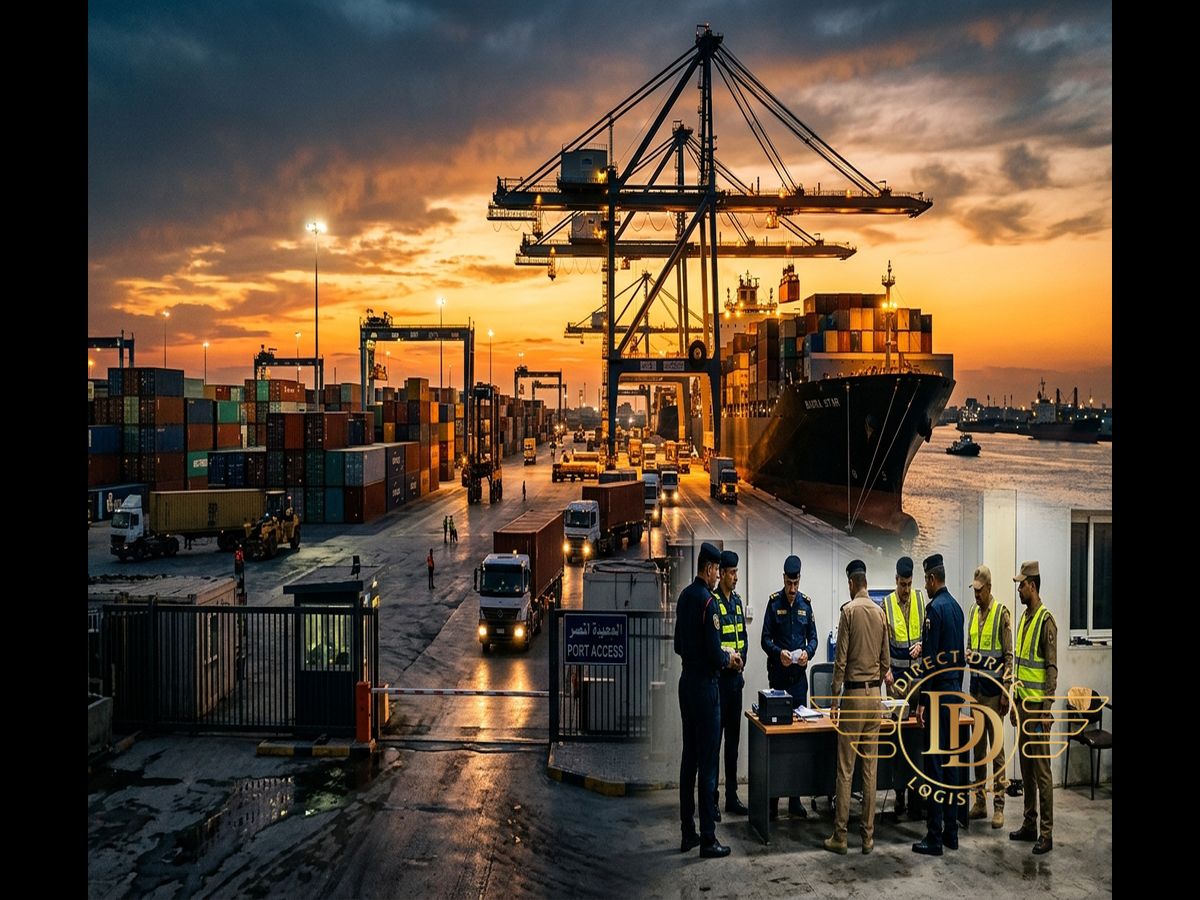
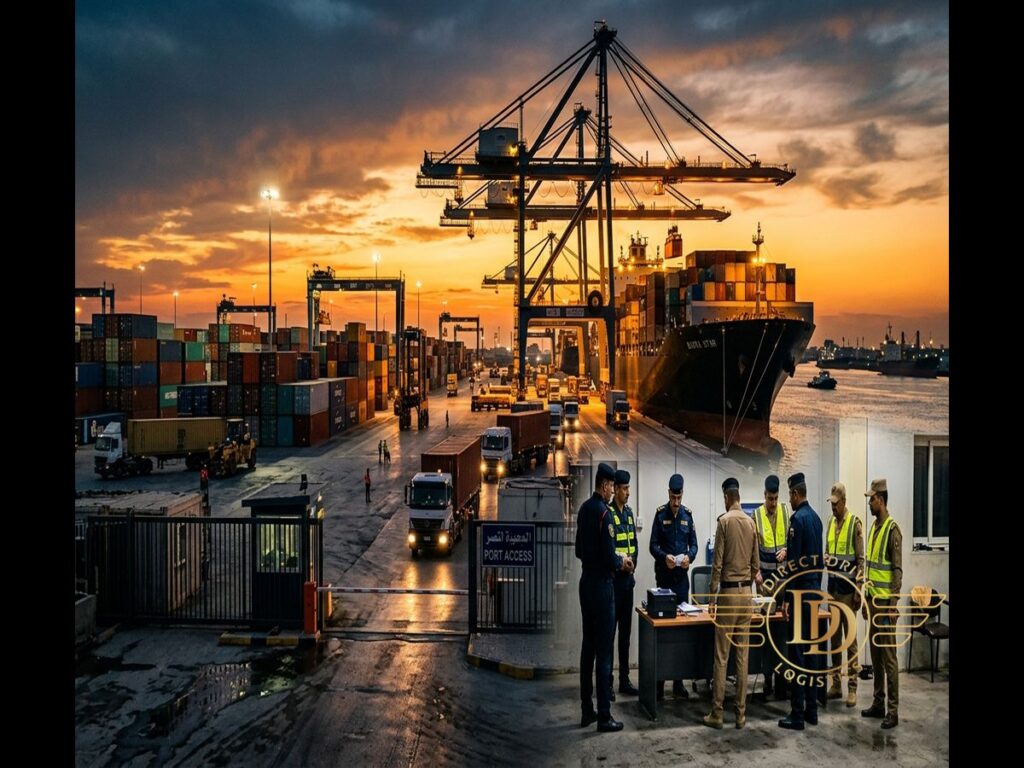
Discover how secure storage iraq can transform your operations with this guide moves beyond simple warehousing by demonstrating how an integrated logistics partner with physical assets in both iraq and iran, plus a direct umm qasr port license, de-risks the entire supply chain from cross-border customs to secure, last-mile delivery.
Secure storage in Iraq involves far more than just a locked building; it demands a comprehensive, integrated logistics solution that mitigates the unique security and compliance risks of the region. It encompasses advanced physical security, adherence to dual customs regulations (Federal Iraq and KRG), and seamless integration with transport networks to ensure goods are protected from origin to final destination.
When your cargo is stuck at the border for 5 days due to a single missing customs document, costing upwards of USD 800 in demurrage and delaying critical project timelines, the true value of integrated secure storage Iraq becomes painfully clear. This guide moves beyond simple warehousing by demonstrating how an integrated logistics partner with physical assets in both Iraq and Iran, plus a direct Umm Qasr port license, de-risks the entire supply chain from cross-border customs to secure, last-mile delivery.
You’ll discover why traditional warehousing falls short and what specific security protocols—from 24/7 surveillance to armed response teams—are non-negotiable for protecting high-value assets in Iraq. We will also explore how a dual-country presence and direct port access (an official government clearing agent license at Iraq’s primary sea freight port) eliminates common bottlenecks, ensuring compliance with both Federal Iraq and Kurdistan Regional Government (KRG) customs systems. A
bonded warehouse (a secure, customs-controlled facility where imported goods can be stored without payment of duties or taxes until they are removed for consumption or export)
is crucial for navigating these complexities.This comprehensive guide explores secure storage Iraq through multiple perspectives, addressing why ‘Secure Storage’ in Iraq is more than just a locked warehouse. We delve into the non-negotiable features of a secure and compliant Iraqi storage facility, including
perimeter hardening (strengthening the physical boundaries of a facility to resist intrusion or attack, often involving reinforced walls, fences, and blast protection)
and advanced access controls. You’ll also learn how to verify a provider’s true integrated logistics capability in Iraq, moving beyond mere brokerage relationships to physical assets and operational control.We’ll cover the critical advantage of a dual-country presence and direct port access in de-risking your supply chain, along with how an integrated distribution network operates from storage to store shelf. Understanding
multimodal transport (the use of two or more different modes of transport, such as road, rail, sea, and air, under a single contract, for the door-to-door delivery of goods)
is key to efficient distribution. Finally, we outline the step-by-step process for onboarding with an integrated logistics partner for Iraq, ensuring your goods are stored and distributed securely and efficiently. Whether you’re a logistics professional or business owner, you’ll gain actionable insights to enhance your operations.Complete Guide to Complete Guide to
Navigating the Unique Security and Logistical Risks of Storing Goods in Iraq
Effective secure storage Iraq solutions must account for a market defined by complexity and rising costs. While the overall freight market is projected to grow at a 2.03% CAGR, this figure hides significant operational volatility. Storage costs in prime hubs like Basra and Baghdad are forecast to increase by 8–12% between 2023–2026, far outpacing general market growth due to escalating security and energy expenses.
These financial pressures are compounded by logistical fragmentation. Supply chain risks in Iraq often stem from the dual customs systems of Federal Iraq and the Kurdistan Region (KRG), creating choke-points for goods moving inland. This complexity is layered on top of a dynamic security environment, where the evolving U.S.-Iraq security influences operational risk for high-value assets. An integrated logistics partner with a direct government clearing license at Umm Qasr port de-risks this entire process by controlling the cargo from vessel discharge to final delivery. For specialized goods, understanding cold storage Iraq requirements is also crucial for maintaining integrity.
In our experience completing over 300 Iran-Iraq cross-border shipments, we find that a single, unified logistics provider is the most critical factor in mitigating risk. By managing the entire chain—from our own warehouses in Iran and Iraq to last-mile delivery via our daily scheduled departures from Erbil—we eliminate the hand-off delays and communication failures that plague multi-vendor supply chains.
Your next step: Map your current cargo journey from port to warehouse and identify the number of third-party hand-offs. Contact Direct Drive Logistic to see how our integrated model can consolidate these steps and reduce transit time.
Essential Features of a Compliant & Protected Storage Solution in Iraq
Advanced Physical Security Protocols: Surveillance, Access Control, and On-Site Guards
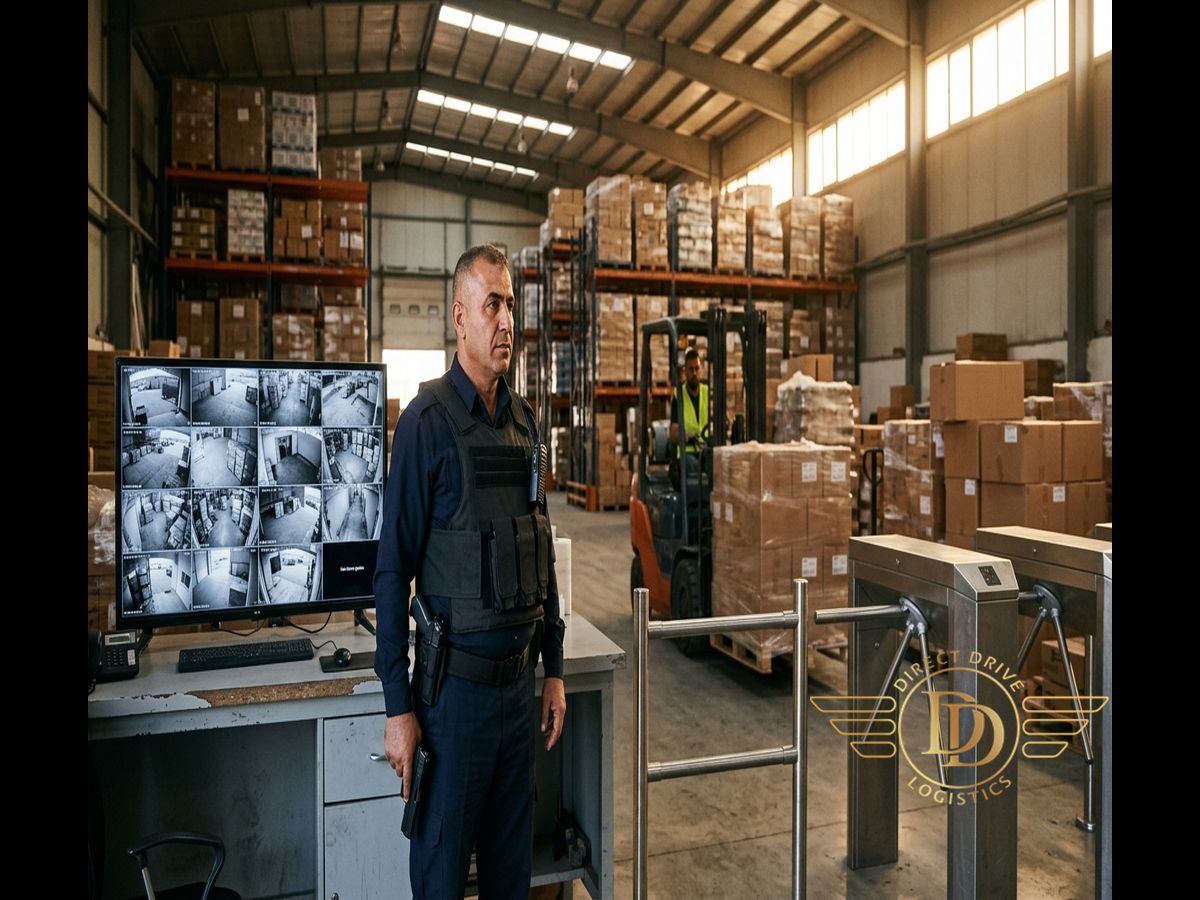
A truly secure storage in Iraq moves far beyond basic warehousing. While the country is in a “post-ISIS era” of tenuous stability, the operational environment demands a proactive security posture. Multinational clients understand that threats from militias and regional spillover remain a tangible risk to high-value assets, especially near key hubs like Baghdad and Basra.
Effective storage facility security measures must be multi-layered. This starts with 24/7 armed guard warehouse security, perimeter fencing, and controlled access gates. In our operations across Iraq, we consistently see that these mandatory protocols add an estimated 5–10% to overall warehouse operating costs compared to neighboring markets. One mistake we see regularly is clients underestimating this cost, which is a non-negotiable component of protecting assets against theft and damage. Analyzing Iraq’s security market reveals why these investments are critical.
Beyond ground-level threats, facilities must also account for elevated risks. A 2026 U.S. Embassy security alert highlighted ongoing rocket and drone risks in Baghdad and Erbil, compelling many foreign tenants to demand specific shelter-in-place and evacuation protocols. At Direct Drive Logistic, our owned warehouses in Erbil and Basra are built with these realities in mind, incorporating not just robust physical security but also options for cold storage in Iraq to protect sensitive cargo from both security and environmental threats.
Your next step: Request a detailed security protocol sheet from any potential storage provider. Verify that it includes provisions for armed guards, access logs, and emergency response plans that address current regional threats.
Key Aspects of Key Aspects of
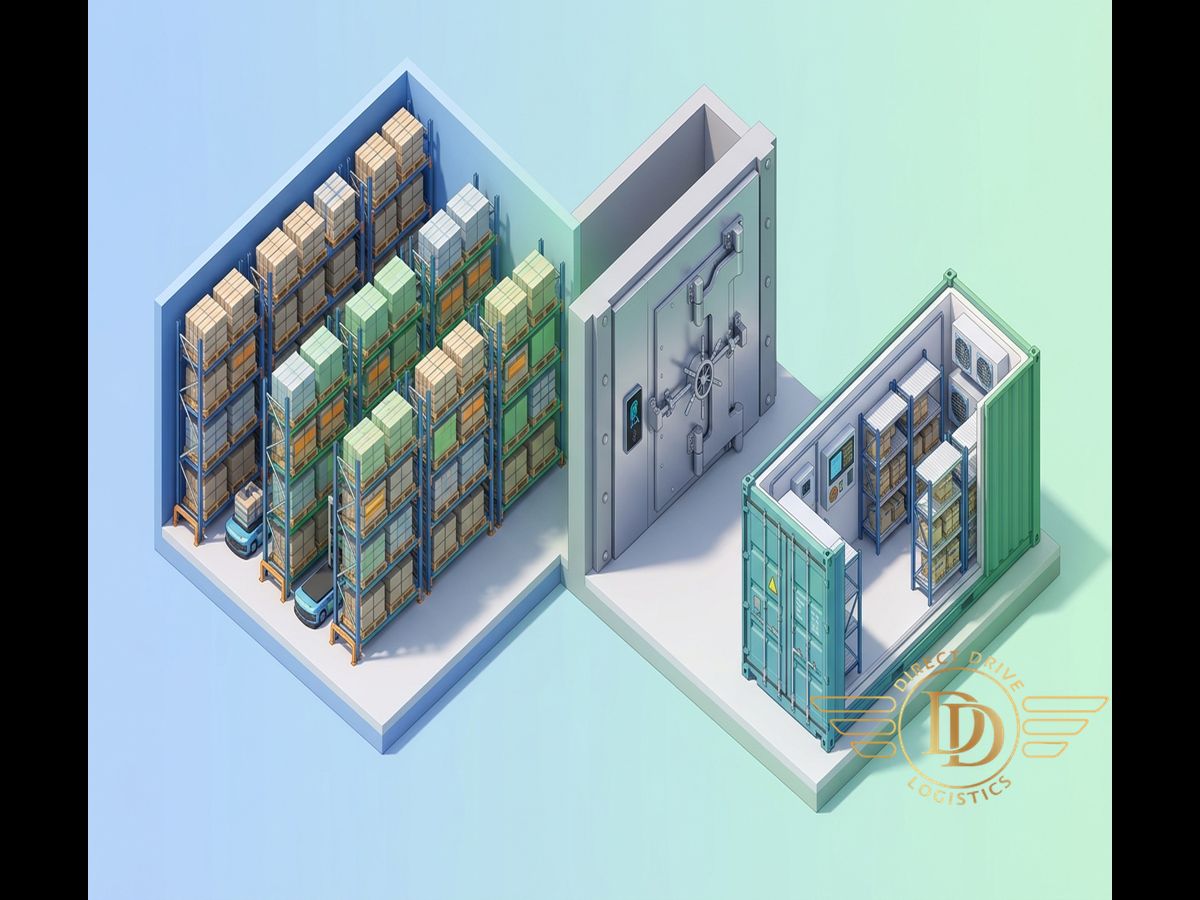
Comparing Secure Warehouse, Vault, and Containerized Storage in Iraq
Choosing the right type of secure storage in Iraq depends entirely on the asset’s value, sensitivity, and environmental requirements. A frequent error is applying a one-size-fits-all approach, which either exposes cargo to risk or incurs unnecessary costs. The options range from general warehousing to specialized high-security vaults, each designed for different operational needs within the Iraqi market.
Understanding these differences is key to building a resilient supply chain. The massive flow of goods, with an estimated 60–70% of containerized entering via Umm Qasr, demands a nuanced storage strategy that aligns with both security and logistical efficiency.
| Feature | Secure Warehouse | High-Security Vault | Containerized Storage |
|---|---|---|---|
| Ideal Cargo | FMCG, electronics, general commercial goods, palletized freight | Sensitive documents, currency, precious metals, critical data servers | Industrial machinery, oil & gas equipment, project cargo, vehicles |
| Security Level | High: 24/7 CCTV, access control, perimeter fencing, armed guards | Maximum: Reinforced concrete, dual-authentication access, seismic sensors, fire suppression | Moderate-High: Lock-box protection, secured yard access, dedicated CCTV monitoring |
| Environmental Control | Available (climate/humidity control for sensitive goods) | Strict climate, humidity, and dust control (ISO standards) | Basic ventilation; insulated/reefer containers available |
| Typical Location | Logistics hubs (Basra, Baghdad, Erbil), bonded zones | Within fortified compounds or specialized bank-grade facilities | Port yards (Umm Qasr), project sites, dedicated container depots |
Selecting the Optimal Storage Type for High-Value and Sensitive Assets
For high-value and sensitive assets, the selection process moves beyond simple space rental to risk mitigation. High-security vault storage is non-negotiable for items like legal documents or currency. In contrast, warehouse storage Iraq pricing for secure warehouse rental in Baghdad or Basra, equipped with climate control and 24/7 surveillance, is ideal for electronics and pharmaceuticals, protecting them from both theft and environmental damage.
In our operations managing over 2,500 domestic deliveries, we consistently see that the most effective solutions integrate storage with transport. A partner with a physical presence, like our warehouses in Zakho, Erbil, and Basra, can provide a seamless transition from port clearance to secure holding and final delivery. This integrated approach is vital in a logistics market projected to hit USD 11.52 billion by 2026, where efficiency and security are paramount.
Your next step: Provide our team with your cargo’s specifications (type, value, dimensions) and intended storage duration. We will return a tailored recommendation comparing at least two viable storage options with cost breakdowns within 24 hours.
Beyond the Warehouse: Why Permanent Offices & Multi-Country Presence Matter for Iraq Storage Security
Navigating Dual Customs: How Local Offices Master Federal Iraq & KRG Regulations
Effective secure storage in Iraq is impossible without mastering its complex dual customs system. A provider with permanent offices in key hubs like Erbil and Basra possesses the ground-level expertise to navigate both Federal and Kurdistan Regional Government (KRG) authorities, a distinction that frequently stalls shipments. Our on-site, quad-lingual teams (fluent in Arabic, Kurdish, Farsi, and English) resolve documentation and compliance issues in real-time.
One mistake we see regularly is shippers using generic clearance agents who lack specific KRG relationships. In a recent shipment from Mersin, Turkey to Erbil, our Kurdish-speaking team resolved a temporary import license issue with KRG authorities in a single day, preventing costly delays. This hands-on capability is critical for understanding nuanced Iraqi commercial regulations that brokers operating from outside the country cannot match.
Enhancing Supply Chain Security with a Coordinated Multi-Country Logistics Network
A logistics partner with a physical presence in both Iraq and neighboring trade hubs like Iran offers a strategic security advantage. This integrated network provides routing flexibility and operational control that eliminates reliance on multiple, disconnected third parties. Our permanent offices in Erbil and Tehran, combined with operations at 7 major border crossings, create a resilient supply chain.
In our operations across Iraq, we consistently see that direct oversight accelerates transit. While a standard sea-land shipment to Baghdad can take 14-21 days, our status as a licensed clearing agent at Umm Qasr port allows us to reduce clearance and onward movement by 2-4 days. With bonded warehouse iraq projected to rise 8-12% by 2026, this efficiency directly translates into significant cost savings and reduced risk exposure for your cargo. For a complete guide on navigating these processes, exp
Your next step: Request a review of your current Iraq-Iran trade lane from our team to identify customs vulnerabilities that a dual-country presence can solve.
Direct Port Access & Official Licenses: The DDL Advantage for Iraq Shipments
How Direct Port Access at Umm Qasr Reduces Delays and Security Risks
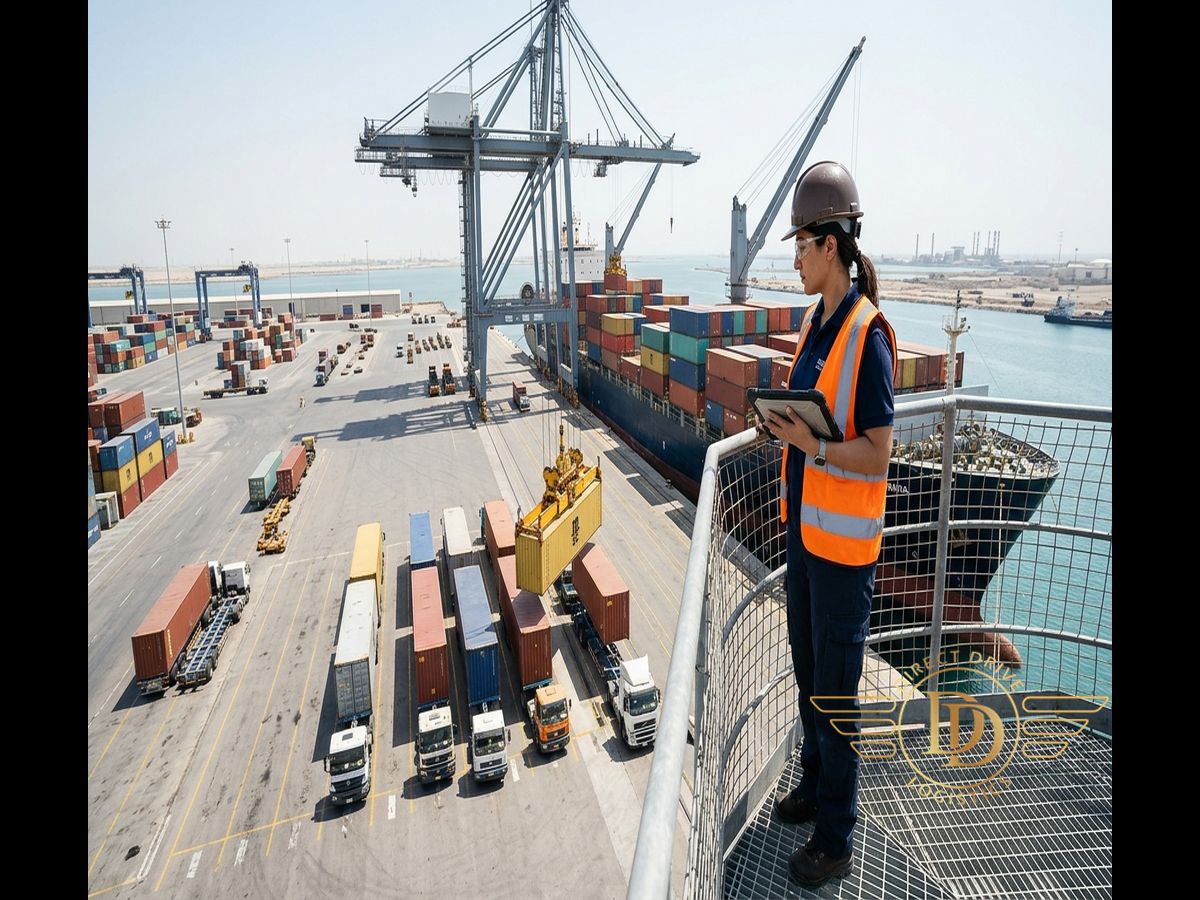
Holding a direct government license at the Port of Umm Qasr is not a luxury; it is a fundamental requirement for efficient and secure cargo handling in southern Iraq. Without it, freight forwarders must rely on third-party brokers, adding layers of communication, cost, and unacceptable risk to your supply chain. This is especially critical in a region like Basra, where mandatory 24/7 armed security and incident tracking can add 5-10% to operating costs compared to neighboring markets.
In our operations at Umm Qasr, we consistently see shipments handled by unlicensed forwarders face an average of 3-5 extra days in delays due to simple broker miscommunications. As an official licensed clearing agent, Direct Drive Logistic eliminates the middleman. Our team is physically present at the port, managing your cargo from vessel discharge to truck loading, ensuring a seamless transition to secure storage in Iraq under a single, accountable point of contact. For businesses seeking reliable long-term solutions, exploring warehouse rental Iraq options is crucial for supply chain stability.
Navigating Iraqi Customs Smoothly with Official Government Licenses
Successfully navigating Iraq import regulations requires direct, official access to customs authorities. A government-issued clearing license provides this access, allowing for real-time problem-solving and significantly faster processing times. This capability, combined with customs brokerage support, is a core part of Iraq’s investment climate , where regulatory fluency is key to foreign trade. For a critical shipment of medical equipment from Dubai, our direct license enabled us to clear the cargo at Umm Qasr in just 48 hours.
One mistake we see regularly is businesses assuming their logistics partner has direct clearance capabilities, only to find their high-value cargo is stuck and being managed by an unknown local subcontractor. Our license empowers us to handle all documentation and inspections directly with Iraqi customs, ensuring full compliance and transparency. This direct control is the difference between swift clearance and costly demurrage charges.
Your next step: Ask your current provider for a copy of their official Umm Qasr clearing license. If they cannot produce one, contact Direct Drive Logistic to understand how direct port access can protect your next shipment.
Send your cargo details to Direct Drive Logistic on WhatsApp — get a route-specific checklist and quote within 24 hours.
Message on WhatsAppWhy Choose Direct Drive Logistic?
Offices in Erbil (HQ) + Tehran (Nasim Shahr Terminal); warehouses in Zakho, Erbil, Basra, and Tehran (2,000 sqm)
Government-licensed clearing agent — direct port access for sea freight into southern Iraq
2,500+ Iraq domestic deliveries, 300+ Iran-Iraq cross-border, 100+ international freight; air freight handler at Erbil, Baghdad, and Basra airports
Operational at Parviz Khan, Bashmagh, Haji Omran (Piranshahr), Mehran, Khosravi, Ibrahim Khalil (Turkey), and Bandar Abbas port (Iran)
Full operational fluency in Farsi, Arabic, Kurdish, and English — client-facing and documentation
~10 trucks/day from Erbil hub covering Baghdad, Karbala, Najaf, Basra, Kut (Wasit), Diyala, Nasiriyah, and all Iraqi governorates
Frequently Asked Questions
The fundamental challenges for secure storage in Iraq involve navigating a complex geopolitical landscape and dual-customs systems. Although Iraq is “more stable than it has been in decades,” security remains a top national priority through at least 2026, necessitating robust physical security measures against potential threats from militias. Businesses also face the complexity of separate customs systems between Federal Iraq and the Kurdistan Regional Government (KRG), which can cause 1-3 extra days of delay if not managed with compliant bonded storage. For instance, cargo often requires two clearances, demanding facilities registered under both regimes, particularly for routes via Ibrahim Khalil (KRG-Turkey) or Shalamcheh (Federal-Iran).
A truly secure and effective storage solution in Iraq requires integrated security measures, compliant operations, and strategic location. Essential features include 24/7 surveillance, armed guards, blast-resistant perimeters, and controlled access, particularly for sites near Baghdad International Airport, Umm Qasr, and the Erbil logistics belt, where incident-free operations records of 12-24 months are often demanded. Operationally, facilities must offer bonded warehousing capabilities under both Federal Iraq and KRG customs regimes to avoid delays and demurrage. Integrated solutions, rather than standalone warehouses, are critical given the Iraq freight and logistics market is projected to reach USD 11.52 billion in 2026, demanding seamless integration with transport, customs, and distribution.
To assess a logistics provider for integrated, secure, and compliant secure storage in Iraq, businesses should verify their physical presence, licensing, and operational network. Look for providers with dual-country offices in Iraq and Iran, such as Direct Drive Logistic, which has offices in Erbil (HQ) and Tehran, alongside warehouses in Zakho, Erbil, Basra, and Tehran. Crucially, confirm if they are an official licensed clearing agent at key entry points like the Port of Umm Qasr, enabling direct port access for sea freight and eliminating middlemen, as demonstrated by direct clearance in 48 hours for medical equipment from Dubai. Also, assess their multimodal capabilities and their 7-border crossing network, covering major Iran-Iraq and Turkey-Iraq entry points.
A specialized logistics partner offers advantages beyond standard secure storage by navigating Iraq’s unique market complexities with integrated solutions. For example, Direct Drive Logistic provides a quad-language operations team fluent in Farsi, Arabic, Kurdish, and English, eliminating communication barriers critical for cross-border operations. Their daily scheduled departures from Erbil to all Iraqi governorates, with approximately 10 trucks per day, ensure reliable line-haul services, unlike call-and-wait brokers. This structured approach, combined with expertise in managing dual-customs requirements between Federal Iraq and the KRG, mitigates delays and ensures compliance, a significant benefit when the U.S. State Department notes unresolved negotiations between the Government of Iraq and the KRG as of April 2025.
A comprehensive logistics provider integrates secure storage with broader freight and customs services in Iraq by offering end-to-end supply chain management under a single operator. This includes managing multimodal transport across road, sea, and air, leveraging a network of over 2,900 completed shipments, including 300+ Iran-Iraq cross-border and 100+ international freight. For instance, they act as a licensed clearing agent at Port of Umm Qasr, directly handling customs clearance, which can clear cargo in 48 hours from engagement, saving significant port storage and demurrage fees. This integration extends to providing compliant bonded secure storage Iraq facilities that address the dual-customs systems of Federal Iraq and the KRG, ensuring seamless transitions from port to warehouse to final distribution.
To partner with a reliable provider for secure storage and integrated logistics in Iraq, begin by evaluating their track record, operational footprint, and technical expertise. First, verify their physical presence and infrastructure, including owned warehouses and offices in key locations like Erbil, Basra, and Tehran. Second, confirm their licensing and accreditations, especially as a direct clearing agent at ports such as Umm Qasr, which is vital given that 60-70% of Iraq’s containerized imports are funneled through Umm Qasr. Third, inquire about their security protocols, demanding evidence of 24/7 surveillance, armed guards, and incident-free operational records. Finally, assess their ability to handle the dual-customs systems between Federal Iraq and the KRG, ensuring they offer compliant bonded secure storage Iraq solutions.
Conclusion
The key to truly secure storage in Iraq lies in a comprehensive approach that extends far beyond robust physical security measures. It demands deep local expertise, a multi-country operational presence for navigating complex dual customs regulations in Federal Iraq and the Kurdistan Region of Iraq (KRG), and direct integration with critical infrastructure like the Port of Umm Qasr. Without this holistic strategy, even the most fortified warehouse remains vulnerable to logistical inefficiencies, regulatory hurdles, and ultimately, increased risk to your valuable cargo.
To optimize your supply chain and secure your assets, start by auditing your current storage contracts. Verify that your chosen partner possesses official government licenses for clearing at key entry points like Umm Qasr and maintains permanent offices within both Federal Iraq and the KRG. Then, ask your current freight forwarder or supplier how they specifically mitigate risks associated with cross-border movements and complex customs clearance.
Direct Drive Logistic offers unparalleled expertise in secure storage Iraq, backed by our status as an officially licensed clearing agent at the Port of Umm Qasr. When your shipment requires seamless and secure customs processing and onward distribution from southern Iraq, our direct port access significantly reduces delays and security vulnerabilities. Speak with our experts today to secure your cargo: (+964) 750 637 9296.
Need Logistics Consultation?
The Direct Drive team is ready to assist. Message us now.
Ensure your valuable assets in Iraq are protected with Direct Drive Logistic’s secure storage solutions. Gain peace of mind knowing your goods are safeguarded in our state-of-the-art facilities. Contact us today at (+964) 750 637 9296 to discuss your secure storage needs and receive a tailored quote.
Get Your Free Quote NowContact Us for a Consultation
Location
Direct Drive Logistic
MRF Quattro towers, Block A-29-1
Erbil, Kurdistan Region