
Sea Freight Erbil: Cost-Effective Shipping Solutions
Key Takeaways for Sea Freight to Erbil
- Sea freight offers unparalleled cost-effectiveness and massive capacity for large or heavy shipments to Erbil, making it the ideal choice for bulk cargo despite Erbil’s landlocked location.
- Success hinges on expertly executed multimodal transport, coordinating the sea journey to an Iraqi port (like Umm Qasr) with reliable inland trucking to Erbil.
- Selecting a specialized freight forwarder with deep knowledge of Iraqi customs, strong port relationships, and proven multimodal experience is crucial for smooth, compliant, and timely delivery.
- Anticipate and plan for logistics challenges such as customs clearance complexities, potential inland transport delays, and ensure comprehensive cargo insurance for full protection.
Why Choose Sea Freight for Shipments to Erbil?
For businesses engaged in trade with the Kurdistan Region, the primary advantage of sea freight to Erbil lies in its unparalleled cost-effectiveness, especially for large, heavy, or non-urgent consignments. While air freight offers speed, its cost can be prohibitive for bulk goods or substantial project cargo. Ocean freight Erbil services provide a robust and economical alternative, allowing you to move significant volumes without straining your budget.

The key benefits extend beyond just price:
- Massive Capacity: Sea vessels can accommodate virtually any size or weight of cargo. From industrial machinery and construction materials to pallets of consumer goods, sea cargo Erbil solutions are built for scale. This capacity is essential for supporting the commercial and industrial growth happening across Erbil and the wider region.
- Cost Efficiency: On a per-kilogram basis, sea cargo shipping Erbil is significantly cheaper than air transport. This economic advantage enables businesses to maintain competitive pricing and improve their profit margins on imported goods.
- Strategic Reliability: Recent shifts in global shipping have highlighted the strategic importance of Iraqi ports. As other routes face disruptions, the role of strategic Iraqi ports role has grown, offering a secure and increasingly reliable transit point for cargo destined for the Middle East. This enhances the predictability of your supply chain.
Many businesses mistakenly assume that sea freight is too complex or slow for a landlocked destination like Erbil. However, by leveraging a well-orchestrated multimodal transport plan, the cost savings and capacity benefits far outweigh the longer transit time, making it the most logical choice for a majority of commercial shipments. This makes it a smart approach for shipping to Erbil.
How International Sea Freight to Erbil Works: From Port to Inland
The journey of international sea freight Erbil shipments is a prime example of effective multimodal logistics. Since Erbil is an inland city, cargo does not simply arrive at a local dock. Instead, it follows a carefully coordinated path from a major seaport to its final destination deep within the Kurdistan Region.
The process typically unfolds in these key stages:
- Arrival at an Iraqi Seaport: Your cargo vessel arrives at one of Iraq’s major deep-water ports on the Gulf Coast. The most significant gateway is Umm Qasr Port, which handles the vast majority of containerized traffic. Other ports like Khor Al Zubair also play a role in the country’s maritime trade. Ongoing Umm Qasr Port expansion projects, including new berths and modernized facilities, are continuously improving efficiency and capacity.
- Port Clearance and Handling: Upon arrival, your shipment undergoes port handling and begins the crucial customs process. An experienced logistics partner is vital here to ensure all documentation is in order and to navigate port logistics Erbil requirements efficiently. This step is a common source of delays if not managed by a team with deep local expertise. A detailed Iraq port infrastructure assessment shows these facilities are prepared to handle complex cargo but require precise coordination.
- Inland Transport to Erbil: Once cleared, the cargo is transferred to the next mode of transport—typically a truck. This is where multimodal transport comes into play.
Multimodal transport involves using multiple modes of transportation, such as sea and road, under a single contract, allowing cargo to move seamlessly from origin to final destination.
The container is loaded onto a truck for the final leg of its journey, traveling several hundred kilometers north from the port to Erbil. This overland route requires navigating checkpoints and regional regulations, making a reliable ground transportation partner essential for on-time delivery.
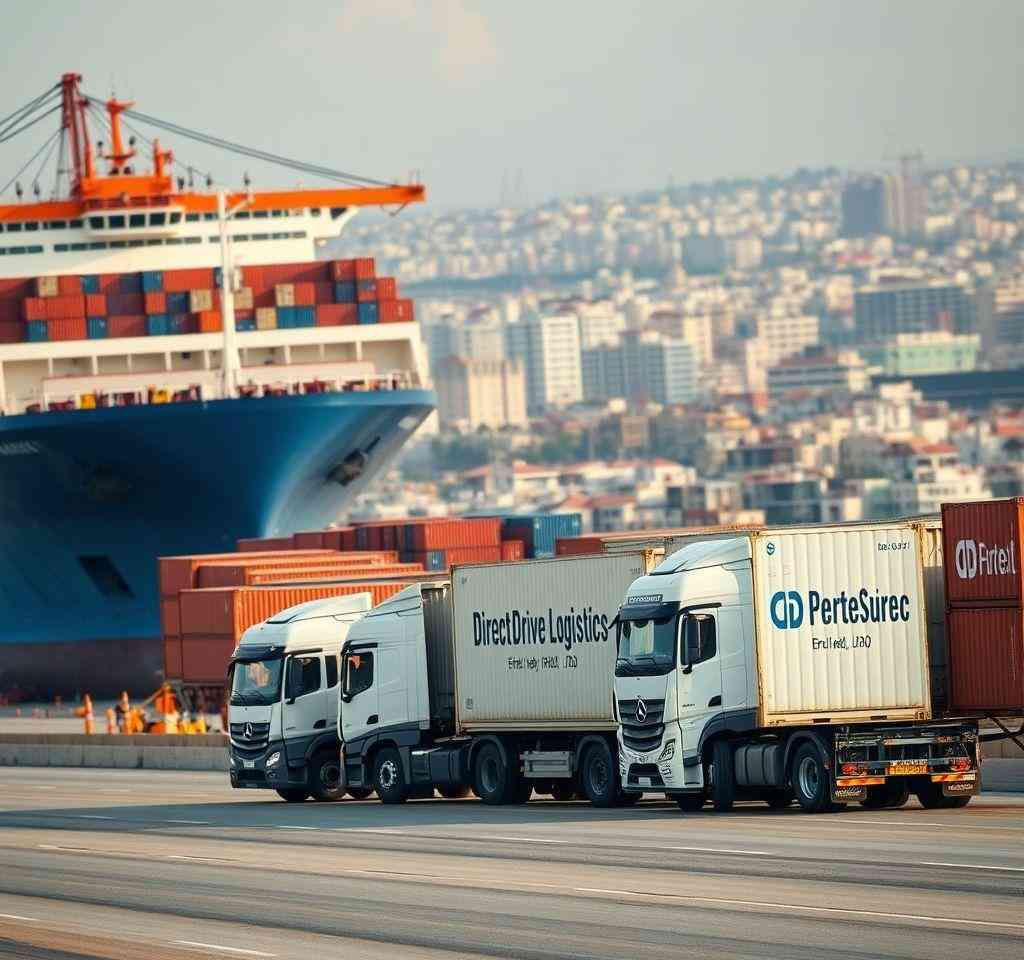
Consider the typical flow for a container of manufacturing equipment destined for an industrial park in Erbil. The container arrives at Umm Qasr, where it is offloaded. A freight forwarder manages the customs clearance in Iraq, ensuring all duties are paid and paperwork is approved. The container is then sealed and loaded onto a dedicated truck, which is tracked as it makes its way through southern and central Iraq up to the Kurdistan Region, finally arriving securely at the consignee’s facility in Erbil. This seamless integration of sea and road transport is the backbone of shipping to Erbil.
Choosing the Right Sea Freight Forwarders for Erbil
The success of your sea freight Erbil shipment hinges almost entirely on the capabilities of your logistics partner. Navigating this complex route requires more than just booking space on a vessel; it demands intricate knowledge of port operations, customs regulations, and inland security. This is where a specialized freight forwarder becomes indispensable.
A freight forwarder is a company that organizes shipments for individuals or corporations to get goods from the manufacturer or producer to a market, customer or final point of distribution. They contract with carriers to move cargo and manage the logistics chain.
When selecting from the many sea freight forwarders Erbil, you need a partner who acts as an extension of your own team. They are responsible for ensuring your cargo moves smoothly from the port to its final destination without costly delays or compliance issues. Look for a forwarder that demonstrates expertise in the following areas:
- Deep Iraqi Customs Knowledge: The forwarder must have a comprehensive understanding of Iraqi customs laws, tariff codes, and documentation requirements. This expertise prevents shipments from being held up at the port.
- Proven Multimodal Experience: A qualified forwarder won’t just handle the ocean freight; they will seamlessly manage the critical inland leg from Umm Qasr to Erbil. This includes having a reliable network of trusted trucking partners.
- Strong Port Relationships: Established partnerships at major Iraqi ports are crucial. A forwarder with a strong presence at Umm Qasr can expedite clearance and resolve potential issues on the ground swiftly.
- Solutions-Oriented Approach: Your forwarder should provide clear communication, transparent tracking, and proactive problem-solving, giving you peace of mind throughout the shipping process.
To ensure you choose the right partner, ask potential forwarders these key questions:
- Can you provide examples of similar ocean freight Erbil shipments you have managed?
- How do you handle customs clearance in Iraq, and what documentation will you need from us?
- What is your process for managing the inland transport from the port to Erbil?
- How do you ensure the security and timely delivery of cargo once it is on the road?
Choosing a partner with proven, on-the-ground experience in Iraq is the single most important decision you will make. The right expert freight forwarding services will transform a potentially challenging shipment into a smooth, predictable, and successful delivery.
Key Logistics Considerations for Sea Cargo to Erbil
Successfully planning a sea cargo Erbil shipment involves looking beyond the port-to-port journey and anticipating the unique challenges of the region. A proactive approach to these logistical considerations can prevent costly delays and ensure your goods arrive safely and on schedule.
Here are the critical factors to manage:
Customs Clearance Complexity
Navigating customs in Iraq can be one of the most challenging aspects of the entire process. Requirements can be stringent and subject to change. Underestimating the time and detail required for this step is a common pitfall.
Customs clearance is the process by which goods are officially permitted to enter or leave a country, requiring submission of necessary paperwork and payment of duties and taxes as per local regulations.
To mitigate risks, ensure that all shipping documents—including the bill of lading, commercial invoice, and packing list—are perfectly accurate and complete. Working with a freight forwarder who specializes in Iraq is non-negotiable, as they possess the up-to-date knowledge needed to ensure compliance and expedite clearance for your sea cargo shipping Erbil.
Inland Transport and Potential Delays
The overland journey from Umm Qasr Port to Erbil is a significant logistical operation. Factors such as road conditions, numerous security checkpoints, and regional administrative requirements can introduce potential delays. A reliable logistics provider will have contingency plans and strong local networks to navigate these challenges efficiently, providing realistic timelines and constant communication.
Cargo Insurance
Given the long transit distances and multiple handling points involved in a multimodal shipment, securing comprehensive cargo insurance is essential. Standard carrier liability is often limited and may not cover the full value of your goods in the event of loss or damage. A good freight forwarder will help you arrange for all-risk cargo insurance to provide full financial protection and peace of mind from origin to final destination.
Specialized Shipments
For businesses shipping machinery or parts for repair, the logistics become even more specialized. It’s vital to partner with a forwarder experienced in managing temporary import licenses. This ensures that items can enter Iraq for service and be returned securely and efficiently without customs complications, a specialized service that is critical for industrial operations in the region.
Navigating Sea Freight Options for Erbil Shipments
In conclusion, while Erbil’s landlocked position in the Kurdistan Region may seem like a barrier to global trade, a well-managed sea freight Erbil strategy provides a powerful and economical connection to international markets. The viability of this route hinges on the effective use of Iraq’s primary maritime gateway, Umm Qasr Port, as the entry point for cargo destined for the nation’s interior.
The key takeaways are clear: international sea freight Erbil offers significant benefits in cost and capacity, making it the ideal choice for bulk and project cargo. The strategic advantage of Iraqi ports provides a reliable alternative to other, more volatile shipping lanes. However, success depends entirely on the seamless execution of the port-to-inland logistics leg, a complex journey that requires expert coordination of customs, handling, and ground transport.
This is why the role of experienced sea freight forwarders Erbil cannot be overstated. A partner with deep knowledge of Iraq’s port logistics, customs landscape, and inland transport networks is essential for a secure and timely delivery. As ongoing Iraq port development—including the ambitious Grand Faw Port project—promises to further enhance capacity, the efficiency of shipping to Erbil is set to improve even more.
By understanding the process and partnering with the right experts, your business can confidently leverage sea freight to unlock new opportunities in one of the Middle East’s most dynamic economic hubs.
Iraq’s strategic role in regional supply chains is growing, but its complex logistics environment demands precision. Success in reaching inland destinations like Erbil relies on experienced partners who can seamlessly integrate sea and road transport, transforming challenges into predictable, reliable deliveries.
Frequently Asked Questions
Why choose sea freight for shipments to Erbil?
Sea freight to Erbil offers unparalleled cost-effectiveness, especially for large, heavy, or non-urgent consignments, providing significant savings over air transport. It boasts massive capacity for various cargo types, essential for supporting commercial and industrial growth, and helps businesses maintain competitive pricing.
How does international sea freight to Erbil work, given it’s a landlocked city?
International sea freight to Erbil operates through a carefully coordinated multimodal transport plan. Cargo first arrives at a major Iraqi seaport like Umm Qasr. After port clearance and customs, it is then transferred to trucks for the final leg of its journey, traveling overland to its destination in Erbil.
Which Iraqi port is primarily used for sea freight destined for Erbil?
The primary gateway for sea freight destined for Erbil is Umm Qasr Port, located on Iraq’s Gulf Coast. This major deep-water port handles the vast majority of containerized traffic and is continually undergoing expansion to enhance its efficiency and capacity for incoming shipments.
What is multimodal transport in the context of shipping to Erbil?
Multimodal transport for Erbil shipments involves using multiple modes of transportation, specifically sea and road, under a single contract. This ensures cargo moves seamlessly from its origin by sea to an Iraqi port, and then by truck for the inland journey directly to the final destination in Erbil.
Why is choosing the right freight forwarder critical for sea freight to Erbil?
A specialized freight forwarder is indispensable for successful sea freight to Erbil due to the route’s complexities, including port operations, customs regulations, and inland security. They ensure smooth cargo movement, prevent costly delays, and guarantee compliance, acting as a crucial extension of your business.
What are the key logistics considerations for sea cargo to Erbil?
Key logistics considerations include navigating complex Iraqi customs clearance with precise documentation and managing potential delays during the overland journey due to road conditions and checkpoints. Securing comprehensive cargo insurance is also vital for financial protection, and for specialized shipments, temporary import licenses must be managed effectively.
Mastering Erbil’s Inland Logistics: Your Expert Partner Awaits
As the article highlights, optimizing the critical port-to-inland leg is paramount for successful sea freight to Erbil. Direct Drive Logistic offers unparalleled expertise in navigating Iraq’s complex customs, efficient handling at Umm Qasr, and reliable ground transport networks. Partner with us to ensure your cargo reaches Erbil securely, on time, and unlocks the full potential of your operations in the Kurdistan Region.