
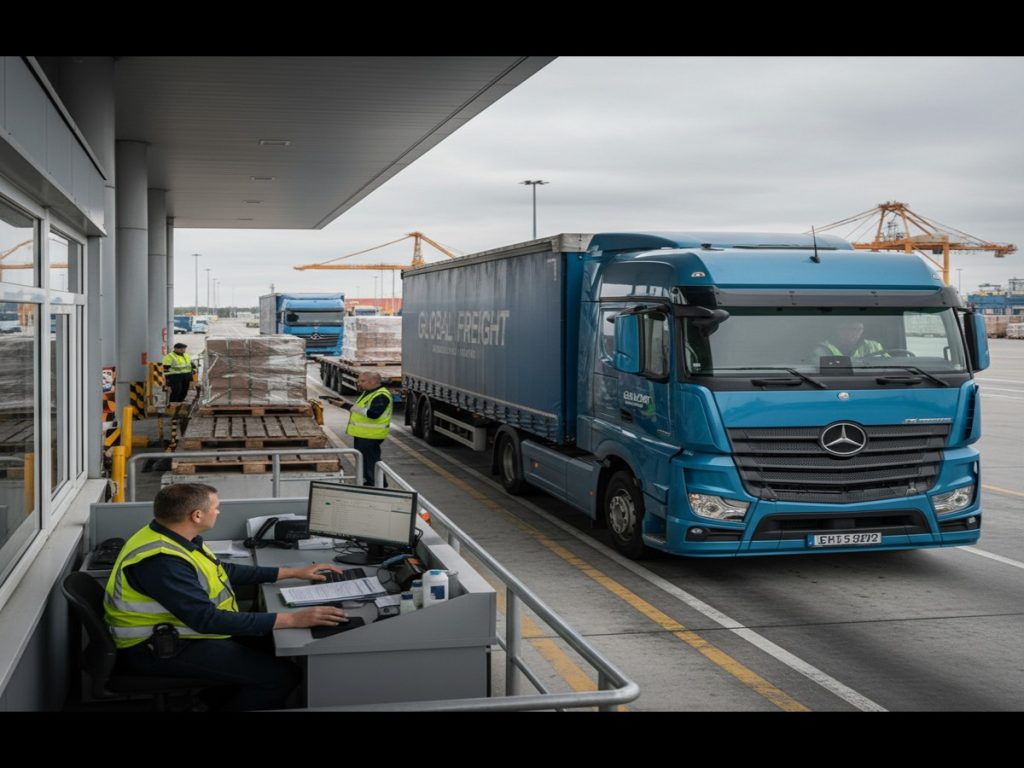
Iraq's Major Trade Routes
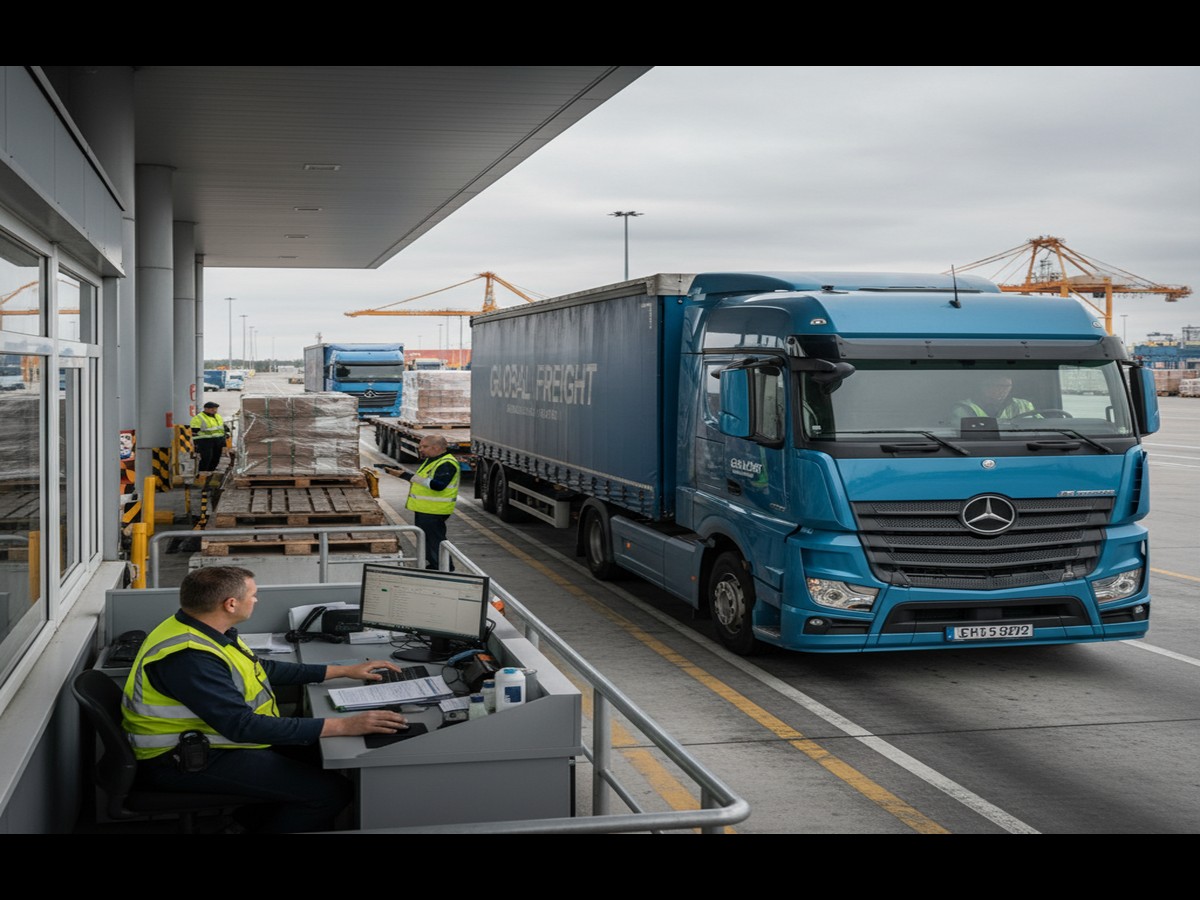
Discover how major trade routes Iraq can transform your logistics operations with this article provides a comprehensive, data-driven analysis of Iraq’s evolving trade landscape, offering actionable insights into major routes, regional opportunities, and critical logistics trends for businesses looking to engage with or expand within the Iraqi and Kurdistan markets. For centuries, Iraq has stood at the crossroads of civilization, a pivotal nexus connecting East and West, North and South. Its strategic geographical position, bridging Europe, Asia, and Africa, has historically rendered it indispensable to global commerce. In the modern era, as global supply chains face unprecedented challenges and seek diversification, Iraq’s potential resurgence as a vital trade corridor is more relevant than ever. This article is crafted for logistics professionals, supply chain managers, investors, and business owners who recognize the immense, yet often underestimated, strategic value of Iraq in the global economic framework. Understanding the intricacies of Iraq’s trade infrastructure, its geopolitical significance, and the emerging opportunities along its key transport corridors is not just an academic exercise; it is a strategic imperative for competitive advantage. The nation’s ongoing efforts in reconstruction and economic diversification are opening new avenues for trade and investment, making a deep dive into its logistics ecosystem critical. Furthermore, Iraq’s role as a significant energy producer, combined with its burgeoning non-oil sectors, underscores its increasing importance as both a market and a transit hub. The ability to navigate this complex yet promising environment hinges on a clear understanding of its operational realities, infrastructure developments, and regulatory frameworks. At the heart of this discussion lies the concept of a Logistics Hub: a central facility where goods are consolidated, sorted, and distributed, often strategically located at the intersection of major transport networks. These hubs are crucial for optimizing supply chains by reducing transit times and operational costs, facilitating efficient regional and international trade flows.
This comprehensive guide explores major trade routes Iraq through multiple perspectives, beginning with an introduction to unlocking Iraq’s strategic trade potential and a detailed understanding of its geopolitical significance in global logistics. We will then embark on a comprehensive overview of the major trade routes in Iraq, dissecting the key corridors that define its commercial landscape. Our journey will commence with “The Southern Gateway,” focusing on the maritime dominance of Basra and Umm Qasr, Iraq’s primary ports, which serve as crucial entry points for international cargo. From there, we will explore “Northern Connections,” examining the dynamics of land routes linking Iraq to the Turkish border and Syria, vital for overland freight and regional commerce. Our analysis extends eastward to “Eastern Links,” shedding light on the cross-border commerce opportunities with Iran, a significant regional trading partner. Moving westward, we will investigate “Western Pathways,” exploring connections with Jordan and Saudi Arabia, and the emerging logistics hubs that are beginning to define these routes. A critical component of our exploration will be how the Kurdistan Region connects to international trade, highlighting Erbil as a vital logistics hub and its unique position within the broader Iraqi context. The article will delve into the Iraq import/export industry overview, identifying key commodities and growth sectors that are shaping the nation’s economic future. We will also spotlight trade opportunities in the Kurdistan Region, focusing on diversification and investment potential, alongside market trends for logistics in Erbil, including infrastructure, technology, and demand drivers. Efficient movement of goods often relies on Intermodal Transport: the seamless use of multiple modes of transportation, such as rail, ship, and truck, to move freight from origin to destination without handling the cargo itself when changing modes. This method enhances efficiency, reduces environmental impact, and offers greater flexibility and resilience in complex supply chains.
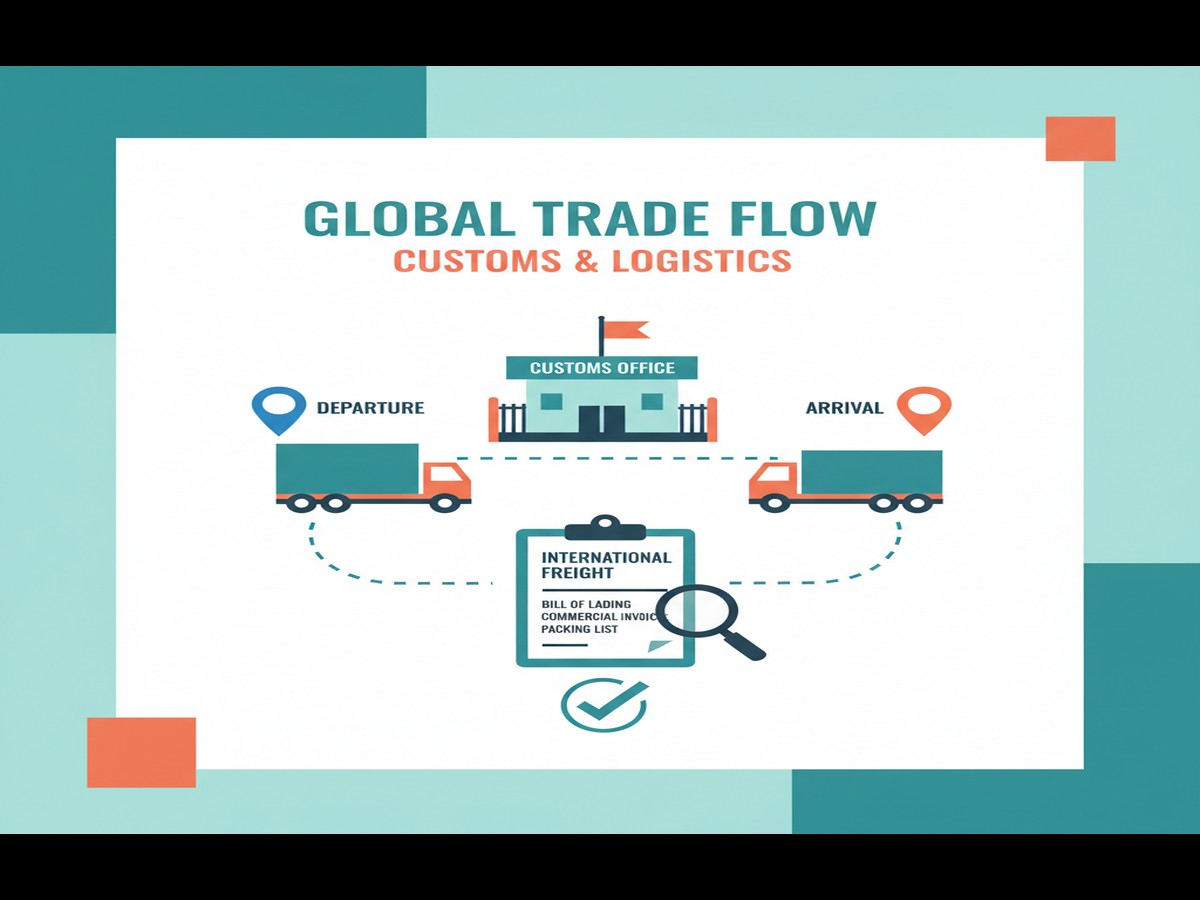
Navigating these diverse routes and opportunities necessitates a clear understanding of logistical processes, including the critical aspect of Customs Clearance: the essential process of preparing and submitting required documentation and payments to a customs authority to facilitate the legal import or export of goods across international borders. Understanding major trade routes iraq is essential. Proper customs clearance is vital for avoiding delays, penalties, and ensuring compliance with trade regulations. The article will also look ahead, “Navigating the Future,” addressing the challenges, ongoing infrastructure development, and the transformative role of digital innovation in Iraq’s trade landscape. Given the complexities and potential, businesses operating or planning to operate in Iraq must also be aware of concepts like a Free Trade Zone (FTZ): designated geographical areas within a country where goods can be imported, stored, handled, manufactured, or reconfigured, and re-exported without being subject to standard customs duties. FTZs aim to boost international trade, investment, and employment by offering tax and regulatory incentives. Whether you are a logistics professional seeking to optimize your supply chain, a business owner exploring new markets, or an investor assessing regional potential, this article provides the foundational knowledge and actionable insights required to enhance your operations and strategically engage with Iraq’s evolving trade ecosystem. The comprehensive analysis of major trade routes Iraq presented here will equip you with the foresight to capitalize on emerging trends and mitigate potential risks, ensuring your ventures are well-positioned for success in this dynamic region.
By dissecting the strategic importance of Iraq’s trade corridors, from its ancient maritime gateways to its burgeoning land routes, this article offers an unparalleled perspective on the country’s role in global logistics. Prepare to gain a deep understanding of the infrastructure, regulatory environment, and market dynamics that define Iraq’s pivotal position. Let us now delve into the specifics of Iraq’s strategic trade potential and the critical routes that underpin its commercial future.
Introduction: Unlocking Iraq's Strategic Trade Potential
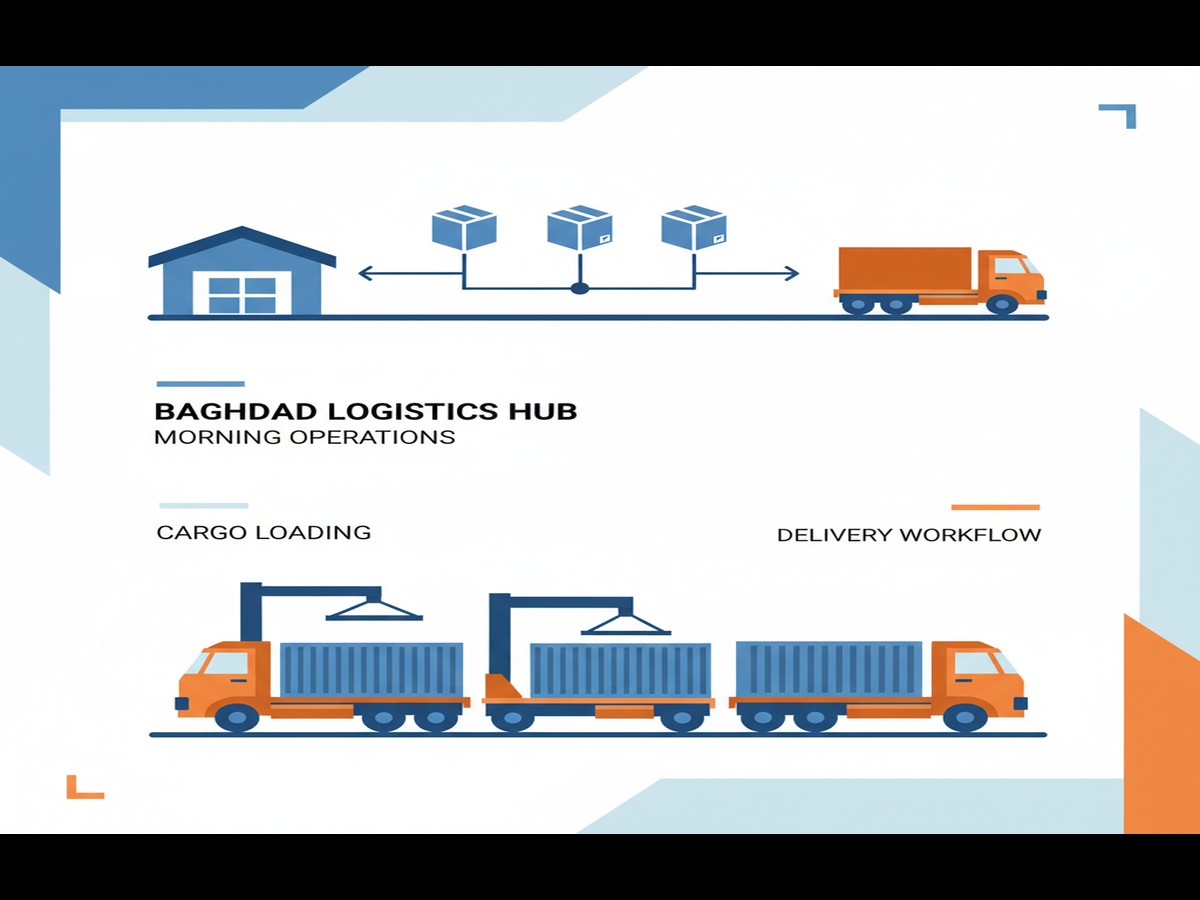
Iraq, historically known as Mesopotamia, has long been a pivotal crossroads of civilization, a land where ancient empires thrived on the flow of goods and ideas. Today, this strategic geographical advantage is once again at the forefront as Iraq seeks to re-establish itself as a critical hub in regional and global commerce. This introduction delves into the immense potential of unlocking Iraq’s strategic trade capabilities, exploring the ambitious projects and policies designed to revitalize its economic landscape and solidify its position on the international stage, particularly concerning the major trade routes in Iraq.
Key Aspects of Unlocking Iraq’s Strategic Trade Potential
The core of Iraq’s trade resurgence lies in its unique geographical position, bridging the Middle East, Asia, and Europe. Central to this vision is the ambitious “Development Road” project, a multi-billion-dollar initiative aimed at transforming the nation into a major transit corridor. This mega-project will link the Grand Faw Port on the Persian Gulf with Turkey and, subsequently, Europe, via an extensive network of railways and highways. This bold venture reflects Iraq’s trade strategy to leverage its location, promising to significantly reduce transit times and costs for goods moving between continents. The anticipated Development Road impact is expected to be transformative, drawing substantial investment and fostering economic diversification beyond oil. These revitalized arteries are set to become the definitive major trade routes in Iraq, facilitating everything from containerized cargo to energy exports.
Best Practices for Unlocking Iraq’s Strategic Trade Potential
To fully capitalize on its trade potential, Iraq must adopt a multi-faceted approach centered on modernization and efficiency. Best practices include significant investment in upgrading existing infrastructure and ensuring the swift completion of new projects like the Grand Faw Port. Streamlining customs procedures, reducing bureaucratic hurdles, and implementing digital solutions for logistics management are paramount. Embracing technologies such as IoT for tracking and AI for predictive analytics can significantly enhance supply chain efficiency. Furthermore, fostering strong regional partnerships and ensuring political stability are critical. The way Kurdistan trade routes connect to international trade, for instance, highlights the importance of integrated national logistics planning and cooperation across all regions of Iraq. Understanding market trends for logistics in Erbil and other regional hubs is also vital for targeted infrastructure development and service provision.
Common Challenges in Unlocking Iraq’s Strategic Trade Potential
Despite the promising outlook,
Understanding Iraq's Geopolitical Significance in Global Logistics
Understanding Iraq’s Geopolitical Significance in Global Logistics
Iraq’s geographical position at the crossroads of the Middle East, connecting Asia to Europe and Africa, inherently bestows upon it immense geopolitical significance in global logistics. Historically a pivotal hub on the Silk Road, modern Iraq is once again emerging as a critical nexus for international trade, offering strategic advantages for road transport in Iraq and energy resources across continents. Its access to the Persian Gulf through its southern ports further solidifies its role as a maritime gateway, complementing its overland potential.
Key Aspects of Iraq’s Geopolitical Significance in Global Logistics
The core of Iraq’s logistical importance lies in its potential to serve as a vital land transport bridge. The nation’s
Major Trade Routes Iraq Major Trade Routes in Iraq: A Comprehensive Overview of Key Corridors
Major Trade Routes in Iraq: A Comprehensive Overview of Key Corridors
Iraq’s strategic geographical position at the crossroads of Europe, Asia, and Africa has historically cemented its role as a critical transit hub, unlocking Iraq’s trade potential. Understanding the Iraq Development Road and other key corridors is paramount for any entity engaged in regional or international logistics. Direct Drive Logistic recognizes the intricate network of roads, railways, and waterways that define the nation’s commercial arteries, each presenting unique opportunities and challenges for efficient supply chain management.
Key Aspects of Major Trade Routes in Iraq
The landscape of major trade routes in Iraq is dynamic, shaped by both ancient pathways and modern infrastructure projects. At its core, the country facilitates north-south transit from the Persian Gulf to Turkey and Europe, and east-west movement connecting Iran to Syria and beyond. The port of Umm Qasr remains a vital gateway for maritime trade, handling a significant volume of imports and exports, while the ambitious Al-Faw Grand Port project promises to transform Iraq into a major global shipping hub. A cornerstone of future connectivity is the “Development Road” megaproject, a planned railway and highway network designed to link the Grand Faw Port with Turkey and Europe, significantly shortening transit times and boosting economic integration. This initiative is set to include industrial cities plan along its route, fostering local economic development.
Crucially, Kurdistan plays a significant role in how Kurdistan connects to international trade, primarily through its northern borders with Turkey and Iran. The Ibrahim Khalil border crossing, for instance, is a bustling gateway for goods flowing into and out of the Kurdistan Region, serving as a critical artery for consumer goods, construction materials, and oil products. The region’s relatively stable environment has also encouraged the development of logistics infrastructure, making Erbil a burgeoning hub for distribution.
Best Practices for Major Trade Routes in Iraq
Navigating the complex logistics environment in Iraq requires adherence to best practices that prioritize efficiency, security, and compliance. For businesses utilizing major trade routes in Iraq, route optimization through advanced mapping and real-time tracking systems is essential to mitigate delays and manage unforeseen circumstances. Implementing robust security protocols, including secure convoys and vetted local partners, is critical given the region’s sensitivities. Furthermore, embracing digital customs clearance and documentation processes can significantly expedite border crossings and reduce administrative burdens. Collaboration with experienced local logistics providers, like Direct Drive Logistic, who possess deep knowledge of local regulations and customs, is invaluable. Observing market trends for logistics in Erbil, for example, reveals a growing demand for warehousing solutions and last-mile delivery services, indicating a need for agile and adaptable supply chain strategies that can leverage regional growth.
Common Challenges in Major Trade Routes in Iraq
Despite significant progress, the major trade routes in Iraq still present several common challenges. Infrastructure deficits, particularly in road quality and railway networks outside of
Need Reliable Delivery Services?
Get a free quote from Direct Drive Logistic today. Fast, secure, and professional logistics solutions tailored to your needs.
Major Trade Routes Iraq The Southern Gateway: Basra, Umm Qasr, and Maritime Trade Dominance
The Southern Gateway: Basra, Umm Qasr, and Maritime Trade Dominance
Iraq’s economic lifeline to the global marketplace flows predominantly through its southern provinces, where the strategic ports of Basra and Umm Qasr serve as the nation’s indispensable maritime gateways. These bustling hubs are not merely points of entry and exit; they represent Iraq’s crucial access to international trade, underpinning its economy and connecting its diverse regions, including indirectly influencing how Kurdistan connects to international trade via internal transport networks.
Basra and Umm Qasr: Iraq’s Crucial Maritime Access to Global Markets
Located on the Persian Gulf, Basra and Umm Qasr are paramount to Iraq’s import and export activities. Umm Qasr, Iraq’s largest deep-water port, is particularly vital for container traffic and general cargo, handling a vast array of goods ranging from foodstuffs and consumer products to construction materials and machinery. Its strategic location makes it a critical node for many major trade routes in Iraq, facilitating the flow of goods that sustain industries and populations across the country. Basra, with its historical significance and proximity, complements Umm Qasr, particularly in supporting the region’s vast oil infrastructure.
Key Ports Driving Oil Exports and Diverse Cargo Throughput for Iraq
The southern ports are the engine of Iraq’s primary export: oil. The Al-Basra Oil Terminal (ABOT), though offshore, is directly supported by the infrastructure and operations managed from the Basra region, facilitating the vast majority of Iraq’s crude oil shipments to international markets. Beyond oil, Umm Qasr has seen significant investment to enhance its capacity for diverse cargo throughput. Modernization efforts have improved efficiency, allowing for quicker turnaround times and increased volumes of both bulk and containerized goods. This continuous development is essential for diversifying Iraq’s economy and reducing its reliance solely on oil, creating new opportunities for e-commerce delivery and supply chain operators.
Strategic Infrastructure Development Bolstering Iraq’s Regional Trade Hub Ambitions
Recognizing the pivotal role of its southern ports, Iraq is heavily investing in infrastructure development to solidify its position as a regional trade hub. The ambitious Grand Faw Port project, located near Umm Qasr, is set to become one of the largest container ports in the Middle East, significantly expanding Iraq’s maritime capabilities and global reach. This project,
Northern Connections: The Turkish Border, Syria, and Land Route Dynamics
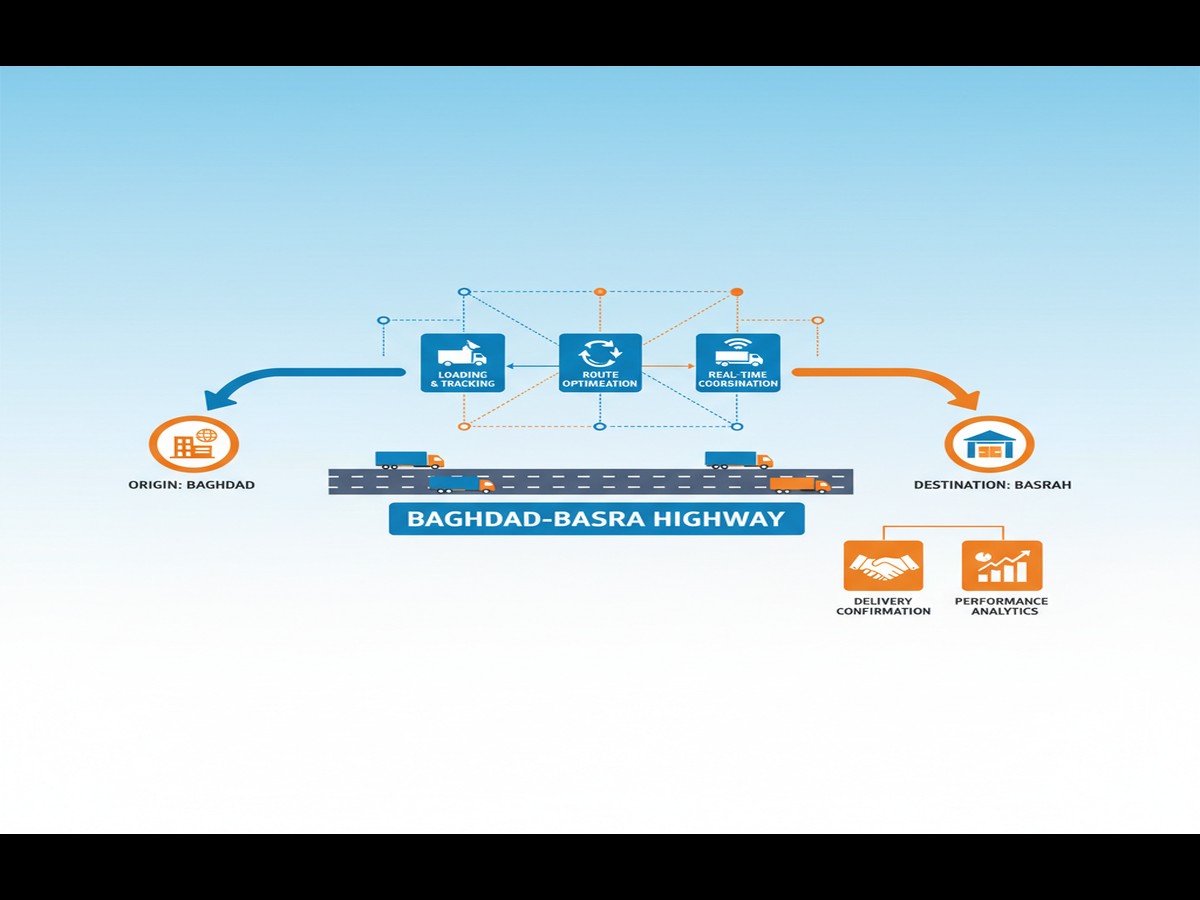
Northern Connections: The Turkish Border, Syria, and Land Route Dynamics
Iraq’s northern frontier represents a critical artery for its economic lifelines, connecting the nation to Turkey, and historically, to Syria and beyond. This intricate network of land corridors is indispensable for trade, facilitating the movement of goods, people, and resources. Understanding the dynamics of these northern connections is key to appreciating the broader context of major trade routes in Iraq and their impact on regional stability and economic development.
The Strategic Importance of Iraq’s Northern Land Corridors to Turkey
The land routes connecting Iraq, particularly the Kurdistan Region of Iraq (KRI), to Turkey are arguably the most vital northern trade corridors. The Ibrahim Khalil border crossing, a bustling gateway, serves as the primary conduit for goods flowing between Iraq and Turkey, and subsequently, into Europe. This connection is fundamental to Turkey-East-West trade, positioning Turkey as a crucial transit hub for Iraqi exports and imports. For the KRI, these corridors are essential for its economic integration, demonstrating how Kurdistan connects to international trade. The strategic alignment with Turkey provides access to diverse markets and supply chains, underpinning the region’s commercial vitality and development initiatives.
Navigating the Complexities of Syrian Transit for Regional Trade Routes
Historically, Syria played a significant role as a transit country for Iraqi goods heading to the Mediterranean and beyond. Routes through Syria offered direct access to ports, reducing transit times and costs for certain trade flows. However, years of conflict and instability have severely disrupted these traditional pathways. The security risks, damaged infrastructure, and complex political landscape have made Syrian transit largely unreliable and, in many cases, unfeasible for commercial logistics, making reliable options like international air freight increasingly important. While there is a long-term potential for these routes to be revived should stability return, the immediate focus for northern trade has largely shifted towards the more secure and established corridors through Turkey, underscoring the profound impact of geopolitical events on regional logistics and supply chain strategies.
Future Prospects and Challenges for Northern Iraqi Cross-Border Trade Dynamics
The future of northern Iraqi cross-border trade is marked by both ambitious prospects and persistent challenges. A significant
Eastern Links: Iran and Cross-Border Commerce Opportunities
Eastern Links: Iran and Cross-Border Commerce Opportunities
Iraq’s strategic geographic position makes its eastern border with Iran a pivotal artery for regional trade and economic interaction. This section delves into the intricate dynamics of cross-border commerce with Iran, highlighting its significance within the broader network of Iraq’s Development Road and other major trade routes in Iraq. Understanding these eastern links is crucial for logistics providers and businesses looking to tap into a vibrant, albeit complex, market.
Key Aspects of Eastern Links: Iran and Cross-Border Commerce Opportunities
The shared 1,458-kilometer border between Iraq and Iran facilitates substantial trade, driven by cultural ties, economic necessities, and a shared history. Key border crossings like Shalamcheh, Mehran, Bashmaq, and Parvizkhan serve as vital gateways, handling a diverse array of goods. Iranian exports to Iraq typically include food products, construction materials, industrial machinery, and petroleum derivatives, while Iraq primarily exports crude oil and some agricultural products. For the Kurdistan Region of Iraq, border points like Bashmaq and Parvizkhan are essential, demonstrating how Kurdistan connects to international trade, particularly with its eastern neighbor. These routes are not merely bilateral; they also serve as transit points for goods moving further into the Levant or Central Asia, reinforcing Iraq’s role as a regional hub.
Best Practices for Eastern Links: Iran and Cross-Border Commerce Opportunities
Navigating the complexities of Iraq-Iran trade requires a strategic approach. Businesses should prioritize partnering with experienced logistics providers who possess in-depth knowledge of both countries’ customs regulations, transport laws, and local market nuances, including specialized air freight services. Efficient customs clearance processes are paramount to minimize delays and costs, often requiring meticulous documentation and proactive communication with authorities. Leveraging technology for real-time cargo tracking and supply chain visibility can significantly enhance operational efficiency. Furthermore, understanding the specific needs and market trends for logistics in Erbil and other regional hubs helps tailor services. Building strong, trust-based relationships with local agents and stakeholders on both sides of the border is also fundamental for smooth operations and resolving unforeseen challenges.
Common Challenges in Eastern Links: Iran and Cross-Border Commerce Opportunities
Despite the immense potential, cross-border commerce with Iran faces several persistent challenges. Geopolitical factors and international sanctions against Iran can create a volatile environment, impacting banking transactions, insurance, and the types of goods that can be traded. Infrastructure limitations on both sides, including road conditions and border facility capacities, can lead to congestion and increased transit times. Bureaucratic hurdles, inconsistent regulatory interpretations, and occasional security concerns further complicate logistics operations. Fluctuating currency exchange rates and varying payment mechanisms also pose financial risks. Overcoming these obstacles requires constant vigilance, adaptability, and a deep understanding of the evolving regional trade landscape, including broader developments in East-West trade routes that influence regional competition.
Western Pathways: Jordan, Saudi Arabia, and Emerging Logistics Hubs
Iraq’s geopolitical position, while historically linking it to eastern trade flows, increasingly positions its western borders as pivotal gateways for diversifying its economic outreach. Jordan and Saudi Arabia, in particular, are emerging as critical partners, offering Iraq crucial access to new markets and supply chains. This strategic pivot is redefining the landscape of major trade routes in Iraq, moving beyond traditional corridors to embrace more resilient and diverse pathways.
Jordan and Saudi Arabia: Critical Western Gateways for Iraq’s Diversifying Trade
Jordan, with its port of Aqaba on the Red Sea, offers Iraq a vital ocean freight alternative to the Arabian Gulf. This route provides a direct link to Mediterranean and African markets, reducing reliance on potentially congested or politically sensitive eastern passages. For instance, goods destined for Iraq, particularly those for its western and central regions, can be offloaded in Aqaba and transported overland via the Turaibil border crossing. This has become especially important for humanitarian aid and certain types of commercial cargo, providing a reliable and efficient corridor. The re-opening and enhancement of the Turaibil crossing have significantly bolstered trade volumes, fostering stronger economic ties.
Saudi Arabia represents another monumental
Frequently Asked Questions
▼ What are the primary major trade routes in Iraq for international cargo?
The primary major trade routes in Iraq involve a multi-modal approach. Sea cargo predominantly enters via Umm Qasr Port in the south. Overland routes are crucial, connecting Iraq with Turkey (Ibrahim Khalil border), Jordan (Trebil border), and Kuwait (Safwan border). Air freight utilizes international airports in Baghdad, Erbil, and Basra for time-sensitive shipments, complementing the ground networks that form the backbone of major trade routes Iraq.
▼ How does the Port of Umm Qasr impact shipping and logistics in Southern Iraq?
The Port of Umm Qasr is Iraq's largest and most vital commercial seaport, handling over 80% of the country's sea cargo. It serves as the primary gateway for imports, directly impacting shipping and logistics throughout Southern Iraq by connecting to major internal road networks. Its efficiency is critical for the flow of goods and the overall integrity of major trade routes Iraq.
▼ Why choose overland transportation for cargo entering Iraq from Turkey or Jordan?
Overland transportation from Turkey (via Ibrahim Khalil) and Jordan (via Trebil) is often chosen for its cost-effectiveness and direct access, particularly for goods destined for the Kurdistan Region and western/central Iraq. It offers flexibility for diverse cargo types, from construction materials to consumer goods, making these borders integral components of the major trade routes Iraq relies on.
▼ What is the average transit time for sea freight from major global hubs to Iraq?
Average sea freight transit times to Iraq's Umm Qasr Port vary. From major Asian hubs like Shanghai, expect 25-35 days. From European ports such as Hamburg, it typically takes 20-30 days. These estimates are port-to-port and do not include customs clearance or onward inland transportation, which can add several days.
▼ How do customs procedures affect the efficiency of major trade routes in Iraq?
Customs procedures significantly impact the efficiency of major trade routes in Iraq. Stringent documentation requirements, inspections, and varying regional regulations can cause delays. Engaging experienced local brokers, like Direct Drive Logistics, is crucial to navigate these complexities, ensure compliance, and expedite clearance at borders and ports, minimizing disruptions to your supply chain.
▼ What is the significance of the "Development Road" project for Iraq's future logistics?
The "Development Road" project is set to revolutionize Iraq's future logistics. This ambitious initiative involves a new 1,200km railway and highway linking the Grand Faw Port in the south to Turkey and Europe. It promises to transform Iraq into a major regional transit hub, significantly enhancing the capacity and speed of major trade routes Iraq, attracting new investments and fostering economic growth.
Conclusion
In conclusion, Iraq's strategic location has historically positioned it as a vital crossroads, and today, the nation is reclaiming its pivotal role in regional and global commerce. We've explored how the ancient Silk Road, the maritime access via Umm Qasr, and modern land corridors connecting to Turkey, Syria, Jordan, Kuwait, and Saudi Arabia, collectively form the backbone of the **major trade routes Iraq** relies upon. These routes are not merely geographical pathways; they are arteries of economic growth, fostering connectivity, facilitating international trade, and driving prosperity across the Middle East and beyond. Understanding their complexities and opportunities is paramount for any business looking to thrive in this dynamic region.
At Direct Drive Logistics, we don't just observe these developments; we actively shape them. Our deep understanding of Iraq's infrastructure, regulatory landscape, and logistical challenges positions us as your unparalleled partner. We leverage cutting-edge technology, an extensive network, and a team of seasoned experts to ensure your cargo moves efficiently, securely, and reliably across every one of these vital routes. Whether you're importing, exporting, or navigating complex supply chains, Direct Drive Logistics provides the seamless solutions you need to capitalize on Iraq's burgeoning trade potential. Don't let logistical hurdles impede your growth. Partner with the leader who knows Iraq's trade routes intimately.
Ready to optimize your supply chain and unlock new opportunities? Contact Direct Drive Logistics today to discuss how we can drive your success forward. We look forward to partnering with you.
Navigate Iraq's complex trade routes with unparalleled efficiency
📞 Contact Us for a Consultation
Location
Direct Drive Logistic
MRF Quattro towers, Block A-29-1
Erbil, Kurdistan Region