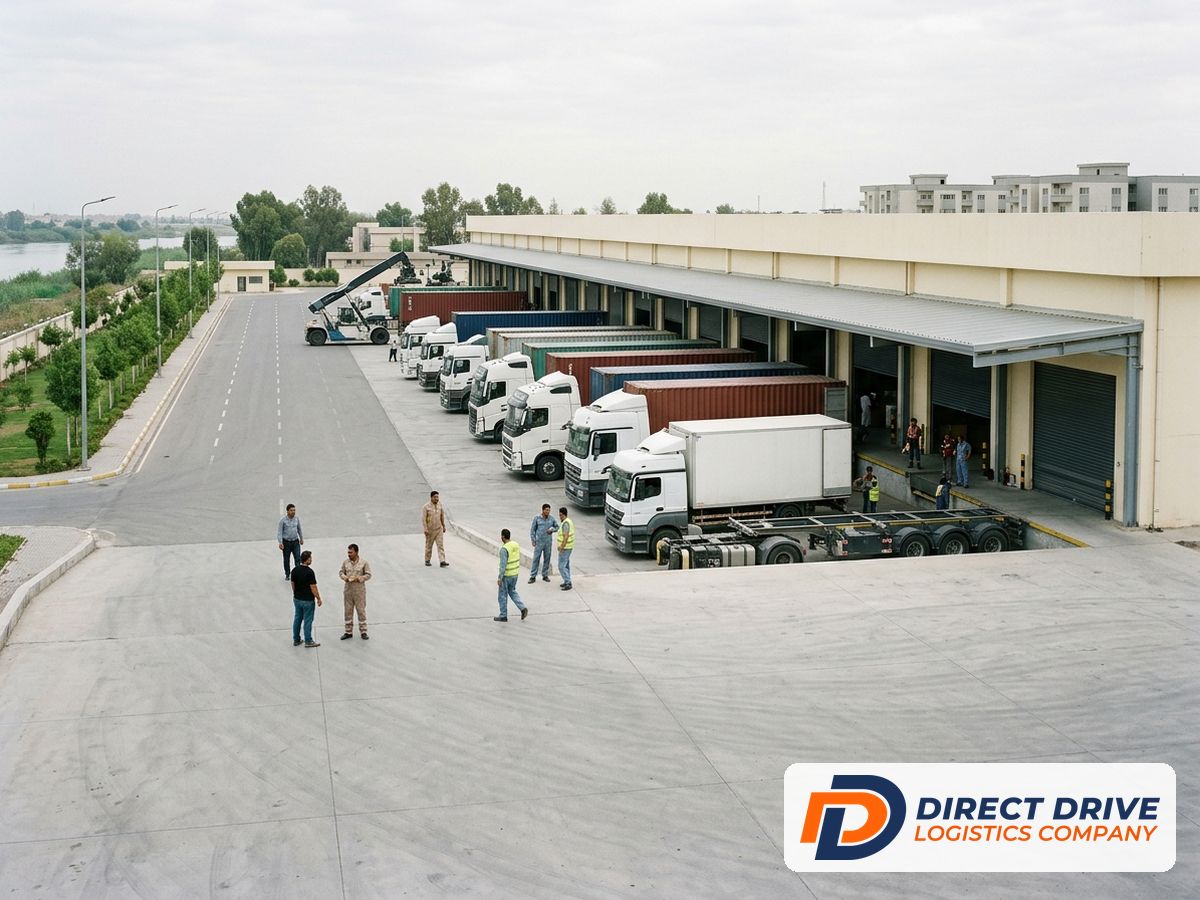
Discover how iraq transit times by lane can transform your operations with explain iraq transit times lane by lane through the lens of route flexibility, drawing on direct drive logistic’s operation at 15 border crossings across both the krg and federal iraq customs systems, plus bandar abbas port and its licensed clearing role at umm qasr, so readers see how choosing and switching lanes affects delivery predictability.
Iraq transit times by lane depend on the entry point, border dwell time and customs system. Road baselines run 3–4 days Tehran–Baghdad via Khosravi and 3–5 days Tehran–Erbil via Haji Omran. Tehran–Basra via Shalamcheh takes 4–5 days, Tehran–Karbala via Mehran 5–7 days, and Mersin–Erbil or Baghdad via Ibrahim Khalil 5–7 days.
Your quote promised four days, yet the truck has idled at the border for a week. Dwell time is how long cargo waits through queues, inspection and clearance at a crossing, and it often matters more than distance.
Cargo cleared under KRG customs, the Kurdistan Region’s separate clearance system, may need a tariff-difference settlement before it can enter federal Iraq. Few guides compare lanes leg by leg, so rerouting becomes guesswork.
Below, we map Iraq transit times by lane, identify the documents that stall clearance, and show how switching routes protects your delivery windows.
What Shapes Delivery Windows: Key Factors & Routes Into Iraq

Two quotes for the same consignment can differ by a week, and both may be honest. Iraq transit times by lane shift with six variables: origin, mode, crossing, border dwell time, load type and the scope of the quoted figure. Trade volume drives the dwell element. Iran’s non-oil exports to Iraq reached USD 11.9 billion in Iranian year 1403, which ended on 2025-03-20, according to Iran–Iraq export figures.
The northern corridor carries similar pressure. Turkey–Iraq trade stood at about USD 17.5 billion in 2024, as this Türkiye–Iraq trade analysis outlines. Flows that heavy concentrate trucks at a handful of gates, so queues at Ibrahim Khalil or the main Iran–Iraq crossings add days a headline estimate rarely shows.
Origin, Transport Mode, and Full Truck Load (FTL) Versus Groupage (LTL) Shipments
Origin and mode set the baseline. A truck from Tehran to Sulaymaniyah via Bashmagh runs 4–5 days on standard service or 2–3 days express. Aqaba–Baghdad via Trebil takes 10–12 days, and that figure covers only the road leg from the port.
Scope is where quotes mislead most often. A figure marked “from the port by road” excludes the sea voyage, so Mersin–Erbil at 5–7 days is not door to door delivery Iraq unless the quote says so. Load type is one of the quieter factors affecting transit time: an FTL truck moves on one schedule, while groupage waits for consolidation and may stop at several consignees.
That FTL vs groupage transit gap rarely appears on a quote sheet. Using these Iraq logistics resources alongside your quote helps, and you should confirm these 6 factors before you accept any Iraq transit estimate:
- Scope: door to door, port to door, or road leg only.
- Border crossing: which gate the figure assumes, whether it clears under KRG or Federal Iraq customs, and whether an alternative is named.
- Dwell allowance: days budgeted for queues, inspection and clearance at the border.
- Load type: FTL or groupage, including consolidation days.
- Service level: standard or express.
- Seasonal peaks: periods such as Arbaeen, which lengthen truck availability windows.
Road, Sea, and Multi-Modal Options: Iraq Transit Times by Lane Compared
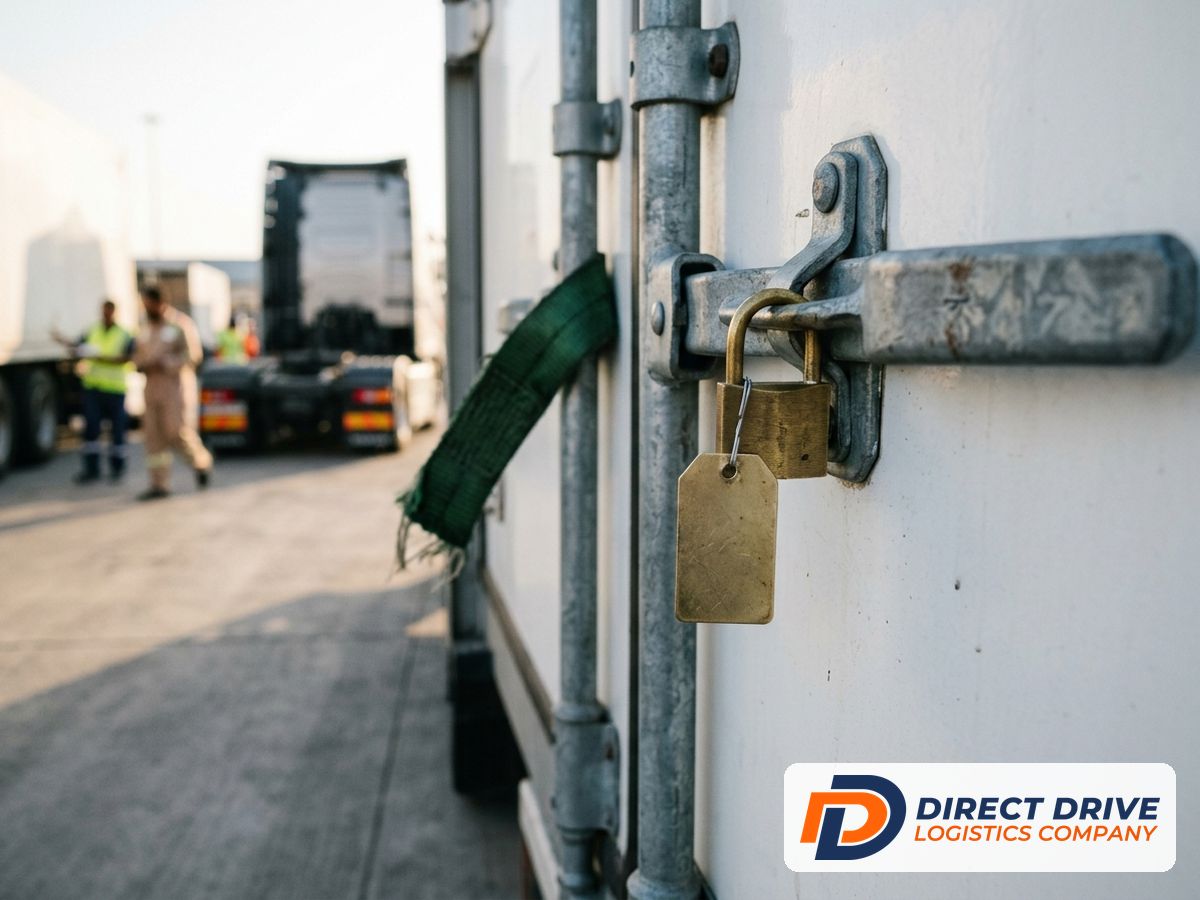
Iran to Iraq Road Lanes Compared: Full Truckload (FTL) Transit Days by Crossing
Iraq transit times by lane depend more on the border than on distance. Iran shipped USD 11.9 billion in non-oil goods to Iraq in Iranian year 1403, which ended on 2025-03-20. Exports then reached USD 6.7 billion in 8 months of year 1404, so the Iran-facing crossings stay busy.
| Lane | Mode | Border | Transit window |
|---|---|---|---|
| Tehran–Baghdad | Road FTL | Khosravi | 3-4 days |
| Tehran–Baghdad | Road FTL | Sumar | 3-5 days |
| Tehran–Karbala/Najaf | Road FTL | Mehran | 5-7 days |
| Tehran–Basra | Road FTL | Shalamcheh | 4-5 days |
| Tehran–Erbil | Road FTL | Haji Omran | 3-5 days |
| Tehran–Sulaymaniyah | Road FTL | Bashmagh | 2-3 days express / 4-5 days standard |
| Tehran–Sulaymaniyah | Road FTL | Parviz Khan | 3-4 days |
| Mersin–Erbil/Baghdad | Road | Ibrahim Khalil | 5-7 days from port |
| Istanbul–Erbil | Road | Turkey–KRG frontier | 5-7 days |
| Europe–Erbil | Road / Sea+road | Turkey–KRG frontier | 10-14 days / 15-21 days |
| Kuwait City–Basra | Road | Safwan | 2-3 days |
| Riyadh–Baghdad | Road | Arar | 2-3 days |
| Dubai–Baghdad | Road | Arar / Safwan | 4-6 days / 5-7 days |
| Aqaba–Baghdad | Sea+road | Trebil | 10-12 days from port |
| Latakia–Baghdad | Sea+road | Al-Waleed or Al-Qaim | 3-5 days from port |
| China–Baghdad | Sea+road | Trebil | 35-45 days |
| China–Erbil | Rail+road | Haji Omran | 25-35 days |
| China–Erbil | Sea+road | Ibrahim Khalil | 50-60 days |
| Chazzabeh, Al-Rabia lanes | Road | Federal crossings | Ask Direct Drive Logistic |
| Development Road | Planned multi-modal | Turkey–Iraq | No published transit time |
On Iran lanes, the gap between crossings matters. Bashmagh express can beat Parviz Khan by 1 day into Sulaymaniyah, while Sumar adds up to 1 day over Khosravi for Baghdad. For southern lanes, the Kuwait Iraq transit route via Safwan is a useful comparison point.
Turkey–Iraq trade reached USD 17.5 billion in 2024, and the Development Road corridor draws attention as a connectivity project. It has no published freight transit time, so plan Mersin to Erbil transit on the existing 5-7 day Ibrahim Khalil lanes.
From our own operations: we operate at 15 border crossings into Iraq across both KRG and Federal Iraq customs systems, giving clients route flexibility that single-border operators cannot match. That reach turns this table of Iraq freight transit times into a working shortlist of fallback lanes, not a single bet on one border.
Beyond the Estimate: Why Border Crossings & Customs Matter for Iraq Transit
Two Customs Systems: KRG Crossings Versus Federal Iraq Border Points and ASYCUDA
Iraq transit times by lane depend partly on which customs system the cargo enters. The 5 Kurdistan Region crossings (Parviz Khan, Bashmagh, Haji Omran, Ibrahim Khalil and Sheikh Saleh) sit outside ASYCUDA and the federal tariff. The 11 federal crossings apply the federal tariff at the border itself.
Cargo that enters through the KRG and continues into federal Iraq settles the KRG customs tariff difference at an internal point: Al-Sad, Dareman, Chiman or Bawa Mahmoud. Plan 1-2 days for that step. Customs duty depends on your goods and their HS code. Estimate it with our tariff calculator, or request a quote and our team will confirm the full cost.
A simple rule follows from this. If the final destination is Erbil, Duhok or Sulaymaniyah, a KRG entry keeps clearance inside one system, as the Mersin to Erbil transit time breakdown shows for Turkey-origin cargo. If the consignee sits in Baghdad, Basra or Karbala, a federal crossing settles the tariff once, at the border.
The common mistake is booking a KRG entry for a Baghdad consignee and then trying to switch to federal paperwork mid-route. A shipment cannot change systems without new documents. While those documents are reissued, a 3–4 day Tehran–Baghdad baseline slips into a hold measured in weeks.
Volume makes queues real. Iran’s exports to Iraq reached USD 11.9 billion in Iranian year 1403 and USD 6.719 billion in the first 8 months of 1404. Turkey–Iraq trade stood near USD 17.5 billion in 2024, a flow reflected in Turkey–Iraq trade coverage.
TIR Convention Carnets (TIR Carnet) and Transit Restrictions That Extend Border Dwell Time
A TIR carnet lets sealed cargo cross transit countries under one guarantee, which reduces repeated inspections. The IRU has noted transit restrictions affecting TIR carnet use for Iraq transit. Where a carnet does not cover every leg, the cargo can wait longer at the border, so confirm acceptance on each leg before loading.
These are the Iraq customs documents required before dispatch. Check all 5 items:
- Certificate of origin (COO), with goods descriptions matching the invoice.
- Commercial invoice, with the consignee named exactly as on the transport document.
- Bill of lading (B/L) for sea freight, or air waybill (AWB) for air freight.
- HS code, consistent across the invoice, COO and declaration.
- Entry system (KRG or federal), matched to the final destination.
An HS code that differs between the invoice and the COO is enough to hold a truck at the crossing.
Tehran to Baghdad Planning Steps: Staying on Schedule Through Border Congestion
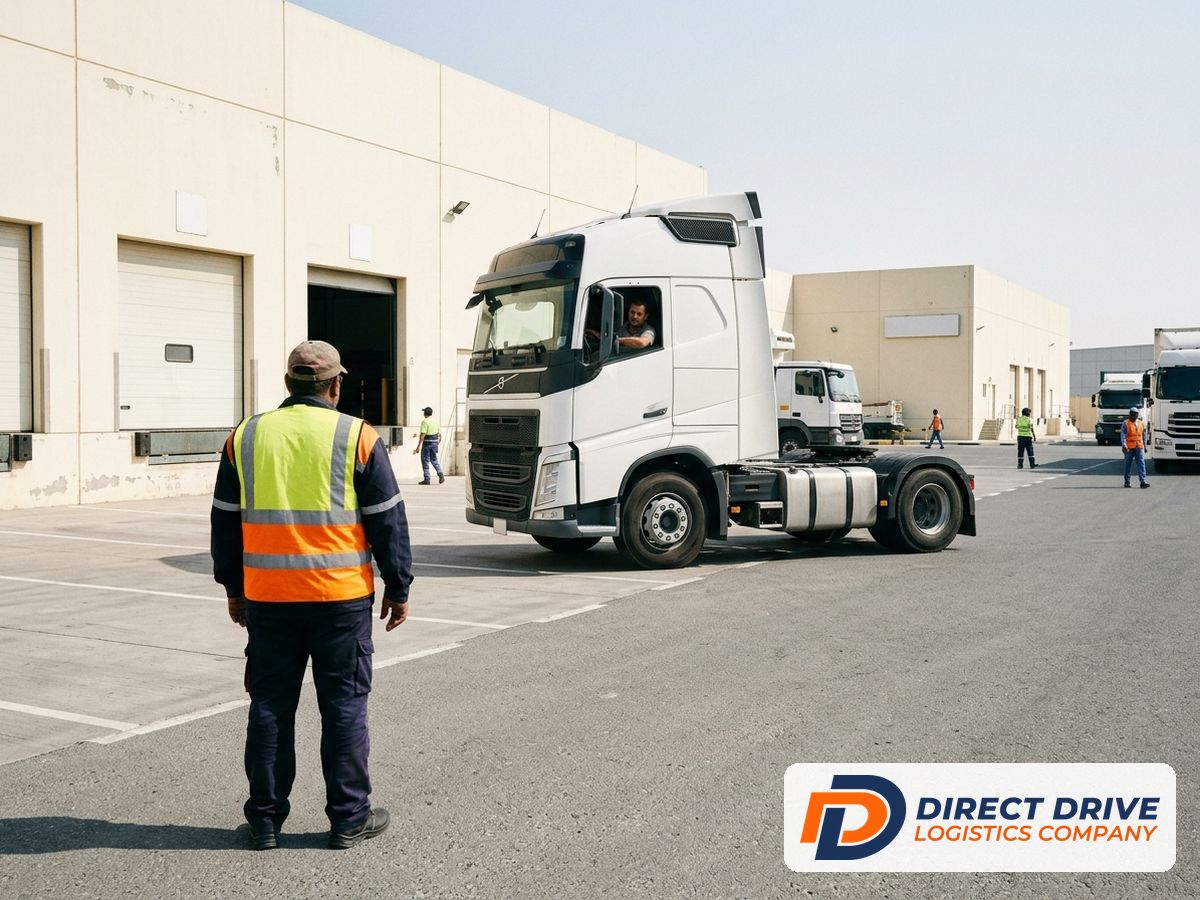
Confirming the Khosravi Crossing and Preparing HS Code (Harmonized System Code) Documents Before Dispatch
Iraq transit times by lane only hold if the crossing and the paperwork are fixed before the truck leaves Tehran. On the Tehran to Baghdad transit time, the baseline via Khosravi is 3–4 days door to door. That figure assumes clean documents at the federal border.
- Step 1: Lock in Khosravi as the primary crossing: Khosravi is a federal crossing, so Baghdad-bound cargo stays inside one customs system from entry to delivery.
- Step 2: Pre-check the HS code and invoice values: Document discrepancies are a main cause of Khosravi border waiting time. Customs duty depends on your goods and their HS code. Estimate it with our tariff calculator, or request a quote and our team will confirm the full cost.
- Step 3: Assemble the full document set: Prepare the commercial invoice, packing list, COO, conformity certificate where required, and the HS code before dispatch.
Pre-Agreeing a Sumar Federal Backup Instead of Switching to a KRG Crossing
Iraq runs at least 5 major KRG crossings and 11 federal crossings under separate frameworks. Diverting a Baghdad load north into the KRG system adds a tariff-difference settlement of 1–2 days. A Sumar crossing backup route avoids that because it stays federal.
- Step 4: Name Sumar as the backup in advance: Sumar runs 3–5 days door to door and accepts the same federal documents, so no re-documentation is needed if Khosravi backs up.
- Step 5: Treat Parviz Khan as a last resort: This KRG route requires a tariff settlement at Bawa Mahmoud and has no published transit figure. Ask Direct Drive Logistic for a lane-specific estimate before choosing it, and compare it with the Tehran to Basra transit time on the southern federal lane.
- Step 6: Build buffer days and escalation contacts: Add 1–3 contingency days for queues, inspection and transloading. Assign one tracking contact at origin and one at the border.
On our Tehran to Baghdad border congestion re-route, I saw how a pre-agreed alternative pays off: the result was 0 days delay despite primary border congestion. Lane demand also shifts year to year, as the reported drop in Turkish exports to Iraq shows, so queue patterns at Iran-facing crossings vary over time.
Direct Drive Logistic’s Routing Flexibility: KRG and Federal Borders Under One Operator
Choosing Lanes by Cargo, Urgency and Destination: Bashmagh, Ibrahim Khalil, Safwan and Trebil
Iraq transit times by lane depend on the crossing you choose. The first test of any forwarder is which lanes it can actually run for you. A Sulaymaniyah consignee usually gains most from Bashmagh. Turkey and Europe freight bound for Erbil fits Ibrahim Khalil, where Mersin–Erbil runs 5–7 days door-to-door.
The Turkey corridor carries real volume, with Turkey’s exports to Iraq reported at USD 12.38 billion in 2025. Other lanes suit other origins:
- Gulf-origin cargo: Arar or Safwan.
- Jordan and Syria routes: Trebil or Al-Waleed.
- Central federal Iraq: Khosravi or Sumar. Tehran–Baghdad via Khosravi runs 3–4 days.
Iran-sourced flows matter just as much, because Iraq ranks as Iran’s second-largest non-oil market. Before signing, ask the forwarder to name its primary and fallback crossing for your cargo in writing. Ask it to give the transit time for each.
Backup Crossings Within One Customs System: Fewer Handoffs Between KRG and Federal Iraq
Rerouting only protects your ETA when the alternative border crossing sits inside the same customs system as the original one. A switch from a federal lane to a KRG lane can mean new import documentation. Splitting KRG to federal Iraq cargo between two brokers also adds a handoff where delays build up.
One shipment shows the difference. On a Tehran–Baghdad move of 3 × 40ft FMCG containers, Direct Drive Logistic rerouted the trucks through Mehran and delivered within the original 4–5 day window. Mehran sits in the federal system with Khosravi and Sumar, so the reroute stayed under one set of customs rules.
Ask how the forwarder handles the tariff settlement. A single freight operator in Iraq that settles duty in-house avoids a separate broker invoice and a second set of documents. Under DDP or DAP terms, who pays the duty also changes who carries the clearance risk. Customs duty depends on your goods and their HS code. Estimate it with our tariff calculator, or request a quote and our team will confirm the full cost.
Next step: Request a quote for your specific lane. Ask it to confirm the primary crossing, the backup crossing in the same customs system, and the full cost.
Send your cargo details to Direct Drive Logistic on WhatsApp and our team will send you a route-specific checklist and quote.
Message on WhatsAppWhy Choose Direct Drive Logistic?
Offices in Erbil (HQ) + Tehran (Nasim Shahr Terminal); rentable warehouse space in Baghdad, Karbala, Najaf, Erbil, Duhok and Basra, plus a warehouse in Tehran
Government-licensed clearing agent — direct port access for sea freight into southern Iraq
2,500+ Iraq domestic deliveries, 300+ Iran-Iraq cross-border, 100+ international freight; air freight handler at Erbil, Baghdad, and Sulaymaniyah airports
Operational at 4 KRG borders (Parviz Khan, Bashmagh, Haji Omran, Ibrahim Khalil) plus the Sheikh Saleh border market, 5 federal Iran-Iraq borders (Khosravi, Sumar, Mehran, Shalamcheh, Chazzabeh) and 6 further federal crossings (Trebil, Arar, Safwan, Al-Qaim, Al-Rabia, Al-Waleed), plus Bandar Abbas port
Full operational fluency in Farsi, Arabic, Kurdish, and English — client-facing and documentation
~10 trucks/day from Erbil hub covering Baghdad, Karbala, Najaf, Basra, Kut (Wasit), Diyala, Nasiriyah, and all Iraqi governorates
Frequently Asked Questions
Five factors drive most transit times: border queues, customs inspection, document accuracy, seasonal demand and the handover between the Kurdistan Region (KRG) and federal Iraq. Iran exported USD 11.9 billion in non-oil goods to Iraq in Iranian year 1403, which ended on 2025-03-20. That volume means heavy competition for the same crossings, so queues at Mehran, Khosravi or Shalamcheh can stretch any baseline. During Arbaeen, pilgrim traffic reduces truck availability and lengthens waiting windows. Cargo that enters through the KRG and continues south may also need tariff-difference settlement at a federal customs office. When you compare iraq transit times by lane, ask each forwarder which border, document set and clearance point their estimate assumes.
Road freight is the most predictable mode from regional origins. Typical road times are: – Tehran–Baghdad via Khosravi: 3–4 days – Tehran–Basra via Shalamcheh: 4–5 days – Tehran–Erbil via Haji Omran: 3–5 days – Mersin port to Erbil or Baghdad: 5–7 days Sea freight through Umm Qasr, which handles over 60% of Iraq’s marine freight traffic, lowers line-haul cost for full containers. However, it adds vessel schedules, port handling and inland trucking, so commit to a delivery date only after the vessel and clearance plans are confirmed. Air freight into Erbil or Baghdad suits urgent, high-value or small consignments, and its transit time depends on airline routing. Pricing depends on cargo, Incoterm and vehicle type, so request a lane-specific quote.
The crossing you choose often matters more than distance, because each border has its own queue patterns, inspection regime and paperwork. Tehran–Karbala via Mehran runs around 5–7 days, while Tehran–Baghdad via Khosravi runs 3–4 days, yet both lanes serve central Iraq. Northern lanes through Haji Omran or Bashmagh, and the Mersin–Ibrahim Khalil corridor, clear KRG customs first. The Ibrahim Khalil corridor is supported by USD 17.5 billion in Turkey–Iraq trade in 2024. On one Tehran–Baghdad load of 3 × 40ft FMCG containers, congestion at the primary border was bypassed by re-routing through Mehran. Delivery still met the original 4–5 day door-to-door window. Always ask your forwarder for a named fallback border before dispatch.
Most clearance delays come from documents, not distance. Prepare 4 core documents before dispatch:
- Commercial invoice
- Packing list
- Certificate of origin
- CMR consignment note Add any import licence or conformity certificate your goods require, and confirm product-specific rules with the relevant Iraqi authority before shipping.
A licensed clearing agent removes one handoff. In one Dubai–Umm Qasr medical-equipment shipment, cargo cleared within 48 hours of engagement, which avoided extra storage and demurrage. For KRG entries, a Kurdish-speaking team resolved a temporary import licence for a Mersin–Erbil consignment in 1 day, keeping the 5–7 day lane on schedule. Accurate paperwork is what keeps iraq transit times by lane predictable.
Look for 4 capabilities: – Scheduled departures rather than call-and-wait dispatch – Fallback border options – In-house customs clearance – Multilingual staff who can resolve issues directly with KRG and federal officials A single operator running the whole corridor also matters. For example, a China–Bandar Abbas–Erbil electronics shipment moved under one CMR consignment note and one invoice, which removed 3-party coordination. Domestically, scheduled line-haul from Erbil delivered a Baghdad restock in 6 hours and reaches most Iraqi cities the next day. Direct Drive Logistic operates this way on Iran, Turkey and Gulf lanes into Iraq. Before signing with any forwarder, ask for written iraq transit times by lane, named borders and an escalation contact.
Business travel to Iraq is routine for logistics professionals, provided you check your government’s travel advisory before each trip, use vetted local transport and stay with established hosts. The “Triangle of Death” is the area south of Baghdad around Mahmudiyah, Yusufiyah, Latifiyah and Iskandariyah. The name dates from the 2004–2007 insurgency, and freight moving between Baghdad, Karbala and Najaf should be planned with up-to-date security guidance. Women can wear jeans in Baghdad, Erbil and most cities, ideally with a loose, longer top. Modest clothing and a headscarf are expected at the shrines in Karbala and Najaf, especially during Arbaeen. Register with your embassy before travelling.
Conclusion
Predictable Iraq transit times by lane come from choosing the border crossing by final destination and customs system, not by habit. The baselines are clear: roughly 3–4 days from Tehran to Baghdad via Khosravi, 4–5 days from Tehran to Basra via Shalamcheh, and 3–5 days from Tehran to Erbil via Haji Omran. Border queues, inspections and mismatched paperwork are what stretch those windows.
Start today by pulling the commercial invoice and packing list for your next shipment. Check that the HS Code (Harmonized System Code), quantities, weights, product descriptions and country of origin match line for line across every document. Then ask your freight forwarder three direct questions. Which crossing will they use for your final destination? Will the route stay within the KRG system or require federal settlement? Who pre-checks your documents before the truck reaches the border? Vague answers are your early warning of a delayed delivery.
Direct Drive Logistic plans each lane around these variables from its offices in Erbil and Tehran. If your cargo is better routed through Bashmagh than Khosravi, or through Safwan than Trebil, the switch happens within one operator. You do not have to hand the shipment to a new forwarder mid-route. Before your next dispatch, send us your origin, final destination and HS Code. We will map the right lane, the customs system and a realistic delivery window. Call (+964) 750 637 9296.
Need Logistics Consultation?
The Direct Drive team is ready to assist. Message us now.
Stop guessing when your cargo will arrive. Direct Drive Logistic provides clear, lane-by-lane transit times into and across Iraq, so you can plan inventory, schedule deliveries, and keep your supply chain moving without costly delays. Call us today at (+964) 750 637 9296 to get a transit estimate for your route.
Get Your Free Quote NowContact Us for a Consultation
Location
Direct Drive Logistic
Gulan Street, MRF Quattro Block A 13-9
Erbil, Kurdistan Region