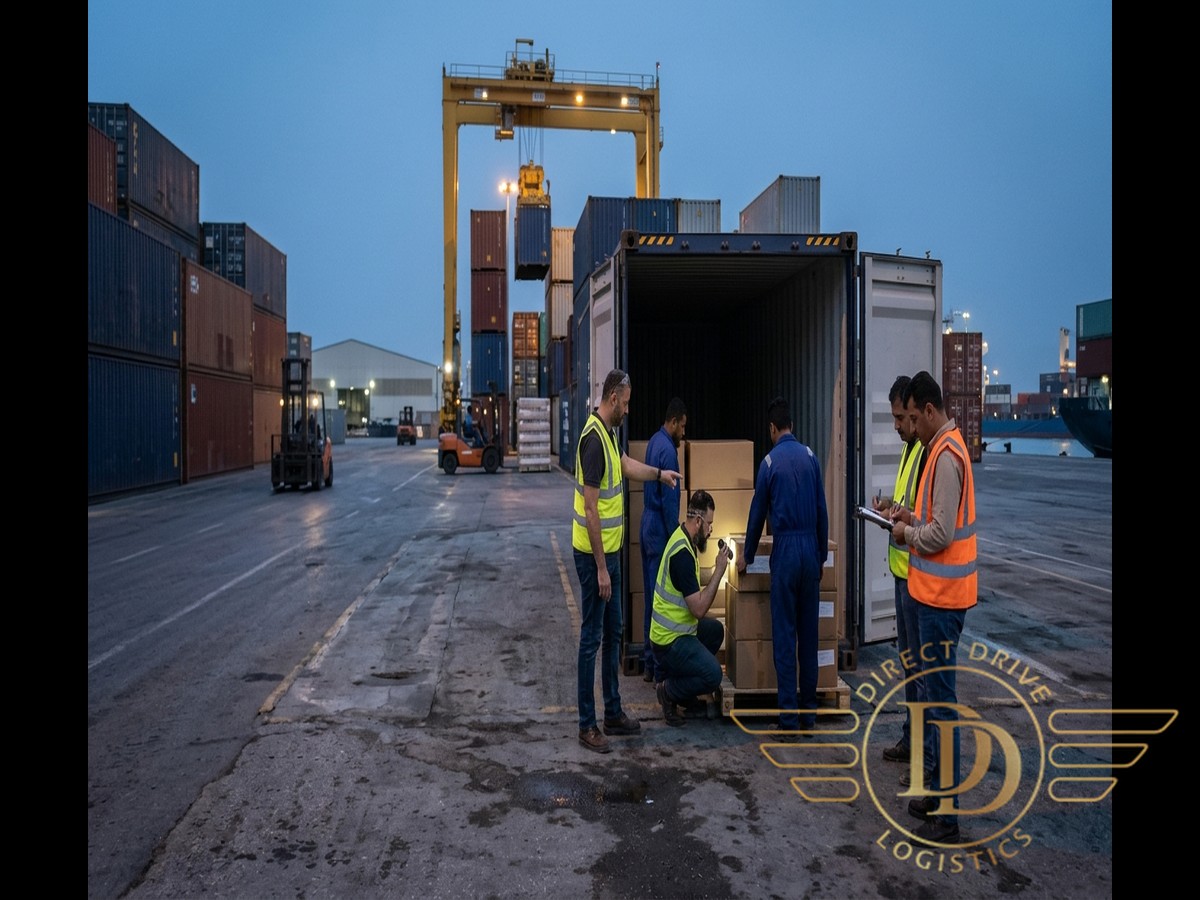
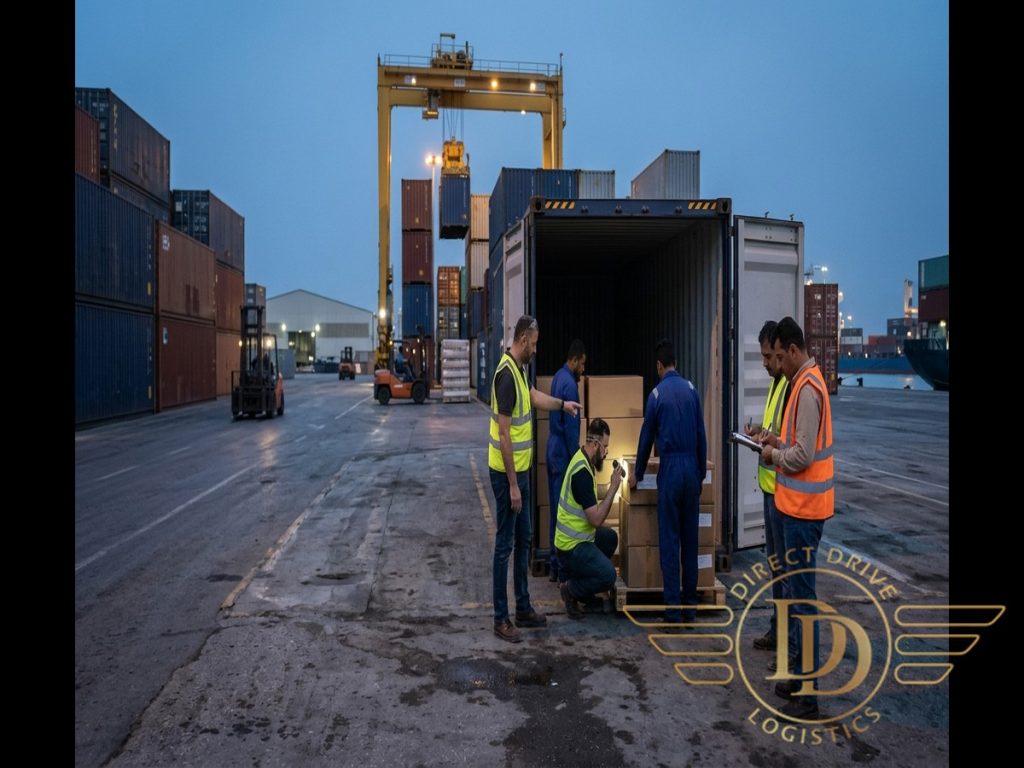
Discover how Iran Trade Compliance can transform your operations with this guide. It provides a forward-looking, actionable framework for building a resilient internal compliance program, moving beyond a simple list of current sanctions to prepare for the specific challenges of 2026. This comprehensive guide explores Iran Trade Compliance through multiple perspectives.
Imagine your container ship is already en route, only to be slapped with a 25% tariff increase under US Executive Order 14382 because a component, unknowingly sourced through a third-party supplier, originated in Iran. That’s the reality businesses face today. This guide isn’t just about avoiding fines; it’s about protecting your bottom line and maintaining operational continuity in an increasingly complex regulatory landscape.
This article addresses critical questions, such as determining which US, EU, and UN sanctions apply to your specific industry. We delve into implementing an OFAC (Office of Foreign Assets Control) compliance program, a crucial step for any organization engaged in international trade. An OFAC Compliance Program is a risk-based system designed to ensure adherence to US sanctions regulations, involving elements like internal controls, testing, and training. Setting up such a program can range from USD 75,000 for agricultural-only firms to over USD 1 million for dual-use medical equipment, highlighting the investment required for robust compliance.
Navigating Iran import regulations for permissible goods requires understanding the nuances of dual-use goods, items that can be used for both civilian and military purposes, which are subject to strict export controls and require careful classification. The process for classifying and clearing these goods can be lengthy, with IRICA (Islamic Republic of Iran Customs Administration) product registration for medical exports taking 45-90 days, potentially reduced to 21-30 days with pre-audit options. We’ll also explore overcoming banking restrictions, a significant hurdle given the limitations on financial transactions with Iran. Even legal transactions may face obstacles due to international sanctions, necessitating alternative payment methods and thorough due diligence.
Furthermore, we will discuss the red flags to avoid at Iran customs checkpoints, critical documentation required by Iran export regulations in 2026, and the real-world penalties for violating Iran trade law. We will also look at the US secondary tariffs on Iran-linked trade, OFAC’s advisory on Iranian oil trade, and General License D-2, which authorizes specific exports to Iran. A key aspect of compliance involves understanding General Licenses, permissions issued by OFAC that authorize certain transactions that would otherwise be prohibited by sanctions regulations. Finally, we’ll examine the ethical considerations involved in trading with Iran and discuss future trends in geopolitics that will impact Iran trade in 2026 and beyond, including China’s role as the largest buyer of Iranian oil. Let’s begin building a proactive and auditable Iran sanctions compliance system.
Decoding Escalating US Secondary Tariffs on Iran-Linked Trade
Understanding Executive Order 14382 and Its Impact
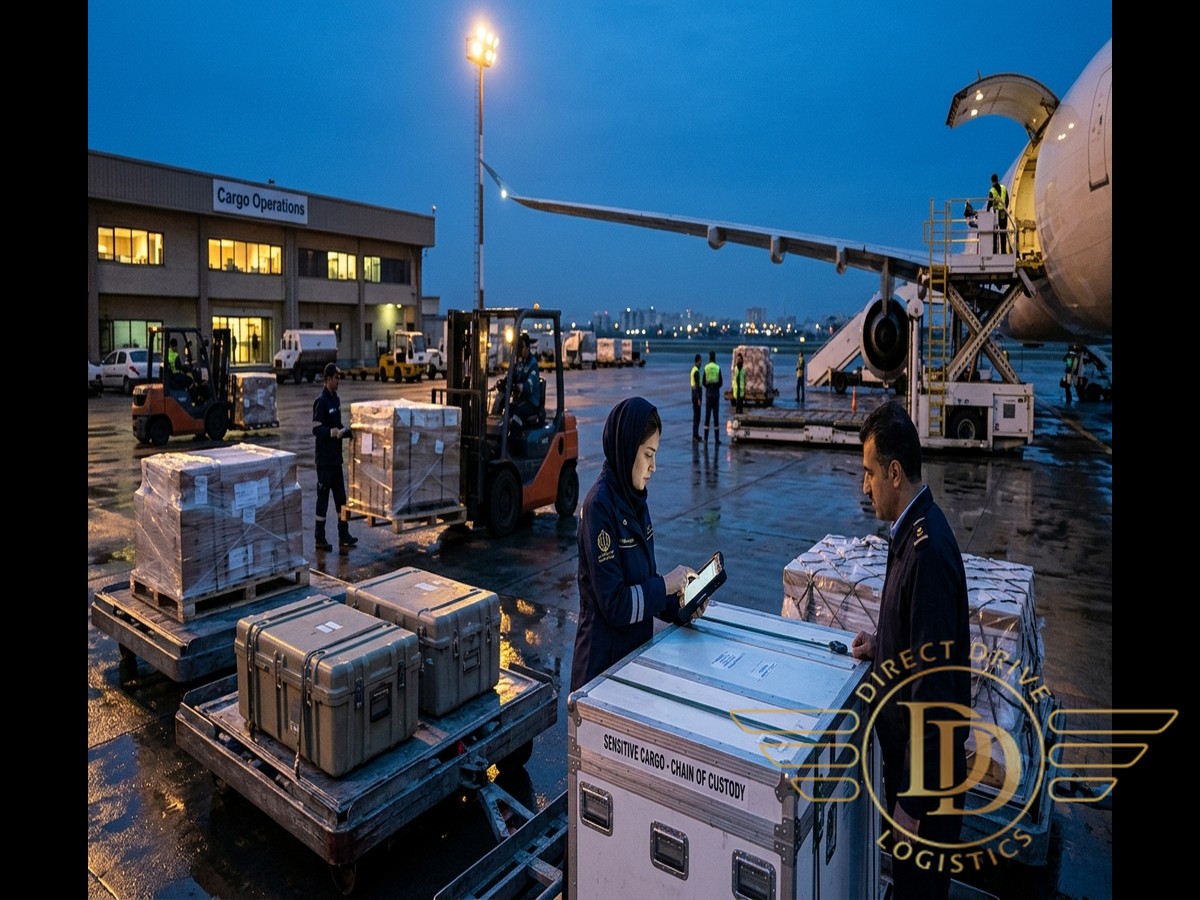
Navigating Iran Trade Compliance has become exponentially more complex with the introduction of new US regulations. Effective February 7, 2026, Executive Order 14382 authorizes the US to impose up to 25% in additional tariffs on imports from countries that trade with Iran. This creates a significant third-country supply chain risk for businesses globally.
The order targets the entire supply chain, not just direct transactions. This shift means even legitimate humanitarian shipments transiting through regional hubs like Dubai’s Jebel Ali Free Zone face heightened scrutiny. The potential annual impact on third-country exports is estimated at USD 2-5 billion, fundamentally altering risk calculations for logistics partners.
Practitioner Observation: In our shipments from Turkey and the UAE into Iraq, we’ve seen a marked increase in requests for end-user declarations since early 2026. This is a direct response to the compliance burden that EO 14382 places on intermediary countries.
The Mechanics of US Secondary Tariffs on Third-Country Imports
These secondary tariffs are not standard import duties; they are a geopolitical tool. The US Commerce and State Departments will identify nations whose trade with Iran exposes them to these penalties. This creates a dynamic where a shipment from a third country to the US could be penalized if that country’s broader economy has ties to Iranian goods or services.
The financial exposure is substantial. The 25% ad valorem duties authorized by EO 14382 can stack on top of existing tariffs, such as Section 232 duties on steel and aluminum. This escalation in US secondary sanctions Iran directly impacts landed costs and requires a proactive, data-driven approach to route planning and supplier verification.
Compliance Strategies to Mitigate Tariff Risks
A robust compliance framework is the only effective defense against these escalating risks. The cost of setting up such a program has already increased by 22% year-over-year, reflecting the seriousness of EO 14382. A baseline program for a mid-size firm now ranges from USD 150,000 to USD 500,000 for initial setup, including essential audits and end-user checks.
Effective mitigation involves deep supply chain mapping to identify any direct or indirect links to Iran. This includes vetting logistics partners, banks, and insurers. Enhanced origin tracing and transparent documentation are no longer optional—they are core requirements for protecting your cargo and your business from severe financial penalties.
One mistake we see regularly: Businesses assume their freight forwarder is handling the full scope of third-country risk. They fail to ask if their partner in Dubai or Istanbul has a documented screening process for all their clients, not just for your specific shipment. This oversight can link your cargo to a penalized supply chain without your knowledge.
Companies engaging in international trade logistics must stay informed.
Your next step: Request a complimentary review of your current Iraq-bound shipping routes from our compliance team to identify potential exposure under EO 14382. We can pinpoint specific vulnerabilities within 48 hours.
Navigating OFAC's Advisory on Iranian Oil Trade: A Risk Mitigation Guide
Deconstructing OFAC’s Advisory: Key Warnings on Illicit Iranian Petroleum Shipments
Effective Iran Trade Compliance begins with understanding the heightened enforcement landscape. The U.S. Office of Foreign Assets Control (OFAC) is aggressively targeting Iranian oil shipping networks, signaling a significant shift in risk for any entity in the maritime supply chain. In January 2026 alone, OFAC initiated 13 distinct actions against Iran-linked petroleum traders.
These actions, announced on February 6, 2026, build on the 2025 sanctions against networks like that of tycoon Mohammad Hossein Shamkhani. This maximum pressure campaign directly complicates banking for even permissible goods transacting through hubs like Tehran and Bandar Abbas, often forcing legitimate agricultural importers into complex barter schemes as standard financial wires are blocked.
Identifying Red Flags and Common Deceptive Practices in Iran’s Oil Shipping Networks
Recognizing the tactics of Iranian oil sanctions evasion is critical for risk mitigation. Illicit networks frequently engage in ship-to-ship transfers in international waters, disable Automatic Identification System (AIS) transponders, and falsify cargo documentation to obscure the origin of the petroleum. This makes standard maritime due diligence Iran requires more complex.
One mistake we see regularly is companies focusing their due diligence solely on the vessel itself. They check the flag and registration but fail to investigate the complex web of shell companies that own, manage, and insure the ship. OFAC’s recent actions specifically target these layered ownership structures. In our experience reviewing shipping documents, we consistently see falsified certificates of origin that attempt to reroute Iranian crude through intermediary ports to mask its true starting point.
Best Practices for Due Diligence and Risk Mitigation in the Maritime Energy Sector
A robust compliance framework is no longer optional; it is a core operational necessity. Implementing a proactive program involves end-to-end screening of all parties in a transaction, from the vessel owner to the cargo insurer and the ultimate consignee. The initial setup for such a program for a mid-size firm now costs between USD 150,000 and USD 500,000, reflecting the complexity of the current environment.
This investment covers enhanced screening software, third-party audits, and end-user verification protocols. For entities dealing with dual-use goods, these costs can exceed USD 1 million. The U.S. 7 of the Export Administration Regulations (EAR), which cross-references OFAC rules.
Your next step: Audit your current vessel screening checklist against the OFAC advisories issued in February 2026. Immediately identify and address any gaps in your verification process for charterers, vessel owners, and insurance providers. To understand the Iraq trade routes, a good understanding of logistics is needed.
General License D-2: A Detailed Breakdown of Authorized Exports to Iran
Defining the Scope and Purpose of OFAC’s General License D-2 (GL D-2)
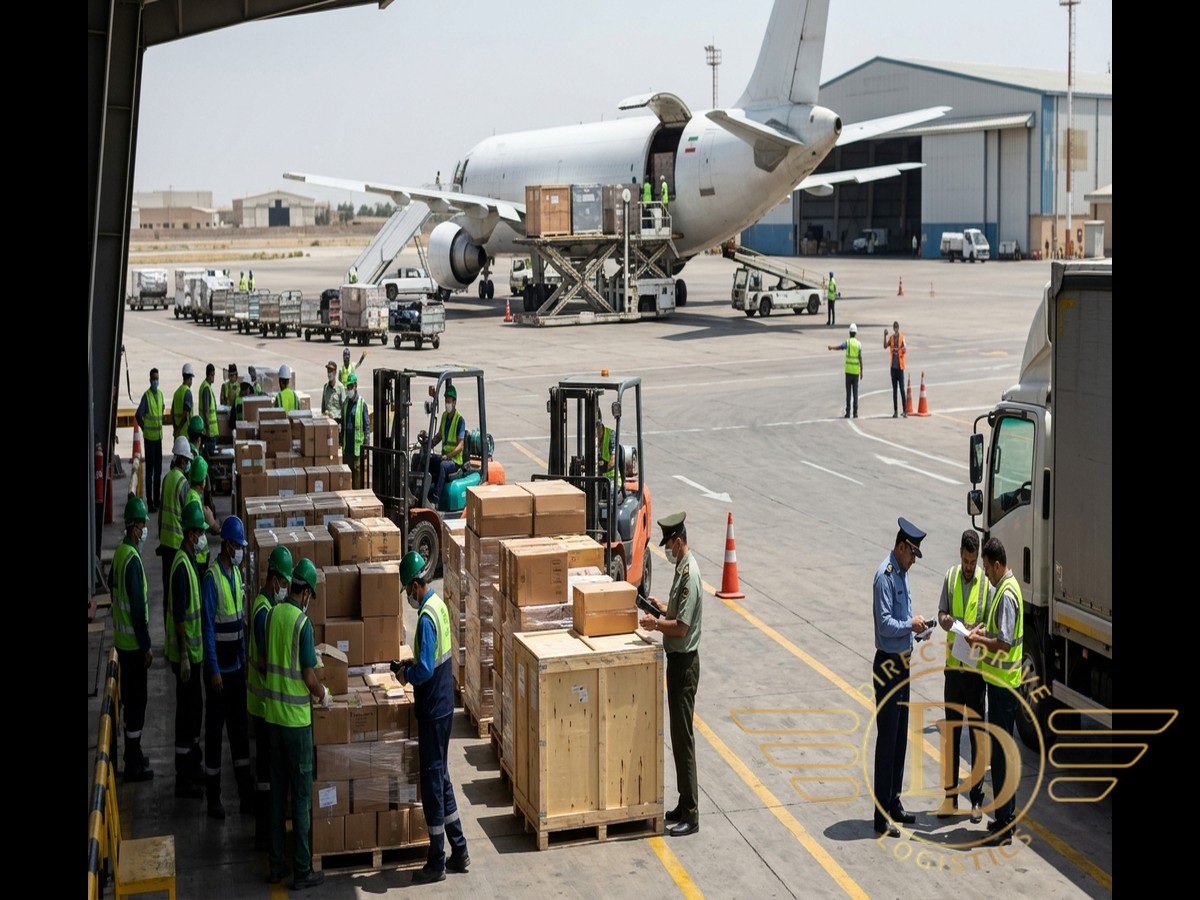
Understanding authorized exports to Iran begins with General License D-2 (GL D-2). This is not a blanket approval but a specific authorization from the U.S. Department of the Treasury’s Office of Foreign Assets Control (OFAC) for humanitarian-related trade. It creates a defined legal pathway for exporting certain goods and services that would otherwise be prohibited.
This license is more critical than ever. In January 2026 alone, OFAC launched 13 enforcement actions against Iran’s petroleum traders, signaling a tightening of restrictions across the board. GL D-2 provides a stable, compliant channel for companies to continue essential trade without violating sanctions.
In our experience, as standard banking channels for Iran become more complicated due to sanctions, clients are increasingly relying on the precise framework of GL D-2. It has become the primary mechanism for legitimate, non-military trade for many Western firms.
Permissible Exports: Medical Devices, Agricultural Commodities, and Communication Tools
GL D-2 clearly outlines what is permissible. The primary categories include agricultural commodities, medicine, and medical devices. For those exporting medical devices to Iran, the process involves navigating Iran’s digital customs system, which has specific timelines for product registration.
Under 2026 reforms, standard digital submission and approval for medical technical files now takes between 45-90 days. While this digital system has improved transparency, delays still occur, particularly for dual-use items like medical equipment falling under HS codes 9018-9022. Iran’s recent ban on all food and agricultural exports, effective March 3, 2026, has also pivoted the focus of humanitarian trade almost exclusively toward *imports* into the country, heightening the license’s importance.
A frequent error in this stage: We often see clients underestimate the documentation required for end-user verification on medical equipment. Incomplete forms are the single biggest cause of shipments being held at UAE transshipment points, adding weeks to the timeline.
Navigating Key Exclusions and Compliance Requirements
Effective Iran Trade Compliance means knowing what GL D-2 does *not* cover. The license explicitly prohibits exports to military or law enforcement end-users and any individuals or entities on OFAC’s Specially Designated Nationals (SDN) List. Furthermore, certain dual-use items require a separate license from the Bureau of Industry and Security (BIS) under Section 746.7 of the Export Administration Regulations (EAR).
This regulatory landscape is shaped by geopolitical events, including the recent UN Resolution 2817 (2026), which increases scrutiny on all shipments. The cost of a robust compliance program reflects this complexity, with initial setup for a mid-size firm ranging from USD 150,000 to USD 500,000. This investment prevents catastrophic fines and shipment seizures.
Your next step: Compile a complete list of your products’ HS codes and intended end-users in Iran. Direct Drive Logistic can perform an initial screening against the EAR and Entity List within 48 hours to identify potential licensing requirements. Consider the need for trade documentation for similar compliance needs in other regions.
Need Reliable Delivery Services?
Get a free quote today. Fast, secure, and professional logistics solutions tailored to your needs.
Get Your Free Quote NowCompliance for Academics: Engaging with Iranian Universities and Entities
Permissible Academic Exchanges and Collaborations Under U.S. Sanctions
Academic collaboration with Iran operates within a stringent regulatory framework, but it is not entirely prohibited. The key lies in understanding the scope of general licenses issued by the Office of Foreign Assets Control (OFAC) and knowing when a specific license is required. The enforcement environment is intense; OFAC executed 13 actions against Iran-linked petroleum traders in January 2026 alone, signaling a zero-tolerance policy for violations that extends across all sectors.
This heightened scrutiny means that any engagement, from joint publications to student exchanges, demands meticulous documentation.
Practitioner Observation: In our experience facilitating shipments for university research projects, we’ve seen OFAC scrutinize even non-commercial, educational exchanges if the end-user screening is incomplete or outdated.
Screening Iranian University Partners and Navigating Red-Flag Entities
Thorough due diligence on potential Iranian partners is non-negotiable. US sanctions on Iranian universities often target institutions with ties to the government or military, making it vital to screen all entities against the Specially Designated Nationals (SDN) and Entity Lists. The regulations are dynamic, with updates like the February 2026 cross-checks between OFAC and the Bureau of Industry and Security (BIS) increasing complexity.
One mistake we see regularly is universities assuming a general license covers collaboration with any Iranian institution. They fail to screen for connections to entities on the SDN list, which immediately invalidates the general license and exposes the U.S. institution to significant liability. This screening must be continuous, as designations can change overnight.
Practitioner Observation: Our clearance teams have found that even seemingly benign research departments can have leadership listed on secondary sanctions lists, which is why we screen individuals, not just the university name.
Practical Compliance Steps for Research, Publishing, and Conferences
For tangible research, compliance extends to export controls on materials and data. Any collaboration involving the transfer of equipment, software, or technology requires classification under the Export Administration Regulations (EAR). For example, common research equipment like advanced medical devices (HS 9018-9022) are considered dual-use goods and require a BIS license under Section 746.7 EAR.
Even presenting at conferences or co-authoring papers can constitute a prohibited “service” if it involves individuals or entities on the SDN list. The international consensus, reflected in actions like the UN Resolution 2817, further isolates sanctioned entities. Robust Iran Trade Compliance is not just a legal shield; it is a fundamental component of responsible international academic engagement. Navigating iraq logistics compliance can be complex, requiring expert guidance.
Practitioner Observation: We consistently advise clients that sharing proprietary research data with an unscreened Iranian counterpart can be viewed by BIS as an unauthorized technology export, with penalties just as severe as shipping physical goods.
Your next step: Review your institution’s current collaborations against the updated February 2026 Entity List and schedule a compliance review with our team for any planned research shipments or data-sharing agreements.
Iran's Food Export Ban (2026) and its Impact on Regional Trade
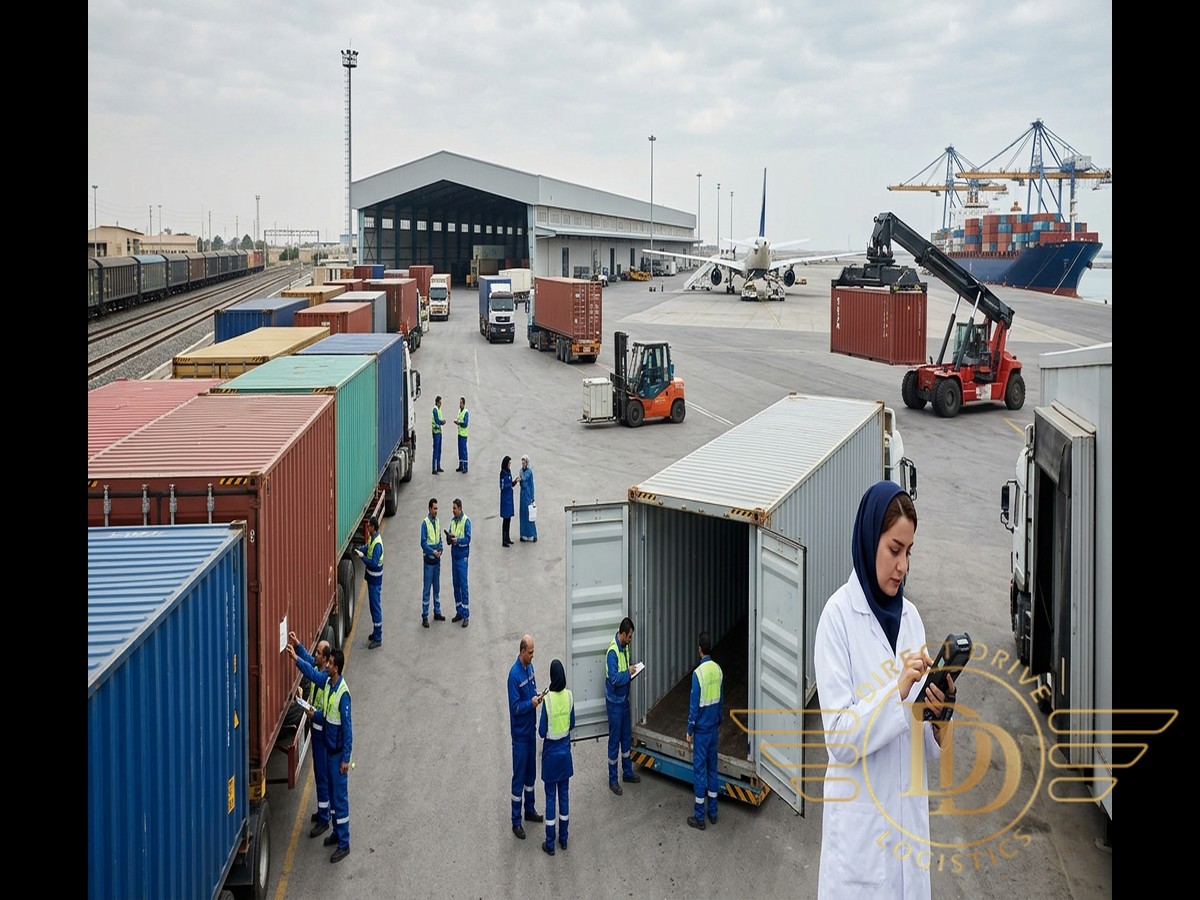
Understanding the Scope of Iran’s 2026 Food Export Prohibition
The landscape of regional trade shifted dramatically on March 3, 2026, when Iran enacted a comprehensive ban on all food and agricultural exports. This measure, designed to stabilize volatile domestic prices, immediately halted the flow of key staples like eggs and tomatoes to neighboring countries, creating significant supply chain voids.
This prohibition presents a stark contrast to other modernization efforts within the country. While the food export ban was implemented, Iran’s customs authority (IRICA) was simultaneously rolling out digital systems that integrate electronic IDs to accelerate clearance for permissible goods, particularly in the medical sector. This dual reality underscores a complex and often unpredictable regulatory environment.
Practitioner Observation: In our cross-border shipments to Iraq, the sudden halt of staples like Iranian tomatoes and eggs created an immediate vacuum. We saw regional suppliers struggle to fill this gap, causing significant price spikes in border markets like Bashmagh and Parviz Khan almost overnight.
Assessing the Economic Shockwaves for Regional Importers
The impact of Iran’s food ban extends far beyond its borders, sending economic shockwaves through import-dependent neighbors and raising serious concerns about regional food security in the Middle East. Countries that built their supply chains around consistent Iranian agricultural output now face an urgent need to reconfigure their entire procurement strategy. This sudden disruption affects everything from pricing to product availability on consumer shelves.
This policy intensifies scrutiny at major transshipment hubs. Logistics through Dubai’s Jebel Ali port now face delays, particularly for humanitarian agricultural commodities falling under HS codes 10-21. A robust understanding of Iran Trade Compliance is no longer just about sanctions; it’s about navigating these abrupt, non-sanction-related trade barriers that can halt cargo.
A frequent error we see: Businesses assume the ban only affects direct importers. In reality, it disrupts multimodal logistics chains, as transshipment cargo at Jebel Ali intended for other markets gets delayed by the increased scrutiny on all agricultural goods originating from or passing near the region, especially within the context of UN Resolution 2817 (2026).
Strategies for Navigating Supply Chain Disruption
Adapting to these iran agricultural export restrictions requires immediate and decisive action. Businesses must pivot to alternative sourcing markets such as Turkey, Jordan, and the Levant to maintain inventory levels and stabilize their supply chains. This diversification is not a temporary fix but a necessary long-term strategy for building resilience against future market shocks.
Success in this new environment depends on partnering with a logistics provider possessing deep regional expertise. An agile partner can reroute shipments, secure capacity from new markets, and manage the complex customs documentation required. For example, enhanced supply chain tracking Iraq can provide better visibility.
True operational resilience is achieved by moving beyond reactive problem-solving. It involves building a diversified supplier base and having pre-vetted logistics routes ready to activate. This forward-looking approach to compliance and logistics planning ensures your business is prepared for the next unforeseen disruption.
Your next step: Provide our team with your top 5 agricultural HS codes. We will deliver a sourcing diversification report within 72 hours, outlining alternative routes and qualified suppliers from Turkey and the Levant.
Overcoming Banking Restrictions: Facilitating Legal Transactions with Iran
Utilizing Third-Country Banks and Financial Channels
Navigating financial restrictions is a core challenge of Iran trade compliance. The surge in enforcement, which included 13 separate OFAC actions against Iran petroleum traders in January 2026 alone, has made correspondent banks extremely cautious. This forces legitimate trade into specific, highly scrutinized channels.
While third-country banking via hubs like the UAE remains a viable strategy, it is no longer a simple workaround. Financial institutions now demand extensive proof of cargo origin and destination to avoid secondary sanctions. This is a direct response to the increased compliance burden for Iran exporters, even for humanitarian shipments originating from the EU or Switzerland. Companies involved in Import Logistics for Traders need to be aware of these changes.
A frequent error in this stage: relying on the Iranian counterparty’s bank to handle all compliance checks.
Structuring OFAC-Compliant Payment Workflows
A successful strategy requires building dedicated, OFAC-compliant payment workflows from the ground up. This involves segregating authorized humanitarian payments to Iran from any other business activity. The legal framework for these transactions is typically found under the Iranian Transactions and Sanctions Regulations (ITSR 31 CFR Part 560).
The complexity of these channels has forced many to adopt alternative methods. For agricultural imports, we see an increasing reliance on government-approved barter schemes as standard wire transfers are blocked, even for permissible goods transacting through Tehran. This method exchanges goods for oil, bypassing the conventional banking system entirely.
In our experience, correspondent banks are now flagging any transaction with vague “goods” descriptions. They demand specific HS codes for medical equipment, such as those in the HS 9018-9022 range, before they will even consider processing the payment.
Essential Due Diligence for Financial Institutions
Proving a transaction’s legitimacy is now a documentation-heavy process. Banks require a complete due diligence package, including end-user certificates, detailed bills of lading, and proof that the goods do not fall under dual-use categories governed by Section 746.7 of the Export Administration Regulations (EAR).
Setting up a compliant system carries significant costs. Even for companies dealing only in low-volume agricultural goods, the initial investment for an OFAC compliance program starts at around USD 75,000 for audits and end-user verification systems. This investment is non-negotiable for maintaining access to reliable Iran payment channels.
Your next step: Request a review of your current payment documentation. Our team can identify potential red flags for correspondent banks within 48 hours.
Red Flags at Iran Customs: Avoiding Common Compliance Pitfalls
Inaccurate Paperwork: The Top Reason for Delays
Effective Iran Trade Compliance begins with flawless documentation. Even minor errors on a commercial invoice or certificate of origin can halt a shipment, triggering manual inspections and costly demurrage fees at ports like Bandar Abbas.
Iran’s 2026 digital customs upgrades, which integrate IRICA electronic IDs, are designed to accelerate clearance for compliant cargo. While this system benefits prepared shippers, it also automatically flags discrepancies, making accuracy more critical than ever. The standard registration for new medical products can already take 45-90 days, so avoiding paperwork errors that reset this timeline is paramount.
Practitioner Observation: In our shipments from Turkey to Iran, we consistently see delays caused by minor discrepancies between the commercial invoice and the packing list. Even a one-digit typo can trigger a full manual inspection at the Bazargan border, adding days to the process.
Navigating Product Valuation and HS Code Classification
Incorrectly classifying goods is a direct route to fines and seizures. Iran customs valuation problems often arise from attempts to lower duty liability, but officials cross-reference declarations against established value databases. This is especially true for sensitive dual-use goods.
For example, medical devices under HS 9018 require extreme precision in classification to avoid being flagged for potential military applications. An incorrect HS code in Iran for such items can lead to violations under U.S. regulations like Section 746.7 EAR, which governs Commerce Control List exports. Getting the classification right is the foundation of a defensible compliance strategy.
A common mistake we see regularly: A frequent error is undervaluing goods to lower import duties. Iranian customs officials use reference price lists and are quick to issue heavy fines for what they perceive as falsified export declarations, negating any intended savings.
Understanding Prohibited Goods and COO Discrepancies
The list of prohibited and restricted goods can change with little notice, impacting supply chains overnight. Iran’s ban on all food and agricultural exports, effective March 3, 2026, is a recent example that forced many businesses to pivot their logistics strategy immediately. This highlights the need for real-time regulatory monitoring.
Country of Origin (COO) documentation is under intense scrutiny due to international sanctions. Transshipments via hubs like Jebel Ali face heightened inspection, particularly for agricultural goods in HS codes 10-21. Any ambiguity in the cargo’s origin can trigger penalties under new tariff frameworks like US Executive Order 14382, which targets third-country supply chains linked to Iran.
Your next step: Schedule a 30-minute compliance review with our team to audit your current shipping documents for HS code and valuation accuracy. We will identify potential red flags before your next shipment to Iran or Iraq Logistics Compliance.
Frequently Asked Questions
▼ What are the most critical aspects of Iran Trade Compliance that general business companies in should prioritize?
Prioritizing comprehensive due diligence, staying updated on evolving sanctions, and ensuring strict adherence to export controls are critical aspects of Iran Trade Compliance. US Executive Order 14382, effective 2026-02-07, introduces potential tariffs on imports from countries indirectly acquiring Iranian goods, demanding enhanced origin tracing. Implementing a robust compliance program, including audits and end-user checks, is essential for businesses to avoid penalties and maintain ethical operations.
▼ How do I choose the right Iran Trade Compliance strategy for my general business in ?
Choose an Iran Trade Compliance strategy by first assessing your company’s risk profile, considering the types of goods you trade and your involvement in international supply chains. Given the US’s focus on Iranian oil shipping networks, ensure your financial transactions avoid sanctioned entities. Working with an experienced general business provider can help tailor a compliance program to your specific needs and risk tolerance, including navigating BIS licensing requirements for Commerce Control List (CCL) items.
▼ What is the cost of setting up an Iran Trade Compliance program for a mid-sized general business?
The initial cost of setting up an Iran Trade Compliance program for a mid-sized general business typically ranges from USD 150,000 to USD 500,000. This includes comprehensive audits, end-user checks, and the implementation of robust screening processes. Costs can vary based on the complexity of your operations and the level of risk associated with your industry, potentially reaching USD 1M+ for dual-use medical equipment requiring BIS classification.
▼ How long does it take to obtain the necessary licenses for exporting goods to Iran, specifically medical goods?
Obtaining necessary licenses for exporting goods to Iran, particularly medical goods, can take anywhere from 45 to 90 days. This timeline reflects the standard duration for digital submission of technical files and conformity documents under Iran’s 2026 customs reforms. A faster option, taking 21-30 days, is available via pre-audit for low-risk humanitarian categories, but expect delays for dual-use goods requiring end-user verification.
▼ What are the potential penalties for non-compliance with Iran Trade Compliance regulations?
Penalties for non-compliance with Iran Trade Compliance regulations can be severe, including substantial fines, export license revocation, and even criminal charges. The US government has ramped up enforcement, particularly targeting entities involved in Iranian oil networks. With the introduction of Executive Order 14382, non-compliance could also lead to additional tariffs of up to 25% on imports.
▼ What is the role of the Bureau of Industry and Security (BIS) in Iran Trade Compliance?
The Bureau of Industry and Security (BIS) plays a critical role in Iran Trade Compliance by regulating the export and re-export of goods and technology subject to the Export Administration Regulations (EAR). Section 746.7 of the EAR requires a BIS license for exporting Commerce Control List (CCL) items to Iran, unless OFAC authorizes the transaction under the Iranian Transactions and Sanctions Regulations (ITSR), 31 CFR Part 560. This is especially pertinent for dual-use goods.
▼ What impact does Iran’s recent food export ban have on general business trade compliance in ?
Iran’s food export ban, implemented in 2026-03-03, directly affects general business trade compliance by restricting the export of staples like eggs and tomatoes. This ban was enacted to stabilize domestic prices, shifting the focus to importing such goods. Businesses should ensure they are not exporting banned items from Iran and be aware that this may shift EU humanitarian licenses toward imports.
▼ How does the US Executive Order 14382 impact Iran Trade Compliance for companies in ?
US Executive Order 14382, effective 2026-02-07, significantly impacts Iran Trade Compliance by authorizing additional tariffs (up to 25%) on imports from countries directly or indirectly acquiring Iranian goods/services. This targets third-country supply chains, increasing the compliance burden for businesses trading with Iran via intermediaries, requiring enhanced due diligence and supply chain transparency.
▼ What are the key elements of an effective due diligence program for Iran Trade Compliance?
Key elements of an effective due diligence program for Iran Trade Compliance include screening customers and counterparties against sanctions lists, conducting thorough end-use checks, and maintaining detailed records of all transactions. Given the surge in OFAC enforcement on Iranian oil networks, companies should implement robust monitoring systems to detect and prevent any involvement in prohibited activities.
▼ How can general business companies in navigate the complexities of banking and financial transactions related to Iran Trade Compliance?
Navigating the complexities of banking and financial transactions related to Iran Trade Compliance requires careful adherence to sanctions regulations and heightened scrutiny of financial flows. Due to complications with standard wire transfers, barter schemes for agricultural imports are sometimes used. Working with financial institutions experienced in Iran-related transactions and implementing enhanced due diligence on all parties involved is crucial.
▼ What are the latest digital customs reforms in Iran, and how do they affect Iran Trade Compliance?
Iran’s 2026 digital customs reforms aim to expedite the clearance of low-risk goods, particularly medical supplies, by integrating Iran Customs Administration (IRICA) electronic IDs. While this streamlines processes, it also necessitates businesses to ensure their digital documentation is accurate and compliant. However, end-user verification forms can still delay dual-use goods, so meticulous preparation remains essential.
▼ How can Direct Drive Logistic assist general business companies in with Iran Trade Compliance?
For reliable Iran Trade Compliance services, consider established providers like Direct Drive Logistic, who offer comprehensive solutions, including risk assessment, due diligence, and compliance program development. Direct Drive Logistic can help navigate complex regulations, ensure adherence to sanctions, and optimize supply chain operations for seamless and compliant trade with Iran.
Conclusion
Successful Iran Trade Compliance hinges on meticulous attention to detail and a proactive approach to risk mitigation. As we’ve seen, even seemingly minor errors, such as inaccurate paperwork – the top reason for delays at Iran Customs – can trigger significant disruptions and financial penalties. Navigating the complexities of US secondary tariffs, OFAC advisories, and Iran’s own evolving trade policies demands specialized expertise and unwavering vigilance.
Start by auditing your current documentation processes against the red flags we’ve outlined, focusing on accuracy and consistency in all paperwork related to Iranian transactions. Then, cross-reference your findings with the stipulations of General License D-2 if you are engaged in authorized exports. Addressing these immediate vulnerabilities will significantly reduce your exposure to compliance risks.
Direct Drive Logistic offers unparalleled expertise in navigating the intricate landscape of Iran Trade Compliance, leveraging years of experience operating within Iraq and the Kurdistan Region. Our deep understanding of local customs procedures, banking restrictions, and evolving regulations allows us to provide reliable and secure logistical solutions, minimizing disruptions and maximizing cost-effectiveness. Call us today at (+964) 750 637 9296 to discuss your specific needs and ensure seamless trade operations.
Navigate the complexities of Iran trade with confidence. Mitigate risks and ensure full compliance by leveraging our expert guidance. Call us today at (+964) 750 637 9296 to discuss your specific needs and unlock seamless trade operations.
Get Your Free Quote NowContact Us for a Consultation
Location
Direct Drive Logistic
MRF Quattro towers, Block A-29-1
Erbil, Kurdistan Region