
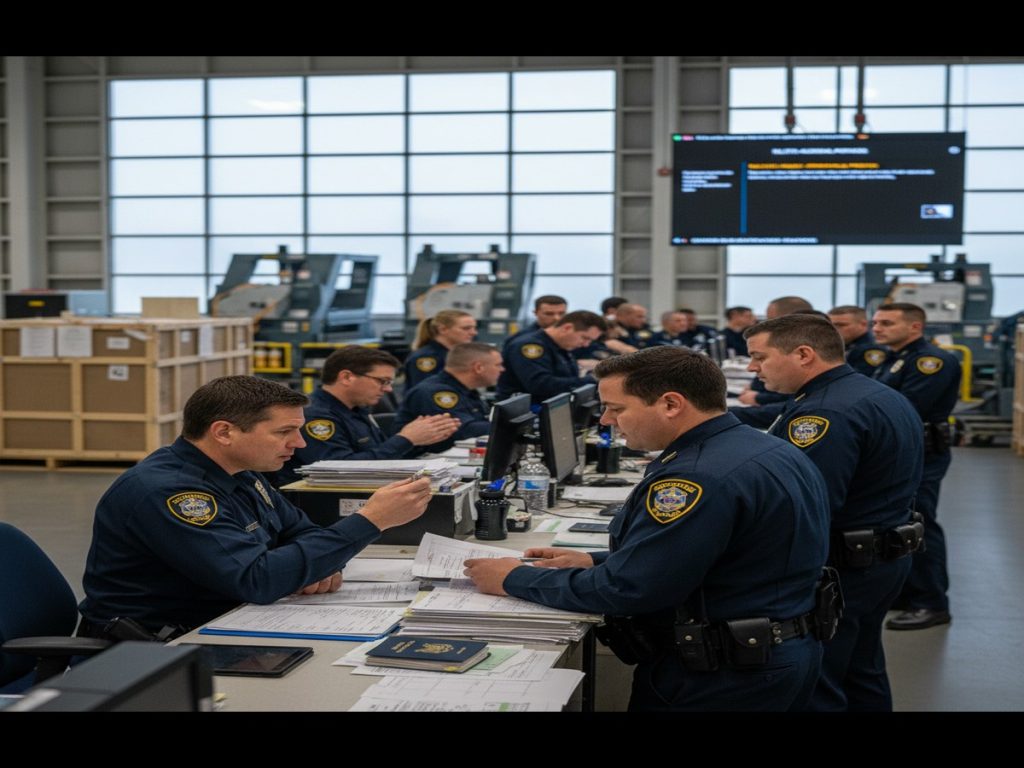
International Trade Logistics Success
Discover how international trade logistics success can transform your logistics operations. This article will provide a practical, actionable roadmap for businesses to not only understand but master the complexities of international trade logistics, transforming challenges into strategic advantages for global market expansion. In today’s interconnected global economy, the ability to efficiently move goods across borders is no longer merely a logistical function; it is a fundamental pillar of competitive advantage. The global marketplace, while offering unprecedented opportunities for growth and diversification, simultaneously presents a labyrinth of regulations, geopolitical uncertainties, and operational hurdles that can deter even the most ambitious enterprises. Without a robust and agile international trade logistics strategy, businesses risk costly delays, compliance failures, and missed market opportunities, impacting their bottom line and reputation. Achieving international trade logistics success is paramount for any organization aspiring to thrive on the world stage, enabling seamless supply chains that underpin sustainable growth and customer satisfaction. It’s about more than just shipping; it’s about strategic foresight, meticulous planning, and flawless execution in a dynamic global environment.
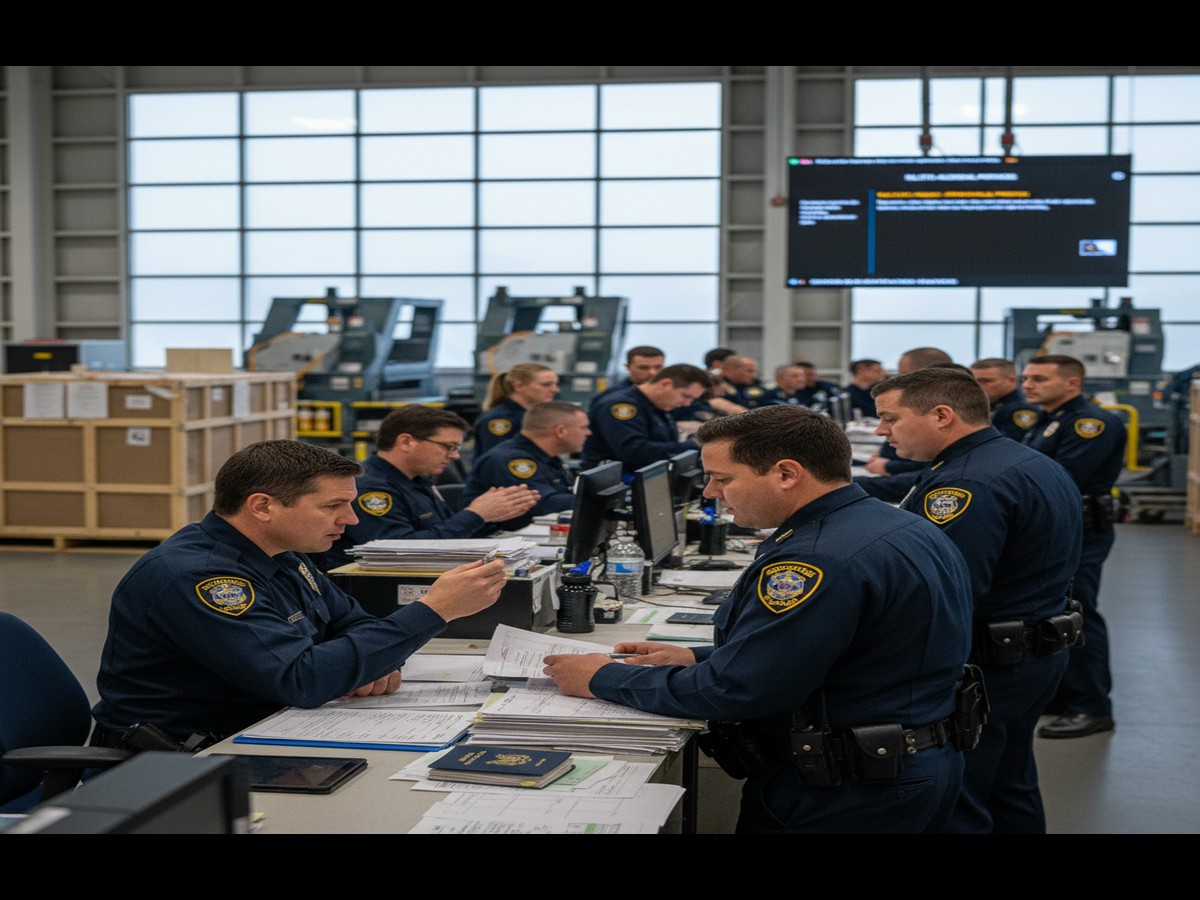
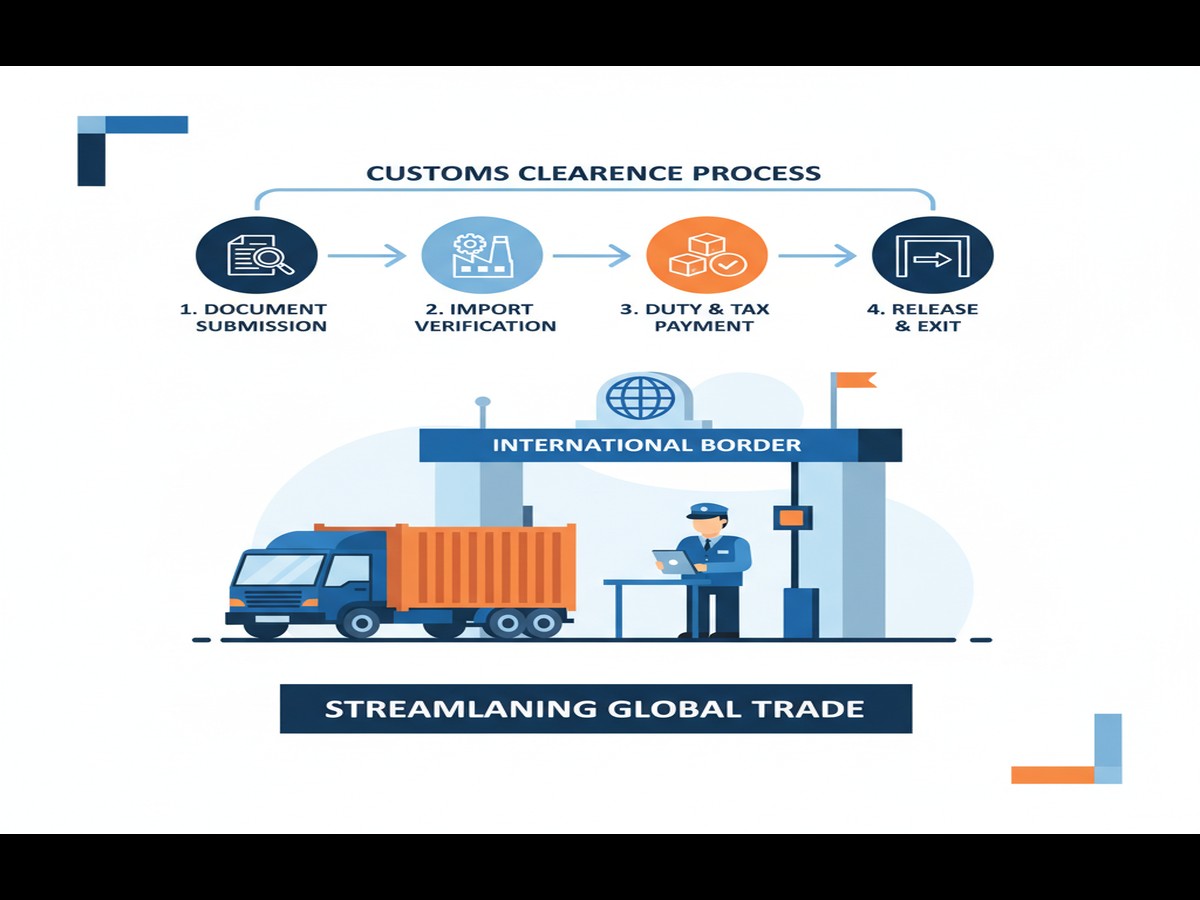
This comprehensive guide explores international trade logistics success through multiple perspectives, offering insights crucial for both seasoned logistics professionals and business owners new to the global arena. We begin by delving into Understanding International Trade Logistics: The Foundation of Global Commerce, establishing why its success is non-negotiable in today’s market. A critical aspect we will unpack is the intricate dance of international customs clearance, which involves preparing and submitting documentation required to facilitate the entry or exit of goods across national borders, ensuring compliance with all governmental regulations. This process, often seen as a significant hurdle, is, in fact, an opportunity for efficiency when managed correctly. We will also master import/export documentation, such as the bill of lading, a legal document issued by a carrier to a shipper, detailing the type, quantity, and destination of goods being shipped, serving as a receipt of shipment and a contract of carriage. Ensuring international trade compliance is paramount, as costly pitfalls can arise from overlooking even minor regulatory details. By dissecting these core components, readers will gain a foundational understanding of the global supply chain management principles that dictate efficient cross-border operations.
Our journey continues by exploring how to leverage technology for streamlined international logistics operations, emphasizing the transformative power of digital tools in enhancing supply chain visibility. Understanding international trade logistics success is essential. This includes understanding concepts like freight forwarding, the process of organizing shipments through carriers to transport goods from one place to another, handling all the logistical details on behalf of the shipper. We will outline strategies for optimizing your global supply chain for efficiency and cost savings, moving beyond reactive problem-solving to proactive strategic planning. Mitigating risks in international trade is another cornerstone of this article, addressing everything from geopolitical shifts and economic volatility to unforeseen supply chain disruptions. Building resilient international trade logistics networks for future growth is not just about weathering storms but about designing systems that adapt and flourish amidst change. Furthermore, we will guide you through choosing the right logistics partner for your global expansion, a decision that can profoundly impact your operational effectiveness and market reach. Understanding Incoterms, a set of internationally recognized rules that define the responsibilities of sellers and buyers for the delivery of goods under sales contracts, is also vital for minimizing misunderstandings and disputes.
Ultimately, this article aims to equip you with the knowledge and tools to navigate the complex, ever-evolving landscape of global commerce. From foundational understanding of international logistics, global compliance, customs, and documentation, to strategic transport, route optimization, and digital transformation for supply chain visibility, we cover essential facets. We will also emphasize building a network of trust through strategic partnerships in logistics, as collaboration is key to overcoming global challenges. Finally, we examine The Future of International Trade Logistics, exploring trends and innovations that will reshape global goods movement. Whether you’re a logistics professional seeking to refine your expertise or a business owner aiming to expand your global footprint, you’ll gain actionable insights to enhance your operations and achieve sustained international trade logistics success. Prepare to transform your logistical challenges into strategic triumphs.
The Foundation of Global Trade: Understanding International Logistics
The Foundation of Global Trade: Understanding International Logistics
In an increasingly interconnected world, the pulse of the global economy beats through the intricate arteries of international trade. At the very heart of this vast network lies international logistics, a critical discipline that underpins virtually every cross-border transaction. For businesses aiming for sustainable growth, mastering this domain is not merely an operational necessity but a strategic imperative for achieving international trade logistics success. However, navigating the complexities of global movement presents a myriad of challenges, from fluctuating regulations and geopolitical shifts to unforeseen supply chain disruptions.
Defining International Logistics: Navigating the Complexities of Cross-Border Movement
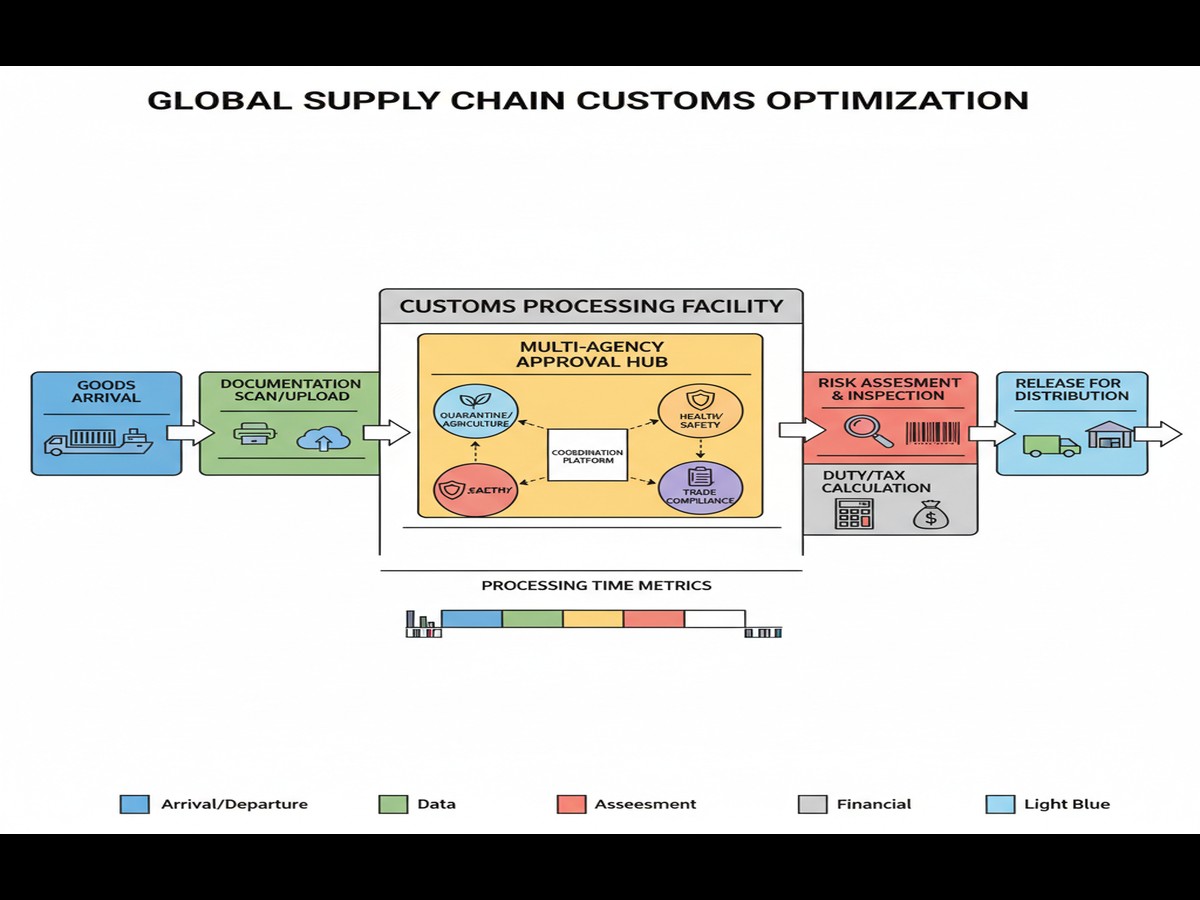
International logistics encompasses the comprehensive planning, execution, and control of the movement and storage of goods, services, and related information from the point of origin to the point of consumption across national borders. Unlike domestic logistics, it involves a multi-faceted web of stakeholders, including shippers, carriers, freight forwarders, customs brokers, and regulatory bodies, each with their own set of rules and requirements. This intricate dance demands meticulous coordination to ensure products reach their destination efficiently and cost-effectively. The sheer scale of global commerce, with global trade update projecting record-breaking flows, highlights the immense pressure on these systems.
Core Pillars: Transportation Modes, Warehousing, and Customs Compliance Essentials
The successful execution of international logistics rests on several core pillars. Transportation modes form the backbone, with businesses choosing between ocean freight for cost-effectiveness and bulk, air freight for speed and high-value goods, or increasingly, multimodal solutions combining road and rail. Strategic warehousing and distribution networks are equally vital, providing crucial storage, consolidation, and deconsolidation points that optimize transit times and inventory management across diverse geographies. Perhaps the most critical, yet often most challenging, pillar is international customs clearance. This involves navigating a labyrinth of tariffs, duties, quotas, and complex documentation requirements specific to each country, demanding expert knowledge to avoid costly delays and penalties. Effective global supply chain management hinges on the seamless integration of these elements.
Enabling Global Commerce: Bridging Markets and Optimizing International Supply Chains
Ultimately, the purpose of robust international logistics is to enable global commerce by bridging geographical and regulatory gaps between markets. It transforms raw materials into finished products delivered to consumers worldwide, powering economic growth and fostering international cooperation. By optimizing international supply chains through advanced technology, data analytics, and strategic partnerships, businesses can enhance visibility, reduce risks, and improve responsiveness. Staying abreast of global logistics trends and embracing innovation are key to building resilient and agile operations. This strategic approach ensures not only the smooth flow of goods but also contributes significantly to a company’s overall international trade logistics success in a competitive global marketplace.
Navigating the Labyrinth: Global Compliance, Customs & Documentation
Navigating the Labyrinth: Global Compliance, Customs & Documentation
True international trade logistics success transcends mere transportation ; it demands a profound understanding and mastery of the intricate global regulatory landscape, customs procedures, and critical trade compliance in Iraq.
Mastering International Trade Regulations and Ever-Changing Compliance Frameworks
The global trade landscape is in a state of perpetual evolution. Businesses engaged in international trade logistics must contend with a myriad of regulations, including tariffs, sanctions, and understanding Export Logistics for traders, product import logistics, International Freight Forwarding
International Trade Logistics Success Strategic Transport & Route Optimization: Moving Goods Efficiently
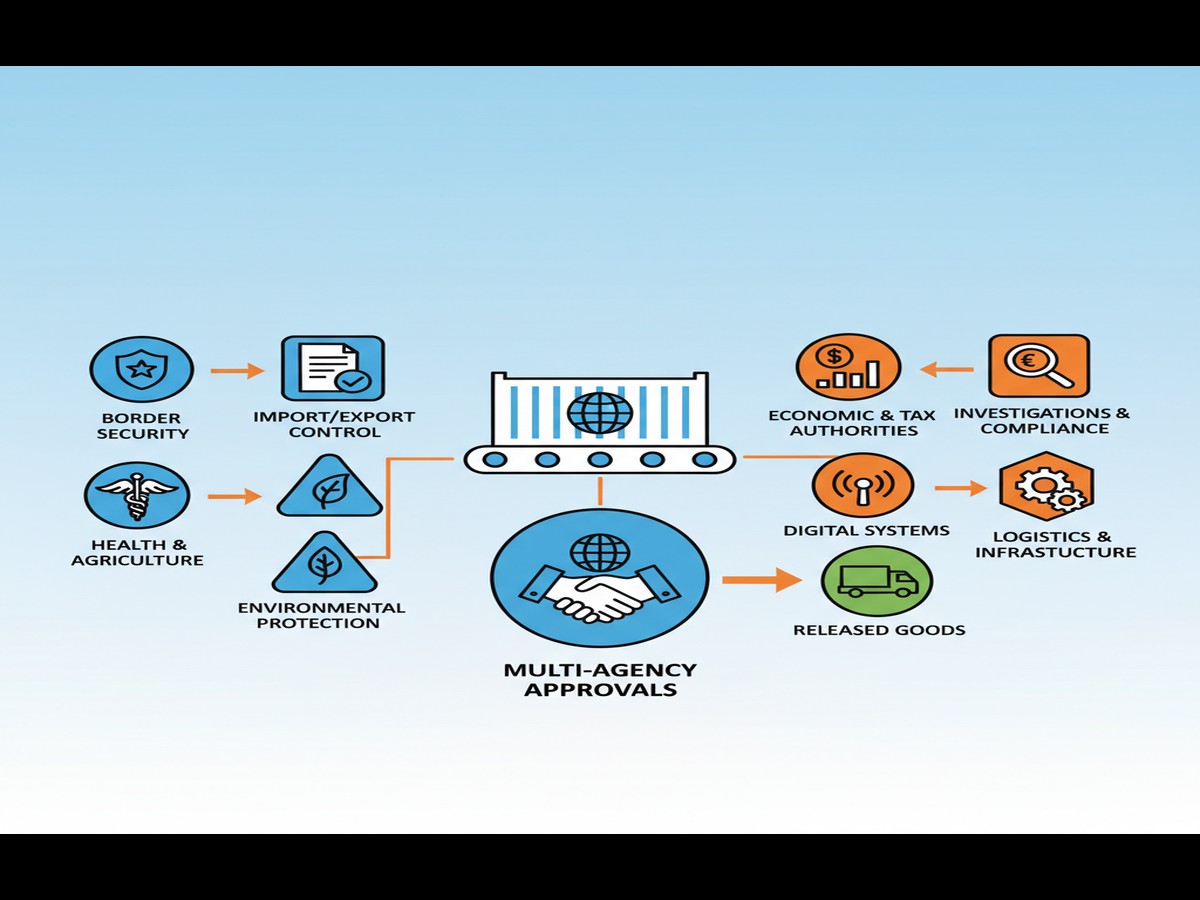
Achieving international trade logistics success hinges significantly on mastering strategic transport and route optimization. In a world where global supply chain management is increasingly complex, the efficient movement of goods from origin to destination is not just about speed, but also cost-effectiveness, reliability, and sustainability.
Key Aspects of Strategic Transport & Route Optimization: Moving Goods Efficiently
Strategic transport involves selecting the optimal combination of transportation modes – sea, air, road, rail, or intermodal – for different legs of a journey. Each mode presents unique benefits and drawbacks. Ocean freight, for instance, is highly cost-effective for large volumes and non-urgent shipments, forming the backbone of much international trade. Air freight, while expensive, offers unparalleled speed for high-value, time-sensitive goods. Road transport provides crucial last-mile delivery flexibility, while rail excels in moving bulk goods over long distances within continents. Effective route optimization goes beyond simple shortest-distance calculations, factoring in variables like fuel costs, transit times, geopolitical risks, capacity availability, and potential for delays at borders or ports, all of which impact the overall Iraq trade routes.
Need Reliable Delivery Services?
Get a free quote from Direct Drive Logistic today. Fast, secure, and professional logistics solutions tailored to your needs.
Digital Transformation: Leveraging Technology for Supply Chain Visibility
Digital Transformation: Leveraging Technology for Supply Chain Visibility
In the complex world of international trade logistics, achieving true success hinges on unparalleled visibility and efficiency. Digital transformation is no longer an option but a necessity, revolutionizing how goods move across borders. By strategically leveraging modern technologies, businesses can gain real-time insights, optimize operations, and build resilient global supply chains, including vital Iraq import export logistics.
Building a Network of Trust: Strategic Partnerships in Logistics
In the complex world of international trade, no single entity operates in isolation. Achieving sustainable international trade logistics success hinges critically on forging robust, strategic partnerships. These alliances extend beyond mere transactional relationships, forming a cohesive network that underpins seamless global operations. Selecting the right freight forwarders, customs brokers, and third-party logistics (3PL) providers is not just a tactical decision; it’s a strategic imperative that directly impacts efficiency, compliance, and ultimately, profitability.
Leveraging Diverse Expertise for Seamless Global Supply Chain Operations
The intricate tapestry of global commerce demands specialized knowledge at every turn. Freight forwarders, for instance, are indispensable for optimizing shipping routes, negotiating rates, and managing multimodal transport, ensuring goods move efficiently across Iraq trade routes and borders. Customs brokers, on the other hand, are the linchpins of compliance, expertly navigating the labyrinthine regulations of future logistics drivers and international customs clearance. Their expertise prevents costly delays and penalties, a critical factor in maintaining supply chain velocity. Similarly, 3PLs offer scalable solutions for warehousing, distribution, and value-added services, allowing businesses to expand their reach without significant capital investment.
When evaluating potential partners for your global supply chain management, consider their proven track record, extensive global network, and technological capabilities. A partner equipped with advanced tracking systems, data analytics, and integration tools can provide real-time visibility, enabling proactive decision-making. Look for partners with industry-specific knowledge relevant to your products, as this ensures a deeper understanding of unique challenges and regulatory nuances. Their ability to adapt to evolving market conditions, as highlighted in a recent global logistics report, is also paramount.
Cultivating Trust and Transparency: The Foundation of Enduring Logistics
Beyond technical capabilities, the bedrock of successful logistics partnerships is trust and transparency. These aren’t abstract concepts but tangible elements built through consistent communication, shared goals, and mutual accountability. A transparent partner provides clear insights into their operations, costs, and potential challenges, fostering a collaborative environment where problems can be addressed proactively rather than reactively. This open dialogue is crucial for navigating the inherent unpredictability of international trade logistics, from geopolitical shifts to unforeseen disruptions.
Cultivating enduring relationships involves establishing clear service level agreements (SLAs), key performance indicators (KPIs), and regular performance reviews. These mechanisms ensure alignment and provide opportunities for continuous improvement. Furthermore, a partner who demonstrates a commitment to ethical practices, data security, and sustainability aligns with modern business values and contributes to your brand’s reputation. Ultimately, these strategic alliances transform your supply chain from a series of transactions into a resilient, agile, and competitive advantage, driving long-term Iraq logistics success.
International Trade Logistics Success Proactive Risk Management & Resilience Strategies
Proactive Risk Management & Resilience Strategies
Achieving international trade logistics success in today’s volatile global landscape hinges on more than just efficient operations; it demands a proactive approach to risk management and the cultivation of a resilient supply chain. Businesses must anticipate potential disruptions, develop robust mitigation strategies, and build the capacity to adapt quickly to unforeseen challenges. This forward-thinking mindset transforms potential crises into opportunities for strategic advantage, safeguarding profitability and customer trust.
Anticipating Supply Chain Disruptions: Comprehensive Risk Identification and Assessment
The first step in building a resilient international trade logistics framework is a thorough and continuous risk identification and assessment process. The global supply chain is susceptible to a myriad of risks, ranging from geopolitical instability and trade wars to natural disasters, cyberattacks, economic downturns, and sudden regulatory changes. A comprehensive assessment goes beyond merely listing potential threats; it involves evaluating the likelihood of each risk occurring and its potential impact on operations, costs, and delivery schedules. For instance, understanding the vulnerability of specific shipping lanes to extreme weather or political unrest, or assessing the potential for delays in international customs clearance due to new compliance requirements, is crucial. Leveraging data analytics, predictive modeling, and scenario planning allows businesses to identify critical choke points and single points of failure within their global supply chain management strategy. Regular audits and stress tests of existing processes help reveal weaknesses before they become critical issues, ensuring that potential disruptions are not only identified but thoroughly understood in terms of their ripple effects across the entire value chain.
Developing Robust Contingency Plans
Identifying risks is only half the battle; the true measure of resilience lies in the development and implementation of robust contingency plans. These plans must be dynamic, actionable, and regularly updated to reflect the evolving risk landscape. Key strategies include diversifying suppliers, manufacturing locations, and Major trade routes in Iraq to avoid over-reliance on a single source or path. For example, having alternative port options or air freight carriers can be invaluable when a primary route is disrupted. Investing in advanced supply chain visibility tools allows for real-time tracking and rapid response to emerging issues. Furthermore, establishing clear communication protocols with all stakeholders—suppliers, carriers, customers, and regulatory bodies—ensures that everyone is informed and coordinated during a crisis. Building strong relationships with logistics partners and understanding their own contingency capabilities can significantly enhance collective resilience. This proactive planning, encompassing everything from inventory buffers for critical components to alternative sourcing strategies and expedited international customs clearance procedures, is fundamental to sustaining operations and maintaining competitive advantage even in the face of significant challenges. By embedding these resilience strategies into the core of their operations, companies can ensure long-term international trade logistics success.
Continuous Improvement: Measuring Performance and Driving Optimization
Continuous Improvement: Measuring Performance and Driving Optimization
Achieving sustained international trade logistics success is not a static accomplishment but an ongoing commitment to refinement and evolution. In today’s dynamic global landscape, businesses must continuously measure their performance, identify areas for improvement, and implement strategies for optimization. This iterative process is fundamental to enhancing efficiency, reducing costs, and maintaining a competitive edge in global supply chain management.
Establishing Key Performance Indicators (KPIs) for Tracking Logistics Efficiency and Success
The foundation of continuous improvement lies in robust measurement. Establishing clear Key Performance Indicators (KPIs) is crucial for tracking the efficiency and effectiveness of your international logistics operations. These metrics provide tangible data points that reflect operational health and highlight areas needing attention. Essential KPIs for international trade logistics include:
- On-Time Performance (OTP): Measures the percentage of shipments delivered by the agreed-upon date, reflecting reliability.
- Lead Time (Order-to-Delivery): Tracks the total time from order placement to final delivery, indicating overall speed and responsiveness.
- Freight Cost Per Unit: Monitors the cost associated with transporting each unit of product, a direct measure of transport efficiency and cost management.
- Customs Clearance Time: Gauges the efficiency of the international customs clearance process, identifying potential delays at borders.
- Inventory Turnover Rate: Reflects how quickly inventory is sold and replaced, indicating efficient inventory management and capital utilization.
- Damage/Loss Rate: Measures the percentage of goods damaged or lost during transit, highlighting issues with handling, packaging, or carrier performance, and the importance of international cargo insurance.
By consistently monitoring these KPIs, organizations gain a clear snapshot of their operational strengths and weaknesses, paving the way for targeted improvements.
Leveraging Data Analytics for Identifying Bottlenecks
While KPIs provide the “what,” data analytics reveals the “why” and “how.” Leveraging advanced data analytics tools transforms raw KPI data into actionable insights, enabling businesses to pinpoint specific bottlenecks and inefficiencies within their global supply chain management. For instance, a consistently high customs clearance time KPI for a particular trade lane might, through data analysis, reveal recurring documentation errors or a specific port with slower processing times. Similarly, an increasing freight cost per unit could be traced back to underutilized container space or inefficient route planning.
Data analytics can identify patterns, predict potential disruptions, and highlight opportunities for cost reduction. By analyzing historical data, companies can optimize routing, negotiate better rates with carriers, and proactively address compliance issues related to international customs clearance. Predictive analytics can further enhance decision-making, allowing for more accurate demand forecasting, inventory optimization, and risk mitigation. Implementing dashboards and reporting tools ensures that relevant data is accessible and digestible, empowering logistics managers to make informed decisions and drive continuous process improvement, ultimately contributing to greater international trade logistics success.
Frequently Asked Questions
▼ What are the primary challenges for international trade logistics success in Iraq and Kurdistan?
The primary challenges include navigating evolving customs regulations, ensuring security along transport routes, and managing varied infrastructure conditions. Overcoming these requires deep local knowledge, robust security protocols, and adaptable multimodal solutions. Direct Drive Logistics leverages its 15+ years of regional expertise to mitigate risks and ensure smooth operations, crucial for achieving international trade logistics success.
▼ How can businesses ensure efficient customs clearance for shipments entering Iraq or the Kurdistan Region?
Efficient customs clearance hinges on meticulous documentation and local expertise. Businesses should partner with a logistics provider experienced in both Federal Iraq and KRI regulations. We offer pre-clearance services and maintain strong relationships with customs officials, minimizing delays. This proactive approach is vital for maintaining momentum and achieving international trade logistics success.
▼ Why choose Direct Drive Logistics over other providers for shipping goods to Iraq and Kurdistan?
Direct Drive Logistics offers unparalleled regional expertise, a proven track record over 15 years, and a robust network across Iraq and Kurdistan. We provide end-to-end solutions, from secure transportation and customs brokerage to warehousing and distribution. Our commitment to compliance, security, and transparent communication ensures your cargo arrives safely and on schedule, directly contributing to your international trade logistics success.
▼ How long does it typically take to ship cargo from major international ports to Baghdad or Erbil?
Shipping times vary by mode. Sea freight from Europe or Asia to Umm Qasr Port typically takes 3-5 weeks, followed by 3-7 days for road transport to Baghdad or Erbil. Air freight from major hubs usually takes 5-7 days door-to-door. These timeframes are estimates; precise planning with our team ensures optimal routing for your specific needs.
▼ What is the most secure method for transporting high-value goods within Iraq and Kurdistan?
For high-value goods, armored vehicle escorts, real-time GPS tracking, and secure warehousing are paramount. Direct Drive Logistics employs vetted security personnel and uses advanced surveillance technology. We customize security plans based on cargo value, route, and destination, ensuring maximum protection and contributing significantly to international trade logistics success.
▼ How much does international shipping to Iraq and Kurdistan generally cost, and what factors influence pricing?
International shipping costs vary significantly. Factors include cargo weight and volume, chosen transportation mode (sea, air, road), specific origin/destination, required transit time, and any specialized handling (e.g., hazardous, oversized). Customs duties and taxes are additional. Contact us for a detailed, tailored quote based on your specific shipment requirements.
Conclusion
In the dynamic world of global commerce, achieving true international trade logistics success hinges on a multifaceted approach. As we’ve explored, it’s about more than just moving goods; it’s about strategic foresight, leveraging cutting-edge technology, meticulous compliance, fostering robust partnerships, and maintaining an agile, adaptable mindset. These elements collectively forge supply chains that are not only efficient but also resilient and reliably responsive to the ever-evolving global market.
At Direct Drive Logistics, we embody these principles, understanding that navigating the complexities of international trade, especially within Iraq and beyond, demands unparalleled expertise. Our commitment to integrating advanced technological solutions, ensuring rigorous regulatory adherence, and cultivating a vast network of global partners means your cargo is handled with precision and care, every step of the way. We pride ourselves on transforming logistical challenges into seamless opportunities for growth, consistently delivering peace of mind.
Ultimately, your journey towards sustained international trade logistics success requires a partner who not only understands the landscape but actively shapes it in your favor. Direct Drive Logistics is that partner. We are dedicated
Ensure your international trade operations are seamless and cost
📞 Contact Us for a Consultation
Location
Direct Drive Logistic
MRF Quattro towers, Block A-29-1
Erbil, Kurdistan Region