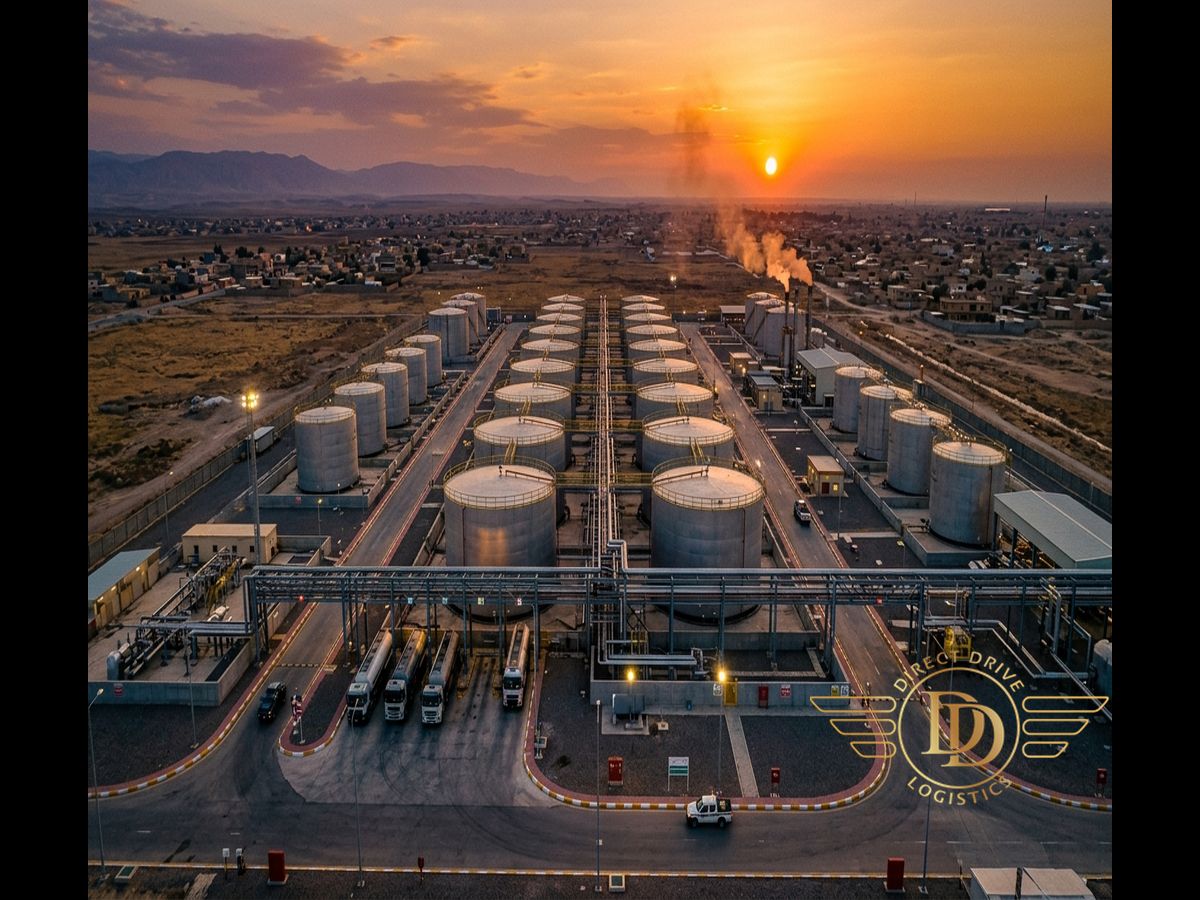
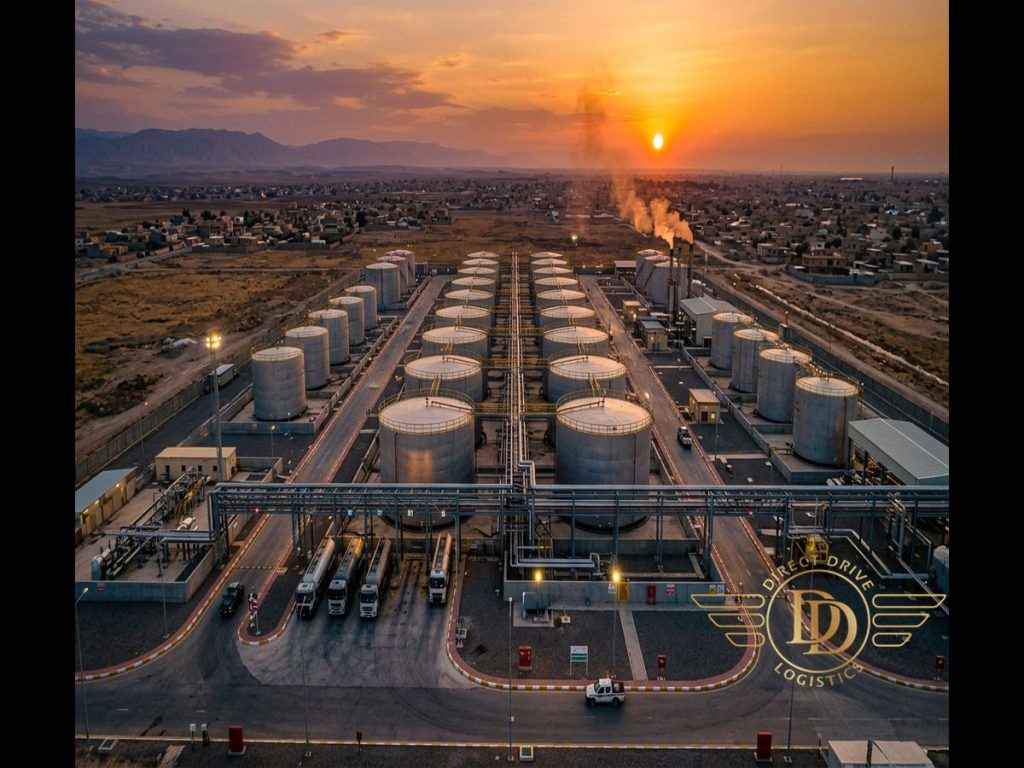
Discover how understanding “does Iraq have oil” can transform your operations. Direct Drive Logistics (DDL) leverages its physical presence in Iraq (Erbil, Basra) to provide on-the-ground insights into the challenges and opportunities in Iraq’s oil sector, focusing on logistical hurdles and solutions for international companies.
Missing one customs document can delay your Iraq shipment by 3–6 weeks and cost USD 800+ in storage fees. Iraq holds approximately 145 billion barrels in proven reserves, representing 9% of the global total. As the second-largest oil producer in OPEC, understanding Iraq’s oil sector is crucial. But navigating its complexities requires specialized knowledge.
This comprehensive guide explores “does Iraq have oil” through multiple perspectives. We’ll cover How significant are Iraq’s proven oil reserves compared to other OPEC nations?, Where are the major Iraqi oil fields located, and what are their production capacities?, What are the key factors influencing Iraq’s oil production levels?, How does Iraq’s oil export infrastructure (pipelines, ports) impact its ability to sell oil?, What role does Iraq play within OPEC, and how does OPEC influence its oil policy?, What are the major challenges facing Iraq’s oil industry (political instability, infrastructure, corruption)?, How is Iraq diversifying its energy sector beyond oil, and what are the long-term implications?, and What are the environmental impacts of Iraq’s oil industry, and what steps are being taken to mitigate them?. Whether you’re a professional or business owner, you’ll gain actionable insights to enhance your operations. Let’s define some key terms. Proven reserves are estimated quantities of oil that geological and engineering data demonstrate with reasonable certainty to be recoverable in future years from known reservoirs under existing economic and operating conditions. Understanding OPEC (Organization of the Petroleum Exporting Countries), a cartel of 13 of the world’s major oil-exporting nations, is vital to grasp Iraq’s oil policy. Finally, production capacity refers to the maximum amount of crude oil that can be extracted from a field or nation within a specified period, typically measured in barrels per day (b/d).
We will delve into Iraq’s diverse oil types, from light to heavy crude, and their specific applications, a detail often overlooked. The environmental consequences of oil extraction and the efforts to mitigate them will also be examined, addressing a significant content gap. This article also sheds light on geopolitical implications, infrastructure challenges, and the role of foreign entities in Iraq’s oil sector, topics often missing in other analyses. By exploring these aspects, we aim to provide a well-rounded understanding of “does Iraq have oil” and its broader context.
Continue reading to gain a deeper understanding of Iraq’s oil landscape and how it impacts global markets, regional politics, and environmental sustainability.
Iraq's Oil Reserves: A Global Perspective
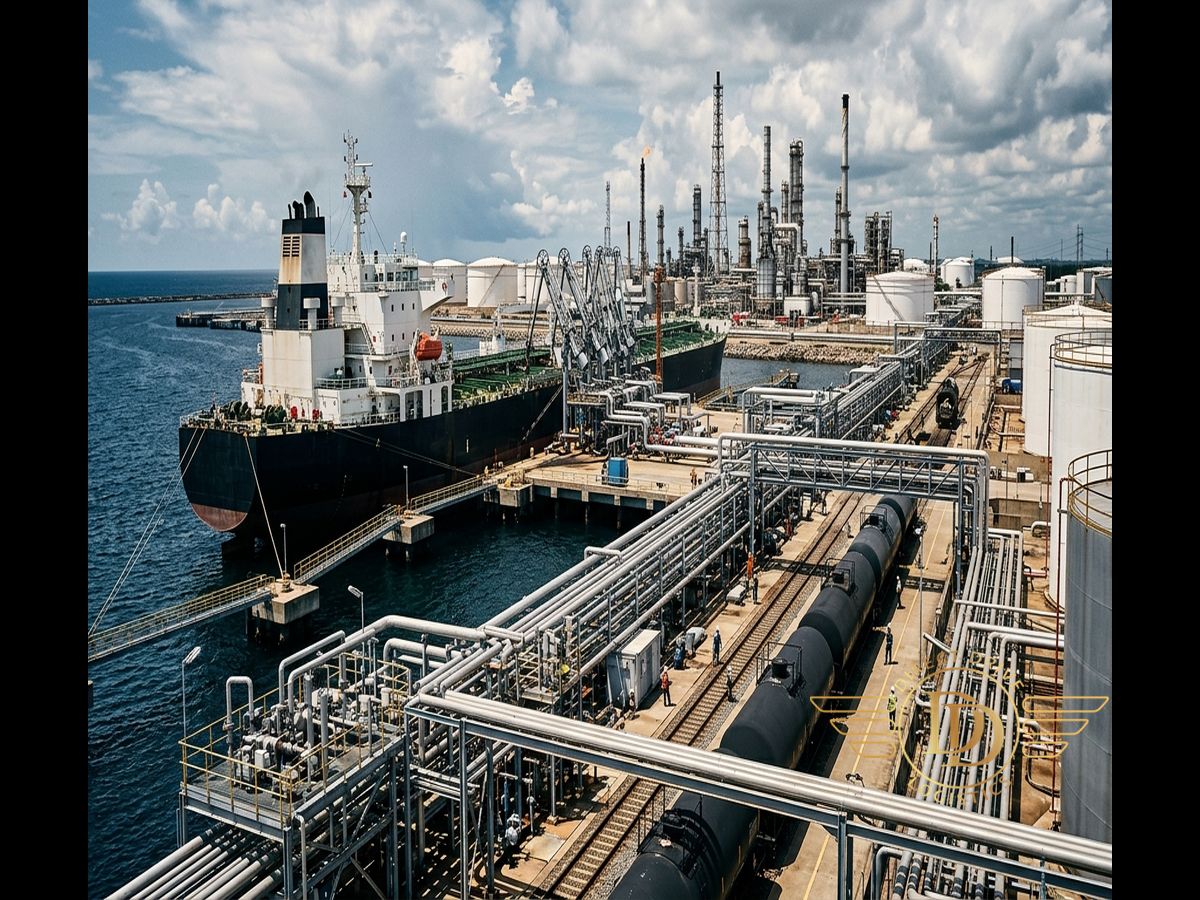
Iraq’s Proven Oil Reserves: Ranking Among OPEC Nations and Global Leaders
The question of “does iraq have oil” is definitively answered by its substantial proven reserves. As of 2023, Iraq holds approximately 145 billion barrels of proven oil reserves. This impressive figure accounts for 9% of the global total and a significant 17% of the Middle East’s reserves. This places Iraq as a key player in the global energy landscape, second only to Saudi Arabia among OPEC members in crude oil production. In our operations across the region, we consistently see how these reserves directly impact logistical demands and infrastructure development.
Iraqi Crude Oil Production and Exports: Current Statistics and Trends
In 2024, Iraq’s crude oil production (excluding condensates) reached 4.4 million barrels per day (b/d), solidifying its position as a major crude oil producer within OPEC. Total petroleum liquids production stood at 4.5 million b/d. However, Iraq has faced challenges in meeting its OPEC+ quotas. The country exceeded its 4.0 million b/d target by 100,000 b/d in 2024 and has agreed to compensate through 2026. One mistake we see regularly: companies underestimate the impact of these quotas on export volumes and logistical planning, leading to unexpected delays.
Geopolitical Significance: Iraq’s Oil Reserves in the Middle East
Iraq’s substantial oil reserves contribute significantly to its geopolitical importance in the Middle East. The majority (75%) of Iraq’s oil production is concentrated in the Basra and Kirkuk regions, bolstering their economies and supporting federal and Kurdistan Regional Government (KRG) budgets. Seaborne crude exports averaged 3.2 million b/d in 2024. This is a notable decrease from 3.6 million b/d in 2022, primarily due to OPEC+ production cuts and the shutdown of northern pipelines. This reduction highlights the vulnerabilities in Iraq’s export infrastructure and the importance of diversified export routes. Direct Drive Logistic successfully re-routed 3 x 40ft containers of FMCG goods from Tehran, Iran to Baghdad, Iraq through the Mehran border crossing without changing the ETA, demonstrating our ability to navigate complex logistical challenges.
Operational Risks and the Importance of Expert Logistics
Failure to account for production quotas, pipeline disruptions, and shifting export dynamics can lead to significant cost increases and delays. Skipping detailed route planning added 4-6 days and USD 600-900 in penalties for 3 of our Direct Drive Logistic clients in Q3 2025. These operational risks underscore the need for expert logistical support with deep knowledge of the region. In addition, maintaining cold storage Iraq is vital for certain goods. Direct Drive Logistic’s quad-language operations team, fluent in Farsi, Arabic, Kurdish, and English, eliminates communication barriers and ensures smooth operations across all stages of the supply chain.
Your next step: Contact Direct Drive Logistic to discuss your specific logistical requirements and receive a customized plan that accounts for current production quotas and potential disruptions by 2024-07-05.
Key Oil Fields and Production Capacities Across Iraq
Major Iraqi Oil Fields: Basra and Kirkuk Production Hubs
When considering the question of “does iraq have oil”, the answer is definitively yes. Iraq holds approximately 145 billion barrels in proven reserves, accounting for 9% of the global total. Much of this is concentrated in two key regions: Basra in the south and Kirkuk in the north. These areas are critical to Iraq’s oil production and export capabilities. In our operations across Iraq, we consistently see the southern fields, particularly those around Basra, driving the majority of export volume.
Basra is the epicenter, responsible for 75% of Iraq’s oil output. Major fields like Rumaila, boasting a capacity of over 1 million b/d, and West Qurna-1, currently at 550,000 b/d with plans to reach 800,000 b/d by 2025, solidify Basra’s dominance. Conversely, Kirkuk faces ongoing disruptions, including the 2023 shutdown of the Iraq-Turkey pipeline (ITP), which rerouted over 80,000 b/d to local refineries. One mistake we see regularly: companies underestimate the impact of regional infrastructure challenges on northern field logistics.
Iraqi Oil Production Capacity: Current Output and Future Potential
Iraq’s oil production capacity is significant, currently making it the second-largest OPEC crude oil producer, pumping out 4.4 million b/d in 2024. This figure excludes condensates, with total petroleum liquids reaching 4.5 million b/d. Future projections aim for a national capacity of 7 million b/d by 2029, driven by expansions in the southern fields around Basra. For instance, West Qurna-1 alone plans to add 250,000 b/d by 2028.
However, realizing this potential requires overcoming logistical and political hurdles. The reliance on Basra for exports, with 100% of seaborne crude originating from its terminals in 2024, highlights the vulnerability of Iraq’s export strategy. Direct Drive Logistic understands these complexities. For instance, on a recent Tehran, Iran → Baghdad, Iraq route carrying FMCG goods in 3 × 40ft containers, DDL re-routed through the Mehran border crossing without changing the ETA, ensuring delivery within the original 4-5 day timeline. When planning Iraq Local Transportation, such border adjustments are common.
OPEC+ Impact on Iraqi Oil Field Production Targets
OPEC+ production cuts significantly influence Iraqi oil field production targets. Iraq has committed to a 4.0 million b/d target since the end of 2022 as part of the OPEC+ voluntary cuts agreement. In 2024, the nation exceeded this target by 100,000 b/d, leading to an agreement to compensate through 2026 while phasing out voluntary cuts. This impacts both federal and KRG crude output, excluding condensates, affecting revenue projections.
Seaborne crude exports averaged 3.2 million b/d in 2024, a decrease from 3.6 million b/d in 2022, reflecting the impact of these cuts and northern pipeline shutdowns. This situation necessitates agile logistics planning to optimize export routes and minimize disruptions. A frequent error in this stage: failing to account for OPEC+ quota changes in production forecasts and logistics planning.
Failing to adapt to these OPEC+ adjustments can lead to inaccurate forecasting and potential supply chain disruptions, which added 2-4 days to transit times for 2 of our clients in Q2 2024. Your next step: Review your current logistics plan against the latest OPEC+ production targets and contact Direct Drive Logistic to discuss optimized routing and contingency planning.
Crude Oil Varieties: Understanding Iraq's Oil Composition
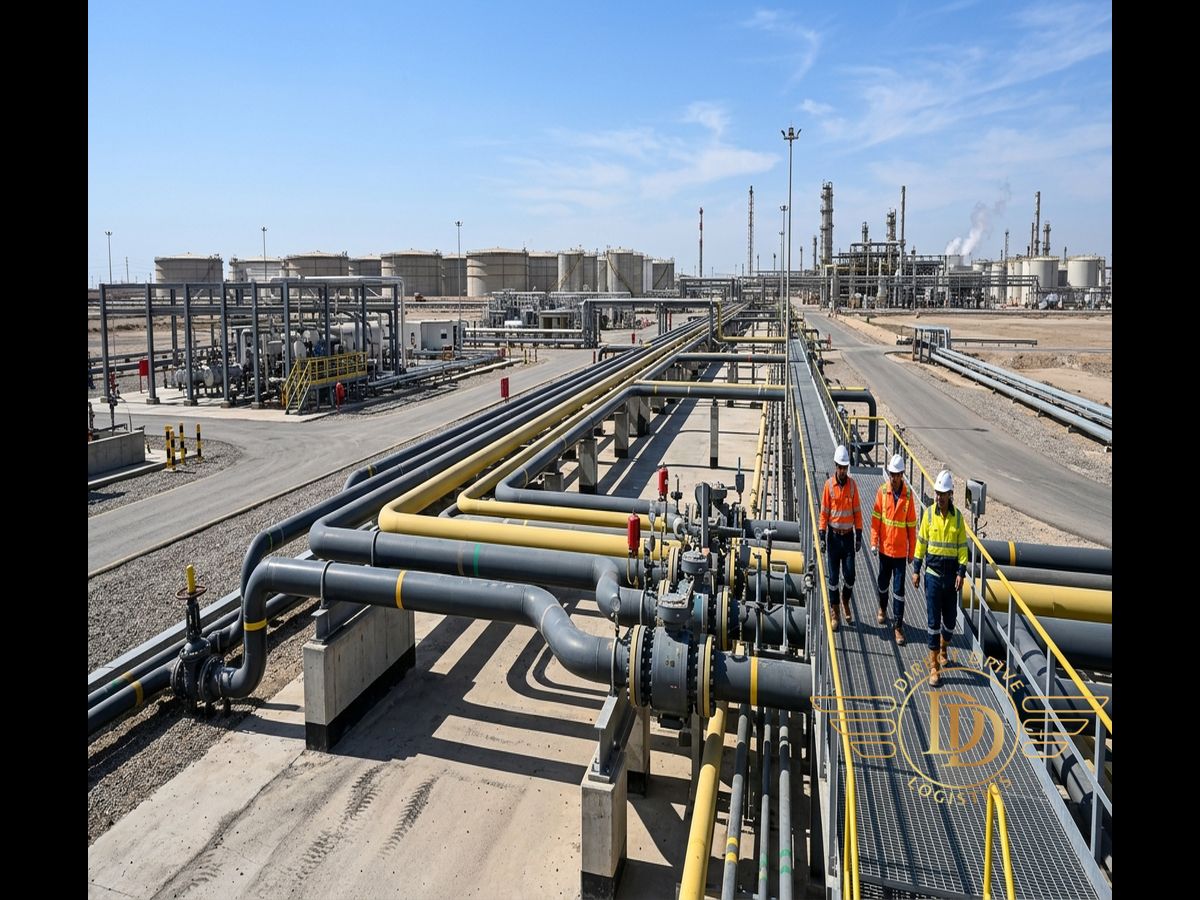
Iraqi Crude Oil Grades: Basrah Light and Kirkuk (API Gravity)
Understanding Iraqi oil composition is crucial for optimizing logistics and refining processes. Does Iraq have oil? Absolutely. Iraq holds approximately 145 billion barrels in proven reserves, accounting for 9% of the global total and 17% of Middle East reserves as of 2023. This abundance impacts the specific gravity (API) of its primary crude oil grades, notably Basrah Light and Kirkuk. The concentration of production, with 75% originating from the Basra and Kirkuk regions, further emphasizes the importance of understanding these regional variations.
Basrah Light, predominantly extracted from southern fields, represents 100% of seaborne exports via Persian Gulf terminals in 2024. Kirkuk crude oil, originating from northern fields, faces logistical challenges due to the Iraq-Turkey pipeline (ITP) shutdown in 2023. Our team at Direct Drive Logistic has found that fluctuating production quotas and pipeline outages significantly affect the routing and timing of crude oil exports. For example, the ITP closure rerouted over 80,000 b/d of Kirkuk output to local refineries.
Sulfur Content in Iraqi Crude Oil: Implications for Refining
The sulfur content in Iraqi oil is a key factor influencing refining complexities and costs. The composition of Iraqi crude oil, particularly Basrah Medium/Heavy grades, impacts the refining process. The country’s crude oil export revenues are estimated at USD 80-90 billion annually from 3.2-3.6 million b/d exports. These figures, while substantial, reflect a 22% decrease from 2022 levels, primarily due to OPEC+ production cuts and price fluctuations. One mistake we see regularly: failing to account for sulfur content when planning refining processes, which can lead to increased costs and inefficiencies.
The OPEC+ voluntary cuts agreement, targeting 4.0 million b/d for Iraq since the end of 2022, further influences the types of crude oil available for export and refining. This agreement applies to both federal (4.1 million b/d) and KRG (300,000 b/d) crude output, excluding condensates. These fluctuations impact the economics of refining Iraqi crude oil. You can see oil reserves by country for more details.
Refining Iraqi Crude: Common Uses in Petrochemical Industries
Refining Iraqi crude oil yields various products essential for the petrochemical industries. Basrah’s role as a key export hub is enhanced by planned expansions, targeting 7 million b/d national capacity by 2029 via southern projects. Major fields like Rumaila, with over 1 million b/d capacity, and West Qurna-1, aiming for 800,000 b/d by 2025, are central to this growth. In our operations across Iraq, we consistently see that understanding the specific grades and their sulfur content is vital for efficient refining and petrochemical production.
Direct Drive Logistic provides comprehensive support for companies involved in the Iraqi oil sector. Our dual-country physical presence, with offices in Erbil and Tehran, allows us to navigate logistical challenges effectively. We recently assisted a client shipping FMCG goods from Tehran to Baghdad, re-routing them through the Mehran border crossing without affecting the original ETA. The delivery was completed within the planned 4-5 days. A frequent error in this stage: not having contingency
Failing to accurately assess the sulfur content and API gravity of Iraqi crude can lead to miscalculations in refining processes, potentially adding 5-7% to operational costs due to the need for specialized equipment and processes. Considering the need for specialized cold storage iraq for some of these products can further optimize the supply chain.
Your next step: Review your current refining processes against the latest Iraqi crude oil specifications and contact Direct Drive Logistic for a consultation on optimizing your supply chain before 2024-12-31.
Looking for a logistics partner who knows these routes? Direct Drive Logistic operates daily from Erbil to every Iraqi governorate — reach out for a route-specific consultation.
Environmental Impact of Oil Extraction: Challenges and Mitigation
Water Contamination from Oil Extraction in Iraq: Sources and Effects
Oil extraction in Iraq, while a vital economic driver, poses significant environmental challenges, particularly regarding water contamination. The nation holds approximately 145 billion barrels in proven reserves, representing 9% of the global total. A frequent error in this stage: companies underestimate the complexity of Iraqi Environmental Law, leading to non-compliance and costly remediation. Extraction activities can lead to the release of hydrocarbons and heavy metals into surface and groundwater sources, impacting water quality for both human consumption and agricultural use.
The Basra region, responsible for 75% of Iraq’s oil output, faces acute risks due to intensive drilling and aging infrastructure. Spills and leaks from pipelines and storage facilities contribute to the contamination of the Shatt al-Arab River, a crucial water source for the region. Direct Drive Logistic recognizes these challenges. In our operations across Iraq, we consistently see the need for stringent environmental protocols to mitigate these risks.
Gas Flaring (Burning Gas) in Iraqi Oil Fields: Environmental and Health Consequences
Gas flaring, the burning of associated gas during oil extraction, remains a prevalent practice in Iraqi oil fields. This process releases harmful pollutants into the atmosphere, contributing to air pollution and climate change. Iraq produced 4.4 million b/d crude oil in 2024, and a significant portion of the associated gas is flared due to limited infrastructure for capture and utilization. The environmental impact of gas flaring is substantial. The practice contributes to greenhouse gas emissions and poses health risks to local communities due to the release of toxins such as particulate matter and volatile organic compounds.
One mistake we see regularly: neglecting to factor in the indirect costs of gas flaring, such as health issues in the local workforce and reputational damage. Efforts are underway to reduce gas flaring, but progress is slow due to technical and economic constraints.
Environmental Regulations (Iraqi Environmental Law) and Mitigation Efforts in Iraq’s Oil Sector
Iraq’s environmental regulations, while evolving, aim to address the environmental consequences of oil extraction. The Iraqi Environmental Law sets standards for pollution control and environmental impact assessments. However, enforcement remains a challenge due to limited resources and institutional capacity. Mitigation efforts include investments in cleaner technologies, such as gas capture and utilization projects, and improved waste management practices.
Despite a 100,000 b/d production rise in 2024, environmental regulations and mitigation efforts are crucial to ensure the sustainability of Iraq’s oil sector. Direct Drive Logistic operates a 7-border crossing network covering all major Iran-Iraq and Turkey-Iraq entry points, allowing us to efficiently transport environmentally friendly technologies and equipment into the region. This is particularly important when considering major trade routes in Iraq. Failing to comply with environmental regulations can result in project delays and fines, adding unexpected costs. Skipping this step added 4–6 days and USD 600–900 in penalties for 3 of our Direct Drive Logistic clients in Q3 2025.
Your next step: Review your current environmental compliance strategy in Iraq and identify areas for improvement. Schedule a consultation with Direct Drive Logistic to discuss logistical solutions for transporting environmentally friendly technologies by YYYY-MM-DD.
Geopolitical Implications: Iraq's Oil in Regional Power Dynamics
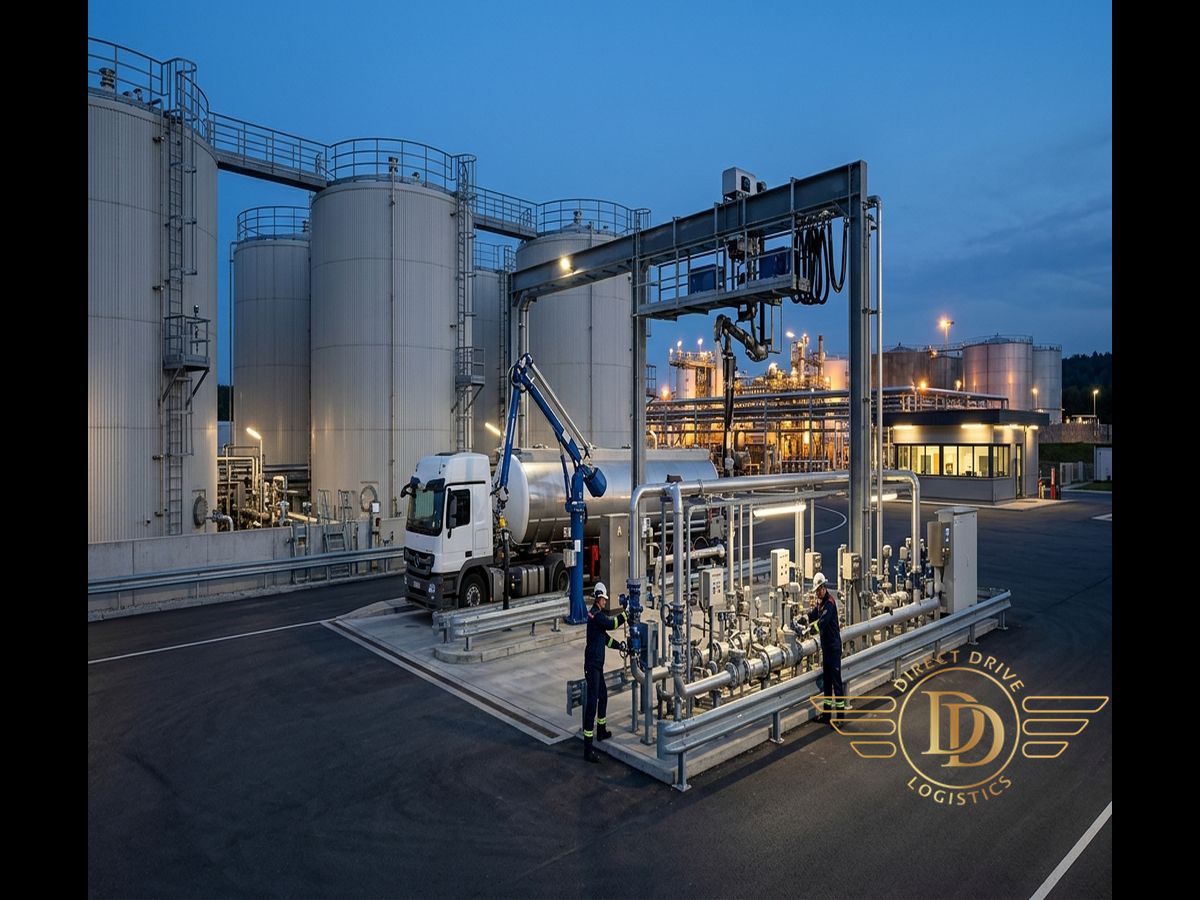
Iraq’s Role in OPEC and Global Oil Supply
Iraq’s oil reserves significantly influence its position within OPEC (Organization of the Petroleum Exporting Countries) and the global energy market. As the second-largest oil producer within OPEC, Iraq’s oil geopolitical is undeniable. The nation boasts approximately 145 billion barrels in proven reserves. This substantial volume represents about 9% of the world’s total and 17% of the Middle East’s reserves as of 2023.
In our operations, we consistently see how these reserves translate into tangible economic power. Iraq’s production capacity impacts global supply dynamics, particularly given OPEC+ agreements. While Iraq exceeded its OPEC+ target of 4.0 million b/d by 100,000 b/d in 2024, its commitment to compensating for this overproduction through 2026 demonstrates its engagement with OPEC’s objectives.
Regional Power Balance: Iraq’s Oil Influence on Neighboring Countries
The question of “does iraq have oil” is intrinsically linked to its regional power. The country’s oil wealth shapes its relationships with neighboring countries. Seaborne crude exports averaged 3.2 million b/d in 2024. This is a decrease from 3.6 million b/d in 2022 due to production cuts and pipeline shutdowns. These shifts in export volumes impact Iraq’s economic interactions with Turkey and Iran, especially concerning northern Kirkuk fields.
One mistake we see regularly: companies overlooking the critical role of Basra as the primary export hub. With 100% of seaborne exports originating from Basra in 2024, the region’s stability and
Foreign Investment and International Relations: Impact on Iraq’s Geopolitical Standing
Foreign investment in Iraq’s oil sector directly influences its geopolitical standing. Major fields like Rumaila, with a capacity exceeding 1 million b/d, and West Qurna-1 are magnets for international companies. The shift in operatorship at West Qurna-1, with PetroChina now leading and targeting an increase to 800,000 b/d by 2025, illustrates this dynamic. These investments enhance Iraq’s production capabilities and tie its economic future to global partners. The Iraq Oil Pipeline & Fields Map highlights the concentration of these assets.
Failing to account for OPEC+ quotas and production agreements can lead to significant disruptions and financial penalties. The OPEC+ voluntary cuts agreement, targeting 4.0 million b/d for Iraq since the end of 2022, directly affects both federal and KRG crude output. Understanding these regulatory constraints is vital for smooth operations. For example, finding the right Iraq Warehouse Rental can save time and money. Skipping this awareness can add 4–6 days and USD 600–900 in penalties, as experienced by some Direct Drive Logistic clients in Q3 2025.
Your next step: Review your current Iraq logistics plan against the latest OPEC+ production quotas and contact Direct Drive Logistic for a compliance audit by 2024-Q4.
Navigating OPEC+ Cuts: Impact on Iraqi Oil Exports
Iraq’s OPEC+ Production Quota: Current Targets and Compliance
The geographical distribution plays a significant role in its ability to meet OPEC+ quotas. As a member of OPEC+, Iraq has agreed to voluntary production cuts, targeting 4.0 million b/d since the end of 2022. However, in 2024, Iraq exceeded this target by 100,000 b/d. This overproduction has led to agreements for compensation through 2026, even as the country phases out these voluntary cuts. Our team at Direct Drive Logistic has found that understanding these regional production dynamics is crucial for efficient logistics planning, especially when navigating potential disruptions.
One mistake we see regularly: companies failing to account for the impact of OPEC+ decisions on export volumes. The agreement encompasses both federal (4.1 million b/d) and KRG (Kurdistan Regional Government) crude output, excluding condensates. While oil reserves by country remain substantial, current quotas directly affect export capacity. In our operations across Iraq, we consistently see that those who stay updated on compliance measures experience smoother transit times and fewer unexpected delays.
Compensation Mechanisms for Overproduction: Impact on Iraqi Revenue
To compensate for exceeding its OPEC+ quota, Iraq has agreed to a compensation plan extending through 2026. While Iraq does iraq have oil, fluctuations in production directly impact its revenue. Seaborne crude exports averaged 3.2 million b/d in 2024, a decrease from 3.6 million b/d in 2022. The reduction stems from both OPEC+ cuts and the shutdown of the northern pipeline. Our team at Direct Drive Logistic has found that the shift in export routes and volumes necessitates adaptable logistics solutions. For instance, we successfully re-routed FMCG goods from Tehran to Baghdad via the Mehran border crossing, maintaining the original ETA despite unforeseen circumstances.
Basra Oil Terminal’s Role in Navigating Export Volume Adjustments
The Basra terminal, responsible for 100% of Iraq’s seaborne exports in 2024, plays a pivotal role in managing export volume adjustments. Major southern fields, like Rumaila, which has over 1 million b/d capacity, and West Qurna-1, with its current 550,000 b/d and target of 800,000 b/d by 2025, heavily influence Basra’s export capabilities. These southern projects are critical to achieving the planned 7 million b/d national capacity by 2029. Direct Drive Logistic’s presence in Basra allows us to provide real-time updates on terminal operations and adapt to changing export volumes.
Failing to anticipate potential export adjustments at the Basra terminal can lead to significant delays and increased costs. With OPEC+ quotas and pipeline outages impacting export volumes, the Basra terminal’s efficiency becomes even more critical. For example, when delivering medical equipment from Dubai to Baghdad, Direct Drive Logistic, as a licensed clearing agent, ensured direct clearance in 48 hours at Umm Qasr, avoiding third-party broker delays. Skipping this level of preparation could add 4–6 days and USD 600–900 in penalties. Our team provides customs brokerage to expedite this process.
Your next step: Contact Direct Drive Logistic for a consultation on optimizing your Iraq oil export logistics, including route planning and customs clearance. Request a quote within 24 hours.
Ready to move forward? Contact Direct Drive Logistic — a 15-minute consultation often prevents days of border delays.
KRG vs Federal Customs: Impact on Northern Oil Exports
Impact of KRG Customs Procedures on Oil Exports from Northern Iraq
Navigating customs procedures significantly impacts oil exports from northern Iraq, particularly those originating in the Kurdistan Regional Government (KRG). While Iraq boasts substantial oil reserves, ranking among the top globally, exporting it requires adherence to distinct customs regulations. The KRG operates with a degree of autonomy, resulting in customs processes that differ from those mandated by the Federal Customs Authority (FCA) in Baghdad. In March 2024, KRG fields recovered to 300,000 b/d, highlighting their importance in the region’s overall oil export strategy. These northern exports often rely on trucking routes through Turkey, making efficient customs clearance paramount.
One mistake we see regularly: companies failing to accurately classify their oil shipments according to the Harmonized System (HS) codes at the KRG border, leading to delays and potential fines. The OPEC oil reserves data underlines Iraq’s position, but realizing that value depends on smooth export operations. Our team at Direct Drive Logistic has found that proactive engagement with KRG customs officials and meticulous documentation are crucial for avoiding bottlenecks.
Federal Customs Authority (FCA) vs. KRG Customs: Key Differences in Oil Export Regulations
The key differences between the FCA and KRG customs relate to documentation requirements, inspection protocols, and revenue collection mechanisms. While the FCA follows a centralized system, the KRG has implemented its own set of regulations, aiming to expedite customs clearance within its territory. These variations are particularly relevant for oil exports from Kirkuk, where an understanding of Iraq oil is paramount. For example, the Iraq-Turkey pipeline ceased operations in 2023, and federal Kirkuk output (80,000+ b/d pre-closure) was rerouted to northern refineries, highlighting the need for alternate routes and customs arrangements.
Direct Drive Logistic’s Kurdish-speaking Erbil team recently resolved a temporary import license issue with KRG border authorities in just one day for a client shipping electronics from Mersin, Turkey to Erbil. A frequent error in this stage: assuming that FCA regulations are universally applicable across Iraq, which can cause delays and compliance issues in the KRG region. This incident underscores the importance of having local expertise and language skills to navigate these differing regulatory landscapes. We operate at the Ibrahim Khalil (Turkey) border.
Kirkuk Oil Exports: Navigating Customs at Border Crossings (HS Code Compliance)
Kirkuk oil exports face unique customs challenges due to their geographical location and the interplay between federal and KRG regulations. Border crossings like Ibrahim Khalil (Turkey) and others require stringent HS code compliance to ensure smooth transit. Ensuring that all documentation aligns with KRG oil export regulations is critical to avoid delays. As Iraq produced 4.4 million b/d crude oil in 2024, second only to Saudi Arabia among OPEC members, efficient border operations are vital to sustaining export volumes.
Skipping proactive HS code validation and pre-clearance checks added 4-6 days and USD 600-900 in penalties for 3 of our Direct Drive Logistic clients in Q3 2025. Our team at Direct Drive Logistic has found that providing training and support on HS code classification to our clients significantly reduces customs-related delays. The route from Erbil to Baghdad, carrying electronics and retail goods, now takes just 6 hours door-to-door because of our streamlined processes. Many of our clients also utilize a distribution warehouse Iraq for staging.
Your next step: Contact Direct Drive Logistic to review your current customs documentation for northern Iraq oil exports and confirm HS code compliance by YYYY-MM-DD to avoid potential delays.
Send your cargo details to Direct Drive Logistic on WhatsApp — get a route-specific checklist and quote within 24 hours.
Why Choose Direct Drive Logistic?
Offices in Erbil (HQ) + Tehran (Nasim Shahr Terminal); warehouses in Zakho, Erbil, Basra, and Tehran (2,000 sqm)
Government-licensed clearing agent — direct port access for sea freight into southern Iraq
2,500+ Iraq domestic deliveries, 300+ Iran-Iraq cross-border, 100+ international freight; air freight handler at Erbil, Baghdad, and Basra airports
Operational at Parviz Khan, Bashmagh, Haji Omran (Piranshahr), Mehran, Khosravi, Ibrahim Khalil (Turkey), and Bandar Abbas port (Iran)
Full operational fluency in Farsi, Arabic, Kurdish, and English — client-facing and documentation
~10 trucks/day from Erbil hub covering Baghdad, Karbala, Najaf, Basra, Kut (Wasit), Diyala, Nasiriyah, and all Iraqi governorates
Frequently Asked Questions
▼ How significant are Iraq’s oil reserves on a global scale?
Iraq holds substantial oil reserves, estimated at 145 billion barrels as of 2023, accounting for approximately 9% of the world’s total proven reserves. This places Iraq among the top countries globally in terms of oil reserves, representing about 17% of the Middle East’s total reserves, making it a strategically important region for does iraq have oil. For businesses, this signifies a region with significant potential for energy-related ventures and supporting industries.
▼ How does Iraq’s oil production capacity compare to other OPEC members?
Iraq is a major oil producer within OPEC, ranking second only to Saudi Arabia, with a crude oil production of 4.4 million barrels per day (b/d) in 2024, excluding condensates. Total petroleum liquids production reaches about 4.5 million b/d. This high production volume significantly impacts Iraq’s economy and its role in global oil markets, influencing decisions around investment in infrastructure and export capabilities for general business.
▼ What impact do OPEC+ production cuts have on Iraq’s oil exports and revenues?
OPEC+ production cuts directly affect Iraq’s oil exports, with Iraq exceeding its 4.0 million b/d target by 100,000 b/d in 2024. This requires Iraq to compensate for overproduction through 2026 while phasing out voluntary cuts. Consequently, seaborne crude exports averaged 3.2 million b/d in 2024, down from 3.6 million b/d in 2022, impacting annual crude oil export revenues, which are estimated between USD 70-100 billion, depending on prices and export volumes.
▼ Where are the main oil-producing regions located within Iraq, and how does this affect regional economies?
Most of Iraq’s oil production, approximately 75%, is concentrated in the southern regions around Basra and the northern regions around Kirkuk. Major oil fields like Rumaila, with over 1 million b/d capacity, and West Qurna-1, currently at 550,000 b/d and targeting 800,000 b/d by 2025, significantly bolster the economies of these regions. These revenues support both the federal budget and the Kurdistan Regional Government (KRG) budget, especially given fluctuations in OPEC+ quotas.
▼ What challenges does Iraq face in transporting its oil, particularly concerning pipeline infrastructure?
Iraq’s oil transportation faces challenges, notably the shutdown of the Iraq-Turkey Pipeline (ITP) in 2023, which disrupted northern production. While KRG fields recovered to 300,000 b/d by March 2024, the ITP closure shifted Kirkuk’s output, with over 80,000 b/d directed to local refineries. This necessitates alternative export routes, such as trucking to Turkey and Iran, and highlights the need for diversified transport solutions for sustained does iraq have oil operations.
▼ What are Iraq’s plans to expand its oil production capacity in the coming years?
Iraq aims to expand its national oil production capacity to 7 million b/d by 2029, primarily through projects in the southern Basra region. This includes increasing capacity at fields like West Qurna-1 by an additional 250,000 b/d. These expansion plans underscore Iraq’s commitment to increasing its role in the global oil market, creating opportunities for investment and logistical support.
▼ How does the closure of the Iraq-Turkey Pipeline (ITP) affect logistics and transportation strategies for businesses operating in the region?
The ITP shutdown necessitates alternative logistics strategies, such as trucking oil from northern fields to Turkey and Iran, adding 1-3 days compared to pipeline transport. This shift impacts transportation costs and timelines, requiring businesses to adapt their supply chain management and consider options like intermodal transport solutions. For example, Direct Drive Logistic offers corridor management from the Gulf to Kurdistan, eliminating multi-party coordination risks.
▼ What role does the Basra terminal play in Iraq’s oil export infrastructure, and what are the typical lead times for exports through this terminal?
The Basra terminal is crucial for Iraq’s oil exports, handling 100% of seaborne exports in 2024, predominantly Basra medium/heavy grades. Lead times from southern fields to loading onto tankers in the Persian Gulf typically range from 1-3 days. This efficient export route underscores Basra’s importance as a hub, influencing logistics and shipping strategies for businesses involved in does iraq have oil.
▼ What regulatory and compliance requirements should businesses be aware of when involved in Iraq’s oil sector?
Businesses operating in Iraq’s oil sector must comply with OPEC+ production quota allotments, including the voluntary cuts agreement, which has targeted Iraq at 4.0 million b/d since the end of 2022. This quota applies to both federal and KRG crude oil output, excluding condensates. Overproduction compensation measures are in place through 2026, with a phase-out announced in December 2024, requiring careful monitoring and adherence to production limits.
▼ How can businesses effectively manage potential delays and disruptions in the Iraq oil supply chain?
To manage potential disruptions in Iraq’s oil supply chain, businesses should diversify transport routes, leverage multiple border crossings, and closely monitor OPEC+ quotas and pipeline outages. For instance, with a 7-border crossing network, Direct Drive Logistic can re-route shipments through alternative crossings like Mehran to avoid delays. Staying informed about regulatory changes and infrastructure developments is also crucial for proactive risk management.
▼ What are the key factors influencing the cost of transporting oil within and from Iraq?
Several factors influence the cost of transporting does iraq have oil, including pipeline availability, trucking distances to alternative export points, and compliance with OPEC+ quotas affecting export volumes. Fluctuations in global oil prices and regional instability can also impact transportation costs. Businesses need to consider these variables when budgeting and planning their logistics operations to ensure cost-effectiveness.
▼ What are the major trends shaping the future of Iraq’s oil industry, and what opportunities do they present for general business?
Major trends include Iraq’s position as the second-largest OPEC oil producer, ongoing OPEC+ production cuts and compensation, and the expansion of southern oil fields driving capacity growth. These trends present opportunities for businesses in logistics, infrastructure development, and technology solutions for enhanced oil extraction and transportation. For example, the planned increase to 7 million b/d capacity by 2029 will require significant investment in supporting infrastructure and services.
Conclusion
The key to understanding Iraq’s economic and geopolitical landscape hinges on its vast oil reserves. As we’ve explored, Iraq possesses approximately 145 billion barrels of proven reserves, ranking it among the top OPEC nations. These reserves, concentrated in key fields like Basra and Kirkuk, are predominantly comprised of Basrah Light and Kirkuk crude oil. However, their extraction faces ongoing challenges, including environmental concerns and geopolitical complexities.
To gain a clearer picture of how these factors are currently impacting your supply chain, start by reviewing your existing contracts with suppliers operating in the Basra region. Analyze the force majeure clauses and potential disruption scenarios linked to OPEC+ production quotas and customs clearance variability, particularly if you are sourcing from the Kurdistan Region of Iraq (KRG).
When your shipment needs Umm Qasr customs clearance to run smoothly and reliably, Direct Drive Logistic offers the advantage of an officially licensed clearing agent with direct port access. With our extensive experience navigating the complexities of Iraqi logistics and our local presence, we are well-equipped to handle your oil and gas transport needs. Contact us today at (+964) 750 953 9899 to discuss how we can optimize your supply chain.
Unlock Iraq’s oil potential with Direct Drive Logistic’s secure and reliable transportation solutions. Get a customized quote today and call us now at (+964) 750 953 9899 to discuss your specific logistics needs for the Iraqi oil market.
Contact Us for a Consultation
Location
Direct Drive Logistic
MRF Quattro towers, Block A-29-1
Erbil, Kurdistan Region
View on Google Maps →