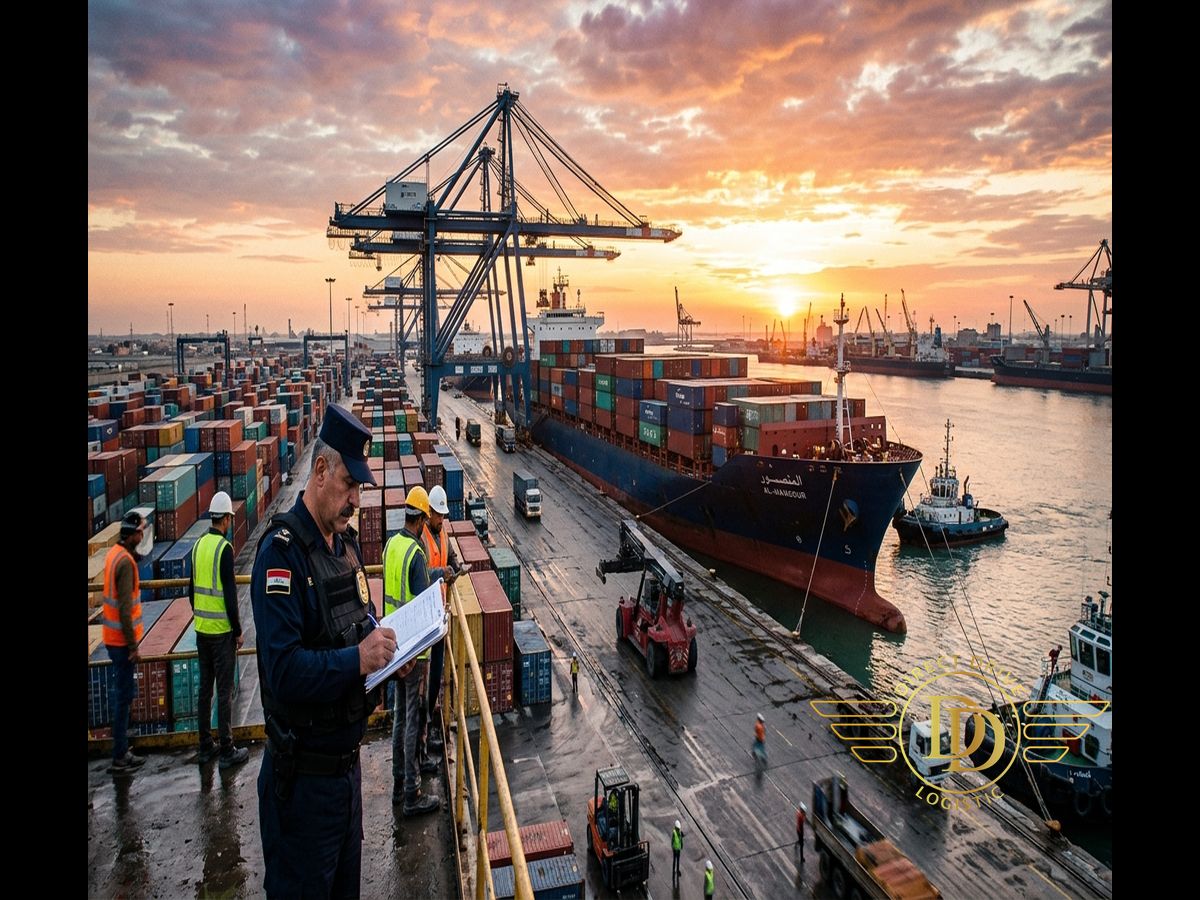
Discover how iraq food import regulations can transform your operations with navigate iraq’s complex food import regulations with confidence by leveraging a partner with official port clearing licenses, a 15-crossing border network, and dual-country offices in both iraq and iran for seamless compliance.
Iraq food import regulations involve navigating a complex framework managed by ministries like the Ministry of Health and the Iraqi Customs Authority (ICA). Importers must adhere to stringent documentation, safety, and labeling standards, including pre-shipment inspection (PSI) and Halal certification. Non-compliance led to a 5-8% rejection rate for food shipments in 2025, underscoring the need for meticulous adherence to these evolving rules.
When your food cargo faces delays at Port of Umm Qasr, missing a single customs document can extend clearance from 7-10 days to weeks, incurring significant demurrage and storage fees. This scenario highlights the critical importance of understanding Iraq food import regulations. For instance, a “Halal Certificate” is mandatory for meat and poultry products, verifying compliance with Islamic dietary laws and preventing costly rejections.
This comprehensive guide explores the intricacies of Iraq’s food import landscape, detailing the roles of key ministries and the essential documentation required. We will differentiate between “Federal Iraq” and “KRG (Kurdistan Regional Government)” regulations, as they often have distinct processes and agencies. Understanding these nuances is crucial for seamless entry, especially given the increased scrutiny on food safety and quality standards.
We’ll also cover product-specific requirements, such as those for dairy or processed foods, which often have unique import permits. A “Pre-Shipment Inspection (PSI) Certificate” is another vital document, confirming that goods meet Iraqi quality and safety standards before export. This article aims to equip you with the knowledge to manage cold chain logistics effectively and overcome common customs hurdles, ensuring your food shipments reach their destination without unnecessary delays or penalties.
Navigating Iraq’s Evolving Food Import Landscape: Key Regulations
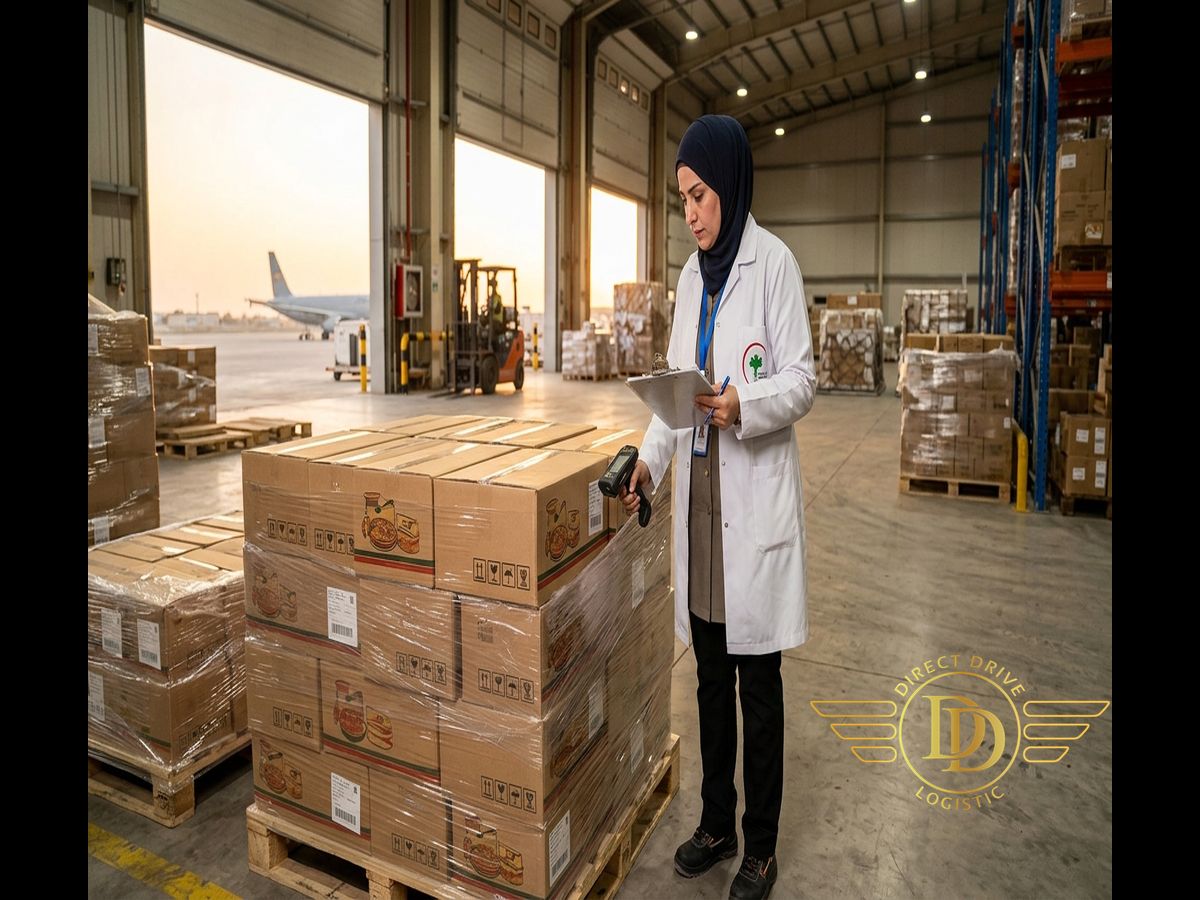
The Dual Regulatory Framework: Navigating Federal and KRG Import Authorities
Understanding Iraq food import regulations is the first step to accessing a market projected to reach USD 30.6 billion by 2026. The primary challenge lies in the country’s dual administrative structure, with distinct compliance requirements for goods entering Federal Iraq versus the Kurdistan Region (KRG).
Federal imports are primarily governed by the Ministry of Health and the Iraqi Customs Authority (ICA), which enforce stringent safety and labeling standards. As of 2025, non-compliance with these evolving rules contributed to a 5-8% rejection rate for food shipments, highlighting the high stakes of procedural errors in the Iraqi agriculture sector. Businesses must also navigate the complexities of Iraq COSQC standards inspection to ensure product conformity.
In our operations across Iraq, we consistently see that the average customs duty of 5% to 10% on processed foods can be applied differently depending on the entry point. A frequent error we see is assuming that clearance in Erbil automatically guarantees smooth transit to Baghdad without further federal customs review and potential fees.
Your next step: Verify if your product’s HS code falls under KRG or Federal jurisdiction to anticipate the correct documentation pathway. Contact our team to get a compliance checklist specific to your entry point.
Key Iraqi Ministries and Agencies for Food Import Compliance

The Ministry of Health’s Role in Ensuring Food Safety and Public Health
Navigating Iraq food import regulations requires a clear understanding of the government bodies involved. Several key ministries share responsibility, each with a distinct role in the clearance process. The country’s 2024 ranking of 85th on the Global Food Security Index underscores its reliance on imports, making compliance with these agencies paramount for market access.
The Iraqi Ministry of Health is the primary authority for food safety, quality, and public health standards. In early 2025, the ministry updated its guidelines for Halal certification, specifying a new list of approved international bodies. This change directly impacts meat and poultry imports, with non-compliant shipments facing processing delays of 1-2 days.
Working alongside them, the Ministry of Trade manages the economic aspects of imports, issuing an estimated 1,500-2,000 food import permits annually. The Iraqi Customs Authority then enforces these rules at the border, handling duty collection and physical inspections. Understanding the specific Iraq agricultural import regulations enforced by each agency is fundamental to avoiding delays. For comprehensive support, consider specialized Iraq logistics compliance consulting services.
A frequent error in this stage: Submitting Halal certificates from bodies not on the Iraqi Ministry of Health’s approved 2025 list. Our team at Direct Drive Logistic has found that this single mistake is a leading cause of preventable delays at border crossings like Ibrahim Khalil and the port of Umm Qasr. Ensuring proper Iraq logistics compliance is crucial to mitigate such issues.
Your next step: Before your next shipment, cross-reference your Halal certifier with the Ministry of Health’s approved 2025 list. Contact our team to perform a complimentary documentation pre-check to ensure 100% compliance.
Essential Documentation and Certification for Food Imports to Iraq
Core Commercial and Shipping Documents for Iraqi Customs
Successfully navigating Iraq’s food import regulations starts with flawless documentation. With the Iraqi food and beverage market projected to hit USD 40 billion by 2030, the stakes for compliance have never been higher. A single error can lead to significant delays, undermining your access to this growing consumer base. Our team at Direct Drive Logistic has found that a proactive, checklist-based approach is the most effective way to ensure smooth clearance.
- Step 1: Commercial Invoice & Packing List — These must be detailed, accurate, and perfectly aligned. They should include the full name and address of the seller and buyer, a precise description of the goods, HS codes, unit price, total value, and Incoterms.
- Step 2: Authenticated Certificate of Origin — The
certificate of origin for iraqmust be issued by the Chamber of Commerce in the country of export. This document verifies the source of the goods and is mandatory for customs valuation and duty calculation. - Step 3: Bill of Lading, Air Waybill, or CMR — This is the contract of carriage between the shipper and the carrier. It must be clean (free of clauses declaring defective condition of goods or packaging) and correctly consigned to the importer in Iraq.
Mandatory Health, Halal, and Inspection Certificates
Beyond standard commercial paperwork, food products require specific certifications to meet Iraqi health and safety standards. While the Iraq customs regulations aim for 70% digitalization of its procedures by 2028, the verification of these critical certificates often remains a meticulous manual process at the border.
- Step 4: Pre-Shipment Inspection (PSI) & Certificate of Conformity (CoC) — Most food products require a Certificate of Conformity (CoC) from an approved third-party inspection agency. This confirms that products meet Iraqi standards before they are even shipped, preventing rejection upon arrival.
- Step 5: Health & Phytosanitary Certificates — Issued by the Ministry of Health or Agriculture in the country of origin, these certificates attest that the products are fit for human consumption and free from pests and diseases.
- Step 6: Halal Certificate — For meat, poultry, and many processed foods, a Halal certificate from one of the
approved halal certification bodies iraqis non-negotiable. One mistake we see regularly is shippers using a certifier not recognized by Iraqi authorities, which leads to immediate cargo refusal. As an official licensed clearing agent at the Port of Umm Qasr, we manage these submissions directly to ensure full compliance.
Your next step: Compile a complete draft of your shipping documents and send it to our compliance team for a pre-clearance review. This simple check can prevent costly rejections at the border.
Understanding Iraq Food Import
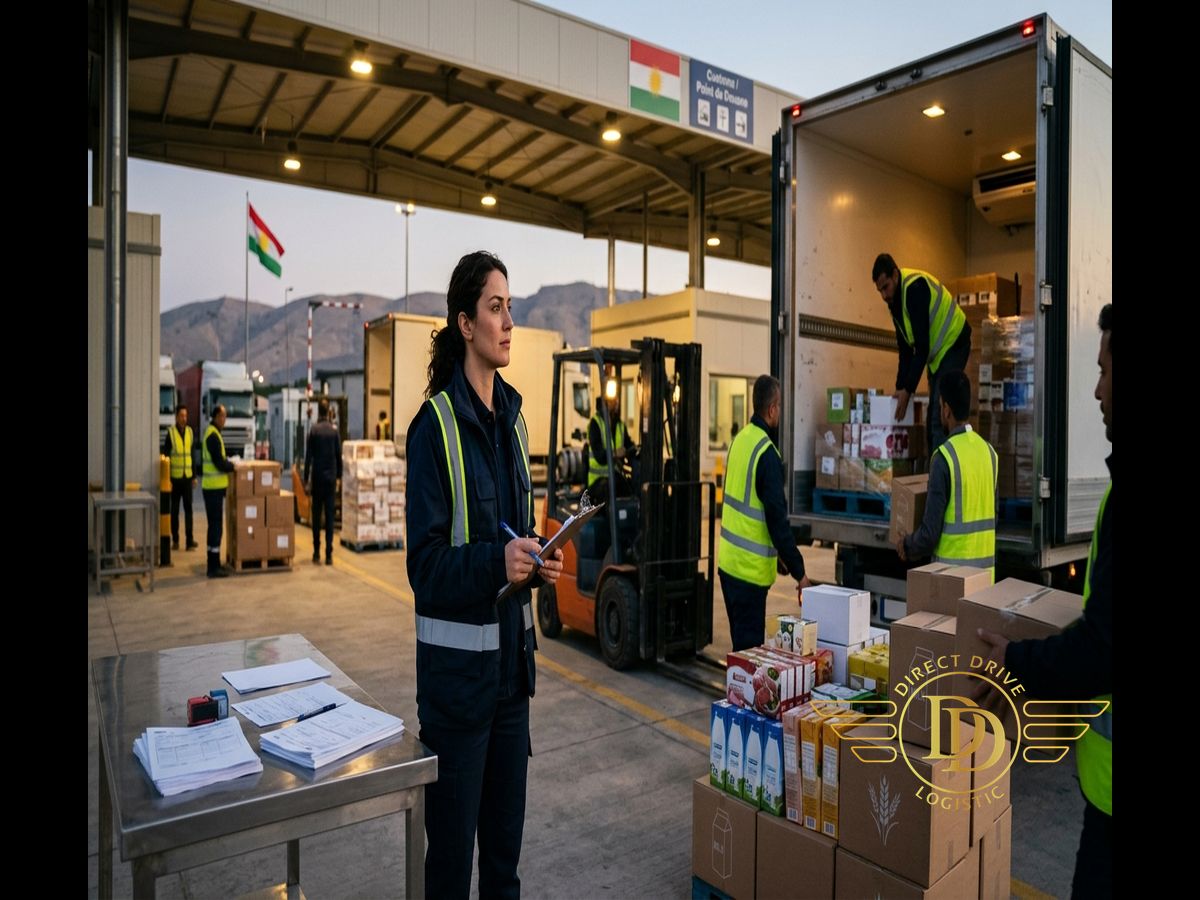
Key Food Categories and Their Specific Import Compliance in Iraq
Successfully navigating Iraq food import regulations requires a granular understanding of product-specific rules. The market’s projected 6.2% CAGR highlights a growing demand for diverse goods, each with unique compliance hurdles beyond general customs clearance.
For instance, importing dairy products to Iraq demands a verifiable cold chain from origin to destination, with temperature logs often requested by Ministry of Health inspectors. Cereals and grains require phytosanitary certificates confirming fumigation, while processed foods face intense scrutiny over ingredient lists, production/expiry dates, and Arabic labeling. For a high-level overview of the country’s food needs, the FAO provides country briefs on agricultural supply.
In our operations across Iraq, we consistently see shipments of processed foods held up for minor labeling infractions. Our teams at our 15 border crossings frequently assist clients in rectifying these issues on-site, but it is an entirely avoidable delay that impacts delivery timelines.
Navigating Halal Certification Standards for Meat, Dairy, and Processed Foods
For many products, compliance hinges on stringent Halal food standards in Iraq. All meat and poultry products must be accompanied by a Halal slaughter certificate issued by an Islamic center approved by the Iraqi government in the country of origin. This requirement also extends to many processed foods containing animal-derived ingredients, such as gelatin or certain fats.
A frequent error we see is shippers using Halal certificates from bodies not recognized by Iraqi authorities. This single document mismatch contributed to the 5-8% food shipment rejection rate reported in 2025. Regarding the common question, “Can you eat pork in Iraq?”—the import of pork and pork-based products is strictly prohibited. For a detailed breakdown of agricultural standards, see the U.S. government’s visual resource on trade with Iraq. Understanding these specific requirements is crucial for navigating the broader Asycuda Iraq customs system effectively.
Direct Drive Logistic’s dual-country offices in both Iraq and Iran ensure that all documentation, including Halal certificates, is vetted and aligned with both origin and destination requirements before the cargo ever departs.
Your next step: Send our team your product’s ingredient list and country of origin. We will provide a preliminary compliance check against current Iraqi standards within 48 hours.
KRG vs. Federal Customs: Navigating Iraq’s Dual Systems for Food Imports
Key Regulatory and Tariff Discrepancies Between KRG and Federal Iraq
Understanding Iraq customs regulations requires mastering the country’s dual customs system. The Kurdistan Region (KRG) and Federal Iraq operate distinct customs regimes, creating different cost and time implications depending on your cargo’s entry point. As of 2025, customs clearance for non-perishable food at the KRG’s Ibrahim Khalil border averaged 5-7 days, while the same cargo at the federal Port of Umm Qasr took 7-10 days.
While the official customs duty for processed food products averages between 5% and 10% of CIF value nationwide, the interpretation and application of fees can vary. Direct Drive Logistic’s presence across 15 border crossings in both regions provides the flexibility to route shipments for optimal efficiency. We leverage our licensed clearing teams in both Erbil and Umm Qasr to navigate these differences seamlessly.
| Feature | Kurdistan Region (KRG) | Federal Iraq |
|---|---|---|
| Clearance Time (Non-Perishable, 2025) | 5-7 days | 7-10 days |
| Primary Entry Points | Ibrahim Khalil (from Turkey), Parviz Khan (from Iran) | Port of Umm Qasr, Trebil (from Jordan), Safwan (from Kuwait) |
| Tariff Application | Managed by KRG authorities at the border | Managed by Federal authorities (Iraqi Customs) |
| Internal Checkpoints for Federal Entry | Required for goods moving south (e.g., Al-Sad) | Not applicable for direct federal imports |
Navigating Internal Checkpoints: The Process of Tariff Settlement
A frequent error in this stage is assuming clearance at a KRG border is final for goods destined for federal cities like Baghdad or Basra. Cargo cleared in Erbil must undergo a second “tariff settlement” process at federal checkpoints, most notably Al-Sad, to legally enter the rest of Iraq. This step reconciles the duties paid to the KRG with federal requirements.
This two-step process can add significant delays if not managed proactively. In our experience handling over 300 Iran-Iraq cross-border shipments, preparing the federal settlement documentation while cargo is still being cleared in the KRG can prevent delays of 24-48 hours at internal checkpoints. Failing to complete this settlement properly can result in cargo seizure and financial penalties, disrupting your entire supply chain.
Your next step: Provide our team with your cargo’s final destination city. We will run a comparative analysis of KRG vs. Federal entry routes to identify the fastest and most cost-effective path for your food products within 24 hours.
Send your cargo details to Direct Drive Logistic on WhatsApp — get a route-specific checklist and quote within 24 hours.
Message on WhatsAppWhy Choose Direct Drive Logistic?
Offices in Erbil (HQ) + Tehran (Nasim Shahr Terminal); rentable warehouse space in Baghdad, Karbala, Najaf, Erbil, Duhok and Basra, plus a warehouse in Tehran
Government-licensed clearing agent — direct port access for sea freight into southern Iraq
2,500+ Iraq domestic deliveries, 300+ Iran-Iraq cross-border, 100+ international freight; air freight handler at Erbil, Baghdad, and Sulaymaniyah airports
Operational at 4 KRG borders (Parviz Khan, Bashmagh, Haji Omran, Ibrahim Khalil) plus the Sheikh Saleh border market, 5 federal Iran-Iraq borders (Khosravi, Sumar, Mehran, Shalamcheh, Chazzabeh) and 6 further federal crossings (Trebil, Arar, Safwan, Al-Qaim, Al-Rabia, Al-Waleed), plus Bandar Abbas port
Full operational fluency in Farsi, Arabic, Kurdish, and English — client-facing and documentation
~10 trucks/day from Erbil hub covering Baghdad, Karbala, Najaf, Basra, Kut (Wasit), Diyala, Nasiriyah, and all Iraqi governorates
Frequently Asked Questions
Importing food into Iraq primarily requires adherence to stringent safety, quality, and labeling standards set by the Ministry of Health and the Iraqi Customs Authority (ICA). Importers must secure necessary import licenses, ensure products meet Halal certification requirements, and often undergo pre-shipment inspections (PSI). The demand for processed and packaged foods is projected to reach USD 30.6 billion in 2026, intensifying the need for efficient compliance.
For food imports into Iraq, essential documents include commercial invoices, packing lists, certificates of origin, health certificates, and Halal certification. Pre-shipment inspection (PSI) certificates are also critical, with a reported rejection rate of 5-8% for non-compliant food shipments in 2025. While federal Iraq and the Kurdistan Region of Iraq (KRG) generally follow similar overarching food safety guidelines, the KRG often has its own implementing regulations and administrative processes, requiring local expertise to navigate nuances at border crossings like Ibrahim Khalil.
Common challenges in Iraq food import compliance include navigating evolving regulatory interpretations, managing varying documentation requirements between federal and KRG authorities, and mitigating the risk of shipment rejections due to non-compliance. These can be mitigated by engaging an experienced logistics partner with deep local knowledge, ensuring meticulous documentation, and understanding specific tariff lines, which average between 5% and 10% of CIF value for processed foods. Working with a provider like Direct Drive Logistic, with over 10 years of experience and a quad-language operations team, can significantly reduce these risks.
To ensure compliance and efficiency for food imports into Iraq, look for a logistics partner with demonstrated expertise in Iraqi customs regulations, particularly for perishable goods. Key qualities include being a licensed clearing agent at major ports like Umm Qasr, having a robust network across all 15 border crossings (including those with Iran, Turkey, and Jordan), and possessing a multi-lingual team fluent in Arabic, Kurdish, and Farsi. Such a partner can reduce average customs clearance times, which were 7-10 days for non-perishable food at Umm Qasr in 2025, and 3-5 days for perishables.
No, Iraq is not under comprehensive U.S. sanctions. While historical sanctions existed, most significant restrictions were lifted following the 2003 conflict. Today, the focus is on robust iraq food import regulations to ensure safety and quality, rather than broad trade embargoes. Importers should primarily be concerned with Iraqi domestic regulations and international food safety standards, not U.S. sanctions, when planning food shipments to Iraq.
In 2026, the average customs duty rate for processed food products in Iraq is estimated between 5% and 10% of the CIF value, though specific rates vary by HS code, with some essential raw materials at 0% and others up to 20%. Yes, you can certainly ship from the USA to Iraq. While Turkey, Iran, Jordan, and Saudi Arabia are diversifying sources, the USA remains a viable origin. Direct Drive Logistic, as a true multimodal operator with 2,900+ completed shipments, can manage the full corridor, including ocean freight to Umm Qasr or air freight to Erbil, Baghdad, or Sulaymaniyah airports, ensuring compliance with iraq food import regulations from origin to destination.
Conclusion
Successful food importation into Iraq hinges on meticulously navigating a complex regulatory environment, encompassing both federal and Kurdistan Regional Government (KRG) frameworks. As highlighted, the Ministry of Health plays a critical role in ensuring food safety, with specific documentation and certification requirements varying significantly by product category. Importers must be prepared for the dual customs systems, where tariffs and regulations can differ between KRG and federal territories, impacting compliance and overall cost.
To ensure your next food shipment is compliant and efficient, immediately audit your current documentation against the detailed requirements for your specific food category. Next, ask your current freight forwarder or supplier to outline their process for handling dual regulatory clearances in both federal Iraq and the KRG, especially concerning Ministry of Health approvals. Finally, consider how a partner with deep local expertise in Iraq food import regulations can streamline these processes for you.
Direct Drive Logistic offers unparalleled expertise in Iraqi customs and compliance, including the intricate requirements for food imports. Our official license as a clearing agent at the Port of Umm Qasr ensures direct access and expedited processing for sea freight into southern Iraq. We leverage our operational fluency in Farsi, Arabic, Kurdish, and English to eliminate communication barriers, providing seamless, secure, and reliable delivery across all Iraqi governorates. Contact us today to discuss your specific needs: (+964) 750 637 9296.
Need Logistics Consultation?
The Direct Drive team is ready to assist. Message us now.
Navigating the complexities of Iraq’s food import regulations can be a daunting task, but with Direct Drive Logistic, it doesn’t have to be. Leverage our unparalleled expertise to ensure your food shipments clear customs efficiently and compliantly, minimizing delays and maximizing freshness. Call us today at (+964) 750 637 9296 to streamline your Iraqi food imports and ensure seamless delivery.
Get Your Free Quote NowContact Us for a Consultation
Location
Direct Drive Logistic
Gulan Street, MRF Quattro Block A 13-9
Erbil, Kurdistan Region