
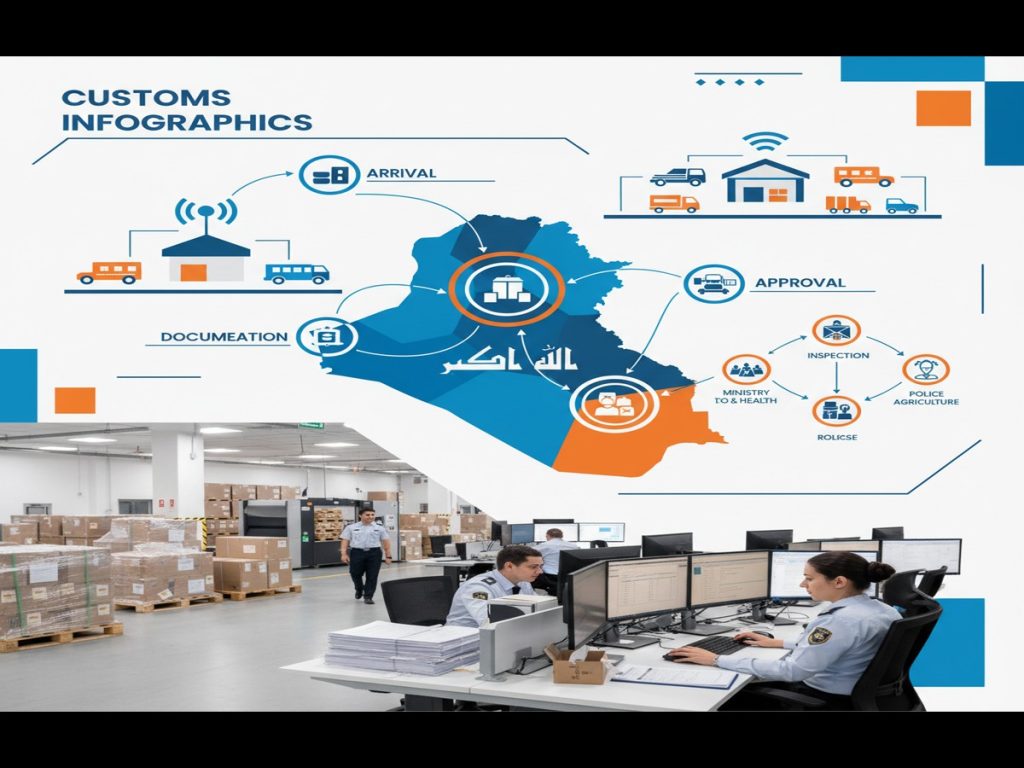
Supply Chain Tracking in Iraq 2025: Optimize Your Logistics
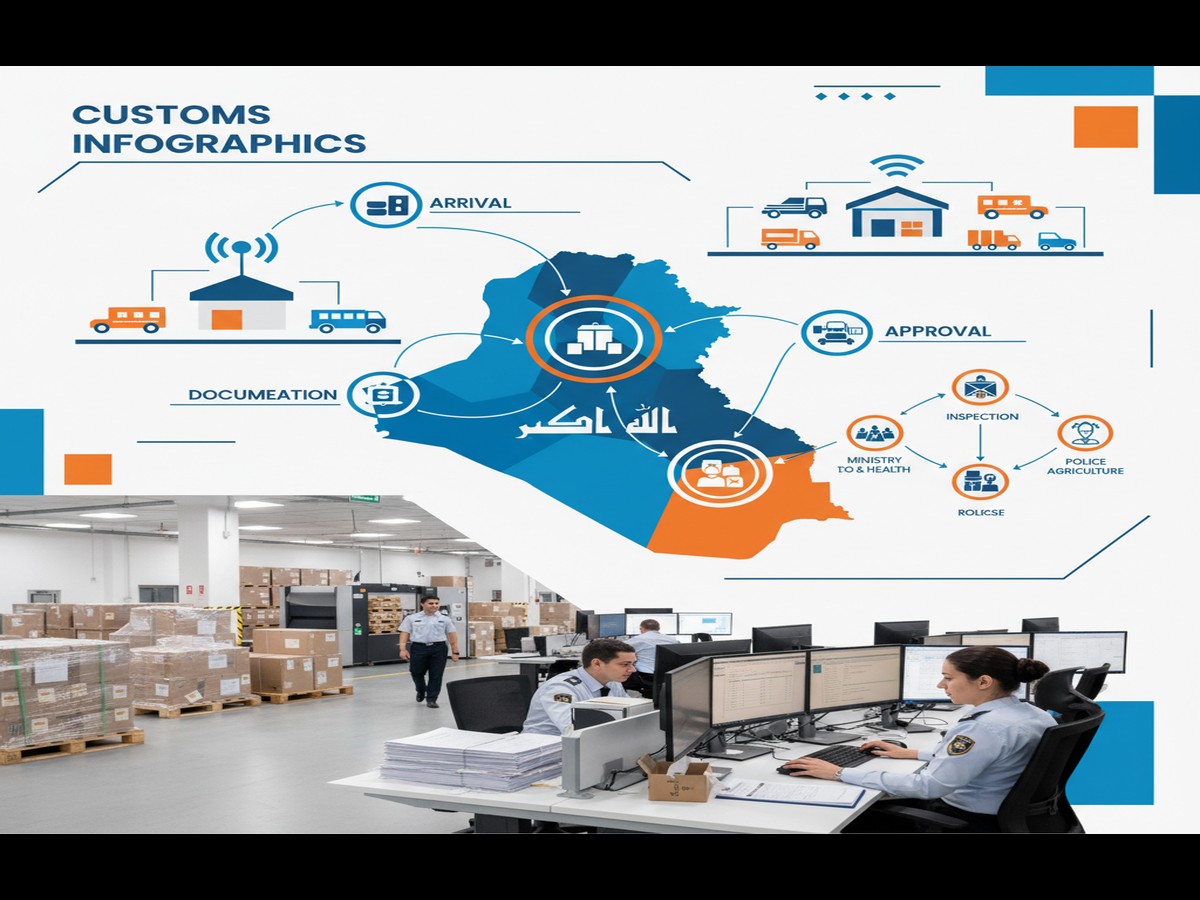
Discover how supply chain tracking iraq can transform your logistics operations. This guide provides a practical, regionally-tailored roadmap for Iraqi businesses to modernize their supply chains through advanced tracking technologies, addressing unique local challenges and opportunities. In today’s dynamic global landscape, marked by evolving markets and increasing consumer expectations, the ability to monitor and manage the flow of goods is no longer merely an operational advantage but a strategic imperative. For businesses operating within Iraq, a region with its own distinct geopolitical, infrastructural, and regulatory complexities, robust supply chain visibility is paramount for resilience, efficiency, and competitive edge. This article will demonstrate how enhanced tracking can mitigate risks, improve operational transparency, and unlock significant growth potential across various Iraqi sectors.
The imperative for sophisticated supply chain tracking in modern Iraq is driven by the nation’s economic diversification efforts, growing international trade, and the critical need for greater accountability and security in logistics. Understanding supply chain tracking iraq is essential. Iraqi businesses frequently navigate hurdles such as unpredictable transit times, security concerns, and communication gaps. Implementing advanced solutions like Logistics Management Software (LMS) – a comprehensive platform designed to plan, execute, and optimize the movement and storage of goods, from point of origin to consumption, integrating various logistics functions to provide real-time data and enhance efficiency across the supply chain – becomes essential. This guide will explore key technologies for real-time cargo tracking, including GPS, IoT sensors, and data analytics, showcasing their practical application in the Iraqi context. We will also delve into the benefits of Digital Freight Forwarding – the process of managing the movement of goods using digital platforms and technologies, streamlining booking, documentation, tracking, and communication to offer greater transparency and efficiency compared to traditional manual freight forwarding methods – and its potential to revolutionize domestic and cross-border logistics.
This comprehensive guide explores supply chain tracking iraq through multiple perspectives, offering actionable insights for logistics professionals and business owners. We’ll cover the critical need for tracking in Iraq, detailing unique challenges, and presenting essential technologies. You’ll gain practical knowledge on implementing robust tracking systems, understanding the vital role of a Warehouse Management System (WMS) – software applications designed to support and optimize warehouse or distribution center operations, facilitating inventory management, order fulfillment, receiving, put-away, and shipping, ensuring efficient storage and movement of goods within a facility. Ultimately, this article aims to help you maximize benefits and realize significant ROI from enhanced Supply Chain Visibility – the ability to track products and information across the entire supply chain, from raw materials to the end customer, providing real-time insights into inventory levels, shipment status, and potential disruptions, enabling proactive decision-making and improved operational control. Prepare to gain invaluable knowledge to elevate your operations and navigate the complexities of the Iraqi market with greater confidence and control.
The Critical Need for Supply Chain Tracking in Iraq
The Critical Need for Supply Chain Tracking in Iraq
In a region marked by dynamic geopolitical shifts and ambitious reconstruction initiatives, robust supply chain tracking Iraq is not merely an operational luxury but an indispensable imperative. For businesses navigating the complexities of the Iraqi market, understanding and controlling every step of their logistics journey through Iraq trade routes is fundamental to success. This section delves into the critical reasons why advanced tracking systems are essential, addressing everything from national security concerns to economic prosperity.
Combating Illicit Trade and Diversion for Enhanced National Security
Iraq’s strategic location, while offering significant trade potential, also presents unique challenges related to illicit trade and diversion. Effective supply chain tracking acts as a formidable deterrent against the movement of counterfeit goods, contraband, and unauthorized shipments, directly contributing to national security. By providing real-time visibility into cargo movements, origin, and destination, businesses and governmental agencies can swiftly identify and intercept suspicious activities. This enhanced oversight is vital for safeguarding legal trade channels and ensuring that goods reach their intended legitimate recipients, thereby bolstering the nation’s security posture and integrity of its borders.
Ensuring Transparency and Accountability in Reconstruction and Aid Efforts
Unique Challenges of Logistics & Tracking in the Iraqi Market for Supply Chain Tracking Iraq
Unique Challenges of Logistics & Tracking in the Iraqi Market
Operating a robust supply chain in Iraq presents a unique set of challenges that demand specialized expertise and adaptive strategies. While the market offers significant opportunities, particularly with reconstruction efforts and growing consumer demand, the underlying logistical landscape is fraught with complexities. Direct Drive Logistic understands these intricacies, providing tailored solutions that navigate the distinct obstacles inherent to the Iraqi context, from physical infrastructure to digital adoption and security.
Navigating Dilapidated Infrastructure and Unreliable Road Networks Across Regions
One of the primary hurdles for effective supply chain tracking in Iraq is the state of its physical infrastructure. Decades of conflict and underinvestment have left many roads, bridges, and transportation hubs in disrepair. This significantly impacts transit times, increases operational costs due to vehicle maintenance, and complicates last-mile delivery. While efforts are underway to improve connectivity, particularly regarding major trade routes in Iraq, vast regions still rely on unreliable networks. This disparity is particularly evident when comparing the relatively developed infrastructure in the Kurdistan Region with other parts of the country, necessitating diverse approaches for logistics management software Kurdistan-wide. Planning routes requires constant real-time assessment of road conditions, which can change rapidly due to weather or ongoing construction, making predictive analytics crucial for maintaining schedules.
Overcoming Security Risks and Complex Checkpoints for Safe and Timely Deliveries
Security remains a paramount concern for any logistics operation in Iraq. While the overall security situation has improved, localized risks, including banditry and the presence of various armed groups, persist in certain areas. This necessitates meticulous security planning, convoy management, and often, armed escorts for high-value cargo. Beyond direct threats, the sheer number of checkpoints—manned by different security forces, military, and even tribal authorities—adds considerable complexity and delays to transit. Each checkpoint can involve extensive inspections, documentation checks, and sometimes unofficial levies, significantly impacting delivery timelines. Effective supply chain tracking Iraq solutions are indispensable here, providing real-time visibility and communication to manage these delays and ensure the safety of goods and personnel, allowing for immediate response to unforeseen circumstances.
Bridging the Gap in Digital Tracking Systems and Cumbersome Customs Procedures
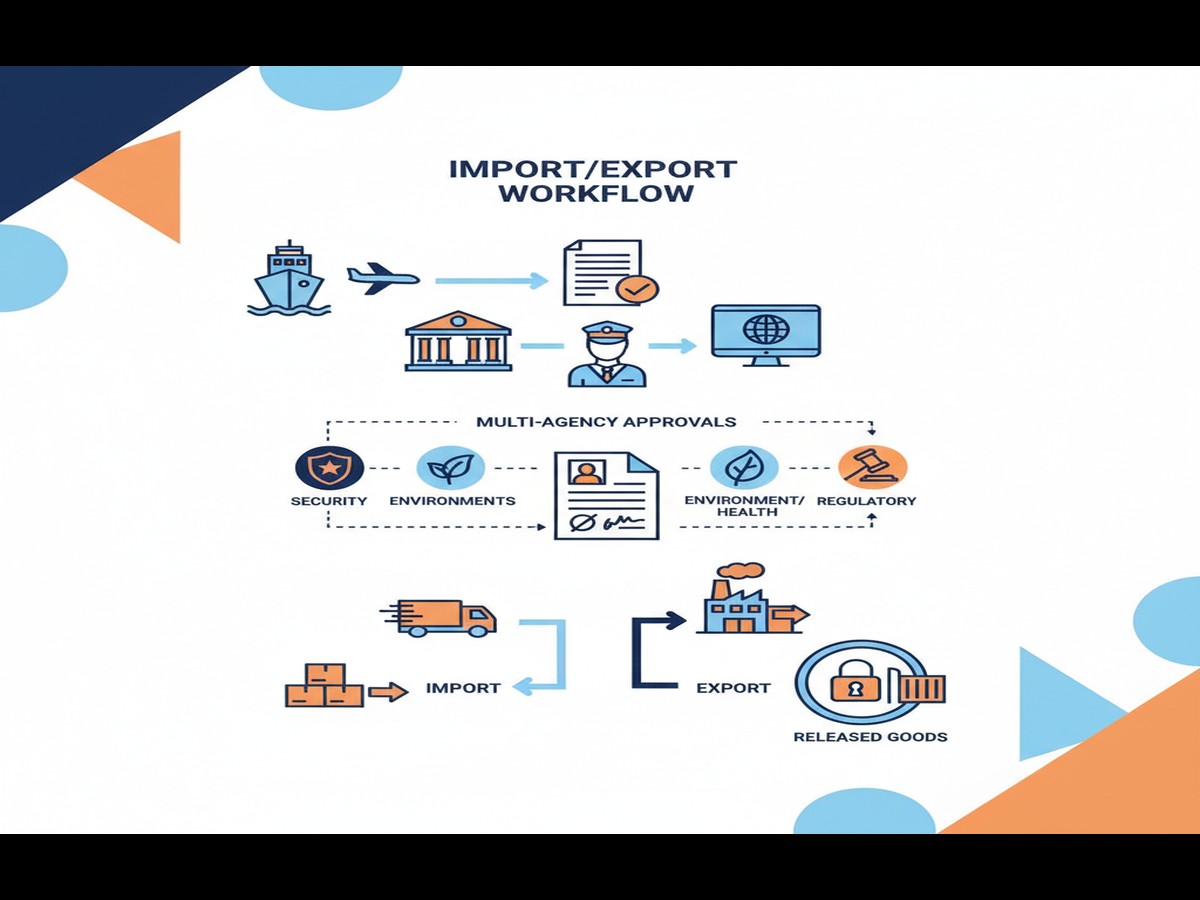
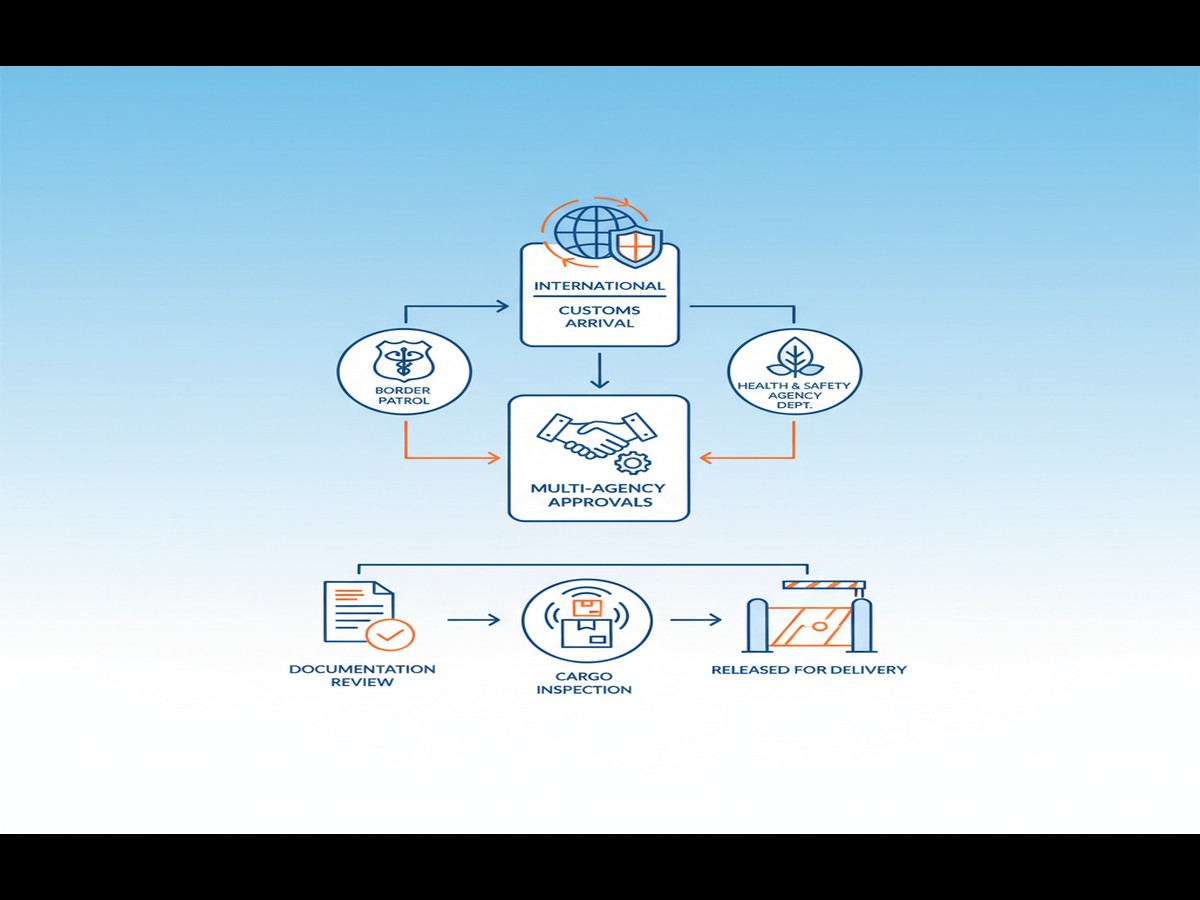
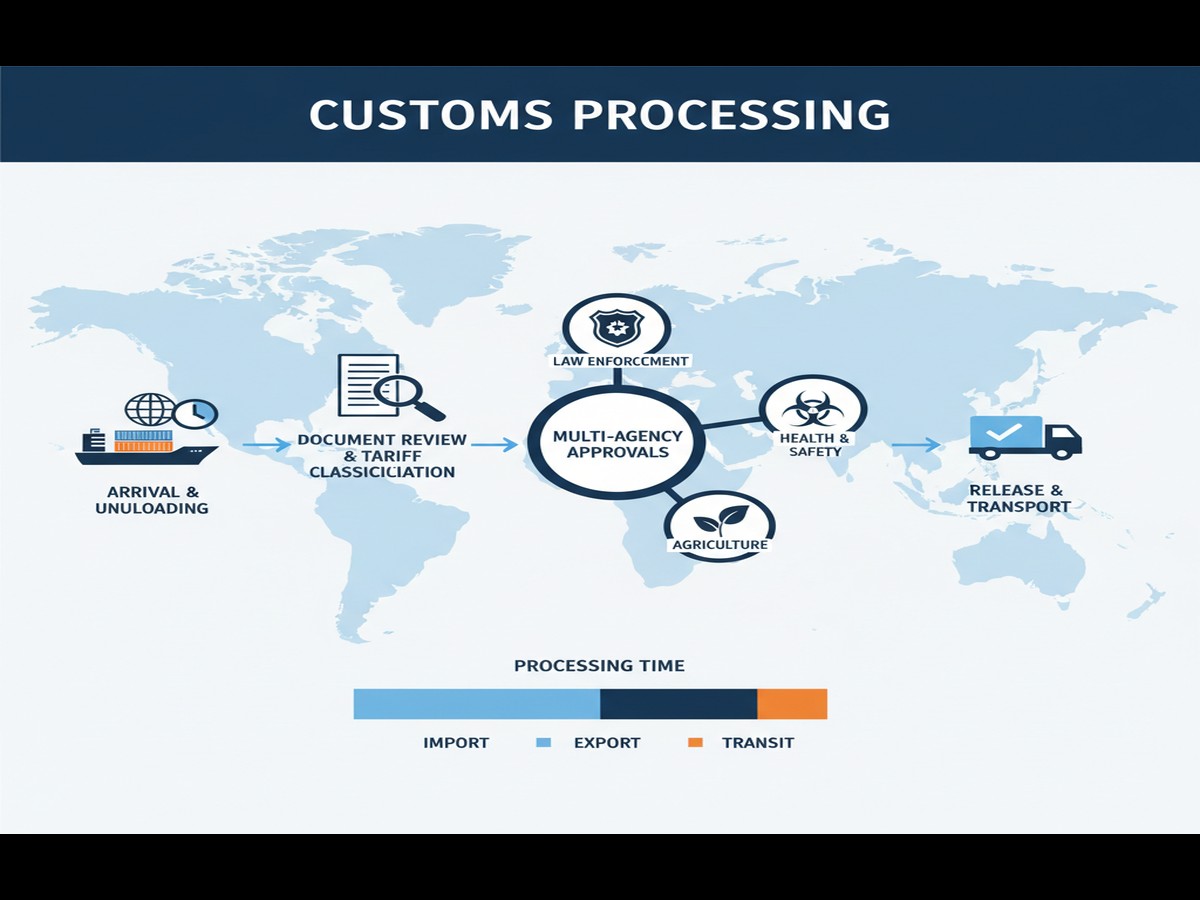
While global logistics tech trends point towards increasing digitalization, Iraq’s logistics sector still grapples with a significant gap in digital tracking systems. Many local operators rely on manual processes, leading to opaque supply chains, increased risk of errors, and difficulty in providing real-time updates to clients. This lack of integration is compounded by often cumbersome and inconsistent customs procedures. Navigating Iraqi customs requires extensive documentation, multiple agency approvals, and a deep understanding of local regulations, which can be subject to frequent changes. For businesses accustomed to the streamlined processes of digital freight forwarding Erbil and other modern hubs, this presents a steep learning curve. Bridging this digital divide through advanced tracking platforms and expert customs brokerage is vital for efficient, transparent, and compliant logistics operations within the country.
Supply Chain Tracking Iraq Essential Technologies for Modern Supply Chain Tracking in Iraq
Essential Technologies for Modern Supply Chain Tracking in Iraq
Modernizing supply chain operations in Iraq demands the adoption of cutting-edge technologies that address the unique challenges of the region, from diverse terrains to evolving security considerations. Achieving robust supply chain tracking Iraq requires integrated digital solutions that provide real-time visibility, enhanced security, and operational efficiency.
Real-time GPS and IoT Sensors for Enhanced Visibility Across Iraqi Routes
The foundation of effective supply chain tracking in Iraq lies in real-time data collection. GPS tracking systems are indispensable, offering precise location data for vehicles and cargo, considering various types of packaging used across the extensive Iraqi road network, including critical corridors and remote areas. Beyond simple location, the integration of Internet of Things (IoT) sensors elevates visibility to an unprecedented
Need Reliable Delivery Services?
Get a free quote from Direct Drive Logistic today. Fast, secure, and professional logistics solutions tailored to your needs.
Implementing a Robust Tracking System: A Step-by-Step Guide for Iraq
Implementing a robust supply chain tracking system in Iraq is not merely about adopting new technology; it’s about strategically integrating solutions tailored to the nation’s unique operational landscape. This phased approach ensures successful deployment and sustainable benefits for businesses operating across the diverse Iraqi terrain.
Selecting Appropriate Tracking Technologies for Iraq’s Complex Logistics Infrastructure
The foundation of effective supply chain tracking in Iraq lies in choosing technologies that can withstand and thrive within its specific challenges, from varying road conditions to security considerations and diverse geographical regions. Businesses must look beyond generic solutions, considering a mix of GPS tracking for real-time vehicle location, RFID for warehouse and inventory management, and IoT sensors for monitoring cargo conditions like temperature or humidity. For instance, companies operating in the Kurdistan Region might prioritize advanced Iraq logistics market software that integrates seamlessly with existing infrastructure, while those handling cross-border shipments near Erbil, such as those involving goods from Iran, would benefit from robust digital freight forwarding capabilities that provide end-to-end visibility. The key is scalability and adaptability, ensuring the chosen system can evolve with operational demands and regional nuances.
Developing Secure Data Collection and Real-Time Monitoring Protocols
Once technologies are selected, establishing secure data collection and real-time monitoring protocols
Maximizing Benefits: ROI and Operational Improvements from Tracking in Iraq
Maximizing Benefits: ROI and Operational Improvements from Tracking in Iraq
Beyond simply knowing where a shipment is, effective supply chain tracking in Iraq offers profound returns on investment (ROI) and drives significant operational improvements. For businesses operating in a complex and evolving market, leveraging advanced tracking technologies transforms challenges into competitive advantages, leading to tangible financial gains and enhanced efficiency across the board.
Key Aspects of Maximizing Benefits: ROI and Operational Improvements from Tracking in Iraq
The core of maximizing benefits from supply chain tracking in Iraq lies in converting real-time data into actionable insights. This directly translates into substantial cost savings by reducing losses from theft, damage, or spoilage, as well as optimizing Iraq trade routes and fuel consumption. For instance, a major distributor utilizing GPS tracking can dynamically reroute vehicles to avoid congested areas or security hotspots, ensuring timely deliveries and minimizing operational costs. Improved inventory management is another critical aspect, as precise tracking reduces the need for buffer stock, thereby freeing up capital and warehouse space. Furthermore, enhanced visibility leads to better compliance with regulatory requirements and improved security protocols, mitigating risks that could otherwise incur heavy penalties or losses. Ultimately, these efficiencies culminate in higher customer satisfaction through reliable delivery times and superior service quality, strengthening market position.
Best Practices for Maximizing Benefits: ROI and Operational Improvements from Tracking in Iraq
To truly unlock the potential of supply chain tracking, businesses must adopt a strategic approach. Integrating tracking solutions with existing logistics management software, particularly for operations in regions like Kurdistan, creates a unified platform for comprehensive oversight. Leveraging analytics tools to interpret the vast amounts of data generated by tracking systems is paramount; this allows companies to identify bottlenecks, predict potential disruptions, and continuously refine their processes. Investing in staff training to effectively utilize these advanced systems is also crucial. Implementing a robust digital freight forwarding system, especially in bustling hubs like Erbil, can streamline documentation and communication, further enhancing efficiency. Adopting new logistics tech trends can provide a competitive edge, ensuring operations remain at the forefront of innovation. Regular audits and performance reviews ensure that the tracking infrastructure continues to meet evolving business needs and market demands.
Common Challenges in Maximizing Benefits: ROI and Operational Improvements from Tracking in Iraq
Despite the clear advantages, several challenges can hinder the full realization of benefits from supply chain tracking in Iraq. The initial investment in advanced tracking hardware, software, and integration can be substantial, posing a barrier for some enterprises. Integrating new tracking systems with diverse legacy IT infrastructure, which is common in older organizations, can be complex and time-consuming. Data security and privacy are ongoing concerns, requiring robust cybersecurity measures to protect sensitive shipment and customer information. Furthermore, a shortage of skilled personnel capable of managing and interpreting complex tracking data can limit a system’s effectiveness. Overcoming these challenges often requires a phased implementation strategy, strong vendor partnerships, and a commitment to continuous technological upgrades. Staying informed about future supply chains helps in proactive planning.
Best Practices and Future Trends in Iraqi Supply Chain Tracking
The landscape of supply chain tracking in Iraq is undergoing a significant transformation, moving towards greater efficiency and transparency. As the nation rebuilds and integrates further into global trade networks, adopting best practices and embracing future trends becomes paramount for sustained economic growth and operational excellence. Direct Drive Logistic is at the forefront, guiding businesses through these advancements to optimize their logistics operations.
Key Aspects of Best Practices and Future Trends in Iraqi Supply Chain Tracking
Future-proofing Iraqi supply chains hinges on several key aspects. Firstly, digital transformation is non-negotiable, with a strong emphasis on real-time data and predictive analytics. This involves leveraging technologies like IoT sensors, artificial intelligence (AI), and blockchain for enhanced visibility from origin to destination. The ability to track goods instantly, anticipate delays, and verify authenticity is becoming standard. Secondly, greater collaboration and data sharing among all stakeholders—shippers, carriers, customs, and end-users—are crucial. This fosters a more resilient and responsive network. Finally, sustainability and ethical sourcing are emerging trends, with a growing demand for transparency regarding environmental impact and labor practices throughout the supply chain. These elements are vital for efficient logistics Iraq and future trade success.
Best Practices for Iraqi Supply Chain Tracking
Implementing effective supply chain tracking in Iraq requires a multi-faceted approach. Top best practices include the strategic adoption of advanced tracking technologies such as GPS, RFID, and telematics for comprehensive asset and cargo monitoring. Centralized logistics management software is essential, integrating data from various touchpoints to provide a single, unified view of operations. For instance, companies operating in northern Iraq are increasingly utilizing robust logistics management software Kurdistan to streamline their regional distribution networks. Proactive risk management, including contingency planning for geopolitical shifts or infrastructure challenges, is also critical. Furthermore, investing in training and capacity building for the local workforce ensures they can effectively manage and utilize these new technologies. Adherence to international trade standards and local regulatory compliance helps in smooth customs clearance and reduces transit times, bolstering the overall efficiency of the supply chain.
Common Challenges in Iraqi Supply Chain Tracking
Despite the advancements, several challenges persist in optimizing supply chain tracking Iraq. Infrastructure limitations remain a significant hurdle, particularly in remote areas, affecting road networks, port capabilities, and reliable internet connectivity. Security concerns, stemming from regional instabilities, can disrupt planned routes and add layers of complexity to logistics planning and execution. Another common issue is the lack of standardized data formats and processes across different entities, leading to data silos and hindering seamless information exchange. Resistance to change from traditional operational methods and a shortage of skilled personnel proficient in modern logistics technologies can also impede progress. Finally, the initial cost of implementing sophisticated tracking systems and integrating them with existing infrastructure can be substantial for many businesses. Overcoming these challenges will require concerted efforts, including government support for infrastructure development and private sector investment in solutions like advanced digital freight forwarding Erbil, to create a more resilient and transparent supply chain ecosystem.
Frequently Asked Questions
▼ What is supply chain tracking in Iraq and why is it crucial for my business?
Supply chain tracking in Iraq involves real-time monitoring of goods from origin to destination using advanced technologies. It’s crucial for visibility, security, and compliance in a region with unique operational challenges. Businesses gain control, reduce risks like theft or delays, and ensure timely deliveries, directly impacting profitability and customer satisfaction.
▼ How does Direct Drive Logistics implement advanced supply chain tracking in Iraq?
Direct Drive Logistics leverages GPS, IoT sensors, and cloud-based platforms for robust supply chain tracking in Iraq. Our system provides 24/7 real-time visibility, geofencing capabilities, and automated alerts for deviations. This allows proactive management of transportation routes, ensuring cargo safety and adherence to schedules across diverse terrains.
▼ Why choose Direct Drive Logistics for reliable supply chain tracking in Iraq and Kurdistan?
Choose Direct Drive Logistics for our unparalleled 15+ years of regional expertise, deep understanding of local regulations, and proven track record. We combine cutting-edge technology with experienced local teams, offering tailored solutions for secure and efficient supply chain tracking in Iraq, mitigating risks and optimizing your operational costs.
▼ What are the key benefits of real-time supply chain tracking for shipping in Iraq?
Real-time supply chain tracking for shipping in Iraq offers enhanced security against theft, improved delivery predictability, and better inventory management. It minimizes delays at checkpoints, provides accurate ETAs, and enables swift responses to unforeseen events, significantly boosting operational efficiency and customer trust in your logistics.
▼ What common challenges does supply chain tracking in Iraq address for transportation?
Supply chain tracking in Iraq addresses challenges like fluctuating security conditions, diverse road infrastructure, and complex customs procedures. It mitigates risks of cargo loss, provides transparency during transit, and helps navigate varied regulatory environments, ensuring smoother, more secure transportation operations across the country.
▼ What technologies does Direct Drive Logistics use for effective supply chain tracking in Iraq and Kurdistan?
Direct Drive Logistics employs state-of-the-art technologies including satellite tracking, RFID, telematics, and integrated Transportation Management Systems (TMS). These tools provide granular data on location, temperature, and vehicle status, enabling precise and secure supply chain tracking in Iraq, even in remote areas.
Conclusion
In conclusion, the transformative power of robust supply chain tracking in Iraq cannot be overstated. We’ve explored how advanced solutions bring unprecedented transparency, mitigating risks like delays and theft while boosting overall operational efficiency. This enhanced visibility is not merely a technological upgrade; it’s a strategic imperative for businesses navigating Iraq’s dynamic landscape, ensuring security, compliance, and ultimately, greater profitability and customer satisfaction. The ability to monitor goods in real-time, from origin to destination, empowers decision-makers with actionable insights, fostering resilience and adaptability against unforeseen challenges.
Direct Drive Logistics stands at the forefront of this evolution. With our deep understanding of the Iraqi market and cutting-edge tracking technologies, we don’t just offer a service; we deliver peace of mind and a competitive edge. We specialize in implementing tailored supply chain tracking Iraq solutions that integrate seamlessly with your existing operations, providing the clarity and control you need to thrive. Don’t let uncertainty impede your growth. Take the definitive step towards a more secure, efficient, and transparent future for your logistics.
Unlock the full potential of your operations with Direct Drive Logistics. Contact us today to discuss how our expert team can customize a supply chain tracking solution that meets your unique needs and propels your business forward. Let’s build a smarter, more reliable supply chain together.
Take control of your Iraq supply chain with real-time tracking and unprecedented visibility through Direct Drive Logistics’ cutting-edge monitoring solutions. Optimize your operational efficiency and minimize risk by contacting our expert team today at (+964) 750 953 9899 to customize a tracking strategy tailored to your specific logistics needs.
📞 Contact Us for a Consultation
Location
Direct Drive Logistic
MRF Quattro towers, Block A-29-1
Erbil, Kurdistan Region