
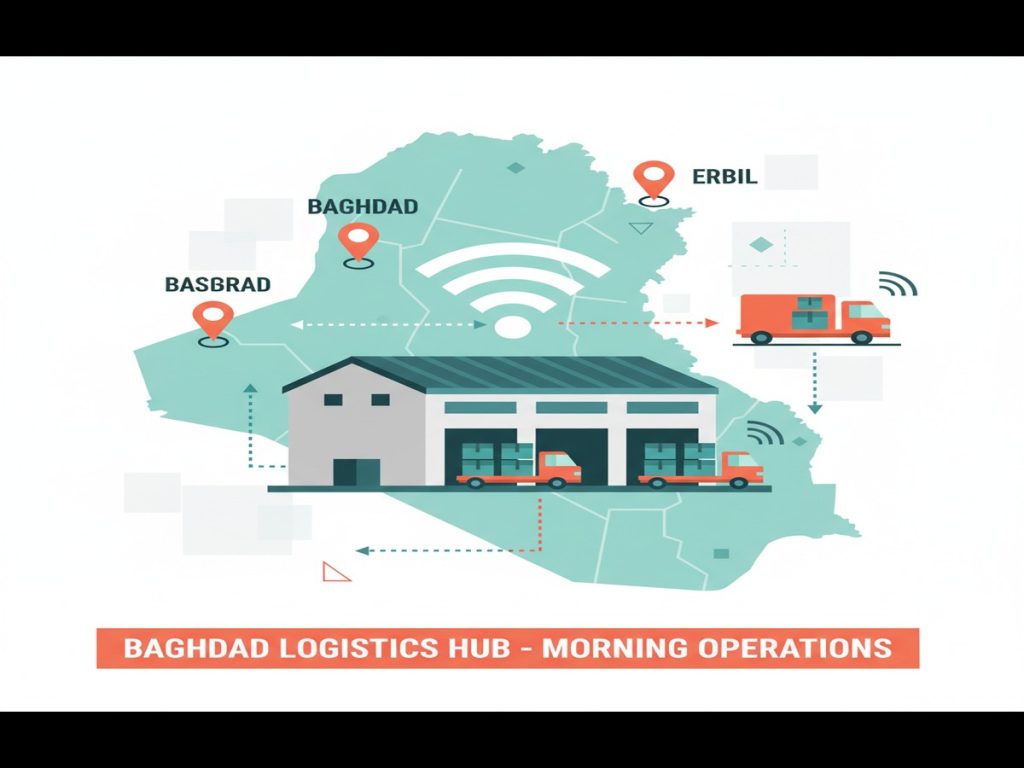
Partial Transportation – Complete Guide 2025 | Direct…
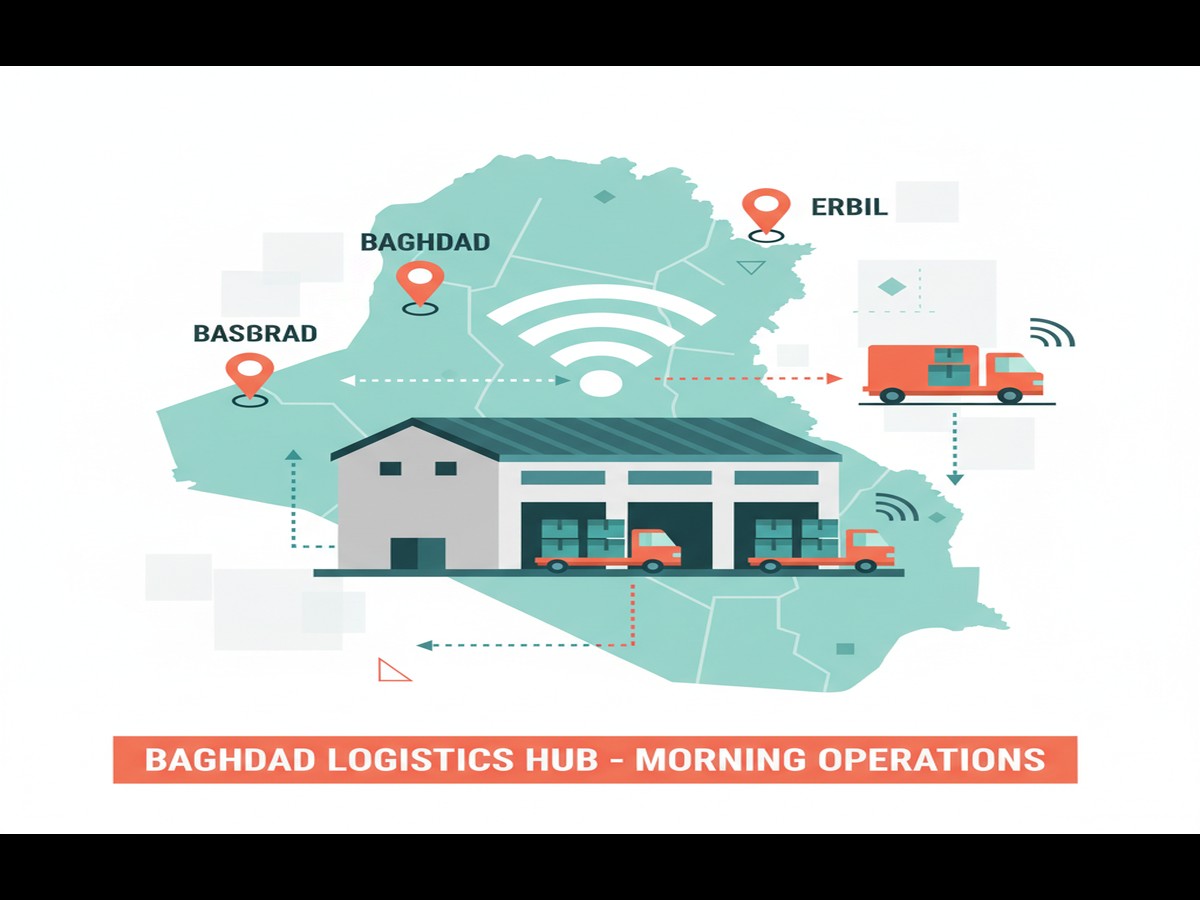
Discover how partial transportation can transform your logistics operations with this article provides a comprehensive, regionally-focused guide to partial transportation and LTL shipping, offering actionable insights and best practices specifically tailored for businesses operating within Iraq and Kurdistan. In an increasingly interconnected yet complex global economy, the efficiency and cost-effectiveness of your supply chain are paramount to sustained success. For businesses navigating the unique logistical landscape of the Middle East, particularly within Iraq and Kurdistan, optimizing freight movement is not merely an advantage—it’s a fundamental necessity. Traditional full truckload (FTL) solutions often prove uneconomical for smaller, more frequent shipments, leading to underutilized capacity and inflated costs. This is precisely where the strategic adoption of partial transportation, also known as Less Than Truckload (LTL) shipping, emerges as a transformative solution. Understanding Partial Transportation: An Introduction to LTL Shipping Solutions will lay the groundwork, demystifying the core principles of this flexible freight model. At its heart, Less Than Truckload (LTL) shipping involves transporting smaller quantities of goods that don’t fill a full truck. Multiple shippers share vehicle space, paying only for their utilized portion. This method significantly optimizes costs and enhances efficiency for businesses with diverse cargo needs. As we delve deeper, What is Less Than Truckload (LTL) Shipping? Core Principles Explained will elaborate on the operational mechanics, network design, and service offerings that define LTL, providing a robust foundation for leveraging its full potential within your supply chain strategy.
The economic imperative for embracing partial transportation is undeniable for businesses striving for agility and profitability. The Economic Advantages of Partial Transportation for Businesses will meticulously detail how this model reduces overheads, improves cash flow, and allows for greater inventory control by enabling more frequent, smaller shipments. Rather than waiting to accumulate enough cargo to fill an entire truck, businesses can dispatch goods as needed, responding swiftly to market demands and customer expectations. This section will also critically evaluate Partial Transportation vs. Full Truckload (FTL): Choosing the Right Service, offering clear criteria and scenarios to help decision-makers select the most appropriate shipping method for various cargo types, volumes, and urgency levels. Furthermore, we will explore Key Factors Influencing LTL Shipping Costs and Transit Times, providing an invaluable guide to understanding the variables that impact pricing—from freight class and density to accessorial services and lane specifics. A critical component of partial transportation, particularly prevalent in regional logistics, is Groupage transport. Often synonymous with LTL, it consolidates multiple smaller shipments from various senders into one larger consignment. It maximizes vehicle capacity and significantly reduces per-unit shipping costs for each participant, proving highly efficient for diverse cargo within regional logistics networks. Similarly, Freight consolidation strategically combines several individual shipments into a single, larger consignment. This reduces transportation costs and improves efficiency, often utilized in partial transportation to fill truck space and streamline delivery routes. It benefits shippers through lower rates and carriers via optimized asset utilization.
The unique operational environment of Iraq and Kurdistan presents both challenges and unparalleled opportunities for partial transportation. This article is meticulously designed to address these regional specificities head-on. Navigating Partial Truckload in Kurdistan: Regional Logistics Insights will offer a granular look at the infrastructure, regulatory landscape, and best practices for LTL operations within the Kurdistan Region. Following this, Optimizing Groupage Transport in Baghdad: Strategies for Efficiency will provide targeted strategies for enhancing consolidated freight movements within the bustling capital, focusing on route optimization and timely deliveries. Consolidated Freight in Erbil: Enhancing Supply Chain Performance will then turn its attention to the dynamic economic hub of Erbil, detailing how businesses can leverage shared truckload models to boost their supply chain resilience and responsiveness. The broader concept of Shared Truckload Iraq: A Flexible Solution for Diverse Cargo Needs will tie these regional insights together, demonstrating how a flexible, shared approach can cater to a wide array of cargo types and destinations across the country. Managing these complex movements requires robust documentation, and an essential aspect is the Bill of Lading (BOL). This is a legal document issued by a carrier to a shipper, detailing the type, quantity, and destination of goods. It serves as a contract of carriage, a receipt of goods, and a document of title, crucial for managing freight and resolving disputes within any partial transportation operation. Additionally, for cross-border movements, Customs clearance is the process of obtaining governmental authorization to import or export goods across international borders. It involves preparing documentation, paying duties and taxes, and ensuring compliance with all regulations. This is crucial for the smooth, legal flow of international partial transportation shipments. The article will further explore Leveraging Technology for Seamless LTL Shipping Management, showcasing how digital tools can streamline processes, improve visibility, and enhance decision-making. Finally, Selecting the Best Partial Transportation Partner: A Comprehensive Guide will equip you with the knowledge to choose reliable logistics providers, while The Future of Less Than Truckload Logistics in the Middle East will offer forward-looking perspectives on emerging trends and innovations. Whether you’re a seasoned logistics professional or a business owner seeking to optimize your freight strategy, this guide promises actionable insights to enhance your operations and drive significant efficiencies within your supply chain.
Understanding Partial Transportation: An Introduction to LTL Shipping Solutions
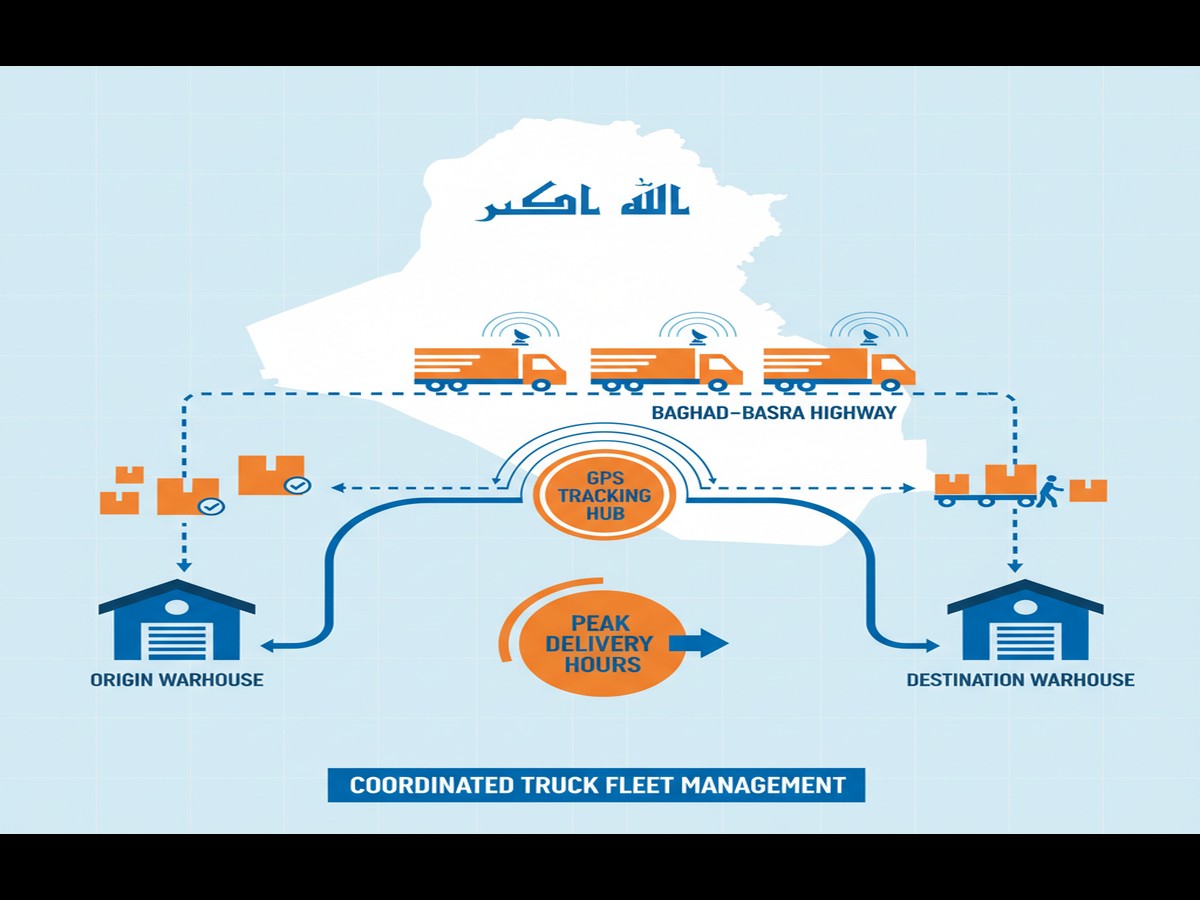
Key Aspects of Partial Transportation: An Introduction to LTL Shipping Solutions
Understanding partial transportation, also known as Less-Than-Truckload (LTL) shipping, is crucial for businesses operating in dynamic markets like Iraq and Kurdistan. This logistics model allows multiple shippers to share space on a single truck, paying only for the portion their freight occupies. Therefore, it presents a highly cost-effective alternative to full truckload (FTL) for smaller or mid-sized shipments. The wider Middle East & Africa logistics market is experiencing strong growth, projected to reach between USD 1,019–1,036 billion in, and further expanding to USD 1,636–1,724 billion by 2034–2035 at approximately a 5.4% CAGR [Mordor Intelligence]. Road transport specifically holds the largest share of this freight activity.
In Iraq and Kurdistan, partial truckload services are vital for moving diverse cargo between key hubs like Basra, Baghdad, Erbil, Sulaymaniyah, and Duhok. Additionally, cross-border routes via Ibrahim Khalil/Habur (Turkey) and Bashmakh, Parvizkhan (Iran) frequently utilize mixed and partial loads. This method particularly benefits smaller shippers and importers. Consequently, the demand for efficient groupage transport in Baghdad and other major cities is steadily rising, supporting retail, e-commerce, and SME shipments that depend on LTL and consolidated freight models.
Best Practices for Partial Transportation: An Introduction to LTL Shipping Solutions
Optimizing partial transportation requires strategic planning and leveraging modern technology. Best practices include meticulous load planning, route optimization, and proactive communication. 8 billion by 2035, demonstrating a 7.0% CAGR [Future Market Insights]. Transportation Management Systems (TMS) are critical here, accounting for 36% of revenue due to their ability to centralize route planning and load optimization [Future Market Insights].
Therefore, Direct Drive Logistics encourages the adoption of digital freight platforms and real-time visibility tools. Iraqi and Kurdish operators are increasingly connecting to GCC and Türkiye networks, gradually integrating TMS and GPS/IoT tracking. This enhances trailer utilization for partial loads moving to and from Umm Qasr Port, Khor Al-Zubair, Baghdad, Erbil, and Sulaymaniyah. Leveraging AI-driven decision-making, which is explicitly cited to cut idle time and fuel costs, is paramount for efficient less than truckload Iraq operations. Consequently, this approach ensures cost-effective distribution for FMCG, retail, and industrial spares.
Common Challenges in Partial Transportation: An Introduction to LTL Shipping Solutions
Despite its benefits, partial transportation faces unique challenges. These include managing complex consolidation points, ensuring timely deliveries across multiple drop-offs, and mitigating potential damage to mixed cargo. However, the increasing sophistication of logistics technology provides solutions. For example, digital freight platforms, rapidly adopted in Gulf states, are spilling over into adjacent markets, offering Iraqi shippers opportunities for LTL lane optimization and slot-based consolidation.
Another challenge is maintaining visibility across various stages of transit, especially for groupage transport in Baghdad or partial truckload in Kurdistan. Without robust tracking, delays can escalate and communication becomes difficult. Therefore, investing in advanced TMS and real-time GPS tracking is essential. These tools not only improve transparency but also enable proactive problem-solving. This focus on technology helps overcome operational hurdles, ensuring reliable and efficient partial transportation services for all clients.
What is Less Than Truckload (LTL) Shipping? Core Principles Explained
Key Aspects of Less Than Truckload (LTL) Shipping Explained
Understanding less than truckload (LTL) shipping is crucial for optimizing logistics, especially in dynamic regions like Iraq and Kurdistan. LTL transportation involves moving smaller freight loads that do not require an entire truck trailer. This allows multiple shippers to share space on a single vehicle, leading to significant cost savings and increased efficiency. For instance, the wider Middle East & Africa logistics market is projected to reach an impressive **USD 1,019–1,036 billion in 2025**, growing to **USD 1,636–1,724 billion by 2034–2035** at approximately a **5.4% CAGR** [8][5][1]. Road transport holds the largest share of this freight activity, making efficient LTL and groupage services vital.
Therefore, this model is perfect for businesses with smaller, frequent shipments. In Iraq, domestic cargo moves predominantly by truck along corridors like Basra–Baghdad–Erbil–Sulaymaniyah–Duhok. Additionally, Iran Iraq transport via Ibrahim Khalil/Habur (Turkey) and Bashmakh, Parvizkhan (Iran) frequently utilize mixed and partial loads [1][4]. Direct Drive Logistics expertly manages this complex environment, offering reliable partial transportation solutions tailored to specific needs.
Best Practices for Optimizing LTL and Partial Transportation
Implementing best practices in LTL and partial transportation significantly enhances supply chain performance. A primary focus involves leveraging digitalization and advanced visibility tools. The middle-mile delivery market, encompassing consolidation centers and inter-city trucking, is valued at approximately **USD 110.7 billion in 2025** and is forecast to reach **USD 217.8 billion by 2035** at a **7.0% CAGR** [3]. Transportation management systems (TMS) account for a substantial **36% of revenue** within this segment, primarily due to their capabilities in centralized route planning and load optimization [3]. Therefore, adopting such systems is not merely an option but a strategic imperative for any business involved in groupage transport Baghdad or partial truckload Kurdistan.
Furthermore, AI-driven decision-making, integrated with warehouse systems, explicitly helps cut idle time and fuel costs [3][1]. This is particularly critical for LTL and shared-truckload efficiency. As Iraqi and Kurdish operators increasingly connect with GCC and Türkiye networks, they are gradually adopting digital freight platforms, TMS, and GPS/IoT tracking. This improves trailer utilization on partial loads to and from key hubs like Umm Qasr Port, Khor Al‑Zubair, Baghdad, Erbil, and Sulaymaniyah [1][9]. Utilizing these technologies ensures seamless and cost-effective partial transportation.
Common Challenges in LTL and Groupage Transport
Despite its benefits, LTL shipping presents unique challenges, especially in regions like Iraq. Consolidating various shipments from multiple clients into one truck requires meticulous planning and coordination. Therefore, optimizing routes and ensuring timely deliveries across diverse geographical areas, from Erbil to Duhok/Mosul, can be complex. Delays at border crossings or during consolidation can impact delivery schedules. However, these challenges underscore the importance of experienced logistics partners.
Another common hurdle involves cargo security and potential damage due to frequent handling. Each LTL shipment, being part of a larger load, undergoes more touchpoints than a full truckload. This increases the risk. Nevertheless, reputable 3PLs mitigate these risks through stringent packaging requirements, advanced tracking systems, and robust insurance policies. Direct Drive Logistics addresses these concerns directly, ensuring secure and efficient partial transportation. We combine local expertise with cutting-edge technology to navigate these complexities effectively, delivering peace of mind for our clients.
The Economic Advantages of Partial Transportation for Businesses
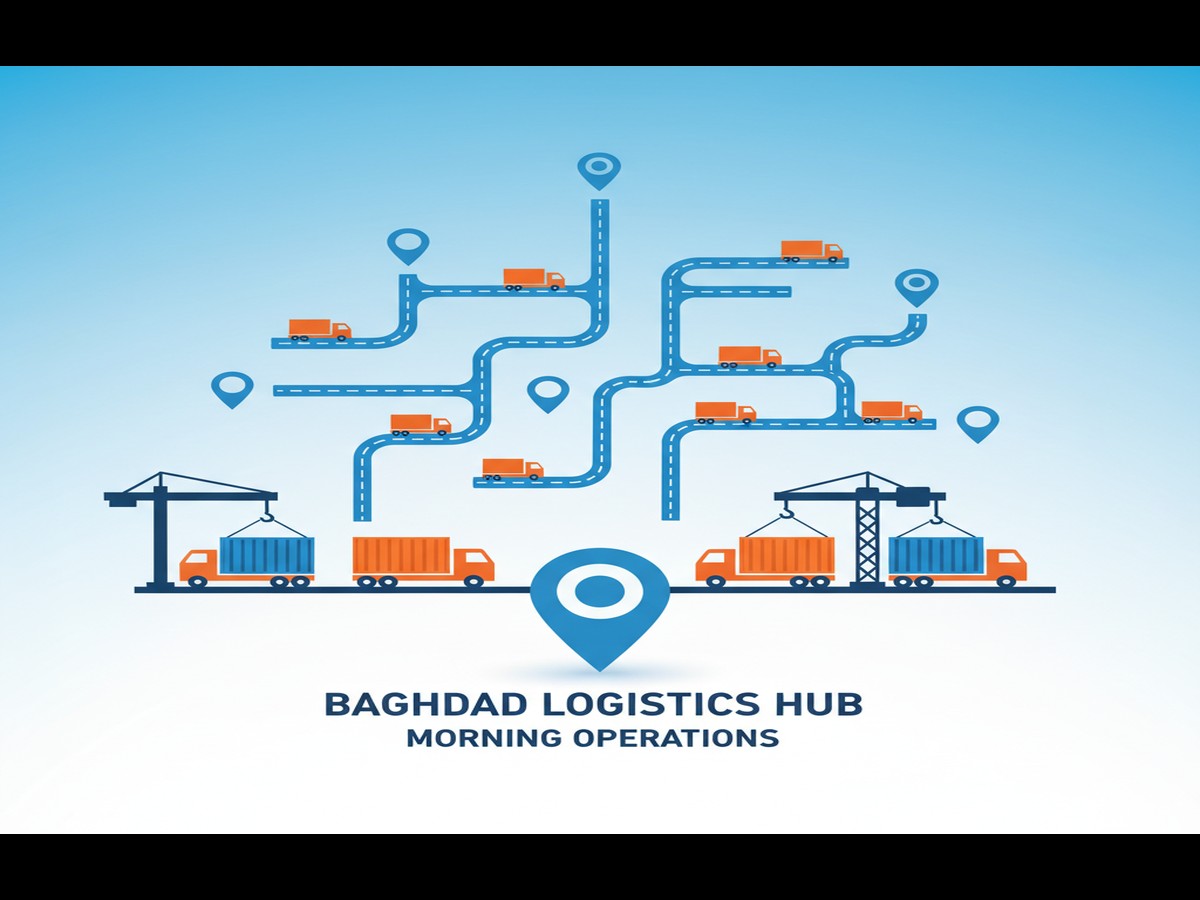
Significant Cost Reductions by Only Paying for Utilized Cargo Space
For businesses operating within Iraq and Kurdistan, especially those navigating the challenges and impact of corona virus, embracing partial transportation offers a critical pathway to substantial economic savings. This model, where shippers only pay for the specific space their goods occupy on a truck, directly reduces overheads compared to full truckload (FTL) services. The wider Middle East & Africa logistics market, for instance, is experiencing robust expansion, projected to reach between USD 1,636–1,724 billion by, growing at approximately a 5.4% CAGR [8][5][1]. Therefore, leveraging cost-effective freight options like partial loads is increasingly vital.
Specifically, in Iraq, where road transport dominates domestic cargo movement between key hubs such as Basra, Baghdad, Erbil, Sulaymaniyah, and Duhok, partial transportation is becoming a standard practice. This is particularly true for smaller shippers and importers utilizing border crossings like Ibrahim Khalil/Habur (Turkey), Bashmakh, and Parvizkhan (Iran) [1][4]. Additionally, businesses can avoid the high costs of underutilized trailer space, which is a common issue with FTL shipments that don’t fill a truck completely. This approach allows for more frequent, smaller deliveries, preventing capital from being tied up in large, infrequent inventory movements.
The flexibility of partial truckload Kurdistan and Iraq services means that companies can better manage their shipping budgets. Instead of waiting to accumulate enough goods for a full truck, they can dispatch smaller consignments as needed. This not only optimizes cash flow but also enhances market responsiveness. Therefore, opting for partial transportation directly translates into a more agile and economically sound supply chain strategy, especially as regional demand continues to climb.
Optimized Inventory Management and Enhanced Supply Chain Agility
Beyond direct cost savings, partial transportation significantly contributes to optimized inventory management and overall supply chain agility. Businesses can maintain leaner inventories by shipping smaller, more frequent loads, reducing warehousing costs and the risk of obsolescence. The middle-mile delivery market, which encompasses these vital consolidation and inter-city trucking services, is forecast to grow substantially from USD 110.7 billion in 2025, at an impressive 7.0% CAGR [3]. This growth underscores the increasing importance of efficient partial load solutions.
Furthermore, the integration of digital tools is transforming how partial transportation operates. Transportation Management Systems (TMS) are crucial, accounting for 36% of middle-mile revenue [3]. These systems enable centralized route planning, load optimization, and real-time visibility, which are indispensable for managing complex groupage transport Baghdad and Erbil lanes. AI-driven decision-making, for instance, is explicitly cited as a tool to cut idle time and fuel costs, directly boosting the efficiency of less than truckload (LTL) operations [3][1].
Consequently, Iraqi and Kurdish operators are increasingly adopting digital freight platforms and GPS/IoT tracking to improve trailer utilization on partial loads to and from key locations like Umm Qasr Port, Baghdad, Erbil, and Sulaymaniyah [1][9]. This technological adoption for less than truckload Iraq services allows businesses to benefit from better slot-based consolidation and optimized routes. Therefore, by leveraging these advancements, companies can achieve enhanced supply predictability and responsiveness, ensuring products reach their destination efficiently and cost-effectively, thus solidifying the economic advantages of partial transportation.
Need Reliable Delivery Services?
Get a free quote from Direct Drive Logistic today. Fast, secure, and professional logistics solutions tailored to your needs.
Partial Transportation vs. Full Truckload (FTL): Choosing the Right Service
Key Aspects of Partial Transportation vs. Full Truckload (FTL): Choosing the Right Service
Choosing between partial transportation and Full Truckload (FTL) services is crucial for optimizing logistics costs and efficiency. Partial transportation, often known as Less-than-Truckload (LTL) or groupage, involves consolidating multiple smaller shipment types from different customers onto a single truck. This method is ideal when your cargo doesn’t fill an entire trailer. Conversely, FTL dedicates an entire truck to one shipper’s freight, ensuring faster transit and reduced handling.
The broader Middle East & Africa logistics market is experiencing strong expansion, projected to reach between USD 1,019–1,036 billion in. This market is further forecast to grow to USD 1,636–1,724 billion by 2034–2035, at approximately a 5.4% CAGR, according to [Mordor Intelligence] and [Verified Market Research]. Road transport significantly drives this growth. Therefore, understanding the nuances of partial transportation versus FTL is vital for businesses operating in Iraq and Kurdistan. For instance, less than truckload Iraq transportation services are increasingly popular for cost-effective distribution.
Best Practices for Partial Transportation vs. Full Truckload (FTL): Choosing the Right Service
For smaller, non-urgent shipments, partial transportation offers considerable cost savings by sharing trailer space and expenses. This is particularly beneficial for businesses moving goods between major hubs like Baghdad and Erbil, where groupage transport Baghdad solutions are commonly utilized. Additionally, it reduces environmental impact by maximizing trailer utilization. However, FTL is superior for time-sensitive, high-value, or very large shipments that require direct transit with minimal stops.
The middle-mile delivery market, encompassing inter-city trucking and consolidation centers, underscores the importance of efficient partial transportation. This segment is valued at about USD 110.7 billion in 2025 and is forecast to reach USD 217.8 billion by 2035, growing at a 7.0% CAGR [Future Market Insights]. Furthermore, Transportation Management Systems (TMS) account for 36% of the revenue in this market, highlighting their role in optimizing partial truckload Kurdistan routes and load consolidation. Therefore, leveraging advanced digital tools is a best practice for both service types.
Common Challenges in Partial Transportation vs. Full Truckload (FTL): Choosing the Right Service
While partial transportation offers flexibility, it can present challenges such as longer transit times due to multiple pickups and deliveries. There is also an increased risk of damage from additional handling, although professional carriers mitigate this with proper packaging. Conversely, FTL, while faster, can be cost-prohibitive for smaller loads, leading to underutilized trailer space.
However, digitalization offers solutions. AI-driven decision-making and integration with warehouse systems are specifically cited to cut idle time and fuel costs, enhancing efficiency for both partial transportation and FTL. Therefore, selecting a logistics partner with robust technology and a deep understanding of regional routes—such as those connecting Umm Qasr Port to Sulaymaniyah—is critical. This expertise ensures optimal service selection, whether it’s a dedicated FTL or a cost-effective partial transportation solution for your cargo.
Key Factors Influencing LTL Shipping Costs and Transit Times for Partial Transportation
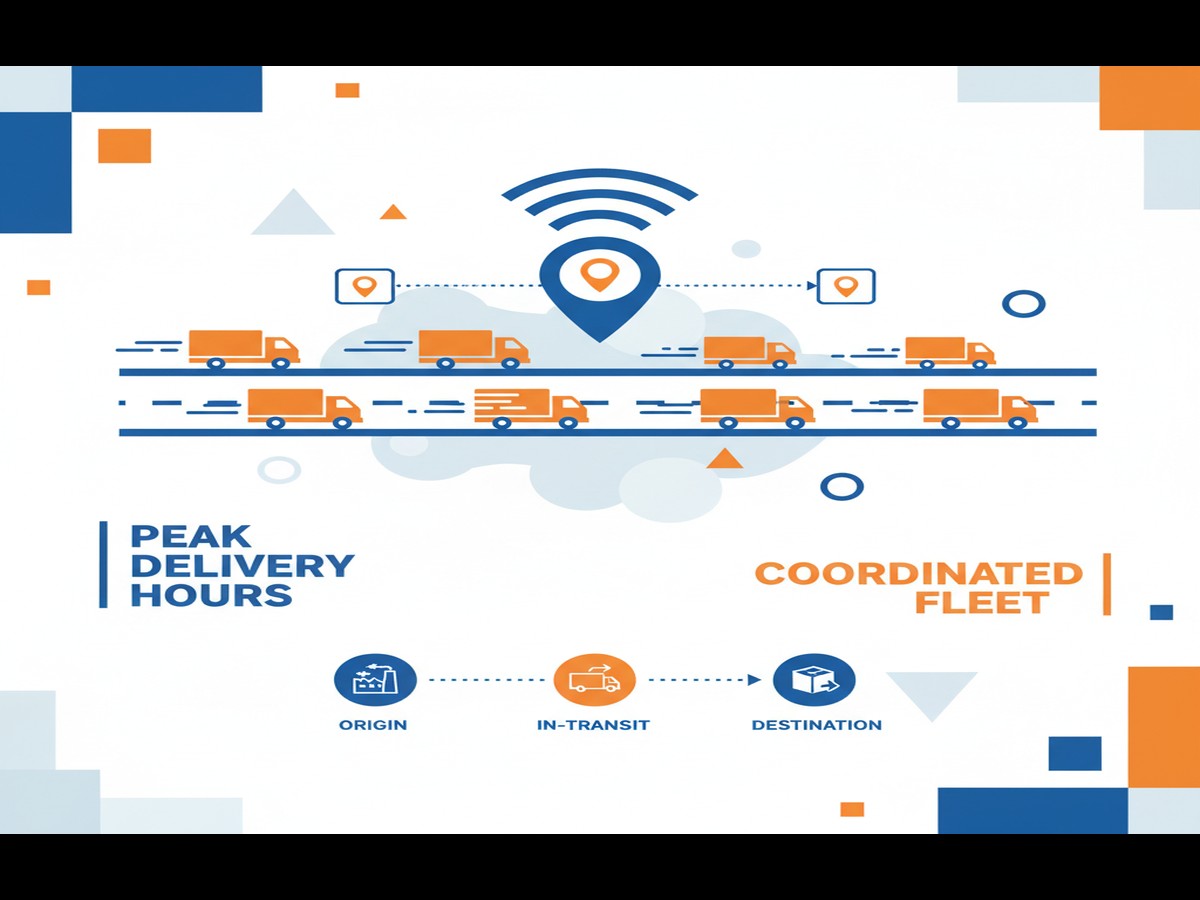
Key Aspects of Influencing LTL Shipping Costs and Transit Times
Understanding the factors that shape Less-Than-Truckload (LTL) shipping costs and transit times is crucial for efficient logistics in Iraq and Kurdistan. The wider Middle East & Africa logistics market is expanding rapidly, projected to reach about USD 1,019–1,036 billion in. This market is forecast to grow to USD 1,636–1,724 billion by 2034–2035 at approximately a 5.4% CAGR [Expert Market Research, Cognitive Market Research]. Road transport in Iraq dominates this growth. Therefore, effective management of **partial transportation** is vital. Key elements impacting costs include freight class, shipment weight, and distance. For instance, routes like Basra–Baghdad–Erbil–Sulaymaniyah involve significant distances. Additionally, fuel surcharges directly influence overall expenses. Furthermore, the type of cargo and any special handling requirements can increase costs and potentially extend transit times for groupage transport Baghdad.
Best Practices for Optimizing LTL Shipping in Iraq and Kurdistan
Optimizing **partial transportation** in Iraq and Kurdistan requires strategic approaches. The middle-mile delivery market, encompassing consolidation and inter-city trucking, is valued at about USD 110.7 billion in 2025. This market is expected to reach USD 217.8 billion by 2035 at a 7.0% CAGR [PwC Strategy]. Implementing advanced technology is a core best practice. Transportation Management Systems (TMS) are particularly effective, accounting for 36% of middle-mile delivery revenue [PwC Strategy]. These systems facilitate centralized route planning and load optimization. Consequently, they help cut idle time and fuel costs. For partial truckload Kurdistan shipments, leveraging digital freight platforms and real-time visibility tools becomes essential. This ensures better trailer utilization and slot-based consolidation. Therefore, shippers can achieve more cost-effective distribution for retail, FMCG, and industrial spares.
Common Challenges in LTL Shipping in Iraq and Kurdistan
Despite the strong market growth, several challenges impact less than truckload Iraq services. The region’s logistics infrastructure, while improving, can still present hurdles. Border crossings, such as Ibrahim Khalil/Habur (Turkey) and Bashmakh (Iran), involve specific procedures. These can add complexity and affect transit schedules for partial transportation. Moreover, coordinating diverse mixed and partial loads from multiple shippers requires robust operational expertise. This is particularly true for busy lanes like Baghdad–Erbil. However, the gradual adoption of digital freight platforms and GPS/IoT tracking by Iraqi and Kurdish operators is addressing some of these issues. They are connecting to GCC and Türkiye networks. This facilitates improved trailer utilization on **partial transportation** routes. Direct Drive Logistics specializes in navigating these complexities. We ensure reliable and efficient **partial transportation** solutions across the region, leveraging these technological advancements.
Partial Transportation Navigating Partial Truckload in Kurdistan: Regional Logistics Insights
Key Aspects of Navigating Partial Truckload in Kurdistan: Regional Logistics Insights
Navigating efficient partial transportation is crucial for businesses operating in Kurdistan and the broader Middle East. The Middle East & Africa logistics market shows robust expansion, projected to reach between **USD 1,019–1,036 billion in 2025** and an impressive **USD 1,636–1,724 billion by 2034–2035**, growing at approximately **5.4% CAGR** [Source 8, 5, 1]. Road transport significantly dominates this growth, making LTL, groupage, and consolidated freight models indispensable, especially for retail and SME shipments [Source 1, 2].
Iraq, including Kurdistan, is integral to this regional road-freight corridor. Most domestic cargo moves via truck along routes like Basra–Baghdad–Erbil–Sulaymaniyah–Duhok, and through vital border crossings such as Ibrahim Khalil/Habur with Turkey [Source 1, 4]. Therefore, demand for cost-effective partial transportation services, like shared-truckload options on lanes connecting Baghdad–Erbil and Erbil–Duhok/Mosul, continues to rise for distributing FMCG and industrial spares.
Best Practices for Navigating Partial Truckload in Kurdistan: Regional Logistics Insights
Optimizing partial transportation in Kurdistan involves leveraging modern logistics technologies. The middle-mile delivery market, encompassing consolidation centers and inter-city trucking, is a substantial sector, valued at around **USD 110.7 billion in 2025** and forecast to hit **USD 217.8 billion by 2035** with a **7.0% CAGR** [Source 3]. Transportation management systems (TMS) are critical here, accounting for **36% of revenue** due to their capabilities in centralized route planning and load optimization [Source 3].
Additionally, AI-driven decision-making and integration with warehouse systems are specifically highlighted to reduce idle time and fuel costs, which are vital for efficient partial transportation [Source 3, 1]. Kurdish and Iraqi operators are progressively adopting digital freight platforms and GPS/IoT tracking to enhance trailer utilization for partial loads moving to and from key hubs like Umm Qasr Port, Baghdad, and Erbil road transport. This mirrors rapid uptake in Gulf states, offering a blueprint for optimizing less than truckload Iraq shipments [Source 1, 2]. Therefore, embracing digital tools is a clear best practice. You can learn more about the regional logistics market outlook at Middle East logistics.
Common Challenges in Navigating Partial Truckload in Kurdistan: Regional Logistics Insights
Despite the growth, navigating partial transportation in Kurdistan presents distinct challenges. Infrastructure can vary, impacting transit times and service reliability for groupage transport Baghdad to Erbil. Moreover, the fragmented nature of smaller shipments often requires extensive coordination, making load consolidation complex without advanced systems. However, the increasing adoption of digital platforms across the broader Middle East, as highlighted by regional reports, suggests a path forward [Source 1, 9].
Therefore, ensuring real-time visibility and efficient slot-based consolidation for partial loads becomes paramount. Without robust TMS and real-time tracking, managing diverse cargo from multiple shippers can lead to inefficiencies, increased costs, and longer delivery times. Companies specializing in partial transportation must continuously invest in technology and local expertise to overcome these hurdles and deliver reliable service across the region. This strategic approach ensures businesses can effectively leverage the growing logistics market.
Optimizing Groupage Transport in Baghdad: Strategies for Efficiency
Navigating Baghdad’s Unique Logistics Challenges for Efficient Groupage Consolidation
Optimizing partial transportation within Baghdad presents unique logistical complexities. The city’s dynamic environment, coupled with its critical role in Iraq’s freight forwarding supply chain, demands strategic approaches for efficient groupage consolidation. According to industry reports, the wider Middle East & Africa logistics market is expanding strongly, reaching about **USD 1,019–1,036 billion in 2025** and projected to grow to **USD 1,636–1,724 billion by 2034–2035** at around **5.4% CAGR**. Road transport holds the largest share of freight activity within this booming market.
Therefore, for Direct Drive Logistics, navigating Baghdad’s urban landscape requires deep local expertise. Furthermore, groupage transport Baghdad is critical for moving domestic cargo by truck between major hubs like Basra, Baghdad, Erbil, Sulaymaniyah, and Duhok. This integration into regional road-freight growth corridors highlights the importance of streamlined less than truckload Iraq services.
Implementing Advanced Route Optimization and Consolidation Hubs for Enhanced Efficiency
To overcome these challenges, implementing advanced route optimization and strategic consolidation hubs is essential for efficient partial transportation. The middle-mile delivery market, which includes consolidation centers and inter-city trucking, is worth about **USD 110.7 billion in 2025** and is forecast to reach **USD 217.8 billion by 2035** at **7.0% CAGR**, according to market analyses. Significantly, transportation management systems (TMS) account for **36% of revenue** in this sector due to their ability to centralize route planning and load optimization.
Additionally, AI-driven decision-making and integration with warehouse systems are explicitly cited as tools to cut idle time and fuel costs. Therefore, for partial truckload freight forwarding Kurdistan and Baghdad operations, adopting digital freight platforms, TMS, and GPS/IoT tracking can vastly improve trailer utilization on partial loads. These technologies enhance real-time visibility for all types of partial transportation, from Umm Qasr Port to Erbil.
Achieving Cost Reductions and Faster Delivery Times Through Strategic Partial Transportation
Strategic partial transportation directly leads to significant cost reductions and faster delivery times for businesses operating in Baghdad. Regional reports highlight the rapid uptake of digital freight platforms and real-time visibility tools in Gulf states, with spillover into adjacent markets. This allows Iraqi shippers to leverage advanced systems for LTL lane optimization and slot-based consolidation.
However, the benefits extend beyond technology. Optimized partial transportation and groupage models are critical for e-commerce, retail, and SME shipments. Therefore, by carefully planning routes and utilizing consolidation hubs, Direct Drive Logistics can effectively manage complex partial transportation operations. This approach ensures cost-effective distribution of retail, FMCG, and industrial spares, providing a competitive edge for businesses relying on less than truckload Iraq services.
Frequently Asked Questions
▼ What is partial transportation?
Partial Transportation refers to specialized logistics services that facilitate the transportation and delivery of goods in the Iraq and Kurdistan region. This encompasses a comprehensive range of supply chain solutions including customs clearance, warehousing, distribution, and last-mile delivery. Our services are designed to meet the unique challenges of operating in this dynamic market, providing businesses with reliable and efficient logistics support.
▼ Why is partial transportation important for businesses?
Understanding partial transportation is crucial for businesses operating in Iraq and Kurdistan because it directly impacts operational efficiency, cost management, and customer satisfaction. Effective logistics solutions help companies navigate complex regulatory requirements, optimize supply chain operations, reduce transit times, and ensure reliable delivery schedules. In a competitive market, having the right logistics partner can mean the difference between success and failure in reaching your business goals.
▼ How to get started with partial transportation?
Getting started with partial transportation requires a clear understanding of your specific business needs, shipping volumes, and delivery timelines. First, assess your current logistics challenges and identify areas for improvement. Then, consult with experienced logistics providers who have proven expertise in the Iraq and Kurdistan market. They can help you develop a customized solution that addresses your unique requirements, whether that's air freight, ground transportation, warehousing, or integrated supply chain management.
▼ What are the costs involved in partial transportation?
Costs for logistics services in Iraq and Kurdistan vary depending on several factors including shipment size, weight, destination, delivery urgency, and any special handling requirements. Pricing typically includes transportation fees, customs clearance charges, warehousing costs, and insurance. For accurate pricing tailored to your specific needs, contact our logistics team for a detailed quote. We offer competitive rates and transparent pricing with no hidden fees, ensuring you get the best value for your investment.
Conclusion
In summary, embracing partial transportation is a strategic move for businesses navigating the dynamic Iraqi market. It offers significant cost efficiencies, enhanced supply chain flexibility, and ensures even smaller or less-than-full-load shipments receive meticulous attention and timely delivery. This intelligent approach to logistics empowers companies to reduce overheads, optimize inventory, and respond with agility to market demands, transforming potential challenges into competitive advantages.
At Direct Drive Logistics, we are the trusted partner bringing these benefits directly to your operations. Our deep understanding of Iraq's intricate network, coupled with our state-of-the-art infrastructure and dedicated team, ensures that your partial transportation needs are met with unparalleled reliability and professionalism. We meticulously consolidate shipments, strategize optimal routes, and provide transparent tracking, guaranteeing that your goods reach their destination securely and on schedule. We don't just move cargo; we move your business forward.
Ready to leverage the power of smart logistics? Discover how Direct Drive Logistics can customize a partial transportation solution that perfectly aligns with your operational goals and budget. Don't compromise on efficiency or cost – choose the expert. Contact Direct Drive Logistics today to discuss your requirements and experience the difference our commitment to excellence makes. Let us be the driving force behind your success.
Optimize your partial load shipments with Direct Drive Logistics, ensuring
📞 Contact Us for a Consultation
Location
Direct Drive Logistic
MRF Quattro towers, Block A-29-1
Erbil, Kurdistan Region