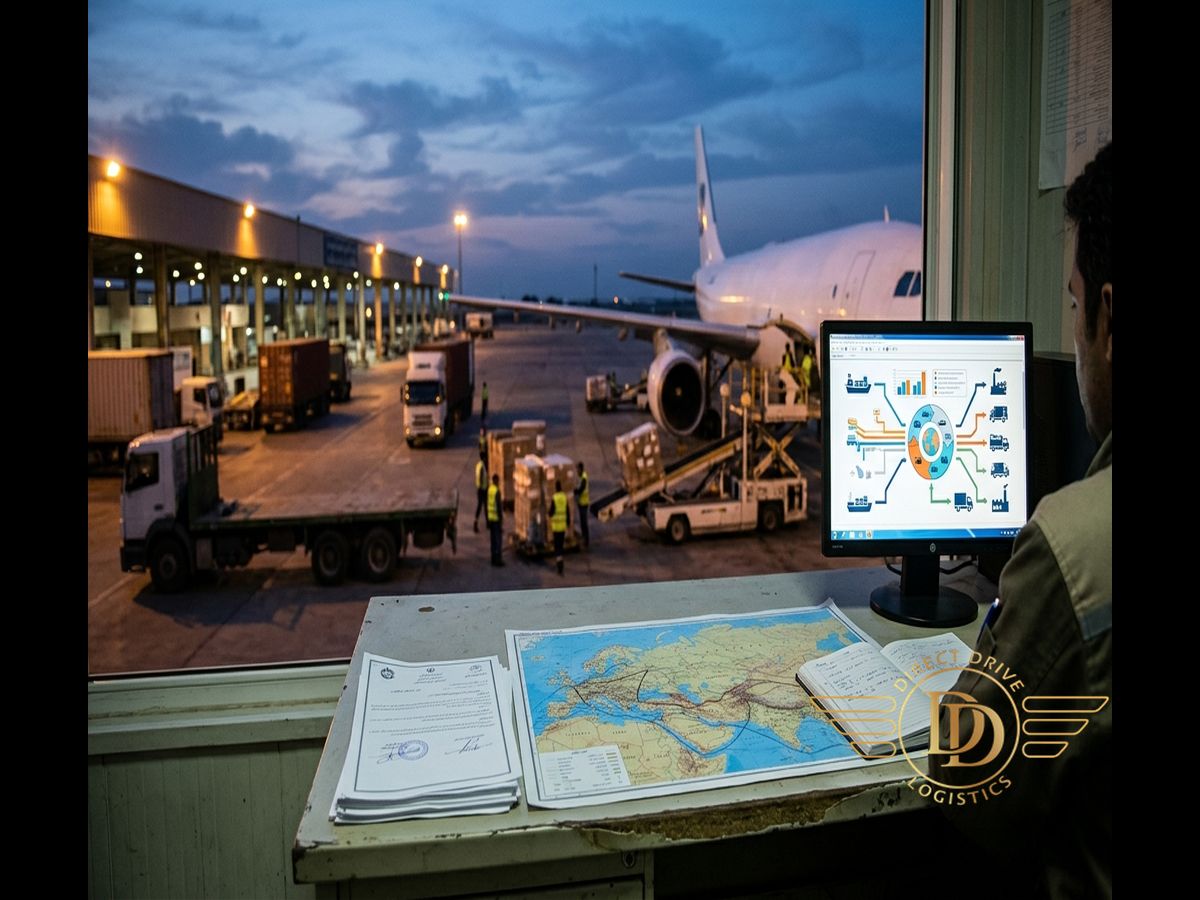
Discover how a well-defined freight forwarding career path can transform your logistics operations. A forward-thinking approach leverages Direct Drive Logistic’s unique dual-country presence and multimodal capabilities to showcase career paths not readily available at single-market or single-mode freight forwarders.
Imagine your Basra shipment delayed two weeks because your forwarder lacks direct Port of Umm Qasr clearance, costing you unforeseen storage fees. This guide explores the freight forwarding career path through multiple perspectives. We’ll define key roles like freight forwarders, who act as intermediaries coordinating shipments, and customs brokers, who specialize in navigating import/export regulations. Mastering Incoterms (international commercial terms) is also crucial for avoiding costly misunderstandings in global trade.
What entry-level freight forwarding roles are available, and what do they entail? How can you build a strong foundation in freight forwarding fundamentals? What skills and certifications are most valuable for career advancement? How does the freight forwarding career ladder typically look? What are the key differences between roles in operations, sales, and management? How can you leverage Direct Drive Logistic’s dual-country presence for career growth? What are the emerging trends shaping the future of freight forwarding careers? How can you create a personalized logistics career roadmap to reach your goals?
Whether you’re a seasoned professional or a business owner, you’ll gain actionable insights. We’ll address salary expectations, day-to-day responsibilities, and the impact of technology on freight forwarding career path. We’ll also explore the FIATA Diploma in Freight Forwarding (a globally recognized certification), a vital credential for career advancement. This guide transitions into exploring entry-level roles and the requirements to get started.
Breaking into Freight Forwarding: Entry-Level Roles and Requirements
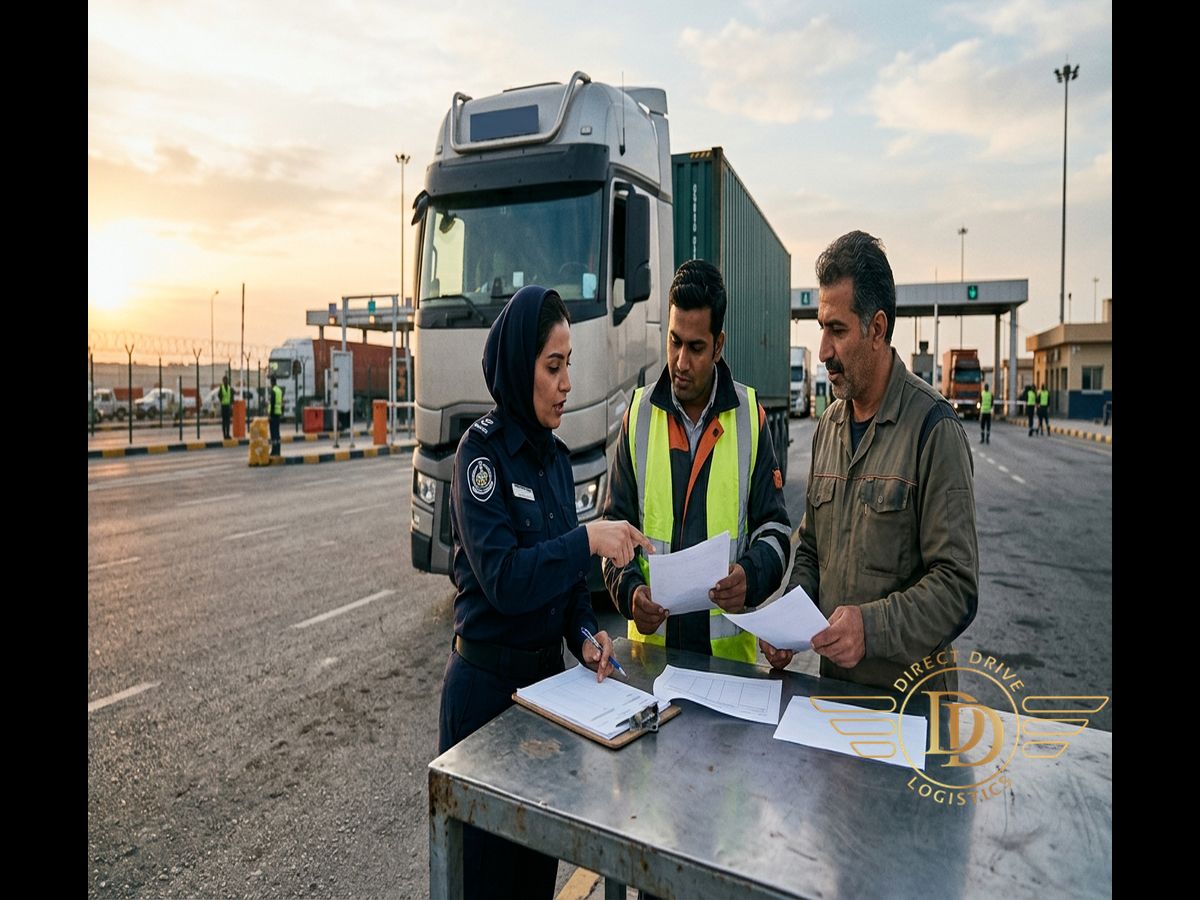
Essential Qualifications for Entry-Level Freight Forwarding Jobs
Persistent labor shortages are projected to affect over 70% of operations roles moving into 2026, making qualified candidates highly sought after. This means demonstrating foundational knowledge in areas like documentation, compliance, and basic logistics principles can significantly improve your chances. In our operations, we consistently see that candidates with a strong grasp of Incoterms (International Commercial Terms) and customs procedures adapt more quickly to the demands of cross-border shipments.
A FIATA Diploma is an international standard that applies to operations and sales roles in cross-border trade, and is essential for compliance with the Iraq Customs Authority (ICA) and IRICA freight forwarder skills. While not always mandatory for entry-level positions, holding certifications like the FIATA Diploma can give you a competitive edge and open doors to faster career progression. A frequent error in this stage: underestimating the value of practical knowledge over theoretical qualifications. Many candidates focus solely on academic achievements, neglecting to develop essential skills like communication and problem-solving.
Common Entry-Level Freight Forwarding Positions and Responsibilities
Entry-level roles in freight forwarding encompass a range of responsibilities, from documentation and customer service to operations support. Common positions include freight forwarding clerks, import/export assistants, and customer service representatives. These roles often involve tasks such as preparing shipping documents, coordinating with carriers, tracking shipments, and resolving customer inquiries. Salaries in Iraq for entry-level positions typically range from USD 12,000 to USD 18,000 annually in Baghdad and Basra. Our team at Direct Drive Logistic has found that individuals who excel in these roles demonstrate strong attention to detail, excellent communication skills, and a proactive approach to problem-solving.
One mistake we see regularly: candidates failing to research the specific requirements of the regional market. For example, understanding the nuances of dual KRG-Federal customs clearances at borders like Ibrahim Khalil is crucial for success in Iraq-Iran cross-border trade. The adoption of AI route optimization and predictive analytics is transforming freight forwarding. Global air cargo experienced a +7% increase in December 2025 compared to 2024, with a 2026 forecast of +2-4%, further driving the need for tech-savvy forwarders.
Understanding Incoterms (International Commercial Terms) for Beginners
A solid understanding of Incoterms is fundamental for anyone starting a freight forwarding career path. Incoterms define the responsibilities of buyers and sellers in international trade transactions, including who is responsible for transportation, insurance, and customs clearance. Familiarizing yourself with common Incoterms like FOB (Free on Board), CIF (Cost, Insurance, and Freight), and DDP (Delivered Duty Paid) is essential for accurate documentation and smooth shipment processing. In Iran-Iraq trade via borders like Parviz Khan, expertise in Incoterms is critical for compliant cross-border shipments, opening opportunities for advancement. In our operations across the region, we consistently see that a lack of Incoterms knowledge leads to delays, disputes, and increased costs for our clients.
Skipping this initial skills development adds 1-3 days for re-routing due to customs documentation non-compliance at the 11 Iraq-Iran borders. For example, Direct Drive Logistic’s Kurdish-speaking Erbil team resolved a temporary import license issue with KRG border authorities in 1 day for electronics and retail appliances shipped from Mersin, Turkey to Erbil, Iraq. This prevented potential delays and ensured timely delivery for the client. For freight forwarding Iraq, our team has extensive experience. Your next step: Begin studying Incoterms using online resources and aim to complete a practice quiz by the end of the week.
Building a Solid Foundation: Essential Skills for Freight Forwarding Success
Mastering Communication and Negotiation Skills in Freight Forwarding
Strong communication and negotiation skills are cornerstones of any successful freight forwarding career path. With persistent labor shortages affecting over 70% of operations roles, clear communication becomes even more critical. This ensures seamless coordination between clients, carriers, and customs officials. The ability to negotiate favorable rates and resolve disputes efficiently directly impacts profitability. Direct Drive Logistic’s quad-language operations team, fluent in Farsi, Arabic, Kurdish, and English, eliminates communication barriers, ensuring smooth transactions across diverse markets.
Effective communication extends beyond language proficiency. It involves active listening, empathy, and the ability to convey complex information concisely. Our team at Direct Drive Logistic has found that proactive communication, keeping clients informed about shipment status and potential delays, builds trust and strengthens relationships. In our operations across Iran and Iraq, we consistently see the value of clear and timely updates, especially when navigating the complexities of dual KRG-Federal customs clearances. One mistake we see regularly: failing to confirm Incoterms with the client upfront, leading to disputes over responsibility and added costs later.
Understanding Incoterms (International Commercial Terms): A Core Competency
A deep understanding of Incoterms (International Commercial Terms) is non-negotiable for a thriving logistics problem solving examples. These standardized trade terms define the responsibilities of buyers and sellers in international transactions, covering aspects like delivery, risk transfer, and costs. Iran-Iraq trade via borders like Parviz Khan and Shalamcheh demands Incoterms expertise for compliant cross-border shipments, creating advancement opportunities in operations roles. For example, using the wrong Incoterm can lead to delays and financial losses, especially given the +5-8% YoY growth tied to Middle East logistics expansion from 2025-2026.
Mastering Incoterms reduces misunderstandings and disputes, ensuring smooth and efficient transactions. Direct Drive Logistic’s 7-border crossing network, including operational presence at Parviz Khan, Bashmagh, and Mehran, requires a thorough grasp of Incoterms to navigate varying regulatory requirements. Our experience shows that a solid understanding of Incoterms minimizes risks associated with cross-border trade. A frequent error in this stage: assuming all parties have the same understanding of an Incoterm, without explicit confirmation and documentation.
Problem-Solving and Adaptability in Logistics Operations
Problem-solving and adaptability are crucial for navigating the dynamic landscape of logistics operations. The US FMCSA emergency rule on non-US CDLs in Sep 2025, which tightened trucking regulations, exemplifies the need for adaptability, potentially causing +10-15% rate hikes. A skilled freight forwarder must be able to quickly assess the situation, identify alternative solutions, and implement them effectively. For those aiming for leadership, understanding freight forwarding general trends is also key.
Our team at Direct Drive Logistic demonstrated this adaptability when re-routing FMCG goods from Tehran to Baghdad through the Mehran border crossing, maintaining the original ETA. Adaptability also means embracing new technologies and processes to improve efficiency and resilience. With AI route optimization and predictive analytics transforming freight forwarding, forwarders skilled in AI tools gain an edge. In Basra and Erbil hubs, forwarders with FIATA certifications fill gaps in cross-border trade, leveraging dual-country ops for mid-level promotions.
Skipping thorough Incoterms verification has cost our clients 2-4 days in delays and USD 300-500 in re-documentation fees in the past year alone.
Your next step: Review the Incoterms 2020 rules and identify potential areas of misunderstanding in your current contracts. Schedule a consultation with Direct Drive Logistic this week to assess your cross-border logistics plan.
Climbing the Ladder: Typical Freight Forwarding Career Paths
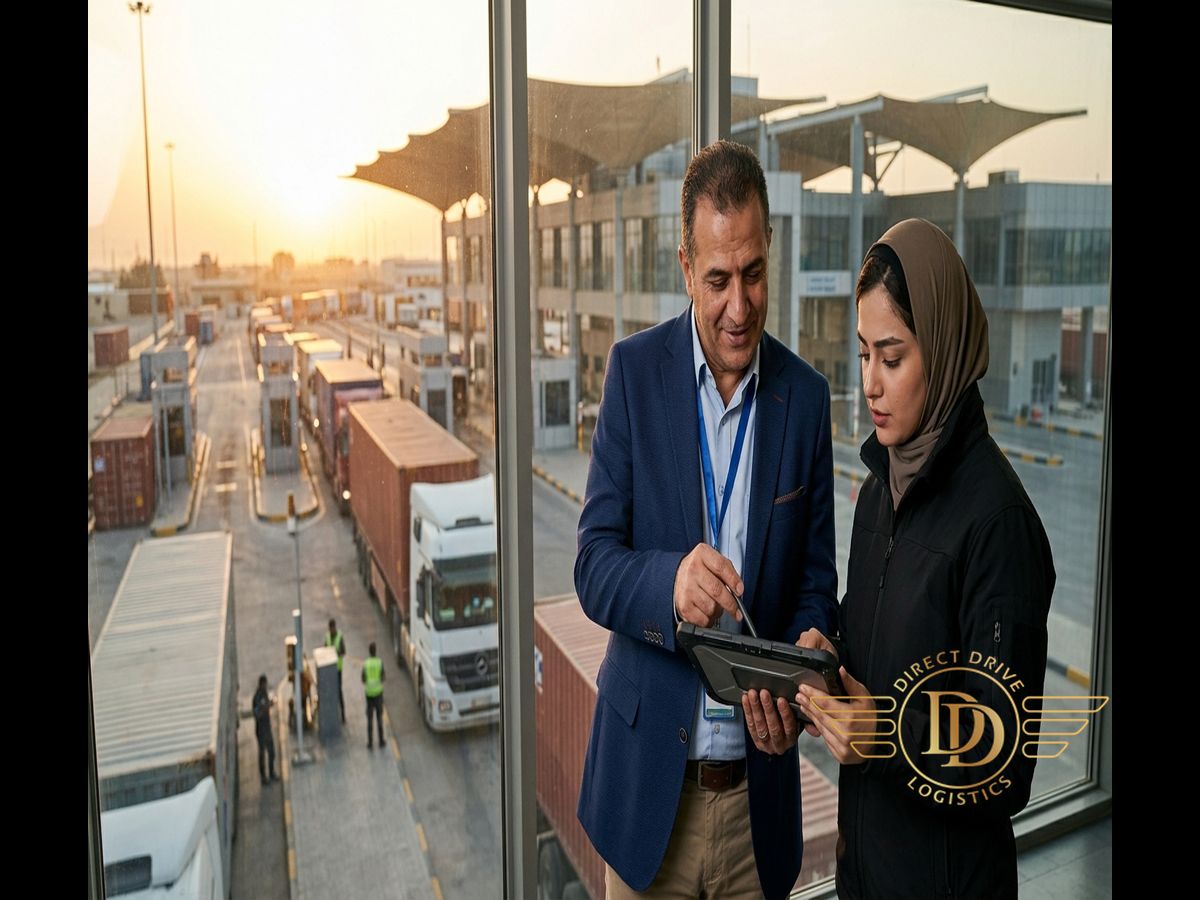
From Coordinator to Manager: Charting Your Freight Forwarding Career Path
A clearly defined freight forwarding career path is crucial for attracting and retaining talent in today’s competitive logistics landscape. Automation and training are key to addressing labor shortages, which affect over 70% of operations roles, according to industry reports. Forwarders with systems evaluation skills are particularly sought after for advancement. Entry-level salaries in Iraq range from USD 12,000-18,000 annually, making career progression a significant motivator. As Direct Drive Logistic operates a daily schedule of approximately 10 trucks from its Erbil hub to every Iraqi governorate, internal promotion opportunities are readily available for motivated team members.
Our team at Direct Drive Logistic has found that FIATA certifications are increasingly valuable for mid-level promotions, especially in cross-border trade between Iraq and Iran. These certifications ensure compliance with both the Iraq Customs Authority (ICA) and IRICA regulations. A frequent error in this stage: neglecting to obtain the required certifications, thus limiting opportunities for advancement. The 9 essential freight needed to progress in this field include a solid understanding of Incoterms and customs procedures.
Specialization and Advancement: Focusing on Key Areas in Freight Forwarding
Specialization within freight forwarding offers diverse avenues for career advancement. Given the increasing focus on sustainability, professionals with expertise in green logistics are in high demand. The Middle East warehousing boom expected in 2026 further underscores the need for specialized skills in warehousing and distribution. We see consistently that proficiency in AI route optimization and predictive analytics is transforming freight forwarding, with projections indicating a +2-4% global air cargo growth in 2026. This trend creates opportunities for forwarders skilled in AI tools, particularly in managing dual KRG-Federal customs clearances at borders like Ibrahim Khalil.
The demand for multimodal expertise is also growing, driven by intermodal logistics trends projecting shifts towards multimodal transport by 2026. A coordinator, for instance, might specialize in cross-border Iran-Iraq trade, gaining expertise in customs documentation at borders like Bashmagh. One mistake we see regularly: failing to develop a deep understanding of specific trade lanes or regulatory environments. Direct Drive Logistic’s Kurdish-speaking Erbil team resolved a temporary import license issue with KRG border authorities in just one day for electronics and retail appliances being shipped from Mersin, Turkey to Erbil, Iraq.
Leadership and Beyond: Opportunities for Growth in Freight Forwarding Management
Advancing to leadership roles in freight forwarding requires a blend of technical expertise and managerial skills. Senior-level positions in Tehran or Baghdad can command salaries of USD 50,000 or more annually, reflecting the high value placed on experienced professionals. The persistent labor shortages expected to continue from 2025 into 2026 highlight the importance of talent retention strategies. Companies need leaders who can effectively manage teams, implement automation solutions, and ensure compliance with evolving regulations.
Our team at Direct Drive Logistic has found that a strong understanding of financial management is critical for leadership roles. The emerging freight will demand leaders who can navigate complex challenges such as fluctuating freight rates and evolving trade policies. Without leadership, operational bottlenecks will continue to occur and increase the lead time for shipments. For example, the standard duration of 14-21 days via Bandar Abbas to Basra/Erbil, including dual KRG-Federal checks at Ibrahim Khalil then Al-Sad, could be reduced with stronger leadership to address the customs documentation compliance at 11 borders.
Skipping this step can lead to missed opportunities for career advancement and reduced earning potential. To succeed in freight forwarding Iraq, you’ll need ambition. Your next step: Identify a specialization area within freight forwarding and research relevant certifications or training programs to enhance your skills.
Looking for a logistics partner who knows these routes? Direct Drive Logistic operates daily from Erbil to every Iraqi governorate — reach out for a route-specific consultation.
Operations vs. Sales vs. Management: Key Role Differences
Freight Forwarding Operations: Daily Tasks and Required Skills
A well-defined freight forwarding career path starts with understanding daily operations. These roles are the backbone of any successful logistics company. Automation and training are key to addressing labor shortages, which affect over 70% of operations roles. Direct Drive Logistic’s quad-language operations team, fluent in Farsi, Arabic, Kurdish, and English, eliminates communication barriers that often plague cross-border shipments.
Daily tasks in freight forwarding operations include coordinating shipments, preparing documentation, and ensuring compliance with regulations. Skills needed range from customs procedures to route optimization. In our operations across Iran and Iraq, we consistently see that forwarders with FIATA certifications fill critical gaps in cross-border trade, particularly in hubs like Basra and Erbil. These certifications are crucial for navigating the complexities of Iraq Customs Authority (ICA) and IRICA compliance. A frequent error in this stage: neglecting to update knowledge of Incoterms, leading to delays and miscommunication with clients.
Freight Forwarding Sales Roles: Commission Structures and Client Acquisition
Sales roles in freight forwarding focus on acquiring new clients and maintaining existing relationships. Commission structures vary, but often include a base salary plus a percentage of revenue generated. Entry-level freight forwarding salaries in Iraq range from USD 12,000-18,000 annually, while mid-level positions can reach USD 25,000-40,000. These figures reflect the growing demand for skilled sales professionals in the Middle East logistics sector. Our team at Direct Drive Logistic has found that sales staff with experience in multimodal operations tend to command higher commissions, especially those familiar with air-road combinations.
Client acquisition strategies involve networking, cold calling, and participating in industry events. Sales professionals must possess strong communication and negotiation skills. One mistake we see regularly: failing to understand the client’s specific needs and offering generic solutions. As a true multimodal operator, Direct Drive Logistic handles over 100 international freight shipments annually, giving our sales team a diverse portfolio to offer potential clients.
Management Roles in Freight Forwarding: Leadership and Strategic Decision-Making
Management roles in freight forwarding involve leadership, strategic decision-making, and overseeing daily operations. These positions require a deep understanding of the industry, as well as strong leadership and communication skills. Senior management salaries in Tehran and Baghdad can exceed USD 70,000 annually, reflecting the high level of responsibility and expertise required. A persistent labor shortage, affecting over 70% of operations roles, underscores the need for effective management to retain and develop talent.
Managers are responsible for developing and implementing strategies to improve efficiency, reduce costs, and increase profitability. AI route optimization and predictive analytics are transforming freight forwarding, with 2026 projections showing a +2-4% increase in global air cargo. Effective managers must embrace these technologies to stay competitive. For example, Direct Drive Logistic re-routed FMCG goods from Tehran to Baghdad through the Mehran border crossing without changing the ETA, showcasing strategic decision-making in action. If you’re looking to expand your business into the region, consider freight forwarding Iraq.
Failing to invest in talent development can lead to a loss of skilled employees and increased operational costs. Sustainability tech investments are rising, requiring managers to stay informed about the latest trends and regulations. Your next step: Identify one area in your current operations where improved leadership could reduce costs or increase efficiency and develop a plan to address it by the end of the week.
Salary Expectations Across Freight Forwarding Roles
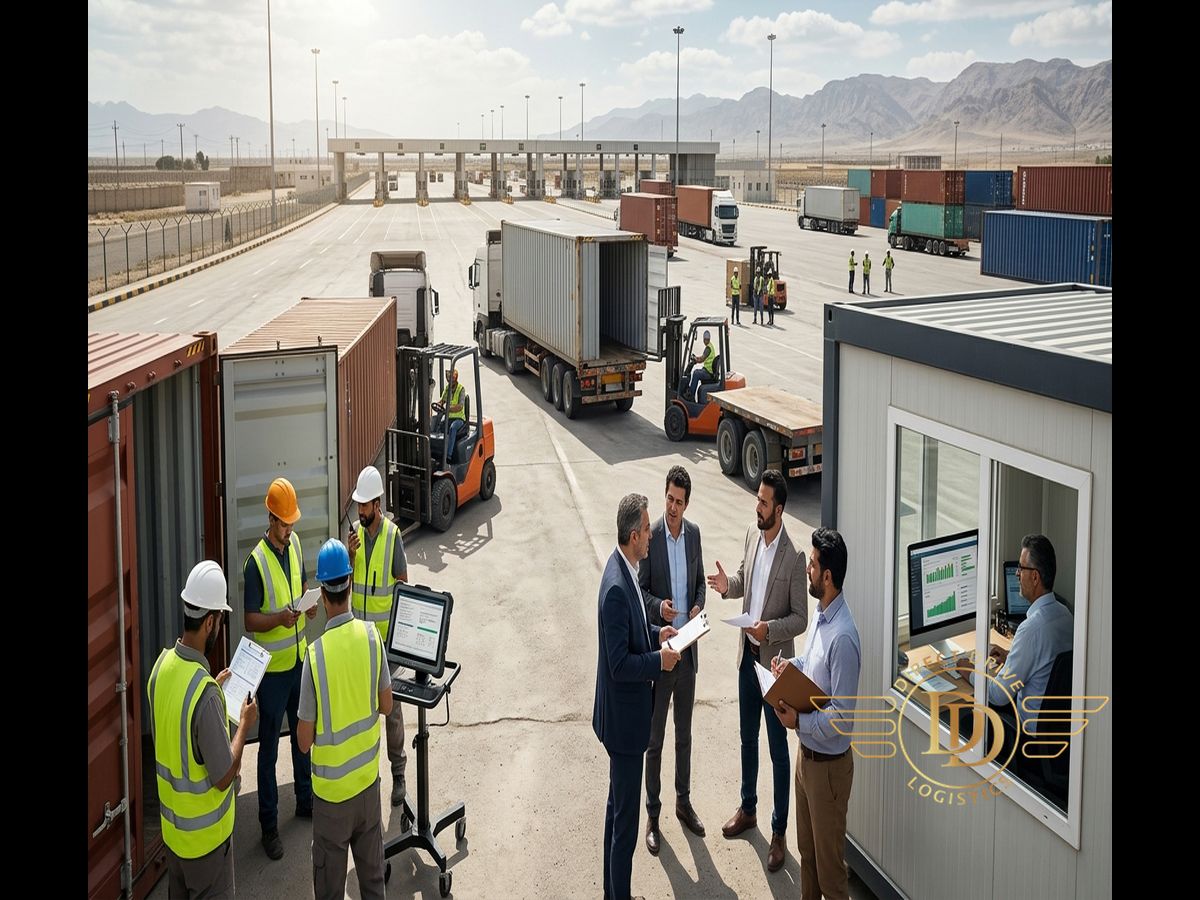
Entry-Level Freight Forwarding Salaries: Factors Influencing Initial Pay
Entry-level positions in freight forwarding offer a starting point for a dynamic logistics career. Salaries in Iraq for these roles typically range from USD 12,000 to USD 18,000 annually in cities like Baghdad and Basra. These figures are influenced by factors such as educational background and any prior experience in related fields. In Iran, the starting salaries are slightly lower, ranging from USD 10,000 to USD 15,000 in Tehran, reflecting local market conditions.
The specific skill set also impacts initial pay. Forwarders with FIATA certifications can fill gaps in cross-border trade, potentially leading to higher starting salaries. Our team at Direct Drive Logistic has found that candidates with strong language skills, particularly fluency in Farsi, Arabic, Kurdish, and English, are highly sought after, especially given our operational fluency across multiple countries. One mistake we see regularly: applicants underestimate the value of practical experience, even internships, when negotiating their initial salary. For example, Direct Drive Logistic managed the full corridor from China to Erbil for electronics and consumer goods, and candidates familiar with this type of multimodal operation are in high demand.
Average Salaries for Experienced Freight Forwarders: Operations vs. Sales Roles
Experienced freight forwarders can expect a significant increase in their earnings. Mid-level salaries in Iraq and Iran range from USD 25,000 to USD 40,000 annually, depending on the specific role and responsibilities. Those specializing in operations, particularly with expertise in Incoterms for compliant cross-border shipments, often command higher salaries due to the critical nature of their work.
Salaries in sales roles often include a commission structure, which can significantly boost overall compensation. The Middle East logistics expansion is projected to fuel a +5-8% YoY growth in salaries between 2025-2026. In our operations across the Ibrahim Khalil border, we consistently see that forwarders skilled in AI tools gain an edge in managing these complex operations, which translates to better career prospects. Direct Drive Logistic’s Kurdish-speaking Erbil team resolved a temporary import license issue with KRG border authorities in just one day, demonstrating the value of local expertise. For reliable freight forwarding, experience matters.
Management and Executive Freight Forwarding Compensation: Bonuses and Benefits
Management and executive positions in freight forwarding offer the highest earning potential. Senior-level professionals can earn USD 50,000 or more annually, with top earners in Tehran and Baghdad potentially reaching USD 70,000. These roles often come with additional benefits, such as performance-based bonuses and comprehensive healthcare packages. The persistent labor shortages, affecting over 70% of operations roles, further drive up compensation for experienced managers who can effectively lead teams and optimize processes.
Investments in sustainability tech are also rising, indicating that forwarders handling green logistics are in demand. The FMCSA emergency rule on non-US CDLs in September 2025 tightened trucking capacity, potentially leading to +10-15% rate hikes. This situation increases the need for skilled managers who can navigate these challenges and maintain efficient operations. According to logistics trends for 2026, automation and training are key to addressing labor shortages in warehousing and last-mile delivery. Failing to adapt your compensation strategy to attract and retain skilled personnel could lead to a 5-10% decrease in shipment volumes, especially in soft markets.
Your next step: Review your current salary structure against these benchmarks and identify key roles for potential raises or bonuses. Schedule a consultation with Direct Drive Logistic to discuss how our training programs can upskill your team and improve retention.
Skills and Certifications: Your Ticket to Advancement
Customs Brokerage License: Your Key to Import/Export Compliance Expertise
A solid freight forwarding career path often starts with mastering customs brokerage. This expertise is vital for navigating import/export regulations, especially in complex regions like the Iraq-Iran border. The skills and knowledge required include a deep understanding of Incoterms. Trade between Iran and Iraq via borders such as Parviz Khan and Shalamcheh, demands expertise in compliant cross-border shipments. This creates opportunities for advancement in operations roles.
The FIATA Diploma in Freight Forwarding is an international standard recognized by the Iraq Customs Authority (ICA) and IRICA. It’s often a requirement for mid-level advancement in multimodal firms. Direct Drive Logistic’s quad-language operations team, fluent in Farsi, Arabic, Kurdish, and English, minimizes communication barriers. This enables smoother customs processes. One mistake we see regularly: assuming that familiarity with one country’s customs procedures automatically translates to another. Each border crossing requires specific knowledge.
Project Management Certifications: Streamlining Freight Operations for Efficiency
Project management certifications enhance your ability to streamline freight operations, essential for career progression. With persistent labor shortages affecting over 70% of operations roles, optimizing processes is crucial. This is especially true in hubs like Basra and Erbil. Freight forwarders with FIATA certifications can fill gaps in cross-border trade. They can also leverage dual-country operations for mid-level promotions. In our operations across the region, we consistently see that project management skills translate to faster transit times and reduced costs for our clients.
Consider Direct Drive Logistic’s ability to re-route FMCG goods from Tehran to Baghdad through the Mehran border crossing without affecting the ETA. This demonstrates the value of project management in action. Our team in Erbil operates approximately 10 trucks per day on a fixed daily schedule to every Iraqi governorate. This reliability is a direct result of efficient project management. A frequent error in this stage: failing to anticipate potential delays at border crossings and not having contingency plans in place.
Technology Skills: Leveraging AI and Digitalization in Freight Forwarding
Technology skills, particularly in AI and digitalization, are increasingly important for career advancement. AI route optimization and predictive analytics are transforming freight forwarding. The global air cargo demand is projected to grow, potentially driving demand for tech-savvy forwarders. In Iraq-Iran cross-border trade, forwarders skilled in AI tools gain an edge in managing dual KRG-Federal customs clearances. This is especially true at borders like Ibrahim Khalil and Khosravi.
Sustainability tech investments are rising. This reflects the growing focus on emissions reporting and green logistics. As a true multimodal operator, Direct Drive Logistic integrates road, sea, and air freight. We’ve completed over 2,900 shipments, demonstrating our commitment to leveraging technology for efficient and sustainable operations. For example, we managed the full corridor for electronics and consumer goods from China to Erbil, Iraq, via Bandar Abbas port. This involved ocean freight, Iranian CMR transit, and KRG import clearance, all managed by a single operator with a single CMR consignment note and invoice.
Skipping investment in project management and tech skills can add 1-3 days to cross-border shipments. This can also result in a 10-15% increase in costs due to rerouting and delays. For freight forwarding, efficiency is key.
Your next step: Identify one skill gap in your team related to technology or project management and allocate 2 hours this week to research training options.
Ready to move forward? Contact Direct Drive Logistic — a 15-minute consultation often prevents days of border delays.
Get Your Free QuoteNavigating KRG vs. Federal Customs: Opportunities in Iraqi Border Operations
Understanding KRG and Federal Iraqi Customs Regulations: A Freight Forwarder’s Guide
Navigating customs regulations in Iraq demands expertise, especially when dealing with the Kurdistan Regional Government (KRG) and Federal Iraqi borders. The skills for freight forwarding are constantly evolving. Success hinges on understanding the nuances of both systems. Lead times can vary significantly. For example, the standard duration for clearance via Bandar Abbas to Basra or Erbil is 14-21 days. This includes dual KRG-Federal checks at Ibrahim Khalil and Al-Sad.
However, this timeline can fluctuate based on customs documentation compliance at the 11 borders between Iran and Iraq. These include Bashmagh KRG and Mehran Federal. A frequent error in this stage: assuming identical documentation requirements across all border crossings. This can add 1-3 days for re-routing. Our team at Direct Drive Logistic has found that a proactive approach, with detailed knowledge of each border’s specific requirements, can significantly expedite the process.
Career Opportunities: Specializing in Iraqi Border Clearance with Direct Drive Logistics
A freight forwarding career path specializing in Iraqi border clearance offers significant opportunities. Direct Drive Logistics, with its dual-country presence and emerging freight insights, provides unique advantages. The company operates across 7 border crossings. This includes Parviz Khan, Bashmagh, and Ibrahim Khalil. Entry-level salaries in Iraq range from USD 12,000-18,000 annually. Mid-level positions can reach USD 25,000-40,000. Senior roles can exceed USD 50,000. These figures reflect the increasing demand for skilled professionals in the region.
Direct Drive Logistic’s quad-language operations team eliminates communication barriers. The team has fluency in Farsi, Arabic, Kurdish, and English. This is crucial for navigating the complexities of cross-border trade. The persistent labor shortages from 2025 continue into 2026. This situation impacts over 70% of operations roles. Specializing in KRG customs clearance jobs can significantly enhance career prospects. As Direct Drive Logistic operates ~10 trucks/day from Erbil hub covering Baghdad, Karbala, Najaf, Basra, Kut (Wasit), Diyala, Nasiriyah, and all Iraqi governorates, this provides a reliable line-haul schedule, not a call-and-wait service.
Navigating HS Codes (Harmonized System Codes) and Compliance in the KRG Region
Accurate classification of goods using Harmonized System (HS) codes is critical for compliance in the KRG region. One mistake we see regularly: using outdated HS codes, leading to delays and potential penalties. This also applies to Iraq border freight forwarding. The FIATA Diploma is an international standard for forwarders. Having this diploma applies to operations and sales roles in cross-border trade. It is essential for Iraq Customs Authority (ICA) and IRICA compliance. The FMCSA CDL rule impacted freight capacity in September 2025, potentially increasing rates by 10-15% in some markets.
Direct Drive Logistics managed the full corridor for electronics and consumer goods from China to Bandar Abbas port, Iran, then to Erbil, Iraq. This involved ocean freight to Bandar Abbas, Iranian CMR transit, and KRG import clearance. This was achieved with a single operator, single CMR consignment note, and single invoice. Specializing in this area can lead to advancement opportunities. A solid grasp of HS codes and compliance procedures is a valuable asset for a freight forwarding career path. This is especially true in the complex Iraqi border environment.
Failing to accurately navigate KRG and Federal customs regulations can add 1-3 days to shipment times, resulting in increased storage fees and potential penalties. For reliable freight forwarding Iraq, working with experienced partners is essential.
Your next step: Review your current HS code classification processes by 2024-07-01 and contact Direct Drive Logistic to discuss our compliance support services.
Send your cargo details to Direct Drive Logistic on WhatsApp — get a route-specific checklist and quote within 24 hours.
Message on WhatsAppWhy Choose Direct Drive Logistic?
Offices in Erbil (HQ) + Tehran (Nasim Shahr Terminal); warehouses in Zakho, Erbil, Basra, and Tehran (2,000 sqm)
Government-licensed clearing agent — direct port access for sea freight into southern Iraq
2,500+ Iraq domestic deliveries, 300+ Iran-Iraq cross-border, 100+ international freight; air freight handler at Erbil, Baghdad, and Basra airports
Operational at Parviz Khan, Bashmagh, Haji Omran (Piranshahr), Mehran, Khosravi, Ibrahim Khalil (Turkey), and Bandar Abbas port (Iran)
Full operational fluency in Farsi, Arabic, Kurdish, and English — client-facing and documentation
~10 trucks/day from Erbil hub covering Baghdad, Karbala, Najaf, Basra, Kut (Wasit), Diyala, Nasiriyah, and all Iraqi governorates
Frequently Asked Questions
▼ What are the best freight forwarding career path options for someone starting out in logistics in Iraq or Iran?
The best freight forwarding career path entry points in Iraq and Iran often begin with roles like documentation clerk, customer service representative, or operations assistant. These positions offer exposure to key processes such as customs clearance, shipment tracking, and regulatory compliance. Building fluency in Farsi, Arabic, Kurdish, and English can significantly enhance career prospects, particularly in companies like Direct Drive Logistic that operate across borders. Entry-level salaries typically range from USD 12,000-18,000 annually in Iraq and USD 10,000-15,000 in Iran.
▼ How do I choose a freight forwarding career path that aligns with my skills and interests?
Choosing a freight forwarding career path requires self-assessment of your skills and interests, followed by targeted training and networking. If you enjoy problem-solving and data analysis, consider roles in supply chain optimization or logistics technology. Those with strong communication and interpersonal skills might excel in sales or customer relationship management. Obtaining a FIATA Diploma is an excellent way to gain a comprehensive understanding of freight forwarding and enhance your career prospects, particularly in roles requiring compliance with Iraq Customs Authority (ICA) regulations.
▼ What skills are most valuable for advancing on a freight forwarding career path in the Middle East?
The most valuable skills for advancing in freight forwarding in the Middle East include proficiency in multiple languages (Farsi, Arabic, Kurdish, and English), expertise in Incoterms (International Commercial Terms), and a strong understanding of local customs regulations. Familiarity with AI-powered route optimization tools and predictive analytics is increasingly important, especially for managing cross-border shipments through complex regions like the Kurdistan Region (KRG) and Federal Iraq. Developing expertise in multimodal operations is also crucial, given the growing emphasis on intermodal logistics.
▼ What is the typical salary progression on a freight forwarding career path in Iraq or Iran?
The typical salary progression in freight forwarding in Iraq and Iran starts with entry-level positions paying USD 12,000-18,000 annually in Iraq (Baghdad/Basra) and USD 10,000-15,000 in Iran (Tehran). Mid-level roles, such as operations managers or sales executives, can earn USD 25,000-40,000. Senior management positions, like logistics directors, can command salaries of USD 50,000 or more. Salary growth is often tied to experience, certifications (like FIATA), and the ability to manage complex cross-border operations.
▼ How important is certification for a freight forwarding career path?
Certification, such as the FIATA Diploma in Freight Forwarding, is highly important for career advancement, particularly in Iraq and Iran, where regulatory compliance is critical. A FIATA diploma demonstrates a commitment to professional standards and provides a comprehensive understanding of freight forwarding operations. This is especially valuable for roles involving cross-border trade and compliance with regulations from organizations such as the Iraq Customs Authority (ICA) and the Islamic Republic of Iran Customs Administration (IRICA).
▼ What educational background is recommended for a freight forwarding career path?
While a specific degree isn’t always mandatory, a bachelor’s degree in logistics, supply chain management, international business, or a related field is highly recommended for a freight forwarding career path. Coursework in transportation, warehousing, and customs regulations provides a strong foundation. Practical experience through internships or entry-level positions is also invaluable. Furthermore, continuous professional development, such as courses on Incoterms or trade compliance, is essential for staying current in this dynamic field.
▼ What are the day-to-day responsibilities of a freight forwarder, and how do they evolve along the career path?
The day-to-day responsibilities of a freight forwarder initially involve tasks like processing shipping documents, coordinating transportation, and tracking shipments. As you advance along the freight forwarding career path, responsibilities evolve to include managing client relationships, negotiating rates with carriers, developing logistics strategies, and ensuring compliance with international trade regulations. Senior roles may involve overseeing entire logistics operations, managing teams, and driving business development.
▼ How is technology transforming the freight forwarding career path, and what skills are needed to adapt?
Technology is significantly transforming the freight forwarding career path, with AI-powered route optimization and predictive analytics becoming increasingly prevalent. To adapt, freight forwarders need skills in data analysis, systems evaluation, and digital logistics platforms. Familiarity with Transportation Management Systems (TMS), Warehouse Management Systems (WMS), and other logistics technologies is essential. Professionals who can leverage technology to improve efficiency, reduce costs, and enhance customer service will be in high demand.
▼ What are the biggest challenges facing freight forwarders in Iraq and Iran, and how can a career in freight forwarding help address them?
The biggest challenges facing freight forwarders in Iraq and Iran include navigating complex customs procedures, managing security risks, dealing with infrastructure limitations, and ensuring compliance with international trade regulations. A career in freight forwarding offers the opportunity to address these challenges by developing expertise in local regulations, building strong relationships with customs officials, implementing robust security protocols, and optimizing logistics operations. For example, Direct Drive Logistic utilizes a 7-border crossing network to mitigate delays caused by congestion at specific border points.
▼ How long does it typically take to advance from an entry-level position to a management role on a freight forwarding career path?
The timeframe to advance from an entry-level position to a management role on a freight forwarding career path typically ranges from 5 to 10 years, depending on individual performance, skills development, and company growth. Actively seeking opportunities for professional development, such as obtaining certifications or taking on challenging projects, can accelerate career advancement. Demonstrating leadership potential and a strong commitment to customer satisfaction are also key factors.
▼ What is the cost of investing in a freight forwarding career path, considering education, training, and certifications?
The cost of investing in a freight forwarding career path varies depending on the level of education and training pursued. A bachelor’s degree in logistics or a related field can cost several thousand dollars per year. Certifications like the FIATA Diploma may range from $2,000 to $5,000. Continuous professional development through workshops and online courses can add several hundred dollars per year. However, these investments can significantly increase earning potential and career advancement opportunities.
▼ How can Direct Drive Logistic support my freight forwarding career path in the Middle East?
Direct Drive Logistic, with its dual-country physical presence and quad-language operations team, provides a strong platform for developing a successful freight forwarding career path in the Middle East. The company’s expertise in cross-border trade, multimodal operations, and local customs regulations offers valuable learning opportunities. Working with an experienced general business provider like Direct Drive Logistic can provide exposure to diverse challenges and opportunities, accelerating professional growth and development. Direct Drive Logistic is a licensed clearing agent at Port of Umm Qasr, giving employees unique access to sea freight operations in southern Iraq.
Conclusion
A successful freight forwarding career path requires a blend of technical knowledge, strong communication skills, and a clear understanding of the industry landscape. As highlighted in the article, entry-level positions can lead to management roles with dedication and the right certifications, like a customs brokerage license. The potential for growth is substantial for those willing to invest in their skills and knowledge.
To actively advance your freight forwarding career path, begin by identifying three skills from the article (communication, negotiation, customs regulations) that you need to strengthen. Then, dedicate 1-2 hours each week to online courses or industry publications focused on those specific areas. Document your progress and note how applying these skills improves your daily tasks.
Direct Drive Logistic understands the nuances of building a successful freight forwarding career path, especially within complex regions like Iraq and Iran. Our quad-language operations team eliminates communication barriers, allowing you to focus on mastering the intricacies of customs and logistics. For expert solutions and reliable support, contact Direct Drive Logistic at (+964) 750 637 9296.
Ready to steer your career towards success in the dynamic world of freight forwarding? Apply now for exciting opportunities at Direct Drive Logistic and unlock a future filled with growth and rewarding challenges. Call us today at (+964) 750 637 9296 to learn more about our open positions and start your journey!
Get Your Free Quote NowContact Us for a Consultation
Location
Direct Drive Logistic
MRF Quattro towers, Block A-29-1
Erbil, Kurdistan Region