
Supply Chain Mastery in Iraq: Global Strategies for 2025
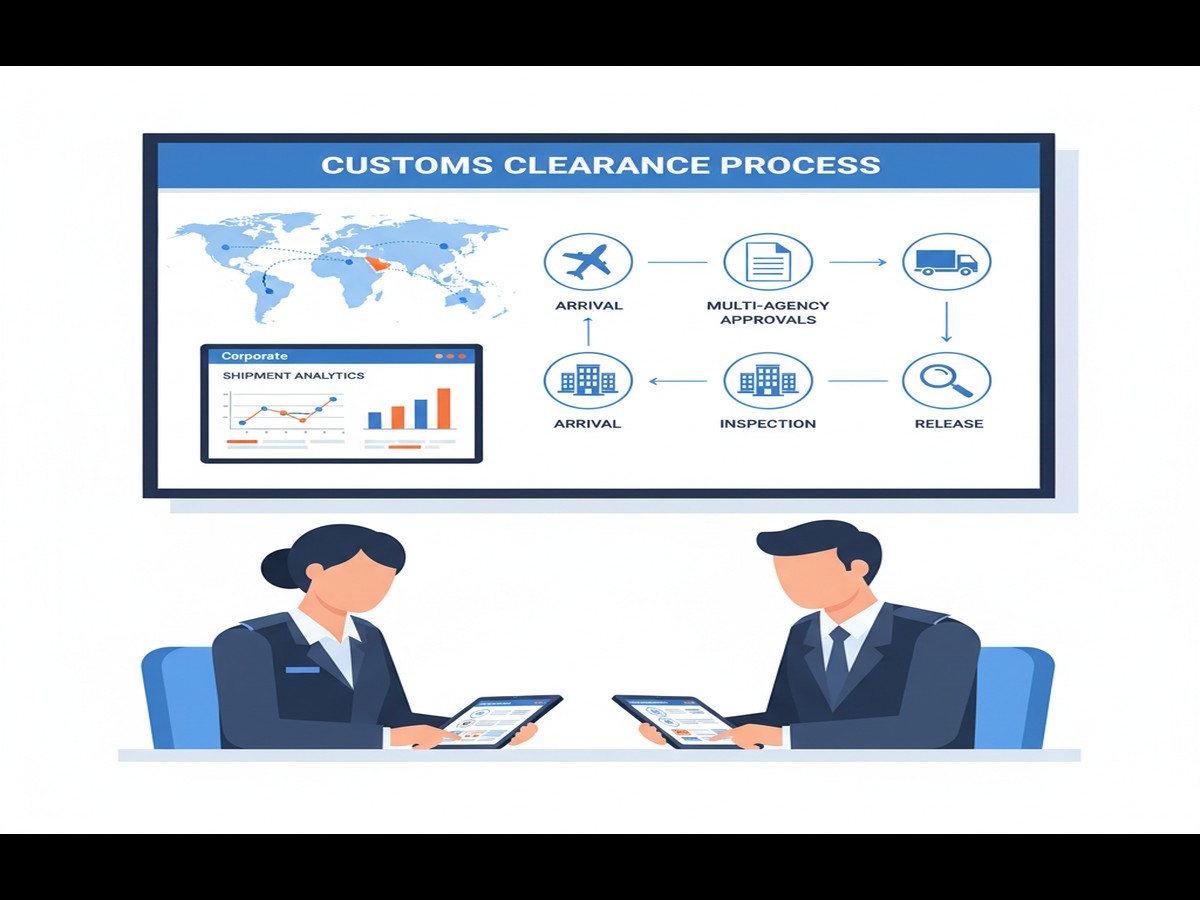
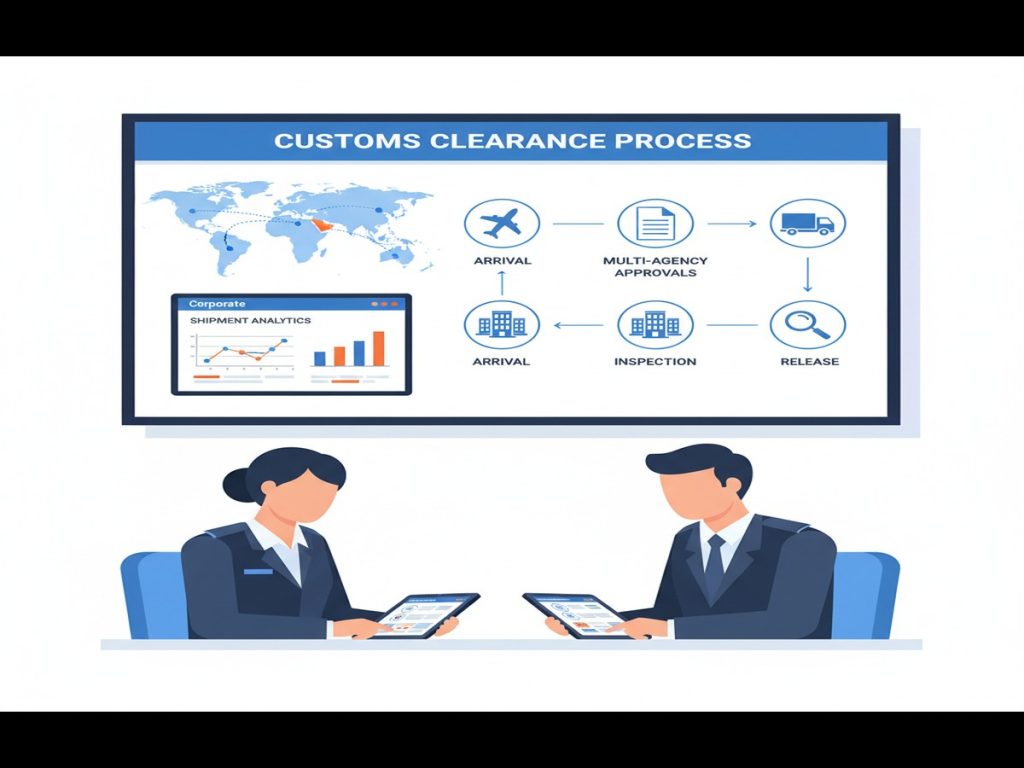
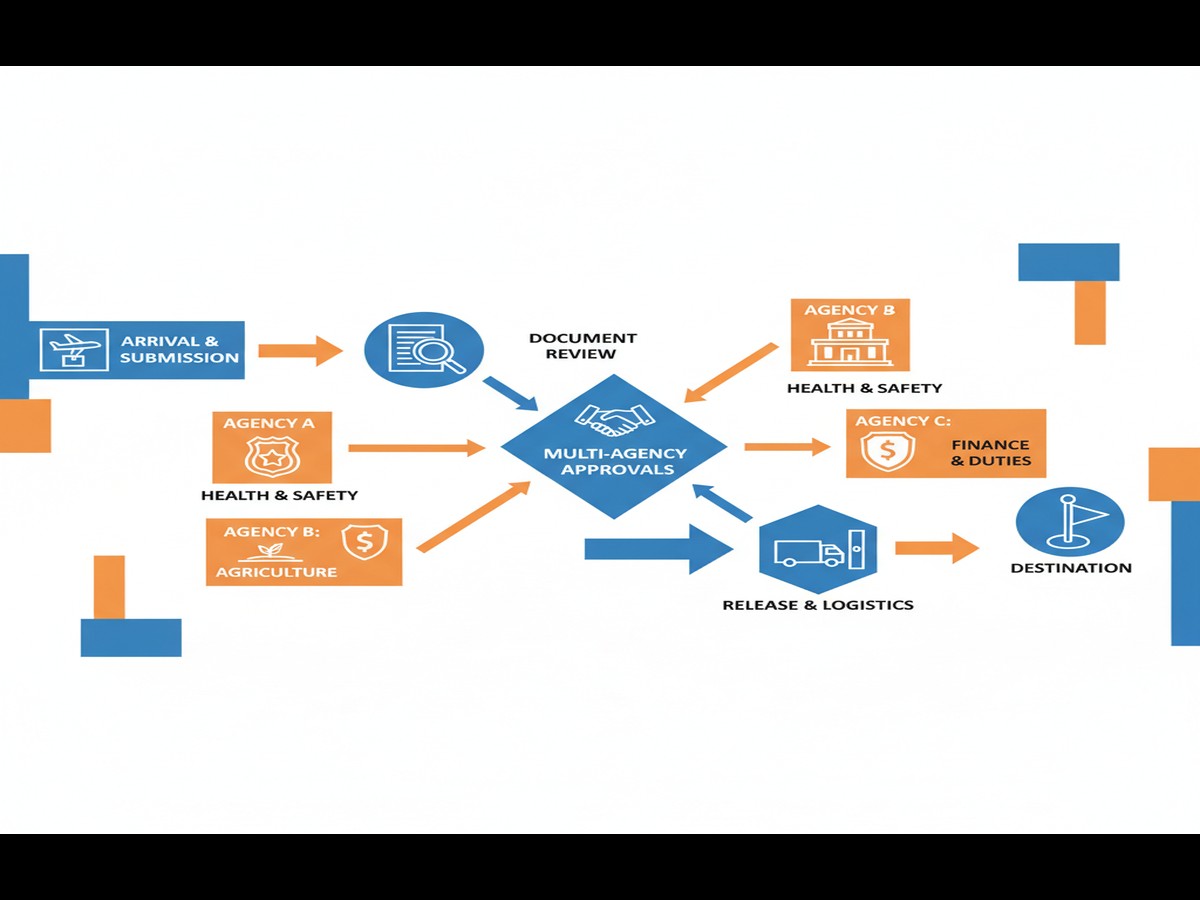
Discover how mastering international supply chain management Iraq can transform your logistics operations. This article offers a practical, actionable guide for businesses seeking to build resilient and efficient international supply chains specifically within Iraq’s complex regulatory and infrastructural landscape, moving beyond generic SCM principles. In a global economy increasingly defined by interconnectedness and volatility, navigating intricate cross-border logistics is paramount. For businesses operating in or with Iraq, understanding its unique environment is not merely an advantage; it is a necessity for sustainable growth. Successfully managing the entry of goods, for instance, requires meticulous attention to customs clearance, which is the process of getting goods through customs to facilitate entry into a country. It involves preparing and submitting documentation, calculating duties and taxes, and ensuring compliance with import regulations.
Iraq’s ongoing reconstruction efforts, coupled with its strategic geographical position, present immense opportunities for trade and investment. Understanding mastering international supply chain management iraq is essential. However, capitalizing on these demands a deep understanding of the unique challenges involved, including developing infrastructure, evolving regulatory frameworks, and geopolitical considerations. This comprehensive guide explores mastering international supply chain management Iraq through multiple perspectives. We’ll cover its unique landscape, navigate key challenges, and outline strategic pillars for effective management. A key aspect of this involves efficient freight forwarding, a service that organizes shipments for individuals or corporations to get goods from manufacturer to market. It involves coordinating various carriers and logistics services, which is particularly complex in regions with diverse transport options.
To further enhance your operations, we will explore Leveraging Technology and Best Practices for Supply Chain Optimization, showcasing how modern tools can enhance efficiency and visibility across your network. Finally, we address Building Resilient Supply Chains: Risk Mitigation and Future Outlook, ensuring your operations are prepared for unforeseen disruptions and future-proofed against evolving market dynamics. Whether you’re a logistics professional or business owner, you’ll gain actionable insights to enhance your operations and truly succeed in mastering international supply chain management Iraq. Understanding supply chain resilience—the ability of a supply chain to withstand disruptions, recover quickly from them, and adapt to changing conditions—is crucial for long-term success in this dynamic environment. This article provides the foundational knowledge and advanced strategies to achieve just that.
The Unique Landscape of International Supply Chains in Iraq
The Unique Landscape of International Supply Chains in Iraq
Mastering international supply chains in Iraq presents a distinct set of challenges and opportunities that demand specialized expertise and a nuanced understanding of the local environment. Unlike many other global markets, Iraq’s logistics landscape is profoundly shaped by its recent history, ongoing development, and strategic geopolitical position. For businesses aiming to operate effectively within this dynamic region, recognizing and adapting to these unique conditions is paramount for ensuring supply chain continuity and efficiency. From the bustling port of Umm Qasr to the complex last-mile delivery in diverse urban and rural settings, every step of the supply chain requires meticulous planning and agile execution. The projected growth in areas like Iraq SCM software outlook highlights the increasing sophistication required.
Navigating Complex Geopolitical Risks and Security Challenges for Supply Chain Continuity
One of the most significant factors influencing international supply chains in Iraq is the pervasive geopolitical risk and the associated security challenges. While the country has made strides towards stability, regional tensions, localized conflicts, and the potential for civil unrest can disrupt transportation routes, delay shipments, and compromise personnel safety. Effective supply chain management necessitates robust risk assessment protocols, including real-time intelligence gathering, alternative route planning, and secure transit solutions. Companies must implement stringent security measures for cargo, warehouses, and personnel, often requiring partnerships with local security providers. For instance, convoys moving goods through certain provinces may require armed escorts or specific timing to mitigate risks, directly impacting lead times and operational costs. Maintaining continuity demands a proactive approach to potential threats, ensuring that goods can reach their destination even in unpredictable circumstances.
Overcoming Infrastructure Deficiencies and Logistical Bottlenecks in Distribution Networks
Iraq’s logistics infrastructure, while improving, still faces considerable deficiencies that create significant bottlenecks in distribution networks. Decades of conflict and underinvestment have left much of the road, rail, and port infrastructure in need of modernization. Congestion at major entry points, such as the port of Umm Qasr, can lead to extended dwell times and demurrage charges. Poor road conditions often slow transit times, increase vehicle maintenance costs, and limit the types of vehicles that can be used. Furthermore, the lack of modern warehousing facilities, particularly outside major urban centers, complicates inventory management and storage. Addressing these issues requires innovative solutions, such as leveraging multimodal transport where feasible, investing in local warehousing partnerships, and optimizing last-mile delivery strategies. Understanding the current Iraq logistics market data is crucial for strategic planning.
Managing Intricate Regulatory Frameworks and Bureaucratic Processes for Smooth Operations
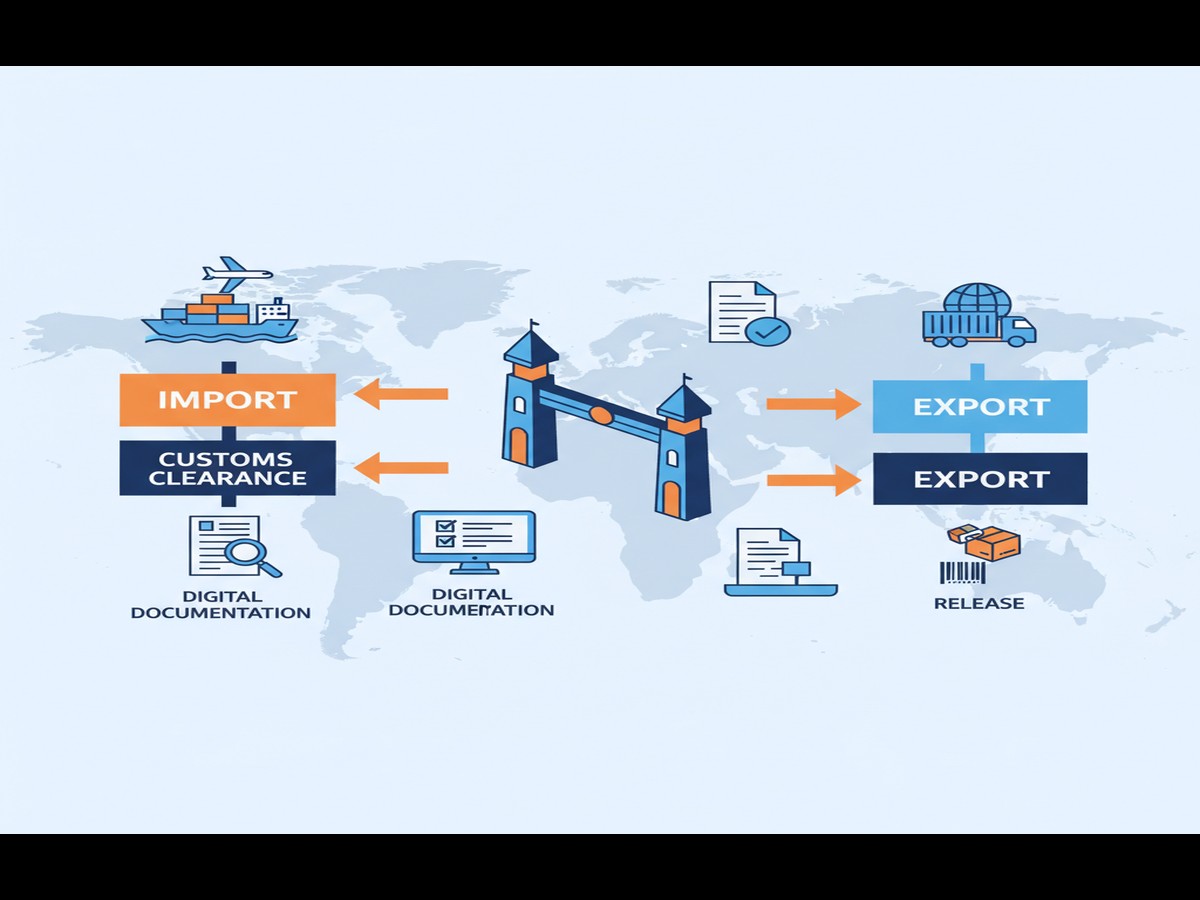
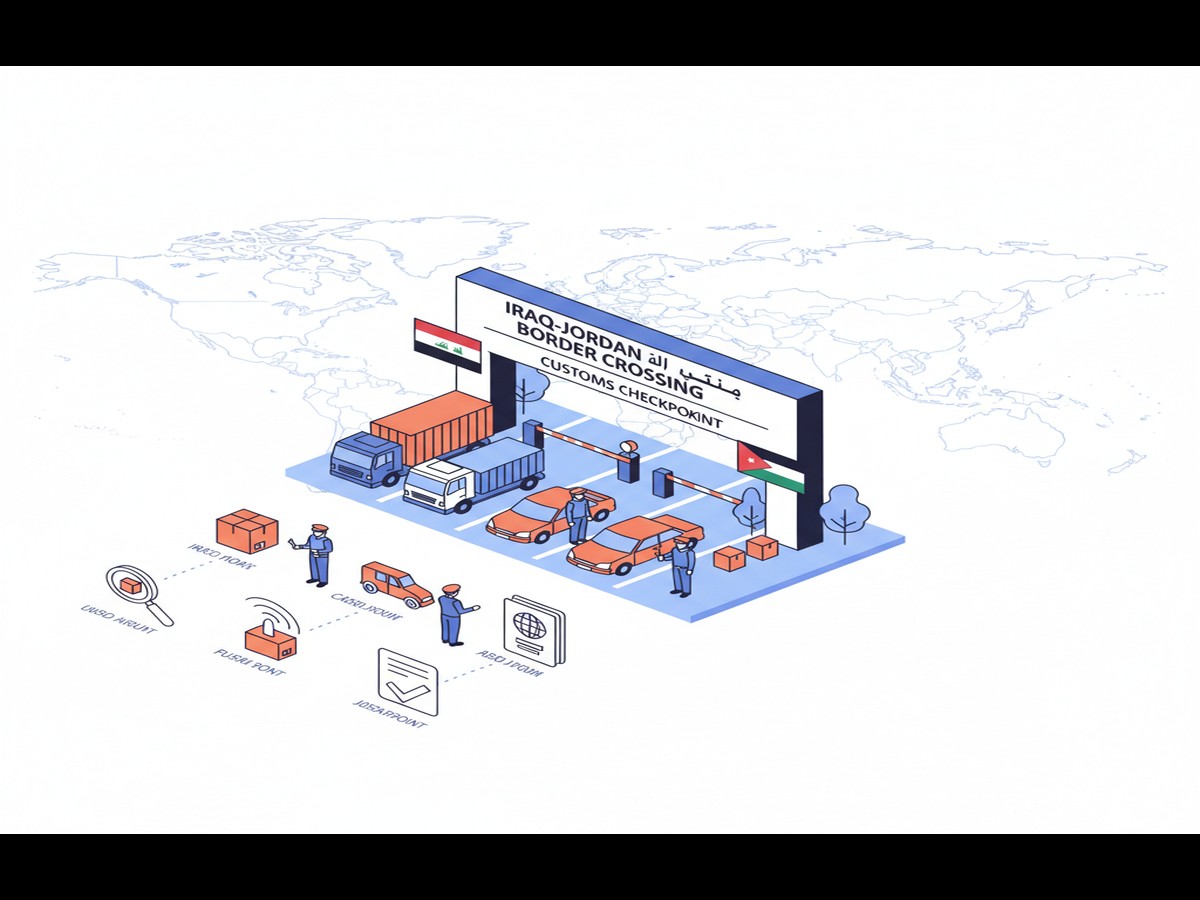
Successfully operating an international supply chain in Iraq also means navigating an intricate web of regulatory frameworks and bureaucratic processes. Customs clearance procedures can be complex, time-consuming, and subject to frequent changes, often varying between federal and regional authorities, such as the Kurdistan Region. Obtaining the necessary permits, licenses, and certifications for imports and exports can be a labyrinthine task, requiring extensive documentation and adherence to specific local requirements. Delays at borders or checkpoints due to administrative hurdles are common, impacting delivery schedules and increasing operational expenses. Companies must invest in deep local knowledge, either through dedicated in-house teams or experienced local partners, to ensure compliance and expedite processes. Clear communication channels with local authorities and a thorough understanding of import regulations are vital to avoid costly penalties and ensure smooth, uninterrupted operations.
Navigating Key Challenges: Infrastructure, Regulations, and Geopolitics
Navigating the Iraqi logistics landscape presents a unique set of challenges that demand strategic foresight and robust operational planning. For businesses intent on mastering international Iraqi supply chain management, understanding and mitigating these hurdles is paramount. From foundational infrastructure issues to intricate regulatory mazes and the ever-present geopolitical considerations, each element requires a tailored approach to ensure seamless operations and sustainable growth.
Overcoming Infrastructure Deficiencies and Connectivity Gaps in Iraq’s Logistics Network
Iraq’s strategic location offers immense potential, yet its existing logistics network is often hampered by significant infrastructure deficiencies. Ports like Umm Qasr, while vital, frequently experience Iraq SCM software can significantly enhance port operations and reduce bottlenecks, improving throughput and efficiency. Road networks, though extensive, can suffer from varying conditions and security concerns, impacting transit times and the reliability of freight forwarding. Rail infrastructure is limited, leaving road transport as the primary mode for inland distribution, which in turn strains Iraq IT trends 2025 are pushing for greater investment in digital solutions to bridge these connectivity gaps, offering real-time tracking and improved route optimization. Overcoming these challenges requires strategic investment in modern transport infrastructure, alongside innovative solutions for last-mile delivery, often leveraging local partnerships to navigate complex terrains and ensure timely distribution.
Deciphering Complex Regulatory Frameworks and Customs Procedures for Iraqi Supply Chains
The regulatory environment in Iraq can be intricate and dynamic, posing significant challenges for international efficient supply chains. Businesses must navigate a labyrinth of customs procedures, import/export licenses, and varying tariff structures. Meticulous documentation is not just a best practice but a strict necessity to avoid delays and penalties. Understanding the specific requirements for different product categories, from industrial equipment to consumer goods, is critical. Furthermore, adherence to local standards and compliance with evolving trade agreements demand constant vigilance. Partnering with experienced local customs brokers and logistics providers who possess deep knowledge of the Iraqi legal framework and established relationships can significantly streamline the customs clearance process, ensuring compliance and reducing the risk of costly disruptions.
Mitigating Geopolitical Instability and Security Risks Affecting Iraqi Trade Routes
Geopolitical instability and security risks are inherent factors that demand careful consideration when operating international supply chains in
Strategic Pillars for Effective International Supply Chain Management in Iraq
Strategic Pillars for Effective International Supply Chain Management in Iraq
Mastering international supply chain management in Iraq demands a multifaceted approach, built upon strategic pillars designed to navigate its unique operational landscape. Success hinges on proactive risk management, embracing technological advancements, and fostering robust local collaborations. For companies like Direct Drive Logistic, these pillars are not merely best practices but essential frameworks for achieving efficiency, resilience, and sustainable growth in a dynamic market.
Risk Mitigation Strategies for Navigating Complex Political and Economic Environments
Iraq’s geopolitical and economic environment presents distinct challenges, making robust risk mitigation non-negotiable for international supply chain management. Political instability, security concerns, and fluctuating economic conditions necessitate comprehensive contingency planning. This includes diversifying transportation routes and modes, for example, utilizing international air freight, maintaining buffer stock levels where feasible, and establishing strong relationships with local security providers and regulatory bodies. Effective strategies involve continuous monitoring of regional developments and real-time intelligence gathering to anticipate and respond to potential disruptions, such as changes in customs regulations or infrastructure limitations. Proactive engagement with relevant authorities and understanding the nuances of local governance are critical for ensuring regulatory compliance and smooth operational flow, minimizing potential delays and costs associated with unforeseen events.
Leveraging Technology and Digital Solutions to Optimize Supply Chain Resilience
In an environment as complex as Iraq, technology serves as a powerful enabler for enhancing supply chain resilience and visibility. Digital transformation, including the adoption of advanced analytics, IoT, and AI, allows for greater transparency across the entire supply chain. Implementing robust supply chain management solutions enables real-time tracking of shipments, predictive analytics for demand forecasting, and optimized inventory management. This not only improves operational efficiency but also provides critical data for informed decision-making, helping mitigate risks before they escalate. For instance, digital platforms can streamline customs clearance processes, reduce paperwork, and improve communication between all stakeholders, contributing significantly to a more agile and responsive supply network. The global landscape of procurement and supply chain trends increasingly emphasizes these digital capabilities for future success.
Building Strategic Partnerships and Local Collaboration in Iraq’s Evolving Market Landscape
Successfully mastering international supply chain management in Iraq is profoundly influenced by the strength of local partnerships. Collaborating with established Iraqi logistics providers, distributors, and customs brokers offers invaluable local expertise, cultural nuances, and connections that are difficult for external entities to replicate. These partnerships are crucial for navigating local regulations, understanding consumer preferences, and ensuring efficient last-mile delivery, especially in areas with developing infrastructure. Building trust and long-term relationships fosters a collaborative ecosystem that can adapt quickly to market changes and overcome operational hurdles. Such alliances also provide critical insights into the evolving Iraq logistics market and consumer demands, enabling businesses to fine-tune their strategies for optimal market penetration and sustained success. Direct Drive Logistic understands that strong local ties are the backbone of reliable and effective logistics operations in Iraq.
Need Reliable Delivery Services?
Get a free quote from Direct Drive Logistic today. Fast, secure, and professional logistics solutions tailored to your needs.
Mastering International Supply Chain Management Iraq Leveraging Technology and Best Practices for Supply Chain Optimization
In the complex and dynamic landscape of Iraq, mastering international supply chain management requires more than traditional logistics; it demands a forward-thinking approach that leverages cutting-edge technology and adheres to global best practices. Direct Drive Logistic understands that optimizing supply chain operations in this region is paramount for efficiency, security, and sustained growth.
Advanced Digital Tracking and Real-Time Visibility Solutions for Complex Iraqi Supply Chains
The inherent challenges within Iraqi supply chains—ranging from infrastructure nuances to security considerations—necessitate robust supply chain tracking in Iraq and real-time visibility solutions. Implementing advanced GPS tracking, RFID technology, and telematics allows for end-to-end monitoring of goods, from origin to final destination. This means precise location data, condition monitoring, and timely alerts for any deviations. For businesses operating in Iraq, such systems are not just about knowing where a shipment is; they are about proactive problem-solving, reducing transit times, and enhancing the overall security of valuable cargo. This granular insight is critical for understanding the evolving Iraq SCM market and making informed decisions that mitigate risks and optimize routes.
Implementing AI and Machine Learning for Predictive Logistics and Risk Management
Beyond tracking, the next frontier in supply chain optimization involves harnessing the power of Artificial Intelligence (AI) and Machine Learning (ML). These technologies analyze vast datasets, including historical performance, geopolitical events, weather patterns, and market demand, to predict potential disruptions and optimize logistics operations. For international supply chains in Iraq, AI can forecast demand fluctuations, identify optimal routing to bypass congested or high-risk areas, and even predict equipment maintenance needs before they become critical failures. This predictive capability allows businesses to move from reactive problem-solving to proactive risk management, ensuring greater resilience and continuity in operations, a crucial element for any enterprise focused on global supply trends.
Blockchain and IoT Technologies for Enhanced Transparency and Secure International Transactions
Transparency and security are non-negotiable in international trade, particularly when navigating complex regulatory environments and cross-border transactions in Iraq. Blockchain technology offers an immutable, distributed ledger that can record every step of a product’s journey, from manufacturing to delivery. This ensures unparalleled data integrity, reduces the potential for fraud, and simplifies customs processes by providing verifiable documentation. Coupled with Internet of Things (IoT) devices—such as sensors monitoring temperature, humidity, or vibration—stakeholders gain real-time insights into cargo conditions, especially vital for perishable goods or sensitive equipment. The integration of these technologies significantly enhances trust among all parties involved, streamline payment processes, and improves compliance, aligning with the growing Iraq IT trends and digital transformation initiatives across the country. By embracing these innovations, Direct Drive Logistic helps clients achieve true mastery in international supply chain management Iraq, transforming operational challenges into strategic advantages.
Building Resilient Supply Chains: Risk Mitigation and Future Outlook
Building Resilient Supply Chains: Risk Mitigation and Future Outlook
Mastering supply chain management Iraq demands a proactive approach to risk mitigation and a clear vision for future resilience. The dynamic geopolitical landscape and evolving economic conditions necessitate robust strategies to ensure continuity and competitive advantage. Building truly resilient supply chains in this region is not merely about reacting to disruptions, but about anticipating them and embedding flexibility at every operational level.
One critical pillar of resilience is the Strategic Diversification of Suppliers to Minimize Geopolitical and Economic Risks in Iraq. Over-reliance on a single source, especially for critical components or raw materials, can expose operations to significant vulnerabilities. In Iraq, where political shifts or regional conflicts can impact trade routes and production capabilities, diversifying the supplier base across various geographical regions and even within Iraq itself is paramount. This includes exploring local sourcing opportunities where feasible, fostering partnerships with multiple international vendors, and implementing robust supplier qualification programs. For instance, a logistics company in Iraq might diversify its fuel suppliers to include both local refineries and international importers, mitigating risks associated with domestic supply disruptions or price volatility. This strategic approach ensures that if one supply channel is compromised, alternative avenues are readily available, minimizing downtime and cost.
The future of supply chain resilience also heavily relies on Advanced Technology Integration for Real-Time Supply Chain Monitoring and Predictive Analytics. Digital transformation is no longer a luxury but a necessity for navigating complex markets. Implementing IoT sensors for cargo tracking, AI-powered demand forecasting, and blockchain for enhanced transparency can provide unparalleled visibility into the entire supply chain. Real-time data allows for immediate identification of potential bottlenecks, such as delays at border crossings or unexpected route closures. Predictive analytics, as highlighted by emerging future procurement, can forecast potential risks like port congestion or sudden shifts in consumer demand, enabling managers to take pre-emptive actions. For companies operating in Iraq, this means leveraging technology to monitor everything from warehouse inventory levels to the security status of transit routes, allowing for rapid adjustments and more informed decision-making.
Finally, Developing Adaptive Logistics Strategies to Navigate Volatile Middle Eastern Market Conditions is essential for sustained success. The Iraqi market, while offering immense opportunities, is characterized by its inherent volatility. This requires logistics strategies that are not rigid but agile and responsive. This includes scenario planning for various contingencies, such as changes in trade policies, infrastructure development, or security concerns. Companies should explore multimodal transport options – combining road, rail, air, and sea – to create flexible routes that can be adjusted based on real-time conditions. Developing strong relationships with local customs brokers and freight forwarders who possess deep regional knowledge is also invaluable. These adaptive strategies, combined with insights from reports like the Iraq logistics market, enable businesses to pivot quickly, re-route shipments, or adjust inventory levels to maintain operational flow despite unforeseen challenges. Ultimately, mastering international supply chain management in Iraq hinges on an unwavering commitment to resilience, innovation, and strategic foresight.
Frequently Asked Questions
▼ What is mastering international supply chain management iraq?
Mastering International Supply Chain Management Iraq refers to specialized logistics services that facilitate the transportation and delivery of goods in the Iraq and Kurdistan region. This encompasses a comprehensive range of supply chain solutions including customs clearance, warehousing, distribution, and last-mile delivery. Our services are designed to meet the unique challenges of operating in this dynamic market, providing businesses with reliable and efficient logistics support.
▼ Why is mastering international supply chain management iraq important for businesses?
Understanding mastering international supply chain management iraq is crucial for businesses operating in Iraq and Kurdistan because it directly impacts operational efficiency, cost management, and customer satisfaction. Effective logistics solutions help companies navigate complex regulatory requirements, optimize supply chain operations, reduce transit times, and ensure reliable delivery schedules. In a competitive market, having the right logistics partner can mean the difference between success and failure in reaching your business goals.
▼ How to get started with mastering international supply chain management iraq?
Getting started with mastering international supply chain management iraq requires a clear understanding of your specific business needs, shipping volumes, and delivery timelines. First, assess your current logistics challenges and identify areas for improvement. Then, consult with experienced logistics providers who have proven expertise in the Iraq and Kurdistan market. They can help you develop a customized solution that addresses your unique requirements, whether that's air freight, ground transportation, warehousing, or integrated supply chain management.
▼ What are the costs involved in mastering international supply chain management iraq?
Costs for logistics services in Iraq and Kurdistan vary depending on several factors including shipment size, weight, destination, delivery urgency, and any special handling requirements. Pricing typically includes transportation fees, customs clearance charges, warehousing costs, and insurance. For accurate pricing tailored to your specific needs, contact our logistics team for a detailed quote. We offer competitive rates and transparent pricing with no hidden fees, ensuring you get the best value for your investment.
Conclusion
In summary, mastering international supply chain management in Iraq demands more than just moving goods; it requires strategic foresight, deep local knowledge, technological integration, and unwavering adaptability. We've explored how navigating regulatory frameworks, optimizing routes, and ensuring end-to-end visibility are critical components for success in this dynamic environment.
This is precisely where Direct Drive Logistics distinguishes itself. We don't just understand these complexities; we thrive on transforming them into opportunities for our clients. Our unparalleled expertise, rooted in years of operating within Iraq's unique logistical landscape, combined with our commitment to global best practices and innovative solutions, makes us the ideal partner. We empower businesses to overcome challenges, minimize risks, and achieve unparalleled efficiency, turning their supply chain into a powerful competitive advantage.
For organizations dedicated to truly mastering international supply chain management Iraq, the path forward is clear. Partner with Direct Drive Logistics. Let our dedicated team of experts craft bespoke strategies that align with your business
Take control of your international supply chain in Iraq and transform logistical complexity into a competitive advantage with Direct Drive Logistics' expert solutions. Unlock seamless cross-border operations, reduce costly delays, and optimize your regional distribution by connecting with our specialized team today at **(+964) 750 953 9899**. Don't just manage your supply chain—master it with Direct Drive Logistics, your strategic partner in navigating Iraq's challenging logistics landscape.
📞 Contact Us for a Consultation
Location
Direct Drive Logistic
MRF Quattro towers, Block A-29-1
Erbil, Kurdistan Region