
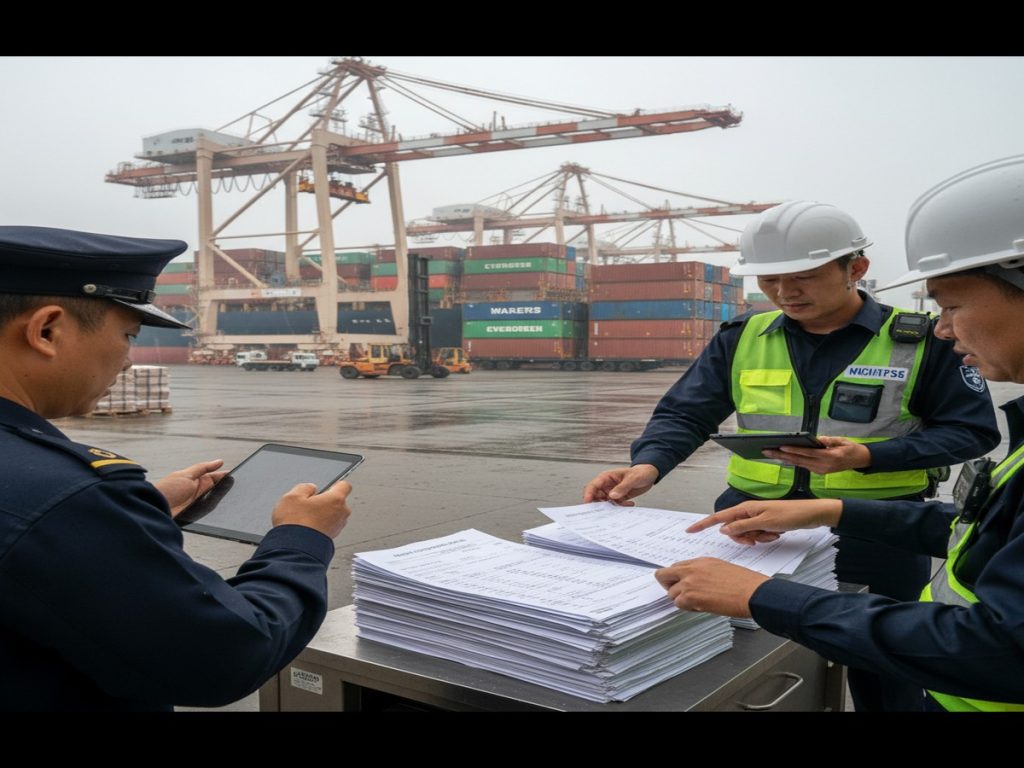
Iraq Supply Chain Tracking:
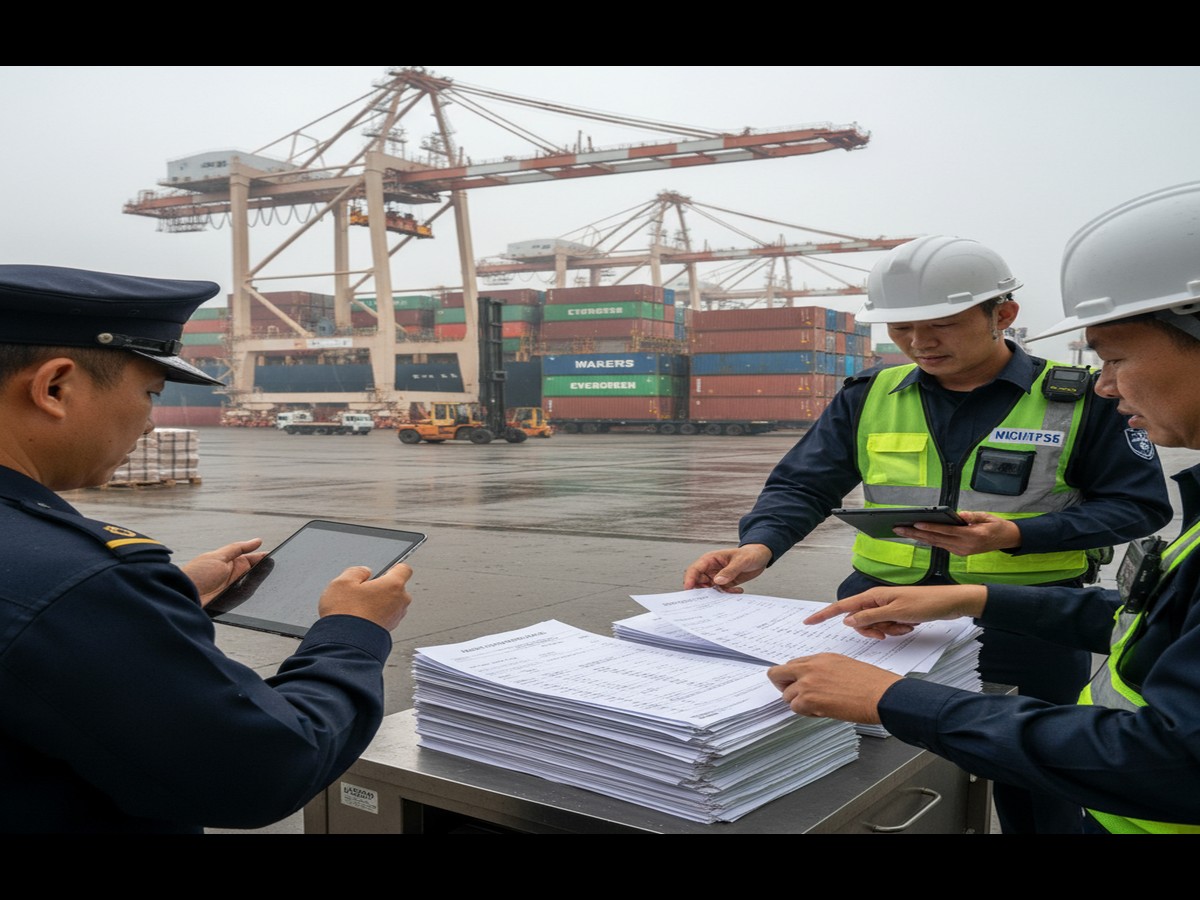
Discover how supply chain tracking iraq can transform your logistics operations. This article will provide a practical, actionable roadmap for businesses operating in Iraq and Kurdistan to leverage modern supply chain tracking and digital logistics solutions, directly linking technological adoption to tangible business growth and competitive advantage within the unique regional landscape. In a world increasingly defined by rapid change and complex global networks, the stability and efficiency of a supply chain are paramount. For businesses navigating the dynamic and often challenging environment of Iraq and the Kurdistan Region, the imperative for robust, transparent, and resilient logistics operations has never been more critical. The region, while offering immense growth potential, also presents distinct complexities ranging from infrastructure variances and regulatory nuances to geopolitical considerations. Traditional, manual logistics processes, once deemed sufficient, are now proving inadequate in meeting the demands of modern commerce and consumer expectations. This shift necessitates a profound re-evaluation of how goods move, are stored, and are accounted for, ushering in an era where digital transformation is not merely an option but a strategic necessity for survival and prosperity. This comprehensive guide explores supply chain tracking iraq through multiple perspectives, aiming to equip logistics professionals and business owners with the insights needed to thrive.
The current logistics landscape in Iraq and Kurdistan is characterized by a blend of nascent development and significant untapped potential. Understanding supply chain tracking iraq is essential. While recent years have seen considerable investment in infrastructure, challenges such as fragmented transportation networks, varying customs procedures, and a lack of real-time visibility continue to impede efficient operations. It is precisely within this context that advanced supply chain tracking iraq solutions emerge as a game-changer. At its core, supply chain tracking is the process of monitoring the movement and status of goods, materials, and information throughout the entire supply chain, from origin to final destination, providing real-time data for improved decision-making and operational efficiency. Adopting these technologies allows businesses to transcend traditional limitations, mitigating risks associated with delays, pilferage, and damage, while simultaneously unlocking unprecedented levels of operational efficiency and cost savings. The ability to achieve real-time visibility, the immediate and continuous ability to see and monitor the location, status, and condition of goods, assets, and transportation units as they move through the supply chain, enables proactive management and rapid response to disruptions. This capability is not just about knowing where a shipment is; it’s about understanding its condition, anticipating potential issues, and optimizing every step of its journey. For businesses striving to meet international standards and compete effectively, embracing these digital tools is no longer a luxury but a fundamental requirement for sustainable growth and enhanced customer satisfaction.
This article delves into the transformative power of modern logistics solutions, beginning with an exploration of the imperative for modernization in Iraq and Kurdistan, and a detailed understanding of the current logistics landscape, highlighting both its challenges and its rich opportunities. When it comes to supply chain tracking iraq, expertise matters. We will define what supply chain tracking is and why it’s essential for business growth in the region, illustrating how achieving real-time visibility through advanced cargo tracking can revolutionize operations. Beyond mere tracking, we will explore the broader applications of logistics management software, integrated digital platforms designed to plan, execute, and control the efficient flow and storage of goods, services, and related information from point of origin to point of consumption, optimizing various aspects of the supply chain, for enhanced efficiency in Kurdistan. The discussion will extend to the critical role of Warehouse Management Systems (WMS), software applications that support the daily operations of a warehouse, managing inventory, optimizing storage, directing picking and packing processes, and tracking goods movement to enhance efficiency and accuracy within the facility, in optimizing Kurdistan’s supply chains. Furthermore, we will examine the rise of digital freight forwarding, the modernization of traditional freight forwarding services through digital platforms and technologies, offering automated booking, real-time tracking, transparent pricing, and streamlined documentation processes to improve efficiency and customer experience, in Erbil and beyond, as a key component of digital transformation.
The subsequent sections will meticulously detail the key benefits that modern tracking and management systems bring, driving profitability, reliability, and competitive advantage. We will address the crucial aspect of overcoming regional hurdles, providing actionable strategies for successful technology adoption in Iraq and Kurdistan, recognizing the unique socio-economic and infrastructural context. Selecting the right partner and supply chain tracking solutions tailored for the region will be a central theme, guiding businesses through the critical decision-making process. Finally, we will cast our gaze towards the future of logistics, discussing how continuous modernization can sustain growth and resilience in Iraq and Kurdistan, paving the way for a truly competitive supply chain. Whether you’re a logistics professional seeking to streamline operations or a business owner aiming to expand your market reach, you’ll gain actionable insights to enhance your operations, improve decision-making, and secure a stronger position in the evolving economic landscape. This journey into advanced supply chain tracking is designed to empower you with the knowledge and tools to navigate complexity and emerge stronger, more efficient, and more reliable.
The Current Landscape: Why Supply Chain Visibility is Critical in Iraq and Kurdistan
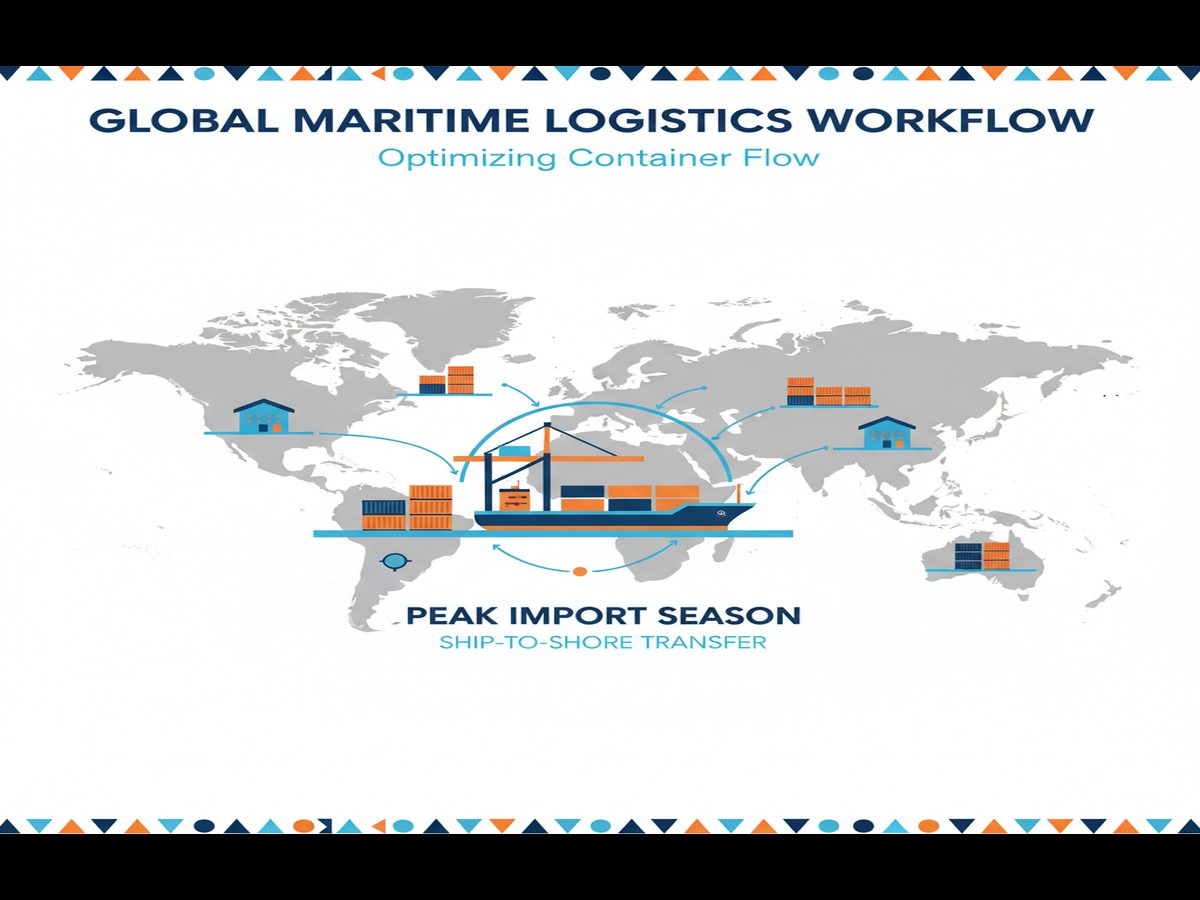
The intricate world of logistics in Iraq and the Kurdistan Region presents a unique blend of opportunities and formidable challenges. As the region continues its path of reconstruction and economic diversification, particularly beyond oil, the demand for robust and transparent supply chains intensifies. For businesses operating or looking to expand here, understanding the nuances of this landscape is not just beneficial—it’s absolutely critical. Direct Drive Logistic recognizes that without clear supply chain visibility, operations can quickly become mired in delays, increased costs, and reputational risks.
Key Aspects of Current Landscape: Why Supply Chain Visibility is Critical in Iraq and Kurdistan
Iraq’s strategic geographic position, acting as a gateway between Europe, Asia, and the Middle East, makes it a pivotal hub for trade and transit. The ongoing rebuilding efforts across various sectors, from infrastructure to consumer goods, fuel a significant flow of goods. In the Kurdistan Region, relative stability and a proactive investment environment have fostered a burgeoning market, driving demand for efficient goods movement. This dynamic environment necessitates precise Iraq trade data 2025 to inform strategic decisions. Without real-time supply chain tracking Iraq, companies face blind spots that can undermine even the most meticulously planned operations, impacting everything from inventory management to customer satisfaction.
Common Challenges in Current Landscape: Why Supply Chain Visibility is Critical in Iraq and Kurdistan
Despite the economic potential, the region’s logistics infrastructure still grapples with significant hurdles. Security concerns, though improved in many areas, can still impact route planning and delivery schedules. Outdated customs procedures, bureaucratic bottlenecks, and varying regional regulations often lead to unpredictable delays at borders and checkpoints. Furthermore, the lack of standardized digital systems across the entire supply chain creates fragmented data, making it difficult to pinpoint where goods are at any given moment. These operational complexities highlight why superior Iraq logistics market insights are essential. Without comprehensive visibility, businesses struggle with inventory optimization, risk mitigation, and meeting tight delivery deadlines in a market that is constantly evolving.
Best Practices for Current Landscape: Why Supply Chain Visibility is Critical in Iraq and Kurdistan
To navigate these complexities, adopting advanced solutions is paramount. Implementing cutting-edge logistics management software Kurdistan-wide, for instance, allows for centralized data collection, real-time tracking, and predictive analytics, significantly enhancing operational control. Leveraging partners skilled in digital freight forwarding Erbil-based operations can streamline customs clearance and optimize route selection. Best practices involve a multi-pronged approach: investing in technology, fostering strong relationships with local partners, and maintaining flexibility to adapt to unforeseen circumstances. Comprehensive supply chain tracking Iraq is not just about knowing where a shipment is; it’s about gaining the intelligence needed to make proactive decisions, mitigate risks, and ensure the seamless flow of goods from origin to final destination.
Supply Chain Tracking Iraq Unlocking Growth: The Business Benefits of Advanced Tracking Systems
Unlocking Growth: The Business Benefits of Advanced Tracking Systems
The dynamic economic landscape of Iraq and the Kurdistan Region presents both unique opportunities and complex challenges for businesses. In this environment, advanced supply chain tracking is not merely an operational luxury but a strategic imperative for sustained growth and competitive advantage. Implementing robust solutions for Iraq logistics guide allows companies to transform their operations, enhance transparency, and build resilience against market fluctuations.
Key Aspects of Unlocking Growth: Business Benefits of Advanced Tracking Systems
For businesses operating within Iraq and Kurdistan, the benefits of sophisticated tracking systems are manifold. Firstly, enhanced visibility across the entire supply chain dramatically reduces risks associated with theft, damage, and loss. Real-time data on goods in transit, from raw materials to finished products, empowers businesses to make informed decisions swiftly, mitigating potential disruptions. This granular insight also translates into significant cost savings by optimizing routes, reducing fuel consumption, and minimizing inventory holding costs. Furthermore, improved tracking fosters greater accountability among logistics partners, ensuring compliance with delivery schedules and quality standards. For companies engaged in international supply chains or operating in remote areas, precise supply chain tracking Iraq capabilities are critical for operational integrity and client satisfaction.
Best Practices for Unlocking Growth: Business Benefits of Advanced Tracking Systems
To fully harness the potential of advanced tracking, businesses should adopt several best practices. Integrating GPS, IoT sensors, and RFID technology into their logistics management software Kurdistan operations is fundamental. This enables continuous monitoring of cargo location, temperature, and other vital conditions, especially crucial for sensitive goods. Leveraging cloud-based platforms ensures data accessibility and collaboration across all stakeholders, from suppliers to end-customers. Furthermore, partnering with experienced providers of digital freight forwarding Erbil services can streamline complex customs procedures and optimize international logistics and transportation networks. Data analytics plays a pivotal role, transforming raw tracking data into actionable insights for continuous improvement. By understanding patterns in transit times, delays, and exceptions, businesses can proactively refine their processes and enhance overall efficiency. Maintaining Iraq operational security is also a key best practice for protecting valuable assets.
Common Challenges in Unlocking Growth: Business Benefits of Advanced Tracking Systems
While the benefits are clear, implementing advanced tracking systems in Iraq and Kurdistan is not without its challenges. Infrastructure limitations, including unreliable internet connectivity in certain regions, can impede real-time data transmission. Security concerns, particularly along specific transit routes, necessitate robust systems that can withstand and report on unusual incidents. Regulatory complexities and varying customs procedures also require tracking solutions flexible enough to adapt to diverse requirements. Overcoming these hurdles often involves selecting adaptable technology, ensuring robust offline data capture capabilities, and collaborating closely with local logistics experts who understand the nuances of the regional environment. Despite these challenges, the long-term gains in efficiency, security, and competitive edge make the investment in advanced supply chain tracking a worthwhile endeavor for any forward-thinking business.
Supply Chain Tracking Iraq Technologies for Transparency: Modern Tracking Solutions for the Region
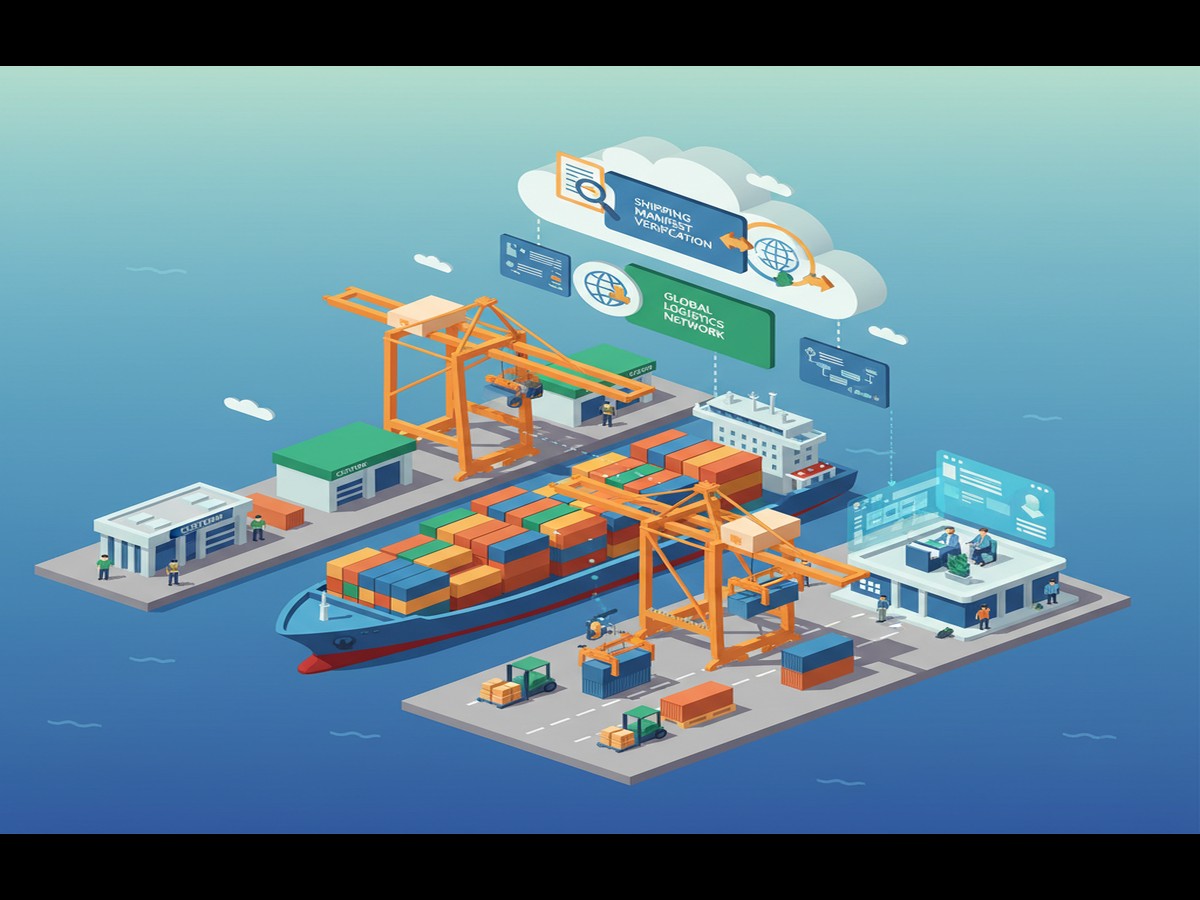
Technologies for Transparency: Modern Tracking Solutions for the Region
The intricate and often challenging logistics landscape of Iraq and Kurdistan demands advanced technological solutions to ensure transparency and efficiency in supply chains. Modern tracking technologies are not just about knowing where a package is; they are about comprehensive visibility, predictive analytics, and enhanced security, crucial elements for effective supply chain tracking iraq.
Key Aspects of Technologies for Transparency: Modern Tracking Solutions for the Region
Modern tracking solutions leverage a suite of interconnected technologies to provide real-time visibility. Internet of Things (IoT) devices, such as GPS trackers, RFID tags, and environmental sensors, are foundational. These devices collect granular data on location, temperature, humidity, and shock, transmitting it wirelessly. GPS and telematics systems offer precise fleet tracking, allowing companies to monitor vehicle movements, fuel consumption, and driver behavior across diverse terrains. For enhanced data integrity and security, blockchain technology is emerging as a powerful tool, creating an immutable ledger of transactions and movements, which is particularly valuable in regions where trust and verification are paramount. Furthermore, Artificial Intelligence (AI) and Machine Learning (ML) algorithms analyze this vast data to predict delays, optimize routes, and even forecast demand, transforming reactive logistics into proactive management. Implementing robust logistics management software kurdistan is key to integrating these disparate data streams into a unified, actionable dashboard.
Best Practices for Technologies for Transparency: Modern Tracking Solutions for the Region
Adopting modern tracking technologies effectively requires strategic best practices. Firstly, comprehensive integration is vital. Tracking data must flow seamlessly into existing Enterprise Resource Planning (ERP), Warehouse Management Systems (WMS), and Transportation Management Systems (TMS). This holistic approach ensures that all stakeholders have access to consistent, up-to-date information. Secondly, data standardization and cleanliness are paramount; consistent data formats prevent errors and improve analytical accuracy. Thirdly, investing in local talent development and training programs is crucial to operate and maintain these sophisticated systems. Phased implementation, starting with pilot projects, allows organizations to test, learn, and scale effectively. Companies engaging in digital freight forwarding erbil, for instance, are increasingly adopting these practices to streamline cross-border operations. Understanding the broader context of the region’s logistics infrastructure is also important, as detailed in various reports on the Iraq logistics market.
Common Challenges in Technologies for Transparency: Modern Tracking Solutions for the Region
Despite the immense potential, implementing advanced tracking technologies in Iraq and Kurdistan comes with its own set of challenges. Infrastructure limitations, including inconsistent internet connectivity and unreliable power supply in remote areas, can hinder real-time data transmission. The initial investment costs for hardware, software, and integration can be substantial, posing a barrier for smaller enterprises. Data security and privacy are ongoing concerns, requiring robust cybersecurity measures to protect sensitive information from cyber threats. There can also be resistance to change from traditional operators and a shortage of skilled personnel capable of managing and leveraging these advanced systems. Navigating the regulatory environment and customs procedures, as explored in guides on logistics in Iraq, also adds layers of complexity. Overcoming these hurdles requires a strategic, long-term vision and collaborative efforts across the supply chain.
Need Reliable Delivery Services?
Get a free quote from Direct Drive Logistic today. Fast, secure, and professional logistics solutions tailored to your needs.
Navigating the Hurdles: Overcoming Implementation Challenges in Iraq
Deploying cutting-edge logistics technology in any developing market presents its unique set of challenges, and Iraq, with its distinct operational landscape, is no exception. For businesses looking to enhance their operations through sophisticated supply chain tracking Iraq solutions, understanding and proactively addressing potential hurdles is paramount. This section delves into the common obstacles encountered when implementing new tracking technologies across Iraq and the Kurdistan Region, providing actionable strategies for successful deployment.
Key Aspects of Navigating the Hurdles: Overcoming Implementation Challenges in Iraq
Successfully integrating advanced tracking systems in Iraq requires a nuanced approach, acknowledging the country’s specific geopolitical, economic, and infrastructural characteristics. A critical aspect is recognizing that a one-size-fits-all solution rarely works. Companies must prioritize thorough due diligence, encompassing not just technological compatibility but also local regulatory frameworks, security considerations, and cultural sensitivities. Strategic planning, which often benefits from expert logistics consulting Iraq, should involve phased implementation, starting with pilot projects in less complex areas before scaling
Best Practices for Seamless Supply Chain Tracking in Iraq and Kurdistan

Best Practices for Seamless Supply Chain Tracking in Iraq and Kurdistan
Navigating the complex logistics landscape of Iraq and Kurdistan requires more than just standard operational procedures; it demands a strategic, adaptable approach to supply chain tracking. Implementing best practices is crucial for ensuring visibility, security, and efficiency in a region known for its unique challenges. For companies like Direct Drive Logistic, understanding these nuances is key to delivering reliable services and maintaining operational integrity.
Key Aspects of Best Practices for Seamless Supply Chain Tracking in Iraq and Kurdistan
Achieving seamless supply chain tracking Iraq and Kurdistan hinges on several fundamental aspects. Firstly, robust technology integration is paramount. This includes leveraging GPS tracking for real-time asset location, IoT sensors for monitoring environmental conditions (such as temperature and humidity), and RFID tags for efficient inventory management within warehouses and transit points. Secondly, ensuring data accuracy and real-time visibility across the entire supply chain is non-negotiable. This means having systems that can capture, process, and present data instantly, allowing for proactive decision-making and rapid response to incidents. Thirdly, fostering strong collaboration among all stakeholders—from customs officials and local transporters to warehousing partners and end-customers—is vital. Clear communication channels and shared data platforms can significantly reduce delays and misunderstandings. Finally, comprehensive risk assessment and mitigation strategies, specifically tailored to the regional context, are essential for anticipating and responding effectively to potential disruptions.
Practical Strategies for Seamless Supply Chain Tracking in Iraq and Kurdistan
To translate these key aspects into actionable strategies, businesses should focus on specific implementations. Investing in advanced logistics management software Kurdistan is a cornerstone, providing an integrated platform for managing inventory, transportation, customs documentation, and order fulfillment. This software should offer end-to-end visibility, allowing for
Real-World Impact: Success Stories and Future Outlook
Real-World Impact: Success Stories and Future Outlook
The landscape of logistics in Iraq is undergoing a significant transformation, with advanced supply chain tracking becoming a cornerstone for efficiency and reliability. As businesses navigate complex geopolitical and infrastructural challenges, the ability to monitor goods in real-time offers not just operational advantages but also a competitive edge. This section delves into the tangible successes observed within the region and explores the evolving trends that will shape the future of logistics.
Key Aspects of Real-World Impact: Success Stories and Future Outlook
The real-world impact of robust supply chain tracking in Iraq is evident in several key areas. For instance, a major oil and gas services provider operating across southern Iraq successfully integrated a comprehensive tracking system, significantly reducing transit times and mitigating losses due to theft or misplacement. By leveraging GPS-enabled sensors and a centralized platform, they gained unparalleled visibility into their high-value equipment and spare parts, leading to a 15% reduction in operational delays. Similarly, a prominent food distributor in the Kurdistan region implemented advanced logistics management software Kurdistan-wide, enabling precise temperature monitoring for perishable goods and optimizing delivery routes. This not only improved product quality upon arrival but also enhanced customer satisfaction and reduced spoilage by 10%. These examples underscore how real-time data empowers businesses to make informed decisions, react swiftly to disruptions, and maintain operational integrity in a demanding environment.
Best Practices for Real-World Impact: Success Stories and Future Outlook
Achieving success with supply chain tracking in Iraq hinges on adopting specific best practices. Firstly, selecting a scalable and flexible tracking solution is paramount. Companies must choose systems that can adapt to varying infrastructure quality and integrate seamlessly with existing enterprise resource planning (ERP) systems. Secondly, comprehensive training for staff on new technologies is crucial. Ensuring that drivers, warehouse personnel, and management understand how to utilize digital tools maximizes their effectiveness. Thirdly, data analytics plays a vital role. Beyond just tracking location, successful businesses analyze historical data to identify bottlenecks, predict potential delays, and continuously optimize their supply chain processes. For companies involved in digital freight forwarding Erbil, this means leveraging predictive analytics to manage road transport iraq more efficiently, ensuring compliance and timely deliveries.
Common Challenges in Real-World Impact: Success Stories and Future Outlook
Despite the successes, implementing and maintaining effective supply chain tracking in Iraq presents unique challenges. Infrastructure limitations, particularly in remote areas, can impact the reliability of GPS signals and internet connectivity, hindering real-time data transmission. Security concerns, including potential tampering with tracking devices or cargo, necessitate robust security protocols and redundant tracking methods. Furthermore, the initial investment in technology and the complexities of integrating new systems with legacy operations can be significant hurdles for many businesses. Overcoming these challenges requires a strategic approach, often involving partnerships with specialized logistics providers like Direct Drive Logistic who possess the local expertise and technological infrastructure to navigate the Iraqi market effectively. The future outlook for supply chain tracking in Iraq remains bright, with increasing investment in digital solutions and a growing recognition of its indispensable role in modern logistics.
Frequently Asked Questions
▼ What is supply chain tracking and why is it crucial for logistics in Iraq?
Supply chain tracking provides real-time visibility into your cargo's location, status, and condition throughout its journey. In Iraq's dynamic environment, robust **supply chain tracking Iraq** solutions are crucial for mitigating risks, ensuring security, and maintaining compliance with local regulations. It offers unparalleled control, transforming operational transparency from a luxury into a necessity for efficient logistics across provinces.
▼ How does real-time supply chain tracking improve security for shipments in Iraq/Kurdistan?
Real-time tracking enhances security by providing continuous monitoring of your assets. GPS-enabled devices and geofencing capabilities trigger immediate alerts for unauthorized stops or route deviations, crucial for protecting high-value goods in sensitive areas. This proactive approach allows for rapid response to potential threats, significantly reducing theft and ensuring cargo integrity from Basra to Erbil.
▼ What technologies are commonly used for effective supply chain tracking in Iraq today?
Modern **supply chain tracking Iraq** systems leverage a blend of technologies including GPS, IoT sensors (for temperature, humidity, shock), RFID tags, and telematics. These integrated solutions provide comprehensive data, enabling businesses to monitor everything from vehicle performance to cargo conditions, ensuring compliance and quality control throughout the diverse Iraqi transportation network.
▼ Why choose a specialized logistics provider for supply chain tracking in Iraq and Kurdistan?
Choosing a specialized provider like Direct Drive Logistics means leveraging deep regional expertise. We understand the unique challenges, from navigating customs at border crossings like Safwan and Ibrahim Khalil, to managing varied road infrastructure and security protocols. Our 15+ years of experience ensures your **supply chain tracking Iraq** solution is tailored, compliant, and highly effective, minimizing delays and maximizing reliability.
▼ How long does it typically take to implement a new supply chain tracking system in Iraq?
Implementation time for a new supply chain tracking system in Iraq varies based on complexity and existing infrastructure. For standard solutions, Direct Drive Logistics can deploy systems within 2-4 weeks, leveraging our established networks and local teams. More intricate, customized integrations may take 1-3 months, ensuring a seamless transition and minimal operational disruption.
▼ How much does supply chain tracking cost for shipments moving through Iraq and Kurdistan?
The cost of **supply chain tracking Iraq** solutions is highly variable, depending on service level, shipment volume, and required technology. Typically, it involves a per-shipment fee or a monthly subscription. While an investment, the return on investment is significant through reduced losses, improved efficiency, and enhanced customer satisfaction, making it a cost-effective choice for businesses.
Conclusion
In conclusion, the imperative for robust supply chain tracking in Iraq has never been clearer. We've explored how advanced tracking systems provide unparalleled visibility, mitigate risks, enhance security, and drive operational efficiencies crucial for navigating Iraq's dynamic environment. It's about transforming logistical challenges into strategic advantages, ensuring that every shipment contributes to a more reliable, transparent, and ultimately more profitable operation. The ability to monitor goods in real-time, anticipate delays, and respond proactively is no longer a luxury but a fundamental necessity for businesses aiming for sustained success in the region.
At Direct Drive Logistics, we don't just advocate for these advancements; we deliver them. Our commitment to leveraging cutting-edge technology, combined with our extensive local expertise, positions us as the premier partner for exceptional **supply chain tracking in Iraq**. We empower your business with the clarity and control needed to thrive
Secure unparalleled real-time visibility and peace of mind for your
📞 Contact Us for a Consultation
Location
Direct Drive Logistic
MRF Quattro towers, Block A-29-1
Erbil, Kurdistan Region