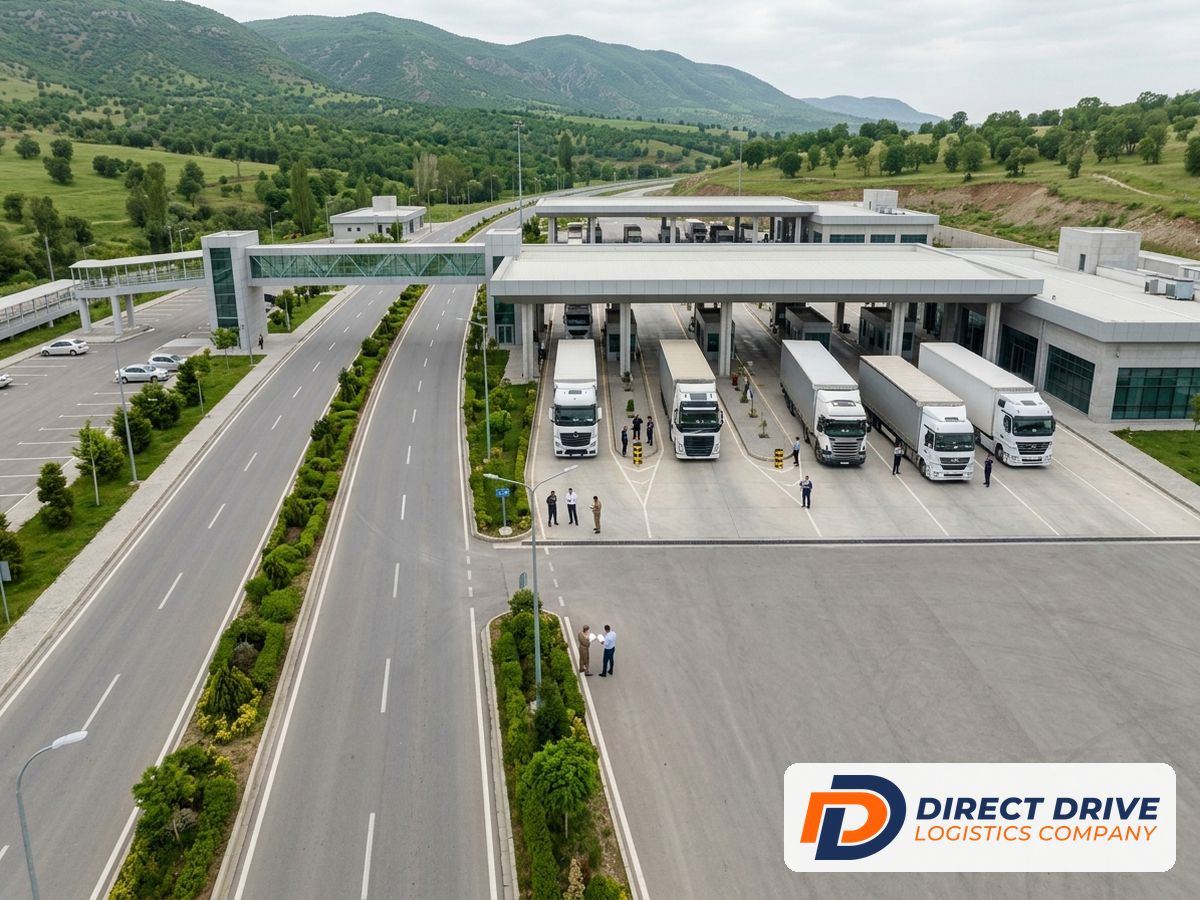
Discover how ibrahim khalil border crossing can transform your operations with present ibrahim khalil as one gate within a wider iraq supply chain rather than a single dependency, drawing on direct drive logistic’s operations at 15 border crossings across both krg and federal iraq customs systems, its offices in erbil and tehran, and its licensed clearing agent status at umm qasr to show readers how to plan a compliant primary route and a ready fallback.
The ibrahim khalil border crossing, known on the Turkish side as the Habur Border Gate, is the main road gateway between Turkey and Iraq’s Kurdistan Region. It links Silopi to Zakho and Duhok, with onward routes to Erbil, Baghdad and Basra. The Habur side recorded about 1.75 million vehicle crossings in 2024.
Your truck clears KRG customs at the border, then stops again at a federal checkpoint because the paperwork only satisfied Erbil. KRG customs is the Kurdistan Regional Government’s clearance system, separate from Baghdad’s. ASYCUDA (Automated System for Customs Data) is the federal platform that Baghdad approved in 2026 for goods entering through this gate.
This guide treats the ibrahim khalil border crossing as one gate in an Iraq supply chain, not a single dependency. You will learn to plan a compliant primary route and a ready fallback, with entry rules and documents both customs systems expect, starting with the gate itself.
Beyond Ibrahim Khalil: The Full Spectrum of Iraq’s Land Borders
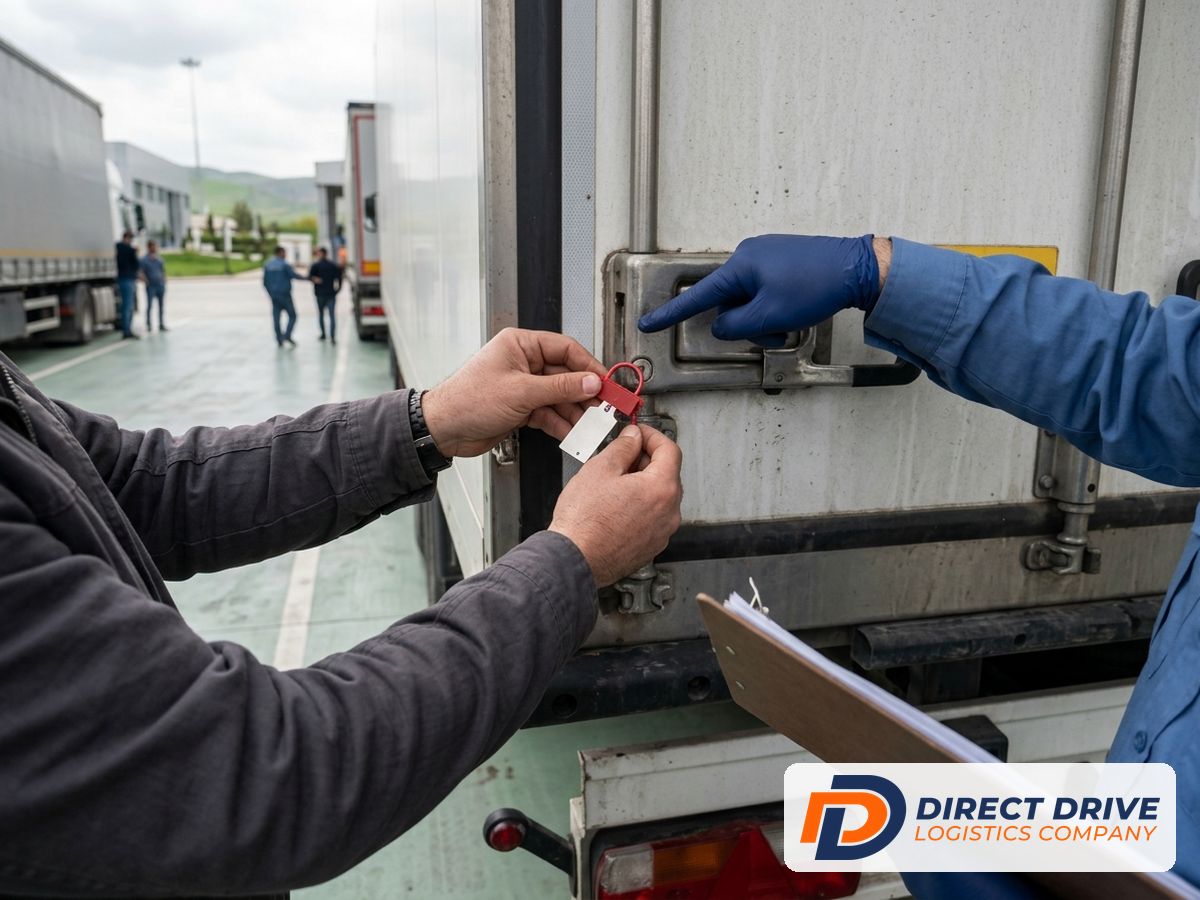
Ibrahim Khalil and Habur: Turkey–Iraq Northern Gateway by Traffic and Trade Volume
Iraq has 16 official land crossings. Five sit inside the Kurdistan Region, and Ibrahim Khalil is the only one of those five that faces Turkey. The other four, Parviz Khan, Bashmagh, Haji Omran and Sheikh Saleh, all open onto Iran.
The remaining 11 crossings run under Federal Iraq customs. They include Trebil to Jordan, Safwan to Kuwait, Al-Rabia and Al-Qaim to Syria, and Khosravi to Iran. Each of these Iraq border crossings map entries serves a different origin market, so none of them replaces Turkey’s direct road link through Zakho.
The answer to “who is Ibrahim Khalil?” is Prophet Abraham. “Ibrahim al-Khalil” is his Arabic title, meaning Abraham, the friend of God. The name says nothing about who owns or runs the gate. It is a KRG-administered crossing, and its Turkish counterpart is the Habur Border Gate near Silopi.
Volume explains its weight. Habur border gate traffic reached about 1.75 million vehicle crossings in 2024, an average of roughly 4,795 per day. That flow carries a large share of Turkey’s 2025 exports to Iraq, which totalled about USD 10.3 billion.
Analysts tracking Türkiye–Iraq connectivity treat this corridor as the backbone of bilateral trade. The road corridor runs Zakho–Duhok–Erbil, then continues south through Mosul and Baghdad to Basra.
Cargo cleared at the ibrahim khalil border crossing can therefore reach both Kurdistan Region border crossings markets and federal governorates. It moves on one continuous road, and no change of mode is needed. Typical flows include Mersin-origin electronics, retail appliances and mixed general cargo bound for Erbil warehouses or for onward distribution further south.
The route has one structural catch. The ibrahim khalil border crossing sits inside the KRG customs system. Goods heading beyond Kurdistan meet a second, federal layer of control on the road south. Planners who map all 16 crossings up front can see where Habur is the natural entry point. They can also judge where a southern or Iranian gate fits a particular consignment better.
From Habur to Zakho: Checkpoint Walkthrough and Wait Times at the Ibrahim Khalil Border Crossing

Turkish Exit at Habur Border Gate: Export Declaration, Passport Control, and Truck Seal Checks
A truck crossing from Silopi to Zakho clears 2 separate customs systems in sequence. A failure at any of the 7 checkpoints below sends the driver back into the queue.
- Step 1: Close the Turkish export declaration: Invoice, packing list and CMR consignment note must match line by line before the truck reaches Habur.
- Step 2: Driver passport control: The driver’s passport and vehicle registration are checked against the declared truck and trailer plates.
- Step 3: Vehicle and seal check: Turkish customs compares the seal number with the declaration and may scan the trailer before exit.
- Step 4: Document submission at Ibrahim Khalil: The KRG side receives the CMR, commercial documents and any import permits.
- Step 5: Inspection or scanning: Cargo is either scanned or opened for physical inspection, depending on the goods.
- Step 6: KRG customs payment: Customs duty depends on your goods and their HS code. Estimate it with our tariff calculator, or request a quote and our team will confirm the full cost.
- Step 7: Release and federal check: Since 2026-06-01, ASYCUDA processing at Ibrahim Khalil has covered all goods. Confirm whether federal procedures apply before the truck heads south.
Published accounts of the Habur border wait time range from 2.5 hours to 11 hours. Use the table below as a planning guide for queue pressure, not as a measured schedule.
| Window | Turkey → Iraq | Iraq → Turkey | Planning note |
|---|---|---|---|
| Weekday, early morning | Lower | Lower | Arrive with all 7 steps pre-checked. |
| Weekday, afternoon | Higher | Moderate | Queues build after the morning releases. |
| Pre-weekend days | Higher | Higher | Allow a buffer for the 2 working calendars on each side. |
| Days before Eid holidays | Peak | Peak | Book delivery windows 1 day wider. |
The Türkiye–Iraq connectivity agenda makes the ibrahim khalil border crossing a high-pressure gate. In our experience, operating at 15 Iraq border crossings across both KRG and Federal Iraq customs systems gives clients route flexibility that single-border operators cannot match. A long Ibrahim Khalil truck queue does not have to stop the shipment.
Visa and Entry Rules by Nationality: Kurdistan Region vs. Federal Iraq
Kurdistan Visa on Arrival Versus Federal Iraq e-Visa Requirements
The ibrahim khalil border crossing admits people under Kurdistan Regional Government (KRG) entry procedures. Those procedures are separate from federal Iraq’s visa system. This split affects more people each year. Turkey’s cross-border road freight market was forecast to grow at a 7.87% CAGR through 2031, and Iraq is one of the fastest-growing lanes.
A Kurdistan visa on arrival, or KRG entry stamp, has historically applied to the 4 KRG governorates: Erbil, Duhok, Sulaymaniyah and Halabja. Federal Iraq e-visa requirements are set by Baghdad and apply south of the KRG line. Eligibility under each system depends on nationality and can change, so confirm both with official KRG and Iraqi government sources.
Can Americans visit Kurdistan? US citizens have historically entered the KRG at its land crossings. Eligibility, permitted length of stay and US security advisories for Iraq can all change. Check each of them for your exact 2026 travel dates.
Entry Rules for Truck Drivers, Business Travelers and Cargo Escorts at Ibrahim Khalil
Drivers, business visitors and cargo escorts use one gate but may face different entry categories. Baghdad has approved the full ASYCUDA import system at this Kurdistan crossing. Personal entry is still checked separately from the cargo.
The stakes are high. Kurdistan trade topped $173 billion over seven years, and much of that cargo arrives through Duhok and Erbil. Both cities are expected to expand as consolidation hubs.
The common mistake is assuming that a KRG entry stamp lets a driver continue to Baghdad or Basra. A federal checkpoint can turn back a person admitted only under KRG rules. When that happens, the truck and its cargo are stranded partway to their destination. Shippers can reduce this risk with Iraq logistics compliance consulting before dispatching crews.
Confirm these 6 points with official sources for every traveler before departure:
- Does this nationality qualify for KRG entry at Ibrahim Khalil, and for how many days?
- Does onward travel into federal Iraq need an Iraq e-visa or separate approval?
- Does the driver need a commercial or professional entry category rather than a tourist one?
- Does a cargo escort need an invitation or sponsor letter from a KRG or Iraqi company?
- What exit rules apply on the return journey through Habur into Turkey?
- What travel advisory does the traveler’s own government currently publish for Iraq?
Navigating Dual Systems: KRG vs. Federal Iraq Customs at Border Crossings

Why KRG Crossings Sit Outside Federal ASYCUDA and What Baghdad’s 2026 Extension Means
Iraq runs two customs systems. Federal Iraq uses ASYCUDA (Automated System for Customs Data) at 22 federal border crossings. KRG crossings such as the ibrahim khalil border crossing historically cleared goods through Erbil’s own procedures, outside that federal system.
In 2026, Baghdad approved extending the ASYCUDA Iraq customs system to goods entering through Ibrahim Khalil. Earlier federal controls there mainly covered food and pharmaceuticals. Baghdad has also used imports routed through Kurdistan as a supply valve, so the gate now carries cargo bound well beyond the Kurdistan Region.
For shippers, this means a KRG clearance alone may not satisfy Baghdad. Until Erbil and Baghdad fully unify tariff and revenue procedures, goods heading south can face federal documentation checks.
Settling the Tariff Difference at Al-Sad and Other Federal Customs Offices
The rule is simple. Cargo cleared at the ibrahim khalil border crossing and bound for Mosul, Baghdad or Basra settles the Kurdistan tariff difference payment at a federal customs office, such as the Al-Sad customs office. This is a settlement, not a second full clearance. Allow 1–2 days for it.
A shipment cannot switch systems mid-route without new documents. Declare the final destination before the truck leaves Zakho. Then the federal office reconciles the paperwork you already hold instead of starting a fresh file.
These 4 documents prevent duplicate review:
- Commercial invoice with values matching the KRG declaration.
- Packing list with piece counts and weights.
- Certificate of origin.
- Consistent HS codes across all 3 documents above.
Customs duty depends on your goods and their HS code — estimate it with our tariff calculator, or request a quote and our team will confirm the full cost.
In our own work, Direct Drive Logistic operates at 15 border crossings into Iraq — the Iran-Iraq and Turkey-Iraq corridors plus the Jordan, Saudi Arabia, Kuwait and Syria frontiers — and Bandar Abbas port, across BOTH KRG and Federal Iraq customs systems. That dual-system exposure shows the same pattern repeatedly: mismatched HS codes between the KRG and federal files trigger re-inspection far more often than missing documents do.
Direct Drive Logistic’s 15 Border Crossings: Unlocking Route Flexibility into Iraq
Route Comparison Table: Istanbul, Mersin and Aqaba Corridors with Transit Times
Ibrahim Khalil handles most Turkey-to-Iraq road freight. Ordinary operator guidance still put KRG-side customs clearance at 3–5 days in 2025. Multi-border freight routing in Iraq starts from one rule: back up a KRG crossing with another KRG crossing, and a federal crossing with another federal one. Your paperwork then stays valid when you switch gates.
| Route | Customs system | Transit time | Mode | Like-for-like backup |
|---|---|---|---|---|
| Istanbul → Erbil via Ibrahim Khalil | KRG | 5–7 days door to door | Road | Haji Omran or Bashmagh (KRG) |
| Mersin → Erbil via Ibrahim Khalil | KRG | 5–7 days door to door | Sea + road | Haji Omran or Bashmagh (KRG) |
| Mersin → Baghdad via Ibrahim Khalil | KRG entry, federal tariff difference at Al-Sad | 5–7 days from port by road | Sea + road | KRG gate plus the same Al-Sad step |
| Aqaba → Baghdad via Trebil | Federal | 10–12 days from port by road | Sea + road | Arar or Al-Waleed (federal) |
| Tehran → Baghdad via Mehran | Federal | 4–5 days door to door | Road | Khosravi or Sumar (federal) |
Road, Sea+Road and Rail+Road Transport Modes Across KRG and Federal Crossings
Istanbul to Erbil trucking is a pure road move. Mersin and Aqaba add a port leg first. The Mersin to Baghdad transit time of 5–7 days includes the federal checkpoint at Al-Sad. Baghdad’s approval of the full ASYCUDA import system at Kurdistan crossings has narrowed this gap, but it has not closed it.
The fallback rule works in practice. On a Tehran–Baghdad run of 3 × 40ft FMCG containers, the shipment was re-routed through Mehran and still arrived within its original 4–5 day timeline. For the alternative gate, see our guide to Tehran to Baghdad via Khosravi for crossing and customs details. Rail+road options depend on origin and wagon availability, so confirm them for each shipment. Pre-filed documents can save an estimated 1–2 days on any of these modes.
Cost on every row depends on cargo type, truck availability, fuel, border waiting time and delivery point. Customs duty depends on your goods and their HS code. Estimate it with our tariff calculator, or request a quote and our team will confirm the full cost.
Next step: Send Direct Drive Logistic your origin, destination and HS codes, and request a primary route and a same-system backup route with a tailored quote.
Send your cargo details to Direct Drive Logistic on WhatsApp and our team will send you a route-specific checklist and quote.
Message on WhatsAppWhy Choose Direct Drive Logistic?
Offices in Erbil (HQ) + Tehran (Nasim Shahr Terminal); rentable warehouse space in Baghdad, Karbala, Najaf, Erbil, Duhok and Basra, plus a warehouse in Tehran
Government-licensed clearing agent — direct port access for sea freight into southern Iraq
2,500+ Iraq domestic deliveries, 300+ Iran-Iraq cross-border, 100+ international freight; air freight handler at Erbil, Baghdad, and Sulaymaniyah airports
Operational at 4 KRG borders (Parviz Khan, Bashmagh, Haji Omran, Ibrahim Khalil) plus the Sheikh Saleh border market, 5 federal Iran-Iraq borders (Khosravi, Sumar, Mehran, Shalamcheh, Chazzabeh) and 6 further federal crossings (Trebil, Arar, Safwan, Al-Qaim, Al-Rabia, Al-Waleed), plus Bandar Abbas port
Full operational fluency in Farsi, Arabic, Kurdish, and English — client-facing and documentation
~10 trucks/day from Erbil hub covering Baghdad, Karbala, Najaf, Basra, Kut (Wasit), Diyala, Nasiriyah, and all Iraqi governorates
Frequently Asked Questions
The Ibrahim Khalil border crossing is the main northern road gateway between Turkey and Iraq. It links Turkey’s Habur customs post with Zakho in the Kurdistan Region. Many people search “Who is Ibrahim Khalil?”, but the name is Arabic for Abraham, “the Friend of God,” and identifies the crossing rather than a person or official. In 2024, Habur recorded about 1.75 million vehicle crossings, an average of roughly 4,795 per day. In 2025, Turkey exported about USD 10.3 billion in goods to Iraq. From Zakho, cargo moves to Duhok, Erbil, Mosul, Baghdad and Basra, so the corridor carries much of the Turkish FMCG, construction materials and project cargo entering Iraq.
Shippers face three main risks at Ibrahim Khalil:
- Queue congestion at Habur: Holiday traffic and Turkish-side processing reduce truck availability.
- Dual customs exposure: Cargo cleared on the KRG side may face another federal review, tariff settlement or inspection when it moves toward Mosul, Baghdad or Basra.
- Documentation errors: Mismatches between the invoice, packing list and CMR consignment note can hold trucks at the border.
Freight costs depend on cargo type, truck availability, fuel, border waiting time and the delivery point. Because rates change frequently, request a current quote for your specific route and cargo rather than relying on published figures.
Under ordinary conditions, published operator guidance from 2025 put KRG-side clearance and delivery to northern Iraq at about 3–5 days. Real shipments show how this plays out: – Mersin to Erbil: One B2B electronics and appliance shipment took 5–7 days door-to-door. Direct Drive Logistic’s Kurdish-speaking Erbil team resolved a temporary import licence issue with KRG border authorities in 1 day. A competitor had estimated 5 days for the same issue. – Onward from Erbil: A documented restock reached Baghdad in 6 hours. Most Iraqi cities can receive next-day delivery from Erbil. To protect your timeline, submit complete documents before the truck reaches Habur.
Treat every shipment as needing to satisfy both Erbil and Baghdad. Follow four steps:
- Confirm the HS code for each product line.
- Prepare the core documents: commercial invoice, packing list, certificate of origin and CMR consignment note.
- Check whether a federal ASYCUDA declaration applies. In 2026, Baghdad approved extending ASYCUDA to goods entering via Ibrahim Khalil. Previously, controls there mainly covered food and pharmaceuticals. Iraq already runs ASYCUDA at 22 federal crossings.
- Confirm product-specific permits before dispatch. This is especially important for regulated goods.
Customs duty depends on your goods and their HS code. Estimate it with our tariff calculator, or request a quote and our team will confirm the full cost.
A capable forwarder for this corridor needs four things:
- Kurdish and Arabic fluency, so the team can work directly with KRG border authorities and federal officials.
- Clearance experience on both sides of the KRG–federal customs line.
- Single-operator CMR handling from origin to the final Iraqi destination.
- Alternative routing options for when one border becomes congested.
Ask candidates for documented outcomes. For example, Direct Drive Logistic once re-routed three 40ft FMCG containers from Tehran to Baghdad through the Mehran crossing during congestion at the primary border. The shipment was still delivered within its original 4–5 day timeline. Also confirm that the forwarder can arrange onward domestic distribution, not just the border leg.
Iraq-bound freight from Turkey does not need to transit Syria. The Ibrahim Khalil border crossing connects Turkey directly to Iraq, which avoids the extra customs regime, security checks and transit permits that a Syrian route would add. The status of Turkey–Syria crossings and the Jordanian–Israeli border can change, so check official government sources before planning any shipment that depends on them. For Iraq, the relevant alternatives to Ibrahim Khalil are: – the Trebil crossing from Jordan – the Iran–Iraq crossings such as Mehran and Shalamcheh – sea freight through Umm Qasr Choose the route based on your cargo’s origin, its documents and its final Iraqi destination.
Conclusion
Successful freight through the ibrahim khalil border crossing depends less on the gate itself and more on the paperwork prepared before your truck reaches Habur. KRG crossings sit outside the federal ASYCUDA system, so a shipment cleared in Kurdistan can still face scrutiny when it moves south into federal Iraq. Planning for both customs regimes, and for a backup route, is what keeps a trailer from stalling between them.
Start today by confirming your final delivery point. If the goods end in Baghdad, Basra or any other federal governorate, check that your commercial invoice, packing list and certificate of origin match line for line, so they satisfy both KRG and federal reviewers. Next, ask your freight forwarder two direct questions: who files the declaration on each side of the internal checkpoint, and which alternative crossing they would use if the Habur–Zakho corridor backs up? Customs duty depends on your goods and their HS code. Estimate it with our tariff calculator, or request a quote and our team will confirm the full cost. Then send your consignment details to Direct Drive Logistic for a route review before you book.
When congestion or a rule change hits the ibrahim khalil border crossing, a partner that operates across Iraq’s other land frontiers can reroute your cargo instead of leaving it waiting. Direct Drive Logistic works from its Erbil headquarters with a team fluent in Kurdish, Arabic, Farsi and English. The team handles KRG and federal clearance as one coordinated process. For a route plan on your next shipment, call (+964) 750 637 9296
Need Logistics Consultation?
The Direct Drive team is ready to assist. Message us now.
Skip the delays at Ibrahim Khalil and keep your cargo moving between Turkey and Iraq with Direct Drive Logistic’s expert customs clearance and border handling. Our experienced team prepares your documentation correctly the first time, helping your shipments cross faster and arrive on schedule. Call us today at (+964) 750 637 9296 for a free quote and fast, reliable crossing.
Get Your Free Quote NowContact Us for a Consultation
Location
Direct Drive Logistic
Gulan Street, MRF Quattro Block A 13-9
Erbil, Kurdistan Region