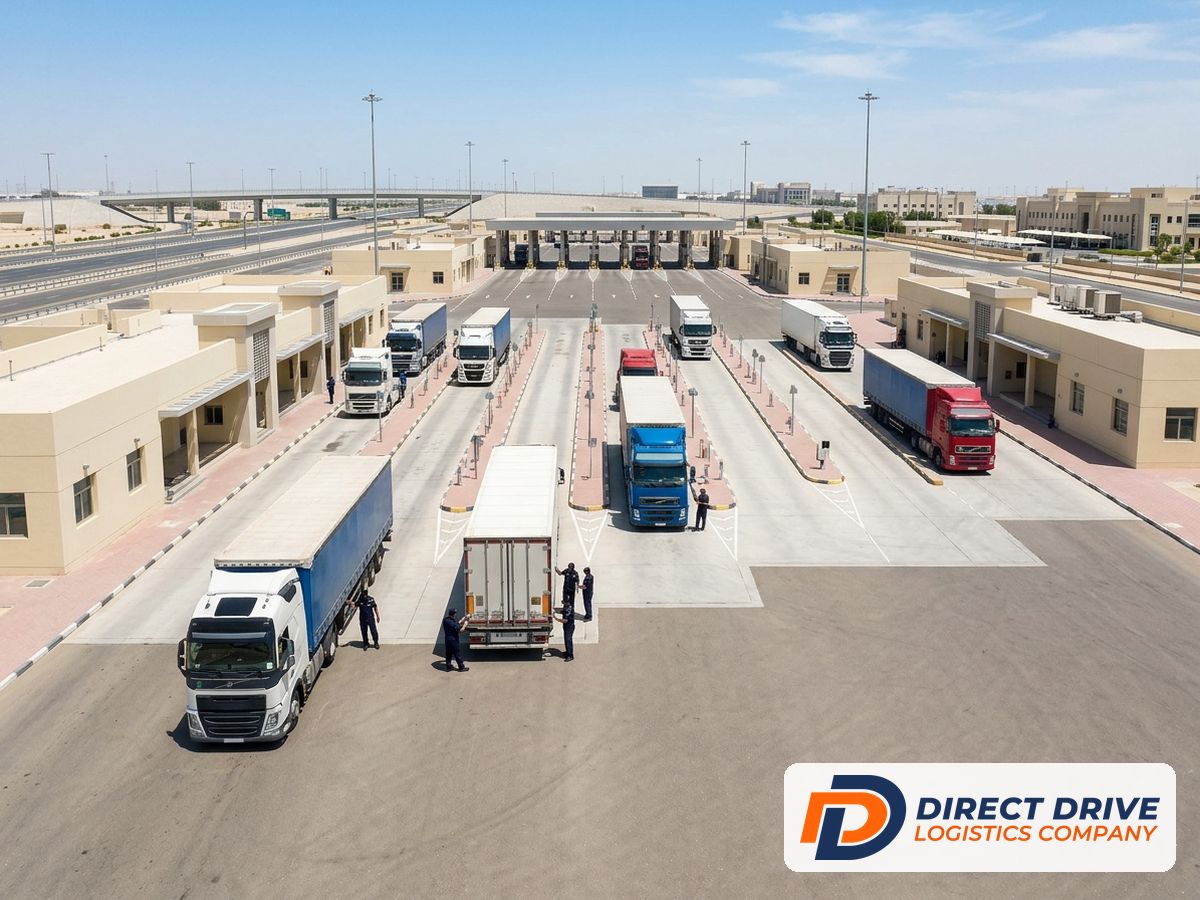
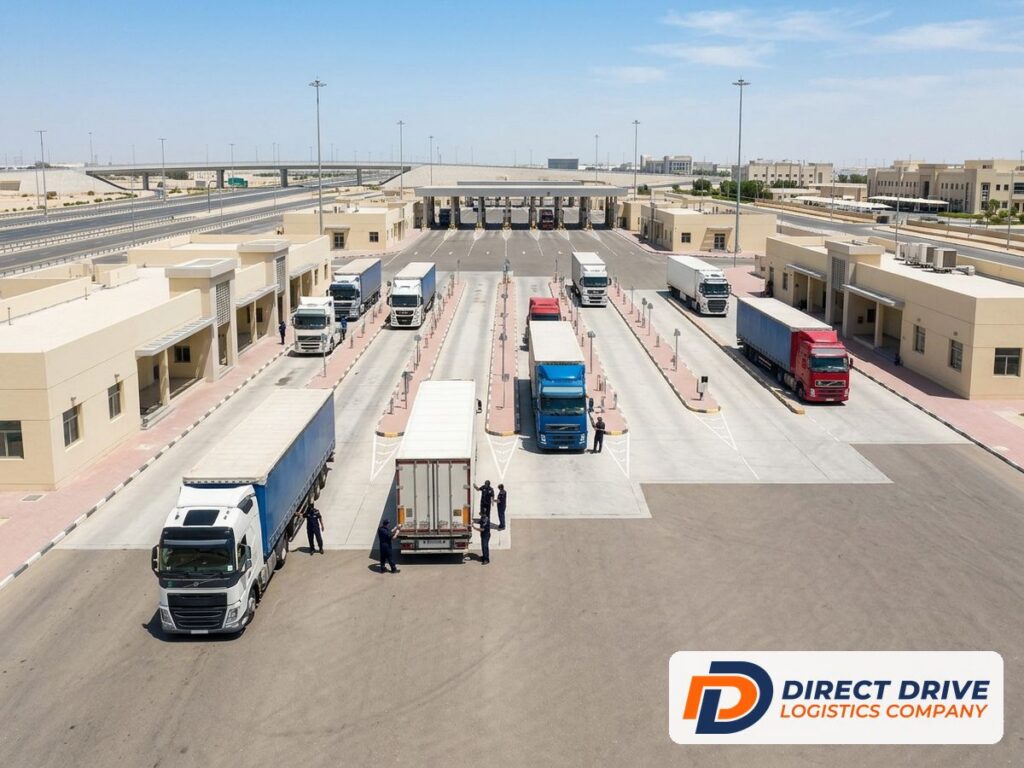
Discover how hs code iraq can transform your operations with this article provides a comprehensive guide to hs codes for iraq, leveraging direct drive logistic’s dual-country presence, official umm qasr clearing license, and 15-border crossing network to offer unparalleled insights into navigating both federal iraq and kurdistan region customs.
An HS Code Iraq, or Harmonized System code, is a standardized numerical classification used by Iraqi customs to categorize imported and exported goods. This system ensures consistent product identification globally, facilitating tariff assessment and data collection. Accurately declaring the correct HS code is essential for all shipments entering or transiting Iraq, impacting duties and clearance efficiency.
When your cargo is stuck at the border for weeks, or you face unexpected charges, the root cause is often an incorrect or missing HS code. Missing one customs document can delay your Iraq shipment by 3–6 weeks and incur significant storage fees. This guide will help you understand the critical role of HS codes in Iraq’s evolving customs landscape, especially with the 2025 tariff changes and the reported 2026 shift towards electronic assessment using ASYCUDA (Automated System for Customs Data), which calculates duties based on product classification and relevant measurement criteria.
Navigating the nuances of HS code Iraq can be complex, particularly when considering the distinctions between Federal Iraq and the Kurdistan Region, or identifying recent changes to customs tariffs. A Harmonized System (HS) Code is an international nomenclature for the classification of products, developed by the World Customs Organization (WCO). It comprises about 5,000 commodity groups, each identified by a six-digit code, which are used by customs authorities worldwide to identify products for duty and tax purposes. This article provides a comprehensive guide to HS Codes for Iraq, leveraging Direct Drive Logistic’s deep operational knowledge to offer unparalleled insights into navigating both Federal Iraq and Kurdistan Region customs.
We will address how to find the right HS code for your product step-by-step, highlight common mistakes that delay clearance, and clarify which shipping documents must show the HS code. Understanding these elements is crucial for avoiding costly delays and ensuring smooth import operations into Iraq.
Iraq’s Evolving Customs: Why HS Codes Are Now Critical

From Flat Fees to Granular Tariffs: Iraq’s Modernization of Customs Assessment
The Harmonized System (HS) code is a globally recognized standard for classifying traded products. For shipments to Iraq, this numerical code provides customs officials with a precise description of your goods, detailing their function, material, and composition. Getting the correct hs code iraq is the foundational step for all import and export operations, directly influencing clearance speed and final costs.
Iraq’s customs system has moved decisively toward international standards. The 2025 tariff updates and the reported 2026 shift to electronic assessment have made granular product classification mandatory. The ASYCUDA system Iraq uses now assesses goods based on specific tariff lines, with factors like declared quantity or weight becoming key drivers of the final calculation. This marks a clear departure from older, less specific assessment models.
This modernization means the consequences of an incorrect code are more severe. A mismatch between your declaration and the physical goods can lead to significant operational friction. Importers may face reclassification reviews, document amendment fees, and costly delays resulting in storage and demurrage charges. As Iraq’s new customs system puts more emphasis on accuracy, ensuring your customs clearance Iraq is flawless from the start is no longer optional.
The new framework requires a detailed understanding of how goods are categorized. The tariff line for an item is determined by its primary use and material composition, and any misinterpretation can lead to disputes. These new customs system rules place the burden of proof squarely on the importer to provide accurate and verifiable data for every Iraq customs tariff calculator declaration.
Finding the Right HS Code for Your Product, Step by Step

Finding the Right HS Code for Your Product, Step by Step
Identifying the correct hs code iraq for your goods is the foundation of a smooth customs process. Misclassification is a common and costly error, leading to delays and penalties. The process requires precision, especially when navigating the distinct customs authorities of Federal Iraq and the Kurdistan Region.
- Step 1: Gather Detailed Product Specifications — Before using any lookup tool, compile a complete technical profile of your product. This includes its primary function, composition (e.g., raw materials, chemical makeup), and intended use. Vague descriptions are insufficient for accurate Iraq HS code classification.
- Step 2: Consult Iraq’s Official Tariff Schedule — Iraq’s customs system is based on the international Harmonized System. As of 2026, enforcement of Cabinet Resolution No. 957 of 2025 expanded the country’s tariff schedule to include approximately 16,400 distinct items across 99 chapters. You can find guidance within this framework, which details the new customs system and its structure.
- Step 3: Verify Against Regional Requirements — A code accepted at a federal port like Umm Qasr may face different scrutiny at a KRG crossing like Ibrahim Khalil. As Direct Drive Logistic operates across 15 border crossings spanning both customs systems, we have direct experience with these variations. Always confirm if your product classification has specific implications in your destination governorate. For example, federal measures like the one on tile adhesives implemented on 20 November 2025 may not apply identically in the KRG.
- Step 4: Seek Expert Validation — Final validation from a licensed clearing agent is the best way to mitigate risk. In one recent case, a client’s electronics shipment was held at the Ibrahim Khalil border due to incomplete temporary import license documentation. While their previous forwarder quoted a five-day delay, our Kurdish-speaking team in Erbil resolved the issue directly with KRG authorities in just one day, preventing costly hold-ups. For comprehensive support, consider partnering with a reliable customs brokerage Iraq firm.
Federal Iraq vs. Kurdistan Region: Does the HS Code Work the Same Way?
Tariff and Duty Discrepancies Between Baghdad and Erbil Customs Points
While the Harmonized System is a global standard, applying an hs code iraq classification can yield different outcomes between federal entry points and the Kurdistan Region. Federal Iraq’s customs framework, governed by regulations like Customs Tariff Law No. 22 of 2010, is extensive. As of 2026 reporting, the federal tariff schedule detailed approximately 16,400 distinct items across 99 chapters.
In contrast, the Kurdistan Region’s customs authorities often operate with different assessment criteria. A common mistake is assuming that a duty calculation for a shipment cleared in Erbil will be identical for the same goods entering through Basra. This discrepancy requires careful route planning based on the final destination of the cargo within Iraq. For complex shipments, engaging customs brokerage services Iraq can help navigate these differences.
| Feature | Federal Iraq (Baghdad/Basra) | Kurdistan Region (Erbil/Sulaymaniyah) |
|---|---|---|
| Tariff Structure | Based on the ~16,400-item national schedule (as of 2026) | Separate assessment system, may differ from federal rates |
| System Automation | ASYCUDA system implemented at major ports and crossings | Primarily manual processing with localized digital systems |
| Documentation | Strict adherence to federal import licenses and standards | May require KRG-specific approvals and permits |
| Internal Transit | Goods cleared are free to move within federal territory | Cargo may face secondary customs checks when moving into federal Iraq |
The Role of ASYCUDA in Federal Iraq vs. Manual Processes in the KRG
A primary operational difference lies in customs automation. Federal Iraq’s major ports and border crossings utilize the Automated System for Customs Data (ASYCUDA), which standardizes documentation and processing. This digital system aims to streamline clearance and improve data consistency for all imports. Understanding these systems is crucial when you send parcel to Iraq.
The Kurdistan Region has historically relied on more manual or localized systems, which can create data silos between the two jurisdictions. According to 2026 reports, discussions were held between Iraq’s General Commission of Customs and the KRG regarding customs procedures and potential ASYCUDA coordination. Such an integration, if implemented, could significantly impact KRG import regulations for goods transiting to federal provinces.
Navigating Recent Changes to HS Code Iraq and Customs Tariffs
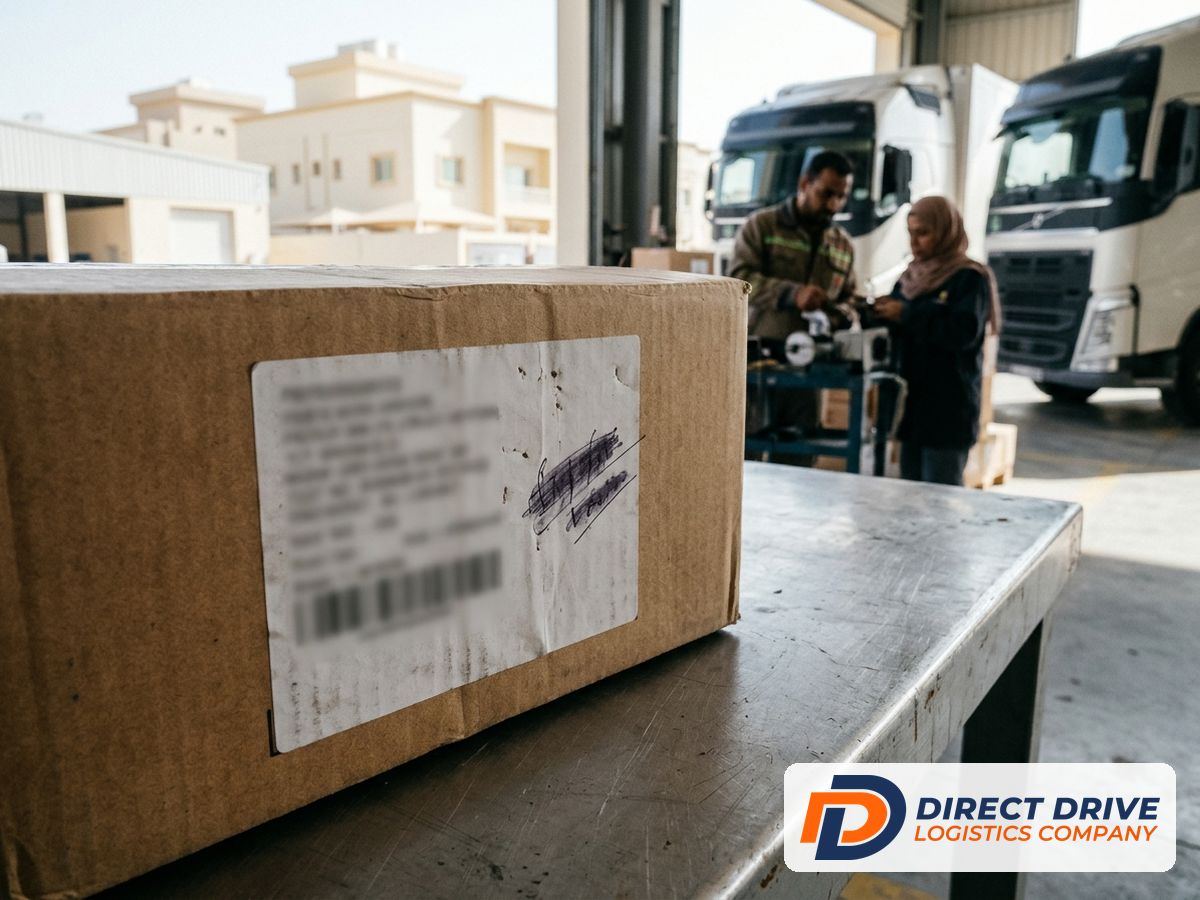
Understanding Cabinet Resolution No. 957 and Its Impact on Iraq’s Tariff Schedule
The landscape of Iraq customs tariff changes has been significantly reshaped following the implementation of Cabinet Resolution No. 957 of 2025. This resolution accelerated the move toward a more formalized and electronic customs assessment system, making the enforcement of mandatory HS codes more stringent than ever before. For importers, this means the accuracy of an hs code iraq declaration is paramount, as it directly feeds into the automated assessment process.
Incorrect classification can trigger significant delays and reviews, even without a publicly defined penalty schedule. The new system is designed to apply duties based on the specific product classification declared upon entry. As Iraq continues to refine its import regulations, staying informed about these updated customs tariffs is vital for compliant and efficient trade.
How the Expanded Tariff List Affects HS Code Classification for Importers
The expanded tariff schedule introduces greater specificity, demanding a more granular approach to product classification. A key challenge for businesses is navigating the distinct customs systems of Federal Iraq and the Kurdistan Region (KRG). These two jurisdictions often have procedural differences that can affect clearance, especially when goods enter through one region and transit to the other. Understanding the roles of an importer of record vs customs broker can be crucial for smooth operations.
Common HS Code Mistakes That Delay Clearance in Iraq
Incorrect Product Classification: The Most Frequent Harmonized System (HS) Code Error
An incorrect hs code iraq classification is the primary source of customs clearance delays. As Iraq’s customs system shifts from flat container fees to precise product-based assessments, the accuracy of this code has become paramount for all importers. This change is rooted in regulations like Customs Tariff Law No. 22 of 2010.
A 2026 report confirms the complexity, noting the tariff schedule now contains approximately 16,400 distinct items organized into 99 chapters. An incorrect product classification in Iraq can lead to significant reassessments and disputes. Federal customs authorities using the ASYCUDA electronic system rely on this classification to calculate liabilities, making precision non-negotiable for shipments to Baghdad or Basra.
Documentation Discrepancies: When Invoices and Packing Lists Contradict Your HS Code
Your product’s classification must be identical across the commercial invoice, packing list, and the official customs declaration. Any mismatch, however minor, signals a red flag to customs inspectors and the automated ASYCUDA system, often triggering manual inspections and potential Iraq customs penalties hs code.
With the General Commission of Customs accelerating its move toward electronic clearance, systems are designed to flag these inconsistencies immediately. As Iraq overhauls its system for advance customs payments, documentary precision is scrutinized more than ever. This requires a harmonized approach, ensuring all paperwork tells the same story, whether clearing through federal ports or Kurdistan Region crossings. For a comprehensive guide, explore our customs clearance Iraq article.
Action: Before finalizing your shipment, conduct a final audit to ensure the HS code is consistent across all commercial and shipping documents.
Send your cargo details to Direct Drive Logistic on WhatsApp and our team will send you a route-specific checklist and quote.
Message on WhatsAppWhy Choose Direct Drive Logistic?
Offices in Erbil (HQ) and Tehran (Robat Karim, Pasargad Industrial Town); rentable warehouse space in Baghdad, Karbala, Najaf, Erbil, Basra and Tehran
Government-licensed clearing agent — direct port access for sea freight into southern Iraq
2,500+ Iraq domestic deliveries, 300+ Iran-Iraq cross-border, 100+ international freight; air freight handler at Erbil, Baghdad, and Sulaymaniyah airports
Operational at 4 KRG borders (Parviz Khan, Bashmagh, Haji Omran, Ibrahim Khalil) plus the Sheikh Saleh border market, 5 federal Iran-Iraq borders (Khosravi, Sumar, Mehran, Shalamcheh, Chazzabeh) and 6 further federal crossings (Trebil, Arar, Safwan, Al-Qaim, Al-Rabia, Al-Waleed), plus Bandar Abbas port
Full operational fluency in Farsi, Arabic, Kurdish, and English — client-facing and documentation
20+ departures per day from the Erbil hub, on a fixed daily schedule, covering Baghdad, Karbala, Najaf, Basra, Kut (Wasit), Diyala, Nasiriyah, and all Iraqi governorates
Frequently Asked Questions
An HS Code, or Harmonized System code, is a standardized international numerical classification for traded products. You need it for Iraq because its customs system, governed by Customs Tariff Law No. 22 of 2010 and Cabinet Resolution No. 957 of 2025, now relies on product-specific tariff classification rather than flat container fees. This 99-chapter schedule includes approximately 16,400 tariff items, making accurate HS code declaration crucial for correct tariff assessment and smooth customs clearance. A mismatch can lead to delays and additional costs.
For imports into federal Iraq, HS codes are integral to the electronic customs clearance process, particularly with the General Commission of Customs accelerating its use of ASYCUDA. This system calculates duties based on your product’s classification and relevant measurement criteria, such as weight or quantity. Consistent HS classification across all commercial documents and customs declarations is operationally important for federal routes into Baghdad or Basra. For exports, the HS code ensures your goods are correctly identified by the destination country’s customs.
You can find the correct HS code by referencing the Iraqi Customs Tariff schedule, which details the approximately 16,400 tariff items. Common challenges include the time-sensitive nature of code verification due to recent tariff changes, such as the 2025 measure imposing an additional duty on imported tile and ceramic adhesives. This illustrates why a generic HS lookup might not capture all applicable measures. It’s essential to verify both the tariff line and any product-specific measures with the relevant customs authority before shipment, especially for federal crossings like Safwan or Trebil.
HS codes directly influence the customs duties and taxes applied to your imports in Iraq. The Iraqi customs system assesses tariffs based on product classification, composition, function, material, intended use, origin, and declared quantity or weight, as outlined in Cabinet Resolution No. 957 of 2025. Incorrect HS code declaration can lead to reclassification reviews, document amendments, inspections, and potentially significant storage and demurrage fees, impacting your overall compliance and cost. Accurate classification is fundamental to avoiding such hidden costs.
Operational challenges in Iraqi customs related to HS codes include the need for precise classification amidst frequent tariff changes and the varying application of federal tariffs at KRG crossings. For instance, while federal routes utilize ASYCUDA for electronic assessment, KRG systems may differ. These challenges can be managed by ensuring meticulous documentation, staying updated on product-specific measures, and working with experienced logistics partners. For example, Direct Drive Logistic, as a licensed clearing agent at Umm Qasr, can facilitate direct clearance, eliminating the need for third-party brokers and saving port storage fees, as demonstrated by a 48-hour clearance of medical equipment from Dubai.
Businesses can navigate the complexities of HS codes and customs clearance in Iraq by partnering with a specialized logistics provider with deep local expertise. Such a partner should possess a comprehensive understanding of the 99 chapters and 16,400 tariff items in Iraq’s customs schedule and the intricacies of electronic customs assessment via ASYCUDA. Direct Drive Logistic, with its operational fluency in Farsi, Arabic, Kurdish, and English, and its on-the-ground teams, can provide the necessary guidance. For instance, our Kurdish-speaking team in Erbil resolved a temporary import license issue with KRG border authorities in one day for a client shipping electronics from Mersin, a task a competitor estimated would take five days.
Conclusion
Successful navigation of Iraq’s customs landscape hinges on precise HS code classification. The shift from flat fees to granular tariffs, underscored by Cabinet Resolution No. 957 of 2025, means that accuracy in your HS code Iraq declaration is no longer merely good practice but a critical determinant of compliance and efficiency. With approximately 16,400 tariff items across 99 chapters, understanding this system is paramount to avoiding delays and disputes.
To confidently ensure compliant trade, first, review your current product descriptions and the HS codes used in past shipments. Second, ask your suppliers or freight forwarder to provide the specific HS codes they intend to use, requesting supporting documentation for their classification. Third, consider engaging a specialist logistics partner with deep local expertise to verify your classifications and streamline your clearance process.
Direct Drive Logistic offers unparalleled expertise in Iraqi customs procedures, ensuring your shipments clear efficiently. Our quad-language operations team eliminates communication barriers, providing clarity and accuracy in all documentation. For expert guidance on HS code Iraq and reliable logistics solutions, contact Direct Drive Logistic today at (+964) 750 637 9296.
Need Logistics Consultation?
The Direct Drive team is ready to assist. Message us now.
Navigate the complexities of HS codes for Iraq with unparalleled ease and efficiency. Optimize your customs clearance process and avoid costly delays by partnering with Direct Drive Logistics today. Call us at (+964) 750 637 9296 to speak with an expert and streamline your Iraqi shipments.
Get Your Free Quote NowContact Us for a Consultation
Location
Direct Drive Logistic
Gulan Street, MRF Quattro Block A 13-9
Erbil, Kurdistan Region