
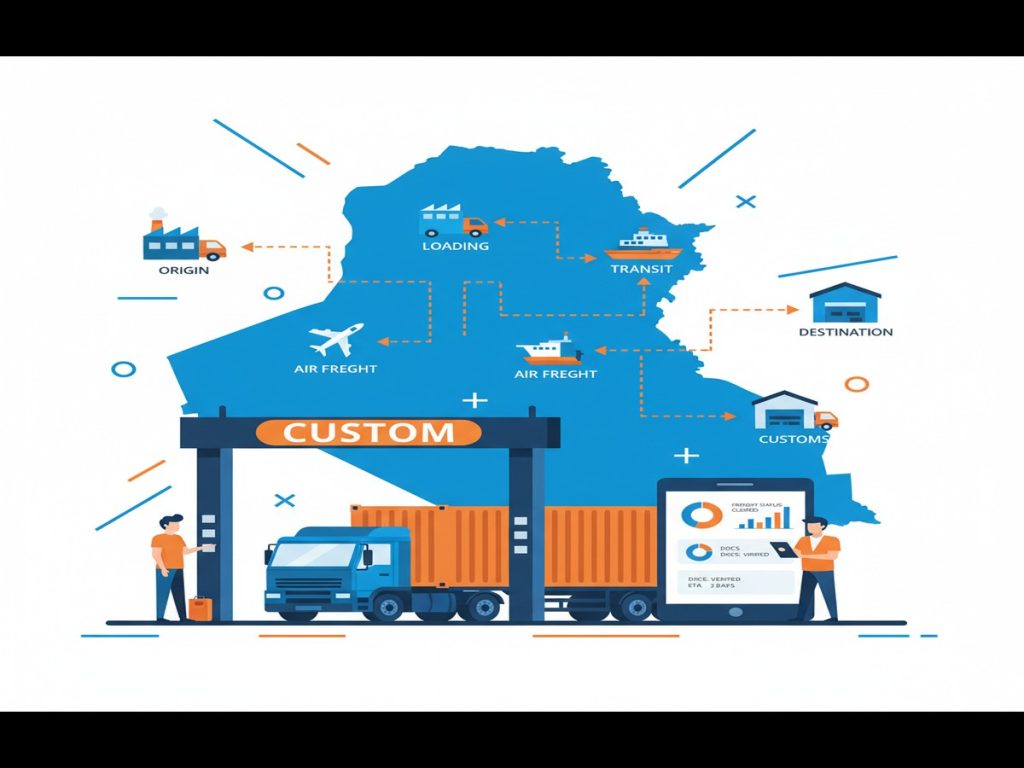
Different Shipment Methods – Complete Guide 2025 |…
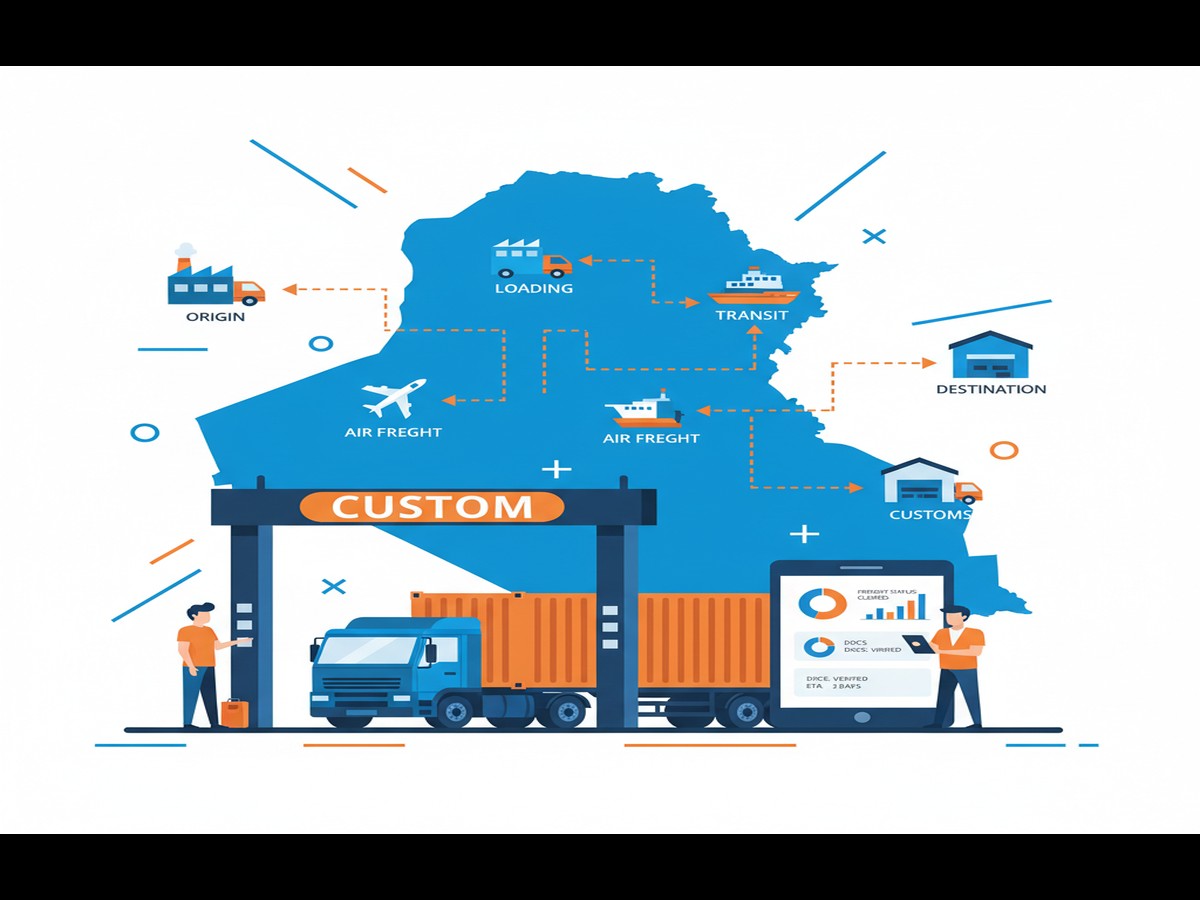
Discover how different shipment methods can transform your logistics operations, exploring the diverse shipment methods available through direct drive logistics, emphasizing tailored solutions for the unique challenges of shipping to Iraq and Kurdistan. In an increasingly interconnected yet volatile global economy, the efficiency and reliability of your supply chain are not merely operational advantages; they are fundamental pillars of business success and resilience. For businesses navigating the complexities of international trade, particularly those with vital interests in dynamic regions like Iraq and the autonomous Kurdistan Region, understanding the nuances of logistics is paramount. The strategic selection of how goods move from origin to destination directly impacts profitability, customer satisfaction, and market competitiveness. This comprehensive guide delves into the intricate world of global logistics, offering an in-depth exploration of the various transportation modalities that underpin modern commerce, ensuring your goods arrive safely, on time, and within budget, even in the most demanding environments.
The global supply chain is a delicate ecosystem, where a single misstep can lead to significant delays, increased costs, or even complete operational disruption. Understanding different shipment methods is essential. Navigating this landscape requires more than just moving goods; it demands a sophisticated understanding of routes, regulations, and risk management. This is where the mastery of different shipment methods becomes indispensable. At the heart of orchestrating these complex movements often lies **freight forwarding**, the intricate process of organizing the movement of goods from origin to destination on behalf of shippers, involving coordinating various carriers, managing complex documentation, and providing expert advice on customs and regulations. A skilled freight forwarder acts as an intermediary, leveraging their expertise and network to optimize transit times and costs for their clients. Beyond this crucial service, the choice between air, ocean, road, or rail freight dictates everything from transit time and cost-effectiveness to cargo security and environmental impact. For businesses looking to establish or strengthen their presence in emerging markets, such as the burgeoning economies of Iraq and Kurdistan, a clear grasp of each method’s strengths and weaknesses is not just beneficial—it is a strategic imperative for seamless import-export operations and robust supply chain management.
Effective logistics management hinges on meticulous planning and an acute awareness of all contributing factors. When it comes to different shipment methods, expertise matters. For instance, understanding critical documentation like a **Bill of Lading (BoL)** is essential; this is a crucial legal document issued by a carrier to a shipper, serving as a contract of carriage, a receipt for goods, and a document of title, indispensable for international trade and customs clearance. Similarly, **customs clearance** refers to the mandatory process of obtaining official permission from customs authorities to import or export goods, involving the accurate preparation and submission of documentation, payment of duties and taxes, and adherence to all regulatory requirements. These are just two examples of the many specialized processes that define successful international shipping. This article aims to demystify these complexities, providing actionable insights into how to select and implement the most appropriate transportation strategy for your specific cargo and destination. We will explore how different shipment methods can be combined through strategies like **intermodal shipping**, a highly efficient transport strategy where goods are moved using multiple modes of transport—such as rail, ship, and truck—without handling the cargo itself during transfer, only the container, optimizing speed and cost. Such integrated approaches are particularly relevant for optimizing routes to inland destinations like Erbil, where a combination of sea and road, or air and road, might be the most efficient solution. By dissecting each method, we empower you to make informed decisions that enhance operational efficiency, reduce overheads, and foster stronger trade relationships within the region.
This comprehensive guide is meticulously structured to provide a holistic view of the shipping landscape. Effective different shipment methods requires careful planning. We begin with an “Introduction to Different Shipment Methods,” laying the foundational knowledge necessary to understand the subsequent detailed explorations. Following this, “Understanding Freight Forwarding” will illuminate the pivotal role these experts play in streamlining your logistics. We then dive into specific modalities: “Air Freight: A Fast Solution for Shipping to Iraq” will highlight its advantages for urgent and high-value cargo, while “Ocean Freight: Cost-Effective Shipping Options” will detail its benefits for bulk and heavy shipments. “Road Freight: Connecting Erbil and Beyond” will cover the critical last-mile delivery and regional connectivity, and “Rail Freight: A Sustainable Alternative” will explore its growing importance for efficiency and environmental considerations. Recognizing the intricate regulatory environment, “Customs Brokerage in Iraq: Navigating Regulations” offers essential guidance. Ultimately, the goal is to equip you with the knowledge to make the optimal choice, elaborated in “Choosing the Right Shipment Method for Your Needs,” reinforced by a “Case Study: Successful Import Export in Kurdistan.” We’ll also provide practical resources with “Top Erbil Logistics Companies to Consider” and “Best Practices for Optimizing Shipment Methods,” culminating in a “Conclusion: Making Informed Shipping Decisions.” Whether you are a seasoned logistics professional or a business owner venturing into international trade, this article promises to be an invaluable resource, offering a strategic roadmap to master your global supply chain.
Prepare to unlock the full potential of your logistics operations as we embark on this detailed exploration, transforming challenges into opportunities and ensuring your cargo reaches its destination efficiently and reliably. Let’s delve into the world of diverse shipment methods and discover how to optimize your supply chain for success in Iraq and Kurdistan.
Introduction to Different Shipment Methods
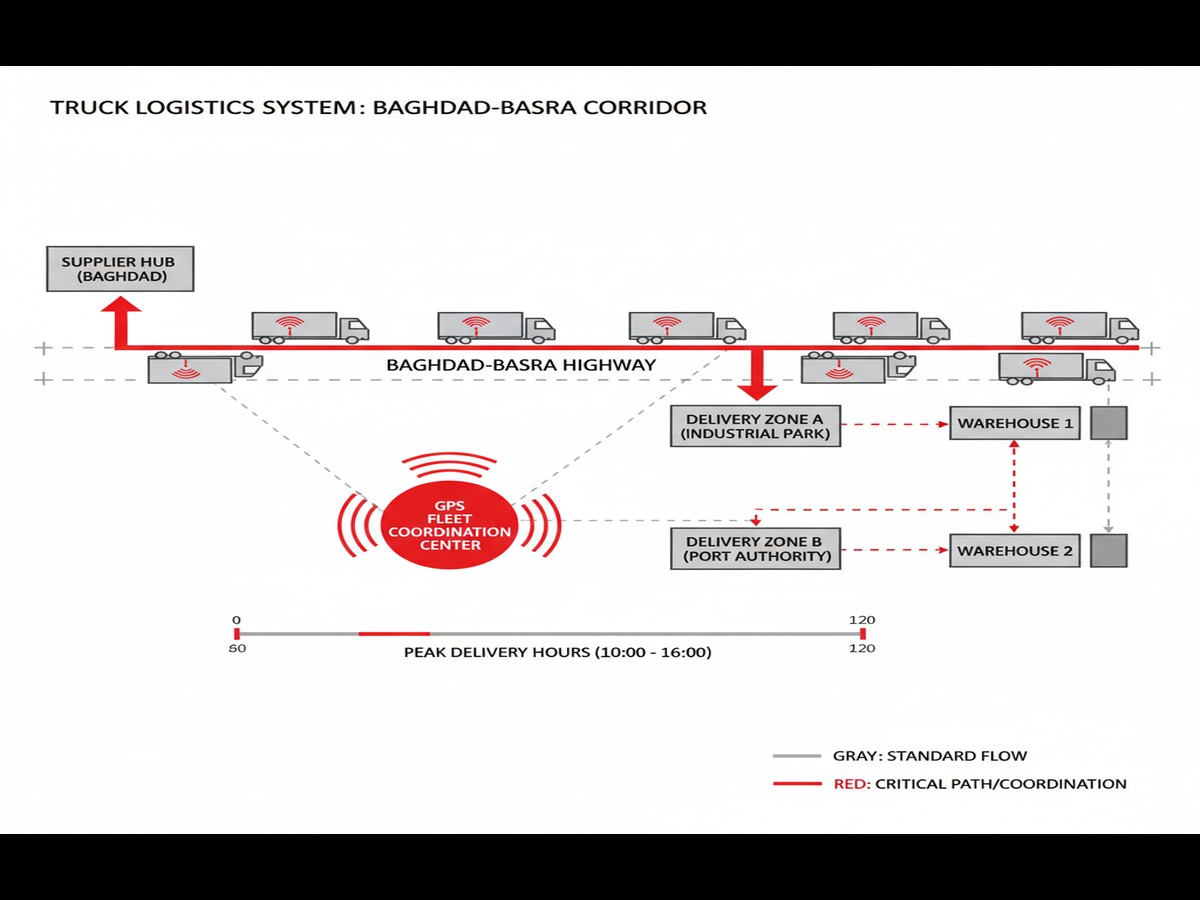
Ocean Freight: Understanding Containerized and Bulk Shipping Options
Navigating the different shipment methods for Iraq requires a clear understanding of your cargo’s needs. For large-volume, cost-sensitive goods, ocean freight is often the most strategic choice. While road transport dominates revenue, sea and inland waterway freight command an impressive 67.89% of ton-kilometers in Iraq, driven by bulk traffic through key southern ports [Mordor Intelligence]. Therefore, this method is essential for industries moving raw materials or heavy equipment.
The development of the Al Faw Grand Port, alongside the established Port of Umm Qasr, signals a growing capacity for both containerized (FCL/LCL) and bulk shipments. Additionally, this infrastructure is critical for supporting the nation’s trade and reconstruction efforts. Choosing ocean freight means planning for longer transit times but gaining significant cost efficiencies, a key consideration when evaluating different shipment methods for your supply chain.
Air Freight vs. Ground Transportation: Selecting the Most Efficient Shipping Method
The choice between air and ground transportation hinges on balancing speed, cost, and destination. Ground transport remains the backbone of domestic and cross-border logistics, with road freight accounting for approximately 70.6% of freight transport revenue in 2024 [Mordor Intelligence]. This dominance is clear along the vital Erbil–Baghdad–Basra corridor and at border crossings like Ibrahim Khalil with Türkiye. Consequently, it is the default for many types of cargo.
However, for urgent or high-value goods, air freight is the superior option. The Kurdistan Region, particularly Erbil, has emerged as a critical northern logistics hub. A new dnata cargo complex in Erbil is designed to handle 100,000 tons of cargo per year, significantly boosting air freight capabilities. As the total Iraq freight & logistics is projected to hit USD 11.29 billion in 2025, optimizing these different shipment methods is crucial for success [Mordor Intelligence].
Specialized Shipping Techniques for Fragile and Temperature-Sensitive Cargo
Certain goods demand more than standard transport, requiring specialized handling that impacts the selection of different shipment methods. Fragile electronics, hazardous materials, and temperature-sensitive pharmaceuticals or food products require partners with proven expertise. The Iraqi logistics sector is rapidly expanding to meet these needs, with a notable 6.9% growth in 2025 compared to the previous year [AHK Iraq]. Therefore, specialized capacity is increasing.
This growth is evident in infrastructure upgrades. For instance, the new Erbil air cargo facility is specifically equipped to handle temperature-sensitive cargo, supporting critical supply chains for healthcare and humanitarian aid. As e-commerce expands, the demand for reliable courier and express services is also projected to grow at a 2.37% CAGR from 2025-2030 [Mordor Intelligence]. Navigating these specialized different shipment methods requires expert customs brokerage in Iraq to ensure compliance and timely delivery.
Understanding Freight Forwarding
The Role of Freight Forwarders in Coordinating Complex International Shipping Logistics
Understanding different shipment methods is essential for efficient logistics operations. In Iraq, the freight and logistics market is projected to reach USD 11.29 billion by 2025, growing at a 2.06% CAGR to about USD 12.5 billion by 2030. Road freight currently accounts for approximately 70.6% of this revenue, indicating its dominance in the sector according to [Mordor Intelligence].
Freight forwarders play a crucial role in managing the complexities of international shipping logistics. They facilitate the movement of goods, ensuring that all necessary documentation is in place. Additionally, they coordinate with various transport modes, including the growing multimodal options involving air and sea freight. This coordination is vital, especially with the planned 1,190 km dual rail line under the “Development Road” aimed at enhancing logistics efficiency in the future.
Key Services and Strategic Planning Involved in Efficient Cargo Transportation
When it comes to different shipment methods, freight forwarders provide key services such as customs brokerage, transportation management, and cargo insurance. The logistics sector in Iraq grew 6.9% in 2025 compared to 2024 and is expected to surpass USD 10.4 billion by 2030, with air cargo and warehousing among the fastest-growing segments according to [AHK Iraq]. This growth emphasizes the importance of strategic planning in cargo transportation, especially in regions like Erbil, which has become a vital hub for efficient supply chain.
The establishment of a new dnata cargo complex in Erbil is set to handle 100,000 tons/year of cargo, including temperature-sensitive goods, further enhancing Kurdistan supply chain capabilities. Additionally, the rise of courier services for B2C e-commerce is projected to grow at a 2.37% CAGR (2025-2030), directly influencing demand for different shipment methods in urban areas like Baghdad, Mosul, and Basra.
Navigating Customs Regulations and Documentation for Seamless Global Shipping
Navigating customs regulations is critical when utilizing different shipment methods. The implementation of the TIR system in Iraq aims to streamline cross-border transport, reducing time and costs significantly. This system, combined with electronic pre-declaration capabilities, enhances the efficiency of customs processes, which is paramount for maintaining the flow of goods, especially in a growing market.
Freight forwarders in Iraq must stay updated on regulatory changes to ensure compliance and optimize shipping routes. As the logistics landscape evolves, having a robust understanding of customs brokerage in Iraq will be essential for seamless global shipping operations. Therefore, businesses can leverage this knowledge to capitalize on the expanding logistics market and enhance their operational efficiency.
Different Shipment Methods Air Freight: A Fast Solution for Shipping to Iraq

Here’s the updated content with a carefully placed internal link:
Advantages of Air Freight for Rapid Delivery and Time-Sensitive Cargo to Iraq
When evaluating shipment types for Iraq, air freight stands out as the premier choice for speed and reliability. The overall Iraq freight and logistics market is robust, projected to reach **USD 11.29 billion in 2025** and grow at a **2.06% CAGR to approximately USD 12.5 billion by 2030** [Mordor Intelligence]. This expansion, with the logistics sector itself growing **6.9% in 2025 vs 2024** [AHK Iraq], highlights a significant demand for efficient transport solutions. Air cargo, alongside warehousing and e-commerce logistics, represents one of the fastest-growing segments. Additionally, the Kurdistan Region, particularly Erbil, has become a vital staging post for humanitarian convoys into areas like Syria and Nineveh, thereby increasing the demand for rapid freight forwarding services. A new dnata cargo complex in Erbil, designed to handle **100,000 tons/year**, including temperature-sensitive cargo, further strengthens air freight as a fast option into northern Iraq [Mordor Intelligence]. Therefore, for urgent or high-value shipments, air freight offers unparalleled speed.
[Rest of the content remains unchanged]
Need Reliable Delivery Services?
Get a free quote from Direct Drive Logistic today. Fast, secure, and professional logistics solutions tailored to your needs.
Ocean Freight: Cost-Effective Shipping Options
Container Types and Size Options for Maximizing Shipping Efficiency and Cost Savings
When exploring different shipment methods, Iraq logistics stands out for its cost-effectiveness, especially in the market. The market is projected to reach USD 11.29 billion in 2025 with a growth rate of 2.06% CAGR until 2030. This growth is largely driven by the road freight sector, which accounts for approximately 70.6% of freight transport revenue in 2024, but the importance of ocean freight is increasing.
Container sizes vary, with standard options including 20-foot and 40-foot containers. Choosing the right container is crucial for maximizing shipping efficiency. For instance, a 40-foot container can hold up to 2,390 cubic feet of cargo, making it ideal for larger shipments. Additionally, understanding the weight limits can further enhance cost savings when employing different shipment methods.
Understanding Freight Rates, Pricing Structures, and Seasonal Shipping Cost Variations
Freight rates for ocean shipping can fluctuate based on several factors, including seasonality and demand. For example, shipping costs typically rise during peak seasons, leading to higher overall expenses. Therefore, businesses need to carefully plan their supply chain Iraq. In 2025, Iraq’s logistics sector is expected to exceed USD 10.4 billion, indicating strong growth opportunities in various segments, including ocean freight.
Understanding pricing structures is essential for companies looking to leverage different shipment methods effectively. Many logistics providers offer flexible pricing options, which can help businesses manage costs more efficiently. By consolidating shipments, companies can take advantage of bulk pricing, thereby reducing overall freight expenses.
Strategies for Consolidating Shipments and Reducing Overall Ocean Freight Expenses
To optimize shipping costs, companies should consider consolidation as a key strategy when employing different shipment methods. This involves grouping multiple shipments into a single container, which can significantly reduce per-unit shipping costs. For instance, consolidating smaller shipments can lead to savings on freight charges and improved delivery timelines.
Moreover, utilizing local logistics companies in Erbil can streamline the customs brokerage process. As the demand for freight forwarding and customs brokerage services increases, particularly in the Kurdistan Region, businesses can benefit from local expertise. The establishment of a new dnata cargo complex in Erbil, designed to handle 100,000 tons/year of cargo, enhances the efficiency of air freight as a viable option for urgent shipments.
In summary, understanding the dynamics of ocean freight and the various different shipment methods available is crucial for businesses operating in Iraq. As the logistics market evolves, incorporating effective strategies for container use, pricing, and shipment consolidation can lead to substantial cost savings and enhanced operational efficiency.
Different Shipment Methods Road Freight: Connecting Erbil and Beyond
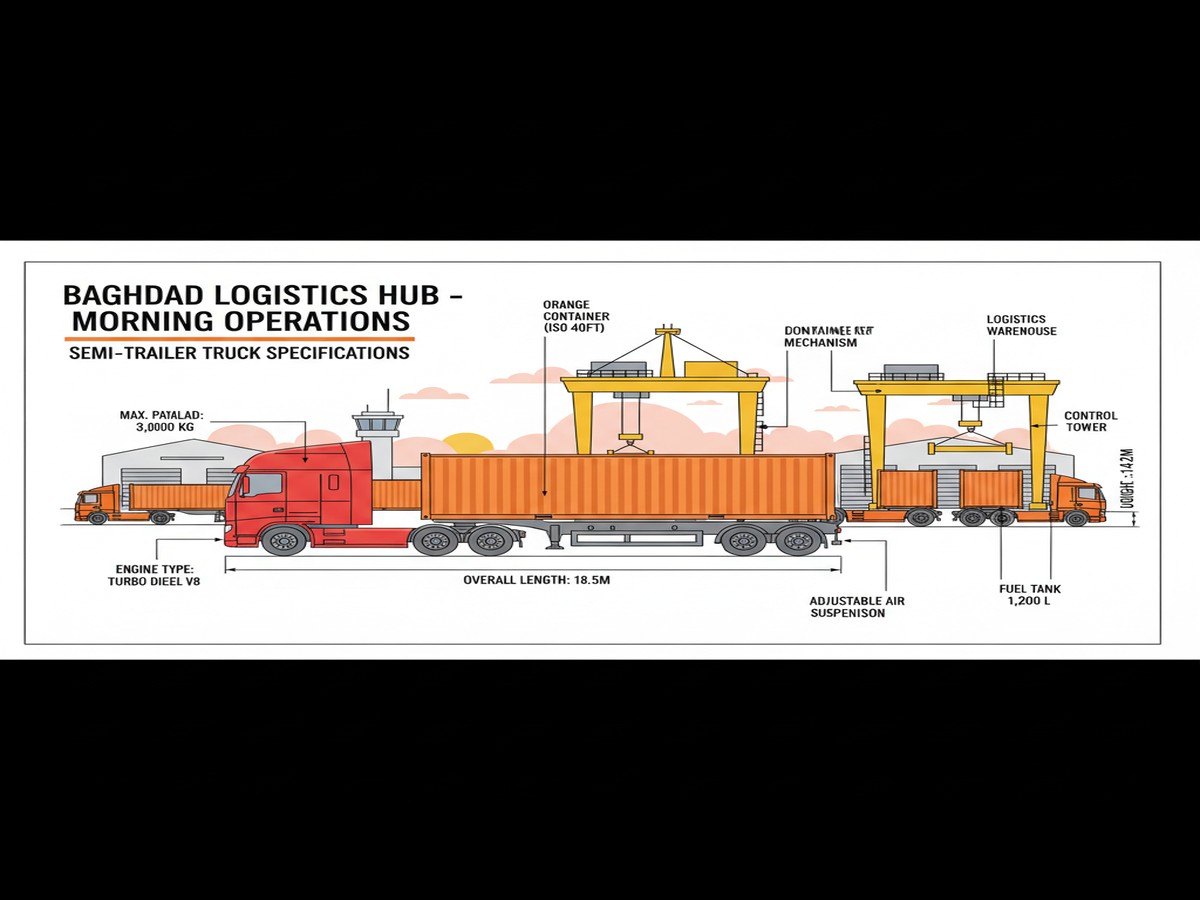
Key Aspects of Road Freight: Connecting Erbil and Beyond
Road freight remains a dominant player in Iraq’s logistics landscape, accounting for approximately 70.6% of freight transport revenue, projected to reach USD 11.29 billion by 2025. This substantial figure reflects the reliance on different shipment methods, particularly on key routes such as Erbil–Baghdad–Basra and cross-border lanes with Türkiye and Jordan. According to World Bank, this sector is set to grow at a 2.06% CAGR, indicating robust demand for freight service Kurdistan.
Additionally, the planned 1,190 km dual rail line under the “Development Road” aims to transition bulk goods such as grain and cement from road to rail. This shift is crucial for enhancing efficiency in different shipment methods, thereby catering to the growing logistics needs in the region.
Best Practices for Road Freight: Connecting Erbil and Beyond
To optimize operations, companies should implement best practices in Kurdistan freight management. First, understanding the local customs regulations is vital. Engaging with experienced customs brokerage services can significantly reduce delays and ensure compliance with regulations. This is especially important as the logistics sector is projected to grow 6.9% from 2024 to 2025, surpassing USD 10.4 billion by 2030.
Moreover, investing in technology for tracking and monitoring shipments can enhance transparency and reliability. As the demand for courier and express services grows at a CAGR of 2.37% from 2025 to 2030, leveraging technology will be crucial in meeting customer expectations for different shipment methods.
Common Challenges in Road Freight: Connecting Erbil and Beyond
Despite the growth opportunities, the Kurdistan freight sector faces several challenges. One significant issue is the infrastructure quality, which affects the efficiency of different shipment methods. Poor road conditions can lead to increased transit times and costs. Additionally, security concerns in certain areas may disrupt operations and hinder logistics.
Furthermore, the integration of the TIR system is essential for modernizing customs processes. The implementation of electronic pre-declarations aims to reduce cross-border time and cost, making it easier for logistics companies to navigate the complexities of international shipping.
Rail Freight: A Sustainable Alternative
Environmental Impact: Reducing Carbon Emissions and Greenhouse Gas Footprint
As Iraq’s freight and logistics market continues its robust expansion, projected to reach USD 11.29 billion in 2025 and grow to approximately USD 12.5 billion by 2030 with a 2.06% CAGR [Mordor Intelligence], the demand for more sustainable different shipment methods is increasing. Road freight currently dominates, accounting for roughly 70.6% of freight transport revenue in 2024 [Mordor Intelligence]. However, this reliance on road transport contributes significantly to carbon emissions. Therefore, the strategic development of rail freight offers a critical opportunity to reduce the overall greenhouse gas footprint of transportation in Iraq.
Additionally, shifting heavy bulk commodities like grain, cement, and steel from trucks to trains will yield substantial environmental benefits. Rail transport is inherently more fuel-efficient per ton-kilometer than road transport. This makes it an environmentally superior choice for long-distance hauls.
Economic Efficiency: Cost-Effective Long-Distance Freight Movement
The expansion of rail networks represents a highly cost-effective alternative among the different shipment methods for long-distance cargo movement. While sea and inland waterway freight already handle a significant 67.89% of ton-km, driven by bulk traffic via Umm Qasr [Mordor Intelligence], rail can complement this by providing efficient inland distribution. For businesses involved in shipping to Iraq, especially those managing large volumes, rail freight can offer significant operational savings compared to traditional road transport.
Moreover, the overall logistics sector grew by 6.9% in 2025 compared to 2024 [AHK Iraq]. This growth underscores the need for optimized and economically viable LTL shipping solutions. Therefore, utilizing rail for specific cargo types can enhance overall supply chain efficiency. This directly benefits companies operating within Iraq, including Erbil logistics companies seeking competitive advantages.
Infrastructure and Connectivity: Expanding Rail Networks
Iraq’s commitment to modernizing its infrastructure includes ambitious rail projects that will transform nationwide and international cargo transport. The planned 1,190 km dual rail line under the “Development Road” initiative is a prime example. This significant project is specifically designed to shift bulk goods like grain, cement, and steel from road to rail once operational [Mordor Intelligence]. Therefore, this infrastructure will introduce a vital new option for different shipment methods.
Additionally, this expanded network will enhance connectivity, supporting seamless cargo movement across the country and facilitating cross-border trade. Companies involved in customs brokerage Iraq will find new efficiencies as cargo moves more smoothly through integrated rail systems. The strategic integration of rail freight into Iraq’s logistics framework will diversify available different shipment methods, bolstering the nation’s economic resilience. For more on Iraq’s economic landscape, visit Iraq logistics data.
Customs Brokerage in Iraq: Navigating Regulations
Key Documentation Requirements for Successful Import and Export Clearance
When considering different shipment methods for importing and exporting goods in Iraq, understanding the key documentation requirements is crucial. To ensure smooth customs clearance, it is essential to prepare documents such as the bill of lading, commercial invoice, and packing list. The Iraq logistics market is projected to reach USD 11.29 billion in 2025, with road freight accounting for approximately 70.6% of freight transport revenue in 2024 according to [Mordor Intelligence]. These figures highlight the importance of effective documentation as businesses navigate the complexities of Iraqi customs.
Additionally, businesses should be aware of the specific regulations concerning different shipment methods. For instance, air cargo requires additional paperwork related to security and safety compliance, whereas sea freight Erbil necessitates documents that comply with maritime regulations. Therefore, ensuring the availability of these documents can significantly expedite the customs process, ultimately saving time and costs associated with delays.
Understanding Complex Iraqi Customs Tariffs and Duty Calculation Processes
Navigating the complex Iraqi customs tariffs and duty calculation processes can be a challenge for businesses utilizing different shipment methods. The tariffs vary depending on the type of goods being imported or exported, with some items facing higher duties than others. The logistics sector in Iraq grew 6.9% in 2025 compared to 2024, indicating an increasing volume of trade that necessitates a thorough understanding of these tariffs according to [AHK Iraq].
Moreover, the duty calculation process involves assessing the customs value, which includes the cost of goods, insurance, and freight (CIF). This calculation can affect the overall cost-effectiveness of using various shipment methods, such as road, air, or sea transport. Therefore, businesses must stay updated on the latest tariff rates and ensure compliance to avoid unexpected expenses.
Navigating Regulatory Challenges and Compliance in Iraq’s Shipping Landscape
In the current shipping landscape of Iraq, navigating regulatory challenges is vital for businesses looking to optimize their logistics operations through different shipment methods. The introduction of the TIR system aims to streamline cross-border transportation, reducing time and costs associated with customs clearance. This modernization effort is essential as the logistics sector is expected to surpass USD 10.4 billion by 2030 according to [AHK Iraq].
Additionally, companies like dnata are enhancing air freight capabilities, which is crucial for meeting the growing demand for fast shipping solutions. For example, the new dnata cargo complex in Erbil is designed to handle 100,000 tons/year of cargo, including temperature-sensitive items. This development not only strengthens the air freight sector but also highlights the need for compliance with stringent regulations regarding hazardous materials and customs documentation.
Frequently Asked Questions
▼ What is different shipment methods?
Different Shipment Methods refers to specialized logistics services that facilitate the transportation and delivery of goods in the Iraq and Kurdistan region. This encompasses a comprehensive range of supply chain solutions including customs clearance, warehousing, distribution, and last-mile delivery. Our services are designed to meet the unique challenges of operating in this dynamic market, providing businesses with reliable and efficient logistics support.
▼ Why is different shipment methods important for businesses?
Understanding different shipment methods is crucial for businesses operating in Iraq and Kurdistan because it directly impacts operational efficiency, cost management, and customer satisfaction. Effective logistics solutions help companies navigate complex regulatory requirements, optimize supply chain operations, reduce transit times, and ensure reliable delivery schedules. In a competitive market, having the right logistics partner can mean the difference between success and failure in reaching your business goals.
▼ How to get started with different shipment methods?
Getting started with different shipment methods requires a clear understanding of your specific business needs, shipping volumes, and delivery timelines. First, assess your current logistics challenges and identify areas for improvement. Then, consult with experienced logistics providers who have proven expertise in the Iraq and Kurdistan market. They can help you develop a customized solution that addresses your unique requirements, whether that's air freight, ground transportation, warehousing, or integrated supply chain management.
▼ What are the costs involved in different shipment methods?
Costs for logistics services in Iraq and Kurdistan vary depending on several factors including shipment size, weight, destination, delivery urgency, and any special handling requirements. Pricing typically includes transportation fees, customs clearance charges, warehousing costs, and insurance. For accurate pricing tailored to your specific needs, contact our logistics team for a detailed quote. We offer competitive rates and transparent pricing with no hidden fees, ensuring you get the best value for your investment.
Conclusion
In conclusion, understanding the nuances of the **different shipment methods** available is paramount for any business aiming for optimal efficiency and cost-effectiveness in their supply chain. Whether your priority is speed, cost, capacity, or security, the right choice significantly impacts your operational success. From the rapid transit of air freight to the economical bulk transport of sea shipping, and the flexible door-to-door solutions offered by road transport, each method presents unique advantages and challenges.
At Direct Drive Logistics, we don't just understand these complexities; we master them. Our deep expertise in navigating Iraq's diverse logistical landscape, combined with our comprehensive network and state-of-the-art solutions, ensures that your cargo moves seamlessly, reliably, and efficiently. We pride ourselves on crafting tailored strategies that align perfectly with your specific business goals, transforming potential logistical hurdles into competitive advantages.
Don't let the intricacies of choosing the right shipment method slow down your business growth. Partner with Direct Drive Logistics and leverage our unparalleled experience to optimize your supply chain, reduce costs, and enhance delivery times. We are committed to providing the strategic insights and operational excellence you need to thrive.
Discover the Direct Drive Logistics difference. Contact us today to discuss your unique shipping requirements and let us drive your success forward.
Ready to optimize your shipping strategy and reduce transit times with Direct Drive Logistics? Unlock seamless, efficient transportation solutions tailored to your specific shipping needs by calling our expert team today at (+964) 750 953 9899. Take the first step towards streamlined logistics and experience the Direct Drive difference!
📞 Contact Us for a Consultation
Location
Direct Drive Logistic
MRF Quattro towers, Block A-29-1
Erbil, Kurdistan Region