
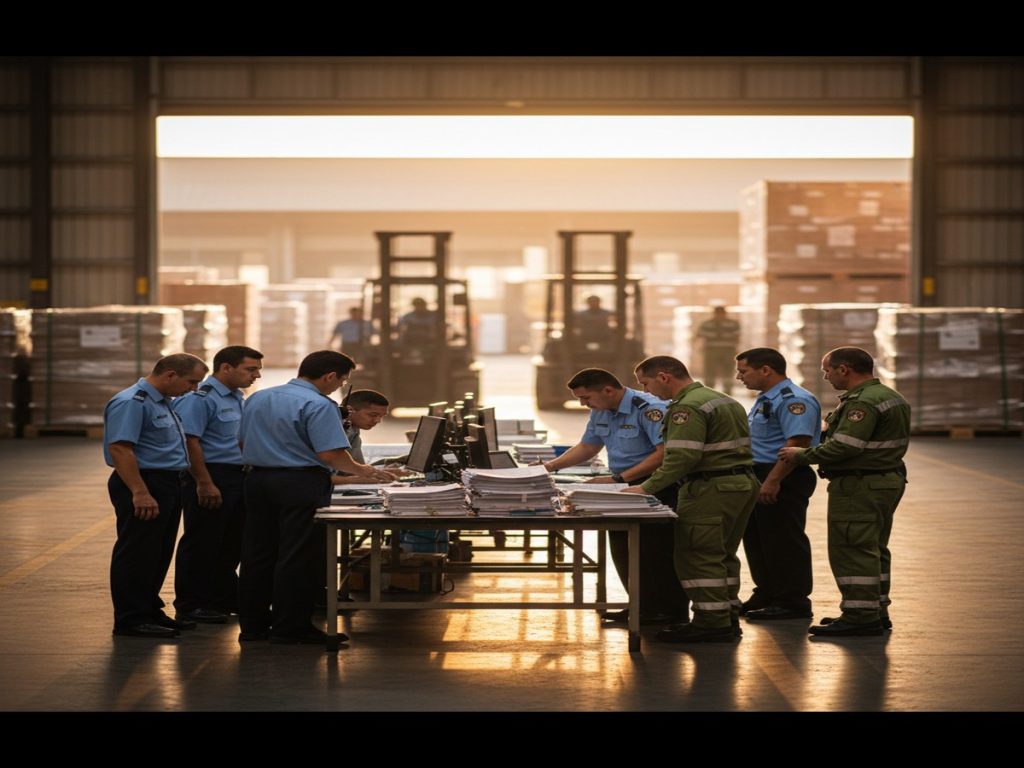
Customs Broker Kurdistan: Unlock Expert Help in 2026
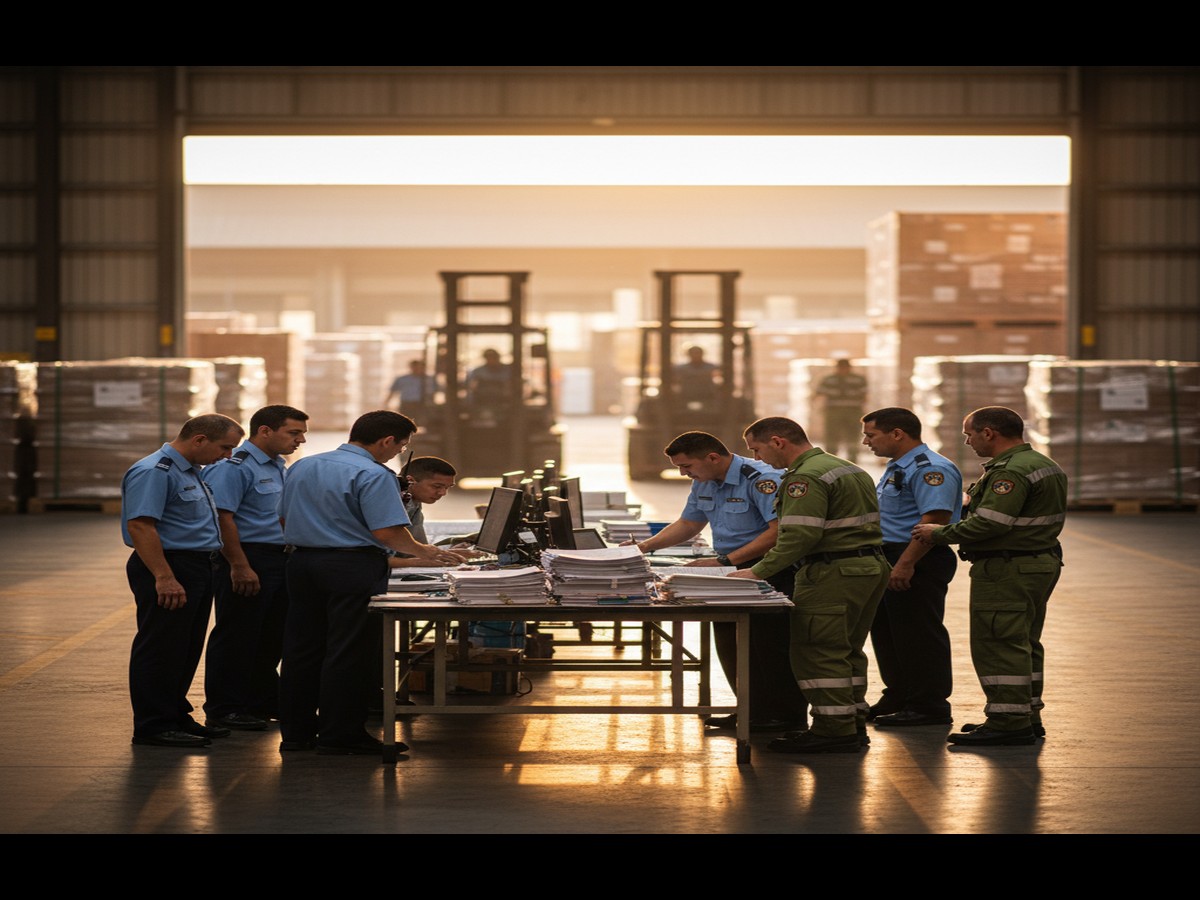
Discover how a customs broker kurdistan can transform your Logistics and Supply Chain operations. Position our service as the essential local expert partner. We navigate the unique and often complex customs landscape of the Kurdistan Region of Iraq, ensuring compliance and speed.
This comprehensive guide explores customs broker kurdistan through multiple perspectives. We’ll cover why a specialized customs broker is essential for importing to Kurdistan. Also, we will navigate common customs challenges in the Kurdistan Region of Iraq. We will provide a complete overview of our comprehensive customs services in Kurdistan. We’ll also give a 5-point checklist for how to choose the right Kurdistan customs broker. Finally, we’ll explore the strategic advantage of using an Erbil customs broker for your shipments. This guide will also cover the step-by-step customs clearance process for Kurdistan shipments. We will also discuss key documents required for smooth customs clearance (HS Code, COO, B/L). Partner with Direct Drive Logistic for seamless Kurdistan customs clearance. Whether you’re a Logistics and Supply Chain professional or business owner, you’ll gain actionable insights to enhance your operations.
Why is understanding customs procedures in Kurdistan so critical? The region’s unique political and economic landscape presents challenges not found elsewhere. Successfully navigating these complexities requires specialized knowledge. For example, understanding the differences between Iraqi federal customs regulations and the Kurdistan Regional Government (KRG) customs is vital. This article will address these nuances, including specific documentation requirements and compliance standards often overlooked. We will also look into the role of Incoterms (International Commercial Terms) and how they impact customs clearance.
Let’s define some key terms. A “Customs Broker (wakil jamruki)” is a licensed professional who assists importers and exporters in meeting federal requirements governing imports and exports. Next, the “HS Code (nizam al-muwahad lil wasf wa-altarmiz alsila’)” or Harmonized System code is a standardized numerical method of classifying traded products. Finally, “COO (shahadat mansha’ as-sil’a)” or Certificate of Origin is a document certifying the country of origin of a product.
The article will cover: Navigating Customs in Kurdistan: An Introductory Guide, Customs Broker Kurdistan: Essential Documentation Guide, Customs Broker Kurdistan: Federal vs. KRG Customs Guide, Choosing the Right Customs Broker: Key Considerations, Customs Broker Kurdistan: Success Stories & Solutions. Direct Drive Logistic understands these challenges. We provide solutions. Read on to discover how to streamline your customs processes and unlock the potential of the Kurdistan market.
Navigating Customs in Kurdistan: An Introductory Guide
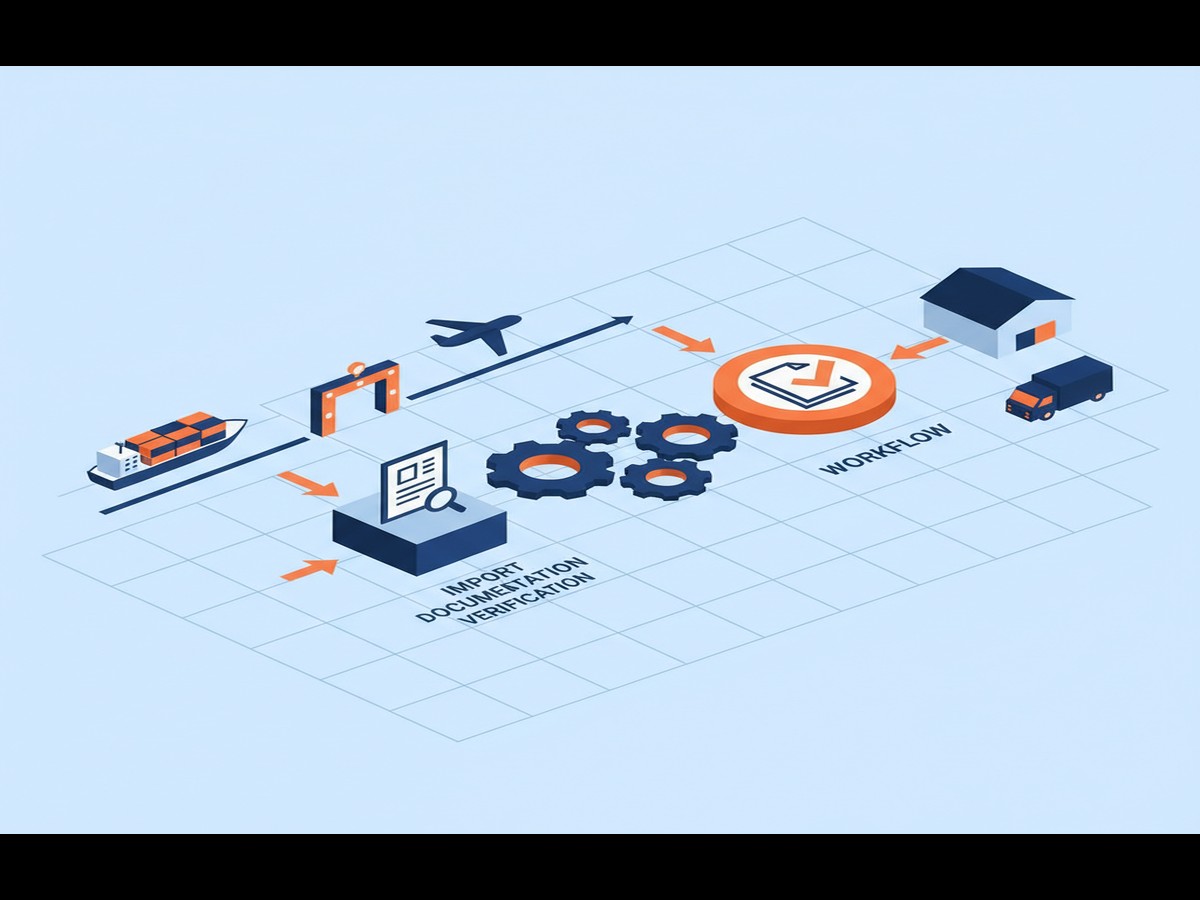
Understanding the Kurdistan Region’s Customs Authority and Regulations
Navigating the customs landscape in the Kurdistan Region of Iraq demands specialized, up-to-date knowledge. Recent federal mandates have dramatically reshaped import and export protocols, moving beyond traditional paperwork to complex digital systems. A skilled kurdistan customs broker is no longer just an option; they are a strategic necessity.
The enforcement of Cabinet Decision No. 957 in early 2026 marked a pivotal shift, mandating electronic declarations through the ASYCUDA system. This decision overhauled tariffs for over 16,400 items, with rates now ranging from 0.5% to 30%. This unification of federal and regional procedures at key crossings like Ibrahim Khalil requires precise digital submissions to avoid costly delays.
These changes directly impact supply chain velocity, creating initial disruptions and requiring businesses to adapt quickly. Our teams in Erbil and Sulaymaniyah possess the technical proficiency to manage these electronic submissions, ensuring your cargo complies with the latest tariff structures and digital requirements.
Essential Documentation and Evolving Compliance Mandates
While standard documents like the Commercial Invoice, Certificate of Origin (COO), and Bill of Lading (B/L) remain foundational, new layers of compliance have introduced significant complexity. Since October 2024, new federal clearance codes have periodically halted trade, impacting more than 1,000 logistics companies and over 10,000 workers in key trade hubs like Zakho.
This disruption saw daily truck unloads at the Ibrahim Khalil border drop from an average of three or four to zero, paralyzing operations. Furthermore, the Kurdistan Regional Government (KRG) now enforces a Certificate of Conformity (CoC) for many imports, a process involving rigorous document reviews and physical inspections. Navigating these new regulations and Iraq’s updated customs tariffs is a core component of our customs services kurdistan.
Successfully securing a CoC and other necessary approvals can add two to three weeks to clearance timelines if not managed by an experienced team. We proactively manage these documentation requirements, mitigating delays caused by evolving compliance.
Working with a Premier Customs Broker in Kurdistan
Choosing the right customs broker kurdistan means partnering with a team that has mastered these new challenges. Direct Drive Logistic provides the technical expertise and on-the-ground presence to navigate the intricacies of both federal and KRG regulations. Our deep operational knowledge is critical for maintaining cargo flow.
As a leading erbil customs broker, we handle the complexities of the ASYCUDA system and the new federal clearance codes that have stalled less-prepared operators. We also ensure our clients meet KRG-specific mandates, including the 75% local employment decree for companies operating in the region. This comprehensive approach ensures full compliance and operational continuity.
Our solutions-focused methodology transforms regulatory hurdles into manageable processes. By entrusting your clearance to a proficient customs clearance services, you secure a reliable and efficient pathway for your goods into the region, safeguarding your supply chain against unforeseen disruptions.
Customs Broker Kurdistan: Essential Documentation Guide
Commercial Invoice: A Key Document for Customs Clearance in Kurdistan
Navigating Kurdistan’s customs landscape demands precision, starting with the commercial invoice. This document is the foundation for duty calculation under the recently enforced Cabinet Decision No. 957. This federal mandate overhauled tariffs across 16,400 items, with rates now ranging from 0.5% to 30%.
All declarations must now be processed electronically through the ASYCUDA system. An experienced Erbil customs broker ensures your invoice data aligns perfectly with these digital requirements, preventing costly delays and penalties. Accurate valuation is paramount for smooth clearance in both Erbil and Sulaymaniyah.
Packing List: Ensuring Accurate Inventory for Kurdish Customs Inspections
An accurate packing list is critical for physical verification and compliance with new federal regulations. In October 2024, the introduction of specific federal clearance codes brought trade to a standstill at key crossings like Ibrahim Khalil. This disruption impacted over 10,000 logistics workers and more than 1,000 companies in the region.
A detailed packing list helps mitigate risks associated with these new rules. It allows for faster inspections and confirms that cargo contents match declarations precisely. The right customs broker Kurdistan understands how this document can prevent your shipment from being caught in such administrative bottlenecks, which have seen daily truck unloads drop from four to nearly zero and created a severe Kurdistan customs policy impact.
Certificate of Origin (COO) and Compliance Mandates
Verifying the source of goods is a non-negotiable step in the import process. The Certificate of Origin (COO) works alongside the increasingly strict Certificate of Conformity (CoC) mandates enforced by the KRG. These compliance checks involve intensive document reviews and physical inspections, adding 2-3 weeks to approval timelines.
Professional customs services Kurdistan are vital for managing these complex requirements. With CIF-based duties typically ranging from 8-10%, any errors in your COO or CoC application can lead to significant financial setbacks. A skilled customs broker Kurdistan streamlines this process, ensuring all documentation meets the rigorous standards set by regional and federal authorities for all types of goods. Navigating international trade logistics requires careful attention to detail.
Federal vs. KRG Customs Guide
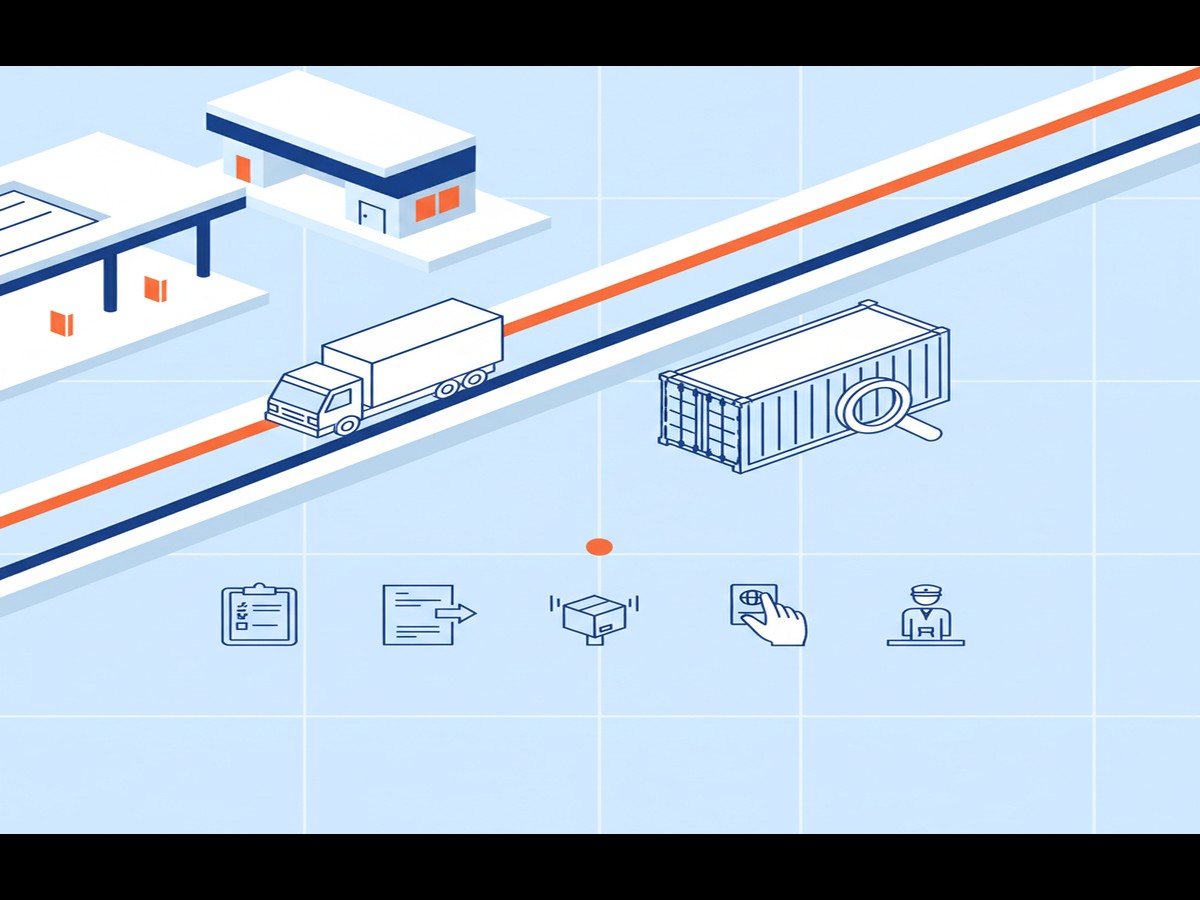
Understanding Federal Iraqi Customs Regulations for Kurdistan Imports
A skilled customs broker kurdistan must master the complexities of Iraq’s centralized federal customs system. The federal government’s enforcement of Cabinet Decision No. 957 mandated electronic declarations through the ASYCUDA system, fundamentally revising tariffs from 0.5% to 30% across 16,400 distinct tariff items.
This shift aims to unify procedures at border crossings like Ibrahim Khalil. However, the abrupt introduction of new federal clearance codes in October 2024 halted truck movements from Turkey and Iran. The new requirements immediately impacted over 10,000 logistics workers and more than 1,000 companies in the vital trade hubs of Zakho and Duhok.
Navigating this environment demands expertise in Baghdad’s digital infrastructure and real-time knowledge of federal mandates. Failure to comply results in grounded shipments and significant financial loss, as worker incomes in Duhok dropped from an average of 50,000-100,000 IQD daily to nearly zero overnight.
Navigating KRG (Kurdistan Regional Government) Customs Procedures
The Kurdistan Regional Government (KRG) maintains its own distinct layer of commercial and import regulations. A 2024 KRG Council of Ministers’ decree now requires companies operating in the region to maintain a workforce of at least 75% Iraqi Kurdish employees, adding a critical compliance step for market entry.
Furthermore, all imports are subject to a strict Certificate of Conformity process, which involves intensive document reviews and physical cargo verification. An experienced erbil customs broker is essential for managing these submissions, which can add 2-3 weeks to the approval timeline for essential forms.
These regional requirements are applied alongside CIF-based duties, which typically range from 8-10% for common goods. Proper management of KRG-specific documentation is vital for avoiding delays and penalties at customs checkpoints in Erbil and Sulaymaniyah.
Key Differences: Federal vs. KRG Customs and Compliance
The core challenge for any customs broker kurdistan is reconciling Iraq’s federal mandates with KRG’s regional requirements. Federal regulations enforce unified electronic submissions and centralized clearance codes, while KRG rules focus on localization and specific product conformity checks.
This friction was evident when federal codes paralyzed border trade, causing daily truck unloads at Ibrahim Khalil to plummet from an average of 3-4 to zero. Effective customs services kurdistan now demand dual expertise in both Baghdad’s ASYCUDA system and Erbil’s regional mandates to ensure cargo fluidity.
Successfully importing into the region means navigating two parallel, and sometimes conflicting, regulatory systems. Considerations like types of packaging become more important.
Need Reliable Delivery Services?
Get a free quote today. Fast, secure, and professional logistics solutions tailored to your needs.
Choosing the Right Customs Broker: Key Considerations
Expertise in Kurdistan’s Evolving Customs Regulations
Selecting a proficient customs broker kurdistan is more complex than ever. Recent federal mandates have completely reshaped the logistics landscape, demanding deep, localized expertise. The enforcement of Cabinet Decision No. 957, for instance, introduced electronic declarations through the ASYCUDA system and radically revised tariffs across 16,400 items.
This decision unified procedures at crossings like Ibrahim Khalil but also caused significant initial market disruptions. A competent partner must navigate this new electronic environment, especially for submissions processed in key hubs like Erbil and Sulaymaniyah. They need a technical understanding of the updated customs tariffs to prevent costly errors and delays.
Navigating HS Codes and Federal Clearance Mandates
Accurate classification using Harmonized System (HS) codes is fundamental, but recent federal actions have added another critical layer of complexity. In October 2024, new federal clearance codes brought trade to a standstill at the Ibrahim Khalil and Bashmakh borders, directly impacting over 10,000 logistics workers and more than 1,000 companies.
This policy paralyzed operations, with daily truck unloads at Ibrahim Khalil plummeting from an average of three or four to zero. An experienced erbil customs broker understands how to secure these mandatory federal codes. This knowledge is the difference between seamless transit and having cargo indefinitely stalled, a situation that left thousands of workers jobless overnight.
Mastery of Incoterms and KRG Compliance
A thorough understanding of Incoterms (International Commercial Terms) like FOB (Free on Board) or CIF (Cost, Insurance, and Freight) is standard. However, this expertise must be applied within the context of Kurdistan Regional Government (KRG) specific regulations. These include stricter import rules and a mandatory Certificate of Conformity (CoC) process.
Managing the CoC involves detailed document review and physical verification, all while navigating CIF-based duties that typically range from 8-10%. Additionally, the KRG’s 2024 decree requires companies to maintain a 75% Iraqi Kurdish workforce. A top-tier provider of customs services kurdistan integrates these local requirements seamlessly into your supply chain strategy. Choosing the right customs broker kurdistan ensures your operations are not only compliant but also optimized for efficiency in this challenging market. To streamline this process, consider working with customs brokerage services.
Success Stories & Solutions
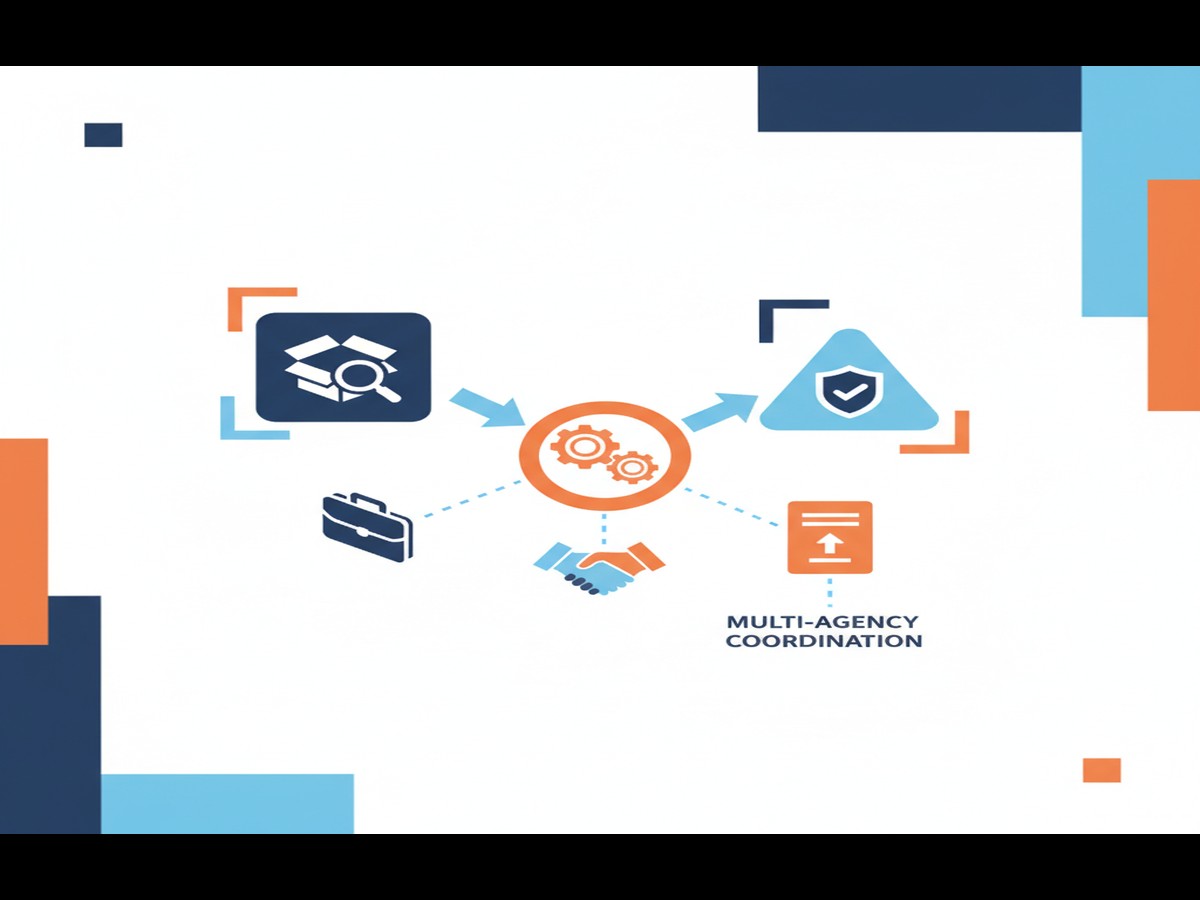
Streamlining Imports with Accurate HS Code Classification
The recent enforcement of Cabinet Decision No. 957 has fundamentally altered import procedures in Kurdistan. This mandate introduced the ASYCUDA system for electronic declarations, revising tariffs from 0.5% to as high as 30% across 16,400 distinct tariff items. Navigating this complex landscape requires precision.
Inaccurate HS code classification can lead to significant penalties and shipment seizures. Our team of specialists in Erbil and Sulaymaniyah ensures every declaration is correct, preventing delays at crossings like Ibrahim Khalil. This expertise is not just about compliance; it’s about safeguarding your supply chain from unforeseen costs and disruptions in a rapidly evolving regulatory environment.
Overcoming Border Challenges & Ensuring Timely Delivery
Recent federal clearance code requirements introduced in October 2024 brought trade to a standstill at key borders, impacting over 10,000 logistics workers. Daily truck unloads at Ibrahim Khalil dropped from an average of 3-4 to zero, paralyzing operations for more than 1,000 companies. Direct Drive Logistic provides the expert customs services Kurdistan businesses need to overcome these hurdles.
Our established relationships and deep procedural knowledge in both federal and regional customs offices allowed our clients to navigate the disruption. While others faced indefinite delays, our proactive strategies ensured compliant and timely cargo movement. We manage the intricate documentation and communication required to keep your goods flowing, even when new regulations create bottlenecks. An experienced customs broker kurdistan is your most valuable asset in these situations.
Navigating KRG Compliance and Incoterms for Cost-Effective Shipping
The Kurdistan Regional Government has introduced stricter import regulations, including a mandatory Certificate of Conformity (CoC) and a 75% local employment rule for operating firms. These new layers of compliance add complexity, with typical CIF-based duties ranging from 8-10% on many goods. Our role as a leading erbil customs broker is to provide clear pathways through these requirements.
We guide clients through the entire process, from initial document review to final physical verification, ensuring their Certificate of Conformity is secured without unnecessary delays. Furthermore, our advisory on Incoterms helps clients structure their shipments to optimize cost and liability, mitigating the financial impact of these new duties. This proactive approach transforms regulatory challenges into a competitive advantage for your business. For more in-depth information, read our Customs Clearance Kurdistan guide.
Common Customs Clearance Challenges and How to Avoid Them
Navigating Valuation and HS Code Classification
Successfully clearing goods in Iraq requires precise valuation and Harmonized System (HS) code classification. Recent federal enforcement of Cabinet Decision No. 957 has fundamentally altered this landscape. The decision mandates electronic declarations and revised tariffs from 0.5% to as high as 30% across 16,400 different tariff items.
Incorrectly classifying a product can lead to significant overpayment or severe penalties for under-declaration. For instance, raw materials may have a tariff of just 0.5-2%, while other goods face much higher rates. An expert Erbil customs broker ensures your goods are categorized correctly under Customs Tariff Law No. 22 of 2010, preventing costly errors and delays at critical entry points.
This precision is vital as the ASYCUDA system automates enforcement, leaving no room for manual overrides or discretionary judgments. Accurate classification from the start is the only strategy for predictable and compliant customs processing.
Ensuring Complete and Accurate Documentation
Incomplete paperwork is the most common reason for shipment delays in the Kurdistan Region. New federal requirements introduced in October 2024 for specific clearance codes have intensified this challenge. These mandates abruptly halted truck movements at the Ibrahim Khalil border, impacting over 1,000 logistics companies and cutting daily truck unloads from an average of 3-4 to zero.
Beyond federal codes, shippers must navigate KRG-specific rules, including Certificate of Conformity (CoC) processes that involve rigorous document reviews and physical verification. These compliance steps can add 2-3 weeks to approval timelines. Professional Customs Brokerage Iraq manage this complex documentation flow, securing all necessary approvals to avoid having assets stranded at the border.
Mastering Incoterms to Mitigate Risk
Understanding International Commercial Terms (Incoterms) is fundamental to managing financial risk and operational liability. Your choice of Incoterm directly impacts the final declared value for customs, which is critical given that KRG duties are often calculated on a CIF (Cost, Insurance, and Freight) basis at rates between 8-10%. A misunderstanding can lead to unexpected costs and disputes over responsibility for goods.
For example, selecting an incorrect term could leave you liable for transport issues or damage that occurs long before the cargo reaches its destination. This strategic decision clarifies responsibilities, controls costs, and minimizes exposure to unforeseen liabilities.
A skilled customs broker Kurdistan analyzes your entire supply chain to recommend the Incoterms that best protect your interests. This proactive approach transforms a potential liability into a strategic advantage, ensuring smooth and predictable cross-border trade.
Future Trends in Customs Brokerage in Kurdistan
Increased Adoption of Digital Customs Clearance Systems
The future of customs brokerage in Kurdistan is unequivocally digital, driven by federal mandates. The enforcement of Cabinet Decision No. 957 in early 2026 compels the use of the UN-supervised ASYCUDA system for all electronic declarations and bank payments, fundamentally changing how cargo is processed.
This decision revised tariffs across 16,400 items under Customs Tariff Law No. 22 of 2010, with rates now spanning from 0.5% to 30%. For any business importing into the region, partnering with a technologically proficient customs broker kurdistan is no longer optional; it is a core operational necessity to navigate these electronic submissions efficiently in hubs like Erbil and Sulaymaniyah.
Growing Importance of HS Code Classification Expertise
Navigating the new tariff structure requires an expert-level understanding of Harmonized System (HS) codes. An incorrect classification can lead to significant financial penalties and shipment delays, especially with the wide variance in new duty rates for raw materials (0.5-2%) and other goods.
The introduction of new federal clearance codes in October 2024, which halted truck movements at Ibrahim Khalil, underscores this point. An expert erbil customs broker must precisely classify goods to secure the correct codes, preventing the costly standstills that impacted over 10,000 logistics workers and more than 1,000 companies in the Zakho and Duhok regions.
Rise of Specialized Brokerage Services in Kurdistan
Regulatory complexity is creating demand for specialized customs services kurdistan. The Kurdistan Regional Government’s (KRG) 2024 decree, mandating 75% Iraqi Kurdish employees and stricter Certificate of Conformity (CoC) processes, adds layers of compliance that generic brokers cannot manage effectively.
This environment requires a partner with deep sectoral knowledge and an understanding of specific regional requirements. A specialized customs broker kurdistan provides the strategic advantage needed to ensure seamless market access and supply chain continuity amid evolving rules.
Frequently Asked Questions
▼ What is a customs broker in Kurdistan, and what services do they provide?
A customs broker in Kurdistan acts as a licensed intermediary between importers/exporters and the Kurdistan Regional Government (KRG) customs authorities. They handle the complex process of clearing goods, ensuring compliance with regulations, preparing and submitting necessary documentation (like commercial invoices and packing lists), calculating duties and taxes, and arranging for inspections. A proficient customs broker Kurdistan streamlines the import/export process, minimizing delays and potential penalties.
▼ Why should I choose a local customs broker in Kurdistan instead of handling customs clearance myself?
Navigating Kurdistan’s customs regulations can be challenging due to language barriers, bureaucratic processes, and specific regional requirements. A local customs broker Kurdistan possesses in-depth knowledge of these nuances, ensuring accurate documentation and efficient clearance. This saves you time, reduces the risk of errors leading to fines or delays, and allows you to focus on your core business. Customs clearance typically takes 3-5 business days with a broker versus potentially much longer if handled independently.
▼ How much does it typically cost to hire a customs broker in Kurdistan?
Customs broker fees in Kurdistan vary depending on the shipment’s complexity, value, and the services required. Generally, you can expect to pay a percentage of the shipment’s value (typically 1-3%) or a flat fee per entry. Additional costs may include documentation fees, inspection charges, and duty/tax payments. It’s crucial to obtain a detailed quote upfront to understand all associated expenses. For example, a standard container shipment might incur broker fees of $250-$750.
▼ What documentation is required for customs clearance in Kurdistan?
Standard documentation for customs clearance in Kurdistan includes a commercial invoice, packing list, bill of lading (for sea freight) or airway bill (for air freight), certificate of origin, import/export license (if required), and any other permits specific to the goods being shipped. Ensure all documents are accurate and complete to avoid delays. The customs broker Kurdistan can advise on any specific documentation requirements based on your goods and origin/destination.
▼ How long does the customs clearance process typically take in Kurdistan?
The customs clearance process in Kurdistan typically takes 3-7 business days, depending on the completeness of the documentation, the type of goods, and the efficiency of the customs authorities. Delays can occur due to incomplete paperwork, discrepancies in declared values, or the need for physical inspections. A reliable customs broker Kurdistan can expedite the process by ensuring all requirements are met and proactively addressing any potential issues.
▼ What are the most common challenges faced during customs clearance in Kurdistan?
Common challenges include language barriers, bureaucratic delays, inconsistent application of regulations, and the need for specific permits or licenses. Other challenges can arise from inaccurate documentation, misclassification of goods, and unexpected inspections. Working with a knowledgeable customs broker Kurdistan who understands the local landscape can mitigate these challenges and ensure a smooth clearance process.
▼ How can I ensure my goods are compliant with Kurdistan’s import regulations?
To ensure compliance, thoroughly research Kurdistan’s import regulations for your specific goods. Verify if any import licenses or permits are required. Accurately classify your goods according to the Harmonized System (HS) code. Ensure all documentation is complete and accurate. Consider engaging a customs broker Kurdistan to review your documentation and provide guidance on compliance requirements.
▼ What happens if there are discrepancies or errors in my customs declaration in Kurdistan?
Discrepancies or errors in your customs declaration can lead to delays, penalties, and even seizure of goods. Customs authorities may conduct audits or inspections to verify the accuracy of the declaration. If errors are discovered, you may be required to pay fines, amend the declaration, or provide additional documentation. A skilled customs broker Kurdistan can help prevent these issues by ensuring accurate and compliant declarations.
▼ How can I track the status of my customs clearance in Kurdistan?
Many customs brokers provide tracking services that allow you to monitor the progress of your shipment through the customs clearance process. This typically involves using a tracking number or reference number provided by the broker. You can also contact the broker directly for updates on the status of your clearance. For reliable customs broker Kurdistan services, consider established providers like Direct Drive Logistic who offer comprehensive tracking and communication.
▼ What are the penalties for non-compliance with customs regulations in Kurdistan?
Penalties for non-compliance with customs regulations in Kurdistan can range from monetary fines to seizure of goods and even legal action. The severity of the penalty depends on the nature and extent of the violation. Common violations include misdeclaration of value, misclassification of goods, and failure to obtain necessary permits or licenses.
▼ What is the role of the Kurdistan Regional Government (KRG) in customs clearance?
The Kurdistan Regional Government (KRG) is responsible for enforcing customs regulations and collecting duties and taxes within the Kurdistan Region of Iraq. The KRG’s customs authorities oversee the import and export of goods, ensuring compliance with applicable laws and regulations. They conduct inspections, assess duties and taxes, and process customs declarations. Understanding KRG regulations is crucial for smooth customs clearance.
▼ How can Direct Drive Logistic assist with customs clearance in Kurdistan?
Direct Drive Logistic offers comprehensive customs brokerage services in Kurdistan, leveraging our extensive experience and local expertise to ensure smooth and compliant clearance. We handle all aspects of the process, from documentation preparation and submission to duty/tax payment and coordination with customs authorities. Working with an experienced Logistics and Supply Chain provider like Direct Drive Logistic can help you navigate the complexities of Kurdistan’s customs regulations and minimize delays.
Conclusion
Successful navigation of customs procedures in Kurdistan hinges on a deep understanding of regional regulations and established relationships with key authorities. The intricacies of import/export documentation, valuation, and duty assessment demand specialized expertise, highlighting the critical role of a reliable customs broker kurdistan to avoid costly delays and ensure compliance.
Start by meticulously reviewing your Incoterms (International Commercial Terms) for each shipment destined for or originating from Kurdistan. Understanding your responsibilities for customs clearance, duties, and taxes will allow you to proactively address potential challenges and choose the most appropriate customs broker kurdistan.
Direct Drive Logistic leverages years of experience and an unmatched local presence throughout Iraq and Kurdistan to provide unparalleled customs brokerage services. Our in-depth knowledge of the region’s specific requirements ensures smooth and efficient clearance, minimizing risks and maximizing cost savings for your supply chain. Contact our team today at info@directdrivelogistic.com to discuss your specific needs and unlock the full potential of your operations in the region.
Navigate Kurdistan’s customs regulations with ease and efficiency. Unlock seamless import/export processes and avoid costly delays by partnering with Direct Drive Logistic’s expert customs brokerage services. Call us today at (+964) 750 637 9296 for a free consultation and streamlined solutions.
Contact Us for a Consultation
Location
Direct Drive Logistic
MRF Quattro towers, Block A-29-1
Erbil, Kurdistan Region