
Cargo Clearance Services Iraq Guide 2025 | Direct Drive
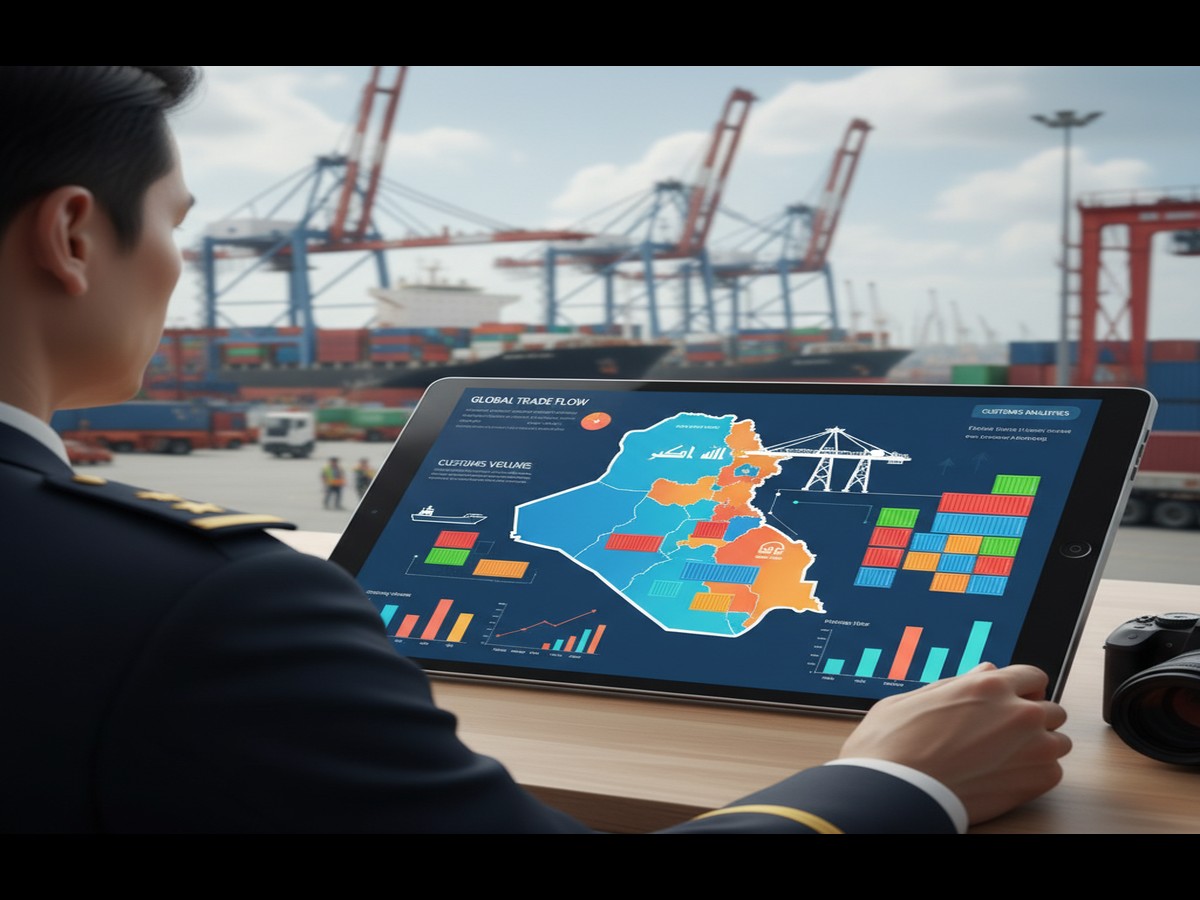
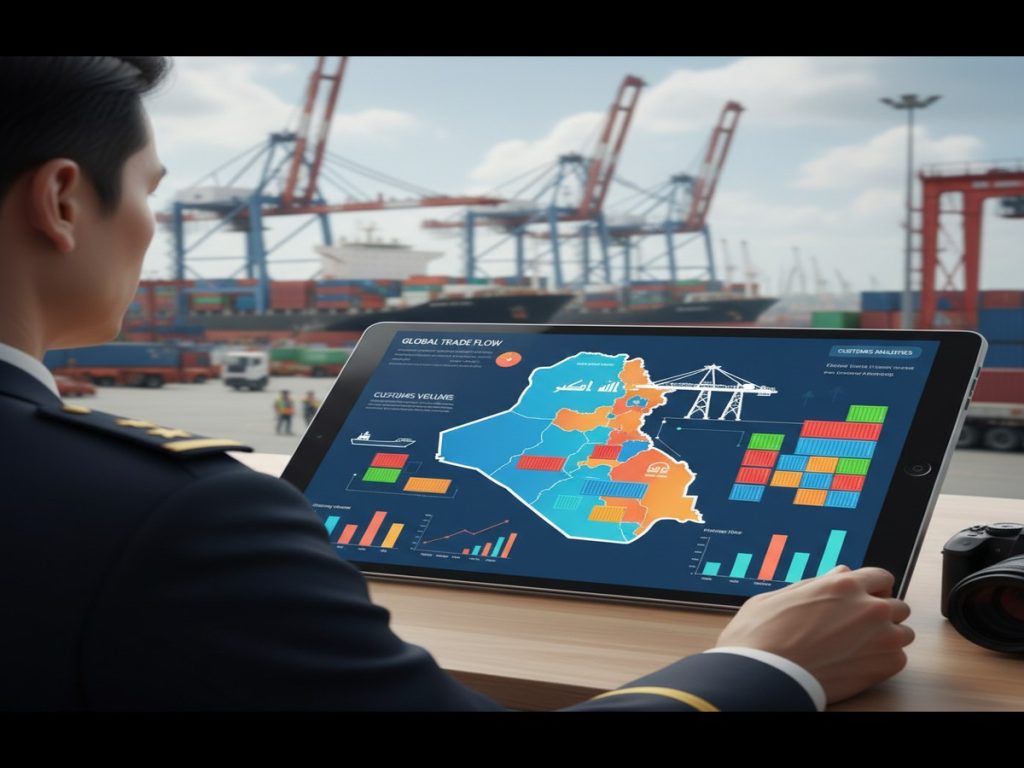
Discover how cargo clearance services iraq can transform your logistics operations with this guide offers an unparalleled, practical roadmap to navigating the complexities of cargo clearance in Iraq, emphasizing compliance, efficiency, and expert insights to empower businesses in making informed decisions when selecting a service provider. In a global economy increasingly reliant on seamless supply chains, the ability to move goods across borders efficiently and compliantly is paramount. For businesses operating in or looking to expand into Iraq, a nation with immense economic potential and a unique regulatory landscape, understanding the intricacies of cargo clearance is not just an operational necessity but a strategic imperative. Delays at customs, unexpected costs, or non-compliance can severely impact profitability, disrupt supply chains, and damage business reputation. This guide is meticulously crafted to demystify these processes, providing a clear, actionable framework for anyone involved in international trade with Iraq.
The Iraqi market, while promising, presents distinct challenges that demand specialized knowledge and robust logistical support. Understanding cargo clearance services iraq is essential. From navigating diverse port operations to understanding specific regional requirements, businesses require more than just basic freight services; they need comprehensive **cargo clearance services Iraq** that can anticipate and mitigate potential roadblocks. A critical component of this is efficient customs clearance, which involves the meticulous process of preparing and submitting documentation to customs authorities to facilitate the entry or exit of goods across international borders, ensuring full compliance with all import/export regulations and the accurate payment of applicable duties and taxes. Without expert guidance, companies risk significant financial penalties, extended transit times, and operational bottlenecks that can erode competitive advantage. This article delves deep into these critical aspects, offering insights that will empower logistics professionals and business owners to optimize their operations and ensure smooth, compliant cargo movement.
This comprehensive guide explores cargo clearance services Iraq through multiple perspectives, ensuring you gain a holistic understanding. We’ll begin by providing an essential overview of cargo clearance in Iraq, setting the foundational knowledge for subsequent sections. Following this, we will detail the step-by-step process of cargo clearance, breaking down each stage to ensure clarity. A crucial segment will focus on the key documentation required for goods clearance services in Iraq, including critical documents like the Bill of Lading (BoL), which is a legal document issued by a carrier to a shipper, detailing the type, quantity, and destination of the goods being shipped, serving as a contract of carriage, a receipt of goods, and a document of title for the cargo. We will also address the importance of correctly identifying the Harmonized System (HS) Code, an internationally standardized system of names and numbers for classifying traded products used by customs authorities worldwide to identify products for the assessment of duties and taxes and for data collection. Understanding these documents and codes is vital for avoiding delays.
Furthermore, we will address the common challenges and potential delays in Iraqi freight clearance, offering practical strategies to overcome them. A significant portion of this guide is dedicated to helping you choose the right cargo clearance services provider in Iraq, examining what attributes to look for and what questions to ask. We will also explore the various cost factors and pricing models associated with cargo clearance in Iraq, ensuring transparency and helping you budget effectively. Finally, we’ll highlight the immense benefits of leveraging professional cargo clearance services for your business, emphasizing how expert partners can ensure compliance and mitigate risks within the complex Iraqi logistics environment. Whether you’re a seasoned logistics professional or a business owner new to the Iraqi market, you’ll gain actionable insights to enhance your operations and foster successful trade relationships. Let’s embark on this journey to master cargo clearance in Iraq.
Understanding Cargo Clearance in Iraq: An Essential Overview
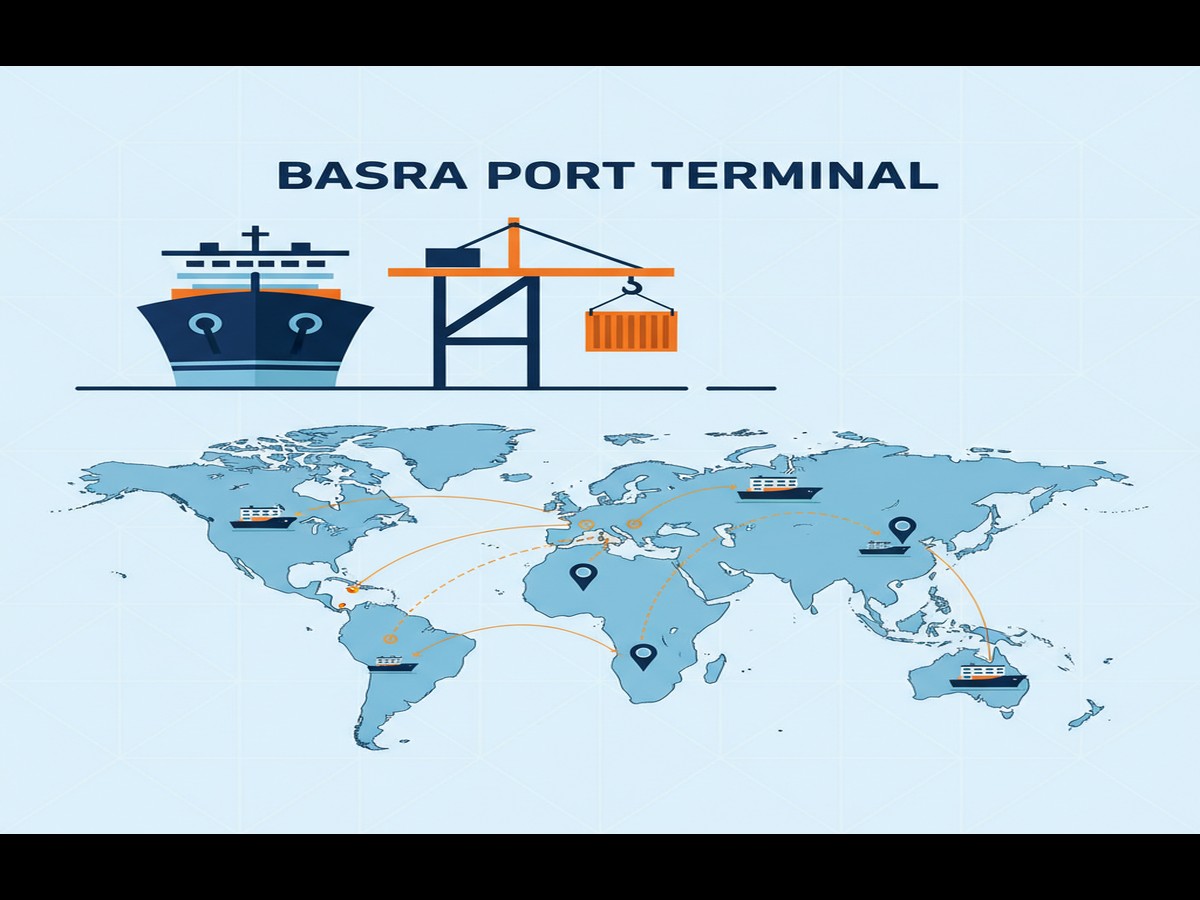
Iraq, a nation undergoing significant economic revitalization, relies heavily on efficient import and export processes to fuel its growth and meet the demands of its populace. At the heart of this intricate trade network lies cargo clearance – a critical logistical function that dictates the speed, cost, and legality of goods moving across its borders. Understanding cargo clearance in Iraq is not merely about paperwork; it’s about grasping the very pulse of the country’s commercial lifeline. For businesses operating or looking to enter the Iraqi market, mastering these procedures is paramount to avoiding delays, penalties, and ensuring a smooth supply chain.
The Crucial Role of Efficient Cargo Clearance in Iraq’s Economic Landscape
In a developing economy like Iraq’s, the efficiency of cargo clearance iraq is more than just an operational detail; it’s a strategic imperative. Rapid and transparent clearance processes directly contribute to reduced lead times, lower storage costs, and enhanced competitiveness for local businesses. This efficiency ensures that essential goods, from construction materials for infrastructure projects to consumer products and medical supplies, reach their destinations without undue hindrance. Conversely, bottlenecks in freight clearance iraq can stifle economic activity, deter foreign investment, and inflate prices for consumers. As Iraq continues its journey of reconstruction and integration into the global economy, streamlined customs procedures are vital for fostering a robust and reliable trade environment, supporting everything from oil exports to the burgeoning non-oil sectors.
Key Government Authorities and Regulations Shaping Iraqi Import-Export Procedures
Navigating the regulatory landscape of Iraq requires a clear understanding of the key governmental bodies and the frameworks they enforce. The primary authority is the General Directorate of Customs, operating under the Ministry of Finance, which oversees all customs duties, tariffs, and border controls. Other significant players include the Ministry of Trade, responsible for import licensing and commodity control, and various sector-specific ministries that might impose additional requirements (e.g., Ministry of Health for pharmaceuticals, Ministry of Industry for certain goods). Iraqi import-export procedures are governed by a blend of national laws and international agreements. For instance, Iraq’s commitment to modernizing its transit systems, including the launch of the Iraq TIR system, highlights ongoing efforts to align with global best practices and facilitate cross-border trade. Compliance with these evolving regulations, including specific documentation like commercial invoices, packing lists, certificates of origin, and sometimes pre-shipment inspection certificates, is non-negotiable for successful importation.
Navigating the Core Stages of Cargo Entry and Release Within Iraq’s Borders
The journey of goods entering Iraq involves several distinct stages, each requiring meticulous attention to detail. Initially, upon arrival at a port, airport, or land border crossing, cargo undergoes initial inspection and documentation submission. This is followed by customs declaration, where importers or their agents provide detailed information about the consignment. Next, customs officials assess duties and taxes based on the declared value and commodity classification. Physical inspection may occur at this stage to verify the contents against the submitted documents. Once duties and taxes are paid, and all regulatory requirements are met, a release order is issued, allowing the goods to proceed to their final destination. The complexity of these stages underscores why professional customs clearance in Baghdad are indispensable. Expert assistance ensures that every step, from pre-arrival planning to final delivery, is executed efficiently, minimizing delays and mitigating potential issues that can arise from incomplete documentation or misinterpretation of local regulations.
The Step-by-Step Process of Cargo Clearance in Iraq
The Step-by-Step Process of Cargo Clearance in Iraq
Navigating the intricacies of cargo clearance in Iraq demands meticulous planning and adherence to specific regulatory frameworks. For businesses engaged in international trade with Iraq, understanding each phase of the process, including utilizing an importer of record service, is paramount to ensuring timely delivery and avoiding costly delays. Direct Drive Logistic specializes in providing comprehensive cargo clearance services Iraq, streamlining these complex procedures for our clients.
Initial Documentation and Pre-Arrival Requirements for Smooth Iraqi Customs Processing
The journey of freight clearance in Iraq begins long before the cargo even reaches Iraqi borders. Accurate and complete documentation is the bedrock of efficient customs processing. Key documents typically include a commercial invoice detailing goods and value, a packing list specifying contents, and the Bill of Lading or Air Waybill as proof of shipment. Additionally, a Certificate of Origin is often required to determine tariff rates, and specific import licenses may be necessary for certain goods, such as pharmaceuticals or agricultural products. Proactive engagement with a knowledgeable customs broker or freight forwarder ensures all pre-arrival requirements are met, significantly reducing potential bottlenecks upon arrival. This initial preparation is crucial for smooth Iraqi customs processing.
Arrival Procedures, Customs Inspection, and Declaration Submission in Iraq
Upon the arrival of goods at an Iraqi port, airport, or land border crossing, the formal customs process intensifies. The importer of record, shipping agent, or customs broker files the customs declaration, often utilizing a Single Administrative Document (SAD), which details the cargo,
Key Documentation Required for Goods Clearance Services in Iraq
Key Documentation Required for Goods Clearance Services in Iraq
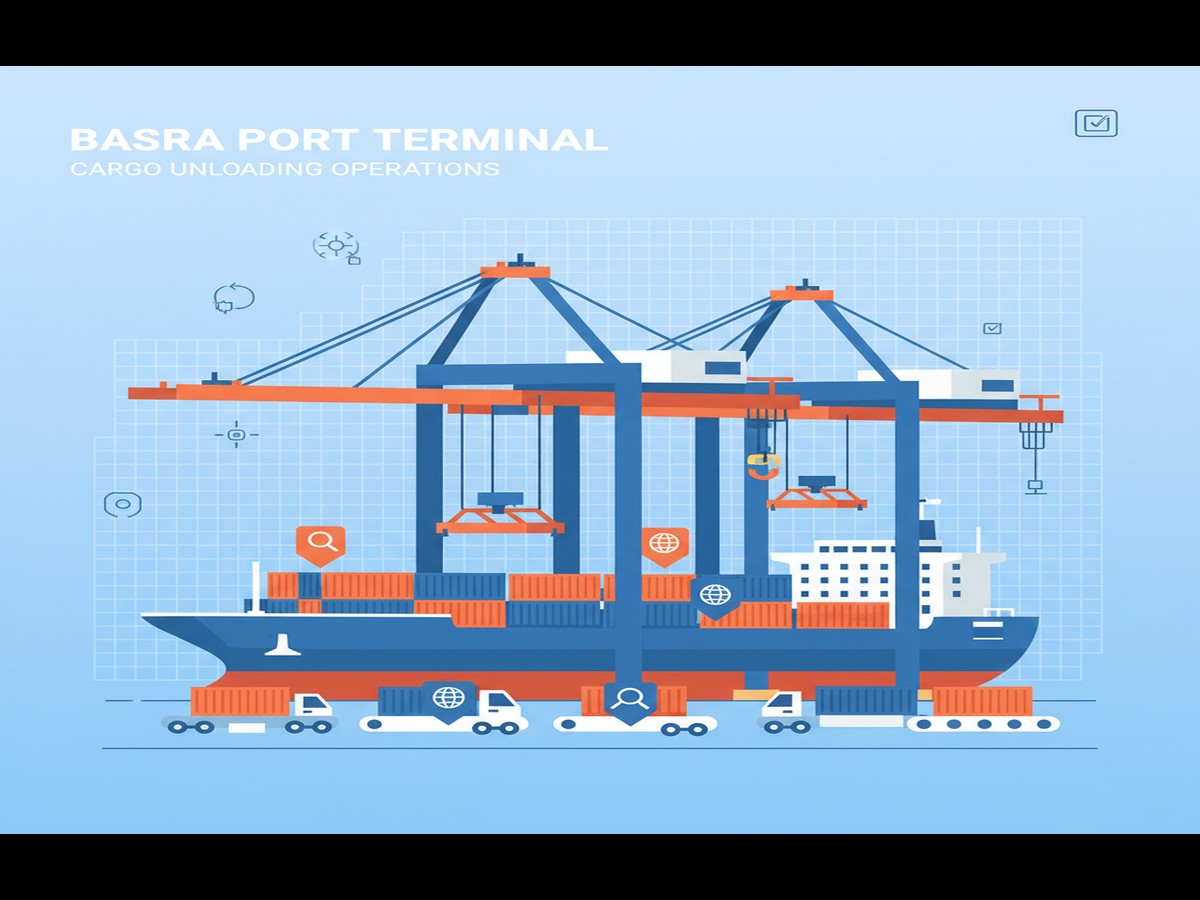
Navigating the complexities of international trade, especially in a dynamic market like Iraq, demands meticulous attention to detail, particularly concerning documentation. Successful cargo clearance Iraq hinges entirely on the accuracy and completeness of your paperwork. Without the correct documents, shipments face delays, penalties, or even rejection, impacting supply chains and profitability. Direct Drive Logistic understands that efficient goods clearance services Iraq are built upon a solid foundation of compliant and well-prepared documentation, ensuring your cargo moves smoothly from port to final destination.
Essential Commercial and Financial Documents for Customs Valuation and Transaction Proof
The foundation of any import into Iraq begins with a robust set of commercial and financial documents. The commercial invoice is paramount, providing a detailed record of the transaction, including the buyer, seller, goods description, quantity, price, and terms of sale (Incoterms). This document is critical for customs officials to assess the value of the goods and calculate applicable duties and taxes. Alongside this, a comprehensive packing list is essential, itemizing the contents of each package, their dimensions, and weight, which aids in physical inspection and inventory verification. The certificate of origin is another vital paper, stating where the goods were manufactured, which can influence tariff rates or eligibility for specific trade agreements. Finally, proof of payment, such as a letter of credit or bank transfer confirmation, validates the financial transaction and supports the declared value. Accurate preparation of these documents is the first step towards streamlined freight clearance Iraq.
Critical Shipping and Logistics Papers for Seamless Transit and Delivery Operations
Beyond commercial aspects, specific shipping and logistics documents govern the physical movement and delivery of your goods. The bill of lading (B/L) for sea freight or air waybill (AWB) for air cargo serves as a contract between the shipper and the carrier, a receipt for the goods, and a document of title. These are indispensable for taking possession of the cargo upon arrival. The freight manifest, provided by the carrier, lists all cargo on a particular vessel or flight, aiding customs in processing and tracking. Once cleared, a delivery order is issued, authorizing the release of goods from the port or airport warehouse to the consignee or their authorized agent. These documents ensure that every stage of transit and delivery is accounted for, preventing bottlenecks and facilitating prompt cargo retrieval.
Mandatory Regulatory Certificates and Licenses Ensuring Iraqi Import Compliance
Adherence to Iraqi import regulations requires a specific array of certificates and licenses, varying significantly based on the type of goods. A general import license, typically issued by the Iraqi Ministry of Trade, is often required for specific categories of goods or for certain importers. For foodstuffs, agricultural products, or live animals, a health certificate or phytosanitary certificate issued by the exporting country’s competent authority is mandatory to ensure public safety and prevent the spread of diseases. Industrial products may require quality control certificates or certificates of conformity, verifying that they meet Iraqi standards. Pharmaceuticals and medical devices, for instance, demand specific approvals and registrations from the Ministry of Health. Understanding and securing these mandatory regulatory documents well in advance is paramount to avoiding costly delays and ensuring full compliance during the cargo clearance Iraq process.
Need Reliable Delivery Services?
Get a free quote from Direct Drive Logistic today. Fast, secure, and professional logistics solutions tailored to your needs.
Navigating Challenges and Delays in Iraqi Freight Clearance for Cargo Clearance Services Iraq
Navigating the complexities of logistics in Iraq requires a deep understanding of the unique challenges that can impact cargo clearance timelines. While the Iraqi market offers significant opportunities, freight forwarders and businesses must be prepared for potential hurdles. Direct Drive Logistic specializes in providing robust cargo clearance services Iraq, helping clients mitigate these risks and ensure smoother operations.
Common Bureaucratic Obstacles and Documentation Complexities in Iraqi Customs Procedures
One of the primary sources of delays in Iraqi freight clearance stems from its intricate bureaucratic landscape and demanding documentation requirements. Importers often face a multi-layered process involving various government agencies, each with its own set of permits, inspections, and approvals. Common obstacles include the need for specific import licenses for certain goods, mandatory pre-shipment inspections (PSI) for quality and conformity, and detailed commercial invoices, packing lists, and certificates of origin that must precisely match the goods being imported. Discrepancies, no matter how minor, can lead to significant hold-ups, fines, or even rejection of the shipment. Furthermore, the manual processing of documents at various checkpoints can be slow, compounded by inconsistent application of regulations across different ports of entry, making efficient goods clearance services Iraq a critical requirement.
Mitigating Risks and Strategies for Overcoming Logistical Bottlenecks in Freight Clearance
Overcoming these logistical bottlenecks requires a proactive and strategic approach. The most effective strategy is partnering with an experienced logistics provider like Direct Drive Logistic, which possesses in-depth local knowledge and established relationships within Iraqi customs and regulatory bodies. This expertise is crucial for anticipating potential issues, preparing all necessary documentation accurately and in advance, and navigating the system efficiently. Implementing digital solutions for document management and tracking can also significantly reduce errors and processing times. Utilizing bonded warehouses can provide flexibility, allowing goods to be stored securely while awaiting final clearance, thus avoiding demurrage charges at the port. Regular communication and transparent information sharing between all parties involved in the supply chain are paramount to ensuring successful freight clearance Iraq.
Impact of Political Instability and Security Concerns on Cargo Transportation Timelines
Beyond bureaucratic hurdles, the geopolitical landscape of Iraq frequently introduces unpredictable challenges to cargo transportation timelines. Political instability, regional conflicts, and evolving security concerns can lead to sudden route closures, increased security checks, and heightened scrutiny at borders and checkpoints. These factors not only cause delays but can also necessitate rerouting, adding to transit times and costs. For example, specific areas might become temporarily inaccessible, or new security protocols might be implemented without much notice. Effective risk management involves continuous monitoring of the security situation, having contingency plans for alternative major trade routes in Iraq, and maintaining strong relationships with local security forces and authorities. A reliable logistics partner can provide real-time updates and adapt strategies quickly to minimize the impact of such external factors on the movement of goods, ensuring the continuity of supply chains despite the inherent complexities of the region.
Cargo Clearance Services Iraq Choosing the Right Cargo Clearance Services Provider in Iraq
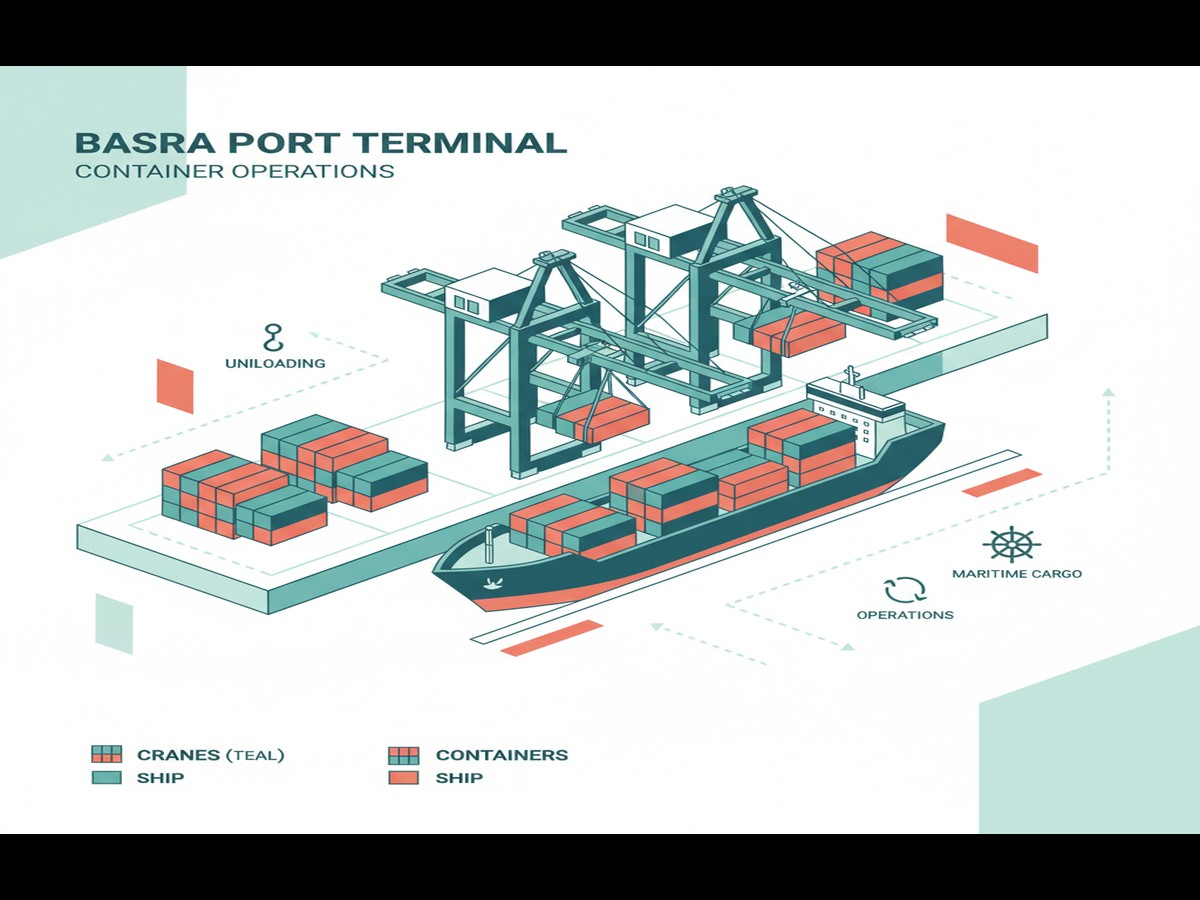
Choosing the Right Cargo Clearance Services Provider in Iraq
Selecting an adept partner for cargo clearance in Iraq is paramount to ensuring your supply chain operates without costly delays or compliance issues. The complexities of Iraqi customs, coupled with the dynamic geopolitical landscape, demand a provider with specialized knowledge and a robust operational framework. This section will guide you through the critical factors to consider when evaluating potential cargo clearance services Iraq providers.
Evaluating Expertise and Local Compliance Knowledge for Seamless Operations
The cornerstone of effective cargo clearance in Iraq is an intimate understanding of local regulations, tariffs, and cultural nuances. A reputable provider must demonstrate deep expertise in navigating the intricate web of Iraqi customs laws, which are subject to change and interpretation. This includes specific knowledge related to various cargo types, whether it’s specialized equipment for the oil and gas sector, humanitarian aid, or general commercial goods. Look for a provider with a proven track record in handling your specific commodity, ensuring they can accurately classify goods, prepare the necessary documentation, and anticipate potential challenges. Their ability to preemptively address compliance issues and avoid penalties is invaluable, making the difference between smooth freight clearance Iraq and significant operational bottlenecks.
Assessing Service Scope and Network Reach Across Iraqi Ports and Borders
Beyond mere document processing, the ideal cargo clearance services Iraq provider offers a comprehensive service scope and extensive network reach. Evaluate whether their operations cover all critical entry points relevant to your shipments, such as the port of Umm Qasr, Basra, Baghdad International Airport, and key land borders like Safwan or Ibrahim Khalil. A provider with a wide network can offer flexibility and contingency planning, ensuring your goods can be cleared efficiently regardless of the entry point. Furthermore, consider if they provide integrated logistics solutions, such as warehousing, onward transportation, and last-mile delivery, which can streamline your entire supply chain and reduce the need to coordinate multiple vendors. This holistic approach is vital for managing goods clearance services Iraq effectively from origin to final destination, especially across the country’s major trade routes.
Prioritizing Transparency, Communication, and Proven Reliability for Your Shipments
In a challenging operational environment like Iraq, transparency and consistent communication are non-negotiable. Your chosen provider should offer clear communication channels, providing real-time updates on the status of your shipments and promptly addressing any queries or issues that arise. Transparent pricing, free from hidden fees, is also crucial for budgeting and financial planning. Investigate their track record for reliability, seeking client testimonials, case studies, or references that attest to their consistent performance. A provider with a strong reputation for problem-solving, risk management, and ethical practices will instill confidence that your valuable cargo clearance Iraq operations are in capable hands, minimizing potential disruptions and ensuring timely delivery.
Cost Factors and Pricing Models for Cargo Clearance Iraq
Navigating the financial landscape of cargo clearance Iraq is as critical as understanding the logistical processes themselves. The costs associated with importing or exporting goods through Iraq are multifaceted, influenced by a dynamic regulatory environment and various service providers. A clear understanding of these cost factors and the different pricing models available is essential for effective budget planning and avoiding unexpected expenses.
Key Aspects of Cost Factors and Pricing Models for Cargo Clearance Iraq
The total cost of freight clearance Iraq is a composite of several elements. Foremost are customs duties and taxes, which are determined by the Harmonized System (HS) code of the goods, their origin, value, and any applicable trade agreements. These can vary significantly, making accurate classification paramount. Following this, customs brokerage fees are charged by agents for their expertise in preparing documentation, ensuring compliance with Iraqi regulations, and liaising with customs authorities. These fees can be fixed, variable, or a combination.
Further costs include port and terminal handling charges (THC), covering the movement, loading, and unloading of cargo within the port, as well as potential demurrage (for delays in vessel unloading) and detention (for delays in returning containers). Inland shipment methods from the port of entry to the final destination also factor in. Mandatory or random inspection fees by various Iraqi government agencies, along with fees for preparing specific permits, licenses, and certificates, contribute to the overall expense. Finally, cargo insurance costs provide financial protection against loss or damage during transit and clearance.
Pricing models for goods clearance services Iraq typically include: a fixed-fee model for straightforward, predictable shipments; a variable or commission-based model, often a percentage of the cargo’s value, common for complex or high-value consignments; and hybrid models that combine fixed and variable components. An all-inclusive model offers a single price covering most services, providing greater predictability for clients.
Best Practices for Cost Factors and Pricing Models for Cargo Clearance Iraq
To optimize costs and ensure smooth cargo clearance Iraq, including effective supply chain tracking, several best practices should be adopted. Firstly, demand absolute transparency and detailed, line-item quotes from your logistics partners, rather than just lump sums. This allows for a clear understanding of each charge. Secondly, ensure meticulous HS code accuracy. Correct classification prevents overpayment of duties and avoids costly delays or penalties. Proactive pre-clearance planning, involving early submission of all necessary documentation, can significantly reduce the risk of demurrage and detention charges.
Partnering with experienced customs brokers and logistics providers who have a proven track record in Iraq is crucial. Their local knowledge can navigate complexities and potentially negotiate better rates for certain services. Always be prepared to negotiate where possible, understanding which charges are fixed government fees versus service provider margins.
Common Challenges in Cost Factors and Pricing Models for Cargo Clearance Iraq
Despite best efforts, several challenges can impact the cost and predictability of freight clearance Iraq. The Iraqi regulatory landscape can be prone to unpredictable tariffs and frequent changes in regulations, making long-term cost forecasting difficult. Importers often face hidden fees or unexpected charges that were not initially disclosed, leading to budget overruns. The issue of demurrage and detention remains a significant challenge, with delays at ports or customs often leading to substantial additional costs.
Furthermore, concerns around corruption and informal payments, while being actively addressed by authorities, can still contribute to inflated costs in some instances. A general lack of standardization across different Iraqi ports and customs offices means that procedures and associated costs can vary, adding complexity. Lastly, currency fluctuations can impact the final cost, especially when duties or service fees are paid in local currency while initial quotes might be in USD.
Benefits of Professional Cargo Clearance Services for Your Business
Benefits of Professional Cargo Clearance Services for Your Business
Navigating the complexities of international trade is a significant challenge for any business, especially when operating in dynamic markets like Iraq. The intricacies of customs regulations, documentation, and local procedures can quickly become overwhelming, leading to costly delays and unforeseen expenses. This is precisely where professional cargo clearance services Iraq prove invaluable, offering strategic advantages that streamline operations, mitigate risks, and ensure compliance. Engaging an expert partner specializing in freight clearance Iraq transforms potential hurdles into smooth, predictable processes, allowing your business to focus on its core objectives.
Streamlining Complex Customs Procedures and Reducing Potential Delays in Iraq
The customs landscape in Iraq is known for its unique procedural requirements and potential for bureaucratic bottlenecks. Without a deep understanding of these specific processes, businesses often face frustrating delays, which can result in significant demurrage charges, storage fees, and missed delivery deadlines. Professional cargo clearance services in Iraq possess the local knowledge and established relationships necessary to expedite customs processing. They are adept at preparing and submitting accurate documentation, anticipating potential issues, and proactively resolving them before they escalate. This expertise ensures a smoother flow of goods through critical entry points like Umm Qasr port or Baghdad International Airport, drastically reducing transit times and enhancing overall supply chain efficiency. By entrusting your shipments to specialists, you gain predictability and reliability in your logistics operations.
Minimizing Financial Risks and Avoiding Costly Compliance Penalties for Businesses
Compliance with Iraqi import/export regulations is not merely a formality; it’s a critical aspect of financial risk management. Errors in tariff classification, incorrect valuation of goods, or failure to meet specific licensing requirements can lead to severe penalties, including hefty fines, confiscation of goods, or even legal repercussions. Professional goods clearance services Iraq act as your first line of defense against these risks. Their experts meticulously review all documentation, ensure accurate declarations, and apply the correct customs duties and taxes, preventing costly mistakes. This proactive approach safeguards your financial interests, protecting your business from unexpected charges and ensuring adherence to all legal frameworks. Investing in professional services is a strategic decision that prevents future financial liabilities.
Expert Navigation of Iraq’s Intricate Import/Export Regulations and Documentation Requirements
Iraq’s regulatory environment is subject to frequent updates and can vary significantly depending on the type of goods, their origin, such as for the transportation of goods, and their intended use. Staying abreast of these changes, from specific health certificates for food products to safety standards for industrial machinery, requires dedicated attention and expertise. Professional cargo clearance services Iraq specialize in navigating this intricate web of regulations. They ensure that all necessary permits, licenses, and certifications are obtained well in advance, from certificates of origin to pre-shipment inspection reports. Their in-depth knowledge of local laws and international trade agreements guarantees that your shipments meet all prerequisites, preventing rejections at the border and facilitating seamless entry or exit. This expert guidance is indispensable for businesses aiming to maintain uninterrupted trade flows and achieve long-term success in the Iraqi market.
Frequently Asked Questions
▼ What is cargo clearance services iraq?
Cargo Clearance Services Iraq refers to specialized logistics services that facilitate the transportation and delivery of goods in the Iraq and Kurdistan region. This encompasses a comprehensive range of supply chain solutions including customs clearance, warehousing, distribution, and last-mile delivery. Our services are designed to meet the unique challenges of operating in this dynamic market, providing businesses with reliable and efficient logistics support.
▼ Why is cargo clearance services iraq important for businesses?
Understanding cargo clearance services iraq is crucial for businesses operating in Iraq and Kurdistan because it directly impacts operational efficiency, cost management, and customer satisfaction. Effective logistics solutions help companies navigate complex regulatory requirements, optimize supply chain operations, reduce transit times, and ensure reliable delivery schedules. In a competitive market, having the right logistics partner can mean the difference between success and failure in reaching your business goals.
▼ How to get started with cargo clearance services iraq?
Getting started with cargo clearance services iraq requires a clear understanding of your specific business needs, shipping volumes, and delivery timelines. First, assess your current logistics challenges and identify areas for improvement. Then, consult with experienced logistics providers who have proven expertise in the Iraq and Kurdistan market. They can help you develop a customized solution that addresses your unique requirements, whether that’s air freight, ground transportation, warehousing, or integrated supply chain management.
▼ What are the costs involved in cargo clearance services iraq?
Costs for logistics services in Iraq and Kurdistan vary depending on several factors including shipment size, weight, destination, delivery urgency, and any special handling requirements. Pricing typically includes transportation fees, customs clearance charges, warehousing costs, and insurance. For accurate pricing tailored to your specific needs, contact our logistics team for a detailed quote. We offer competitive rates and transparent pricing with no hidden fees, ensuring you get the best value for your investment.
Conclusion
In conclusion, while the intricacies of cargo clearance in Iraq can appear formidable, they are entirely navigable with the right strategic partner. We’ve underscored the critical importance of meticulous documentation, deep understanding of local regulations, and proactive problem-solving to ensure your goods traverse borders without unnecessary delays. The potential for costly demurrage, penalties, and lost business due to customs inefficiencies is real, making expert guidance not just beneficial, but essential for sustained success in the Iraqi market.
This is precisely where Direct Drive Logistics provides an indispensable advantage. Our extensive experience and established networks throughout Iraq equip us to handle every facet of your customs requirements with precision and speed. We don’t just process paperwork; we proactively manage the entire clearance lifecycle, transforming potential bottlenecks into seamless pathways for your cargo. By leveraging our specialized **cargo
Streamline your cargo clearance in Iraq with Direct Drive Logistics’ expert, hassle-free services that minimize delays and reduce administrative burdens. Unlock seamless international shipping by contacting our specialized team today at (+964) 750 953 9899 to get a personalized logistics solution tailored to your specific import and export needs.
📞 Contact Us for a Consultation
Location
Direct Drive Logistic
MRF Quattro towers, Block A-29-1
Erbil, Kurdistan Region