

Baghdad Project Cargo Logistics: Get Expert Help in 2026

Discover how Baghdad project cargo logistics can transform your logistics operations. Showcase Direct Drive Logistic’s deep understanding of Baghdad’s unique logistical challenges. We deliver customized, secure, and efficient project cargo solutions. Our expertise and proven success in the region set us apart.
This guide explores Baghdad project cargo logistics from multiple perspectives. We’ll cover understanding the landscape, key considerations, and Direct Drive Logistic’s expertise. We will also cover our comprehensive services and customs navigation. Finally, we will analyze case studies, and explain why you should choose us. Whether you’re a logistics professional or business owner, you’ll gain actionable insights. For example, understanding “Incoterms (International Commercial Terms)” is crucial. These define responsibilities of sellers and buyers for delivery of goods, like FOB (Free on Board) or CIF (Cost, Insurance and Freight).
We will also address crucial content gaps often missed. A key area is security risks. Baghdad project cargo logistics inherently involves heightened security concerns. Mitigation strategies are essential. Another key term is “THC (Terminal Handling Charges)”. These are fees levied by port or terminal operators for handling cargo. Finally, we will examine Iraqi customs regulations and compliance. This includes necessary documentation for clearance. Understanding these complex processes is critical for successful operations. We will also discuss challenges in oversized cargo handling.
This article will delve into pre-shipment planning and route optimization. We will explore overcoming key challenges in Baghdad project cargo logistics. It will also cover customs and documentation requirements in detail. Finally, we will analyze security risks and associated costs. “Project Cargo” refers to goods that are oversized, overweight, or require specialized handling. These often require unique transport solutions. Successfully managing Baghdad project cargo logistics requires specialized knowledge.
Understanding the nuances of Baghdad project cargo logistics is crucial for successful operations. This is especially true given the region’s specific challenges. Let’s begin by examining the overall landscape and the key considerations involved in planning and executing project cargo shipments to Baghdad.
Baghdad Project Cargo Logistics: An Overview
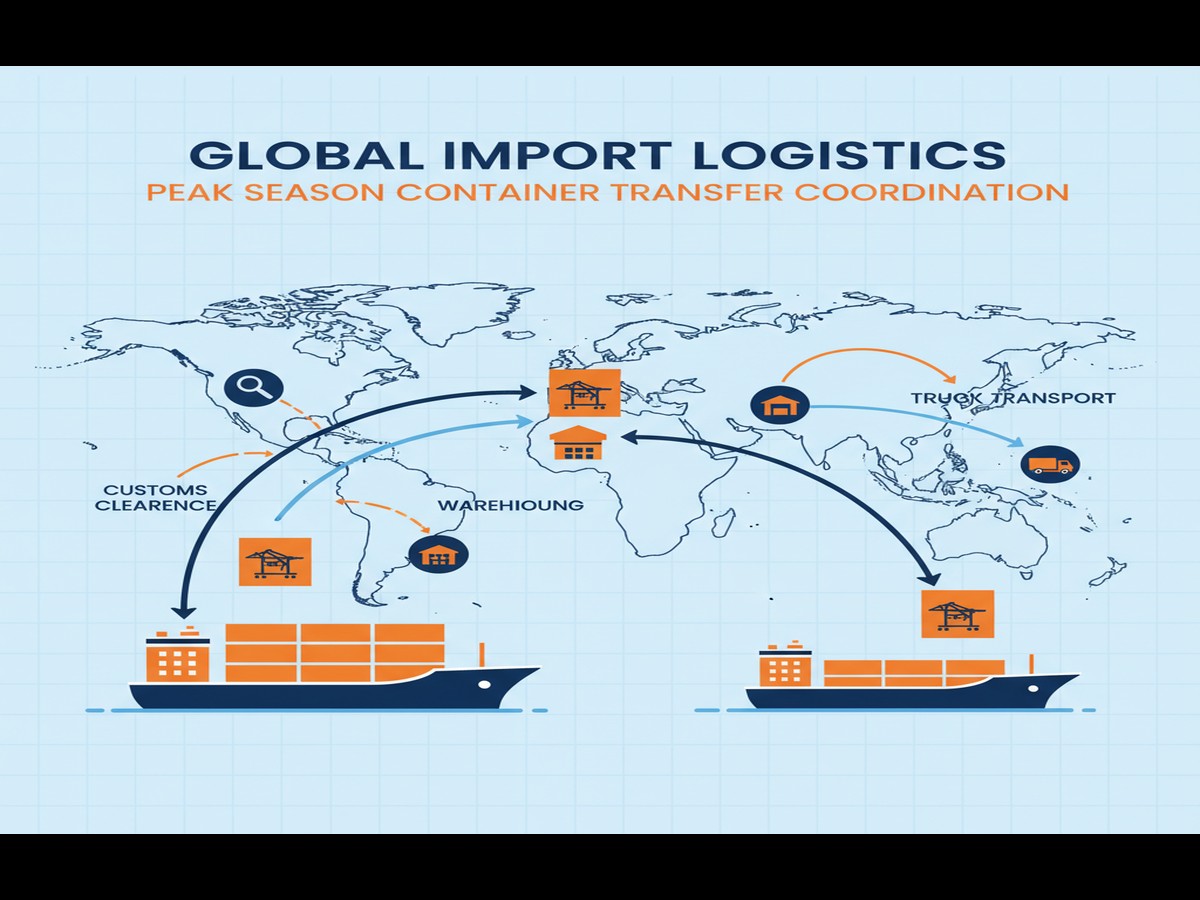
Challenges in Baghdad Project Cargo Handling
Navigating baghdad project cargo logistics demands expertise in a market undergoing massive transformation. The overall Iraq logistics market reached USD 11.52 billion in 2026 and is projected to hit USD 12.73 billion by 2031, growing at a 2.03% CAGR. Road freight, which constitutes a massive 70.05% of this market, faces unique infrastructure and security hurdles for oversized loads.
Megaprojects like the USD 17 billion Development Road and Al Faw Grand Port expansion are driving immense demand for construction materials and heavy equipment. These initiatives aim to increase freight capacity to 40 million tons by 2050. A skilled baghdad transportation company must coordinate with ongoing ring-road upgrades and airport cargo bay expansions to ensure seamless last-mile delivery for high-value project cargo.
Customs Clearance and Documentation for Project Cargo
The customs landscape in Iraq presents significant financial and operational challenges. A revised customs tariff schedule was announced for January 1, 2026, raising container fees from 3 million IQD to 14 million IQD. Whether it is being applied at your port of entry, and at what rate, should be confirmed with us before you budget. This has already caused significant backlogs at the port of Umm Qasr and protests in Baghdad.
Project cargo importers face additional duties of 5-15% on the CIF value, plus VAT, with specific rates dependent on the Harmonized System (HS) code. This directly impacts the cost of machinery and EV components. Efficient transport logistics baghdad relies on precise documentation and proactive planning to mitigate these costs and avoid delays, especially as Chinese EPC contracts worth USD 9 billion in 2024 continue to fuel import volumes.
Incoterms and Risk Management in Baghdad
Effective risk management is central to successful project cargo delivery in Baghdad. The mandatory implementation of the TIR system for all road transit goods, starting April 1, 2025, is a game-changing development. This TIR system mandate streamlines cross-border movements with secure, sealed containers.
Utilizing electronic pre-declarations (TIR-EPD) can cut transit times by up to 80% and reduce transport costs by as much as 38%. Recent successful shipments, like a Turkey-to-Kuwait transit through Iraq in just 4 days, demonstrate the system’s power. For any Privacy Policy, leveraging TIR is now a primary strategy for securing high-value assets and ensuring predictable timelines for oversized and project-critical shipments.
Pre-Shipment Planning & Route Optimization
Cargo Assessment and Documentation for Baghdad-Bound Project Cargo
Successful baghdad project cargo logistics begin with meticulous documentation. With Iraq’s freight and logistics market projected to hit USD 12.73 billion by 2031, regulatory compliance is paramount for avoiding costly delays. The country’s adoption of modern systems streamlines this process significantly.
Iraq announced mandatory use of the TIR system for all road transit goods from April 1, 2025. Confirm current enforcement with us before you commit to a transit movement. This move enables electronic pre-declarations that can cut cross-border transit times by up to 80%. As a leading baghdad transportation company, we leverage tools like the ASYCUDAWorld system, which boosted customs revenue at Baghdad Airport by 215% in 2024, ensuring your paperwork is precise and digitally integrated for faster clearance.
This digital shift is a game-changer for high-value equipment. The TIR system, which has already proven its efficiency in a Turkey-Iraq-Kuwait shipment that took only 4 days, provides a secure, sealed container process. This enhanced security and speed are vital for project timelines, as Iraq reinforces transit and minimizes checkpoint friction.
Route Survey and Selection: Optimizing for Safety and Efficiency
Choosing the right path is critical in a region undergoing massive infrastructure transformation. Iraq’s USD 17 billion investment in the Development Road and Al Faw Grand Port is creating new corridors and also new challenges for oversized cargo. These projects are set to handle 40 million tons of freight by 2050, driving demand for heavy-haul transport logistics baghdad.
Our route surveys account for these dynamic conditions, from new rail spurs to ring-road upgrades around the capital. With Chinese EPC contracts fueling USD 9 billion in construction, moving pre-cast beams and oversized machinery requires real-time knowledge of road capacities and potential bottlenecks. We identify the most viable routes from ports like Umm Qasr or northern entry points to final project sites.
This proactive approach is essential as the road freight sector, which constitutes 70.05% of the market, adapts to this growth. Proper route selection ensures that multi-million dollar assets arrive safely and on schedule, supporting the nation’s ambitious development goals.
Understanding Incoterms: Minimizing Risk and Delays
Navigating new customs tariffs is a major challenge for logistics baghdad. A tariff revision announced for January 1, 2026 raised container fees at key ports from 3 million IQD to 14 million IQD. Ask us for the rate actually being charged today. These changes, which include 5-15% duties on the CIF value, directly impact project budgets and timelines.
A clear understanding of Incoterms (International Commercial Terms) defines who is responsible for these rising costs and risks. Whether your shipment is under Free on Board (FOB) or Delivered Duty Paid (DDP) terms determines liability for transport, insurance, and the new, higher customs duties. Misinterpreting these terms can lead to unexpected expenses and delays at ports like Umm Qasr.
Partnering with an expert in logistics company iraq ensures your Incoterms are structured to mitigate financial exposure. We help you select the right terms to manage the complexities of a market that reached USD 7.7 billion in 2025 and continues to evolve rapidly.
Overcoming Key Challenges for Baghdad Project Cargo Logistics
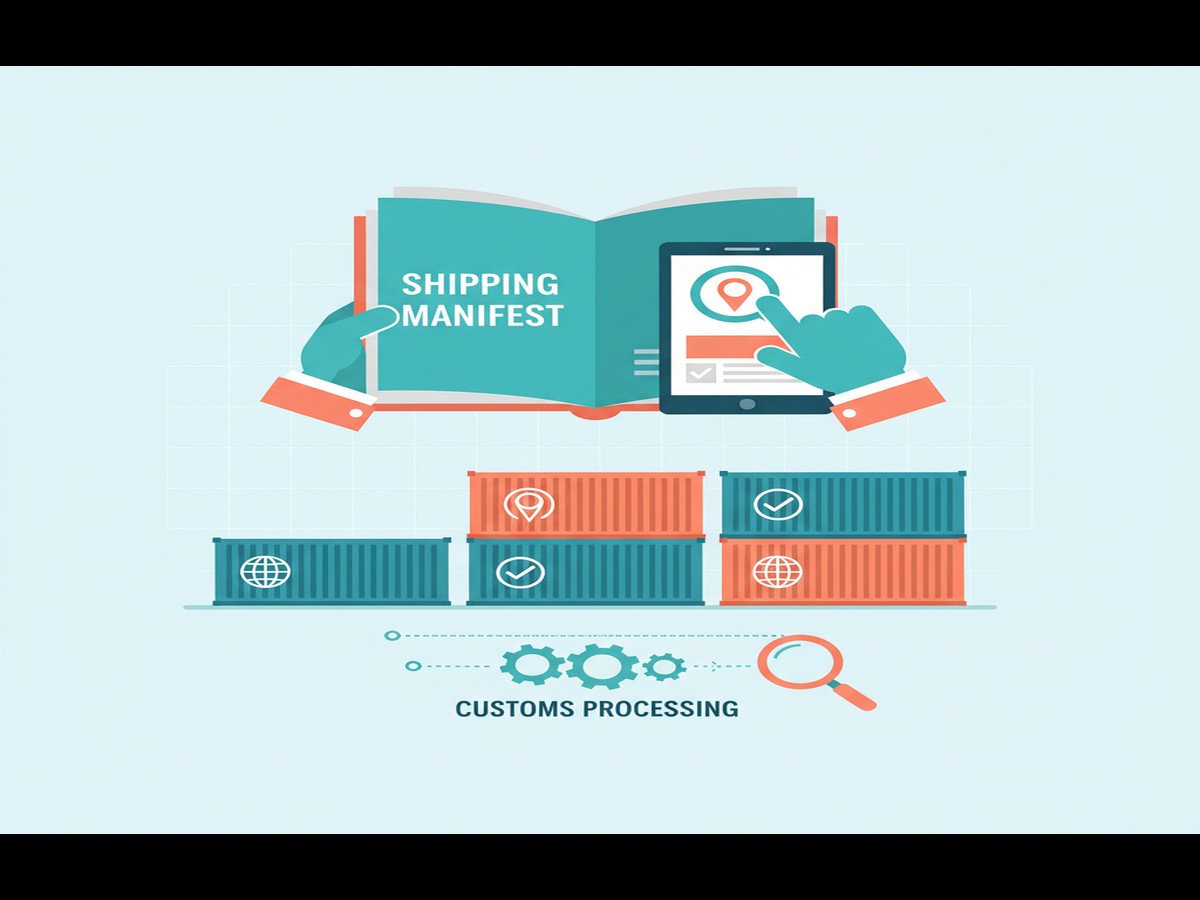
Navigating Baghdad’s Infrastructure Limitations for Project Cargo
Executing successful baghdad project cargo logistics requires navigating a rapidly evolving infrastructure landscape. The entire Iraq Freight & Logistics Market is projected to hit USD 11.52 billion in 2026, with road freight comprising a dominant 70.05% share of the market. This reliance on trucking underscores the importance of ongoing infrastructure upgrades for any baghdad transportation company.
Massive capital investments are transforming the country’s capabilities. The USD 17 billion Development Road and Al Faw Grand Port expansions are central to this growth, targeting a freight capacity of 40 million tons by 2050. These megaprojects are fueling demand for oversized construction materials, with Chinese EPC contracts alone reaching USD 9 billion in 2024, driving the need for expert transport logistics baghdad. This growth is detailed in recent Iraq logistics data, highlighting the opportunities.
Mitigating Security Risks and Ensuring Safe Delivery
Security and efficiency for high-value shipments are receiving a significant boost from new regulations. Iraq’s mandatory implementation of the TIR system for all road transit, effective April 2025, is a game-changer. The system’s electronic pre-declarations are proven to cut cross-border transit times by up to 80% and reduce costs by as much as 38%.
This system enhances security through sealed and tracked containers, which is vital for project cargo moving from Turkey or Jordan into central Iraq. Early pilot programs demonstrate its effectiveness. A TIR shipment from Turkey through Iraq to Kuwait was completed in just 4 days, a drastic improvement over the 45-day sea route. This streamlined process minimizes delays and protects sensitive equipment.
Customs Clearance and Iraqi Import Regulations
Navigating customs remains a complex aspect of logistics baghdad, with recent tariff changes creating new challenges. New regulations effective January 1, 2026, have significantly increased container fees from 3 million IQD to 14 million IQD. These new customs tariffs have already caused protests and backlogs at key ports like Umm Qasr.
Importers now face duties of 5-15% on the CIF value, plus additional VAT, impacting project timelines for machinery and high-value goods. Managing these changes is a core part of effective baghdad project cargo logistics. Simultaneously, modernization efforts are underway. The implementation of the ASYCUDAWorld system at Baghdad International Airport boosted customs revenue by a remarkable 215% in 2024, signaling a move toward greater transparency and efficiency. For comprehensive logistics services iraq are crucial.
Need Reliable Delivery Services?
Get a free quote today. Fast, secure, and professional logistics solutions tailored to your needs.
Customs & Documentation for Baghdad Project Cargo Logistics
Navigating Iraqi Customs Clearance: A Detailed Overview
Successfully managing baghdad project cargo logistics requires a deep understanding of Iraq’s evolving customs landscape. The tariff revision announced for January 1, 2026 changed the cost base, with container fees moving from 3 million IQD to 14 million IQD. We can confirm what is actually being charged on your route. These changes have already caused significant backlogs at the Port of Umm Qasr and protests in Baghdad, as reported by industry sources on the impact of new customs tariffs.
Despite these challenges, modernization is underway. The implementation of the ASYCUDAWorld system at Baghdad International Airport boosted customs revenue by 215% in 2024 by digitizing processes. This creates a complex environment where shippers must navigate both new financial burdens and emerging digital efficiencies for their Iraq logistics solutions for their transport logistics baghdad operations.
Essential Documentation for Baghdad Project Cargo
A proficient Baghdad transportation company ensures all paperwork is flawless to avoid costly delays and penalties. Standard required documents include a detailed Commercial Invoice, Certificate of Origin (COO), Bill of Lading (B/L) or Air Waybill (AWB), and a comprehensive packing list. For specialized or oversized loads, additional permits and technical specifications are often required.
The mandatory nationwide adoption of the TIR system for all road transit goods by April 1, 2025, is a game-changer for documentation. The system’s electronic pre-declaration (TIR-EPD) streamlines clearance, cutting cross-border transit times by up to 80% and reducing associated costs by 38%. A single TIR Carnet serves as an internationally recognized customs transit document, simplifying the journey for high-value equipment moving from Turkey or Jordan to project sites in central Iraq.
Understanding HS Codes and Iraqi Import Regulations
Accurate cost forecasting for logistics baghdad operations depends on a precise understanding of Iraqi import regulations and Harmonized System (HS) codes. Most goods entering Iraq are subject to duties ranging from 5-15% calculated on the CIF (Cost, Insurance, and Freight) value, plus a Value-Added Tax (VAT). Specific HS codes for project cargo, such as heavy machinery or specialized construction materials, can face different duty rates and require pre-approval.
The recent tariff hikes have prompted some shippers to reroute cargo via ports in the Kurdistan region to take advantage of lower fees, which can impact project timelines. Navigating this regulatory complexity is vital for any successful baghdad project cargo logistics strategy. Getting this right is critical in a market projected to grow at a 2.03% CAGR to reach USD 12.73 billion by 2031.
Security Risks & Costs
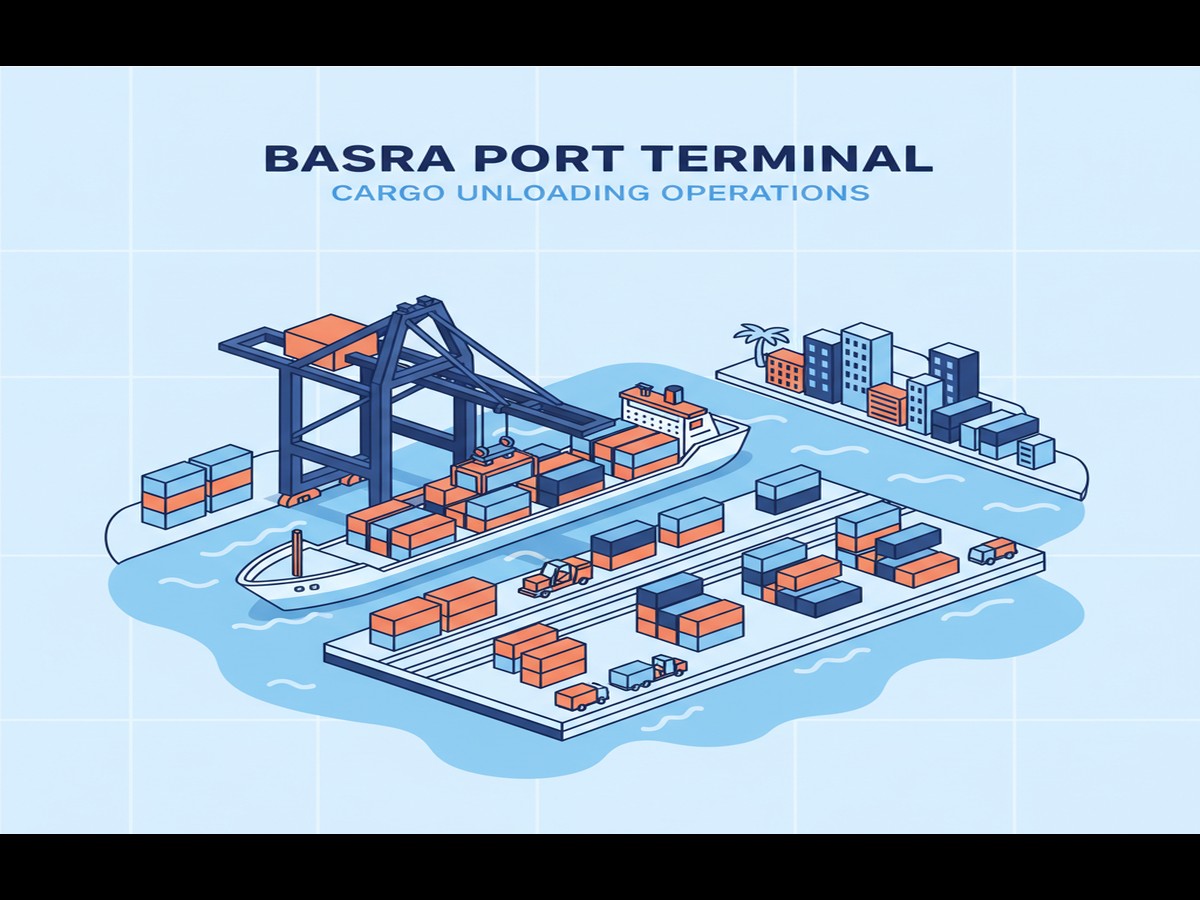
Security and Risk Landscape for Project Cargo in Baghdad
Navigating Baghdad project cargo logistics demands a clear understanding of the operational risks. The Iraq Freight & Logistics Market is substantial, reaching USD 11.52 billion in 2026, with road freight comprising a dominant 70.05% share of the market . This high volume of activity creates a complex security environment for high-value shipments.
Massive infrastructure investments, including the USD 17 billion Development Road project and Chinese EPC contracts worth USD 9 billion in 2024, are flooding the region with oversized and specialized equipment . These high-value assets present attractive targets, making secure transport logistics in Baghdad a top priority for project managers. A proficient logistics company Baghdad must account for these variables to protect assets from port to final destination.
Insurance and Proactive Risk Mitigation Strategies
Effective risk mitigation goes beyond standard insurance policies. Proactive measures are key to safeguarding assets. The mandatory implementation of the TIR system for all road transit goods, effective April 1, 2025, is a significant advancement in securing supply chains . This system uses sealed containers and electronic pre-declarations to enhance security significantly.
The TIR-EPD system has demonstrated its ability to cut cross-border transit times by up to 80% and reduce associated costs by as much as 38% . A recent successful TIR shipment from Turkey through Iraq to Kuwait was completed in just four days, a stark contrast to the 45 days required by sea . This technology not only expedites delivery but also minimizes the window for potential security threats during transit.
Cost Factors Driven by Security Measures and Delays
The financial impact of security and regulatory hurdles on Baghdad project cargo logistics cannot be overstated. Delays at checkpoints and ports directly translate into higher costs. A significant cost factor is the updated customs tariff announced for January 1, 2026, which raised container fees from roughly 3 million IQD to approximately 14 million IQD. Ask us to confirm the figure in force for your shipment.
These new customs rules are already causing significant backlogs at key ports like Umm Qasr, forcing some shippers to reroute cargo through Kurdistan to avoid delays and higher fees . While these port issues create cost uncertainty, technological upgrades are providing some relief. The implementation of ASYCUDAWorld at Baghdad International Airport, for example, boosted customs revenue by an impressive 215% in 2024, showcasing how modernization can streamline processes and reduce costly bottlenecks in Baghdad logistics operations .
Selecting the Right Logistics Partner
Navigating Iraqi Customs and Evolving Regulations
Successful baghdad project cargo logistics depend heavily on a partner’s mastery of local customs. The tariff schedule announced for January 1, 2026 raised container fees from 3 million IQD to 14 million IQD and was linked to backlogs at ports such as Umm Qasr. Conditions at Umm Qasr move quickly — ask us for this week’s position. A knowledgeable logistics provider understands these changes and the additional 5-15% duties levied on the CIF value of goods.
Furthermore, Iraq announced mandatory TIR implementation for road transit from April 1, 2025. Its practical effect on your route is something we can confirm case by case. An expert partner leverages this system’s electronic pre-declarations (TIR-EPD) to cut cross-border transit times by up to 80% and reduce costs by 38%. This expertise is demonstrated by the successful use of ASYCUDAWorld at Baghdad Airport, which boosted 2024 customs revenue by 215%, showcasing the value of advanced system proficiency.
Assessing Specialized Equipment and Handling Capabilities
The scale of Iraq’s infrastructure boom demands a transport logistics baghdad partner with robust heavy-haul capabilities. The government’s USD 17 billion investment in the Development Road and Al Faw Grand Port is fueling unprecedented demand for oversized construction materials. These projects aim to handle 40 million tons of freight by 2050, requiring specialized fleets for pre-cast beams and machinery.
A capable baghdad transportation company will have the assets to support this growth. The Al Faw Port alone will add capacity for 3.5 million TEU by 2025, while Baghdad’s own ring-road and airport cargo bay upgrades facilitate the final-mile delivery of project cargo. Your provider must demonstrate experience moving high-value equipment for the USD 9 billion in Chinese EPC contracts active in 2024.
Mastering Incoterms and Risk Management for Baghdad Projects
Choosing the right Incoterms (CIF, FOB, DDP) is a strategic decision that directly impacts project budgets and timelines. The new customs framework, which calculates duties on the CIF value, makes this choice more significant than ever. A proficient partner in freight forwarding helps you analyze these terms to mitigate financial exposure from port delays and tariff fluctuations.
Effective risk management is central to navigating the complexities of the Iraqi market. This proactive approach defines superior baghdad project cargo logistics.
Future Trends in Baghdad Project Cargo
Technology Enhances Tracking and Transparency in Baghdad
The future of baghdad project cargo logistics is being reshaped by digital integration. Systems like the mandatory TIR implementation, set for April 1, 2025, allow for electronic pre-declarations (TIR-EPD) that dramatically improve efficiency. This technology is projected to cut cross-border transit times by up to 80% and reduce costs by as much as 38% .
This digital shift directly impacts oversized loads moving from Turkey or Jordan to central Iraq. For any Baghdad transportation company, this means fewer delays at checkpoints and greater security for high-value equipment. The adoption of ASYCUDAWorld at Baghdad Airport, which boosted 2024 customs revenue by 215%, further highlights this trend toward transparent, tech-driven operations .
Rising Demand for Specialized Handling Equipment
Iraq’s massive infrastructure pipeline is fueling an unprecedented need for specialized project cargo equipment. The USD 17 billion investment in the Development Road and Al Faw Grand Port projects is a primary driver . These initiatives require sophisticated heavy-haul solutions to transport construction materials and oversized components.
As the logistics market, valued at USD 7.7 billion in 2025, continues its 6.2% growth, the focus sharpens on hubs in Baghdad and Basra . Chinese EPC contracts, totaling USD 9 billion in 2024, are creating specific demand for moving pre-cast beams and machinery, making advanced transport logistics in Baghdad a key success factor . The entire market is expanding, with Iraq logistics data showing a forecast of USD 12.73 billion by 2031 .
Adopting Sustainable and Efficient Logistics Practices
While explicit green initiatives are emerging, the immediate focus is on efficiency-driven sustainability. The new TIR system, by reducing transit times for a Turkey-Iraq-Kuwait shipment to just 4 days versus 45 by sea, significantly cuts fuel consumption and emissions from idling trucks . This operational upgrade is a practical step toward greener logistics in Baghdad.
Furthermore, major infrastructure projects are integrating more sustainable transport modes. The implementation of the Basra–Shalamcheh rail link provides a lower-carbon alternative for moving heavy freight from southern ports to inland destinations . This strategic shift supports the long-term viability of the nation’s supply chain, aligning economic growth with more responsible transport practices for project cargo. The need for reliable road transport iraq is therefore more important than ever.
Frequently Asked Questions
▼ What is considered “project cargo” in the context of Baghdad project cargo logistics, and how does it differ from standard freight?
Project cargo refers to shipments that are oversized, overweight, or complex, requiring specialized handling and transportation. Unlike standard freight, it often involves dismantling, custom crating, route surveys, specialized equipment like cranes and heavy-lift trucks, and close coordination with multiple stakeholders. Successful Baghdad project cargo logistics requires meticulous planning and execution due to infrastructure challenges and security considerations.
▼ How long does customs clearance typically take for project cargo arriving in Baghdad?
Customs clearance for Baghdad project cargo logistics can typically take 5-10 business days, depending on the completeness of documentation and the nature of the goods. This process involves submitting import permits, commercial invoices, packing lists, and certificates of origin to Iraqi customs authorities. Delays can occur due to discrepancies in paperwork or the need for physical inspections, so accurate preparation is crucial.
▼ What are the main challenges involved in transporting oversized cargo through Baghdad?
Transporting oversized cargo through Baghdad presents challenges such as navigating narrow streets, dealing with low bridges and overhead power lines, and managing traffic congestion. Route surveys are essential to identify potential obstacles and plan alternative routes. Security escorts are often required to ensure the safe and timely arrival of the cargo, adding another layer of complexity to Baghdad project cargo logistics.
▼ What types of specialized equipment are commonly used in Baghdad project cargo logistics?
Specialized equipment used in Baghdad project cargo logistics includes heavy-lift cranes, modular trailers, hydraulic platforms, and specialized forklifts. The specific equipment needed depends on the size, weight, and nature of the cargo. For example, moving a large generator might require a 200-ton crane and a multi-axle trailer, along with skilled operators to ensure safe handling and transportation.
▼ How much does it typically cost to ship project cargo to Baghdad?
The cost of shipping project cargo to Baghdad varies significantly depending on factors such as the cargo’s dimensions, weight, origin, and destination. Costs typically include freight charges, customs duties, taxes, insurance, and handling fees. As an example, transporting a 50-ton piece of machinery could range from $15,000 to $30,000, excluding customs duties and taxes. A detailed cost breakdown is essential for budgeting purposes.
▼ What are the key Incoterms (International Commercial Terms) to consider when shipping project cargo to Baghdad?
Key Incoterms to consider for Baghdad project cargo logistics include Delivered Duty Paid (DDP) and Cost, Insurance, and Freight (CIF). DDP means the seller is responsible for all costs and risks until the cargo is delivered to the buyer’s specified location in Baghdad. CIF means the seller pays for the cost of goods, insurance, and freight to the named port of destination. Understanding these terms clarifies responsibilities and helps avoid disputes.
▼ What security measures are typically implemented for Baghdad project cargo logistics?
Security measures for Baghdad project cargo logistics often include armed escorts, GPS tracking, and coordination with local security forces. Route planning considers security risks, and convoys are sometimes used to protect cargo from theft or damage. Security protocols are tailored to the specific cargo and the prevailing security situation in the region.
▼ Why choose a logistics provider with experience in Baghdad for project cargo?
Choosing a logistics provider with experience in Baghdad for project cargo is crucial due to the unique challenges of the region. Experienced providers understand local customs regulations, security protocols, and infrastructure limitations. They have established relationships with local authorities and can navigate the complexities of the Baghdad logistics landscape more efficiently, mitigating risks and ensuring smooth operations.
▼ What documentation is required for importing project cargo into Baghdad?
Required documentation for importing project cargo into Baghdad typically includes a commercial invoice, packing list, bill of lading or airway bill, certificate of origin, import permit, and any specific certificates required for the type of goods being imported. All documents must be accurately completed and translated into Arabic if required by customs authorities. Errors or omissions can lead to delays and penalties.
▼ How can I minimize delays in Baghdad project cargo logistics?
To minimize delays in Baghdad project cargo logistics, ensure all documentation is accurate and complete, obtain necessary permits in advance, conduct thorough route surveys, and maintain open communication with customs authorities and your logistics provider. Working with an experienced logistics provider like Direct Drive Logistic can help streamline the process and proactively address potential issues.
▼ What are the common modes of transportation used for Baghdad project cargo logistics?
Common modes of transportation for Baghdad project cargo logistics include sea freight to nearby ports like Umm Qasr, followed by road transport to Baghdad. Air freight is also an option for time-sensitive or high-value cargo. River transport along the Tigris River is possible but less common due to infrastructure limitations and security concerns. The optimal mode depends on cost, time constraints, and the nature of the cargo.
▼ What insurance considerations are important for Baghdad project cargo logistics?
It is important to secure comprehensive cargo insurance that covers all potential risks, including damage, theft, and delays, when undertaking Baghdad project cargo logistics. Policies should cover the full value of the cargo and any potential consequential losses. Carefully review the policy terms and conditions to ensure adequate coverage for the specific risks associated with transporting goods to Baghdad. For reliable baghdad project cargo logistics services, consider established providers like Direct Drive Logistic who can advise on insurance matters.
Conclusion
The key to efficient baghdad project cargo logistics lies in meticulous planning and a deep understanding of the local landscape. Overcoming the unique challenges requires a proactive approach, leveraging advanced technology, and building strong relationships with local stakeholders to ensure seamless operations. This translates to minimized delays and maximized efficiency for your critical projects.
Begin by mapping your entire supply chain, identifying potential bottlenecks and alternative routes. Scrutinize Incoterms (International Commercial Terms) to clearly define responsibilities and liabilities between all parties involved in your baghdad project cargo logistics. This upfront due diligence will save valuable time and resources in the long run.
Direct Drive Logistic possesses unparalleled expertise in navigating the complexities of project cargo movements within Baghdad and across Iraq. With years of experience and a dedicated local team, we offer tailored solutions that optimize your supply chain, mitigate risks, and deliver significant cost savings. Contact our Baghdad office today at baghdad@directdrivelogistic.com to discuss your specific project requirements.
Need specialized, reliable logistics for your Baghdad project cargo? Simplify your supply chain and ensure timely, secure delivery by calling Direct Drive Logistic today! Dial (+964) 750 953 9899 for a custom quote and let us handle the complexities of your Baghdad project.
📞 Contact Us for a Consultation
Location
Direct Drive Logistic
MRF Quattro towers, Block A-29-1
Erbil, Kurdistan Region
View on Google Maps →