
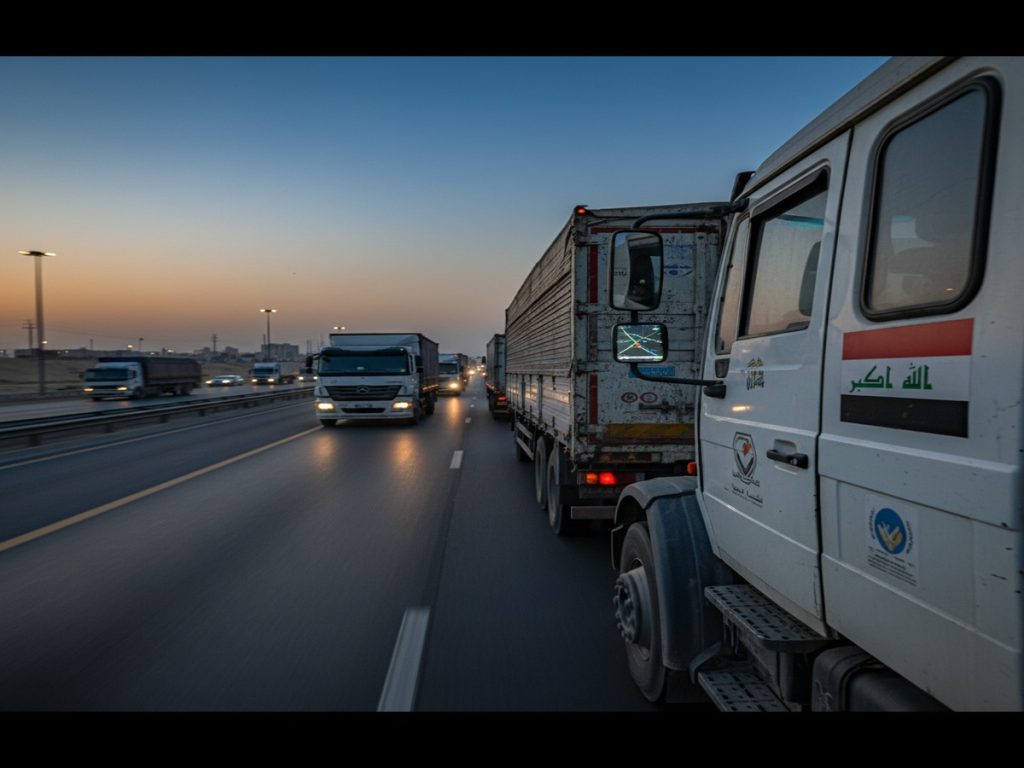
Baghdad Heavy Haul Logistics: Get Expert Solutions 2026
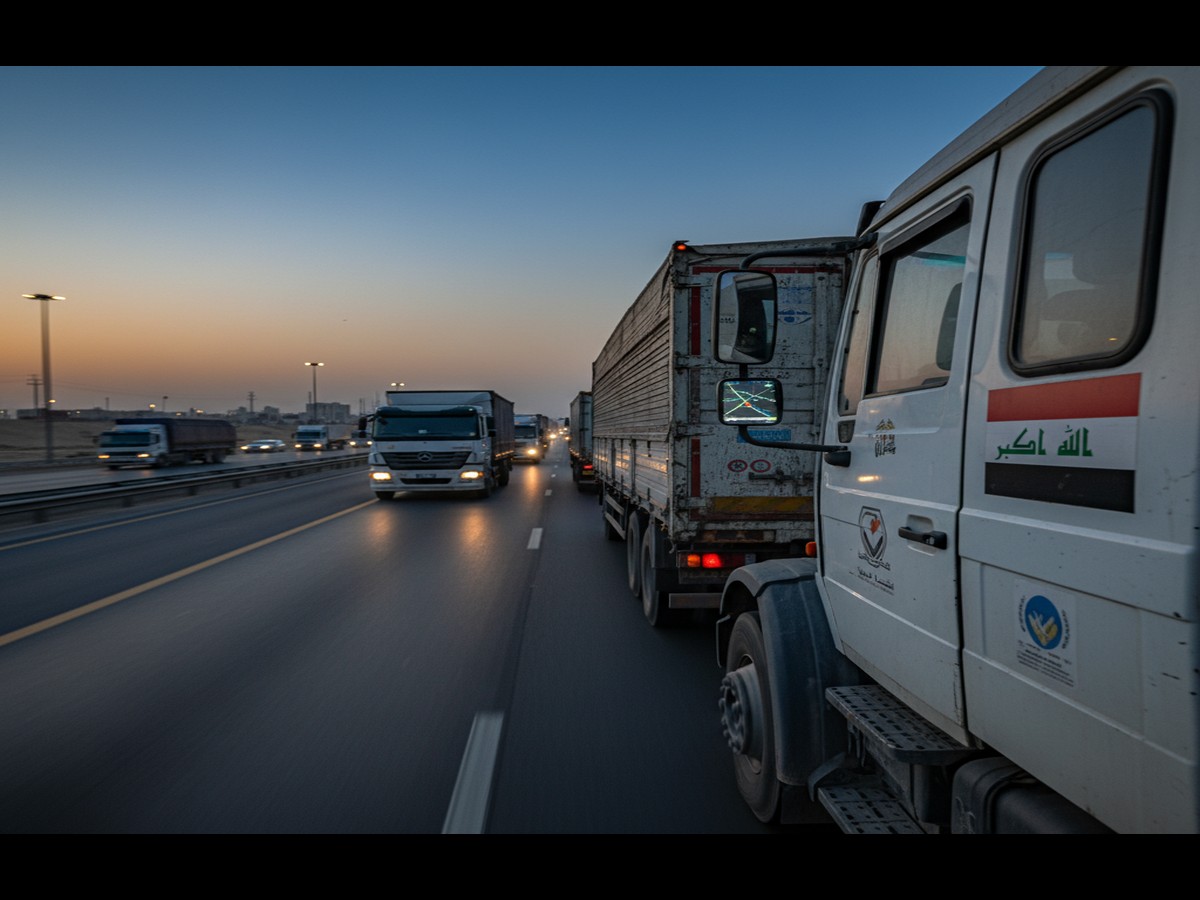
Discover how Baghdad heavy haul logistics can transform your logistics operations. This article will demonstrate our unparalleled expertise. We combine in-depth knowledge of Baghdad’s complex logistical landscape. We also have a proven track record of executing high-stakes heavy haul projects safely and efficiently.
This comprehensive guide explores Baghdad heavy haul logistics through multiple perspectives. We will address the unique challenges, comprehensive solutions, and the right fleet for heavy equipment transport in Baghdad. Expert planning for complex project cargo and oversized loads is critical. Executing safe and compliant heavy machinery moving in Iraq is our priority. Consider a successful Baghdad heavy lift services project. We’ll explain why Direct Drive Logistics is your premier heavy transport company in Baghdad. Finally, we invite you to partner with us for your specialized transport needs in Baghdad. Whether you’re a logistics professional or business owner, you’ll gain actionable insights to enhance your operations.
This article addresses crucial gaps in the existing information landscape. Many companies struggle to understand the true cost of “heavy haul logistics (transporting oversized or overweight cargo)”. Pricing models are often opaque. We will provide detailed cost breakdowns, including factors like permits, escorts, and specialized equipment. Furthermore, navigating the complex web of “permits and regulations (official authorizations for oversized transport)” in Baghdad can be daunting. We’ll offer a practical guide to securing the necessary approvals. Infrastructure limitations are a significant challenge, so “route surveys (detailed assessments of roads and bridges)” are essential to ensure safe passage.
We’ll also delve into security considerations and risk mitigation strategies. Securing valuable cargo is paramount in Baghdad. We’ll examine how to optimize routes and implement robust security protocols. Case studies will showcase successful projects, highlighting the challenges overcome and the solutions implemented. This includes using specialized equipment like “hydraulic platform trailers (multi-axle trailers for extremely heavy loads)”.
The article will cover: Understanding Baghdad’s Heavy Haul Landscape, Baghdad Heavy Haul Logistics: Understanding Costs & Pricing, Selecting the Right Heavy Haul Partner in Baghdad, Baghdad Heavy Haul Logistics: Permits & Regulations Guide, Optimizing Routes and Security for Heavy Haul in Baghdad. Ready to navigate the complexities of Baghdad heavy haul logistics? Let’s begin.
Understanding Baghdad’s Heavy Haul Landscape
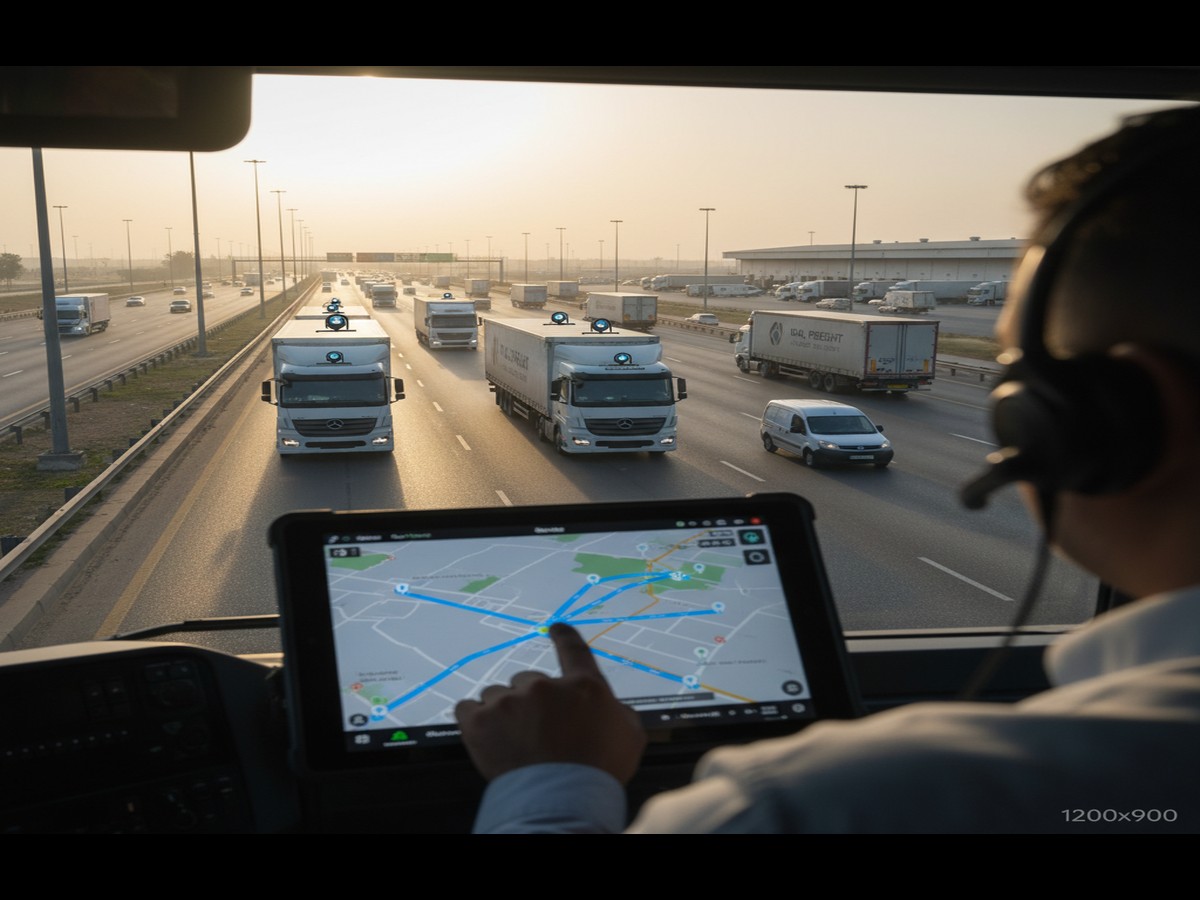
Navigating Baghdad’s Roads for Heavy Equipment Transport
Effective Baghdad heavy haul logistics depend entirely on the city’s complex road network. Road transport commands a massive 70.05% revenue share in the nation’s freight sector. This dominance highlights the importance of ongoing infrastructure projects for oversized load transport in Baghdad.
The Ministry of Construction has recently resurfaced 4,000 km of highways, a significant step forward. However, challenges persist as 35% of the road network still requires urgent repairs, leading to potential delays of up to 25%. The total Iraq freight market is projected to grow from USD 11.52 billion in 2026 to USD 12.73 billion by 2031, making these upgrades vital for supporting growth.
Strategic developments like Baghdad’s ring-road expansions are designed to improve traffic flow. These routes connect key industrial hubs and cross-docking sites, facilitating smoother heavy equipment transport from southern ports like Basra to central project locations. For specialized baghdad project cargo, expert help is essential.
Permits and Compliance for Oversized Cargo in Baghdad
Successfully moving oversized cargo through Baghdad requires deep knowledge of local regulations. Navigating a landscape of checkpoints, shifting axle-load limits, and permit requirements demands specialized expertise. Each governorate can have distinct rules, complicating multi-stage journeys for heavy machinery.
The logistical complexities of operating in this environment are well-documented. For a visual breakdown of historical operational challenges, the RAND Report on Iraqi provides detailed diagrams illustrating the intricate supply chains. This historical context underscores the modern need for precise documentation and route planning to ensure compliance and avoid costly delays at inspection points.
A reliable logistics partner manages all necessary paperwork, from pre-approvals to on-the-ground clearances. This proactive approach ensures that high-value assets like turbines, generators, and industrial modules reach their destination without incident, keeping critical projects on schedule.
Key Industries Fueling Heavy Haul Trucking in Baghdad
The oil and gas sector is the primary driver for heavy haul trucking in Baghdad. Megaprojects like TotalEnergies’ Gas Growth Integrated Project (GGIP) create immense demand for transporting heavy machinery. The Ratawi field redevelopment alone aims for 210,000 barrels per day of oil and 160 million cubic feet per day of gas production, employing 7,000 workers during its construction phase.
This activity supports the massive southern oil fields of Rumaila and West Qurna, which together account for 80% of the nation’s exports. Transporting specialized equipment like drilling rigs and processing manifolds from port hubs to these central sites is a core component of the industry’s supply chain.
Beyond energy, major infrastructure expansion is fueling the need for expert Baghdad heavy haul logistics. The Common Seawater Supply Project (CSSP), with a capacity of 5 million barrels per day, and the USD 2.7 billion expansion of Al Faw Grand Port to 3.5 million TEU capacity by 2025 require moving enormous components like gantry cranes and pipelines. With a USD 17.5 billion World Bank fund for infrastructure, this demand is set to accelerate.
Baghdad Heavy Haul Logistics: Understanding Costs & Pricing
Factors Influencing Baghdad Heavy Haul Transportation Costs
Baghdad heavy haul logistics costs are determined by several core variables. The primary factors include cargo weight, dimensions, distance, and urgency. While the Ministry of Construction has resurfaced 4,000 km of highways, a significant 35% of the road network still requires urgent repairs, leading to potential delays of up to 25% that can influence pricing.
The sheer scale of energy projects dictates equipment size and weight. For instance, TotalEnergies’ Gas Growth Integrated Project (GGIP) requires moving massive processing facilities and pipelines. Transporting such heavy equipment in Baghdad demands specialized trailers and route planning, directly impacting the final quote.
Pricing Breakdown for Specialized Cargo
A transparent quote for heavy haul trucking Baghdad includes several line items beyond the base freight rate. Fuel surcharges are standard, fluctuating with regional energy prices. Securing the correct permits for oversized loads is another critical cost, ensuring compliance with local axle-load limits and checkpoint protocols, especially on key corridors from Basra.
For cargo arriving by sea, Terminal Handling Charges (THC) at ports like Al Faw are a key component. As the Al Faw Grand Port expands to a planned capacity of 3.5 million TEU by 2025, understanding these charges is vital. These fees cover the handling of oversized cargo like gantry cranes and pipeline segments within the port before they begin their journey inland.
Navigating Incoterms for Project Cargo in Baghdad
Understanding International Commercial Terms (Incoterms) is fundamental for managing costs in oversized load transport Baghdad. Choosing between EXW (Ex Works), FOB (Free on Board), or DDP (Delivered Duty Paid) defines where responsibility and cost transfer from seller to buyer. This clarity is essential for projects backed by the World Bank’s USD 17.5 billion in infrastructure funding.
For example, a DDP agreement places all transport and customs clearance responsibility on the seller, providing cost certainty for the buyer. As the Iraq logistics market grows at a 2.03% CAGR towards a projected USD 12.73 billion by 2031, mastering these terms is a key advantage. Proper application of Incoterms ensures that all aspects of Baghdad heavy haul logistics are accounted for, from port fees to final delivery. When choosing a logistics company iraq, ensure they understand these terms.
Selecting the Right Heavy Haul Partner in Baghdad
Assessing Experience in Demanding Iraqi Markets
Navigating Baghdad heavy haul logistics requires a partner with proven experience in the region’s complex energy sector. Major initiatives like TotalEnergies’ Gas Growth Integrated Project (GGIP) and the Ratawi field redevelopment demand specialized skills. These projects involve transporting massive machinery for facilities targeting 210,000 barrels per day of oil production.
A provider’s expertise is evident in their ability to manage project cargo for developments that employ up to 7,000 workers during construction phases. Look for a history of successful heavy equipment transport Baghdad campaigns, especially those supporting the Rumaila and West Qurna oil fields, which account for 80% of the nation’s exports.
An experienced team understands the unique challenges of moving assets from Basra hubs to central project sites. Their track record should demonstrate a deep familiarity with local corridors, regulations, and the specific needs of oil and gas infrastructure. For comprehensive Iraq Logistics Solutions, experience matters.
Verifying Compliance for Oversized Load Transport
Compliance and safety are paramount when moving oversized cargo. While road transport commands a 70.05% revenue share in Iraq’s freight sector, significant challenges remain. An estimated 35% of the road network requires urgent repairs, leading to potential delays of up to 25%.
A qualified partner for oversized load transport Baghdad will possess all necessary permits and comprehensive insurance coverage. They must demonstrate a clear strategy for navigating routes affected by poor conditions, axle-load restrictions, and security checkpoints. Their operational plans should leverage the 4,000 km of recently resurfaced highways to mitigate risks and ensure timely delivery.
Ask potential providers about their contingency plans and how they adapt to infrastructure limitations. A reliable company will have proactive solutions for securing high-value assets during transit, reflecting their commitment to regulatory adherence and client peace of mind.
Understanding Pricing Structures for Heavy Haul Trucking
Transparent pricing is a key indicator of a trustworthy logistics partner. Your chosen provider for heavy haul trucking Baghdad should clearly explain all costs associated with different Incoterms (International Commercial Terms), such as Free on Board (FOB) and Cost, Insurance, and Freight (CIF). This clarity is vital for budgeting on large-scale projects fueled by significant investment.
Iraq is undergoing a massive infrastructure transformation, backed by USD 17.5 billion in World Bank funding. This includes the USD 2.7 billion Al Faw Grand Port, which will have a capacity of 3.5 million TEU by 2025. 52 billion in 2026 to USD 12.73 billion by 2031. A professional partner provides detailed quotes that account for all variables, ensuring no hidden fees disrupt your project’s financial planning.
Need Reliable Delivery Services?
Get a free quote today. Fast, secure, and professional logistics solutions tailored to your needs.
Permits & Regulations Guide
Obtaining Necessary Permits for Heavy Haul Transport in Baghdad
Navigating heavy equipment transport Baghdad requires a deep understanding of local permit requirements. The process is directly influenced by the scale of ongoing megaprojects, such as TotalEnergies’ Gas Growth Integrated Project (GGIP), which will employ 7,000 people during its construction phase alone. Each piece of oversized machinery moved for this project needs specific government approvals.
Authorities issue permits based on cargo dimensions, weight, and the designated route. With the Ministry of Construction actively resurfacing 4,000 km of highways, protecting this infrastructure is a top priority. A logistics partner ensures all paperwork is filed correctly, securing approvals for axle loads and travel times to avoid costly delays and fines.
Understanding Iraqi Regulations for Oversized and Overweight Cargo
Successfully managing an oversized load transport Baghdad hinges on strict compliance with national regulations. Road freight commands a 70.05% revenue share of the logistics sector, making road-use rules particularly stringent. These regulations dictate everything from mandatory pilot cars and convoy procedures to restricted travel hours, especially on busy corridors from Basra to central Iraq.
The complexity of heavy haul trucking Baghdad is increasing as the market grows. Current Iraq logistics data shows the market is expected to reach USD 7.24 billion in 2025, driven by a 6.20% CAGR. This growth intensifies regulatory oversight to manage traffic and prevent further damage to the 35% of roads that still require urgent repairs. Failure to comply can easily compound the existing 25% delays caused by infrastructure challenges.
Navigating Customs Clearance and HS Codes for Baghdad Deliveries
Expert Baghdad heavy haul logistics must include seamless customs brokerage. The influx of specialized equipment for projects like the Al Faw Grand Port, a USD 2.7 billion development, makes accurate customs documentation vital. Every gantry crane, pipeline segment, and processing module requires a precise Harmonized System (HS) code for legal importation.
From components for the Ratawi field, which will target 210,000 barrels per day, to machinery for the new Baghdad Industrial City needing 1 million sqm of warehousing by 2025, every item must be classified correctly. An incorrect HS code can lead to shipment seizures, significant fines, and project timeline disruptions. This critical step in Baghdad heavy haul logistics ensures that high-value assets clear customs efficiently and reach their destination on schedule. To ensure Iraq trade routes are optimized, accurate HS codes are essential for smooth transit. This critical step in Baghdad heavy haul logistics ensures that high-value assets clear customs efficiently and reach their destination on schedule.
Optimizing Routes and Security for Heavy Haul in Baghdad
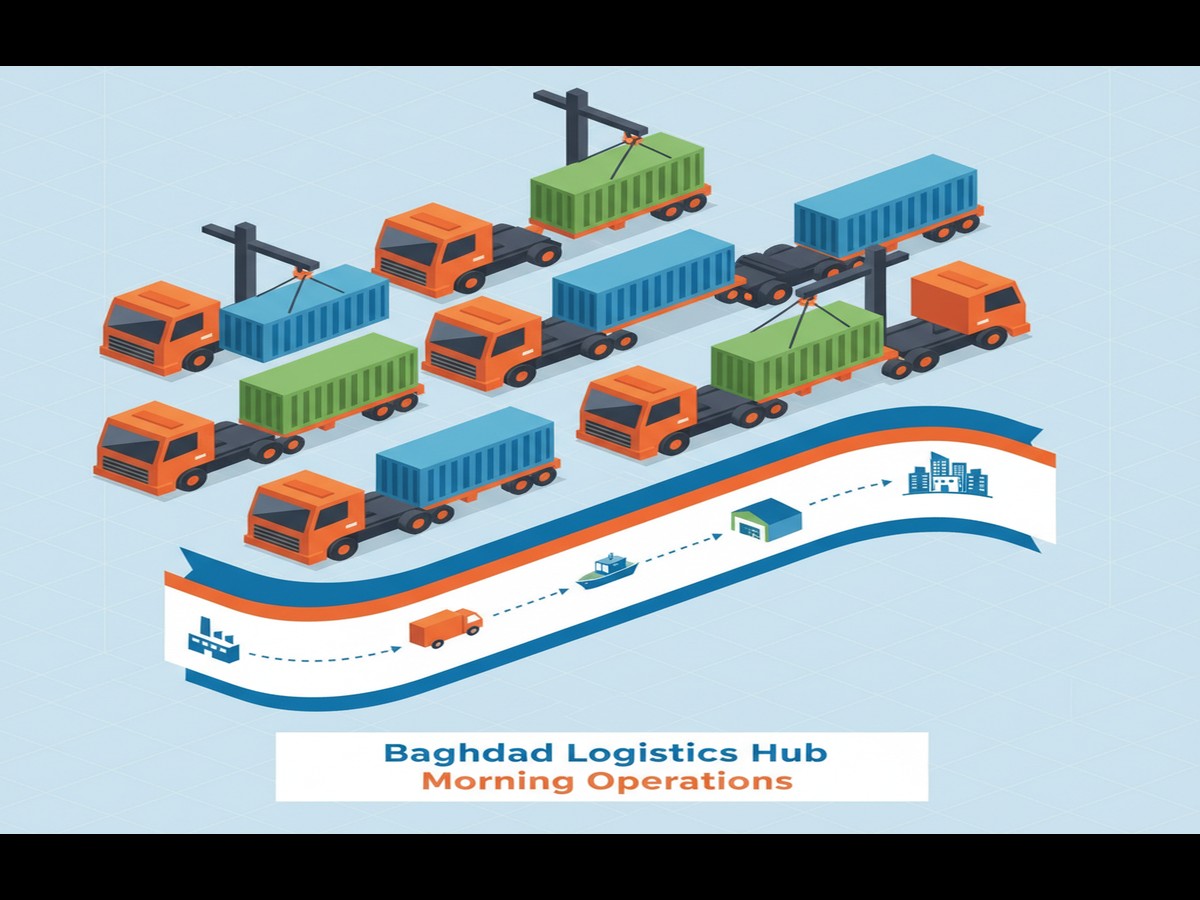
Route Planning and Optimization for Heavy Haul in Baghdad
Effective Baghdad heavy haul logistics depend on navigating a complex road network. Road transport commands a 70.05% revenue share in the freight sector, making it the primary mode for moving oversized cargo. This dominance highlights the need for meticulous route planning.
Significant challenges persist despite ongoing infrastructure upgrades. An estimated 35% of roads still require urgent repairs, which can lead to project delays of up to 25%. Our expert teams conduct thorough route surveys to identify and mitigate these potential bottlenecks for every heavy equipment transport Baghdad project.
Recent developments like Baghdad’s ring-road expansions and the establishment of new cross-docking facilities are improving efficiency. These strategic upgrades help optimize routes for heavy haul trucking Baghdad, connecting industrial zones with key hubs like Basra and Erbil while navigating checkpoints and strict axle-load limits.
Security Protocols and Risk Mitigation for High-Value Cargo
The scale of regional energy projects elevates the need for robust security. Cargo for megaprojects like the Gas Growth Integrated Project (GGIP) includes high-value machinery, pipelines, and processing facilities. Protecting these assets during transit is a top priority for successful project execution.
Specialized oversized load transport Baghdad operations demand comprehensive risk mitigation. We implement multi-layered security protocols, including convoy escorts, real-time GPS tracking, and vetted personnel. These measures ensure the safe delivery of critical components for projects aiming to boost oil production by 210,000 bpd.
Securing the supply chain directly supports Iraq’s economic ambitions. The successful transport of gantry cranes for the USD 2.7 billion Al Faw Grand Port or rigs for southern oil fields is vital. Our security framework protects these assets, ensuring they arrive on-site to support the nation’s expanding infrastructure.
Permitting and Regulatory Compliance for Heavy Haul Transport in Baghdad
Navigating the regulatory landscape is a critical component of oversized cargo movements. Each transport requires specific permits that address vehicle weight, cargo dimensions, and designated routes. Adherence to these regulations prevents costly fines and ensures smooth passage through multiple checkpoints.
The complexity of these requirements grows with the size of the project. A significant portion of the USD 17.5 billion in World Bank infrastructure funding is allocated to projects that demand specialized transport. Our team manages all permitting, ensuring full compliance for machinery moving to the new Baghdad Industrial City or other major development sites.
Understanding Incoterms and customs clearance is also vital for seamless operations. As the Iraq logistics market grows at a 6.20% CAGR, clear documentation and regulatory expertise become indispensable. We handle all compliance, providing clients with a trusted, single point of contact for their most complex shipments. Moreover, choosing the right logistics company Baghdad is crucial for navigating these complexities.
Overcoming Key Challenges for Baghdad Heavy Haul Logistics
Navigating Baghdad’s Infrastructure Limitations for Heavy Haul Transport
Baghdad heavy haul logistics operates within a landscape of both challenge and opportunity. Road transport dominates the sector, commanding a 70.05% revenue share in freight and moving critical assets across the country. This reliance on roadways highlights the impact of infrastructure conditions on delivery timelines.
While the Ministry of Construction has made progress by resurfacing 4,000 km of highways, a significant 35% of the road network still requires urgent repairs. These conditions can contribute to project delays of up to 25%, a critical factor for time-sensitive deliveries. Despite these hurdles, the Iraq freight market is projected to grow from USD 11.52 billion in 2026 to USD 12.73 billion by 2031. Successful heavy haul trucking in Baghdad depends on leveraging local knowledge of upgraded ring roads and new cross-docking facilities to bypass bottlenecks. For comprehensive logistics services Iraq, it’s important to partner with experienced providers.
Security Risks and Mitigation for High-Value Assets
The scale of energy megaprojects intensifies the need for secure transport solutions. Initiatives like TotalEnergies’ Gas Growth Integrated Project (GGIP) and the Ratawi field redevelopment involve moving irreplaceable, high-value machinery. The Ratawi project alone aims for 210,000 barrels per day of oil production and will employ 7,000 people during its construction phase, creating a high-stakes operational environment.
Protecting these assets during transit is paramount. Effective oversized load transport in Baghdad requires multi-layered security protocols. This includes pre-vetted route planning to avoid high-risk zones, real-time GPS tracking of all cargo, and the use of secure convoys for sensitive equipment. These measures ensure that specialized components for oil fields like Rumaila and West Qurna arrive safely and on schedule, protecting massive capital investments.
Customs Clearance and Regulatory Hurdles for Oversized Cargo
Navigating the regulatory framework is a core challenge for Baghdad heavy haul logistics. The influx of machinery for massive infrastructure works, supported by USD 17.5 billion in World Bank funding, places immense pressure on customs and import processes. Projects like the Al Faw Grand Port, targeting a 3.5 million TEU capacity, and the Common Seawater Supply Project (CSSP) require importing everything from gantry cranes to oversized pipelines.
Each shipment must comply with complex documentation, axle-load limits, and checkpoint protocols that vary by region. A minor error in paperwork can halt a multi-million dollar piece of equipment for weeks. Expert heavy equipment transport in Baghdad relies on a deep understanding of these local regulations. An experienced logistics in Iraq partner manages all customs brokerage and permit applications, ensuring that oversized cargo moves fluidly from port to project site without costly interruptions.
Future Trends in Baghdad Heavy Haul Logistics
Increased Adoption of Digital Logistics Platforms
The future of Baghdad heavy haul logistics is increasingly digital, driven by a need for efficiency in a rapidly expanding market. The overall Iraq freight sector is projected to grow from USD 11.52 billion in 2026 to USD 12.73 billion by 2031, a steady 2.03% CAGR. This growth demands smarter solutions to overcome significant challenges, such as the 25% transport delays caused by road conditions.
Digital platforms offer real-time tracking, automated documentation, and optimized load matching for complex projects. As the Iraq logistics data shows, road freight commands a 70.05% revenue share, making technology crucial for managing thousands of assets. For oversized load transport Baghdad, these tools help navigate checkpoints and dynamically reroute shipments to avoid bottlenecks, improving delivery times and reliability.
This digital transformation allows for better coordination between project sites, like the new Baghdad industrial park requiring 300,000 sqm of warehousing, and transport hubs. Enhanced visibility ensures that multi-million dollar equipment arrives safely and on schedule, reducing costly downtime for major energy and construction clients.
The Rise of Specialized Equipment and Route Optimization
Megaprojects are fueling demand for highly specialized heavy equipment transport Baghdad services. Initiatives like TotalEnergies’ Gas Growth Integrated Project (GGIP) and the Ratawi field redevelopment, which targets 210,000 barrels per day by 2028, require logistics partners with advanced capabilities. Moving massive components like processing facilities and drilling rigs is now standard.
This trend necessitates a modern fleet of multi-axle trailers, modular transporters, and heavy-lift cranes. The construction of the Al Faw Grand Port, with a projected capacity of 3.5 million TEU by 2025, involves transporting enormous gantry cranes and infrastructure modules. Navigating these assets through the city and connecting to southern oil fields like Rumaila and West Qurna demands precise route planning.
Advanced route optimization software is becoming indispensable. It analyzes factors like bridge-load capacities, axle-load limits, and the 4,000 km of newly resurfaced highways to plot the safest and most efficient paths. This technology is vital for the successful execution of projects backed by the World Bank’s USD 17.5 billion in infrastructure funding.
Focus on Sustainable Practices in Heavy Haul Trucking
Sustainability is emerging as a key consideration for heavy haul trucking Baghdad operations. Major energy clients are adopting greener initiatives, influencing their entire supply chain. The GGIP, for example, includes a 1 GW solar power plant and aims to significantly reduce gas flaring, setting a new environmental standard for industrial projects in the region.
This top-down pressure encourages logistics providers to adopt more sustainable practices. This includes investing in newer, more fuel-efficient fleets that comply with modern emissions standards. Route optimization also plays a role, as shorter, more efficient routes directly reduce fuel consumption and the carbon footprint of each transport mission.
While the transition is in its early stages, the focus on ESG (Environmental, Social, and Governance) criteria is growing. Future tenders for large-scale projects, including the Common Seawater Supply Project (CSSP), may favor logistics partners who can demonstrate a commitment to reducing environmental impact through verifiable metrics and green initiatives. The oil and gas logistics iraq sector is crucial for these projects.
Frequently Asked Questions
▼ What is considered “heavy haul” in Baghdad heavy haul logistics, and why is it different from standard freight?
In Baghdad heavy haul logistics, “heavy haul” generally refers to cargo exceeding standard weight or size restrictions for regular transport. This typically means exceeding 20 metric tons in weight or dimensions surpassing standard container sizes (e.g., exceeding 2.6 meters in width or height). It differs from standard freight due to the specialized equipment, permits, and route planning required. For example, transporting oversized construction equipment or large industrial components necessitates careful coordination and often involves navigating specific routes to avoid infrastructure limitations.
▼ What types of cargo typically require Baghdad heavy haul logistics services?
A variety of cargo types commonly require Baghdad heavy haul logistics. These include oversized machinery for the oil and gas industry, construction equipment like cranes and bulldozers, power generation equipment such as transformers and turbines, prefabricated building components, and large-scale industrial components. These items often exceed standard shipping dimensions or weight limits, requiring specialized trailers, cranes for loading and unloading, and meticulous route planning to ensure safe and efficient transport through Baghdad’s challenging infrastructure.
▼ How much does Baghdad heavy haul logistics typically cost, and what factors influence the price?
The cost of Baghdad heavy haul logistics can vary significantly, typically ranging from $5,000 to $50,000 or more, depending on the cargo’s size, weight, distance, and complexity of the route. Key factors influencing the price include permit fees, specialized equipment rental (e.g., multi-axle trailers or cranes), escort vehicle requirements, road surveys, and potential road modifications. For example, a shipment requiring a police escort or temporary road closures will incur additional costs.
▼ What permits and regulations are required for Baghdad heavy haul logistics?
Transporting heavy haul cargo in Baghdad requires several permits and adherence to specific regulations. These typically include permits from the Ministry of Transportation and local municipal authorities. The application process involves submitting detailed cargo specifications, route plans, and vehicle information. Regulations often dictate maximum weight limits per axle, permissible travel times (often restricted to daylight hours), and specific route restrictions to avoid sensitive areas or infrastructure limitations. Obtaining these permits usually takes 10-15 business days.
▼ What specialized equipment is commonly used in Baghdad heavy haul logistics?
Baghdad heavy haul logistics relies on specialized equipment to safely and efficiently transport oversized cargo. Common equipment includes multi-axle trailers (capable of distributing weight over multiple axles), hydraulic platform trailers (for extremely heavy or oddly shaped loads), heavy-duty cranes (for loading and unloading), and escort vehicles (to ensure safe navigation). For instance, a modular trailer with up to 20 axles might be necessary for moving a large transformer, requiring careful weight distribution calculations.
▼ How long does it typically take to plan and execute a Baghdad heavy haul logistics project?
Planning and executing a Baghdad heavy haul logistics project can take anywhere from 2 weeks to several months, depending on the complexity. The process involves several key steps: 1) Route survey and planning, 2) Permit application and approval, 3) Equipment mobilization, 4) Execution of the transport, and 5) Post-transport reporting. A simple project might take 2-4 weeks, while a complex project involving multiple permits, road modifications, and specialized equipment could take 2-3 months.
▼ What are the main challenges of Baghdad heavy haul logistics?
Baghdad heavy haul logistics presents several challenges. These include navigating congested urban areas, dealing with aging infrastructure (e.g., bridges with weight restrictions), obtaining necessary permits and approvals, ensuring security along transport routes, and managing potential delays due to unforeseen circumstances (e.g., road closures or security incidents). Overcoming these challenges requires meticulous planning, experienced personnel, and strong relationships with local authorities.
▼ How is security managed during Baghdad heavy haul logistics operations?
Security is a paramount concern in Baghdad heavy haul logistics. Measures typically include route surveys to identify potential security risks, coordination with local security forces for escorts, GPS tracking of vehicles, and communication protocols to report any incidents. Depending on the cargo’s value and sensitivity, armed security personnel may be required. Working with an experienced logistics provider like Direct Drive Logistic can help ensure robust security measures are in place.
▼ What role does route planning play in successful Baghdad heavy haul logistics?
Route planning is critical for successful Baghdad heavy haul logistics. It involves identifying the most suitable routes, considering factors like bridge weight limits, road conditions, overhead clearances, and security risks. A detailed route survey is typically conducted to identify potential obstacles and develop contingency plans. This process helps minimize delays, avoid damage to cargo or infrastructure, and ensure the safety of the transport operation.
▼ What happens if there are unexpected delays during a Baghdad heavy haul logistics project?
Unexpected delays are common in Baghdad heavy haul logistics. Contingency plans are essential to mitigate their impact. These plans may include alternative routes, backup equipment, and communication protocols to keep all stakeholders informed. If a delay occurs due to road closures or security incidents, the logistics team will work to assess the situation, implement the contingency plan, and minimize any further disruptions. Communication is key to managing expectations and maintaining project momentum.
▼ What insurance coverage is necessary for Baghdad heavy haul logistics?
Adequate insurance coverage is crucial for Baghdad heavy haul logistics to protect against potential risks. This typically includes cargo insurance (to cover damage or loss of the cargo), liability insurance (to cover damage to third-party property or injuries), and equipment insurance (to cover damage to the specialized transport equipment). The specific coverage required will depend on the cargo’s value, the risks involved, and the contractual agreements between the parties.
▼ Why choose a local provider for Baghdad heavy haul logistics instead of an international company?
Choosing a local provider for Baghdad heavy haul logistics offers several advantages. Local providers possess in-depth knowledge of the region’s infrastructure, regulations, and security landscape. They have established relationships with local authorities, facilitating permit approvals and coordination. For reliable Baghdad heavy haul logistics services, consider established providers like Direct Drive Logistic who offer specialized expertise and on-the-ground support. This localized expertise can be crucial for navigating the complexities of Baghdad’s logistics environment and ensuring project success.
Conclusion
Baghdad heavy haul logistics demands more than just equipment; it requires intricate planning, deep local knowledge, and unwavering commitment to safety and efficiency. Overcoming infrastructure challenges, navigating complex regulations, and mitigating security risks are all critical for successful project execution.
The next crucial step for any organization involved in projects in Iraq is to meticulously assess their risk management protocols, ensuring they are specifically tailored to the unique challenges of Baghdad heavy haul logistics. This includes detailed route surveys, security assessments, and contingency planning for potential disruptions.
Direct Drive Logistic brings decades of experience navigating the complexities of Baghdad and surrounding regions. Our established local presence, coupled with our commitment to providing cost-effective and secure heavy haul solutions, makes us the ideal partner for your next project. Contact our specialist team at info@directdrivelogistic.com to explore how we can optimize your Baghdad heavy haul logistics operations and ensure seamless delivery.
Need to move heavy equipment safely and reliably to Baghdad? Guarantee seamless heavy haul logistics and minimize downtime by choosing Direct Drive Logistic. Call us now at (+964) 750 953 9899 to discuss your project and receive a customized quote.
📞 Contact Us for a Consultation
Location
Direct Drive Logistic
MRF Quattro towers, Block A-29-1
Erbil, Kurdistan Region