Discover how importer of record vs customs broker iraq can transform your operations with this article provides an unparalleled guide to ior vs. customs broker in iraq, leveraging direct drive logistic’s unique dual-country presence in iraq and iran, official umm qasr port clearing license, and 15-border crossing network to offer practical, on-the-ground insights that competitors cannot match.
The Importer of Record (IOR) is the legal entity responsible for ensuring goods comply with import laws, paying duties, and handling all associated liabilities in Iraq. In contrast, a customs broker acts as an agent, facilitating customs clearance on behalf of the importer without assuming legal ownership or liability for the goods. Choosing between an IOR and a customs broker in Iraq significantly impacts compliance, cost, and operational control.
When your cargo is stuck at an Iraqi border for 3–5 days due to incorrect documentation, incurring daily demurrage charges of USD 100+, the distinction between an Importer of Record and a customs broker becomes critically clear. Missing one customs document can delay your Iraq shipment by 3–6 weeks and cost USD 800+ in storage fees. This article provides an unparalleled guide to importer of record vs customs broker iraq, leveraging Direct Drive Logistic’s unique dual-country presence in Iraq and Iran, official Umm Qasr port clearing license, and 15-border crossing network to offer practical, on-the-ground insights that competitors cannot match.
Navigating the complexities of Iraqi customs, especially with increasing scrutiny on HS code accuracy and valuation (penalties can range from 10% to 100% of undeclared value as of 2025), demands a clear understanding of these roles. An Importer of Record (IOR) is the party legally responsible for all aspects of an import transaction into Iraq, including accurate declarations, payment of duties and taxes, and adherence to all import regulations. This entity bears the ultimate legal and financial liability for the shipment’s compliance.
Conversely, a customs broker is a licensed professional or firm specializing in customs procedures, acting as an intermediary between the importer and Iraqi Customs to facilitate clearance. They prepare and submit documentation, calculate duties, and communicate with authorities on the importer’s behalf, but typically do not assume the legal liability of the goods themselves. We will explore specific legal and regulatory requirements for trade into Iraq, highlighting when an IOR is essential and the critical role of a licensed customs broker in mitigating risks and ensuring compliance.
This comprehensive guide will delve into the core differences, specific responsibilities, and liabilities of an Importer of Record vs customs broker Iraq, addressing key concerns like mitigating risk, operational control, and selecting the right partner for your supply chain. We’ll also cover the impact of Iraq’s evolving digital customs landscape and answer common questions, ensuring you gain actionable insights to optimize your import operations.
Digital Transformation: Navigating Iraq’s Evolving Customs Landscape
Adapting to Digital Customs Platforms in Federal Iraq and Kurdistan Region
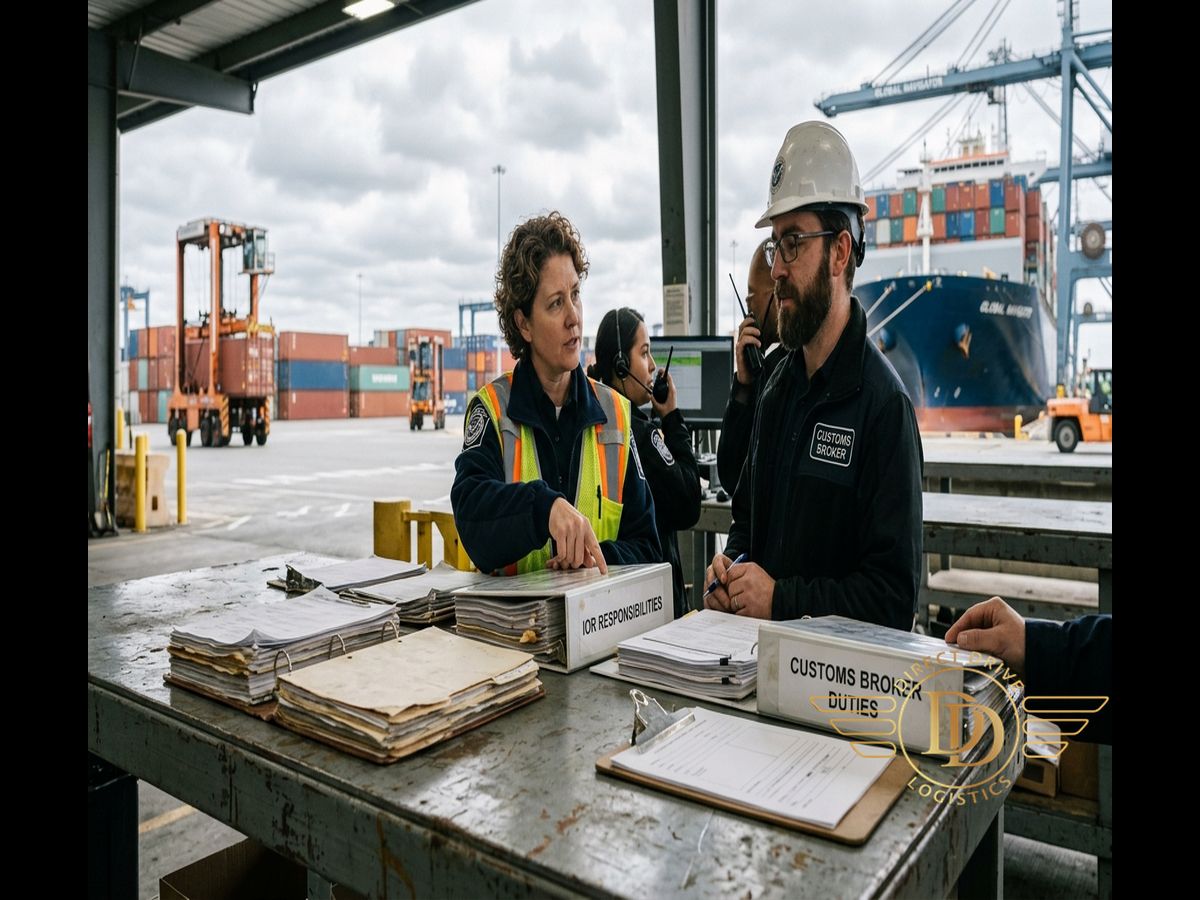
Navigating Iraq’s evolving customs landscape increasingly demands proficiency with digital platforms. Historically, customs clearance in Iraq relied heavily on manual paperwork, leading to variable processing times. However, recent initiatives have aimed to streamline these processes. For instance, the average customs clearance time for standard FCL shipments at major federal borders like Trebil and Safwan is now 3-5 days with complete documentation, while KRG borders like Ibrahim Khalil and Parviz Khan can range from 2-4 days, reflecting digital efficiencies strengthening customs enforcement efforts.
Our team at Direct Drive Logistic has observed a significant shift towards digital submission systems across both Federal Iraq and the Kurdistan Region. This digitalization has reduced overall processing times by an estimated 25% for digitally compliant consignments, while simultaneously increasing customs audits by 15% as authorities leverage data analytics. One mistake we see regularly: importers failing to integrate their documentation systems with the new digital portals, leading to delays and additional costs. This highlights the critical importance of accurate and complete documentation, which remains the most critical factor affecting clearance times. For businesses seeking to navigate these complexities, reliable customs brokerage services Iraq are essential.
The trend towards digital platforms and increased scrutiny means businesses must adapt quickly. We’ve seen our clients benefit from proactive engagement with these systems. For example, our operations at 15 border crossings, including both KRG and Federal Iraq customs systems, allow us to navigate these varied digital requirements efficiently. For example, Direct Drive Logistic successfully managed the full corridor for electronics and consumer goods from China to Bandar Abbas port, Iran, and then to Erbil, Iraq, handling all necessary digital transit and import documentation as a single operator. Our expertise in customs brokerage international shipping ensures smooth operations.
Your next step: Assess your current documentation processes for Iraq imports by 2026-10-31 and identify any gaps in digital compliance. Contact Direct Drive Logistic to discuss integrating your import procedures with our licensed clearing services at Umm Qasr port and across our 15-border network.
Introduction to Importer Of Record
Defining the Importer of Record (IOR) Role in Iraqi Shipments
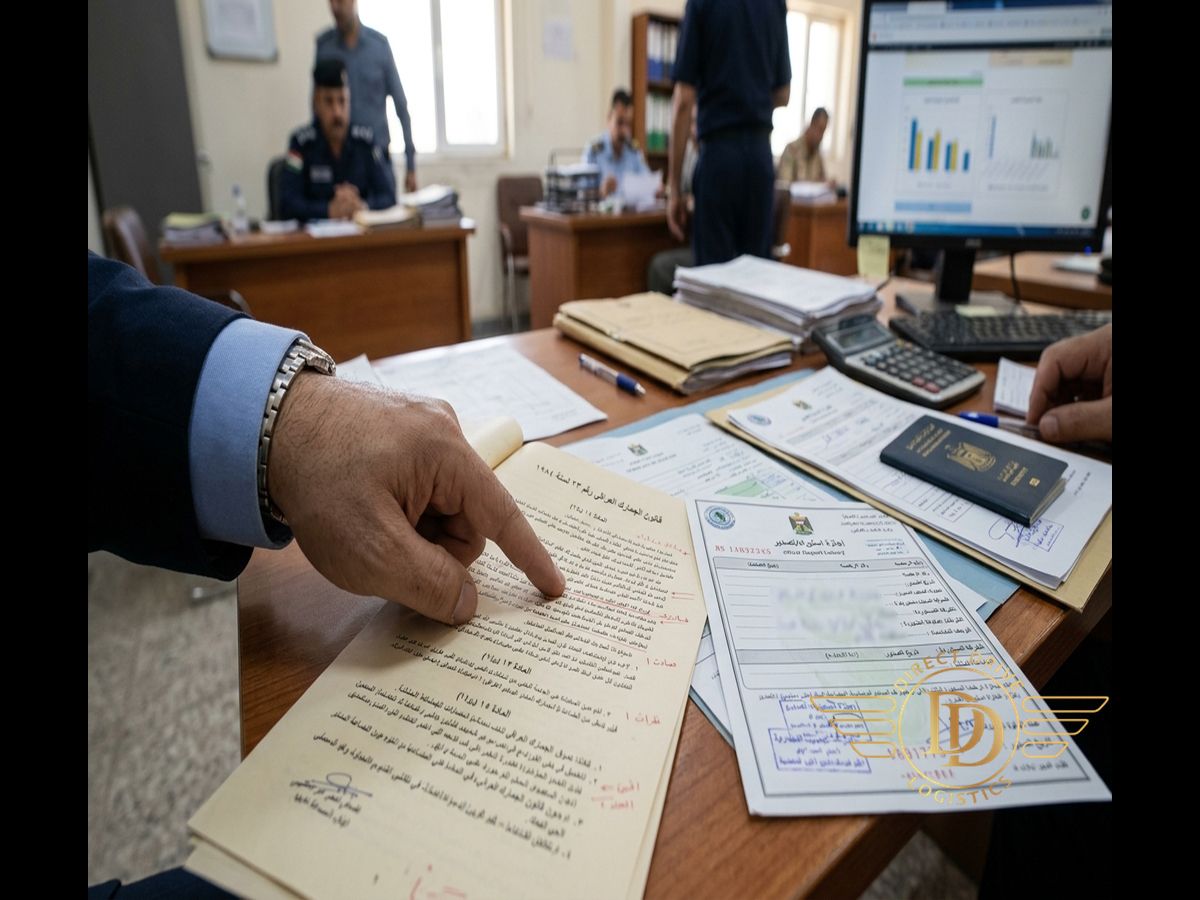
Understanding the distinction between an Importer of Record (IOR) and a customs broker is critical for effective logistics in Iraq. An IOR assumes full legal ownership and responsibility for imported goods. This includes ensuring compliance with all Iraqi import laws, paying duties and taxes, and handling all associated liabilities. For instance, the new electronic single window system, rolled out by the Iraqi Customs Authority (ICA) in 2025, aims to streamline procedures, potentially reducing physical document requirements by 20-30% once fully operational, but the IOR remains accountable for digital submissions.
A customs broker, conversely, acts as an agent. They facilitate the customs clearance process on behalf of the importer but do not take legal ownership of the goods or assume direct financial liability for duties and taxes. Our team at Direct Drive Logistic has found that many clients initially confuse these roles, leading to unexpected liabilities. One mistake we see regularly is importers believing their customs broker is liable for incorrect duty declarations, when in fact, the IOR ultimately carries that burden. For a detailed visual breakdown of import responsibilities, refer to the CBP Guide for Commercial importers.
| Feature | Importer of Record (IOR) | Customs Broker |
|---|---|---|
| Legal Responsibility | Assumes full legal and financial liability for goods | Acts as an agent; no legal ownership or primary liability |
| Duty & Tax Payment | Directly responsible for all duties, taxes, and fees | Facilitates payment on behalf of the IOR |
| Compliance Oversight | Ensures adherence to all Iraqi import regulations | Advises on compliance; IOR remains ultimately accountable |
| Required Licensing | No specific IOR license, but must be a registered entity in Iraq | Requires specific customs brokerage license from ICA |
| Physical Presence | Often requires a registered entity within Iraq | Can operate remotely, but local presence is beneficial |
Ongoing harmonization efforts for customs tariffs between Federal Iraq and the Kurdistan Region (KRG) in 2026 highlight the complex regulatory landscape. While these efforts aim to reduce discrepancies, the IOR must still navigate specific regional requirements and potential “tariff difference settlement” processes at internal checkpoints. Direct Drive Logistic, with its official government clearing agent license at Umm Qasr port, often acts as an IOR for clients, streamlining clearance directly within 48 hours from engagement, eliminating the need for third-party brokers in many cases. For comprehensive support, explore our importer of record service Iraq options.
Your next step: Evaluate your import volume and legal structure; then, contact Direct Drive Logistic for a consultation on whether an Customs Brokerage Iraq arrangement best suits your specific cargo and Iraqi destination within the next 7 days.
Specific Legal and Regulatory Requirements for Trade into Iraq
Licensing and Registration for Importers of Record (IOR) and Customs Brokers in Iraq
Understanding the legal distinctions for an importer of record vs customs broker in Iraq is fundamental for compliance. An Importer of Record (IOR) must be a legally registered entity within Iraq, possessing a valid commercial registration and an import license issued by the Ministry of Trade. This registration process involves submitting company documents, financial statements, and a detailed list of intended import goods to various Iraqi government bodies.
Customs brokers, conversely, operate under a different framework. They require a specific license from the General Directorate of Customs, necessitating proof of expertise, financial guarantees, and adherence to professional standards. Our team at Direct Drive Logistic has found that navigating these distinct licensing requirements can be a significant hurdle, particularly for foreign entities. We manage over 300 Iran-Iraq cross-border shipments annually, consistently dealing with both IOR and broker compliance.
Compliance with Iraqi Customs Law No. 23 of 1984 (Amended 2018) for Trade
All import activities into Iraq, whether managed by an IOR or facilitated by a customs broker, must strictly adhere to Iraqi Customs Law No. 23 of 1984, as amended in 2018. This law defines customs duties, prohibited and restricted goods, valuation methods, and penalty structures for non-compliance. It also outlines the responsibilities of the importer of record vs customs broker in declaring goods accurately. For a complete guide on navigating these processes, explore our resources on customs clearance Iraq.
One mistake we see regularly is under-declaring cargo value, which can lead to significant fines and seizure. The law mandates precise documentation, including commercial invoices, packing lists, certificates of origin, and bills of lading. Iraq’s non-oil trade volume is projected to increase by an average of 8-10% annually, reaching an estimated USD 30-35 billion by 2030, underscoring the growing importance of rigorous compliance in this expanding market. Our expertise helps streamline customs clearance and transport Iraq operations.
Your next step: Review your current import documentation for Iraq against Customs Law No. 23 (Amended 2018) by 2026-10-31 to identify any gaps.
When Do You Need an Importer of Record (IOR) for Iraq?
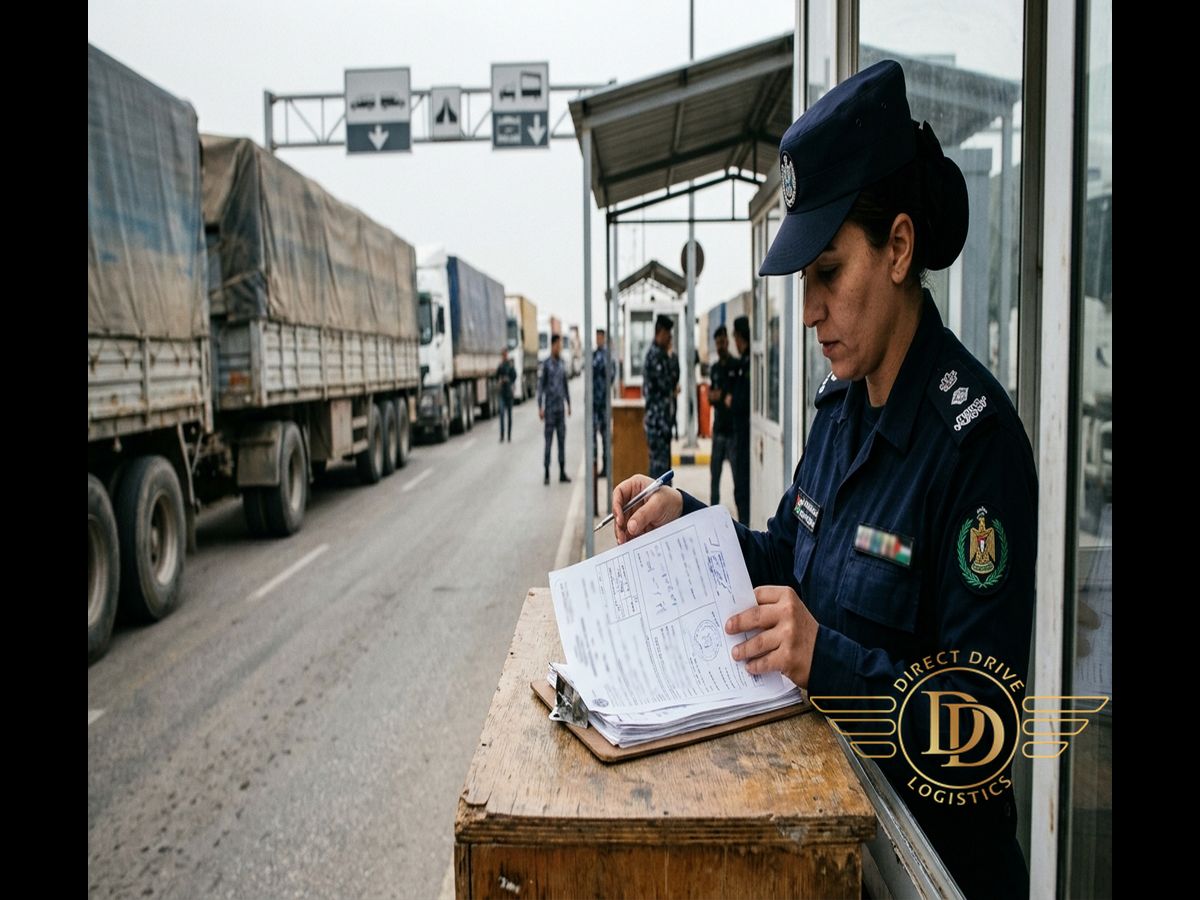
Navigating Iraqi Import Regulations (IOR) Without a Local Entity
When an international business lacks a registered local entity in Iraq, utilizing an Importer of Record (IOR) becomes a fundamental requirement. This applies particularly to companies importing goods for direct sale or distribution without establishing a physical presence. The IOR assumes legal responsibility for compliance with all Iraqi import laws, customs duties, and taxes.
One common mistake we see: foreign companies attempt to use a local distributor as an IOR without a formal, legally binding agreement that clearly delineates liabilities. This exposes the foreign company to significant risks, especially given the 15% increase in customs audits and inspections observed in 2025. Our team at Direct Drive Logistic has found that a clear IOR structure prevents delays and financial penalties.
High-Value Goods and Complex Shipments Requiring an Importer of Record (IOR)
For high-value goods or shipments with complex regulatory requirements, an Importer of Record (IOR) is often the optimal choice. This includes specialized machinery, medical equipment, or technology products subject to specific Iraqi certifications and approvals. The IOR ensures all necessary permits are secured before arrival, mitigating potential delays at the border.
Penalties for incorrect HS codes or declared values can range from 10% to 100% of the undeclared or misclassified value, as per Iraqi Customs Law No. 23 of 1984 (amended 2018). Direct Drive Logistic’s dual-country presence in Iraq and Iran, alongside our official Umm Qasr port clearing license, allows us to manage these complexities directly. For example, when handling medical equipment from Dubai to Baghdad, our team engaged as the licensed clearing agent, achieving direct clearance in 48 hours without needing a third-party broker.
| Criteria | Importer of Record (IOR) | Customs Broker |
|---|---|---|
| Assumes legal liability for goods | ✓ | ✗ |
| Manages import permits/licenses | ✓ | ✗ |
| Required without local entity | ✓ | ✗ |
| Facilitates customs clearance | ✓ | ✓ |
Skipping a formal IOR arrangement for complex or high-value imports can result in fines and storage fees, adding significant unforeseen costs. In 2025, we observed instances where improper IOR designation led to average delays of 7-10 days at federal borders like Trebil, incurring additional demurrage charges. For expert assistance, consider a reliable customs broker Kurdistan can provide.
Your next step: Evaluate your import scenario against the IOR criteria. Contact Direct Drive Logistic to discuss your specific cargo type and destination in Iraq by 2026-10-15 for a tailored compliance assessment.
The Critical Role of a Licensed Customs Broker in Iraq
Navigating Dual Customs Systems: Federal Iraq and KRG Regulations
A licensed customs broker in Iraq provides indispensable expertise in navigating the country’s complex customs landscape, which includes both Federal Iraq and Kurdistan Region Government (KRG) regulations. These distinct systems present unique challenges, requiring specific knowledge of each jurisdiction’s import license requirements and tariff structures. For standard FCL shipments, average customs clearance at major federal borders like Trebil and Safwan typically takes 3-5 days with complete documentation. Our team at Direct Drive Logistic has found that maintaining operational fluency in Farsi, Arabic, Kurdish, and English is critical for effective communication across these diverse regulatory bodies. For more insight into specific regional requirements, understanding the Kurdistan customs approval process is essential.Ensuring HS Code (Harmonized System Code) Accuracy and Valuation Compliance
Ensuring HS Code accuracy and valuation compliance is a core responsibility of a customs broker, directly impacting duties, taxes, and potential penalties. Misclassification or undervaluation can lead to severe repercussions, including penalties ranging from 10% to 100% of the undeclared value. The typical rate for basic customs clearance services in Federal Iraq ranges from USD 300-700 per standard FCL shipment, excluding duties and taxes. One mistake we see regularly is importers attempting to self-classify goods without expert guidance, often resulting in costly delays or fines. A professional customs broker, such as Direct Drive Logistic, mitigates these risks by ensuring precise classification and valuation in accordance with Iraqi tariff settlement rules. For more details on import regulations, refer to the Middle East Import Guide.Your next step: Evaluate your current import process and contact Direct Drive Logistic for a compliance assessment of your HS codes within 48 hours.
Send your cargo details to Direct Drive Logistic on WhatsApp — get a route-specific checklist and quote within 24 hours.
Message on WhatsAppWhy Choose Direct Drive Logistic?
Offices in Erbil (HQ) + Tehran (Nasim Shahr Terminal); rentable warehouse space in Baghdad, Karbala, Najaf, Erbil, Duhok and Basra, plus a warehouse in Tehran
Government-licensed clearing agent — direct port access for sea freight into southern Iraq
2,500+ Iraq domestic deliveries, 300+ Iran-Iraq cross-border, 100+ international freight; air freight handler at Erbil, Baghdad, and Sulaymaniyah airports
Operational at 4 KRG borders (Parviz Khan, Bashmagh, Haji Omran, Ibrahim Khalil) plus the Sheikh Saleh border market, 5 federal Iran-Iraq borders (Khosravi, Sumar, Mehran, Shalamcheh, Chazzabeh) and 6 further federal crossings (Trebil, Arar, Safwan, Al-Qaim, Al-Rabia, Al-Waleed), plus Bandar Abbas port
Full operational fluency in Farsi, Arabic, Kurdish, and English — client-facing and documentation
~10 trucks/day from Erbil hub covering Baghdad, Karbala, Najaf, Basra, Kut (Wasit), Diyala, Nasiriyah, and all Iraqi governorates
Frequently Asked Questions
An Importer of Record (IOR) is the legal entity responsible for ensuring that imported goods comply with all local laws and regulations, including accurate valuation and payment of duties and taxes, directly impacting your financial and legal standing in Iraq. A Customs Broker, conversely, acts as an agent, facilitating the customs clearance process on behalf of the IOR by preparing and submitting documentation, interacting with customs authorities, and advising on compliance. In Iraq’s complex regulatory environment, with distinct Federal and KRG customs procedures, understanding this distinction is crucial to avoid penalties ranging from 10% to 100% of the undeclared value, as seen with increased scrutiny on HS code accuracy since 2025.
The Importer of Record (IOR) holds ultimate legal and financial responsibility for the imported goods, including correct HS code classification, valuation, and payment of all duties, taxes, and fees. This includes liability for any non-compliance or discrepancies, which can lead to significant fines or delays. A Customs Broker, while performing critical tasks like submitting declarations and navigating procedures, primarily acts as an intermediary, using their expertise to advise and facilitate the process. They are responsible for the accuracy of the declarations they prepare based on information provided by the IOR. For example, the IOR is accountable for meeting the increased scrutiny on HS Code accuracy, which has seen a 15% rise in customs audits in Iraq since 2025.
For superior compliance and risk mitigation in Iraq’s nuanced customs landscape, a robust Importer of Record (IOR) strategy, often supported by an expert Customs Broker, is paramount. The IOR bears the ultimate legal burden, making their foundational compliance crucial. However, leveraging a highly knowledgeable Customs Broker with specific experience in both Federal Iraq and KRG regulations—like those at Direct Drive Logistic with quad-language operational fluency in Farsi, Arabic, Kurdish, and English—significantly reduces operational risks. Such expertise helps navigate the digitalization of customs procedures in Federal Iraq, which aims for a 30% reduction in manual processing by late 2026, and ensures accurate declarations to prevent penalties.
Choosing to act as your own Importer of Record (IOR) provides maximum operational control over your imports, but also demands extensive internal expertise and resources to manage compliance and liabilities. Engaging a Customs Broker offloads the procedural complexities of customs clearance, freeing up your internal teams. For a truly comprehensive, end-to-end logistics solution in Iraq, integrating IOR services with a provider that also offers customs brokerage, last-mile delivery, and warehousing is ideal. Direct Drive Logistic, for instance, operates as a licensed clearing agent at Port of Umm Qasr, and provides daily scheduled departures from its Erbil hub to all Iraqi governorates, ensuring next-day delivery to most cities, which streamlines the entire supply chain beyond just customs.
When selecting a partner for Importer of Record (IOR) or customs brokerage services in Iraq, prioritize expertise, regional presence, and a proven track record. Look for a partner with physical offices and licensed operations in both Federal Iraq and the Kurdistan Region, demonstrating a deep understanding of varying regulations. For instance, Direct Drive Logistic has over 10 years of experience, with offices in Erbil (HQ) and Tehran, and operates across a 15-border crossing network, including all land frontiers into Iraq. Ensure they possess the technical capability to handle digital customs procedures, which as of Q2 2026, can reduce average document processing time by 25% compared to paper-based methods, and offer comprehensive solutions beyond just clearance.
Yes, the Importer of Record (IOR) is ultimately responsible for customs clearance, as they bear the legal and financial obligation for the imported goods. While they may delegate the process of clearance to a Customs Broker, the IOR remains accountable for the accuracy of declarations, payment of duties, and compliance with all Iraqi import laws. The IOR is typically the owner of the goods, the consignee, or any entity legally designated to take responsibility for the import. With Iraq’s total import value estimated at USD 65-70 billion in 2025, the IOR’s role is critical in ensuring smooth trade flows and mitigating risks such as penalties for incorrect HS codes or declared values.
Conclusion
Navigating the complexities of importing into Iraq fundamentally hinges on understanding the distinct roles of an Importer of Record (IOR) and a customs broker. The IOR bears legal responsibility for compliance, duties, and taxes, a necessity when an international entity lacks a local presence. Conversely, a licensed customs broker, like those proficient in both Federal Iraq and Kurdistan Region regulations, primarily facilitates the customs clearance process on behalf of the importer. This distinction is crucial for mitigating risks and ensuring smooth operations, particularly given Iraq’s evolving digital customs platforms.
To confidently determine whether an IOR or a customs broker is more appropriate for your specific import scenario in Iraq, first audit your current Incoterms and verify who is designated as the importer on your commercial invoices. Second, ask your current freight forwarder or supplier to clarify their liability framework for customs compliance in Iraq. Finally, for expert guidance on the importer of record vs customs broker Iraq decision, Direct Drive Logistic offers tailored consultations to align your logistics strategy with Iraqi regulatory requirements.
Direct Drive Logistic excels in bridging the gap between international trade and Iraqi customs realities. With our official license as a clearing agent at Port of Umm Qasr, we provide direct port access for sea freight into southern Iraq, eliminating unnecessary intermediaries and delays. Our quad-language operations team ensures seamless communication across Farsi, Arabic, Kurdish, and English, simplifying documentation and coordination. For reliable, secure, and compliant logistics solutions across Iraq, contact us today at (+964) 750 637 9296.
Need Logistics Consultation?
The Direct Drive team is ready to assist. Message us now.
Navigating the complexities of Iraqi customs doesn’t have to be a burden. Leverage Direct Drive Logistic’s expertise as your trusted Importer of Record, ensuring seamless compliance and avoiding costly delays, a service far beyond what a typical customs broker can offer. Don’t risk your valuable cargo; call us today at (+964) 750 637 9296 to secure your supply chain and experience unparalleled peace of mind.
Get Your Free Quote NowContact Us for a Consultation
Location
Direct Drive Logistic
Gulan Street, MRF Quattro Block A 13-9
Erbil, Kurdistan Region