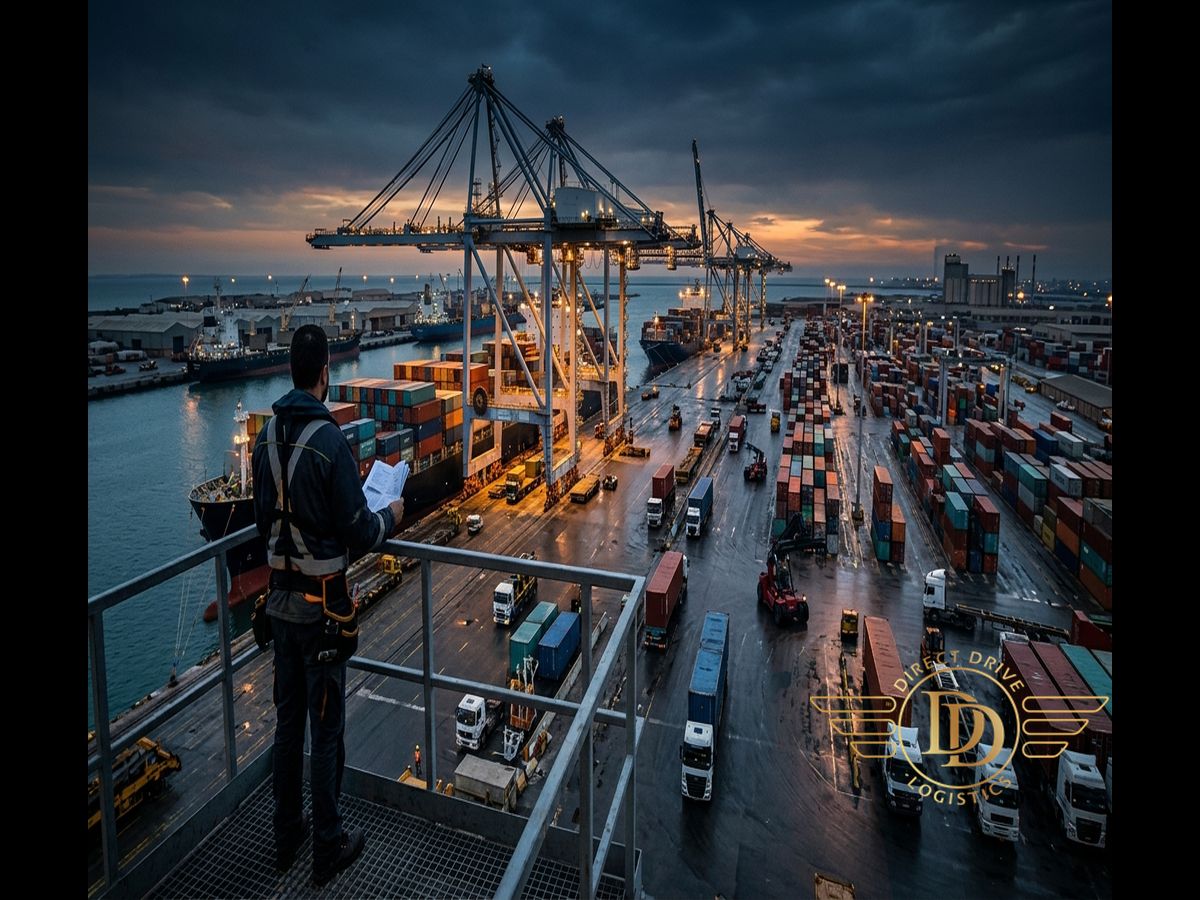
Discover how iraq freight forwarding rates can transform your operations with this article demystifies iraq freight forwarding rates by breaking down every cost component and reveals how a multi-border network, like our 17-crossing access, provides crucial flexibility to bypass costly delays, proven by our zero-delay tehran-baghdad re-route case study.
Iraq freight forwarding rates are dynamic, influenced by factors like cargo type, shipping mode (sea, air, land), origin, destination, and geopolitical stability. For instance, sea freight from Jebel Ali to Umm Qasr Port typically ranges from USD 1,200 to 1,800 per TEU, while an FTL from Turkey to Baghdad or Erbil can cost USD 3,500 to 5,000. Understanding these core components is vital for accurate budgeting.
You just received an invoice with unexpected surcharges, or perhaps your cargo is stuck at a border crossing, incurring daily storage fees. Missing one customs document can delay your Iraq shipment by 3–6 weeks and cost USD 800+ in storage fees. This article demystifies iraq freight forwarding rates by breaking down every cost component and reveals how a multi-border network, like our 17-crossing access, provides crucial flexibility to bypass costly delays, proven by our zero-delay Tehran-Baghdad re-route case study.
Navigating the complexities of Iraq freight forwarding rates requires more than just a basic quote. You need to understand every variable, from port handling fees to war risk surcharges. For example, a Incoterm (International Commercial Term) defines the responsibilities of buyers and sellers for the delivery of goods under sales contracts, dictating who pays for and manages specific aspects of the freight journey, significantly impacting the final rate.
This comprehensive guide explores iraq freight forwarding rates through multiple perspectives. We’ll cover what key factors determine your rate, how land, sea, and air freight rates are calculated, and what are the most common hidden costs and surcharges in Iraqi shipping. A TEU (Twenty-foot Equivalent Unit) is a standard unit for describing the capacity of container ships and container terminals, equivalent to a standard 20-foot long container, which is a critical measure in sea freight cost calculations.
Discover how iraq freight forwarding rates can transform your operations. We will also explore how a forwarder’s network can reduce your costs, why a direct customs license at Umm Qasr Port is critical for cost control, and how to compare freight forwarders for true value, providing you with actionable insights to enhance your operations. FOB (Free On Board) is an Incoterm indicating that the seller delivers goods on board the vessel nominated by the buyer at the named port of shipment, with the buyer bearing all costs and risks of loss or damage once the goods are on board.
Navigating Volatile Shipping Costs to Iraq: Trends and Market Drivers
Market Dynamics: Why Iraq Shipping Costs Are Constantly in Motion
Understanding the market forces that influence Iraq freight forwarding rates is the first step to effective cost management. The country’s logistics sector is undergoing significant expansion, with the total Iraq freight market analysis projecting a market size of USD 16.78 billion by 2029. This growth is fueled by extensive reconstruction efforts and major infrastructure projects like the Grand Faw Port, creating high demand for capacity and putting upward pressure on shipping costs.
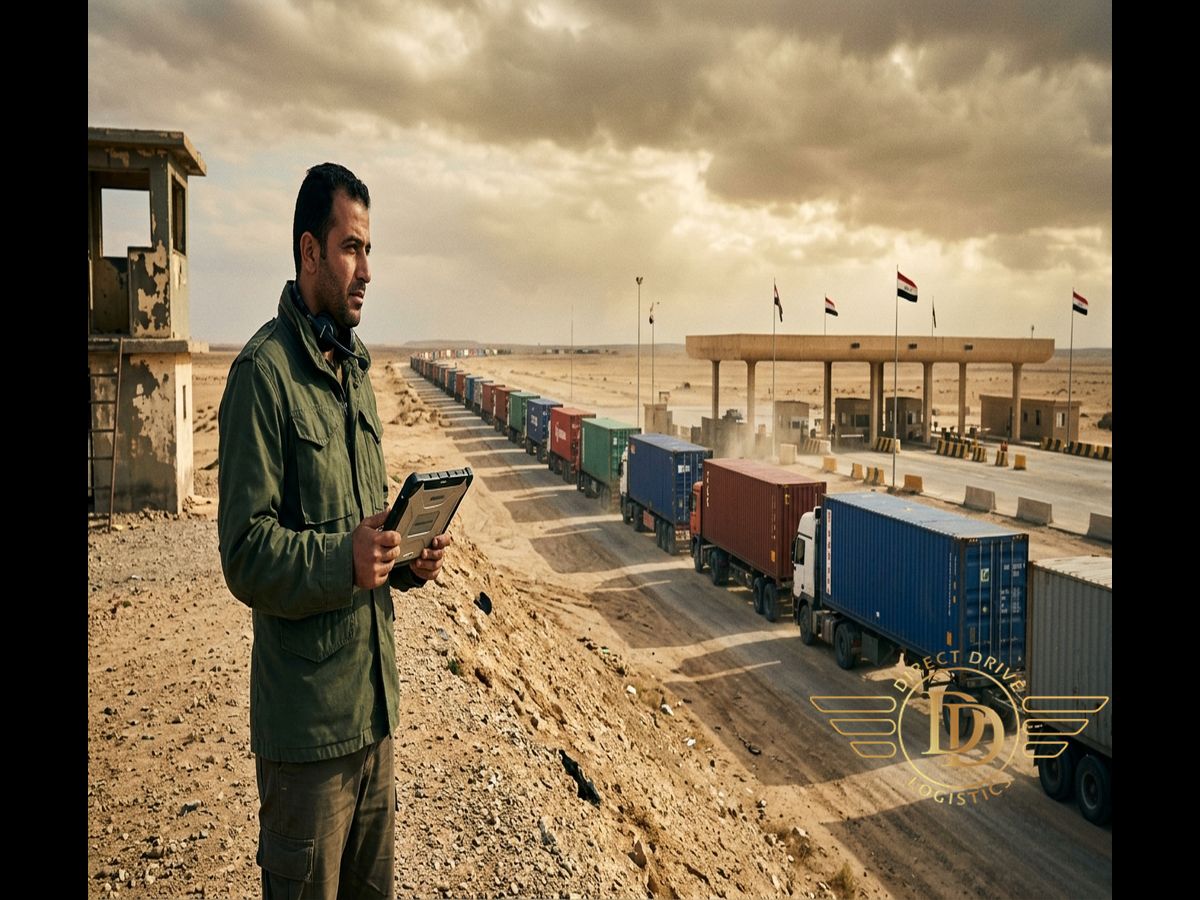
This surging demand directly impacts ground-level operations and pricing. In our experience managing over 300 successful Iran-Iraq cross-border shipments, we consistently see how bottlenecks at primary crossings during peak periods can cause sudden rate spikes. Our operational agility across 17 different border points allows us to immediately re-route cargo, bypassing congestion and stabilizing costs for our clients. For comprehensive guidance, explore our freight forwarding services Iraq guide.
Beyond baseline transport costs, shippers must account for variable surcharges that can significantly alter final invoices. For sea freight entering via Umm Qasr Port, war risk surcharges can add an additional 5-15% to the base rate, depending on the carrier and prevailing security assessments. These shipping cost drivers in Iraq require a proactive logistics partner who can provide transparent, all-in pricing.
Your next step: Request a comprehensive quote from Direct Drive Logistic that itemizes all potential surcharges for your specific Iraq-bound cargo, ensuring budget accuracy from the start.
Understanding the Core Components of Freight Forwarding Costs to Iraq
Base Freight Charges: The Primary Cost for Air, Sea, and Land Transport to Iraq
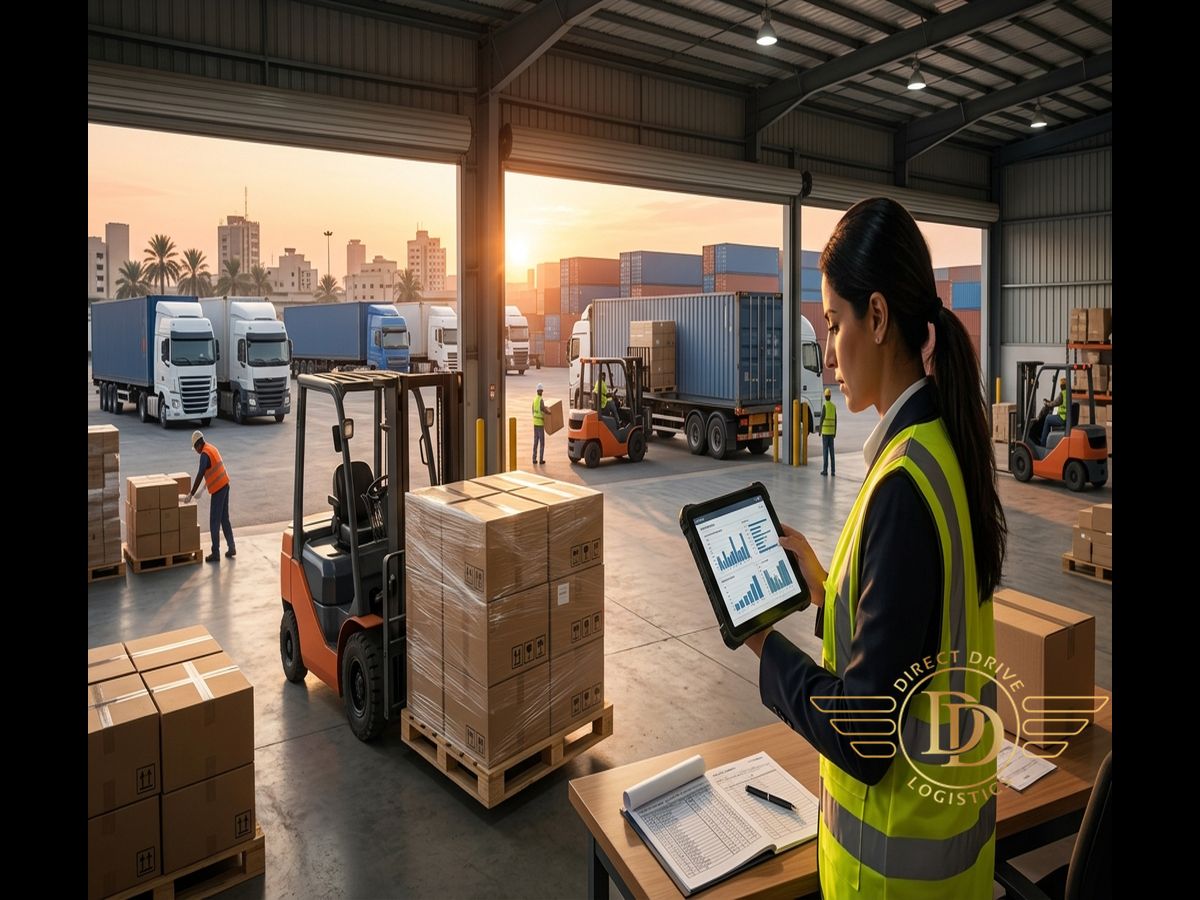
Understanding Iraq freight forwarding rates begins with the base transport cost, which forms the largest portion of any quote. This fundamental charge covers the physical movement of your cargo from origin to a destination port or border, whether by sea, air, or land. Each mode has a distinct cost structure influenced by volume, weight, and distance.
For sea freight, the majority of cargo—an estimated 60-70% as of 2025—enters through Umm Qasr Port. Your basic freight forwarding fees for ocean transport will include the core ocean freight rate plus associated Terminal Handling Charges (THC) at both the origin and destination ports. These costs are calculated per container and are non-negotiable port authority fees.
Land and air transport offer faster transit but at a higher base cost. Air freight, while expensive, is vital for high-value or time-sensitive goods, though it faces unique challenges detailed in air cargo analysis. Long-term projects like the USD 17 billion “Development Road” aim to reduce land transit times from Turkey by 2-4 days, which will eventually reshape land freight pricing into Baghdad and Basra.
In our operations across Iraq, we consistently see shippers fixate on the port-to-port sea freight cost, underestimating the significant expense of on-carriage from Umm Qasr to inland cities. This oversight in the initial freight quote breakdown can lead to budget overruns of 15-20% when local transport and clearance are factored in separately. For comprehensive freight forwarding services Iraq offers, it’s crucial to consider all components.
Your next step: Request a door-to-door quote from Direct Drive Logistic that itemizes both international freight and inland transport. This provides a true landed cost and avoids unexpected charges upon arrival in Iraq.
Breaking Down Your Quote: Key Cost Variables for Shipping to Iraq
Core Transportation Costs: Comparing Air, Sea, and Road Freight
Understanding Iraq freight forwarding rates begins with the primary transport mode. Air freight is fastest but most expensive, ideal for high-value or time-sensitive cargo, with costs from the USA to Baghdad often ranging from $5 to $10 per kilogram. Sea freight to Umm Qasr port offers the most cost-effective solution for bulk goods; a 20-foot container (TEU) from Jebel Ali (UAE) typically costs between $1,200 and $1,800, while a 40-foot container (FEU) from China can range from $2,500 to $4,000.
Road freight from neighboring countries like Turkey and Iran provides a flexible balance. An FTL (Full Truck Load) from Mersin, Turkey to Erbil or Baghdad can cost $3,500 to $5,000. In our experience managing over 300 Iran-Iraq cross-border shipments, selecting the right border crossing is the single most important factor in controlling road freight costs and avoiding delays.
| Cost Component (Sea Freight to Umm Qasr) | Typical Range (per TEU) | Notes |
|---|---|---|
| Ocean Freight Base Rate | $900 – $1,500 | Varies by origin port (e.g., Jebel Ali vs. Shanghai) |
| Terminal Handling Charge (THC) | $150 – $250 | Fee for handling at the port of loading and discharge. |
| War Risk Surcharge (WRS) | $50 – $150 | A specific insurance premium for navigating high-risk waters. |
| Customs Clearance Fee | $200 – $400 | Can be higher for complex cargo like medical equipment. |
How Origin and Destination Impact Your Final Quote
Your final invoice is heavily influenced by geography. Shipping from Europe or the USA involves higher base freight costs and longer transit times compared to regional hubs like the UAE or Turkey. Within Iraq, the final destination matters immensely; delivering to landlocked Erbil from Umm Qasr port adds significant inland haulage costs and requires navigating two different customs systems (Federal and KRG).
This is where a robust network provides a critical cost advantage. For example, when a primary border crossing for our Tehran-to-Baghdad shipment faced sudden congestion, our access to 17 land border crossings allowed an immediate re-route via the Mehran border. This action prevented a potential 5-day delay and associated demurrage fees, ensuring the cargo arrived on its original schedule with zero extra cost to the client. The growing freight rate volatility in the region makes this flexibility a key factor in budget protection.
Your next step: Request a comparative quote from Direct Drive Logistic for at least two different modes (e.g., sea + road vs. direct road) to identify the most cost-effective route for your specific cargo’s origin and destination. For specialized Baghdad freight solutions, our team offers tailored logistics planning.
Beyond the Price Tag: Hidden Costs and Common Challenges in Iraqi Logistics
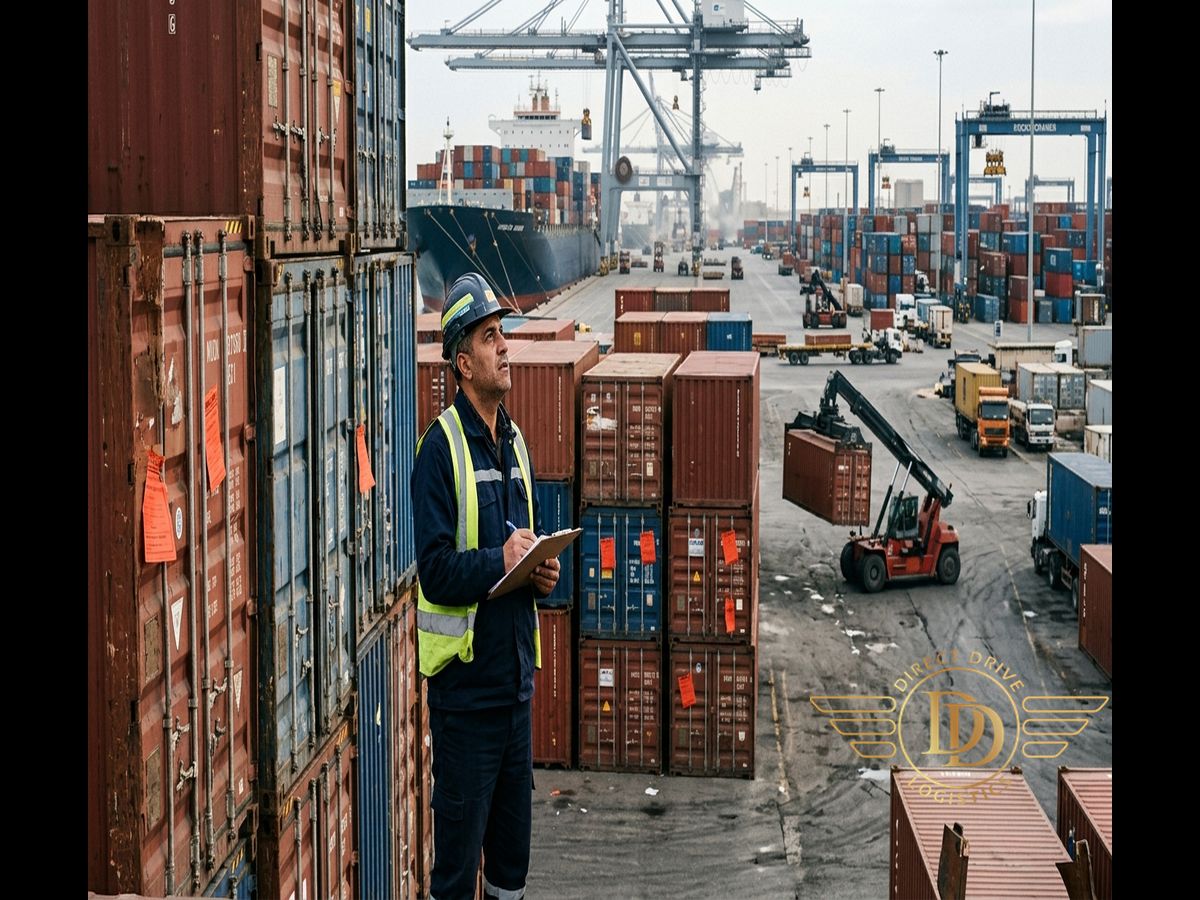
Decoding Surcharges: Understanding War Risk, Fuel, and Security Fees in Iraq
The base transport cost is only the starting point for accurate budgeting on your Iraq shipments. The final iraq freight forwarding rates are heavily influenced by variable surcharges that reflect the region’s operational realities. For instance, a mandatory Iraq war risk surcharge can add 5-15% to the base freight cost, a significant variable that many initial quotes overlook.
These fees are not static; they fluctuate with fuel prices and regional security assessments. Geopolitical events can cause sudden air cargo rate spikes, impacting even land and sea routes through associated security costs. Our team at Direct Drive Logistic has found that these surcharges can change with little notice, making all-inclusive, transparent pricing essential to avoid budget overruns.
The Dual Customs Challenge: Navigating Federal vs. Kurdistan Region (KRG) Duties
Iraq operates two distinct customs authorities: the Federal government system, covering ports like Umm Qasr and southern borders, and the Kurdistan Regional Government (KRG) system at northern crossings like Ibrahim Khalil. This duality is a primary source of unexpected costs and delays if not managed by an Iraq project logistics partner with a presence in both jurisdictions.
One mistake we see regularly is shippers assuming a single clearance at a KRG border covers final delivery to Baghdad. This can trigger a second, full customs inspection and duty payment at the KRG-Federal internal checkpoint. Our operational fluency across all 17 border crossings allows us to strategically route cargo, as we did in a recent Tehran-to-Baghdad shipment, bypassing potential delays by using a direct federal crossing and delivering on the original timeline.
Your next step: Request a fully-landed cost estimate from our team that itemizes all potential surcharges and customs duties for your specific Iraq route.
Overview of Iraq Freight Forwarding
Understanding Iraq’s Key Logistics Corridors for International Freight
Selecting the right entry point into Iraq is fundamental to managing your overall freight costs and timelines. The country’s primary logistics corridors are the southern sea route via Umm Qasr Port and multiple northern and eastern land routes from Turkey and Iran. As of 2025, an estimated 60-70% of all cargo entered through Umm Qasr, making it the dominant, but often congested, gateway for international freight.
Long-term infrastructure projects like the 1,200 km “Development Road” aim to connect the southern Grand Faw Port with Turkey, potentially cutting land transit times by 2-4 days once operational. In our operations across more than a dozen border crossings, we consistently see that relying solely on one entry point, like Umm Qasr, introduces significant risk. Strategic use of land crossings for multimodal transport is essential for supply chain resilience.
Direct Sea Freight to Umm Qasr vs. Multimodal Routes
Choosing between direct sea freight and multimodal transport involves a clear trade-off between cost, speed, and flexibility. A direct shipment to Umm Qasr Port is typically the most cost-effective option for bulk cargo but can be vulnerable to port delays and onward domestic transport challenges. In contrast, multimodal transport—such as sea freight to a regional hub like Jebel Ali or Mersin followed by road transport into Iraq—offers greater speed and agility.
This flexibility is where a robust network proves its value. For a recent shipment of FMCG goods from Tehran to Baghdad, our team bypassed heavy congestion at the primary border by immediately re-routing three containers through the Mehran crossing. This move, enabled by our multi-border access, prevented a competitor’s estimated 5-day delay, ensuring an on-time delivery with zero disruption. A breakdown of these market dynamics can be seen in Mordorintelligence’s visual analysis of shipping routes to Iraq. For a complete guide to navigating these complexities, consider partnering with an experienced Iraq logistics partner.
Your next step: Provide our team with your cargo’s origin and final Iraqi destination to receive a comparative analysis of at least two viable routes, including a direct and a multimodal option, within 24 hours.
Send your cargo details to Direct Drive Logistic on WhatsApp — get a route-specific checklist and quote within 24 hours.
Message on WhatsAppWhy Choose Direct Drive Logistic?
Offices in Erbil (HQ) + Tehran (Nasim Shahr Terminal); warehouses in Zakho, Erbil, Basra, and Tehran (2,000 sqm)
Government-licensed clearing agent — direct port access for sea freight into southern Iraq
2,500+ Iraq domestic deliveries, 300+ Iran-Iraq cross-border, 100+ international freight; air freight handler at Erbil, Baghdad, and Basra airports
Operational at 6 KRG borders (Parviz Khan, Bashmagh, Haji Omran, Ibrahim Khalil, Sheikh Saleh, Shoshmi), 5 federal Iran-Iraq borders (Khosravi, Sumar, Mehran, Shalamcheh, Chazzabeh) and 6 further federal crossings (Trebil, Arar, Safwan, Al-Qaim, Al-Rabia, Al-Waleed), plus Bandar Abbas port
Full operational fluency in Farsi, Arabic, Kurdish, and English — client-facing and documentation
~10 trucks/day from Erbil hub covering Baghdad, Karbala, Najaf, Basra, Kut (Wasit), Diyala, Nasiriyah, and all Iraqi governorates
Frequently Asked Questions
Iraq freight forwarding rates are primarily influenced by several key factors, including the mode of transport (sea, land, air), cargo type and volume, origin and destination within Iraq, and current market demand. For instance, the Iraq logistics and freight market, valued at USD 11.29 billion in 2024, is projected to reach USD 16.78 billion by 2029, indicating a high demand that can drive rate volatility. Additionally, geopolitical stability, fuel prices, and the need for specialized equipment or services (e.g., for oversized or hazardous materials) significantly impact the final cost. Infrastructure development, while beneficial long-term, can also create temporary bottlenecks affecting rates.
Total Iraq freight forwarding rates typically include base freight charges, terminal handling charges (THC), customs duties and taxes, port storage, demurrage, and various surcharges. For sea freight from Jebel Ali to Umm Qasr Port, a standard dry cargo TEU can range from USD 1,200 to USD 1,800, with war risk surcharges potentially adding 5-15%. Land freight, such as a Full Truck Load (FTL) from major Turkish hubs to Baghdad or Erbil, is estimated between USD 3,500 and USD 5,000, varying based on the specific border crossing like Ibrahim Khalil and the cargo type. These costs fluctuate based on carrier, service level, and fuel prices.
Common challenges in Iraqi freight include potential customs delays, infrastructure bottlenecks due to ongoing projects like the Grand Faw Port, and security concerns, all of which can lead to hidden costs like demurrage or storage fees. To ensure timely and secure cargo arrival, it’s crucial to work with a forwarder that has robust local expertise and a proven track record. For example, Direct Drive Logistic, with over 10 years of experience, leverages its official licensed clearing agent status at Umm Qasr Port to ensure direct and efficient customs clearance, often within 48 hours, eliminating the need for third-party brokers and significantly reducing port storage and demurrage fees.
An expert freight forwarder demonstrates expertise through proactive problem-solving, local presence, and a comprehensive network. For instance, when unforeseen issues like border congestion arise, a forwarder with a 17-border crossing network into Iraq, covering all land frontiers from Iran, Turkey, Jordan, Saudi Arabia, Kuwait, and Syria, can re-route shipments without delay. Direct Drive Logistic, for example, successfully re-routed 3 x 40ft containers of FMCG goods from Tehran to Baghdad through the Mehran border without changing the ETA, maintaining a 4-5 day door-to-door timeline despite primary border congestion. This operational flexibility is key to mitigating risks and maintaining reliable Iraq freight forwarding rates.
Beyond competitive Iraq freight forwarding rates, a superior freight forwarder for Iraq offers reliability, security, and exceptional local operational capabilities. Key differentiators include physical presence in Iraq with local teams, such as Direct Drive Logistic’s offices in Erbil and warehouses in Zakho, Erbil, and Basra. Furthermore, a quad-language operations team fluent in Farsi, Arabic, Kurdish, and English ensures seamless communication and documentation handling. Scheduled daily departures from hubs like Erbil to all Iraqi governorates, with approximately 10 trucks per day, guarantee predictable transit times and eliminate the “call-and-wait” uncertainty, providing clients with consistent next-day delivery options to most Iraqi cities from Erbil.
To receive an accurate quote for Iraq freight forwarding rates, you should provide detailed information including cargo type (e.g., general goods, hazardous materials), dimensions and weight, origin and final destination, preferred mode of transport (sea, air, land), desired service level (e.g., door-to-door, port-to-port), and any specific handling requirements. For instance, for a Full Truck Load (FTL) from Turkey to Baghdad, specifying the exact origin city in Turkey and the delivery address in Baghdad is crucial. Once this information is submitted, an experienced forwarder will provide a detailed breakdown of costs. The next step involves reviewing the quote, finalizing terms, and initiating documentation and booking procedures.
Conclusion
Navigating Iraq freight forwarding rates successfully demands a deep understanding of the intricate market dynamics, from base freight charges and surcharges like war risk fees to the specific challenges of customs clearance and last-mile delivery. The article highlighted that hidden costs and volatile regional factors, such as the 10-15% variance in fuel costs across different routes, significantly impact final pricing. True cost transparency and robust risk mitigation strategies are paramount for predictable and efficient logistics operations in Iraq.
To confidently manage your Iraq freight forwarding rates, first, audit your recent invoices to identify recurring surcharges and their justification. Second, explicitly ask your current or prospective freight forwarder for a detailed breakdown of all potential costs, including any border fees, security charges, and terminal handling fees (THC) relevant to your chosen Incoterms. Finally, consider partnering with Direct Drive Logistic, whose comprehensive local expertise and established networks across Iraq can provide the clarity and reliability you need to optimize your supply chain.
When your shipment demands precise navigation of Iraq’s complex customs regulations, especially at critical entry points like the Port of Umm Qasr, Direct Drive Logistic’s official licensed clearing agent status provides direct port access and streamlined processing. Our team understands the nuances of Iraq freight forwarding rates and the factors that influence them, offering transparent, reliable, and secure solutions. For expert guidance and competitive quotes, reach out to Direct Drive Logistic today at (+964) 750 637 9296.
Need Logistics Consultation?
The Direct Drive team is ready to assist. Message us now.
Unlock unparalleled efficiency and cost savings for your Iraq freight. Get your customized, competitive freight forwarding rates today and experience the Direct Drive Logistic difference. Call us now at (+964) 750 637 9296 to streamline your logistics.
Get Your Free Quote NowContact Us for a Consultation
Location
Direct Drive Logistic
Gulan Street, MRF Quattro Block A 13-9
Erbil, Kurdistan Region