
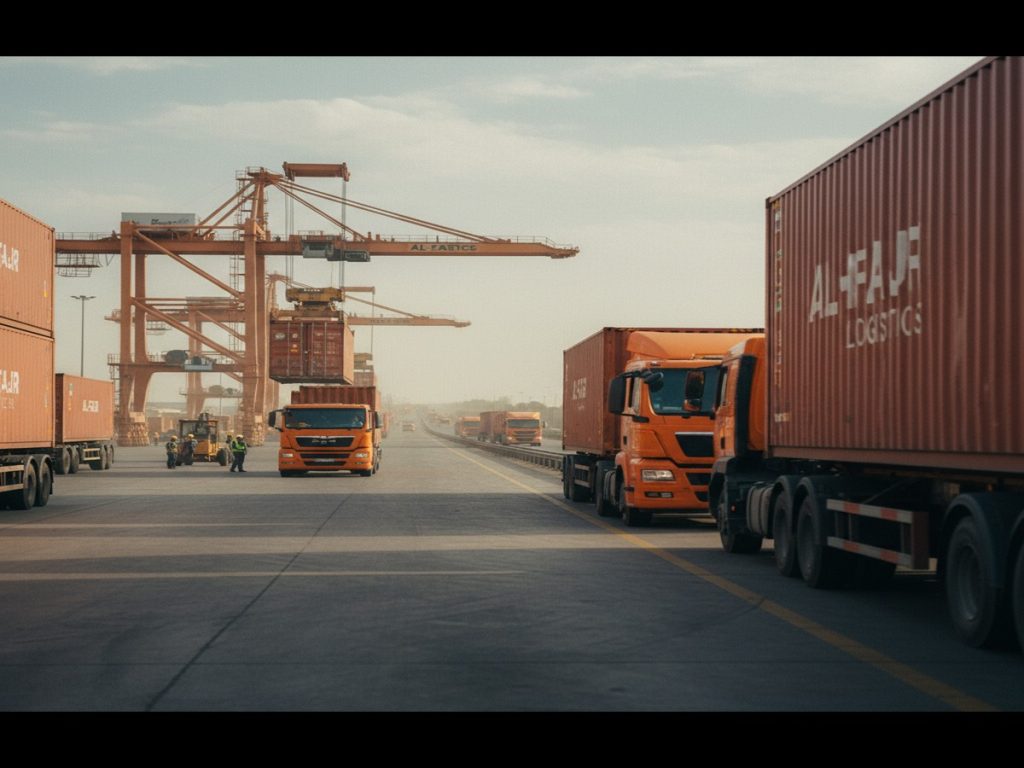
Fcl And Lcl Shipping – Complete Guide 2025 | Direct…
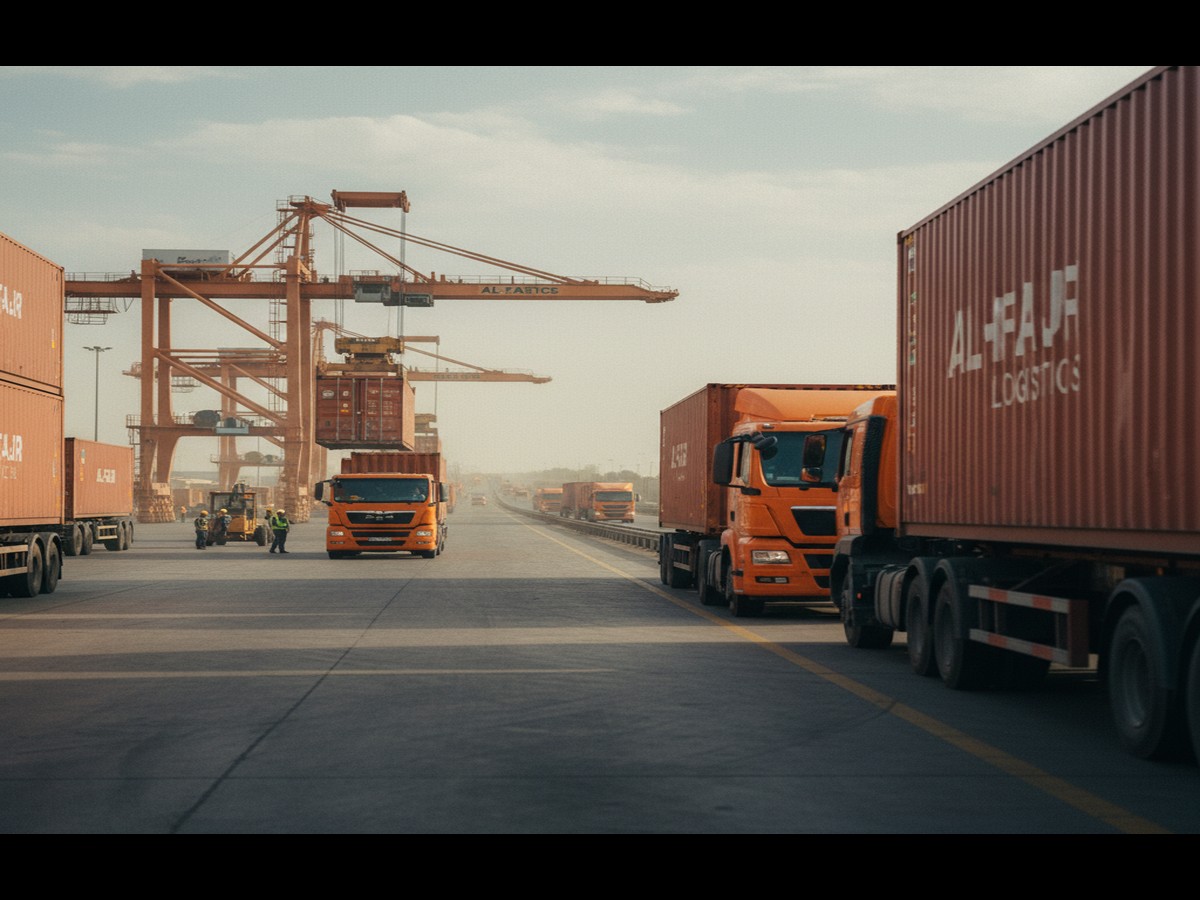
Discover how FCL and LCL shipping can transform your logistics operations with this article, which will provide a comprehensive comparison of FCL and LCL shipping, focusing on practical insights and regional considerations for businesses in Iraq and Kurdistan. In an increasingly interconnected world, the choice of how to ship goods can significantly influence a company’s efficiency, cost-effectiveness, and overall success. FCL, or Full Container Load, shipping involves the exclusive use of a shipping container for a single shipment, while LCL, or Less than Container Load, shipping allows multiple shipments from different shippers to share a single container. Understanding these shipping methods is essential for businesses looking to optimize their logistics and supply chain management.
The logistics landscape is evolving rapidly, and businesses must adapt to stay competitive. The choice between FCL and LCL shipping can be pivotal in determining shipping costs, delivery times, and risk management. For instance, FCL shipping often provides faster transit times since there is no need to wait for other shipments to fill the container, making it an attractive option for businesses with larger cargo volumes. Conversely, LCL shipping offers flexibility for companies with smaller shipments that do not require a full container, making it a viable choice for a wide range of businesses. Understanding these options allows logistics professionals and business owners to make informed decisions that best suit their operational needs.
This comprehensive guide explores FCL and LCL shipping through multiple perspectives. We will cover the introduction to FCL and LCL shipping, understanding FCL shipping—its definition and benefits, understanding LCL shipping—its definition and benefits, and key differences between FCL and LCL shipping. Additionally, we will delve into when to choose FCL shipping, when to opt for LCL shipping, and a cost comparison between the two. Understanding the impact of shipping volume on FCL and LCL choices, as well as regulatory considerations, is crucial. We will also share best practices for both FCL and LCL shipping, including case studies of successful implementations, providing readers with actionable insights to enhance their operations.
To fully appreciate the significance of FCL and LCL shipping, it is crucial to understand some key terms. Freight forwarding, the process of organizing shipments through carriers, plays an essential role in both FCL and LCL shipping. Customs clearance involves preparing and submitting documentation to facilitate the movement of goods across borders, a critical step that affects both shipping methods. Furthermore, a bill of lading is a legal document between the shipper and the carrier that outlines the details of the shipment. These definitions will help clarify the logistics jargon often encountered in discussions surrounding FCL and LCL shipping.
Furthermore, the decision-making process for choosing between FCL and LCL shipping is nuanced and multifaceted. Many businesses overlook critical factors such as shipping volume, urgency, budget constraints, risk tolerance, and specific product characteristics when making their choice. Addressing these gaps will give readers a comprehensive framework for decision-making, ensuring they choose the best shipping method for their needs. Additionally, we will explore the various cost components associated with FCL and LCL shipping, including port charges, drayage, customs, demurrage, and detention, offering detailed examples to illustrate the financial implications of each choice.
Another essential aspect of FCL and LCL shipping is the operational differences and end-to-end processes involved. Each method has its own unique documentation requirements, customs clearance procedures, and handling practices. By providing a detailed breakdown of these processes, businesses can better navigate the complexities of international shipping. Furthermore, we will discuss the strategic implications of FCL and LCL shipping on inventory management, lead times, and overall supply chain efficiency. Understanding these dynamics is vital for different business types to optimize their logistics operations effectively.
As we venture into the main content of this article, we will also address common challenges and potential pitfalls associated with FCL and LCL shipping, such as delays in LCL shipments or empty space in FCL containers. By offering actionable solutions and best practices to mitigate these challenges, we aim to empower businesses to enhance their logistics strategy. Whether you are a logistics professional or a business owner, this guide will equip you with the necessary knowledge and insights to make the right choice for your shipping needs and ultimately improve your operational efficiency.
Introduction to FCL and LCL Shipping
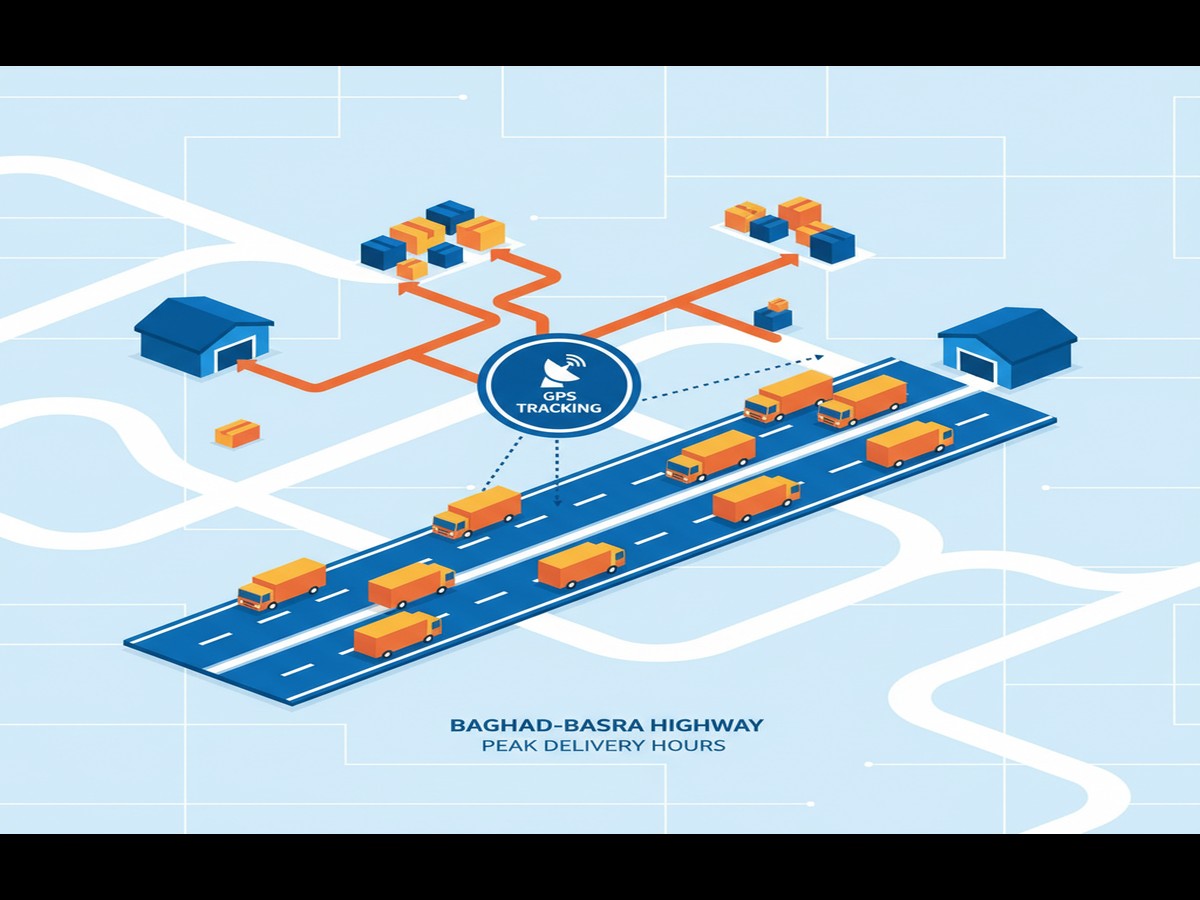
Key Aspects of FCL and LCL Shipping
Understanding FCL and LCL shipping is fundamental for optimizing logistics into Iraq and Kurdistan. Full Container Load (FCL) provides an exclusive container for your cargo, while Less than Container Load (LCL) involves sharing container space with other shippers. Therefore, the choice directly impacts cost and efficiency. The global container market reached a staggering USD 11.29 billion in 2025, reflecting a 6.2% CAGR as businesses navigate complex supply chains [8]. This growth is especially relevant for Iraq, where post-2024 disruptions have driven a 15% volume increase at the port of Umm Qasr [9].
For mid-volume shipments, the cost dynamics of FCL and LCL shipping are shifting. In 2025, FCL rates for a 20ft container range from $2,000 to $3,500, while LCL rates of $50–$80 per cubic meter (CBM) can be 20-40% cheaper for volumes between 2-13m³ [1][3]. Consequently, many importers using routes from Turkey’s Ibrahim Khalil border to Erbil are adopting LCL. This flexibility is crucial as businesses evaluate different shipping rate trends to manage expenses effectively. However, it’s essential to consider all associated fees before making a final decision.
Best Practices for FCL and LCL Shipping
Choosing the right method for FCL and LCL shipping requires a clear understanding of your shipment’s volume and urgency. The critical break-even point where FCL becomes more economical is typically between 13-15 CBM [2]. Above this threshold, FCL’s fixed pricing structure offers superior per-unit savings compared to LCL’s variable charges for consolidation and handling. Additionally, businesses in Kurdistan’s commercial hubs like Erbil and Sulaymaniyah often prefer FCL for high-volume goods crossing from Iran’s Bashmakh border, capitalizing on economies of scale.
Another best practice involves analyzing transit times. FCL is consistently faster, with typical transit times being 7-10 days shorter than LCL [6]. An FCL shipment might take 28-35 days, whereas an LCL shipment could take 35-45 days due to consolidation and deconsolidation processes. Therefore, for time-sensitive cargo, FCL is the superior choice. A detailed LCL vs FCL analysis can help determine the optimal balance between cost and speed for your specific needs. This strategic approach to FCL and LCL shipping is vital for maintaining a competitive edge in the region.
Common Challenges in FCL and LCL Shipping
Navigating the challenges of FCL and LCL shipping in Iraq involves regulatory compliance and logistical complexities. For instance, recent amendments to Iraq Customs Law No. 113 (2023) mandate precise HS code declarations for all shipments at ports like Abu Flous and Khor Al-Zubair [4]. Failure to comply can result in significant delays and penalties. Additionally, while LCL offers cost savings, it can present a higher risk of damage for high-value goods due to increased handling. This is a critical consideration when evaluating your options for FCL and LCL shipping.
Furthermore, sustainability is a growing consideration. Consolidated LCL shipping helps reduce empty container runs by 20-30%, aligning with Iraq’s green logistics goals for major routes between Baghdad and Najaf [3][5]. This efficiency is crucial at major hubs like Umm Qasr, which handles 3.5 million TEU annually [5]. As the market grows toward a projected USD 12.5B by 2030, balancing cost, compliance, and environmental impact will remain a central challenge [7]. Understanding these global shipping costs is key to success.
Understanding FCL Shipping: Definition and Benefits
Here’s the updated section with an internal link added:
What Is FCL Shipping? A Comprehensive Overview of Full Container Load Logistics
Understanding partial transportation and FCL shipping is crucial for optimizing supply chains in the dynamic Middle East market. Full Container Load (FCL) shipping involves reserving an entire container, typically a 20ft or 40ft unit, for a single shipment. This method is ideal for businesses with sufficient cargo volume to fill a container, ensuring their goods are the sole occupants. For instance, a 20ft container might cost $2,000–$3,500 and a 40ft container $3,500–$6,000 from major routes in 2025 [1]. Direct Drive Logistics expertly navigates these rates for clients importing via Iraq’s Umm Qasr and Khor Al-Zubair ports, especially for high-volume goods destined for Basra-Erbil routes.
However, FCL becomes significantly more cost-effective for larger volumes. Shipments exceeding 13-15 CBM generally favor FCL due to its fixed pricing structure, which reduces the per-unit cost compared to LCL’s variable charges [2]. The global container market saw volumes grow 6.2% CAGR, reaching a USD 11.29 billion market in 2025, driven by increased demand for both FCL and LCL shipping post-2024 Red Sea disruptions [8].
[Rest of the content remains unchanged]
Fcl And Lcl Shipping Understanding LCL Shipping: Definition and Benefits
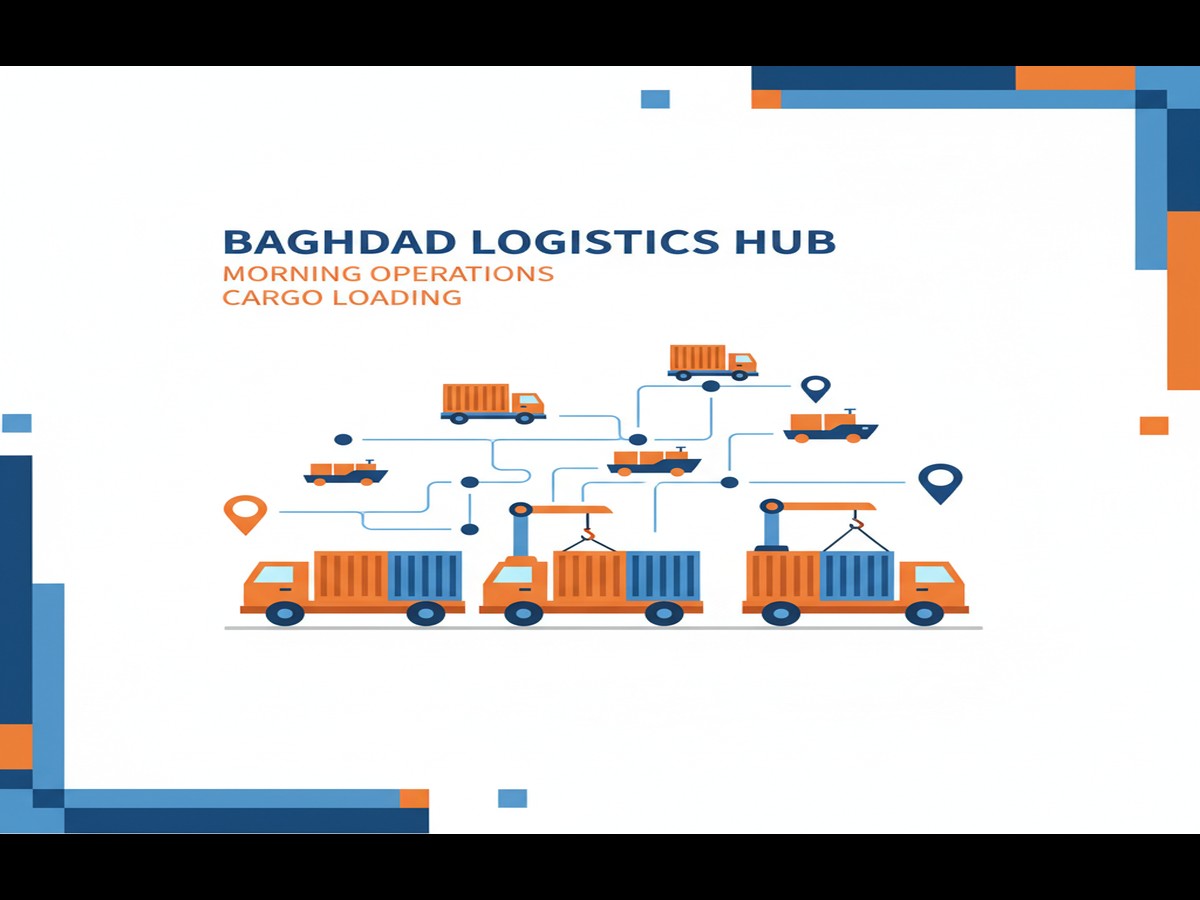
What Is LCL Shipping and How Does It Work for Smaller Cargo Volumes?
Navigating the complexities of FCL and LCL shipping is crucial for optimizing supply chains into Iraq. LCL, or Less than Container Load, is a logistics solution where your cargo shares space with other shippers’ goods inside a single container. This method is ideal when your shipment volume is too small to justify the cost of a full container. Therefore, LCL provides a scalable and efficient entry point into the global container market, which reached a staggering USD 11.29 billion in 2025.
The process begins when a freight forwarder consolidates multiple LCL shipments at a warehouse. Once the container is full, it is transported to its destination port, such as Iraq’s vital Umm Qasr port. Upon arrival, the cargo is de-consolidated, and individual shipments are cleared through customs. Understanding the fundamental LCL vs FCL container differences is the first step for businesses aiming to streamline their logistics operations and reduce unnecessary expenses in this dynamic market.
Key Advantages of LCL Shipping for Small to Medium-Sized Businesses
For small and medium-sized enterprises (SMEs), the primary advantage of FCL and LCL shipping, specifically LCL, is significant cost savings on smaller freight volumes. Instead of paying for an entire container, you only pay for the space your goods occupy. This model is particularly effective for shipments between 2 and 13 cubic meters (CBM), where LCL can be 20-40% cheaper than its FCL counterpart. Additionally, this flexibility allows businesses to ship more frequently, reducing inventory holding costs and improving cash flow.
Moreover, LCL supports emerging trends in the Iraqi market. For example, LCL demand is projected to rise by 12% for e-commerce goods entering via the Mehran border. This method also aligns with global sustainability goals, as consolidated shipping reduces empty container runs by 20-30%. This efficiency is critical for hubs like Umm Qasr, which manages 3.5 million TEU annually, and supports Iraq’s green logistics initiatives. Choosing the right FCL and LCL shipping strategy is essential for growth.
Cost-Effectiveness and Flexibility of Shared Container Shipping Solutions
The cost-effectiveness of FCL and LCL shipping hinges on shipment volume. LCL is priced per cubic meter, with typical rates ranging from $50 to $80 per CBM. This variable pricing model offers immense flexibility for businesses that do not have enough cargo to fill a 20ft or 40ft container. However, it’s crucial to understand the break-even point. Research shows that once a shipment exceeds 13-15 CBM, FCL often becomes the more economical choice due to its fixed pricing structure.
This flexibility is vital for importers using routes from Turkey through the Ibrahim Khalil border crossing into Kurdistan. While LCL provides cost benefits for smaller loads, businesses must weigh this against transit times, as FCL is typically 7-10 days faster. The global market for FCL and LCL shipping is projected to reach USD 12.5 billion by 2030, driven by a Middle East growth rate of 7.2%. Ultimately, a balanced approach to FCL and LCL shipping, alongside options like Air Freight Iraq, is key to navigating Iraq’s evolving logistics landscape.
Need Reliable Delivery Services?
Get a free quote from Direct Drive Logistic today. Fast, secure, and professional logistics solutions tailored to your needs.
Key Differences Between FCL and LCL Shipping
**Section Title:** Key Differences Between FCL and LCL Shipping
**Section Content:**
Container Utilization, Cost Structures, and Ideal Shipment Volumes Compared
Understanding the differences between FCL and LCL shipping is crucial for optimizing air freight Kurdistan logistics in Iraq. FCL (Full Container Load) is ideal for shipments exceeding 13-15 CBM, as it becomes more cost-effective due to fixed pricing compared to LCL (Less than Container Load), which incurs variable charges. In 2025, FCL 20ft containers are priced between USD 2,000 and USD 3,500, while LCL rates range from USD 50 to USD 80 per CBM, making LCL 20-40% cheaper for shipments between 2-13m³. This shift significantly impacts importers in Iraq, particularly those utilizing the Umm Qasr and Khor Al-Zubair ports.
As a result, businesses in Kurdistan are increasingly adopting LCL for smaller shipments, benefiting from reduced costs while navigating the volatile ocean freight market. However, for larger volumes, the FCL option is preferred due to faster transit times of 28-35 days compared to LCL’s 35-45 days. This efficiency is critical for companies dealing with high-volume goods, especially in regions like Erbil and Sulaymaniyah, where infrastructure improvements are ongoing.
Transit Times, Handling Processes, and Security Implications for Your Cargo
Transit times are a significant factor when considering FCL and LCL shipping. FCL offers quicker delivery, which is essential for businesses needing timely restocking of goods. With a transit time of 28-35 days, FCL shipments can be crucial for sectors that rely on just-in-time inventory systems. In contrast, LCL takes longer, impacting supply chain efficiency. Furthermore, handling processes differ; FCL shipments undergo fewer handling steps, reducing the risk of damage.
Security is another critical consideration. While FCL shipments minimize exposure to handling errors, LCL shipments are often consolidated, potentially increasing the risk of theft or damage. According to recent market data, Iraq’s logistics sector is projected to reach USD 12.5 billion by 2030, emphasizing the need for robust security measures in cargo handling. Additionally, regulations like Iraq Customs Law No. 113 require detailed HS code declarations for both FCL and LCL, reinforcing the importance of compliance in logistics operations.
Flexibility, Control, and Supply Chain Management for Varied Business Needs
Flexibility in shipping options is vital for businesses with varying cargo needs. LCL shipping allows for smaller shipments, which is advantageous for small to medium enterprises (SMEs) exporting goods from Iraq. The demand for LCL is expected to rise by 12% due to the increasing e-commerce activities via the Mehran border. This enables businesses to manage cash flow better, avoiding the high costs associated with unused container space in FCL shipping.
On the other hand, FCL offers greater control over the shipment process, making it suitable for high-value or sensitive cargo. The reduced number of handling processes associated with FCL ensures that businesses can maintain higher security standards. Therefore, understanding the nuances of FCL and LCL shipping is essential for effective supply chain management in the region.
Fcl And Lcl Shipping When to Choose FCL Shipping
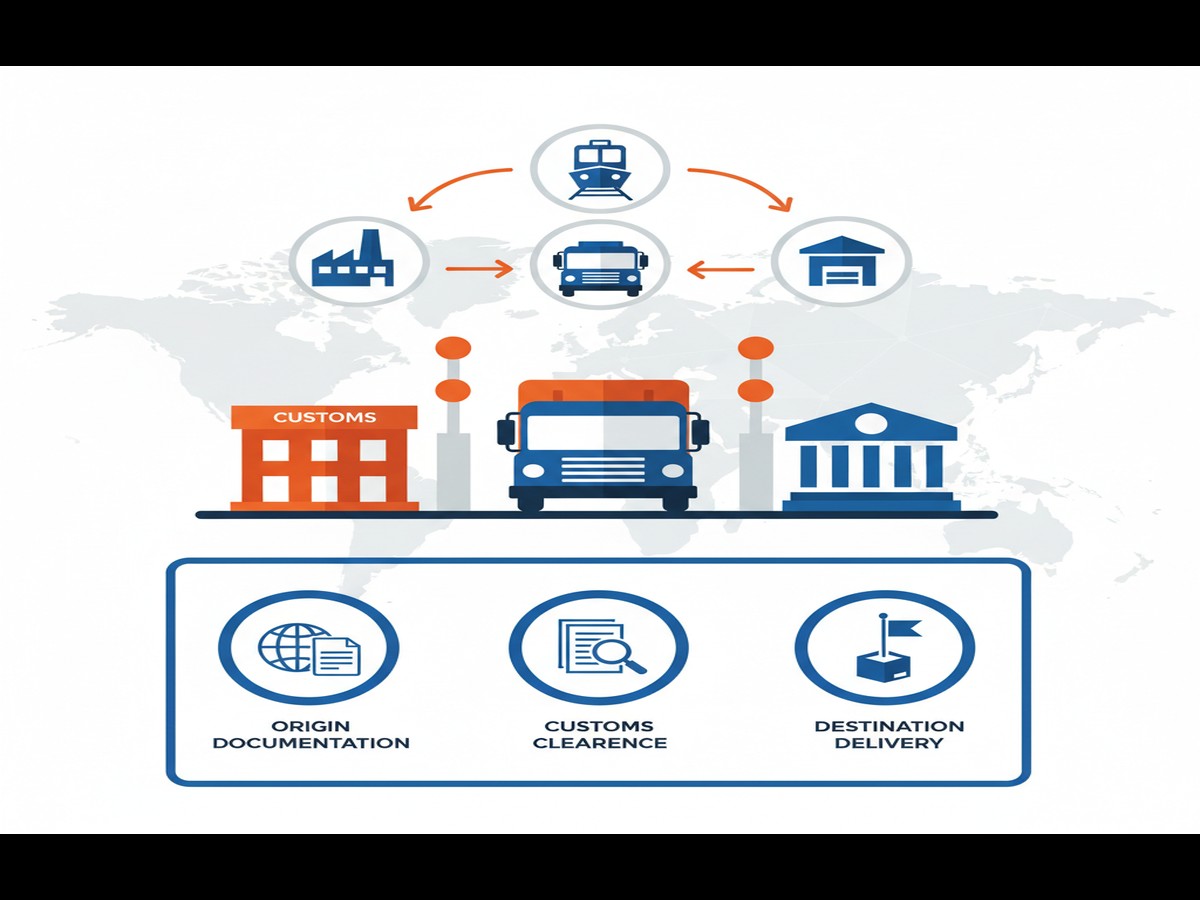
Large Volume Shipments: When You Need to Transport Substantial Quantities of Goods
When considering FCL and LCL shipping, large volume shipments often necessitate the use of Full Container Load (FCL) options. For example, shipments exceeding 13-15 CBM are generally more cost-effective with FCL due to fixed pricing structures. This is particularly important given that FCL transit times are typically 7-10 days faster than Less than Container Load (LCL) shipments, making the total transit time 28-35 days for FCL compared to 35-45 days for LCL [2][6]. Therefore, businesses in sea freight Iraq looking to optimize logistics for high-volume goods, especially oil-related products, are increasingly opting for FCL to streamline their supply chain.
In Iraq, importers can leverage this trend by using ports like Umm Qasr, which saw a 15% increase in container volumes in 2023. This aligns with the growing demand for FCL due to its efficiency in handling bulk shipments. Additionally, the recent rise in global container volumes by 6.2% CAGR to reach a market size of USD 11.29 billion in 2025 underscores the importance of selecting the right shipping method based on volume needs [8][9]. For businesses focused on substantial quantities, choosing FCL can provide significant savings in both time and costs.
High-Value or Fragile Cargo: Ensuring Maximum Protection and Minimal Handling Risk
For high-value or fragile cargo, FCL and LCL shipping choices can significantly affect the overall safety and handling of goods. FCL shipping offers a lower risk of damage compared to LCL, as the cargo is not consolidated with other shipments, reducing handling requirements. As the demand for eco-friendly logistics rises, many businesses are also considering sustainability. In fact, LCL shipping can reduce empty container runs by 20-30% compared to FCL, which aligns with global emissions reduction goals for 2025 [3][5].
Moreover, companies dealing with high-value items should consider that while FCL might have a higher initial cost, the potential savings from reduced damage and losses can offset this expense. Therefore, businesses that prioritize the protection of their cargo are likely to benefit from utilizing FCL services, especially for routes connecting to key trade hubs in Iraq such as Basra and Erbil.
Long-Distance International Shipping: Optimizing Cost-Effectiveness for Extensive Cargo Transportation
When engaging in long-distance international shipping, the decision between FCL and LCL shipping becomes crucial. FCL is particularly advantageous for extensive cargo transportation, especially given the anticipated growth of the FCL/LCL market projected to reach USD 12.5 billion by 2030, with a CAGR of 5.8% [7]. This growth is driven by infrastructure improvements in the Kurdistan region, including enhanced capabilities at Erbil International Airport.
Additionally, the evolving regulatory landscape, such as the recent amendments to Iraq’s Customs Law requiring detailed HS code declarations, makes it essential for shippers to choose the right shipping method. FCL can simplify compliance as it involves fewer transactions and customs clearances compared to LCL [4]. For businesses looking to optimize their logistics and reduce costs over long distances, FCL shipping is often the best choice.
For more insights into the dynamics of ocean freight, consider reading about ocean freight rates and how they can impact your shipping decisions.
When to Choose LCL Shipping
Key Aspects of When to Choose LCL Shipping
When considering FCL and LCL shipping, it’s essential to evaluate shipment volume and cost efficiency. Sea freight Iraq is particularly beneficial for shipments ranging from 2-13m³, where costs can be 20-40% lower, with rates between $50–$80 per CBM. In contrast, FCL (Full Container Load) rates for 20ft containers range from $2,000–$3,500, and 40ft containers from $3,500–$6,000 in 2025, making LCL a more appealing option for smaller loads. According to [Cubic](https://www.gocubic.io/blog/ocean-freight-rates-in-2025-what-shippers-need-to-know), this shift is particularly advantageous for Iraqi importers using Umm Qasr and Khor Al-Zubair ports.
Additionally, businesses in Kurdistan can take advantage of LCL for non-full loads from Turkey’s Ibrahim Khalil border, optimizing costs while maintaining flexibility. Furthermore, the reduced risk of empty container runs by 20-30% compared to FCL presents an environmental benefit, aligning with global sustainability goals. Therefore, LCL shipping is ideal for small to medium enterprises looking to minimize costs and adhere to eco-friendly practices.
Best Practices for When to Choose LCL Shipping
To maximize the advantages of FCL and LCL shipping, it’s crucial to follow best practices. Firstly, accurately assess your shipment volume. For loads under 13-15 CBM, LCL is generally more economical, but anything larger tends to favor FCL due to fixed pricing. Companies can save significantly on transportation costs by consolidating shipments. For instance, businesses in Erbil and Sulaymaniyah are increasingly opting for FCL for bulk oil-related goods, which can optimize their logistics and reduce hidden LCL fees.
Furthermore, keeping abreast of regulatory changes, such as Iraq Customs Law No. 113 requiring HS code declarations, can streamline the shipping process. As the global container market is projected to grow to USD 12.5 billion by 2030, with a CAGR of 5.8%, understanding these trends is vital. For more insights on container shipping, refer to [iContainers](https://www.icontainers.com/help/lcl-vs-fcl/).
Common Challenges in When to Choose LCL Shipping
While LCL offers various advantages, it also comes with challenges. One of the primary issues is the potential for longer transit times, as LCL shipments can take 35-45 days compared to 28-35 days for FCL. This delay can impact supply chain efficiency, especially in fast-paced industries. Additionally, variable costs associated with LCL, such as consolidation and handling fees, can sometimes negate the savings.
Moreover, the increased risk of cargo damage in LCL shipments is a concern for high-value goods. Therefore, it is essential for businesses to weigh the benefits against the potential drawbacks. Iraq maritime shipping is witnessing a 15% increase in container volume at Umm Qasr, understanding these dynamics is crucial for making informed shipping decisions. As the demand for FCL and LCL shipping continues to evolve, keeping informed about market trends can provide a competitive edge.
Cost Comparison: FCL vs. LCL Shipping
Per-Container vs. Per-Volume Pricing: Understanding the Basic Cost Structures
When analyzing FCL and LCL shipping, understanding the cost structures is essential. FCL (Full Container Load) shipping typically has fixed pricing, making it advantageous for larger volumes. For instance, in 2025, a 20ft FCL container is projected to cost between USD 2,000 and USD 3,500, while a 40ft container ranges from USD 3,500 to USD 6,000. In contrast, LCL (Less than Container Load) rates range from USD 50 to USD 80 per CBM, making it 20-40% cheaper for volumes between 2-13m³. This shift toward LCL is particularly beneficial for Iraq importers utilizing the Umm Qasr and Khor Al-Zubair ports, as it allows for flexibility in transporting non-full loads.
Additionally, the growing demand for LCL shipping amid fluctuating ocean freight prices highlights a key trend in logistics. As the Iraq logistics market is projected to reach USD 11.29 billion by 2025, the shift towards LCL shipping methods is evident, particularly for small to medium-sized enterprises (SMEs) seeking cost-effective solutions. For more detailed comparisons on FCL and LCL shipping, industry resources provide further insights.
Hidden Expenses and Additional Fees in FCL and LCL Shipping Methods
In the realm of FCL and LCL shipping, hidden expenses can significantly impact overall costs. For LCL shipments, charges related to consolidation and handling can accumulate, particularly when shipments exceed 13-15 CBM, where FCL becomes more cost-effective. FCL transit times are also faster, averaging 28-35 days compared to LCL’s 35-45 days, providing a logistical advantage for businesses in regions like Erbil and Sulaymaniyah. This is critical for companies optimizing high-volume oil-related goods, especially in light of Iraq’s reconstruction efforts.
Moreover, a recent study indicated that LCL shipping reduces empty container runs by 20-30% compared to FCL. This reduction not only lowers emissions but also supports Iraq’s push for more sustainable logistics solutions. With regulations becoming stricter, understanding these hidden costs is vital for businesses to maintain profitability. For additional insights on shipping methods, consider exploring LCL vs. FCL for comprehensive guidance.
Long-Term Cost Efficiency: When to Choose FCL or LCL for Maximum Savings
Long-term cost efficiency in FCL and LCL shipping depends heavily on shipment volume and frequency. For shipments exceeding 15 CBM, FCL is recommended, as it becomes more economical per unit due to its fixed pricing structure. Conversely, for smaller shipments, LCL remains the preferred option, especially as its demand is projected to rise by 12% for e-commerce via the Mehran border by 2030.
The FCL/LCL market is anticipated to reach USD 12.5 billion by 2030, growing at a 5.8% CAGR, driven by improvements in Kurdistan’s infrastructure, such as the Erbil International Airport air cargo flights. Therefore, businesses must analyze their shipping needs carefully to choose the most cost-effective method while considering both immediate and future logistics requirements.
Frequently Asked Questions
▼ What is FCL and LCL shipping?
Fcl And Lcl Shipping refers to specialized logistics services that facilitate the transportation and delivery of goods in the Iraq and Kurdistan region. This encompasses a comprehensive range of supply chain solutions including customs clearance, warehousing, distribution, and last-mile delivery. Our services are designed to meet the unique challenges of operating in this dynamic market, providing businesses with reliable and efficient logistics support.
▼ Why is FCL and LCL shipping important for businesses?
Understanding FCL and LCL shipping is crucial for businesses operating in Iraq and Kurdistan because it directly impacts operational efficiency, cost management, and customer satisfaction. Effective logistics solutions help companies navigate complex regulatory requirements, optimize supply chain operations, reduce transit times, and ensure reliable delivery schedules. In a competitive market, having the right logistics partner can mean the difference between success and failure in reaching your business goals.
▼ How to get started with FCL and LCL shipping?
Getting started with FCL and LCL shipping requires a clear understanding of your specific business needs, shipping volumes, and delivery timelines. First, assess your current logistics challenges and identify areas for improvement. Then, consult with experienced logistics providers who have proven expertise in the Iraq and Kurdistan market. They can help you develop a customized solution that addresses your unique requirements, whether that's air freight, ground transportation, warehousing, or integrated supply chain management.
▼ What are the costs involved in FCL and LCL shipping?
Costs for logistics services in Iraq and Kurdistan vary depending on several factors including shipment size, weight, destination, delivery urgency, and any special handling requirements. Pricing typically includes transportation fees, customs clearance charges, warehousing costs, and insurance. For accurate pricing tailored to your specific needs, contact our logistics team for a detailed quote. We offer competitive rates and transparent pricing with no hidden fees, ensuring you get the best value for your investment.
Conclusion
In summary, understanding the nuances of FCL and LCL shipping is crucial for optimizing your supply chain and controlling your logistics costs. FCL offers the advantage of dedicated container space and potentially faster transit times, while LCL provides a cost-effective solution for smaller shipments by consolidating them with others. Ultimately, the best choice depends on your specific cargo volume, budget, and timeline.
At Direct Drive Logistics, we possess the expertise and resources to guide you through the complexities of FCL and LCL shipping, ensuring you make the most informed decision for your business needs. Our team provides tailored solutions, transparent pricing, and reliable service across Iraq, helping you streamline your shipping processes and achieve your logistical goals.
Don't let the intricacies of FCL and LCL shipping slow you down. Contact Direct Drive Logistics today for a personalized consultation and discover how we can optimize your shipping strategy and provide you with a competitive edge. Let us handle the logistics, so you can focus on what you do best – growing your business. Reach out to us now and experience the Direct Drive Logistics difference.
Ready to streamline your global shipping with reliable FCL and LCL solutions? Unlock cost-effective, efficient freight transportation by connecting with Direct Drive Logistics today – call **(+964) 750 953 9899** to discuss how we can optimize your international shipping strategy and reduce your logistics complexity.
📞 Contact Us for a Consultation
Location
Direct Drive Logistic
MRF Quattro towers, Block A-29-1
Erbil, Kurdistan Region