
Transporting Goods To Southern Iraq – Complete Guide…

Discover how transporting goods to southern iraq can transform your logistics operations with this article will provide an expert-driven, actionable guide to navigating the complexities of logistics in southern iraq, emphasizing practical solutions for compliance, security, and operational efficiency. Southern Iraq, a region of immense strategic significance, serves as a critical economic artery for the nation, fueled by its vast oil reserves, burgeoning reconstruction projects, and a growing consumer market. For businesses looking to expand their footprint in the Middle East, understanding the nuances of its supply chain is not merely an operational necessity but a cornerstone of competitive advantage. The ability to efficiently and securely deliver cargo to this vital area directly impacts project timelines, market penetration, and ultimately, profitability. Navigating this landscape requires more than just moving freight; it demands a deep understanding of geopolitical factors, local regulations, and infrastructural capabilities. Ensuring supply chain resilience, which is the ability of a supply chain to withstand and recover from disruptions, ensuring continuity of operations and timely delivery of goods even in challenging environments, is paramount when operating in dynamic regions like Southern Iraq. This introduction sets the stage for a comprehensive exploration, designed to equip logistics professionals, supply chain managers, and business owners with the insights needed to master the art of transporting goods to southern iraq.
This comprehensive guide explores transporting goods to southern iraq through multiple perspectives, delving into its strategic importance for international trade and development. We’ll dissect Southern Iraq’s critical role in the global logistics network, examining why its stability and accessibility are vital for regional economic growth and international investment. Our focus will then shift to the foundational elements of any successful operation: the Key Logistics Hubs and Entry Points in Southern Iraq. We will provide an in-depth look at Basra, a historical and commercial powerhouse, and Umm Qasr Port, Iraq’s primary deep-water port, which serves as the maritime gateway for the majority of cargo entering the country. Understanding the intricacies of these hubs is crucial for optimizing routes and minimizing transit times. Subsequently, the article will confront the reality of Navigating the Unique Challenges of Transporting Goods to Southern Iraq, addressing issues ranging from infrastructure limitations and regulatory hurdles to security considerations that demand robust planning and execution. A significant portion will demystify Essential Customs Regulations and Documentation for Iraqi Shipments, ensuring readers are well-versed in complex compliance requirements. This includes mastering customs clearance, the process of preparing and submitting documentation required to import or export goods into or out of a country, ensuring compliance with local laws and regulations before cargo can proceed, which is a critical step for all international shipments to Iraq. We will also explore the indispensable Bill of Lading (B/L), a legal document issued by a carrier to a shipper, detailing the type, quantity, and destination of goods being shipped, serving as a contract of carriage and receipt for goods, essential for sea freight to Umm Qasr. These sections are designed to transform potential obstacles into manageable steps, offering practical advice and best practices for seamless operations.
Building on this foundational understanding, our guide will then transition to specific transport modalities, offering detailed insights into Sea Freight Options: Leveraging Umm Qasr Port for Southern Iraq Deliveries, outlining optimal routes and procedures for efficiency and cost-effectiveness. For inland movement, we will analyze Overland Transport Routes: Road Networks and Border Crossings into Southern Iraq, providing crucial information on key corridors, border procedures, and trucking solutions. For time-sensitive cargo, Air Cargo Solutions for Time-Sensitive Shipments to Southern Iraq will offer a comprehensive overview of air freight options, facilities, and express delivery services. Throughout these discussions, Ensuring Security and Risk Mitigation in the Southern Iraq Supply Chain will be paramount, covering strategies for cargo protection, personnel safety, and contingency planning. Furthermore, we will guide you through Selecting the Right Logistics Partner for Southern Iraq Operations, emphasizing criteria for choosing experienced local and international freight forwarders who possess the expertise to navigate regional challenges. Optimizing Your Supply Chain for Efficiency and Cost-Effectiveness in Southern Iraq will delve into strategies for lean logistics, inventory management, and route optimization, ensuring greater profitability. We’ll also examine intermodal transport, the movement of goods using two or more modes of transport (e.g., sea and road) under a single contract, without handling the goods themselves when changing modes, an approach often optimizing efficiency for complex routes to inland destinations. Finally, real-world Case Studies: Successful Transport Projects to Southern Iraq will provide tangible examples and lessons learned, culminating in a forward-looking perspective on the Future Outlook: Developments and Opportunities in Southern Iraq Logistics. Whether you’re a seasoned logistics professional seeking to refine your strategies or a business owner venturing into this promising market for the first time, you’ll gain actionable insights to enhance your operations and confidently master the complexities of transporting goods to southern iraq. This article is your definitive resource for transforming logistical challenges into strategic advantages in one of the Middle East’s most dynamic regions.
Understanding the Strategic Importance of Southern Iraq for Logistics
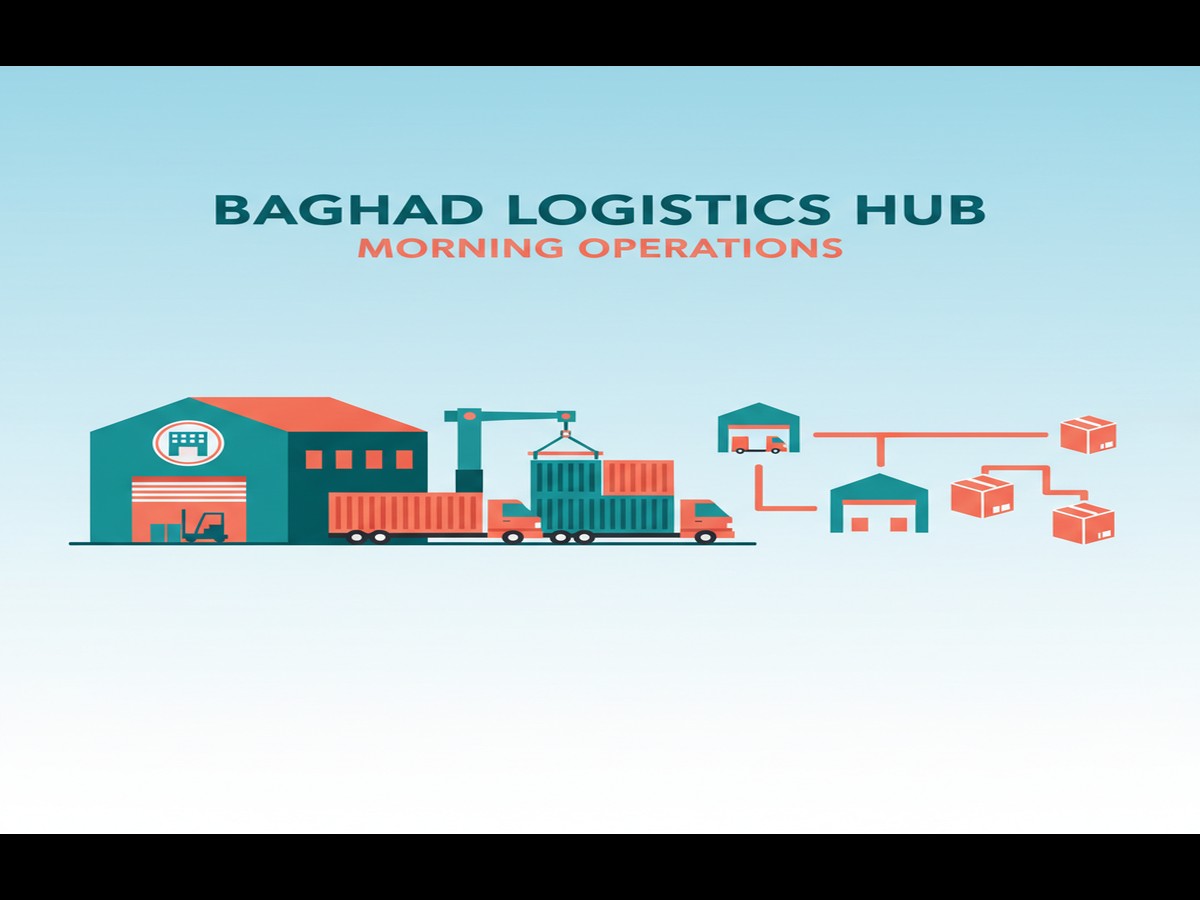
Southern Iraq: The Primary Maritime Gateway to the Wider Iraqi Market
Understanding the strategic importance of southern Iraq for logistics is crucial for any business looking to operate in the region. The southern region, encompassing Basra, Umm Qasr, and Al Faw, stands as the unequivocal core of Iraq’s logistics market. The overall Iraqi logistics and freight market was valued at a significant USD 7.24 billion in 2023. Additionally, it is projected to expand to USD 11.3 billion by 2031, demonstrating a robust 6.3% CAGR from 2024–2031, with the southern region set to dominate this growth, according to [Verified Market Research].
The region’s dominance is largely driven by its pivotal role in oil exports. Approximately 80% of Iraq’s oil exports are channeled through southern terminals near Basra. For instance, the Basra Oil Terminal alone boasts a 1.8 million bpd loading capacity. This creates consistent, high demand for specialized heavy-lift, project cargo, and oil & gas-related logistics services. Furthermore, Umm Qasr Port reinforces this gateway status by handling more than 60% of Iraq’s marine freight traffic.
Key Ports and Intermodal Connectivity Driving Regional Trade Expansion
The landscape for transporting goods to is undergoing a transformative shift. Mega-port and corridor projects are reshaping sea-land connectivity. The ambitious Al Faw Grand Port, situated near Basra, is a prime example. This port is planned to achieve a massive 3.5 million TEU design capacity by 2025. It will feature 99 berths across 54 km², with a first-phase investment estimated at approximately USD 2.7 billion, as reported by [Mordor Intelligence].
Additionally, the associated Development Road corridor, linking Basra to Turkey, promises to revolutionize intermodal flows. Freight capacity on this crucial corridor is modeled to reach 40 million tons by 2050. Therefore, these projects are designed to position southern Iraq as a vital Gulf-to-Levant pivot. They will allow shippers to bypass alternative ports, directly impacting routing decisions for cargo into Basra, Nasiriyah, and for transportation in Kurdistan, according to [Mordor Intelligence] and [AHK Iraq]. Consequently, the efficiency and directness of transporting goods to will significantly improve. This diversification extends beyond oil, as manufacturing, retail, and agri-value-chain projects around Basra and Umm Qasr increasingly diversify cargo types. This evolution ensures a broader range of logistics needs for transporting goods to and beyond.
Transporting Goods To Southern Iraq Key Logistics Hubs and Entry Points in Southern Iraq (Basra, Umm Qasr Port)
Key Aspects of Southern Iraq’s Dominant Logistics Hubs
Successfully transporting goods to southern Iraq hinges on understanding its primary logistics gateways. The southern region, encompassing Basra, Umm Qasr, and Al Faw, stands as the undisputed core of Iraq’s logistics and freight market. In 2023, Iraq’s overall logistics & freight market was valued at a significant USD 7.24 billion, with projections indicating a rise to USD 11.3 billion by 2031, growing at a robust 6.3% CAGR from 2024 to 2031, according to [Verified Market Research]. The southern region is expected to dominate this impressive growth.
Umm Qasr Port is particularly vital, handling more than 60% of Iraq’s marine freight traffic with an annual container capacity of approximately 1.8 million TEU, making it the essential sea gateway for goods destined for Basra, Dhi Qar, and Maysan [Verified Market Research]. Additionally, around 80% of Iraq’s oil exports move through southern terminals near Basra, including the Basra Oil Terminal, which boasts a 1.8 million bpd loading capacity. Therefore, businesses involved in transporting goods to southern Iraq, especially for oil & gas projects, must prioritize these established hubs.
Mega-Projects and Diversifying Cargo for Southern Iraq Logistics
The landscape for transporting goods to southern Iraq is undergoing a transformative shift due to ambitious infrastructure projects. The Al Faw Grand Port, situated near Basra, is a cornerstone of this development. It is planned to achieve a 3.5 million TEU design capacity by 2025, featuring 99 berths spread across 54 km² and representing a first-phase investment of about USD 2.7 billion [Mordor Intelligence]. This mega-port, along with the ambitious Development Road corridor connecting Basra to Turkey, will significantly enhance sea–land connectivity and establish new trade routes in Iraq.
Freight capacity on Iraq’s Development Road is modeled to reach 40 million tons by 2050, underpinning future intermodal flows from southern ports to inland Iraq, Mosul, and the Turkish border [Mordor Intelligence]. These projects will enable shippers to bypass Iranian and Kuwaiti ports, positioning southern Iraq as a strategic Gulf-to-Levant pivot. Consequently, this directly impacts routing decisions for transporting goods to southern Iraq, including Basra and Nasiriyah, and further north. Furthermore, while oil & gas still dominate, manufacturing, retail, and agri/value-chain projects around Basra and Umm Qasr are diversifying cargo types and logistics needs, signaling a broader economic base for the region.
Best Practices and Challenges for Transporting Goods to Southern Iraq
Navigating the logistics of transporting goods to southern Iraq requires specific best practices and an awareness of common challenges. Firstly, partnering with experienced local logistics providers is crucial for understanding regional regulations, customs procedures, and cultural nuances. These partners often possess invaluable on-the-ground intelligence, which can streamline operations significantly. Additionally, robust security protocols are paramount given the dynamic regional environment. For instance, detailed route planning and convoy management are often necessary for high-value or sensitive cargo.
However, challenges persist despite ongoing infrastructure improvements. While projects like Al Faw Grand Port promise future efficiency, existing infrastructure, particularly road networks beyond major arteries, can still pose difficulties. Customs clearance processes can also be complex and require diligent preparation and documentation. Therefore, proactive communication and detailed planning are essential when transporting goods to southern Iraq. Utilizing data-driven insights into Iraq’s logistics market trends can further optimize supply chain strategies, ensuring efficient and secure delivery.
Navigating the Unique Challenges of Transporting Goods to Southern Iraq
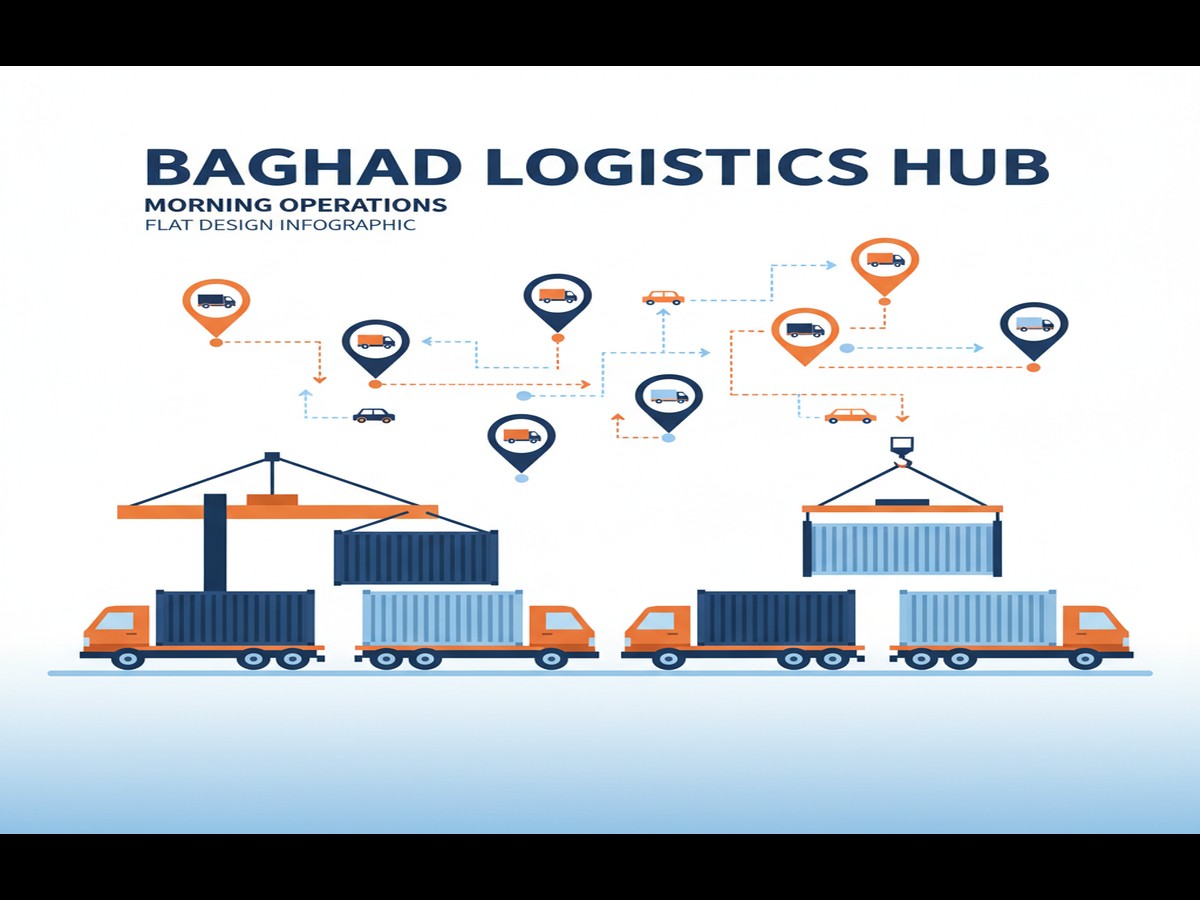
Overcoming Infrastructure Deficiencies and Road Network Limitations in Southern Iraq
Transporting goods to southern Iraq presents a unique set of infrastructure challenges, despite the region’s burgeoning economic importance. The southern area, encompassing Basra, Umm Qasr, and Al Faw, is the undeniable core of Iraq’s logistics market. 3 billion by 2031, demonstrating a robust 6.3% CAGR from 2024 to 2031 [Verified Market Research]. Therefore, current infrastructure must handle significant growth.
However, existing road networks, particularly for heavy-lift and project cargo, often struggle under the volume. Around 80% of Iraq’s oil exports, for instance, move through southern terminals near Basra, including the Basra Oil Terminal with its 1.8 million bpd loading capacity [Verified Market Research]. This constant demand for heavy equipment and O&G-related logistics places immense strain on roads not always built for such intense usage. Consequently, navigating these limitations is crucial for Iraq local transportation.
Umm Qasr Port, handling over 60% of Iraq’s marine freight traffic with an annual container capacity of about 1.8 million TEU, serves as the primary sea gateway [Verified Market Research]. While mega-projects like the Al Faw Grand Port, planned to have a 3.5 million TEU design capacity by 2025 with a first-phase investment of approximately USD 2.7 billion [Mordor Intelligence], promise future improvements, current ground infrastructure around these hubs still poses bottlenecks. Additionally, the Development Road corridor, modeled to reach 40 million tons of freight capacity by 2050 [Mordor Intelligence], highlights future aspirations rather than present-day ease for transporting goods to southern Iraq.
Addressing Security Concerns and Ensuring Safe Passage
Beyond infrastructure, security remains a critical consideration for logistics operations in the region. Although the overall security landscape has improved significantly, ensuring safe passage for cargo, especially high-value or sensitive shipments, requires meticulous planning and local expertise. Therefore, direct and reliable intelligence on route conditions is indispensable for companies engaged in Iraq local transportation.
Moreover, the shift from oil-only to multi-sector logistics demand, including manufacturing, retail, and agri-value chains around Basra and Umm Qasr, introduces new types of cargo and, potentially, varied security profiles. Consequently, logistics providers must adapt their security protocols to a broader range of goods and destinations within the southern provinces. This diversification necessitates a proactive and flexible approach to risk management.
Ultimately, mitigating security risks for transporting goods to southern Iraq involves more than just armed escorts. It requires comprehensive route assessments, secure staging areas, advanced tracking technologies, and strong relationships with local authorities and communities. Experienced logistics partners, well-versed in the specific nuances of the southern Iraqi environment, are paramount to guaranteeing the integrity and timely delivery of shipments.
Need Reliable Delivery Services?
Get a free quote from Direct Drive Logistic today. Fast, secure, and professional logistics solutions tailored to your needs.
Essential Customs Regulations and Documentation for Iraqi Shipments
Key Aspects of Essential Customs Regulations and Documentation for Iraqi Shipments
When transporting goods to southern Iraq, navigating the intricate customs landscape is paramount for seamless operations. Iraq’s logistics and freight market, valued at USD 7.24 billion in 2023, is projected to surge to USD 11.3 billion by 2031 at a 6.3% CAGR [Verified Market Research (2024)]. Therefore, understanding the specific documentation, including commercial invoices, packing lists, certificates of origin, and bills of lading, is critical. Additionally, all goods must comply with Iraqi standards and import restrictions. For instance, certain items require pre-shipment inspection from accredited agencies. This stringent regulatory environment ensures that all cargo entering the country, especially through key hubs like Umm Qasr Port, adheres to national guidelines.
Umm Qasr Port alone handles more than 60% of Iraq’s marine freight traffic, processing around 1.8 million TEU annually [Verified Market Research (2024)]. Consequently, meticulous preparation of customs documentation is not merely a formality; it is a necessity to avoid delays and penalties. Moreover, the upcoming Al Faw Grand Port, planned to achieve 3.5 million TEU design capacity by 2025 [Mordor Intelligence (2024)], will further amplify the need for efficient customs processing. This port’s significant investment of approximately USD 2.7 billion in its first phase highlights the scale of future trade. Proper documentation is essential for goods destined for this expanding infrastructure. Understanding the broader Iraq logistics market is crucial for compliance.
Best Practices for Essential Customs Regulations and Documentation for Iraqi Shipments
To ensure smooth customs clearance when transporting goods to southern Iraq, adopting best practices is indispensable. Firstly, engage with an experienced local regional logistics partner who possesses in-depth knowledge of Iraqi customs laws and local nuances. This expertise can significantly expedite the process. Secondly, ensure all documentation is accurate, complete, and consistent across all forms. Discrepancies, even minor ones, can lead to significant delays and potential fines. Additionally, pre-clearance procedures, where possible, can greatly reduce transit times. Therefore, proactive communication with customs brokers and relevant authorities is vital. This approach minimizes unexpected issues at the border or port.
Furthermore, staying updated on the latest regulatory changes is paramount. Iraqi customs regulations can evolve, particularly with the country’s economic diversification beyond oil. While 80% of Iraq’s oil exports move through southern terminals near Basra [Verified Market Research (2024)], the market is diversifying. Therefore, goods for manufacturing, retail, and agricultural projects around Basra and Umm Qasr now require specific attention. Having digital copies of all documents readily available also aids in quick submission and retrieval. This proactive stance ensures that your cargo, whether it’s heavy-lift for oil & gas or general freight, clears customs efficiently. Such diligence is key for successful manufacturing security in the region.
Common Challenges in Essential Customs Regulations and Documentation for Iraqi Shipments
Despite best efforts, several common challenges can arise when transporting goods to southern Iraq. One primary hurdle is the frequent changes in customs tariffs and import duties, which can impact landed costs unexpectedly. Another challenge involves inconsistent interpretation of regulations across different customs offices or even individual officers. This can lead to varying requirements for similar shipments. Therefore, maintaining flexibility and having contingency plans is crucial. Additionally, cultural and language barriers can sometimes complicate communication during the clearance process. However, a reliable local partner can bridge these gaps effectively.
Lack of transparency in certain processes can also pose a challenge, making it difficult to predict timelines accurately. This unpredictability can affect supply chain planning for businesses relying on timely deliveries into southern Iraq. Furthermore, ensuring all necessary certifications, particularly for specialized goods or those with dual-use potential, can be complex and time-consuming. These certifications are critical for compliant fulfillment and last-mile. Therefore, early preparation and meticulous verification of all documents against current requirements are essential. Overcoming these challenges ensures that transporting goods to southern Iraq remains a streamlined and successful endeavor for your business.
Transporting Goods To Southern Iraq Sea Freight Options: Leveraging Umm Qasr Port for Southern Iraq Deliveries
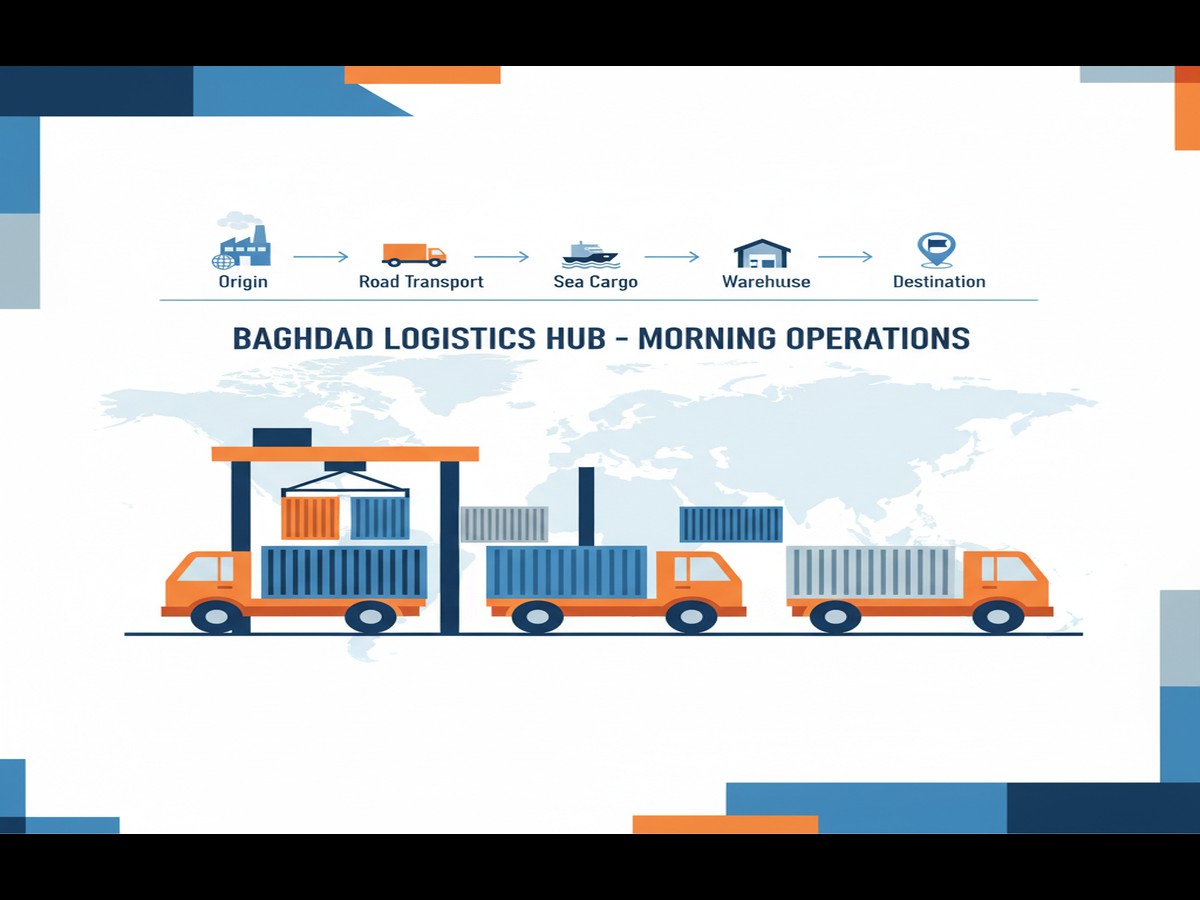
Key Aspects of Sea Freight Options: Leveraging Umm Qasr Port for Southern Iraq Deliveries
When transporting goods Iraq, leveraging Umm Qasr Port stands as the most critical sea freight option. This vital gateway handles more than 60% of Iraq’s marine freight traffic, according to [Verified Market Research]. Therefore, it is the primary sea entry point for cargo destined for Basra, Dhi Qar, and Maysan. The port’s annual container capacity is approximately 1.8 million TEU, underscoring its significant role in the region’s supply chain.
Iraq’s overall logistics and freight market was valued at USD 7.24 billion in 2023. It is projected to reach USD 11.3 billion by 2031, growing at a 6.3% CAGR from 2024–2031 [Verified Market Research]. The southern region, anchored by Umm Qasr and Basra, is expected to dominate this expansion. Additionally, the planned Al Faw Grand Port, with a 3.5 million TEU design capacity by 2025 and 99 berths over 54 km², will further enhance sea freight capabilities near Basra, offering new routes for transporting goods to southern Iraq.
Best Practices for Sea Freight Options: Leveraging Umm Qasr Port for Southern Iraq Deliveries
Optimizing sea freight operations through Umm Qasr requires strategic planning. Firstly, engaging with experienced logistics partners is crucial. They possess the local knowledge necessary to navigate port procedures efficiently. Moreover, understanding the cargo types is vital; while oil & gas still dominate, handling diverse cargo for manufacturing, retail, and agri-value chains is increasing around Basra and Umm Qasr. This shift diversifies logistics needs.
Secondly, consider the impact of mega-projects like the Development Road corridor. This Basra–Turkey route is modeled to reach 40 million tons of freight capacity by 2050, according to [Mordor Intelligence]. Therefore, it will underpin future intermodal flows from southern ports. These projects enable shippers to bypass Iranian/Kuwaiti ports, positioning southern Iraq as a Gulf-to-Levant pivot. This directly impacts routing decisions for efficiently transporting goods Iraq and beyond. For more insights into the broader market, explore the Iraq logistics market.
Common Challenges in Sea Freight Options: Leveraging Umm Qasr Port for Southern Iraq Deliveries
Despite its strategic importance, challenges exist when transporting goods to southern Iraq via Umm Qasr. Customs clearance processes can be complex and time-consuming. Additionally, infrastructure limitations outside the immediate port area might impact onward distribution. However, continuous investments in port expansion and supporting infrastructure, such as the USD 2.7 billion first-phase investment in Al Faw Grand Port, aim to mitigate these issues [Mordor Intelligence].
Security considerations and regulatory changes also present ongoing challenges. Therefore, selecting a logistics provider with robust local networks and up-to-date information is paramount. Direct Drive Logistics offers the expertise to navigate these complexities, ensuring reliable and efficient delivery of your cargo. Our experience in the region helps streamline the process of transporting goods to southern Iraq, turning potential obstacles into manageable logistics solutions.
Overland Transport Routes: Road Networks and Border Crossings into Southern Iraq
Key Aspects of Overland Transport Routes: Road Networks and Border Crossings into Southern Iraq
Effectively transporting goods to southern Iraq relies heavily on its evolving overland transport routes. This vital region, encompassing Basra, Umm Qasr, and Al Faw, forms the core of Iraq’s logistics market. The overall Iraqi logistics and freight market was valued at **USD 7.24 billion in 2023**. Furthermore, it is projected to reach **USD 11.3 billion by 2031**, growing at a **6.3% CAGR** from 2024 to 2031, with the southern region set to dominate this expansion, according to [Verified Market Research].
Umm Qasr Port, a primary sea gateway, handles more than **60% of Iraq’s marine freight traffic**. It boasts an annual container capacity of about **1.8 million TEU**, making it indispensable for goods moving into Basra, Dhi Qar, and Maysan [Verified Market Research]. Additionally, approximately **80% of Iraq’s oil exports** pass through southern terminals near Basra, including the Basra Oil Terminal, which has a **1.8 million bpd loading capacity**. This robust oil activity consistently generates high demand for heavy-lift and project cargo logistics. Therefore, understanding these key hubs is crucial for any overland operation.
Best Practices for Overland Transport Routes: Road Networks and Border Crossings into Southern Iraq
Strategic planning is paramount when transporting goods to southern Iraq. The region is undergoing significant transformation with mega-port and corridor projects. For instance, the Al Faw Grand Port, located near Basra, is planned to feature a **3.5 million TEU design capacity by 2025**. This ambitious project involves **99 berths over 54 km²** and a first-phase investment of about **USD 2.7 billion** [Mordor Intelligence]. Consequently, this will dramatically enhance sea-land connectivity.
Moreover, the Development Road corridor, linking Basra to Turkey, is modeled to achieve a freight capacity of **40 million tons by 2050** [Mordor Intelligence]. These infrastructure developments will allow shippers to bypass alternative regional ports, positioning southern Iraq as a pivotal Gulf-to-Levant trade route [Mordor Intelligence, AHK Iraq]. Therefore, integrating these future routes into logistics strategies will optimize efficiency and reduce transit times. Furthermore, while oil and gas still dominate, the market is diversifying. Manufacturing, retail, and agri-value chain projects around Basra and Umm Qasr are creating new cargo types and specialized logistics demands.
Common Challenges in Overland Transport Routes: Road Networks and Border Crossings into Southern Iraq
Despite the promising growth, certain challenges persist for transporting goods to southern Iraq. Infrastructure, while improving, can still present varying conditions across different segments of the road network. This necessitates thorough route assessments. Additionally, navigating border crossings, particularly for transportation from Iran, requires meticulous documentation and adherence to local regulations. Therefore, working with experienced local partners is essential to streamline these processes.
Furthermore, while security has improved significantly, ongoing vigilance and up-to-date intelligence remain crucial for safeguarding cargo and personnel. Logistics providers must implement robust risk management protocols. Consequently, understanding the nuances of local customs, regulations, and operational environments is key to overcoming these hurdles. Direct Drive Logistics, with its deep regional expertise, ensures reliable and secure overland transport solutions in this dynamic market.
Air Cargo Solutions for Time-Sensitive Shipments to Southern Iraq
Key Aspects of Air Cargo Solutions for Time-Sensitive Shipments to Southern Iraq
For businesses focused on transporting goods to southern Iraq, particularly time-sensitive shipments, air cargo offers an indispensable solution. Southern Iraq, encompassing key areas like Basra and Umm Qasr, is the undisputed core of the nation’s logistics market. In fact, Iraq’s overall logistics & freight market was valued at USD 7.24 billion in 2023 and is projected to surge to USD 11.3 billion by 2031, demonstrating a robust 6.3% CAGR (2024–2031) [Verified Market Research (2024)]. Therefore, efficient air freight becomes critical for sectors demanding rapid delivery within this rapidly expanding economic hub.
Additionally, while major infrastructure projects like the Al Faw Grand Port, designed for 3.5 million TEU capacity by 2025 [Mordor Intelligence (2024)], are transforming sea connectivity, air cargo directly addresses urgent needs that sea routes cannot fulfill. This includes high-value items, perishables, critical spare parts for the oil and gas industry – which sees 80% of Iraq’s oil exports move through southern terminals near Basra [Verified Market Research (2024)] – and humanitarian aid. Moreover, leveraging air cargo ensures speed and reduced transit times, vital for maintaining supply chain fluidity in a dynamic region.
Best Practices for Air Cargo Solutions for Time-Sensitive Shipments to Southern Iraq
To optimize air cargo operations when transporting goods to southern Iraq, several best practices are essential. Firstly, choosing a logistics partner with deep local expertise in Iraq and Kurdistan is paramount. Such a partner understands the specific customs regulations, documentation requirements, and ground handling procedures at airports serving the southern region. Secondly, meticulous planning for customs clearance is crucial. Therefore, preparing all necessary paperwork in advance, including commercial invoices, packing lists, and certificates of origin, can significantly expedite transit times upon arrival.
Furthermore, considering the diverse nature of demand, which is shifting from oil-only to multi-sector logistics, specialized handling for different cargo types is increasingly important. While Umm Qasr Port handles more than 60% of Iraq’s marine freight traffic [Verified Market Research (2024)], air cargo fills the gap for urgent deliveries that cannot wait for sea transit. Additionally, utilizing tracking and communication tools provides real-time visibility, enhancing security and allowing for proactive problem-solving. This ensures that time-sensitive shipments, whether destined for Basra, Nasiriyah, or other southern locations, reach their final destination efficiently.
Common Challenges in Air Cargo Solutions for Time-Sensitive Shipments to Southern Iraq
Despite its advantages, transporting goods to southern Iraq via air cargo presents unique challenges. One significant hurdle is navigating the complex customs and regulatory environment. Requirements can change, and delays can occur if documentation is incomplete or incorrect. Therefore, working with experienced local agents is vital to mitigate these risks. Another challenge involves the security landscape, which necessitates robust security protocols for high-value and sensitive shipments. However, reputable logistics providers implement stringent measures to ensure cargo safety from origin to destination.
Additionally, while the overall Iraqi logistics market is growing, air freight infrastructure, particularly beyond major international airports, may require careful consideration for onward distribution. This means that the ‘last mile’ delivery after air freight arrival needs meticulous planning, especially for remote sites. Furthermore, cost can be a factor, as air cargo is typically more expensive than sea freight. Therefore, a careful cost-benefit analysis is essential for businesses when determining the most suitable method for transporting goods to southern Iraq, balancing speed against budget. Despite these challenges, the critical nature of many shipments makes air cargo an indispensable component of the logistics strategy for southern Iraq.
Frequently Asked Questions
▼ How much does it cost to transport goods to Southern Iraq from regional hubs?
The cost for transporting goods to Southern Iraq varies significantly based on cargo type, volume, origin, and urgency. Factors like fuel prices, road conditions, customs duties, and specific destination (e.g., Basra, Nasiriyah) all play a role. For an accurate estimate, we provide tailored quotes after assessing your specific logistics requirements. Contact us for a detailed, no-obligation consultation.
▼ What are the primary shipping methods for cargo destined for Southern Iraq?
For transporting goods to Southern Iraq, the primary methods include sea freight via Umm Qasr Port, followed by road transport, and direct overland trucking from neighboring countries like Turkey or Kuwait. Air freight is also available for urgent or high-value shipments, typically landing in Basra International Airport. We optimize routes for efficiency and cost-effectiveness.
▼ How long does it typically take to transport goods to Southern Iraq from major entry points?
Transit times for transporting goods to Southern Iraq depend on the entry point and final destination. From Umm Qasr Port, inland delivery to Basra can be 1-2 days, while Nasiriyah might take 2-3 days, factoring in customs clearance. Overland from Turkey typically ranges from 5-7 days. We provide real-time tracking and estimated delivery schedules.
▼ What customs procedures and documentation are required for importing into Southern Iraq?
Importing goods to Southern Iraq requires commercial invoices, packing lists, certificates of origin, and sometimes pre-import licenses, especially for regulated items. Customs clearance occurs at border points or Umm Qasr Port. Our experienced team manages all documentation and liaises with Iraqi customs officials to ensure smooth, compliant entry.
▼ Why choose Direct Drive Logistics for transporting goods to Southern Iraq?
Direct Drive Logistics offers unparalleled expertise in transporting goods to Southern Iraq, backed by 15+ years of regional experience. We provide end-to-end solutions, including customs clearance, secure transit, and last-mile delivery. Our extensive network, local insights, and commitment to reliability ensure your cargo reaches its destination safely and on schedule.
▼ What security measures are implemented during transit for goods shipped to Southern Iraq?
Security is paramount when transporting goods to Southern Iraq. We employ robust measures including GPS tracking, vetted drivers, secure warehousing, and convoy options for high-value cargo. Our routes are continuously monitored, and we maintain strong local intelligence to mitigate risks, ensuring your shipment's integrity from origin to destination.
▼ Can Direct Drive Logistics handle oversized or project cargo for Southern Iraq?
Absolutely. We specialize in handling oversized, heavy-lift, and project cargo for Southern Iraq. Our services include route surveys, specialized equipment (low-beds, multi-axle trailers), escort services, and necessary permits. Our project logistics team ensures meticulous planning and execution for complex shipments to remote sites.
▼ What are the main logistical challenges when delivering goods to Southern Iraq?
Key challenges include navigating diverse road conditions, fluctuating security situations, complex customs regulations, and potential infrastructure limitations in remote areas. Our 15+ years of experience in the region means we anticipate these issues, offering proactive solutions and adapting strategies to ensure efficient and reliable delivery.
▼ How can I track my shipment while it's being transported to Southern Iraq?
We provide comprehensive tracking capabilities for all shipments to Southern Iraq. Clients receive access to our online portal or direct updates from our dedicated logistics coordinators. This allows for real-time visibility of your cargo's location and status, offering peace of mind throughout the entire transit process.
▼ Do you offer warehousing and distribution services in Southern Iraq?
Yes, we offer strategic warehousing and distribution services in key southern Iraqi cities, including Basra. Our facilities provide secure storage, inventory management, cross-docking, and last-mile distribution capabilities. This integrated approach streamlines your supply chain, reducing costs and improving efficiency for your operations in the region.
▼ What are the key entry points and border crossings used for goods entering Southern Iraq?
The primary entry points for goods destined for Southern Iraq are Umm Qasr Port for sea freight, and overland border crossings such as Safwan (from Kuwait), Trebil (from Jordan), and Ibrahim Khalil (from Turkey, usually via Kurdistan then central Iraq). Each offers specific advantages depending on origin and cargo type.
▼ How does Direct Drive Logistics ensure compliance with local regulations when transporting goods to Southern Iraq?
Our 15+ years in the region have built deep expertise in Iraqi regulatory frameworks. We maintain up-to-date knowledge of customs laws, transportation permits, and local compliance requirements. Our dedicated team meticulously handles all documentation and procedures, ensuring your cargo is transported legally and efficiently, avoiding delays or penalties.
Conclusion
Successfully navigating the unique landscape of southern Iraq for logistics is not merely about moving cargo; it’s about strategic planning, deep local knowledge, and unwavering reliability. As we've explored, the region presents distinct challenges, from diverse infrastructure conditions to critical security considerations. However, with the right partner, these challenges transform into opportunities for seamless and efficient supply chain operations.
Direct Drive Logistics stands as that indispensable partner. We specialize in transforming the complexities of transporting goods to southern Iraq into a streamlined, secure, and predictable process. Our extensive experience, robust network of local partners, advanced tracking technologies, and unwavering commitment to safety mean your cargo arrives on time, every time, giving you unparalleled peace of mind. We understand the nuances of every route and regulation, ensuring compliance and efficiency that directly benefits your bottom line.
Don't let the intricacies of regional logistics hinder your business growth or project timelines. Choose the expertise and proven track record of Direct Drive Logistics. Let us be the driving force behind your success in southern Iraq, delivering not just goods, but also confidence and efficiency. Ready to elevate your logistics strategy?
Contact Direct Drive Logistics today to discuss your specific requirements and discover how our tailored solutions can optimize your operations.
Ensure your critical goods reach Southern Iraq reliably and securely, navigating
📞 Contact Us for a Consultation
Location
Direct Drive Logistic
MRF Quattro towers, Block A-29-1
Erbil, Kurdistan Region