
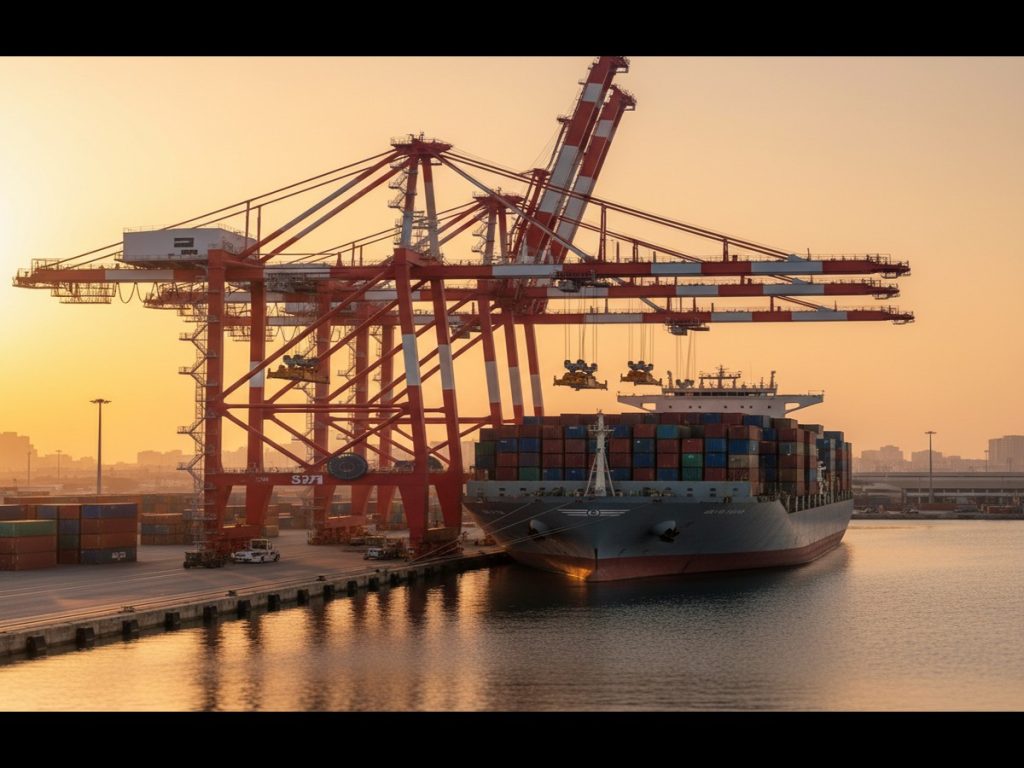
Iraq Customs Clearance Process
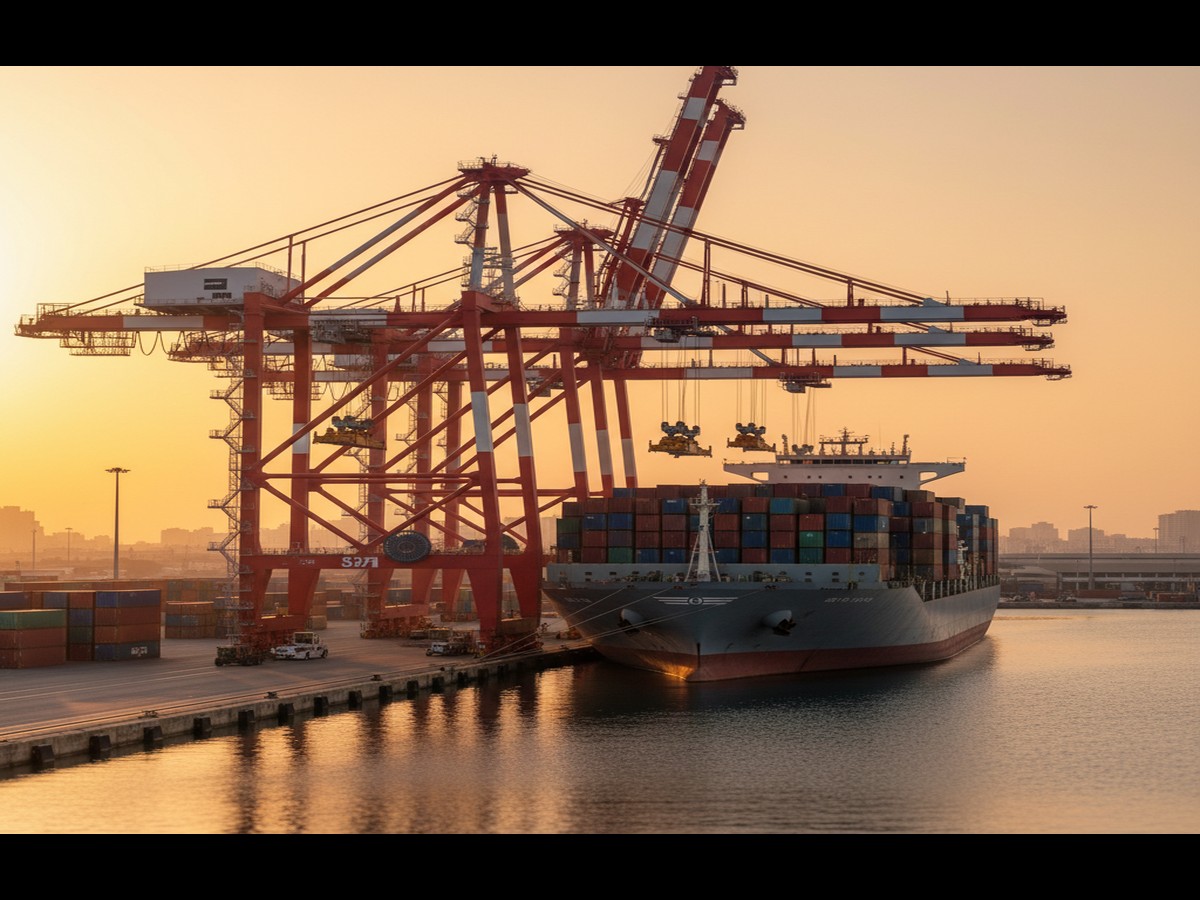
Discover how the customs clearance process in iraq can transform your logistics operations with this guide provides an unparalleled, granular breakdown of both federal iraqi and kurdistan region customs procedures, offering practical, actionable advice and expert insights to mitigate risks and ensure compliant, efficient cargo movement. In the dynamic and often challenging landscape of global trade, understanding the intricate pathways through which goods move across borders is paramount. For businesses eyeing or already engaged with the Iraqi market, a nation undergoing significant reconstruction and economic diversification, navigating its unique customs environment is not just a regulatory hurdle but a strategic imperative. Iraq, with its federal government and the semi-autonomous Kurdistan Region, presents a dual customs system, each with its own set of rules, authorities, and operational nuances. Overlooking these distinctions or underestimating the complexities can lead to costly delays, fines, and even cargo seizures, undermining supply chain efficiency and profitability. This comprehensive guide serves as your essential compass, demystifying the procedures and equipping you with the knowledge to achieve seamless cargo movement. At its core, the journey begins with a clear understanding of customs clearance. This critical process involves preparing and submitting documentation to customs authorities to facilitate the entry or exit of goods across international borders. It ensures compliance with all import/export laws, tariffs, and regulations, preventing delays and penalties while legally transferring ownership and responsibility for goods. Mastering this process is crucial for any entity looking to tap into Iraq’s vast potential.
The complexities of importing into Iraq extend beyond mere paperwork; they encompass a detailed understanding of local laws, international trade agreements, and the practical realities on the ground. Understanding the customs clearance process in iraq is essential. From the initial declaration to the final release of goods, every step in the customs clearance process in Iraq demands precision and foresight. Importers must contend with evolving regulations, potential infrastructure challenges, and the need for meticulous documentation to ensure smooth transit. For instance, correctly identifying goods using the Harmonized System (HS) Code is fundamental. An internationally standardized system of names and numbers for classifying traded products, this six-digit numerical code is crucial for customs declarations worldwide, determining applicable tariffs, taxes, and regulations, thereby ensuring consistent and accurate classification of goods for global trade. Similarly, the Bill of Lading (BOL) is indispensable. This legal document issued by a carrier to a shipper details the type, quantity, and destination of goods being shipped. It serves as a contract of carriage, a receipt for goods, and a document of title, essential for claiming cargo and navigating the customs process. Missteps in any of these areas can cascade into significant operational disruptions, highlighting why mastering the nuances of the customs clearance process in Iraq is not merely advantageous; it is imperative for sustained success.
This comprehensive guide explores the customs clearance process in iraq through multiple perspectives, offering a structured approach to understanding and mastering its intricacies. We’ll begin by “Navigating the Complexities of Iraqi Customs,” providing an overarching view before delving into “Understanding the Iraqi Customs Landscape: Key Authorities and Frameworks.” Subsequent sections will illuminate “Essential Import Regulations in Iraq: What You Need to Know,” detailing the critical rules that govern trade, and outline the “Required Documentation for Seamless Customs Clearance in Iraq,” ensuring you have every paper in order. We will then walk you through “The Step-by-Step Customs Clearance Process in Federal Iraq,” providing a practical roadmap. Furthermore, we’ll cover “Navigating Iraq Import Duties, Taxes, and Fees,” helping you accurately budget and avoid surprises. A dedicated section will address “Special Considerations for Kurdistan Customs Clearance and Regulations,” acknowledging the region’s distinct operational environment. The pivotal role of intermediaries will be explored in “The Indispensable Role of a Customs Broker in Iraq (and Erbil).” A Customs Broker is a licensed professional or firm specializing in assisting importers and exporters with the complexities of customs clearance. They act as intermediaries, preparing and submitting necessary documentation, calculating duties and taxes, and ensuring compliance with all governmental regulations on behalf of their clients. Moreover, understanding the Certificate of Origin (COO), a document declaring the country or territory where a commodity or product was manufactured or produced, is vital for determining tariffs, quotas, and trade agreements, often required by customs authorities to verify eligibility for preferential treatment or to enforce import restrictions. We will also tackle “Common Challenges in Shipping to Iraq and How to Overcome Them,” and distill “Best Practices for Efficient and Compliant Imports to Iraq,” culminating in a look at the “Future Outlook: Anticipated Changes in Iraqi Customs Policies.” Whether you’re a logistics professional or business owner, you’ll gain actionable insights to enhance your operations and transform potential obstacles into pathways for growth. Let’s embark on this journey to unlock the full potential of your Iraqi logistics strategy.
Introduction: Navigating the Complexities of Iraqi Customs
Introduction: Navigating the Complexities of Iraqi Customs
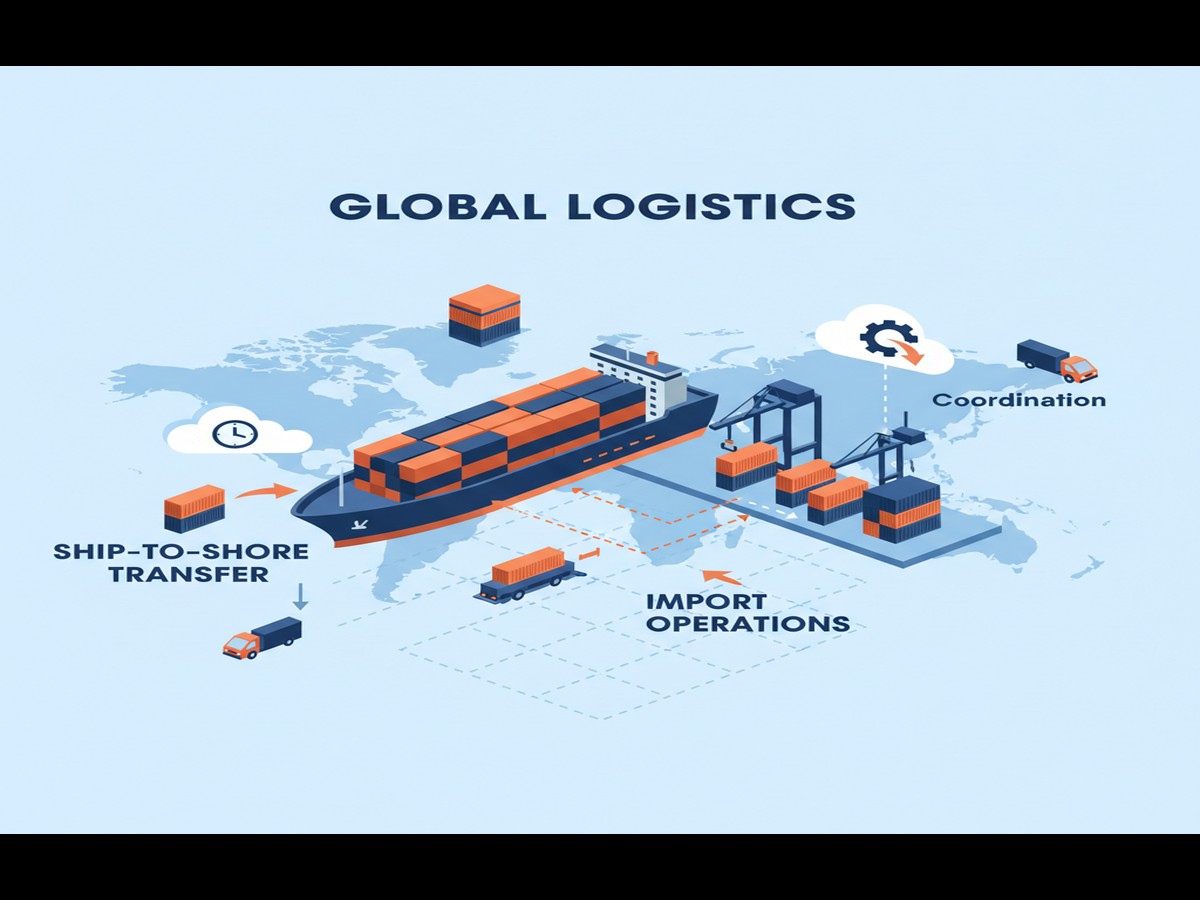
Engaging in international trade with Iraq presents unique opportunities, yet it also comes with a distinct set of logistical challenges, particularly concerning the Customs Clearance Process in Iraq.
Understanding the Iraqi Customs Landscape: Key Authorities and Frameworks
Understanding the Iraqi Customs Landscape: Key Authorities and Frameworks
Navigating the complexities of international trade requires a deep understanding of local customs landscapes. In Iraq, this involves familiarity with specific authorities, legal frameworks, and prevailing regulations that govern the import and export of goods. For businesses engaged in shipping to Iraq, comprehending these foundational elements is crucial for ensuring a smooth and compliant customs clearance process, minimizing delays and avoiding costly penalties.
Key Aspects of the Iraqi Customs Landscape: Key Authorities and Frameworks
At the heart of Iraqi customs operations is the General Commission of Customs (GCC), a body operating under the Ministry of Finance. The GCC is the primary authority responsible for enforcing customs laws, collecting duties, and overseeing all cross-border trade activities. Its mandate covers everything from tariff collection to combating smuggling and ensuring adherence to various import regulations Iraq. The legal foundation for these operations is primarily the Iraqi Customs Law No. 23 of 1984, which has seen several amendments over the years to adapt to changing economic and geopolitical realities.
It’s important to note the distinction between federal Iraq and the Kurdistan Region of Iraq (KRI). While the KRI largely adheres to federal laws, it maintains its own customs administration for goods entering via its borders (e.g., Ibrahim Khalil, Bashmakh). This means that businesses utilizing customs brokerage Erbil or other KRI entry points must be aware of potential procedural nuances, even if the underlying legal framework is similar. Recent reports indicate a significant contribution of customs income to the national budget, with Iraq customs income projected to reach substantial figures, underscoring the government’s focus on this revenue stream.
Best Practices for Navigating the Iraqi Customs Landscape
To successfully manage the customs clearance process, adopting best practices is paramount. Firstly, meticulous documentation is non-negotiable. Ensure all paperwork, including commercial invoices, packing lists, certificates
The Customs Clearance Process In Iraq Essential Import Regulations in Iraq: What You Need to Know
Essential Import Regulations in Iraq: What You Need to Know
Navigating the landscape of import regulations in Iraq is a critical step for any business engaged in cross-border trade. Understanding these rules is not merely about compliance; it’s about ensuring smooth operations, avoiding costly delays, and facilitating efficient trade flows into the country. Direct Drive Logistic specializes in guiding clients through the intricacies of the Customs Clearance Iraq, helping them anticipate and meet all requirements.
Key Aspects of Essential Import Regulations in Iraq
Iraq’s import regulations are designed to control the flow of goods, protect local industries, and generate revenue. Key aspects include tariffs and duties, which vary significantly based on the product’s Harmonized System (HS) code. Importers must also be aware of a list of prohibited and restricted goods, encompassing items like certain pharmaceuticals, used electronics, and specific agricultural products without proper licensing. Furthermore, stringent documentation is required. This typically includes a commercial invoice, packing list, certificate of origin, bill of lading or air waybill, and often a pre-shipment inspection certificate from an approved agency. Adhering to these import regulations Iraq sets forth is non-negotiable for successful market entry.
Best Practices for Essential Import Regulations in Iraq
To streamline your import operations, adopting best practices is crucial. Firstly, conduct thorough due diligence on all goods to ensure they comply with Iraqi standards and specifications. Secondly, partner with an experienced customs brokerage Erbil or Baghdad-based firm. Such partners possess invaluable local knowledge and can pre-empt potential issues, ensuring all paperwork is accurate and submitted on time. Thirdly, consider pre-shipment inspections (PSI) as a proactive measure, even when not strictly mandatory, to verify cargo quality and quantity before departure. Staying informed about the latest economic shifts and trade policies, as highlighted in publications like the Iraq business newsletter, is vital for compliance. Finally, maintain transparent communication with all stakeholders, from suppliers to freight forwarders, to ensure everyone is aligned with the regulatory framework.
Common Challenges in Essential Import Regulations in Iraq
Despite best efforts, importers often encounter several challenges when dealing with import regulations in Iraq. Political instability and security concerns can lead to unpredictable changes in trade policies or border procedures, causing delays. Moreover, bureaucratic hurdles, including complex administrative processes and varying interpretations of rules across different customs points, can be frustrating. The frequent updates to tariffs and non-tariff barriers also necessitate constant vigilance. Infrastructure limitations, particularly regarding road networks and storage facilities, can impact the efficiency of shipping to Iraq, adding to lead times and costs. Addressing these challenges requires adaptability, resilience, and often, the expert guidance of logistics professionals who understand the nuances of the customs clearance process in Iraq.
Need Reliable Delivery Services?
Get a free quote from Direct Drive Logistic today. Fast, secure, and professional logistics solutions tailored to your needs.
Required Documentation for Seamless Customs Clearance in Iraq
Required Documentation for Seamless Customs Clearance in Iraq
Navigating the Customs clearance Iraq demands meticulous attention to documentation. Proper paperwork is not merely a formality; it is the backbone of efficient trade, preventing costly delays and penalties. Understanding and preparing the correct documents is paramount for any business involved in importing goods into the country, ensuring a smooth and predictable flow of cargo through Iraqi borders.
Key Aspects of Required Documentation for Seamless Customs Clearance in Iraq
For successful customs clearance, several critical documents are universally required. Firstly, a detailed Commercial Invoice is essential, accurately describing the goods, their value, quantity, and terms of sale. Secondly, a comprehensive Packing List provides an itemized account of contents within each package, crucial for verification. Thirdly, the Bill of Lading (for sea freight) or Airway Bill (for air freight) serves as the contract of carriage and title to the goods. Furthermore, a Certificate of Origin, often legalized by the Iraqi Embassy in the country of export, verifies where the goods were produced, which is vital for adhering to specific import regulations Iraq has in place. Lastly, an Import License, if required for the specific commodity, must be obtained beforehand. These documents form the core of any customs submission.
Best Practices for Required Documentation for Seamless Customs Clearance in Iraq
To ensure a seamless customs clearance in Iraq, adopting best practices for documentation is crucial. Always prioritize accuracy and completeness; even minor discrepancies can lead to significant delays. Therefore, cross-referencing all documents for consistency is a vital step. Prepare digital copies of all paperwork in advance, as this facilitates faster submission and retrieval. Moreover, engaging with an experienced customs brokerage Erbil or Baghdad-based can provide invaluable guidance, as they possess up-to-date knowledge of local requirements and can help preempt potential issues. Early preparation and proactive communication with all parties involved, from suppliers to freight forwarders, significantly streamlines the process.
Common Challenges in Required Documentation for Seamless Customs Clearance in Iraq
Despite best efforts, businesses often encounter common challenges with documentation during the customs clearance process in Iraq. Missing or incomplete documents are frequent culprits, leading to cargo hold-ups and storage fees. Discrepancies between documents, such as differing weights or values on the commercial invoice versus the packing list, also trigger scrutiny and delays. Furthermore, the dynamic nature of import regulations Iraq can pose a challenge, as requirements may change without extensive prior notice. Language barriers can complicate communication and document interpretation, especially when dealing with local authorities. Therefore, understanding these potential hurdles and preparing thoroughly is essential when shipping to Iraq, mitigating risks and ensuring timely delivery.
The Step-by-Step Customs Clearance Process in Federal Iraq
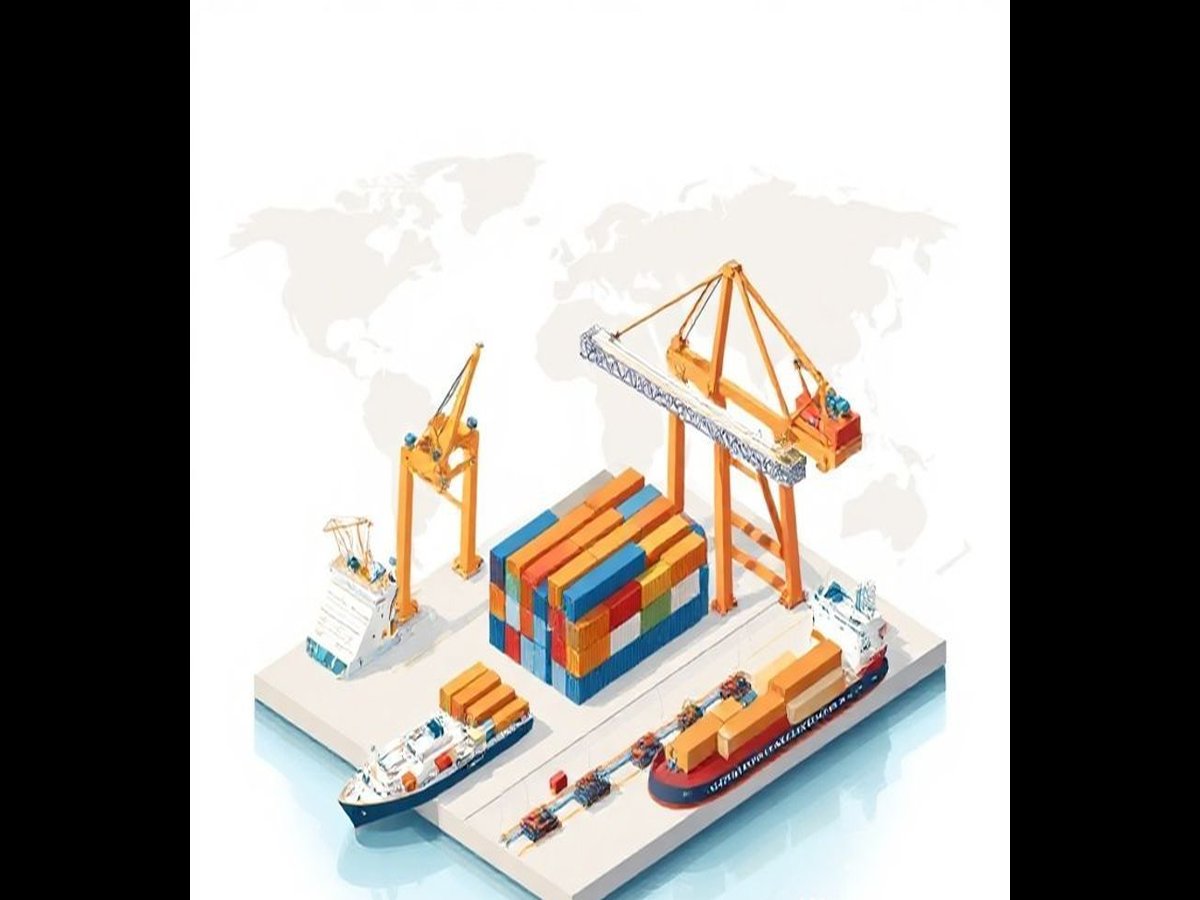
The Step-by-Step Customs Clearance Process in Federal Iraq
Navigating the customs clearance process in Iraq can appear complex, yet understanding its core stages simplifies international trade for businesses. This detailed exploration outlines the essential steps involved in clearing goods through federal Iraqi customs, ensuring a smoother journey from port of entry to final destination. Direct Drive Logistic specializes in streamlining this process, offering expertise to mitigate potential delays and ensure compliance with all local regulations.
Key Aspects of Step-by-Step Customs Clearance Process in Federal Iraq
The customs clearance process in Iraq typically begins well before goods arrive at the border or port. Firstly, importers must ensure all necessary documentation is prepared. This includes the commercial invoice, packing list, bill of lading or air waybill, certificate of origin, and any required import licenses or permits specific to the goods. These documents are crucial for customs declaration. Subsequently, a customs declaration form, known as a Single Administrative Document (SAD), is submitted electronically or manually to the Iraqi General Directorate of Customs. This declaration details the goods, their value, origin, and intended use, aligning with current **import regulations Iraq**.
Once the declaration is submitted, customs officials review the documentation for accuracy and compliance. This often leads to a physical inspection of the cargo, which can range from a swift check to a more thorough examination, depending on the goods’ nature and the importer’s history. Following inspection, customs duties, taxes, and any applicable fees are calculated based on the Harmonized System (HS) codes and declared value. Payment of these charges is a mandatory step before goods can be released. Finally, upon successful payment and clearance, a release order is issued, allowing the cargo to proceed for onward **shipping to Iraq** destinations.
Best Practices for Step-by-Step Customs Clearance Process in Federal Iraq
To ensure an efficient customs clearance experience, proactive planning and meticulous attention to detail are paramount. A key best practice is to engage a reputable customs brokerage Erbil or Baghdad-based agent early in the shipping process. These experts possess invaluable knowledge of local procedures, tariffs, and potential pitfalls, significantly reducing the likelihood of errors and delays. Furthermore, maintaining impeccable and accurate documentation is critical. Any discrepancies between the physical goods and declared paperwork can lead to extensive inspections, fines, and significant hold-ups.
Staying informed about the latest **import regulations Iraq** is another vital best practice. Regulations can change, impacting required permits, duties, or prohibited items. Therefore, continuous communication with your logistics partner or customs broker is essential. Preparing for potential inspections by clearly labeling goods and providing easy access to specific items can also expedite the process. Lastly, establishing strong relationships with reliable carriers and forwarders who understand the Iraqi customs environment can provide a competitive edge, ensuring timely and compliant deliveries.
Common Challenges in Step-by-Step Customs Clearance Process in Federal Iraq
Despite best efforts, several challenges can arise during the customs clearance process in Iraq. One common issue is documentation errors or incompleteness. Even minor discrepancies can cause goods to be detained, incurring demurrage and storage fees. Another significant challenge relates to the frequent changes in **import regulations Iraq**, which can be difficult for international shippers to track without local expertise. This often necessitates constant vigilance and adaptability.
Physical inspections can also be a source of delays, particularly if customs officials require additional information or find discrepancies. Furthermore, infrastructure limitations at some border crossings or ports can slow down cargo movement, irrespective of documentation accuracy. Finally, navigating the bureaucratic layers and ensuring transparency in fee structures can sometimes prove challenging for new entrants to the Iraqi market. Utilizing an experienced **customs brokerage Erbil** or a trusted logistics partner like Direct Drive Logistic is often the most effective strategy to overcome these hurdles and ensure a smooth customs clearance.
The Customs Clearance Process In Iraq Navigating Iraq Import Duties, Taxes, and Fees
Navigating the financial landscape of imports into Iraq requires a comprehensive understanding of its duties, taxes, and associated fees. This stage is a critical component of the customs clearance process in Iraq, directly impacting the final cost and timeline of your shipments. Importers must meticulously prepare for these financial obligations to ensure smooth operations and avoid unexpected expenditures.
Key Aspects of Navigating Iraq Import Duties, Taxes, and Fees
Understanding Iraq’s import duties and taxes begins with its complex tariff system. Goods entering the country are generally subject to customs duties, which vary significantly based on the type of product and its Harmonized System (HS) code. Furthermore, a sales tax and a reconstruction tax may also apply, adding layers to the overall cost structure. Accurate classification using the correct HS code is paramount, as misclassification can lead to penalties or delays. Therefore, staying informed about the latest import regulations Iraq enforces is essential for compliance.
The valuation of goods for customs purposes is another crucial aspect. Iraqi customs authorities typically base duties on the Cost, Insurance, and Freight (CIF) value of the imported goods. Importers must provide customs documentation detailing these costs. Additionally, certain goods may be subject to specific excise taxes or other levies, depending on their nature. Thorough research and preparation are non-negotiable for financial predictability.
Best
Special Considerations for Kurdistan Customs Clearance and Regulations
Special Considerations for Kurdistan Customs Clearance and Regulations
Navigating the customs clearance process in Iraq presents unique challenges, especially when goods are destined for the Kurdistan Region of Iraq (KRI). The KRI, with its distinct administrative and legal framework, operates its own customs system, separate yet interconnected with federal Iraqi regulations. Understanding these nuances is paramount for efficient logistics operations. This section delves into the specific considerations, best practices, and common hurdles encountered when dealing with Kurdistan customs clearance and regulations, ensuring a smoother transit for your shipments.
Key Aspects of Kurdistan Customs Clearance and Regulations
The Kurdistan Regional Government (KRG) maintains its own Directorate General of Customs, which oversees all import and export activities within its borders. While generally aligned with broader Iraqi customs principles, the KRG often implements specific tariffs, documentation requirements, and enforcement procedures. For instance, certain goods might face different duties or require additional permits compared to those entering federal Iraq. Businesses must meticulously adhere to these distinct import regulations Iraq, which are enforced at border crossings like Ibrahim Khalil and Bashmakh. Furthermore, the KRI’s economic policies can influence the speed and cost of clearance, making local knowledge indispensable for any company engaged in trade here.
Best Practices for Kurdistan Customs Clearance and Regulations
To ensure a streamlined customs experience in the KRI, proactive planning and adherence to local protocols are essential. Firstly, always verify the most current KRG customs tariffs and documentation requirements well in advance of shipping. These can be subject to change, so staying updated is critical. Secondly, engaging a reputable local partner or a specialized customs brokerage services is highly recommended. These experts possess invaluable insights into the specific procedural nuances, language requirements, and local authority expectations, significantly reducing delays and potential penalties. They can guide you through the necessary paperwork, from commercial invoices to certificates of origin, ensuring everything is correctly prepared for shipping to Iraq via the KRI. Moreover, maintaining transparent communication with all parties involved, from suppliers to carriers, helps preempt issues.
Common Challenges in Kurdistan Customs Clearance and Regulations
Despite careful preparation, companies often encounter specific challenges when clearing customs in the Kurdistan Region. One significant hurdle can be the occasional divergence in interpretation or application of regulations between KRG customs officials and federal Iraqi authorities, especially for goods intended for onward transit. Political developments can also impact border operations, leading to temporary closures or increased scrutiny. Furthermore, infrastructure limitations at some border points can contribute to delays, particularly during peak seasons. Overcoming these obstacles requires flexibility, a robust contingency plan, and the continued support of experienced local agents who can swiftly address unforeseen issues, ensuring the customs clearance process in Iraq, specifically in the KRI, remains as efficient as possible.
Frequently Asked Questions
▼ What is the customs clearance process in iraq?
The Customs Clearance Process In Iraq refers to specialized logistics services that facilitate the transportation and delivery of goods in the Iraq and Kurdistan region. This encompasses a comprehensive range of supply chain solutions including customs clearance, warehousing, distribution, and last-mile delivery. Our services are designed to meet the unique challenges of operating in this dynamic market, providing businesses with reliable and efficient logistics support.
▼ Why is the customs clearance process in iraq important for businesses?
Understanding the customs clearance process in iraq is crucial for businesses operating in Iraq and Kurdistan because it directly impacts operational efficiency, cost management, and customer satisfaction. Effective logistics solutions help companies navigate complex regulatory requirements, optimize supply chain operations, reduce transit times, and ensure reliable delivery schedules. In a competitive market, having the right logistics partner can mean the difference between success and failure in reaching your business goals.
▼ How to get started with the customs clearance process in iraq?
Getting started with the customs clearance process in iraq requires a clear understanding of your specific business needs, shipping volumes, and delivery timelines. First, assess your current logistics challenges and identify areas for improvement. Then, consult with experienced logistics providers who have proven expertise in the Iraq and Kurdistan market. They can help you develop a customized solution that addresses your unique requirements, whether that's air freight, ground transportation, warehousing, or integrated supply chain management.
▼ What are the costs involved in the customs clearance process in iraq?
Costs for logistics services in Iraq and Kurdistan vary depending on several factors including shipment size, weight, destination, delivery urgency, and any special handling requirements. Pricing typically includes transportation fees, customs clearance charges, warehousing costs, and insurance. For accurate pricing tailored to your specific needs, contact our logistics team for a detailed quote. We offer competitive rates and transparent pricing with no hidden fees, ensuring you get the best value for your investment.
Conclusion
In conclusion, mastering the intricacies of the customs clearance process in Iraq is paramount for any business engaged in import or export. As we've explored, it demands meticulous documentation, adherence to evolving regulations, and a proactive approach to potential challenges. Missteps can lead to costly delays, penalties, and operational disruptions, underscoring the critical need for expertise and precision at every stage of **the customs clearance process in Iraq**.
This is precisely where Direct Drive Logistics excels. We understand that navigating the customs landscape shouldn't be a hurdle to your business growth. Our dedicated team of customs experts possesses unparalleled knowledge of Iraqi regulations and
Ensure your goods clear Iraqi customs swiftly and compli
📞 Contact Us for a Consultation
Location
Direct Drive Logistic
MRF Quattro towers, Block A-29-1
Erbil, Kurdistan Region