
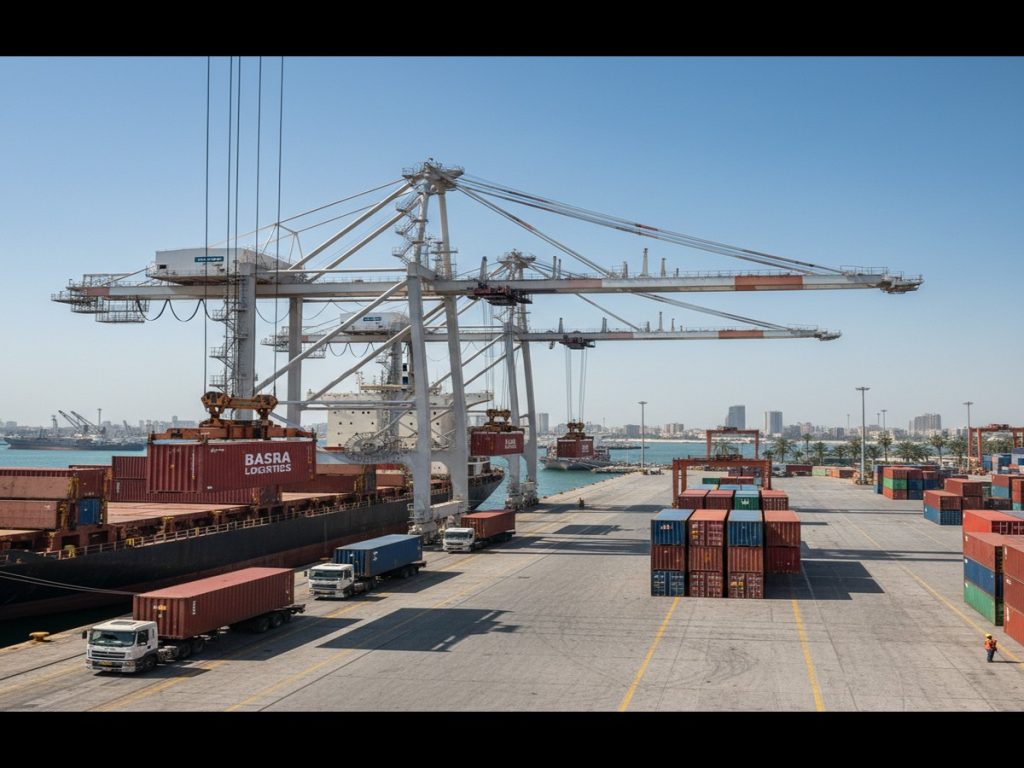
Transport Goods to Southern
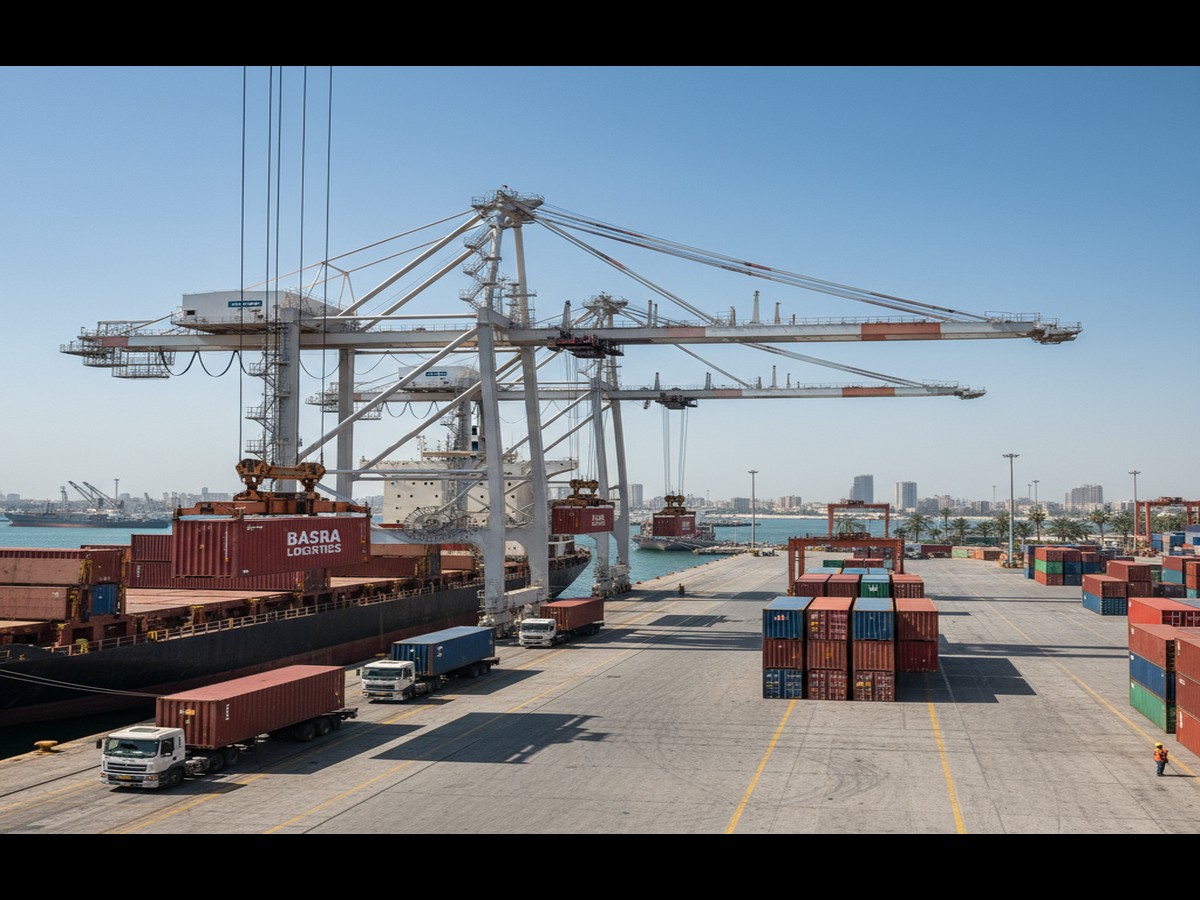
Discover how services transporting goods to southern Iraq can transform your logistics operations. This article will serve as a comprehensive, authoritative guide for businesses seeking to navigate the complexities of transporting goods to southern Iraq, leveraging Direct Drive Logistics’ deep regional expertise and proven track record to ensure secure, efficient, and compliant shipments. Southern Iraq, particularly the Basra region, stands as a pivotal economic gateway, connecting the broader Middle East with global markets through its strategic ports and burgeoning industrial zones. Its significance as a hub for oil and gas, reconstruction projects, and consumer goods distribution cannot be overstated, making efficient and reliable logistics not merely an operational necessity but a critical competitive advantage. For businesses aiming to tap into this dynamic market, understanding the intricate landscape of Iraqi logistics is paramount. The journey of goods from origin to destination in this region is often fraught with unique challenges, from evolving regulatory frameworks and security considerations to infrastructure limitations and diverse cultural nuances. Without a clear roadmap and a trusted partner, the potential for delays, cost overruns, and compliance issues is substantial. This introduction sets the stage for a deep dive into how specialized logistics services are indispensable for unlocking the full potential of trade and development in southern Iraq, ensuring your supply chain remains robust, agile, and resilient against these inherent complexities.
This comprehensive guide explores services transporting goods to southern Iraq through multiple perspectives, offering actionable insights for logistics professionals and business owners alike. We’ll begin by delving into “Introduction: Navigating the Complexities of Southern Iraq Logistics,” setting the foundational understanding required for successful operations. Following this, “Why Southern Iraq is a Critical Hub for Regional Trade and Development” will underscore the region’s economic importance, highlighting the opportunities that await well-prepared enterprises. A crucial segment, “Understanding the Unique Logistics Landscape of Southern Iraq Transportation,” will unravel the specific environmental, infrastructural, and operational factors that differentiate this region from others. We will also explore “Key Regulatory and Customs Requirements for Shipping to Southern Iraq,” a section vital for ensuring compliance and avoiding costly delays. Here, understanding **customs clearance**, the critical process involving the preparation and submission of documentation required by customs authorities to facilitate the entry or exit of goods into or out of a country, is fundamental for smooth cross-border operations. Additionally, we’ll clarify **Incoterms**, a set of internationally recognized rules published by the International Chamber of Commerce (ICC) that define the responsibilities of sellers and buyers for the delivery of goods under sales contracts, crucial for clarifying shipping costs and risks.
The article will further elaborate on “Choosing Optimal Transportation Modes for Iraq Regional Logistics,” examining the pros and cons of sea, air, and land routes, often in combination. Understanding services transporting goods to southern iraq is essential. We will discuss **multimodal transport**, a logistics solution that utilizes two or more modes of transport to move goods from origin to destination, typically under a single contract, optimizing efficiency and cost. Ensuring the safety and integrity of shipments is paramount, which is why “Ensuring Security and Risk Mitigation in Southern Iraq Shipments” will provide strategies for protecting your assets throughout their journey. The discussion then shifts to the tangible benefits of partnering with an expert, showcasing “Direct Drive Logistics’ Specialized Services Transporting Goods to Southern Iraq.” This section will detail our tailored solutions, regional network, and commitment to excellence. We will illustrate these capabilities through “Case Studies: Successful Transport to Basra and Beyond with Direct Drive Logistics,” offering real-world examples of challenges overcome and successes achieved. Furthermore, “Technology and Tracking: Enhancing Transparency in Iraq South Logistics” will explore how advanced systems provide real-time visibility, improving decision-making and accountability across the supply chain, while “Optimizing Your Supply Chain for Efficiency in Southern Iraq” will offer best practices for streamlining operations. A critical element in international trade is the **Bill of Lading**, a legal document issued by a carrier to a shipper that details the type, quantity, and destination of the goods being carried, serving as a contract of carriage and a document of title, indispensable for all parties.
Looking ahead, “Future Outlook: Evolving Infrastructure and Opportunities in Southern Iraq Logistics” will analyze upcoming developments and potential growth areas, helping businesses anticipate changes and capitalize on emerging prospects. Ultimately, this comprehensive guide, culminating in “Conclusion: Your Trusted Partner for Southern Iraq Transportation,” is designed to equip you with the knowledge and confidence needed to succeed. Whether you’re a logistics professional seeking to refine existing routes or a business owner venturing into this promising market for the first time, this article is designed to empower you with actionable insights that will allow you to make informed decisions, mitigate risks, and achieve seamless, cost-effective transportation of your goods to southern Iraq. Let’s now explore the critical aspects of understanding the Southern Iraq logistics landscape and how Direct Drive Logistics can be your strategic partner.
Understanding the Southern Iraq Logistics Landscape
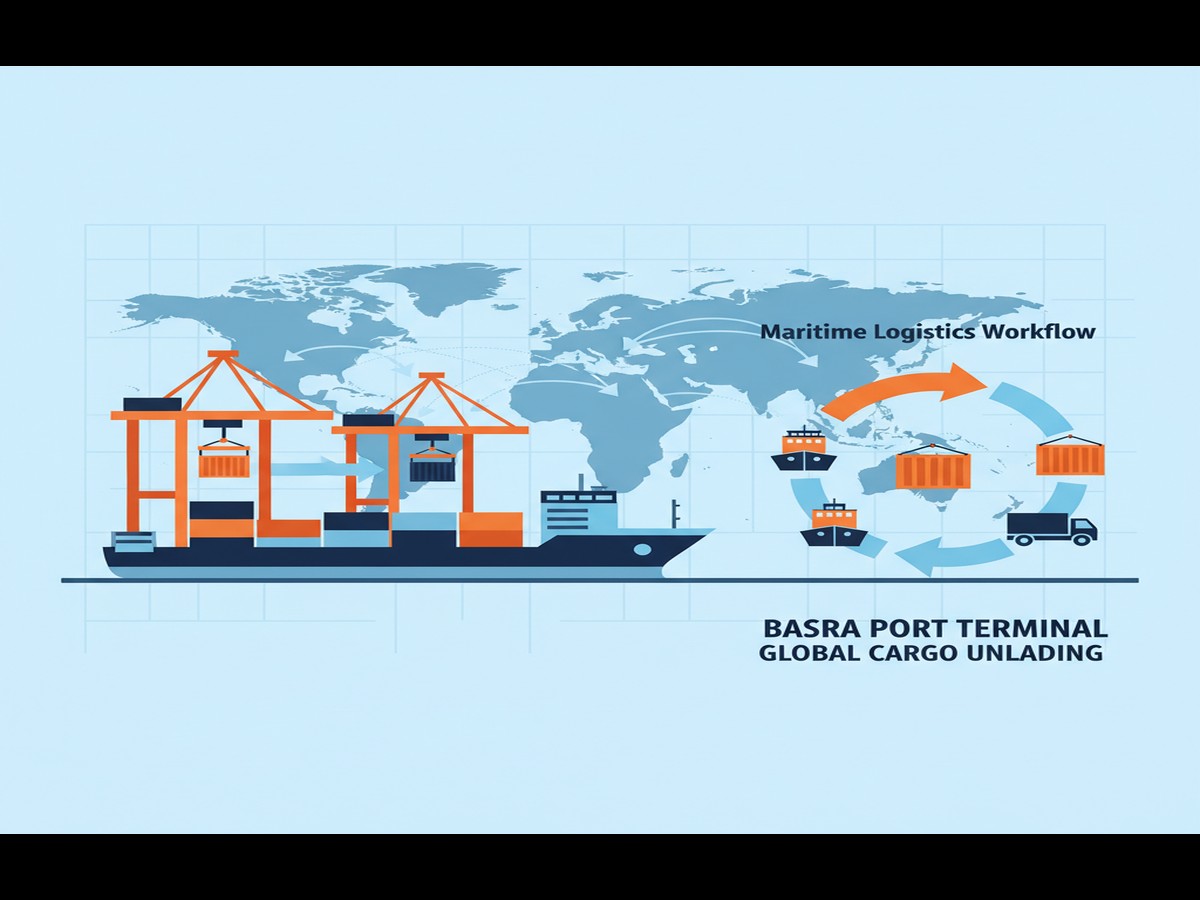
Understanding the Southern Iraq Logistics Landscape
Transporting goods to Southern Iraq presents a unique set of challenges and opportunities for businesses operating in the region. This dynamic environment, shaped by strategic geopolitical importance, ongoing reconstruction efforts, and evolving economic drivers, demands a specialized approach to logistics. For companies seeking reliable Iraq freight logistics solutions, understanding the intricacies of this landscape is paramount to ensuring efficient and secure supply chain operations.
Key Aspects of the Southern Iraq Logistics Landscape
Southern Iraq serves as a critical gateway for regional trade, primarily due to its access to the Persian Gulf via major ports like Umm Qasr. This strategic location makes it a vital hub for imports and exports, particularly for the oil and gas sector, which dominates the local economy. Beyond energy, the region is experiencing significant investment in infrastructure, agriculture, and general commerce, driving demand for diverse goods. Effective Southern Iraq transportation relies heavily on a combination of sea freight, road networks, and, to a lesser extent, air cargo. The development of these routes and facilities is continuously evolving, influencing transit times and cost efficiencies for businesses engaged in shipping to Southern Iraq.
Best Practices for the Southern Iraq Logistics Landscape
Navigating the complexities of Southern Iraq requires adherence to robust best practices. Firstly, comprehensive pre-shipment planning, including route optimization, risk assessment, and contingency strategies, is essential. Engaging with experienced local partners who possess in-depth knowledge of regional regulations, customs procedures, and cultural nuances can significantly streamline operations. Direct Drive Logistic emphasizes meticulous documentation and strict compliance with international and local laws to avoid delays. Furthermore, implementing advanced tracking and communication technologies ensures transparency and real-time visibility throughout the supply chain, which is crucial for sensitive cargo and tight delivery schedules. Specialized Iraq freight market insights also guide our strategic planning.
Common Challenges in the Southern Iraq Logistics Landscape
Despite the opportunities, businesses face several common challenges when shipping to Southern Iraq. Infrastructure development, while ongoing, can still be inconsistent, leading to varying road conditions and potential bottlenecks. Security considerations, though improved, remain a factor that necessitates careful planning and robust protocols to protect cargo and personnel. Customs clearance can be a complex and time-consuming process, requiring expert navigation of bureaucratic procedures and frequent updates to regulations. Additionally, managing fluctuating fuel prices, navigating local labor laws, and adapting to potential political or social shifts are continuous considerations for effective Iraq regional logistics. These factors underscore the need for flexible, experienced, and well-resourced services transporting goods to Southern Iraq.
Key Challenges in Transporting Goods to Southern Iraq for Services Transporting Goods To Southern Iraq
Southern Iraq, encompassing vital economic hubs like Basra and the crucial port of Umm Qasr, represents a key gateway for regional trade and development. However, the region presents a unique set of complexities for transporting goods Iraq. Understanding these challenges is paramount for any logistics provider aiming for efficient and secure operations in this dynamic environment.
Key
Navigating Routes and Transportation Modes
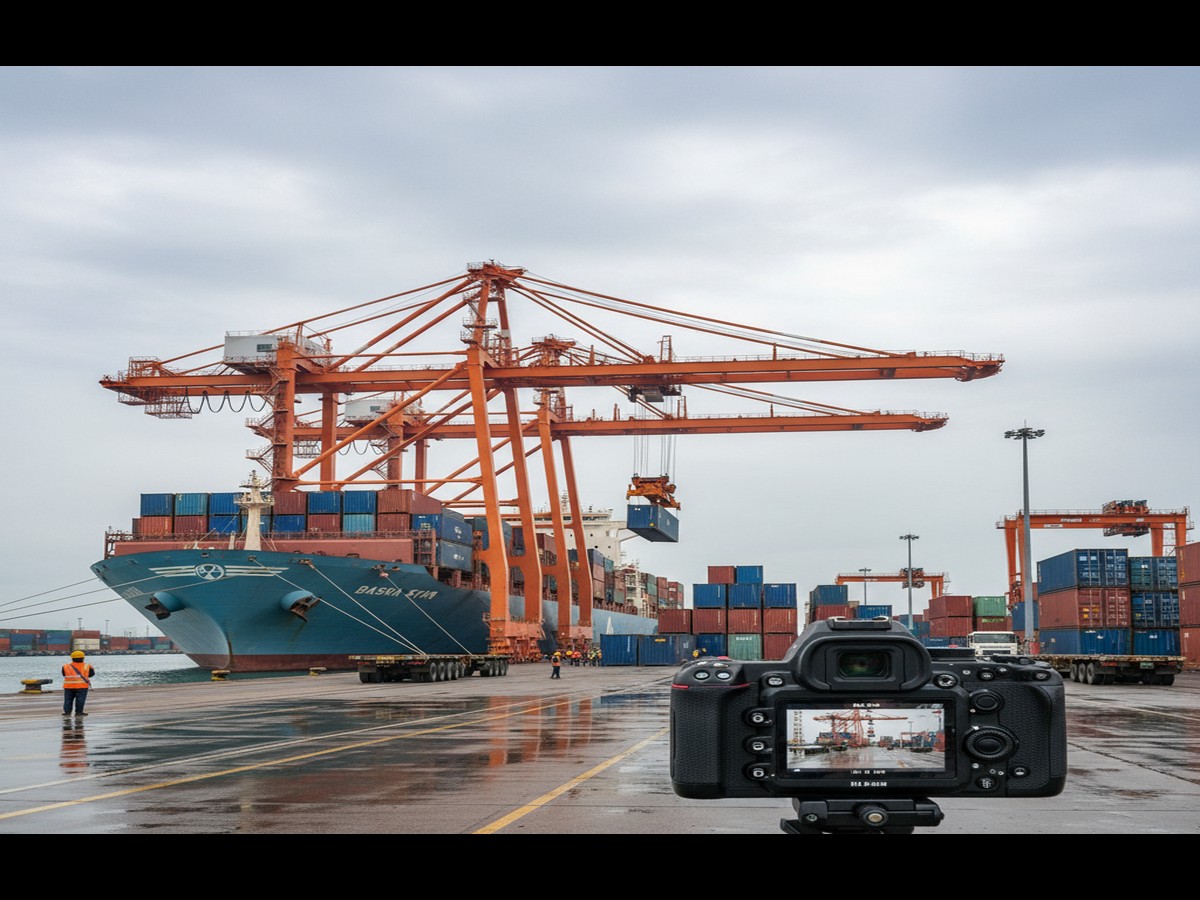
Navigating the complex landscape of Southern Iraq requires a deep understanding of the available shipping routes and transportation modes. Direct Drive Logistic specializes in providing tailored services transporting goods to Southern Iraq, leveraging strategic corridors and optimized logistics solutions to ensure timely and secure delivery. Our approach considers the unique geographical and infrastructural nuances of the region, ensuring every shipment is handled with precision.
Key Land and Sea Corridors
The primary gateway for sea freight into Southern Iraq is the port of Umm Qasr, Iraq’s only deep-water port. This vital maritime hub connects global trade routes directly to the heart of the country’s southern provinces, making it indispensable for large-volume imports. From Umm Qasr, goods can be efficiently distributed inland via a network of roads. For overland shipments, key corridors from neighboring countries, particularly through Kuwait and Saudi Arabia, offer direct access. These routes are crucial for time-sensitive deliveries and specialized cargo, complementing sea freight operations. Understanding the current state of these routes and the broader Iraq market brief is essential for planning effective Southern Iraq transportation strategies.
The choice between sea and land often depends on cargo type, volume, urgency, and cost considerations. Sea freight via Umm Qasr is generally more cost-effective for bulk and heavy cargo, while overland routes offer greater flexibility and speed for smaller, urgent, or high-value goods. Direct Drive Logistic meticulously plans each leg, considering current road conditions, border crossing efficiencies, and security protocols to optimize the journey for every client. This careful planning ensures reliable Iraq logistics, minimizing potential delays and maximizing operational efficiency.
Optimizing Multimodal Transport Solutions for Efficient Goods Delivery to Southern Iraq
For truly efficient goods delivery to Southern Iraq, multimodal transport solutions are often the most effective strategy. This involves seamlessly integrating various transportation modes to create a cohesive and optimized supply chain. For instance, goods might arrive at Umm Qasr via sea, then be transferred to Full Truckload (FTL) or Less Than Truckload (LTL) services for final distribution to cities like Basra, Nasiriyah, or Amarah. FTL services are ideal for large shipments requiring dedicated transport, offering speed and reduced handling. LTL services, conversely, provide a cost-effective option for smaller consignments by consolidating multiple shipments onto a single truck, optimizing space and resources.
Direct Drive Logistic excels in orchestrating these complex multimodal operations. We design bespoke logistics plans that might combine ocean freight, road transport, and even air freight for critical components, ensuring a streamlined flow from origin to destination. This integrated approach not only enhances efficiency but also offers greater flexibility and resilience against potential disruptions. Our expertise in managing these intricate networks ensures that our services transporting goods to Southern Iraq are not just about movement, but about intelligent, integrated logistics solutions. The evolving global logistics market demands such adaptive strategies, and our commitment to innovation keeps us at the forefront of providing superior shipping to Southern Iraq.
Need Reliable Delivery Services?
Get a free quote from Direct Drive Logistic today. Fast, secure, and professional logistics solutions tailored to your needs.
Services Transporting Goods To Southern Iraq Choosing Your Logistics Partner: The Direct Drive Advantage
The journey of goods to Southern Iraq is complex, demanding a logistics partner with proven expertise and a deep understanding of the regional landscape. Selecting the right provider is paramount to ensuring timely delivery, cost-efficiency, and the integrity of your cargo. Direct Drive Logistics stands out by meticulously addressing the critical criteria businesses need when evaluating freight forwarding. Our commitment to operational excellence and client satisfaction underpins every aspect of our service.
Streamlined Direct Routes: Accelerating Your Goods’ Journey to Southern Iraq
One of the most significant advantages Direct Drive Logistics offers is our focus on streamlined, direct routes. We understand that time is money, especially when navigating the unique challenges of Southern Iraq transportation. Our logistics experts meticulously plan routes that minimize transit times, bypassing unnecessary congestion and optimizing for efficiency. By utilizing our established network and local intelligence, we ensure your goods move directly from origin to key destinations such as Basra, Umm Qasr, and other industrial zones with unparalleled speed. This direct approach not only accelerates delivery but also provides greater predictability, allowing your business to manage inventory and supply chains more effectively. Our strategic routing is a cornerstone of effective Iraq regional logistics, designed to meet the urgent demands of various industries operating in the region.
Enhanced Security and Reduced Handling: Minimizing Risks
Security and cargo integrity are non-negotiable, particularly when shipping to Southern Iraq. Direct Drive Logistics implements robust security protocols at every stage of the journey. From secure warehousing facilities to real-time GPS tracking on our fleet, we employ comprehensive measures to protect your valuable assets. A critical aspect of our security strategy is the minimization of handling points. Each time cargo is transferred
Essential Documentation and Customs Compliance
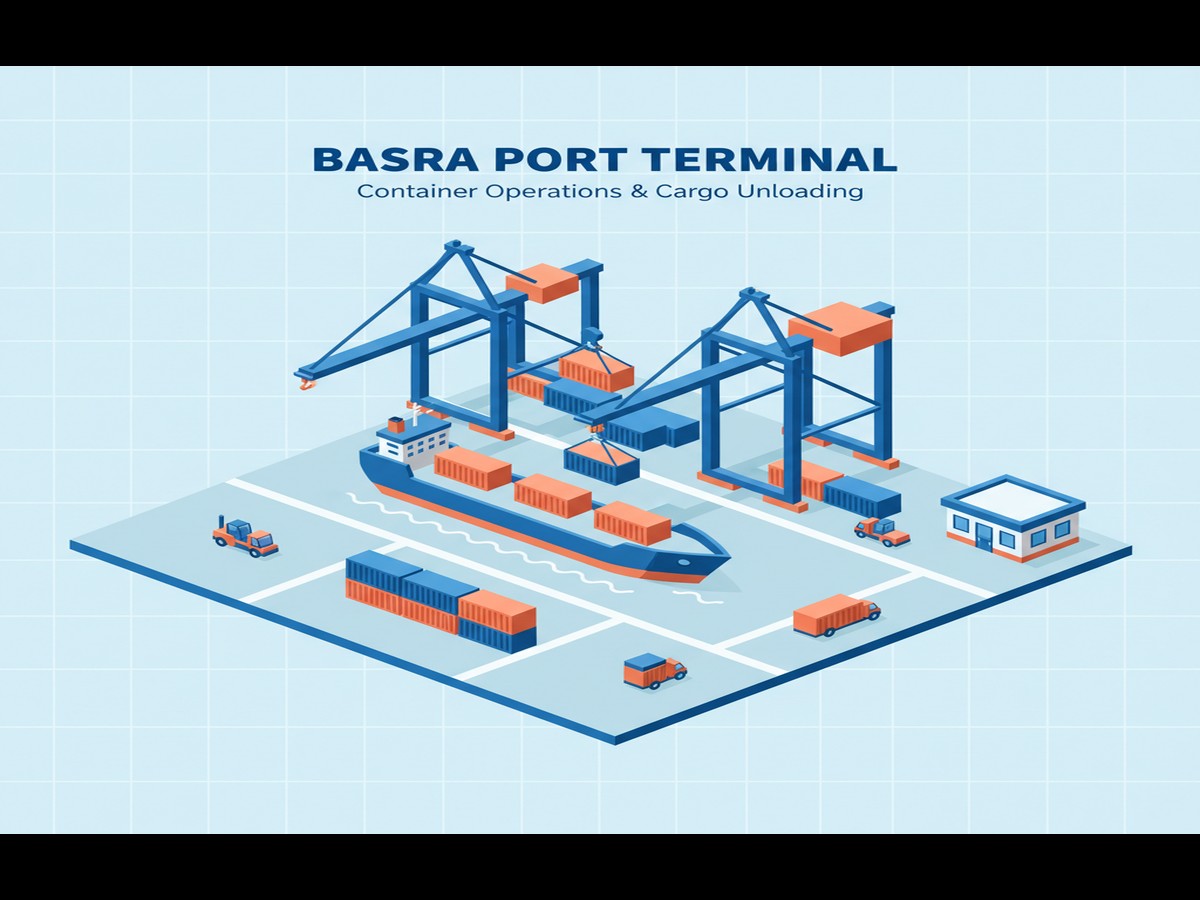
Navigating the complex regulatory landscape is paramount for any successful freight operation into the Middle East, and particularly when considering services transporting goods to Southern Iraq. Direct Drive Logistic understands that meticulous attention to documentation and strict adherence to customs compliance are not merely administrative tasks, but critical components that ensure timely delivery and avoid costly delays or penalties. This section details the essential paperwork and procedures for smooth importation into Southern Iraq.
Critical Shipping Documents: Invoices, Packing Lists, and Certificates of Origin for Iraq
The foundation of any international shipment rests on accurate and complete documentation. For Southern Iraq transportation, several key documents are non-negotiable. The Commercial Invoice must precisely detail the goods being shipped, including their description, quantity, unit price, total value, and the agreed-upon Incoterms. Any discrepancy here can trigger significant customs issues. Complementing this is the Packing List, which provides an itemized account of the contents within each package, along with their weights and dimensions. This document is crucial for customs inspectors to verify cargo against declarations and for efficient handling within the supply chain.
Equally vital is the Certificate of Origin (COO). This document verifies the country where the goods were manufactured or produced, and it is often required for customs clearance, tariff assessment, and to comply with trade agreements. For Iraq, the COO typically needs to be attested by a recognized chamber of commerce in the country of export and sometimes legalized by the Iraqi embassy or consulate. Other important documents include the Bill of Lading (for sea freight) or Air Waybill (for air freight), which serve as contracts of carriage and proof of ownership. Depending on the nature of the goods, additional certificates such as health certificates for food items, phytosanitary certificates for agricultural products, or chemical analysis reports may be required. Ensuring all these documents are precisely prepared and submitted correctly is a cornerstone of effective Iraq regional logistics.
Navigating Iraqi Customs and Permits
Beyond the standard shipping documents, successful importation into Southern Iraq demands a thorough understanding of local customs procedures and the necessity of specific permits. The Iraqi customs authority operates under specific regulations that can be intricate and subject to change. Importers must be prepared for detailed inspections and the potential for duties and taxes, which vary based on the commodity and its origin. Pre-arrival submission of documentation is often recommended to expedite the clearance process once the goods arrive at ports like Umm Qasr or border crossings. Engaging with experienced customs brokers who possess local knowledge is invaluable for navigating these procedures efficiently.
Furthermore, many types of goods require specific import permits or licenses issued by relevant Iraqi ministries or agencies before they can enter the country. For instance, pharmaceuticals, certain food products, and specialized industrial equipment often necessitate pre-approval. Obtaining these permits can be a time-consuming process, requiring detailed applications and adherence to specific standards. Without the correct permits, shipments can face indefinite delays, seizure, or even re-exportation. This is where Direct Drive Logistic’s expertise in shipping to Southern Iraq becomes critical. We leverage our network and knowledge to ensure all necessary permits are identified and secured in advance, streamlining the entire customs compliance process and safeguarding your supply chain against unforeseen obstacles. Our proactive approach minimizes risks and ensures your goods move smoothly from origin to their final destination in Southern Iraq.
Cost Factors and Optimizing Your Shipping Budget
Cost Factors and Optimizing Your Shipping Budget
Navigating the complexities of logistics to Southern Iraq requires a keen understanding of the various cost factors involved. For businesses utilizing logistics services transporting goods to Southern Iraq, optimizing the shipping budget is paramount to maintaining competitiveness and profitability. This section delves into the key components that influence your overall expenditure and outlines strategies to achieve cost efficiency without compromising the quality or reliability of your supply chain.
Key Aspects of Cost Factors and Optimizing Your Shipping Budget
The cost of moving goods to Southern Iraq is influenced by a multitude of factors. Firstly, the **mode of transportation** plays a significant role; whether by sea through the ports of Basra, or via overland road networks, each comes with distinct pricing structures, transit times, and capacities. **Fuel costs** are a perpetual concern, especially for road freight, given their inherent volatility. The **route complexity and infrastructure quality** in the region can also impact costs, with less developed roads or areas requiring specific security considerations often incurring higher fees. **Customs duties and taxes**, along with associated processing fees and documentation requirements, are non-negotiable elements that must be factored in. Furthermore, **cargo insurance** is essential to mitigate risks of loss or damage, and its cost varies based on the goods’ value and nature. Other factors include **warehousing and storage** if transshipment or temporary holding is required, **handling and loading/unloading fees**, and the **volume and weight of the shipment**, which determine whether less-than-truckload (LTL) or full-truckload (FTL) rates apply. Understanding these elements is the first step towards effective Southern Iraq transportation cost management.
Best Practices for Cost Factors and Optimizing Your Shipping Budget
To effectively optimize your shipping budget, implementing strategic best practices is crucial. Begin with **detailed route planning**, meticulously identifying the most efficient, secure, and cost-effective paths for your cargo within Iraq regional logistics services. Building strong, long-term **carrier relationships** can lead to preferential rates and improved service levels. **Shipment consolidation** is a powerful tool; combining smaller consignments into larger, full-load shipments significantly reduces per-unit transportation costs. Leveraging **technology adoption**, such as Transportation Management Systems (TMS), provides real-time visibility, optimizes route selection, and automates processes, leading to substantial savings. Proactive **risk assessment and mitigation** planning can help avoid costly delays or unforeseen expenses. Ensuring meticulous **customs compliance** for all goods shipping to Southern Iraq prevents penalties and streamlines border crossings. Regularly **negotiating freight rates, fuel surcharges, and payment terms** with carriers can yield considerable financial benefits. Finally,
Best Practices for Successful Shipments to Southern Iraq
Best Practices for Successful Shipments to Southern Iraq
Navigating the complexities of **Southern Iraq transportation** requires more than just moving goods from point A to point B; it demands meticulous planning, rigorous adherence to regulations, and a deep understanding of the regional logistics landscape. This section provides actionable advice and expert tips for ensuring a smooth, secure, and efficient transportation process, helping businesses unlock the full potential of their supply chains in this vital region.
Ensuring Comprehensive Documentation and Adherence to Iraqi Customs Regulations
The cornerstone of successful **shipping to Southern Iraq** lies in flawless documentation and strict compliance with Iraqi customs regulations. Iraq’s customs procedures can be intricate and subject to change, making thorough preparation essential to avoid costly delays, penalties, or even confiscation. Key documents typically include a detailed commercial invoice, packing list, certificate of origin, and the bill of lading. Depending on the nature of the goods, specific import licenses, health certificates, or conformity assessment documents may also be required.
It is crucial that all documentation is accurate, complete, and consistent across all forms. Even minor discrepancies can trigger extensive scrutiny, leading to goods being held at ports like Umm Qasr or border crossings. Furthermore, understanding specific prohibitions, restrictions on certain goods, and labeling requirements unique to Iraq is paramount. For instance, dual-use items or products with specific chemical compositions often face heightened scrutiny. Engaging a logistics company in Baghdad with expert knowledge in Iraqi customs and a strong network of local customs brokers is invaluable. They can pre-vet documentation, advise on specific requirements for your cargo, and proactively address potential issues, significantly streamlining the customs clearance process for any **services transporting goods to southern iraq**.
Strategic Route Planning and Reliable Logistics for Timely Delivery
Effective route planning is critical for secure and timely delivery to Southern Iraq. The region’s infrastructure, while improving, still presents unique challenges, including varying road conditions and security considerations. A strategic approach involves assessing multiple factors: the optimal port of entry (typically Umm Qasr), the most secure and efficient inland routes, and potential congestion points. Baghdad logistics providers must conduct thorough risk assessments for each leg of the journey, considering factors like road safety, potential for delays, and the need for secure escorts for high-value or sensitive cargo.
Reliable **Iraq regional logistics** hinges on more than just selecting a route; it requires robust operational capabilities. This includes a modern fleet of vehicles, equipped with real-time GPS tracking and communication systems to monitor shipments and respond to unforeseen circumstances. Contingency planning is also vital, allowing for alternative routes or solutions in case of road closures, security incidents, or weather disruptions. Furthermore, a strong local presence and established relationships with local authorities and transport operators can be instrumental in resolving issues swiftly and ensuring smooth transit. Partnering with a logistics expert that offers end-to-end visibility and proactive communication ensures that your goods arrive safely and on schedule, reinforcing the reliability of your supply chain into Southern Iraq.
Frequently Asked Questions
▼ What are the primary challenges of *services transporting goods to southern Iraq* compared to other regions?
*Services transporting goods to southern Iraq* face unique challenges including security concerns, varying infrastructure quality, and complex customs procedures, particularly at border crossings. Navigating these requires local expertise and established relationships with authorities. Direct Drive Logistics has 15+ years experience overcoming these hurdles.
▼ How much does it typically cost to use *services transporting goods to southern Iraq*?
The cost of *services transporting goods to southern Iraq* depends on factors like cargo type, volume, distance, and urgency. Expect costs to range from $500 to $2,500 per truckload, but contact us for a precise quote tailored to your specific needs.
▼ What types of goods can Direct Drive Logistics handle when *services transporting goods to southern Iraq* are needed?
We handle diverse cargo types when *services transporting goods to southern Iraq* are requested, including construction materials, consumer goods, agricultural products, and industrial equipment. We also offer specialized transport for oversized or hazardous materials, ensuring compliance with all regulations.
▼ How long does it typically take for Direct Drive Logistics to complete *services transporting goods to southern Iraq*?
Transit times for *services transporting goods to southern Iraq* vary depending on the origin point and final destination. Generally, expect 3-7 days from Kurdistan or central Iraq. We prioritize efficient routing and customs clearance to minimize delays.
▼ Why choose Direct Drive Logistics for *services transporting goods to southern Iraq*?
Choose Direct Drive Logistics for *services transporting goods to southern Iraq* because of our extensive local knowledge, secure transport solutions, and commitment to on-time delivery. Our 15+ years of experience in the region ensure seamless logistics and peace of mind.
▼ What documentation is required for *services transporting goods to southern Iraq*?
*Services transporting goods to southern Iraq* require specific documentation including commercial invoices, packing lists, certificates of origin, and potentially import licenses. Direct Drive Logistics assists with document preparation to ensure compliance and avoid delays at customs.
Conclusion
In summary, navigating the unique logistical landscape of Southern Iraq demands a partner with unparalleled expertise, unwavering reliability, and a deep commitment to operational excellence. We've highlighted how Direct Drive Logistics rises to this challenge, offering robust solutions that address everything from intricate customs procedures and diverse geographical considerations to ensuring the utmost safety and compliance for every shipment. Our proven track record in provinces like Basra, Maysan, and Dhi Qar is a testament to our capability to transform complex logistics into a streamlined, efficient process for your business.
Choosing Direct Drive Logistics means more than just moving cargo; it means gaining a strategic advantage. It translates into peace of mind, assured operational continuity, and enhanced market access across this vital region. Our tailored approach reduces delays, mitigates risks, and ultimately optimizes your supply chain costs, allowing you to focus on your core business growth. For superior **services transporting goods to southern Iraq**, Direct Drive Logistics is your trusted partner. We are dedicated to building resilient, efficient supply chains that propel your enterprise forward.
Don't let logistics complexities hinder your potential in Southern Iraq. Experience the difference that professional, dedicated logistics solutions can make. We invite you to connect with Direct Drive Logistics today to discuss your specific shipping requirements. Visit our website or call us directly to speak with one of our expert logistics specialists. Let us drive your success in Southern Iraq.
Ensure your critical cargo reaches Southern Iraq with unparalleled security and timely
📞 Contact Us for a Consultation
Location
Direct Drive Logistic
MRF Quattro towers, Block A-29-1
Erbil, Kurdistan Region