
Navigating Iraq Logistics Compliance: 2025 Regulatory Guide
Discover how regulatory compliance for iraq logistics can transform your logistics operations with this article will serve as a definitive, actionable guide for businesses seeking to master the intricate regulatory compliance requirements for iraq logistics, leveraging Direct Drive Logistics’ deep expertise to provide practical, real-world solutions and minimize operational risks. Iraq, a nation undergoing significant reconstruction and economic development, presents immense opportunity for logistics providers and businesses expanding their reach in the Middle East. However, realizing this potential hinges critically on a nuanced understanding and rigorous adherence to its evolving regulatory framework. Navigating this intricate web of rules, laws, and procedures is not merely a bureaucratic hurdle; it is a strategic imperative that directly impacts operational efficiency, cost-effectiveness, and market access. Without a robust compliance strategy, companies risk costly delays, hefty fines, cargo confiscation, and severe damage to their reputation, ultimately jeopardizing commercial ventures. This guide aims to demystify these complexities, offering clarity on seamless operations within Iraq’s unique logistical environment. For instance, understanding *Customs Clearance*, the process of obtaining official permission to import or export goods by fulfilling all customs requirements, is paramount to avoiding bottlenecks at borders and ports. Similarly, grappling with *Freight Forwarding*, a service that organizes shipments for individuals or corporations to get goods from the manufacturer or producer to a market, customer, or final point of distribution, requires intimate knowledge of local carriers, routes, and regulations.
The stakes for non-compliance are exceptionally high in a market as dynamic as Iraq. Understanding regulatory compliance for iraq logistics is essential. Businesses must contend with a multifaceted regulatory structure influenced by both national laws and regional authorities, demanding constant vigilance and adaptation. This comprehensive guide explores regulatory compliance for iraq logistics through multiple perspectives, emphasizing why it is non-negotiable for anyone operating or aspiring to operate within the country. We’ll delve into foundational elements, beginning with an Introduction: The Criticality of Regulatory Compliance for Iraq Logistics, and then move into Understanding the Iraqi Regulatory Landscape: An Overview for Logistics Providers, meticulously detailing the key agencies and legal frameworks that govern transportation and trade. Essential Documentation and Customs Procedures for Iraq Imports/Exports will be thoroughly examined, providing practical insights into preparing and submitting necessary paperwork for smooth transit. A critical document in this process is the *Bill of Lading (BOL)*, a legal document issued by a carrier to a shipper, detailing the type, quantity, and destination of the goods being shipped, which serves as both a contract of carriage and a receipt of goods. Furthermore, we will explore the roles of Key Government Agencies and Their Role in Iraq Transportation, offering a clear picture of who regulates what, from road transport to air and sea freight. Mastering Customs Clearance Iraq: From Entry to Delivery will be a central theme, providing step-by-step guidance to navigate this often-challenging phase of logistics. Neglecting these details can lead to significant disruptions, making proactive engagement with compliance a cornerstone of successful Iraqi logistics operations.
Beyond the general framework, this article will meticulously detail Specific Compliance Considerations for Shipping to Baghdad and Other Regions, acknowledging diverse local requirements and security protocols. We will clarify Permits, Licenses, and Specialized Requirements for Transportation Iraq, ensuring businesses understand the specific authorizations needed for different types of cargo and transport modes. A crucial financial aspect, Tariffs, Duties, and Tax Implications for Logistics in Iraq, will be thoroughly broken down, including the various taxes or duties imposed on imported or exported goods, primarily to regulate trade and generate revenue, known as *Tariffs*, enabling more effective financial planning. Special Compliance Considerations: Sanctions, Restricted Goods, and Security Protocols will be addressed in detail, providing vital information on navigating sensitive shipments and geopolitical factors. Furthermore, Mitigating Risks: Common Compliance Pitfalls in Iraq Logistics will arm readers with strategies to foresee and circumvent potential issues, while Best Practices for Ensuring E-E-A-T (Expertise, Authoritativeness, Trustworthiness) in Your Iraq Logistics Operations will highlight the importance of credibility and robust processes. Leveraging Technology and Due Diligence for Proactive Compliance in Iraq will showcase how modern tools and diligent research—often referred to as *Due Diligence*, the reasonable steps taken by a person or organization to avoid harm to other persons or their property, often involving comprehensive research before a business transaction—can significantly enhance compliance efforts. Ultimately, The Role of a Trusted Partner (Direct Drive Logistics) in Achieving Compliance will underscore the invaluable support and expertise that specialized logistics firms can offer in navigating this complex environment, providing practical, real-world solutions. Finally, we will look ahead to Future Trends and Updates in Regulatory Compliance for Iraq Logistics, preparing businesses for what lies on the horizon and ensuring sustained success.
Introduction: Why Regulatory Compliance is Non-Negotiable for Iraq Logistics
Introduction: Why Regulatory Compliance is Non-Negotiable for Iraq Logistics
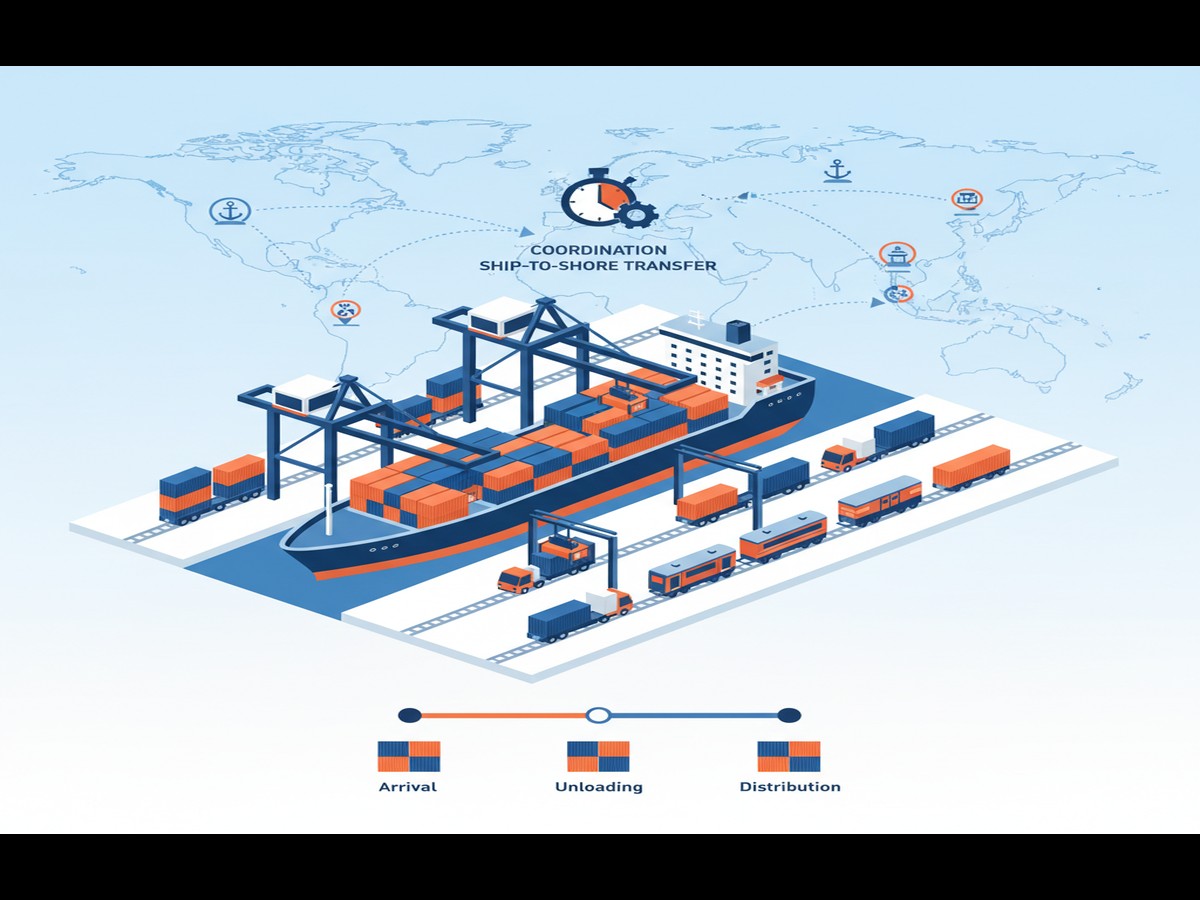
Iraq, a nation strategically positioned at the crossroads of the Middle East, presents immense opportunities for logistics and transportation companies. Its growing economy and ambitious infrastructure projects, such as the Development Road, underscore its potential as a vital trade hub. However, navigating the Iraqi logistics landscape demands more than just efficient operations; it requires an unwavering commitment to Iraq logistics compliance. For Direct Drive Logistic, understanding and adhering to the intricate web of local and international regulations is not merely a best practice—it is the foundation of successful, sustainable, and risk-free operations. Ignoring these mandates can lead to severe penalties, operational disruptions, and irreparable damage to reputation.
Key Aspects of Why Regulatory Compliance is Non-Negotiable for Iraq Logistics
At its core, robust Iraq logistics compliance is about mitigating risks and ensuring seamless operations. Firstly, it safeguards against legal repercussions. Non-compliance can result in substantial fines, cargo confiscation, operational suspensions, and even blacklisting from future contracts. Such penalties can cripple a business, especially in a competitive market like Iraq. Secondly, adherence to regulations ensures operational efficiency. Proper documentation and adherence to procedures, particularly in **customs clearance Iraq**, significantly reduce delays at borders and checkpoints, leading to faster transit times and improved customer satisfaction. This is crucial for time-sensitive cargo and maintaining supply chain integrity. Thirdly, it protects a company’s reputation and builds trust. Partners and clients seek reliable logistics providers who demonstrate accountability and ethical conduct. By consistently meeting regulatory standards, Direct Drive Logistic reinforces its image as a trustworthy and professional entity in the dynamic Iraqi market. This includes stringent adherence to safety standards for all forms of **transportation Iraq**, from road to air freight.
Best Practices for Why Regulatory Compliance is Non-Negotiable for Iraq Logistics
To navigate the complexities of Iraq’s regulatory environment effectively, Direct Drive Logistic employs several best practices. A proactive approach to understanding the evolving legal framework is paramount. This involves continuous research into local laws, international treaties Iraq is party to, and specific industry-related directives. Partnering with reputable local legal and customs experts provides invaluable insights and helps bridge cultural and linguistic gaps, ensuring accurate interpretation and application of regulations. Furthermore, implementing robust internal compliance programs, including regular training for all staff involved in **logistics Iraq** operations, is essential. This ensures that every team member, from drivers to administrative personnel, is aware of their respons responsibilities and the latest procedural requirements. Leveraging technology for documentation management, tracking, and real-time updates on regulatory changes also enhances compliance efforts, creating a
Navigating Iraq's Regulatory Landscape: Key Agencies and Legal Frameworks
Navigating Iraq’s Regulatory Landscape: Key Agencies and Legal Frameworks
Successfully navigating the complex operational environment in Iraq demands a profound understanding of its regulatory landscape. For any business involved in logistics and transportation, identifying the primary governmental bodies and core legal frameworks is the first step towards achieving robust regulatory compliance for Iraq logistics. This section outlines the essential agencies and shipping regulations that govern logistics, customs, and trade within the country, ensuring your operations remain compliant and efficient.
Customs and Border Control: Essential Regulatory Bodies Governing Logistics Operations
The cornerstone of trade and logistics operations in Iraq is the Iraqi Customs Authority. This crucial governmental body is tasked with enforcing customs laws, collecting duties, and meticulously controlling the movement of goods across all of Iraq’s borders. Its jurisdiction spans major entry and exit points, including the vital Umm Qasr seaport, numerous land crossings, and international airports. For businesses engaged in Iraq TIR prerequisite, the Authority’s role in facilitating legitimate trade while ensuring national security and revenue collection is paramount. Effective **customs clearance Iraq** relies heavily on the precise adherence to import/export declarations, accurate goods classification, and correct valuation procedures. Delays and penalties frequently arise from incomplete documentation or non-compliance with specific Iraq import restrictions, underscoring the critical need for expert local knowledge and meticulous preparation in **logistics Iraq**.
Legal Frameworks and Compliance Requirements for International Trade in Iraq
The foundational legal structure for **regulatory compliance for Iraq logistics** is primarily derived from the Iraqi Customs Law No. 23
Essential Documentation and Customs Procedures for Iraq Imports/Exports
Essential Documentation and Customs Procedures for Iraq Imports/Exports
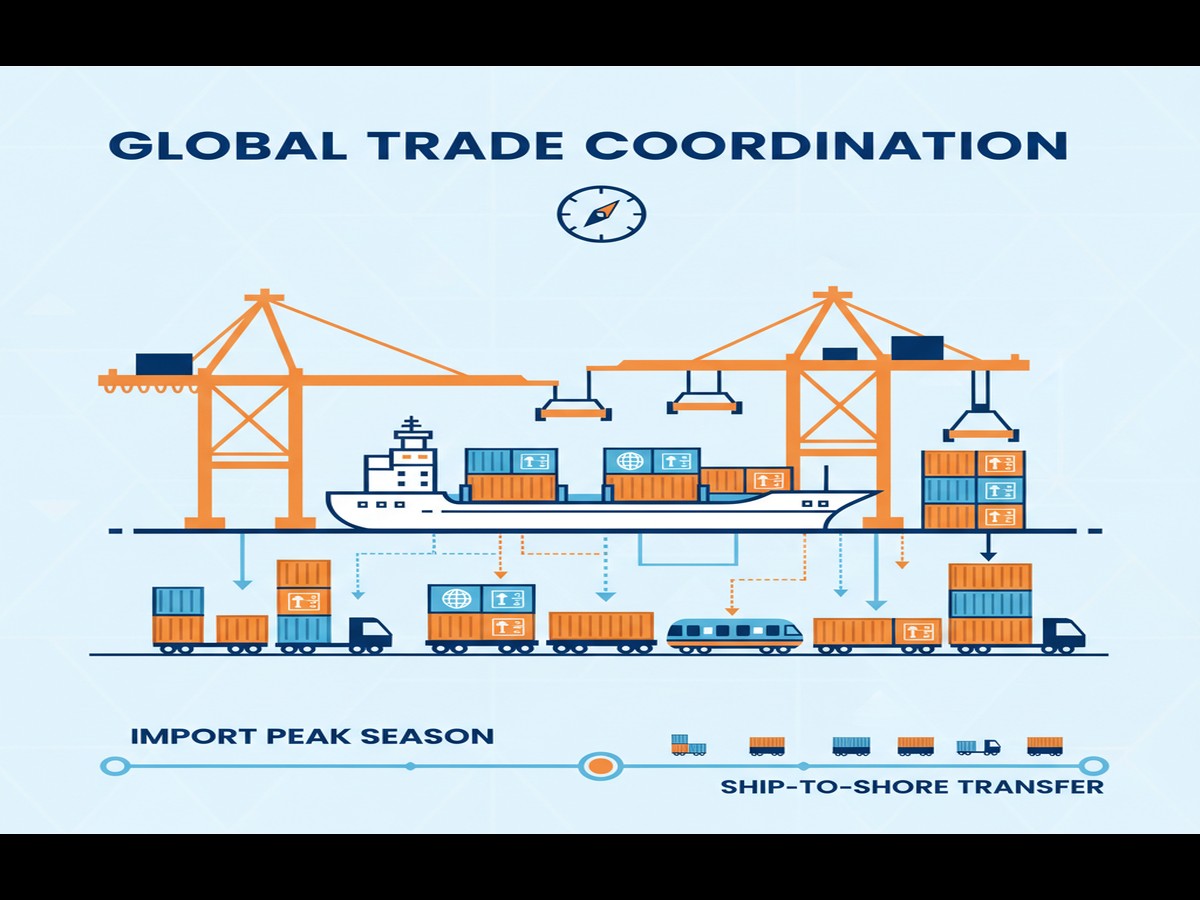
Navigating the intricacies of cross-border trade in Iraq demands meticulous attention to documentation and a clear understanding of customs protocols. For businesses involved in global supply chains, mastering these elements is fundamental to achieving successful commercial transactions and maintaining robust regulatory compliance for Iraq logistics. This section details the mandatory paperwork and step-by-step customs processes required for moving goods into and out of Iraq efficiently and legally.
Key Import/Export Customs Documents Required for Successful Commercial Transactions in Iraq
The foundation of seamless international trade with Iraq lies in the accurate preparation and submission of a comprehensive set of documents. Key import and export customs documents typically include the Commercial Invoice, which details the transaction between the buyer and seller; the Packing List, providing a precise inventory of goods; and the Bill of Lading or Air Waybill, serving as a contract of carriage and title to the goods. Crucially, a Certificate of Origin is often required to determine the goods’ nationality, impacting tariffs and trade agreements. For many goods, an Import License issued by the Iraqi Ministry of Trade is a prerequisite, along with a Pre-Shipment Inspection Certificate, which verifies the quality, quantity, and price of goods before departure. Failure to provide any of these documents or inaccuracies within them can lead to significant delays and penalties, underscoring the importance of meticulous preparation in all Iraq trade insights.
Navigating Complex Iraqi Customs Clearance Processes and Regulatory Compliance Protocols
The customs clearance process in Iraq can be complex, necessitating a strategic approach to avoid bottlenecks in your transportation Iraq operations. The process generally begins with the submission of all required documentation to the Iraqi Customs Authority. This is often followed by a physical inspection of the cargo, which can be rigorous, particularly for sensitive or high-value items. Goods may also be subject to various quality and safety checks, especially those falling under Iraq shipping regulations. For example, specific regulations apply to certain categories like dangerous goods and hazardous materials, requiring specialized handling and certification to ensure cargo compliance. Once inspections are complete and duties/taxes are assessed and paid, customs clearance is granted, and goods are released. Engaging experienced customs clearance Iraq agents, like those partnered with Direct Drive Logistic, can significantly streamline this process, mitigating risks and ensuring adherence to evolving regulatory compliance protocols.
Tariff Classification and Valuation Procedures for Effective International Trade Operations
Accurate tariff classification and valuation are critical components of effective international trade operations within Iraq, directly impacting the duties and taxes payable. Iraq primarily uses the Harmonized System (HS) code for classifying goods, though national subheadings and specific interpretations may apply. Correctly
Need Reliable Delivery Services?
Get a free quote from Direct Drive Logistic today. Fast, secure, and professional logistics solutions tailored to your needs.
Special Compliance Considerations: Sanctions, Restricted Goods, and Security Protocols
Special Compliance Considerations: Sanctions, Restricted Goods, and Security Protocols
Beyond standard import/export tariffs and licensing, effective regulatory compliance for Iraq logistics demands a keen awareness of several specialized areas. Overlooking these can lead to severe penalties, cargo seizure, and significant operational disruptions. Direct Drive Logistic emphasizes a proactive approach to international sanctions, the handling of restricted and dual-use goods, and robust security protocols essential for safe and compliant transportation iraq.
Navigating International Sanctions and Embargoes Affecting Iraq Logistics Operations
Iraq’s complex geopolitical history necessitates meticulous attention to international sanctions and embargoes. While many broad sanctions against Iraq have been lifted, specific individuals, entities, and sectors may still be subject to restrictions imposed by bodies like the United Nations Security Council (UNSC), the U.S. Office of Foreign Assets Control (OFAC), and the European Union. These sanctions can prohibit financial transactions, trade in specific goods, or engagement with listed parties, directly impacting logistics iraq operations.
For logistics providers, this means conducting thorough due diligence on all parties involved in a shipment – consignors, consignees, beneficial owners, and even intermediate handlers. Screening against various sanctions lists is paramount to avoid facilitating prohibited activities. Failure to comply can result in substantial fines, reputational damage, and even criminal charges. Keeping abreast of the dynamic sanctions landscape, including any specific waivers or general licenses, is a continuous requirement for any company involved in Iraq shipping regulations. Staying informed on the evolving business environment and compliance challenges is crucial, as highlighted in a recent Iraq compliance webinar discussing the intricacies of operating in the region.
Managing Dual-Use and Export-Controlled Goods
Another critical area of regulatory compliance for Iraq logistics involves managing dual-use and export-controlled goods. Dual-use items are products, software, and technology normally used for civilian purposes but which could have military applications or contribute to the proliferation of weapons of mass destruction. Examples range from certain chemicals and advanced electronics to specialized machinery and software. Export control regulations, enforced by countries like the U.S. (EAR), EU, and others, dictate strict licensing requirements for these items, regardless of their ultimate intended use.
For any goods destined for Iraq, particularly those with advanced technological components or specific chemical compositions, a comprehensive classification review is essential. This involves determining if an item falls under a controlled list (e.g., Commerce Control List in the U.S.) and, if so, securing the appropriate export licenses from the originating country’s authorities. The destination, end-user, and end-use are all critical factors in this assessment. Misclassification or failure to obtain necessary licenses can lead to severe penalties, including seizure of goods at origin or destination, and significant legal repercussions for all parties involved in the customs clearance iraq process. Direct Drive Logistic employs experts to navigate these complex classifications, ensuring that all shipments comply with international and national export control regimes, safeguarding our clients from potential violations.
Regulatory Compliance For Iraq Logistics Leveraging Technology and Due Diligence for Proactive Compliance in Iraq
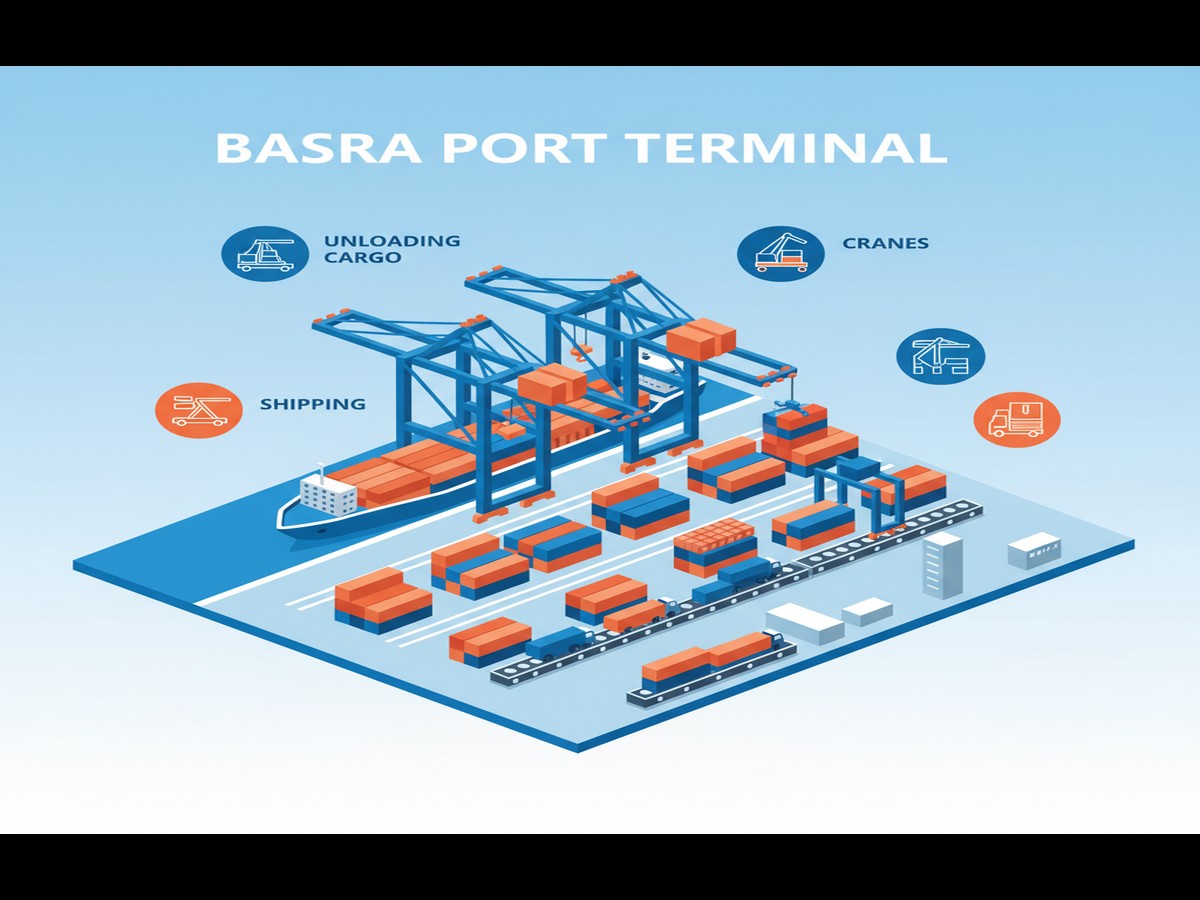
Navigating the intricate web of regulations governing **logistics Iraq** demands more than just diligence; it requires a proactive, tech-driven approach. Leveraging advanced technology and robust due diligence processes can significantly enhance Iraq logistics compliance, transforming potential liabilities into operational strengths and mitigating risks in this dynamic environment.
Advanced Digital Tracking Systems for Real-Time Regulatory Monitoring and Risk Assessment
Modern digital tracking systems are indispensable for maintaining compliance and assessing risks in real-time across the Iraqi supply chain. These systems go beyond simple GPS tracking, integrating IoT sensors for monitoring cargo conditions such as temperature, humidity, and security breaches. For instance, a shipment of pharmaceuticals or sensitive equipment requires precise environmental control, and real-time alerts can notify operators of any deviations that might violate specific import regulations or product integrity standards. Such systems can be integrated with customs manifests and import/export license databases, flagging potential discrepancies before a shipment even reaches the border. By providing granular visibility into every stage of **transportation Iraq**, from origin to final delivery, these tools enable logistics providers to identify and address compliance issues proactively, ensuring adherence to mandated routes, transit times, and security protocols, especially for high-value or restricted goods.
Comprehensive Background Screening and Verification Technologies for Supply Chain Partners
The complexity of the Iraqi market necessitates meticulous vetting of all supply chain partners, from local carriers and warehouse operators to customs brokers. Comprehensive background screening and verification technologies are critical for ensuring that every entity involved upholds the highest standards of compliance and ethical conduct. These digital tools facilitate thorough due diligence by cross-referencing potential partners against international sanctions lists (e.g., OFAC, UN), local business registries, and adverse media databases. They can verify licenses, certifications, financial stability, and legal standing, ensuring that partners are legitimate and possess the necessary permits to operate within Iraq. For example, before engaging a local trucking company, a logistics firm can use these technologies to confirm their vehicle registration, insurance coverage, and driver certifications are all up-to-date and compliant with Iraqi traffic and labor laws. This proactive vetting significantly reduces the risk of associating with non-compliant entities, mitigating exposure to fraud, illicit trade, and reputational damage.
Automated Compliance Management Platforms Tailored to Iraq’s Complex Regulatory Landscape
Given the nuanced and often evolving nature of Iraqi regulations, automated compliance management platforms are essential for streamlining operations and minimizing errors. These specialized platforms are designed to centralize and manage all compliance-related documentation, including licenses, permits, certifications, and their expiry dates. Crucially, they can be tailored to account for the distinct regulatory variations across different regions of Iraq, such as the Kurdistan Region versus federal Iraq, which often have differing import duties, documentation requirements, or prohibited item lists. For example, an automated system can instantly flag the specific documentation needed for a particular commodity entering Basra versus Erbil. Furthermore, these platforms can provide automated updates on changes in Iraqi customs laws, tariffs, or restricted goods lists, ensuring that firms are always operating with the most current information. By automating the generation and submission of necessary forms for **customs clearance Iraq**, such as manifest declarations and customs declarations, these systems not only reduce manual errors but also significantly improve efficiency and provide robust audit trails, proving adherence to regulatory frameworks.
Regulatory Compliance For Iraq Logistics Consequences of Non-Compliance and Effective Mitigation Strategies
Consequences of Non-Compliance and Effective Mitigation Strategies
Navigating the complex regulatory landscape of Iraq logistics demands unwavering attention to detail. Failure to adhere to established rules and regulations can lead to severe repercussions, impacting not only a company’s financial health but also its operational efficiency and reputation. Understanding these potential pitfalls and implementing robust mitigation strategies is paramount for sustainable success in the Iraqi market.
Key Aspects of Consequences of Non-Compliance
The consequences of non-compliance in Iraq logistics can manifest in various forms. Financially, businesses face substantial fines and penalties imposed by government bodies for violations ranging from incorrect documentation to unauthorized cargo. In some cases, goods may be seized or confiscated, leading to significant financial losses and the complete disruption of supply chains. Operationally, non-compliance often results in severe delays at borders and checkpoints, incurring demurrage and storage charges, especially critical for time-sensitive or perishable goods. A common scenario involves shipments being held indefinitely at customs due to incomplete or inaccurate permits, directly impacting delivery schedules and client satisfaction. Furthermore, repeated non-compliance can lead to the suspension or revocation of operating licenses, effectively barring a company from conducting business in Iraq. Beyond the immediate financial and operational setbacks, a damaged reputation can be a lasting consequence, eroding trust among clients, partners, and local authorities, making future business endeavors significantly more challenging. Maintaining strong regulatory compliance for Iraq logistics is therefore not just about avoiding penalties, but about safeguarding long-term business viability.
Best Practices for Effective Mitigation Strategies
To effectively mitigate the risks of non-compliance, companies must adopt a proactive and systematic approach. Firstly, establishing a dedicated compliance team or assigning clear responsibilities to existing personnel is crucial. This team should be tasked with continuous monitoring of evolving Iraqi shipping regulations, ensuring all documentation, permits, and procedures are up-to-date and correctly executed. Investing in comprehensive training programs for all staff involved in operations, particularly those handling customs clearance Iraq and transportation Iraq, is essential. These programs should cover the latest legal requirements, best practices for documentation, and protocols for dealing with inspections. Leveraging technology, such as compliance management software, can streamline document management, automate compliance checks, and provide real-time updates on regulatory changes. Furthermore, cultivating strong relationships with reputable local legal counsel and logistics partners who possess deep expertise in Iraqi law can provide invaluable guidance and support. Regular internal audits and mock inspections can help identify potential vulnerabilities before they lead to actual violations, allowing for timely corrective actions.
Common Challenges in Consequences of Non-Compliance
Despite best efforts, several common challenges can complicate compliance efforts in Iraq. The dynamic nature of shipping regulations Iraq, often subject to frequent amendments and new decrees, makes it difficult for businesses to stay consistently updated. Ambiguity in certain legal texts can also lead to differing interpretations, creating uncertainty for logistics operators. Bureaucratic hurdles, including complex administrative processes and the involvement of multiple government agencies, can further complicate compliance, leading to processing delays and increased administrative burdens. Language barriers, where official documents are often in Arabic, can pose difficulties for international companies. Moreover, navigating the varying enforcement levels and unofficial practices that can exist within different regions or ministries adds another layer of complexity. Addressing these challenges requires not only diligent internal processes but also a commitment to continuous learning, adaptability, and strong local partnerships to ensure seamless logistics Iraq operations and minimize the risks associated with non-compliance.
Partnering for Success: Choosing a Compliant Logistics Provider in Iraq
Partnering for Success: Choosing a Compliant Logistics Provider in Iraq
Navigating the intricate landscape of Iraqi commerce demands more than just efficient movement of goods; it requires unwavering adherence to local and international regulations. For businesses operating or expanding into the region, selecting a logistics partner with a strong commitment to regulatory compliance for Iraq logistics is not merely beneficial—it’s essential. This section outlines critical criteria and advice for choosing a logistics provider that can effectively mitigate risks and ensure smooth operations in Iraq.
Key Regulatory Compliance Criteria for Selecting Iraqi Logistics Partners
When evaluating potential logistics partners in Iraq, the primary focus must be on their demonstrated understanding and adherence to the country’s specific legal framework. This includes compliance with Iraq shipping regulations, labor laws, and environmental standards. A truly compliant provider will possess robust internal protocols and training programs to ensure their staff are up-to-date on all relevant statutes, including any changes to import/export restrictions or sanctioned entities. Look for transparency in their operations and a clear code of ethics that aligns with international best practices. For instance, a reliable partner will readily provide documentation of their adherence to specific UN resolutions or local trade embargoes that might impact certain goods or destinations within Iraq, ensuring your supply chain remains secure and lawful. Their commitment to ethical practices should extend to anti-bribery and anti-corruption measures, which are paramount in complex markets like Iraq.
Evaluating Logistics Providers’ Experience with Complex Iraqi Import/Export Regulations
Iraq’s import and export regulations are often complex and subject to frequent updates, necessitating a partner with proven, hands-on experience. Assess their track record in handling diverse cargo types, particularly those with Iraqi regulatory requirements such as hazardous materials, oversized project cargo, or sensitive equipment. A seasoned provider will have extensive experience with the nuances of various free zones and special economic zones across Iraq, understanding their unique customs procedures and tax incentives. They should be adept at managing the numerous permits, licenses, and inspections required by various Iraqi ministries and authorities. For example, consider a provider who has successfully navigated the multi-modal transportation of essential goods through challenging inland routes, demonstrating their capability to manage documentation and checkpoints efficiently. Their ability to anticipate and proactively address potential regulatory hurdles is a strong indicator of their expertise in transportation Iraq.
Due Diligence: Verifying Licensing, Certifications, and Customs Clearance Capabilities
Thorough due diligence is non-negotiable before engaging any logistics provider in Iraq. Begin by verifying their official business registration and operating licenses issued by relevant Iraqi authorities, such as the Ministry of Transport or Ministry of Trade. Request proof of any industry-specific certifications, like ISO standards for quality management or environmental compliance, which attest to their operational integrity. Crucially, scrutinize their customs clearance Iraq capabilities. This involves confirming they employ licensed customs brokers with a deep understanding of Iraqi tariff classifications, duties, and taxes. Evaluate their efficiency in preparing and submitting accurate documentation, as delays or errors can lead to significant penalties and storage costs. Ask for references from current clients and inquire about their ability to resolve customs disputes or navigate unexpected delays. A strong partner will have a proactive approach to customs challenges, ensuring your shipments move through Iraqi borders as seamlessly as possible.
Frequently Asked Questions
▼ What is the primary challenge in navigating regulatory compliance for Iraq logistics today?
The primary challenge is the dynamic and often inconsistent application of regulations across federal and regional authorities. Frequent policy updates, coupled with varying interpretations at different checkpoints, demand constant vigilance. Ensuring seamless **regulatory compliance for Iraq logistics** requires deep local knowledge and agile adaptation to avoid costly delays and penalties, making an experienced partner invaluable.
▼ What are the essential permits and licenses required for shipping goods into Federal Iraq?
Essential permits include a valid commercial registration for the importing entity, an import license specific to the goods (often issued by relevant ministries like Trade or Industry), and adherence to product-specific standards. For transportation, carriers need Ministry of Transport licenses. Verifying the latest requirements with a local expert before shipping is crucial to prevent customs issues.
▼ How long does it typically take to clear customs for standard cargo shipments in Iraq?
Customs clearance for standard cargo in Iraq typically takes between 3 to 7 business days, provided all documentation is accurate and complete. This timeframe can extend significantly if there are discrepancies, missing permits, or if the goods require specialized inspections. Pre-clearance procedures and working with an experienced customs broker can help expedite this process.
▼ What is the difference in regulatory compliance for Iraq logistics between Federal Iraq and the Kurdistan Region (KRI)?
Federal Iraq and the KRI operate under separate, though sometimes overlapping, regulatory frameworks. The KRI has its own customs authority, import licensing procedures, and local ministries, leading to distinct requirements from Federal Iraq. Businesses must understand both sets of rules to ensure full **regulatory compliance for Iraq logistics** across the entire nation, often requiring dual registration.
▼ Why choose an experienced local partner to manage regulatory compliance for Iraq logistics?
Choosing an experienced local partner, like Direct Drive Logistics, is paramount because they possess real-time knowledge of evolving laws, established relationships with authorities, and practical insights into overcoming bureaucratic hurdles. This expertise is crucial for navigating complex documentation, avoiding common pitfalls, and ensuring seamless **regulatory compliance for Iraq logistics**, minimizing risks and maximizing efficiency.
▼ How much can non-compliance cost a business engaged in Iraq logistics operations?
Non-compliance can be extremely costly, ranging from significant monetary fines (potentially 10-20% of cargo value), cargo confiscation, and demurrage charges for delayed shipments (e.g., $100-$500 per container per day). Furthermore, it can lead to reputational damage, operational disruptions, and even blacklisting, severely impacting future business opportunities in the region.
Conclusion
Ultimately, navigating the intricate landscape of regulatory compliance for Iraq logistics is not merely a bureaucratic hurdle, but a strategic imperative. As we've explored, adhering to these frameworks is crucial for avoiding costly delays, penalties, and reputational damage, while simultaneously fostering operational efficiency, reliability, and stakeholder trust. It’s about building a resilient supply chain that can thrive in Iraq’s dynamic environment.
At Direct Drive Logistics, we understand these complexities intimately. Our deep local expertise and proactive approach mean we don't just react to regulations; we anticipate them, ensuring your operations remain seamless, compliant, and optimized. We provide the clarity and assurance you need to focus on your core business, confident that your logistics are handled with precision and adherence to every legal requirement.
Don't let the intricacies of regulatory compliance for Iraq logistics become a bottleneck for your growth. Partner with Direct Drive Logistics to transform potential challenges into competitive advantages. Leverage our unparalleled knowledge and operational excellence to ensure your cargo moves efficiently and lawfully across Iraq. We invite you to connect with our expert team today. Let’s discuss how Direct Drive Logistics can tailor a robust, compliant, and efficient logistics strategy perfectly suited to your enterprise's unique needs.
Don't let complex Iraqi logistics regulations slow down your supply chain—partner with Direct Drive Logistics to ensure seamless, compliant transportation that minimizes risk and maximizes efficiency. Secure your competitive edge by contacting our expert team today at (+964) 750 953 9899 and transform your Iraqi logistics strategy with our proven regulatory expertise.
📞 Contact Us for a Consultation
Location
Direct Drive Logistic
MRF Quattro towers, Block A-29-1
Erbil, Kurdistan Region